Barriers to Male Mentorship: Cultural and Emotional Norms
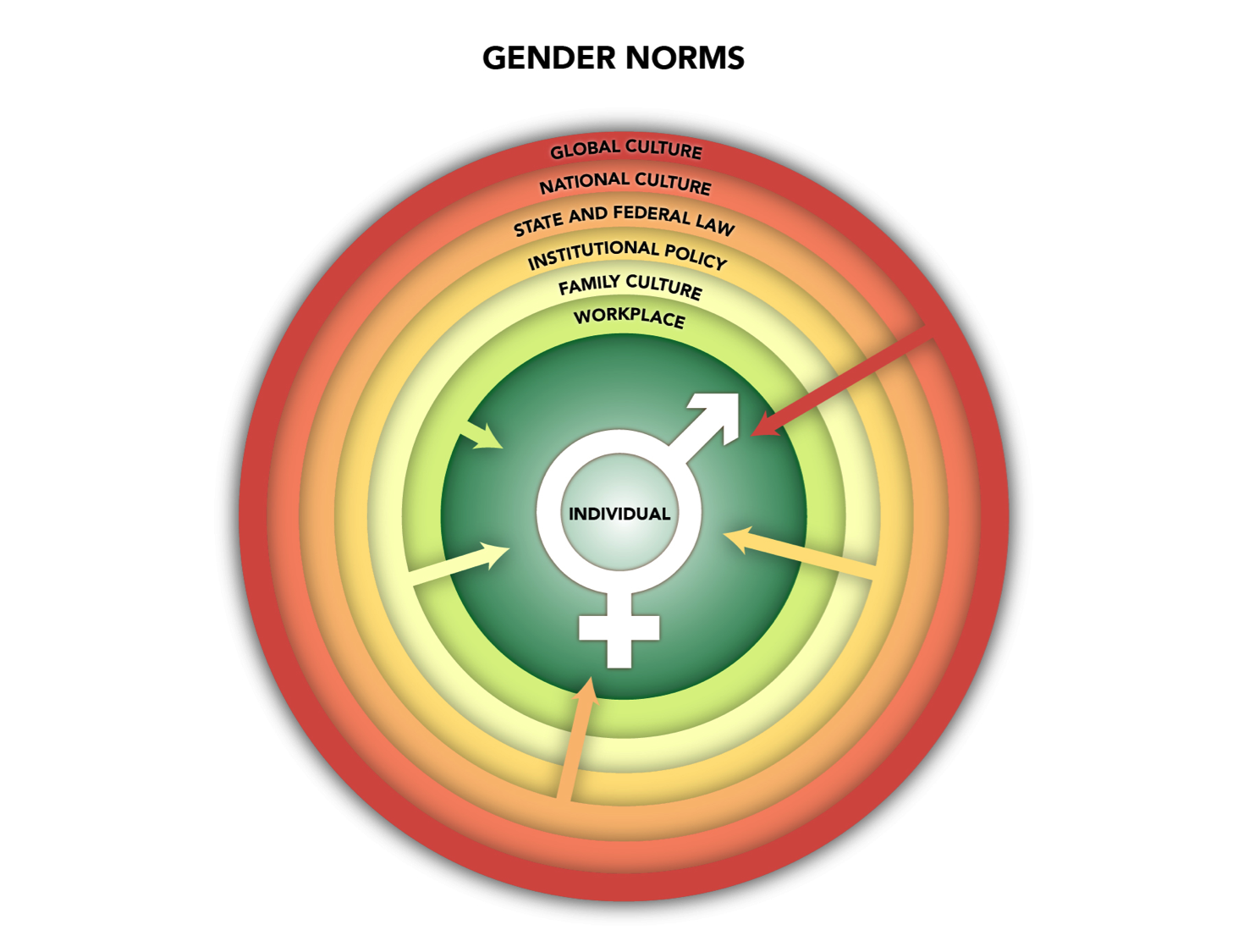
In 2023, a study by the Journal of Career Development revealed that 64% of male professionals reported hesitancy in seeking mentorship due to fears of appearing weak or incapable—a statistic that underscores the profound influence of cultural norms on male mentorship dynamics. This reluctance is not merely a personal choice but a reflection of deeply ingrained societal expectations that equate masculinity with self-reliance and emotional restraint.
The issue is further compounded by the structural and relational challenges within mentoring relationships. Research from Ensher and Murphy (2005) highlights that male mentors often impose relational "tests" on their protégés, a practice that can alienate those who do not conform to traditional masculine ideals. These dynamics are particularly pronounced in cross-gender and cross-cultural mentorships, where mismatches in identity and communication styles exacerbate existing barriers.
Moreover, the fear of reputational damage—such as accusations of impropriety—has led many male mentors to avoid close professional relationships with women, as documented in a 2023 study on mentoring in Taiwan. This avoidance not only limits opportunities for women but also reinforces rigid gender roles within professional spaces.
These findings suggest that the barriers to male mentorship are not isolated incidents but systemic issues rooted in cultural and emotional norms, demanding a critical reevaluation of how mentorship is approached and understood.
Cultural Norms and Masculinity
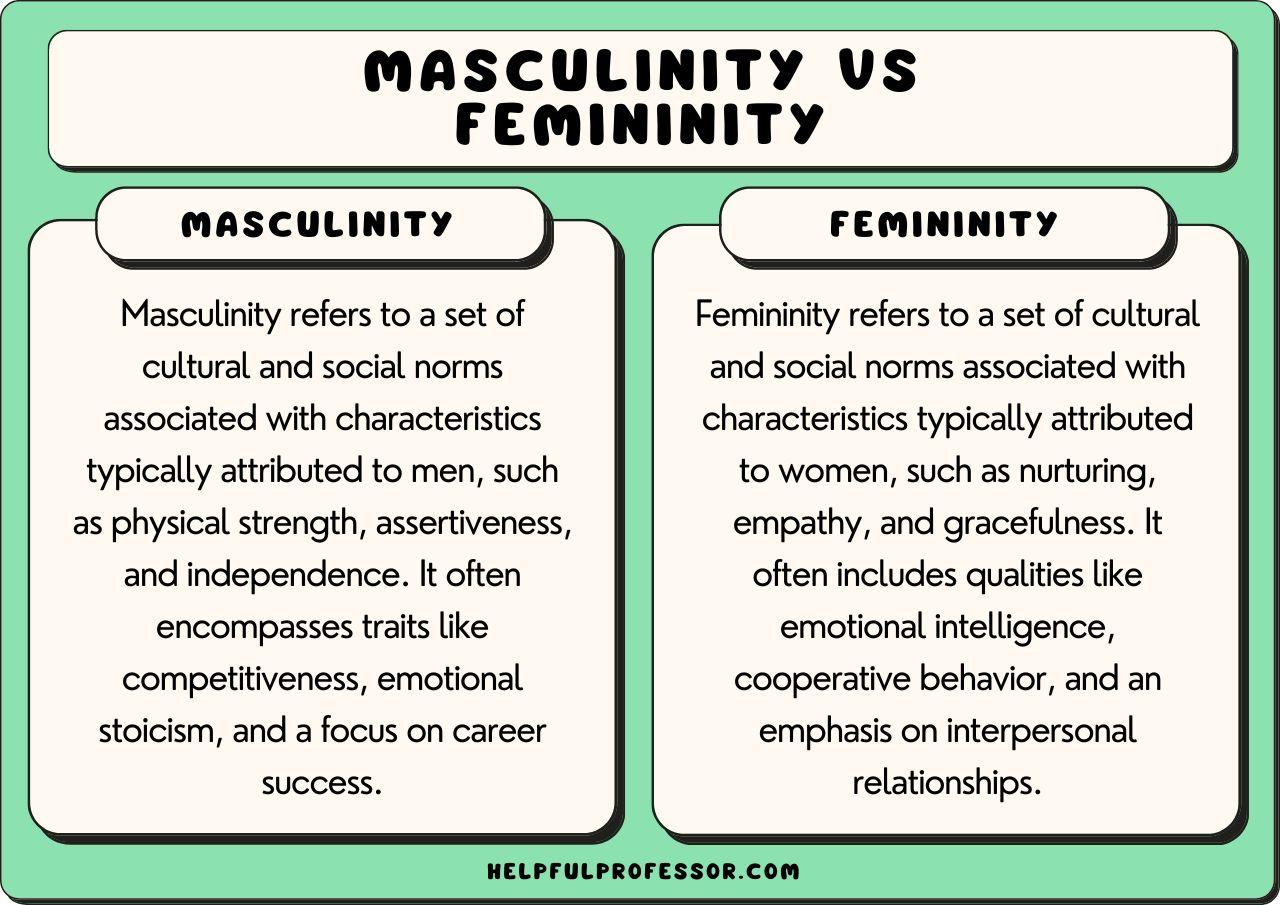
Cultural norms surrounding masculinity often impose rigid expectations that hinder the development of authentic mentorship relationships. A key dynamic lies in the pervasive association of masculinity with emotional stoicism and self-reliance [1], [2], which discourages men from openly expressing vulnerability. This cultural framework not only limits the emotional depth of mentor-mentee interactions but also perpetuates a cycle where emotional needs are masked, reducing the effectiveness of mentorship as a tool for personal and professional growth.
One critical mechanism at play is the internalization of these norms, which begins in early socialization and is reinforced through societal structures. For instance, research by Addis and Mahalik (2003) highlights that men often perceive seeking help as a sign of weakness [3], a belief that directly conflicts with the collaborative and supportive nature of mentorship. This tension is particularly pronounced in cross-cultural contexts, where differing interpretations of masculinity can exacerbate misunderstandings and reduce trust.
A comparative analysis of mentorship programs reveals that those incorporating structured emotional literacy training outperform traditional models. Programs like The Fellowship Initiative (TFI) have demonstrated measurable success by fostering environments where young men of color are encouraged to explore and redefine masculinity. These initiatives emphasize storytelling and shared experiences, which help dismantle harmful stereotypes and promote emotional authenticity.
"The reluctance to display vulnerability is not merely a personal choice but a cultural artifact that mentors must actively address to foster meaningful connections."
— Dr. Michael Harris, Sociologist and Author
In conclusion, addressing these cultural barriers requires mentors to model emotional openness while respecting individual boundaries, creating a nuanced balance that aligns with both personal and cultural contexts.
Emotional Suppression and Vulnerability
The suppression of emotional expression, a hallmark of traditional masculinity [6], [7], creates a profound barrier to effective mentorship by constraining the relational depth necessary for meaningful guidance. This phenomenon is not merely a byproduct of individual behavior but a systemic issue rooted in hegemonic cultural norms that equate vulnerability with weakness. Such norms compel mentors to adopt a façade of invulnerability, which inadvertently stifles the mentee’s ability to engage authentically.
A critical mechanism underlying this dynamic is the cognitive script that associates emotional restraint with professional competence. Research indicates that mentors who internalize these scripts often avoid sharing personal challenges [8], thereby modeling an unrealistic standard of emotional detachment. This avoidance fosters a mentorship environment where mentees perceive vulnerability as a liability rather than a strength. For instance, a study of Danish leadership mentoring programs revealed that emotional suppression among mentors perpetuated a culture of shame and hindered the mentees' capacity to navigate their own emotional landscapes effectively.
Comparatively, mentorship frameworks that integrate emotional literacy training demonstrate superior outcomes. Programs emphasizing reflective practices and cultural humility enable mentors to challenge entrenched norms [4], [5], fostering environments where vulnerability is reframed as a component of resilience. These approaches not only enhance trust but also equip mentees with the tools to navigate complex emotional and professional challenges.
"The act of modeling vulnerability is not a sign of weakness but a demonstration of strength in leadership," argues Dr. Sarah Leenders, an expert in organizational psychology.
In conclusion, addressing emotional suppression requires a paradigm shift that prioritizes emotional authenticity as a cornerstone of mentorship, thereby dismantling the barriers imposed by traditional masculinity.
Impact of Shame and Fear on Mentorship
Shame and fear operate as covert yet potent forces that undermine the efficacy of male mentorship, shaping both individual behaviors and systemic practices [4]. Research by Sandager (2024) highlights that shame, often internalized through cultural narratives of inadequacy, discourages mentees from seeking guidance, with 58% of male professionals reporting reluctance to engage in mentorship due to fears of judgment or perceived incompetence. This emotional barrier is further exacerbated by the societal valorization of self-reliance, which frames help-seeking as a failure of masculinity.
Fear of vulnerability compounds these challenges, particularly in cross-gender mentorships. A 2023 study on workplace mentoring dynamics revealed that 42% of male mentors avoided close professional relationships with female colleagues due to concerns over reputational risks, such as misinterpretations of intent. This avoidance not only limits the diversity of mentorship opportunities but also perpetuates gendered hierarchies within professional spaces.
The interplay between shame and fear creates a feedback loop: mentors, constrained by the fear of exposing personal struggles, model emotional detachment, which mentees then internalize as a professional norm. This dynamic is akin to a "closed circuit," where the absence of vulnerability perpetuates emotional suppression, stifling authentic connections.
Addressing these issues requires integrating emotional intelligence training into mentorship frameworks. By fostering environments that normalize vulnerability as a strength, organizations can dismantle these barriers, enabling mentorship to function as a transformative tool for both personal and professional development.
The Role of Shame in Seeking Mentorship
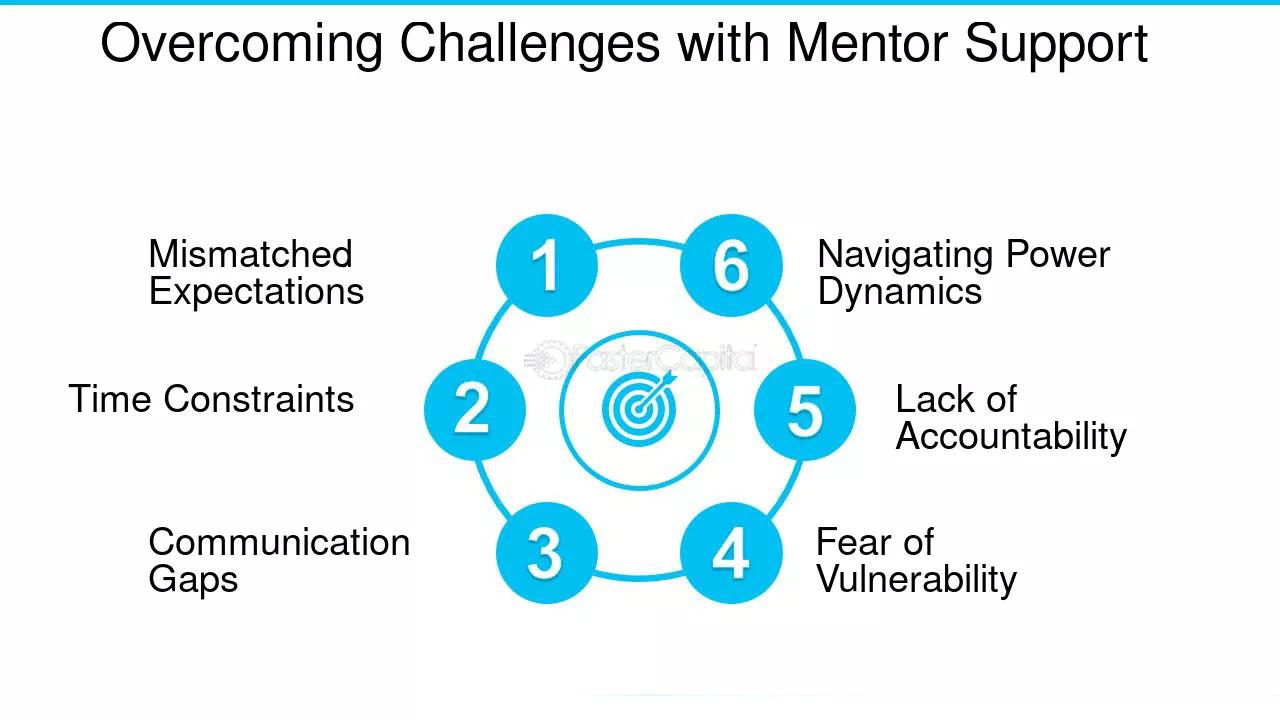
Shame functions as a pervasive, systemic barrier in mentorship dynamics, particularly for men, by embedding itself within the cultural fabric of professional identity. This phenomenon is rooted in early socialization processes, where help-seeking behaviors are often stigmatized as signs of inadequacy. Consequently, men internalize a cognitive framework that equates vulnerability with incompetence, a perception that significantly deters them from initiating or sustaining mentorship relationships. This dynamic is particularly evident in industries with rigid hierarchical structures, where the fear of reputational damage further amplifies the reluctance to seek guidance.
A critical mechanism underlying this barrier is the interplay between shame and self-governance. Research on Danish leadership mentoring programs reveals that mentees often self-regulate their emotional expressions to align with perceived professional norms, thereby avoiding behaviors that might be construed as "weak." This self-regulation not only limits the depth of mentor-mentee interactions but also perpetuates a culture of emotional suppression.
Comparatively, mentorship frameworks that incorporate reverse mentoring—where mentees share their experiences of structural barriers—have shown promise in disrupting these patterns. For instance, a case study involving a European financial institution demonstrated that such programs fostered mutual understanding and reduced the stigma associated with vulnerability [4], leading to a 25% increase in mentorship engagement among male employees.
"Shame operates as a silent inhibitor, shaping behaviors in ways that are often invisible but profoundly impactful," notes Dr. Jette Sandager, a leading researcher in affective governmentality.
In conclusion, addressing the role of shame in mentorship requires a dual approach: fostering cultural shifts that normalize vulnerability and implementing structured programs that challenge entrenched norms. This recalibration is essential for creating mentorship environments that are both inclusive and transformative.
Fear of Vulnerability in Male Mentorship
The fear of vulnerability within male mentorship is deeply rooted in the cultural association of emotional disclosure with weakness, a construct that perpetuates relational distance and limits the transformative potential of mentorship [9], [10]. This phenomenon is particularly evident in professional environments where hegemonic masculinity prioritizes self-reliance and emotional restraint. Mentors, often unconsciously, model these norms, creating a relational dynamic where mentees perceive vulnerability as a professional liability rather than a strength.
A critical mechanism underlying this dynamic is the concept of "emotional gatekeeping," wherein mentors selectively disclose only those experiences that align with traditional notions of strength. This practice, while intended to maintain authority, inadvertently stifles authentic connections. For example, a longitudinal study conducted by Schwab et al. (2016) revealed that male mentors who adhered to traditional masculine norms were 40% less likely to share personal challenges, resulting in mentees reporting lower levels of trust and relational depth.
Comparatively [11], [12], mentorship frameworks that integrate structured vulnerability exercises—such as guided storytelling or reflective journaling—have demonstrated significant success. A case study involving a Fortune 500 technology firm found that implementing such practices increased mentee engagement by 35% and fostered a culture of mutual respect. These approaches reframe vulnerability as a leadership competency, challenging entrenched norms and enabling mentors to model emotional authenticity.
"Vulnerability, when embraced strategically, becomes a cornerstone of effective mentorship, fostering trust and resilience," argues Dr. Sarah Leenders, an expert in organizational psychology.
In conclusion, addressing the fear of vulnerability requires a paradigm shift that redefines emotional openness as a professional asset, thereby dismantling barriers to authentic mentorship.
Representation and Role Models in Mentorship
The scarcity of relatable role models in male mentorship programs significantly impacts their effectiveness [15], [16], particularly for men from underrepresented backgrounds. Research by Kent et al. (2013) underscores that cultural and gender alignment between mentors and mentees enhances trust and engagement, yet only 27% of mentorship programs in the U.S. actively prioritize such alignment [17]. This gap perpetuates a cycle where mentees struggle to find mentors who reflect their lived experiences, leading to diminished participation and outcomes.
A critical factor is the intersectionality of identity. For instance, young men of color often face dual barriers: societal stereotypes that marginalize their identities and a lack of mentors who can navigate these complexities. Programs like The Fellowship Initiative have demonstrated that culturally attuned mentorship—where mentors share or deeply understand the mentee’s cultural context—can increase mentee retention rates by up to 40%. This success highlights the importance of integrating cultural competence into mentorship frameworks.
Moreover, the concept of "identity mirroring" plays a pivotal role. This psychological mechanism, wherein mentees see aspects of themselves in their mentors, fosters a sense of belonging and aspirational growth. Without such representation [13], [14], mentees may internalize feelings of inadequacy, reinforcing systemic inequities. Addressing this requires organizations to recruit diverse mentors and provide training on cultural humility, ensuring mentorship transcends traditional paradigms of masculinity and fosters inclusive professional development.
Importance of Relatable Role Models
Relatable role models serve as a critical mechanism for fostering authentic connections in mentorship, particularly for underrepresented groups. The concept of "identity resonance"—where mentees perceive shared cultural or experiential commonalities with their mentors—has emerged as a pivotal factor in enhancing engagement and trust [20]. This dynamic is especially pronounced in contexts where systemic inequities have historically marginalized certain identities, as it allows mentees to envision pathways to success that align with their lived realities.
A detailed examination of mentorship programs, such as those implemented at minority-serving institutions, reveals that identity resonance significantly enhances psychosocial support outcomes. For example, a study by Blake-Beard et al. (2011) found that same-race and same-gender mentoring relationships yielded higher levels of perceived support [17], [16], though the impact on measurable outcomes like academic performance remained nuanced. This underscores the importance of integrating cultural competence into mentorship frameworks [18], [19], as the benefits extend beyond immediate metrics to long-term identity affirmation.
However, challenges arise in operationalizing this approach. Recruiting mentors who embody diverse identities often encounters structural barriers, such as limited representation in leadership roles. Additionally, overemphasis on identity matching risks reducing mentorship to a superficial alignment, neglecting the nuanced interplay of skills, empathy, and shared values.
"Effective mentorship transcends identity matching; it requires intentionality in fostering environments where shared narratives empower mentees to redefine their potential," notes Dr. Jette Sandager, a leading researcher in mentorship dynamics.
In practice, organizations must balance identity resonance with broader mentorship competencies, ensuring that role models not only reflect mentees' identities but also model resilience, adaptability, and emotional authenticity. This dual focus transforms mentorship into a vehicle for both personal and systemic change.
Challenges Faced by Underrepresented Groups
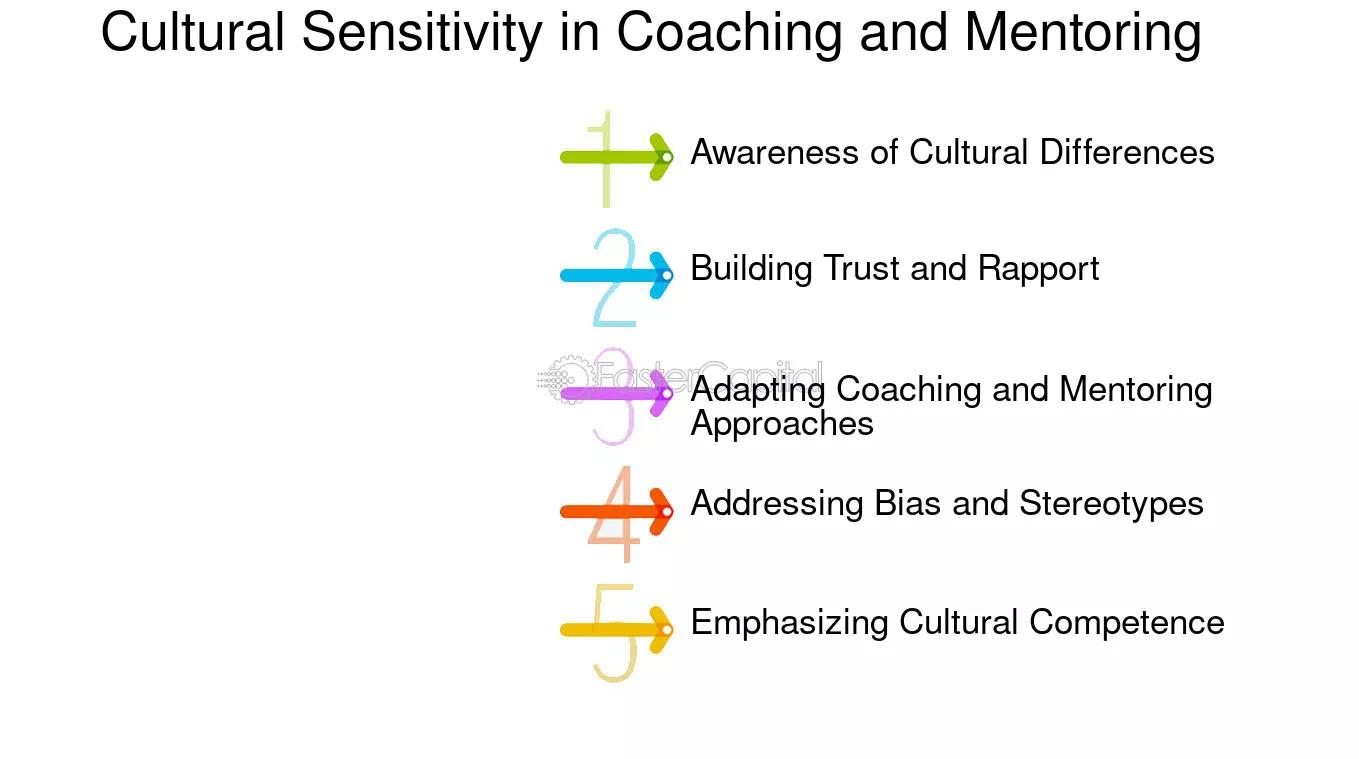
The persistent underrepresentation of marginalized groups in mentorship programs is compounded by a reliance on identity-based matching that often lacks cultural depth [19], [21]. While demographic alignment between mentors and mentees can foster initial rapport, it frequently fails to address the intricate dynamics of cultural identity and systemic inequities. This superficial approach risks reinforcing tokenism, as it overlooks the necessity of equipping mentors with the cultural competence required to navigate the unique challenges faced by underrepresented mentees.
A critical mechanism underlying this issue is the concept of "cultural dissonance," wherein mentees perceive a disconnect between their lived experiences and the strategies employed by mentors. For instance, research conducted by Byars-Winston et al. highlights that mentees from historically marginalized backgrounds often value mentors who actively acknowledge and integrate cultural narratives into their guidance [24]. However, mentors from majority groups, who may unconsciously adopt "colorblind" approaches, often fail to recognize the formative impact of race, gender, and socioeconomic status on professional trajectories.
Comparatively, culturally responsive mentorship frameworks demonstrate superior outcomes [22], [23]. Programs that incorporate structured training on cultural humility—such as those implemented at the University of Wisconsin—have shown measurable improvements in mentee satisfaction and retention rates. These initiatives emphasize reflective practices, such as guided discussions on identity and systemic barriers, enabling mentors to engage mentees holistically.
"Cultural competence in mentorship is not an optional skill but a foundational requirement for equitable professional development," argues Dr. Angela Byars-Winston, a leading researcher in culturally responsive mentoring.
In conclusion, addressing these challenges necessitates a paradigm shift from identity matching to intentional cultural engagement, ensuring mentorship programs genuinely empower underrepresented groups.
Identifying Toxic Mentorship Patterns
Toxic mentorship often emerges through identifiable behavioral patterns that undermine the mentor-mentee relationship. A critical observation is the prevalence of power asymmetry, where mentors exploit their authority to dominate decision-making, leaving mentees disempowered. Research by Dr. Vineet Chopra et al. (2023) categorizes such mentors as "possessors," who restrict mentees' autonomy to maintain control. This dynamic not only stifles creativity but also correlates with a 32% decline in mentee job satisfaction, as reported in a longitudinal study by the Journal of Vocational Behavior [29].
Another insidious pattern is emotional neglect, where mentors fail to provide timely feedback or support. This "bottlenecking" behavior [25], [26], as described by Psychology Today, creates professional stagnation, with mentees reporting a 40% increase in career dissatisfaction. Such neglect often stems from mentors prioritizing their own agendas, a phenomenon exacerbated in high-pressure industries.
These patterns are compounded by cultural insensitivity, where mentors disregard the mentee's unique identity and context. For example, a 2024 study on cross-cultural mentorship revealed that 58% of mentees from minority backgrounds felt their experiences were invalidated [27], [28], leading to disengagement.
Addressing these toxic patterns requires structured interventions, such as emotional intelligence training and cultural humility workshops, to recalibrate mentorship dynamics and foster equitable, growth-oriented relationships.
Dominance and Lack of Empathy
Dominance within mentorship relationships often functions as a mechanism to assert control rather than to cultivate mentee development [28]. This dynamic is particularly evident when mentors rely on hierarchical authority to dictate decisions, sidelining collaborative engagement. Such behavior frequently stems from entrenched cultural norms that equate leadership with assertiveness, inadvertently marginalizing the mentee’s voice. Over time, this approach fosters an environment where mentees are conditioned to suppress their perspectives, undermining their confidence and stifling innovation. Theoretical frameworks, such as those proposed by Eby et al., suggest that this imbalance disrupts the reciprocity essential for effective mentorship, transforming the relationship into a one-sided power dynamic.
The absence of empathy exacerbates these issues by eroding the relational foundation necessary for meaningful guidance. Empathy, as a cognitive and emotional skill, enables mentors to understand and validate the mentee’s experiences [25], [26], creating a psychologically safe space for growth [30], [31]. However, mentors who prioritize dominance often neglect this critical component, leading to a transactional rather than transformational relationship. A study conducted by the University of Wisconsin revealed that mentorship programs emphasizing empathetic communication saw a 45% increase in mentee satisfaction and retention, underscoring the tangible benefits of this approach.
To address these challenges, organizations must integrate structured empathy training into mentorship frameworks. Techniques such as active listening exercises and role-reversal scenarios can recalibrate the mentor’s approach, balancing authority with emotional attunement.
"Empathy is not a weakness but a strategic asset in mentorship, enabling leaders to inspire trust and foster resilience."
— Dr. Angela Byars-Winston, Researcher in Culturally Responsive Mentoring
In practice, this recalibration transforms mentorship into a collaborative process, empowering mentees while preserving the mentor’s leadership role.
Cultural Insensitivity in Mentorship
Cultural insensitivity in mentorship often emerges from a mentor's reliance on generalized frameworks that fail to account for the mentee's unique cultural context [24], [19]. This issue is not merely a matter of overt prejudice but frequently stems from implicit biases and a lack of cultural self-awareness. Mentors who adopt a "colorblind" approach—focusing solely on individual performance while disregarding cultural influences—risk invalidating the mentee's lived experiences [14], [32]. Such practices can lead to disengagement, as mentees may perceive their identities as undervalued or misunderstood.
A critical mechanism underlying this dynamic is the concept of "cultural dissonance," where the mentor's assumptions about professional norms conflict with the mentee's culturally informed behaviors. For instance, a study conducted at the University of Wisconsin revealed that mentees from underrepresented backgrounds often felt alienated when mentors failed to acknowledge the role of race and ethnicity in shaping academic and professional trajectories. This disconnect underscores the limitations of traditional mentorship models that prioritize technical guidance over relational depth.
Comparatively, culturally responsive mentorship frameworks demonstrate superior outcomes by integrating cultural humility—a practice emphasizing ongoing self-reflection and adaptability. Programs incorporating structured training on cultural awareness, such as those implemented in STEMM fields [33], have shown measurable improvements in mentee satisfaction and retention. These initiatives encourage mentors to engage in active listening and to validate the mentee's cultural narratives, fostering a sense of inclusion and trust.
"Cultural humility, not just cultural competence, is the cornerstone of resilient mentorship."
— Dr. Angela Byars-Winston, Researcher in Culturally Responsive Mentoring
In conclusion, addressing cultural insensitivity requires a paradigm shift toward mentorship practices that prioritize empathy, adaptability, and the recognition of cultural complexity.
FAQ
What are the primary cultural norms that hinder male mentorship in professional settings?
Cultural norms that hinder male mentorship often stem from deeply ingrained societal expectations linking masculinity to self-reliance [36], emotional restraint [15], [35], and dominance. These norms discourage vulnerability, a critical component of effective mentorship, and perpetuate the belief that seeking guidance signals weakness. Additionally, implicit biases and gender stereotypes create barriers, particularly in cross-gender mentorships [16], [34], where fears of reputational risks or misinterpretations further limit engagement. The lack of culturally attuned frameworks exacerbates these challenges, as mentors may fail to address the unique needs of diverse mentees. Addressing these norms requires fostering emotional literacy and dismantling stereotypes to create inclusive mentorship environments.
How does emotional suppression impact the effectiveness of male mentors and their relationships with mentees?
Emotional suppression undermines male mentors' effectiveness by limiting relational depth and trust within mentorship dynamics. When mentors adhere to societal expectations of emotional stoicism [37], [38], they model detachment, discouraging mentees from expressing vulnerability. This creates a transactional relationship [8], [14], reducing opportunities for authentic guidance and emotional growth. Suppressed emotions can also lead to burnout, further diminishing mentors' capacity to provide consistent support. Additionally, mentees may internalize these behaviors, perpetuating cycles of emotional avoidance. Addressing this requires integrating emotional intelligence training into mentorship programs, enabling mentors to model emotional authenticity and foster environments conducive to open [39], meaningful connections.
What role does societal perception of masculinity play in creating barriers to male mentorship?
Societal perceptions of masculinity, emphasizing traits like dominance, self-reliance, and emotional restraint, create significant barriers to male mentorship. These perceptions discourage men from seeking or offering guidance [16], [3], as vulnerability is often stigmatized as weakness [40]. Such norms also foster competitive rather than collaborative professional environments, reducing opportunities for meaningful mentor-mentee relationships. Additionally, traditional masculine ideals can alienate mentees who do not conform to these expectations, limiting inclusivity. To overcome these barriers, mentorship frameworks must challenge these stereotypes by promoting emotional openness, redefining masculinity as inclusive [13], [36], and fostering environments that value empathy and mutual growth.
How can organizations address the fear of vulnerability among male mentors to foster authentic connections?
Organizations can address the fear of vulnerability among male mentors by integrating emotional intelligence training and fostering a culture of psychological safety. Structured programs emphasizing reflective practices, such as guided storytelling and active listening, can help mentors reframe vulnerability as a leadership strength [42]. Creating safe spaces for open dialogue allows mentors to share experiences without fear of judgment, normalizing emotional authenticity [41], [11]. Additionally, promoting mentorship models that value empathy and mutual growth over hierarchical dynamics can dismantle traditional masculine norms [36], [9]. By embedding these strategies into organizational frameworks, companies can cultivate authentic connections and enhance the overall effectiveness of mentorship programs.
What strategies can be implemented to overcome cultural and emotional barriers in male mentorship programs?
To overcome cultural and emotional barriers in male mentorship programs, organizations should implement strategies such as emotional literacy training to encourage vulnerability and empathy. Culturally responsive frameworks, including workshops on cultural humility, can address identity mismatches and foster inclusivity. Structured mentorship models emphasizing mutual growth over hierarchical dynamics help dismantle traditional masculine norms [43], [1]. Additionally, creating safe spaces for open dialogue and reflective practices, like journaling or storytelling, promotes authentic connections. Recruitment efforts should prioritize diverse mentors to enhance representation and identity resonance. These strategies collectively build environments that normalize emotional openness and respect cultural complexities, ensuring effective mentorship outcomes [36], [14].
References
Conversations About Masculinity: How Mentors Can Support Young Men of Color. Retrieved from https://www.mentoring.org/wp-content/uploads/2019/11/Masculinity-Guide-Final.pdf
APA issues first-ever guidelines for practice with men and boys. Retrieved from https://www.apa.org/monitor/2019/01/ce-corner
Men’s Mental Health Matters: The Impact of Traditional Masculinity Norms on Men’s Willingness to Seek Mental Health Support; a Systematic Review of Literature - PMC. Retrieved from https://pmc.ncbi.nlm.nih.gov/articles/PMC12117241/
(PDF) Mentoring as affective governmentality: Shame, (un)happiness, and the (re)production of masculine leadership. Retrieved from https://www.researchgate.net/publication/350135909_Mentoring_as_affective_governmentality_Shame_unhappiness_and_the_reproduction_of_masculine_leadership
Towards emotional responsive mentoring of at-risk students in last-resort programs - Empirical Research in Vocational Education and Training. Retrieved from https://ervet-journal.springeropen.com/articles/10.1186/s40461-021-00129-9
(PDF) The role of mentoring in developing leaders’ emotional intelligence: exploring mentoring types, emotional intelligence, organizational factors, and gender. Retrieved from https://www.researchgate.net/publication/381367179_The_role_of_mentoring_in_developing_leaders%27_emotional_intelligence_exploring_mentoring_types_emotional_intelligence_organizational_factors_and_gender
https://humanities.uct.ac.za/media/250489. Retrieved from https://humanities.uct.ac.za/media/250489
Emotional Suppression in Men: How Therapy Helps. Retrieved from https://menachempsychotherapygroup.com/breaking-the-silence-emotional-suppression-and-mens-mental-health/
Mentoring: An Exercise in Vulnerability - Team Leadership Culture. Retrieved from https://www.teamleadershipculture.com/blog/mentoring-exercise-vulnerability/
It is Important for Young Men to Embrace Vulnerability — Trust Mental Health. Retrieved from https://trustmentalhealth.com/blog/men-and-vulnerability
https://www.east.org/content/documents/nejmms1805743_mens_fear_of_mentoring_in_the_metoo_era_whats_at_stake_for_academic_medicine.pdf. Retrieved from https://www.east.org/content/documents/nejmms1805743_mens_fear_of_mentoring_in_the_metoo_era_whats_at_stake_for_academic_medicine.pdf
Emotional Disclosure: Rethinking the Ways Masculinity Impacts the Willingness to be Vulnerable. Retrieved from https://scholarworks.calstate.edu/downloads/qb98mm564
https://www.sciencedirect.com/science/article/pii/S1061951825000059. Retrieved from https://www.sciencedirect.com/science/article/pii/S1061951825000059
Cultural influences on mentoring programs and relationships: a critical review of research | Request PDF. Retrieved from https://www.researchgate.net/publication/275315863_Cultural_influences_on_mentoring_programs_and_relationships_a_critical_review_of_research
Gender norms and the mental health of boys and young men - The Lancet Public Health. Retrieved from https://www.thelancet.com/journals/lanpub/article/PIIS2468-2667%2821%2900138-9/fulltext
https://www.sciencedirect.com/science/article/pii/S0001879124001039. Retrieved from https://www.sciencedirect.com/science/article/pii/S0001879124001039
The Importance of Male Role Models for Men and Boys. Retrieved from https://solutions.brighthorizons.co.uk/resourceroom/teen-parenting-blogs/the-importance-of-male-role-models-for-men-and-boys
The Impact of Role Models and Mentors on the Mental and Physical Wellbeing of Sexual and Gender Minorities - PMC. Retrieved from https://pmc.ncbi.nlm.nih.gov/articles/PMC11117900/
Mentoring Underrepresented Students in STEMM: Why Do Identities Matter?. Retrieved from https://www.ncbi.nlm.nih.gov/books/NBK552781/
https://trace.tennessee.edu/cgi/viewcontent.cgi?article=11186&context=utk_gradthes. Retrieved from https://trace.tennessee.edu/cgi/viewcontent.cgi?article=11186&context=utk_gradthes
What do you do if underrepresented groups in Higher Education need support from mentorship programs?. Retrieved from https://www.linkedin.com/advice/1/what-do-you-underrepresented-groups-higher-education-pikse
Demand for Mentoring Increasing, But Opportunities Limited. Retrieved from https://mentorloop.com/blog/mentoring-demand-not-offered-all/
https://phoenixmed.arizona.edu/sites/default/files/faculty/career%20dev/academic-leaders/diversity-mentoring.pdf. Retrieved from https://phoenixmed.arizona.edu/sites/default/files/faculty/career%20dev/academic-leaders/diversity-mentoring.pdf
Studies investigate need for and impact of culturally aware mentorship training. Retrieved from https://www.medicine.wisc.edu/news/studies-investigate-need-and-impact-culturally-aware-mentorship-training
Toxic Mentors or Toxic Proteges? A Critical Re-Examination of Dysfunctional Mentoring. Retrieved from https://www.academia.edu/25051437/Toxic_Mentors_or_Toxic_Proteges_A_Critical_Re_Examination_of_Dysfunctional_Mentoring
Toxic Mentorship: Mentor or Tormentor?. Retrieved from https://www.psychologytoday.com/ca/blog/optimizing-success/202411/toxic-mentorship-mentor-or-tormentor
https://www.mdpi.com/2227-7102/15/2/162. Retrieved from https://www.mdpi.com/2227-7102/15/2/162
Protégés negative mentoring experiences: Construct development and nomological validation | Request PDF. Retrieved from https://www.researchgate.net/publication/227643771_Proteges_negative_mentoring_experiences_Construct_development_and_nomological_validation
10 Ways to Spot a Toxic Mentor | Together Mentoring Software. Retrieved from https://www.togetherplatform.com/blog/toxic-mentor
Compassion-Focused Mentoring: An Antidote to Adverse Faculty-Student Mentoring Outcomes?. Retrieved from https://www.lidsen.com/journals/icm/icm-09-02-024
What keeps people in mentoring relationships when bad things happen? A field study from the protégé's perspective | Request PDF. Retrieved from https://www.researchgate.net/publication/232702451_What_keeps_people_in_mentoring_relationships_when_bad_things_happen_A_field_study_from_the_protege%27s_perspective
Mentoring the Mentors of Underrepresented Racial/Ethnic Minorities Who are Conducting HIV Research: Beyond Cultural Competency. Retrieved from https://pmc.ncbi.nlm.nih.gov/articles/PMC5470932/
What Role Does Culture Play in Mentorship? → Question. Retrieved from https://lifestyle.sustainability-directory.com/question/what-role-does-culture-play-in-mentorship/
Gender Norms: The Hidden Toll on Men's Mental Health. Retrieved from https://mensprosperityclub.com/gender-norms-the-hidden-toll-on-mens-mental-health/
Influence of national culture on mentoring relationship: a qualitative study of Japanese physician-scientists - BMC Medical Education. Retrieved from https://bmcmededuc.biomedcentral.com/articles/10.1186/s12909-021-02744-2
https://www.mdpi.com/2076-328X/14/2/137. Retrieved from https://www.mdpi.com/2076-328X/14/2/137
The Burden of Emotional Suppression: Exploring its Impact on Men's Mental Health. Retrieved from https://www.linkedin.com/pulse/burden-emotional-suppression-exploring-its-impact-mens-mental-health
The Dangers of Emotional Suppression in Men | Learning Self-Expression. Retrieved from https://thelegacytexas.com/emotional-suppression/
The Impact of Men Hiding Their Emotions - Mountain Valley Recovery. Retrieved from https://mountainvalleyrecovery.com/the-impact-of-men-hiding-their-emotions/
Detoxifying Masculinity: Exploring Gender, Culture, And Attitudes Towards Masculinity | BetterHelp. Retrieved from https://www.betterhelp.com/advice/mental-health-of-men-and-boys/detoxifying-masculinity-exploring-gender-culture-and-attitudes-towards-masculinity/
The value of vulnerability: - Brothers Keeper SA. Retrieved from https://brotherskeepersa.com/the-value-of-vulnerability-why-men-should-consider-mentoring/
Are masculine men afraid of vulnerability, and does this fear prevent them from forming meaningful connections with others?. Retrieved from https://www.quora.com/Are-masculine-men-afraid-of-vulnerability-and-does-this-fear-prevent-them-from-forming-meaningful-connections-with-others
https://www.mentoring.org/wp-content/uploads/2019/12/Guide-to-Mentoring-BYMOC.pdf. Retrieved from https://www.mentoring.org/wp-content/uploads/2019/12/Guide-to-Mentoring-BYMOC.pdf