Brotherhood and Belonging: Gen Z Men in Online Spaces
In 2022, a Pew Research Center study revealed that 70% of teenagers across all demographics identified anxiety and depression as pervasive issues among their peers. For Generation Z men, this mental health crisis intersects with an unexpected phenomenon: the rise of digital brotherhoods. These online spaces—ranging from gaming forums to niche social media groups—have become critical arenas for connection, where traditional notions of masculinity are being quietly redefined.
Dr. Zac Seidler, a clinical psychologist and director of mental health training at Movember, notes, “Young men are gravitating toward these communities not just for entertainment, but for a sense of belonging they struggle to find elsewhere.” This shift is underscored by data from Aviva, which found that 76% of Gen Z men are willing to discuss their mental health, a stark contrast to older generations.
Yet, these digital sanctuaries are not without complexity. While they offer camaraderie and support, they also expose participants to toxic behaviors and online aggression, creating a dual-edged environment that shapes identity and well-being in profound ways.
The Digital Nativity of Gen Z
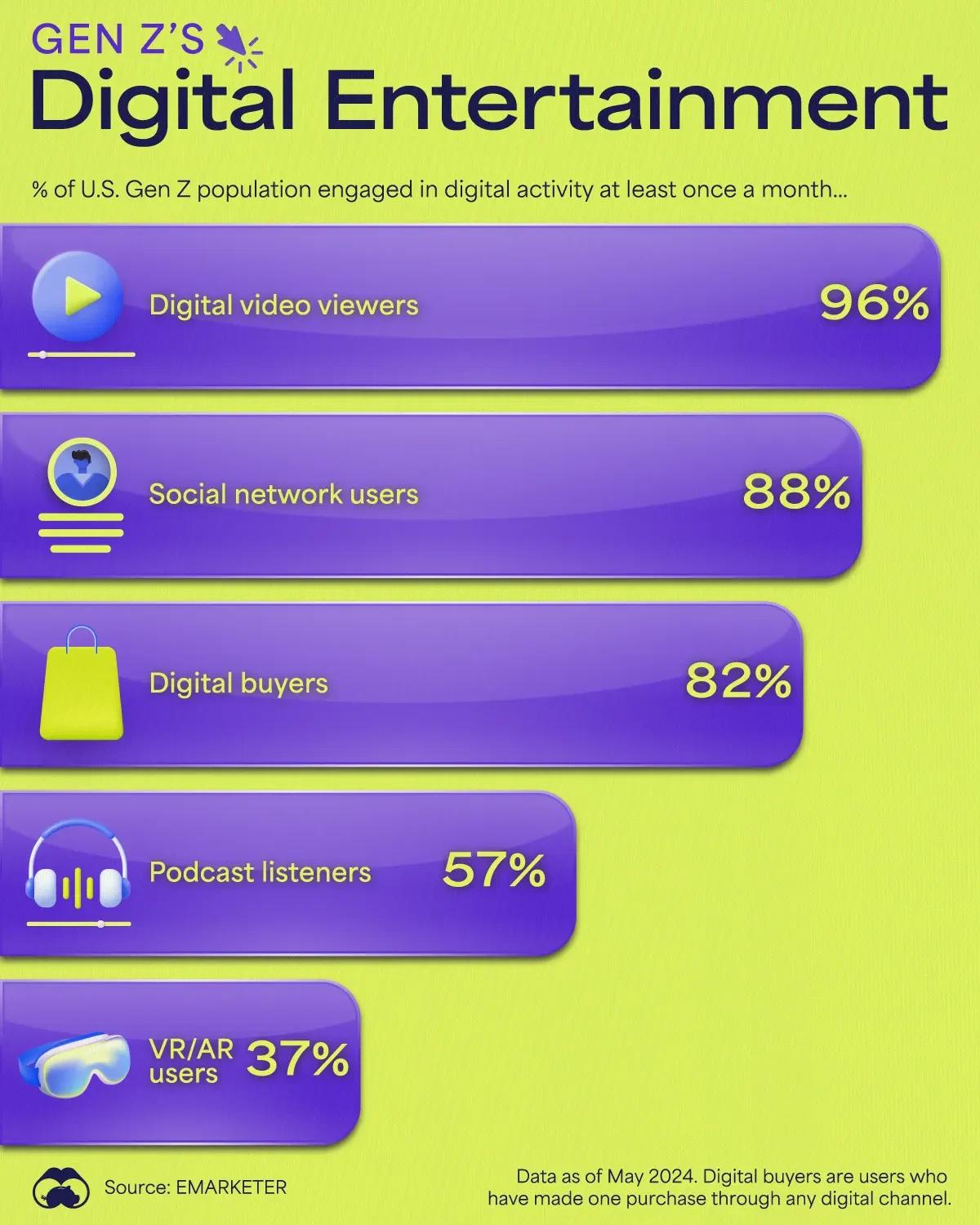
Generation Z’s digital nativity extends beyond mere proficiency with technology; it fundamentally reshapes how they construct and sustain social bonds [1], [2]. Unlike previous generations, their interactions are deeply embedded in the architecture of digital platforms, where identity and community are co-created in real time. This phenomenon is particularly evident in their use of gamified environments, such as Discord servers or multiplayer gaming platforms, which blend entertainment with emotional connectivity.
A critical mechanism driving this dynamic is the integration of humor and shared cultural references as tools for fostering trust. Memes, for instance, serve as a low-stakes entry point for engagement, often evolving into deeper conversations. This contrasts with traditional offline interactions, where vulnerability typically requires prolonged familiarity. Research by Tyson et al. (2021) highlights that 70% of Gen Zers report emotional resonance with online content [5], underscoring the role of digital media in shaping their relational frameworks.
However, this reliance on digital spaces introduces unique challenges. The anonymity afforded by these platforms can amplify toxic behaviors, creating environments where support and hostility coexist. Comparative studies reveal that while platforms like Reddit encourage open dialogue [3], [4], they also exhibit higher incidences of online aggression compared to curated spaces like private Discord groups.
By reframing community-building as a fluid, iterative process, Gen Z men redefine brotherhood in ways that challenge traditional paradigms. This evolution underscores the need for nuanced approaches to fostering healthier digital ecosystems.
Psychological Need for Belonging
The psychological need for belonging among Gen Z men in digital spaces is deeply intertwined with the mechanisms of identity validation and emotional safety [8], [4]. Unlike traditional social environments, online platforms offer a unique blend of anonymity and immediacy, enabling users to explore and affirm their identities without fear of judgment. This dynamic is particularly evident in platforms like Discord, where structured yet flexible communities foster a sense of inclusion through shared rituals and collaborative activities.
One critical mechanism at play is the role of reciprocal vulnerability. Research indicates that when individuals share personal struggles in these spaces, the likelihood of receiving empathetic responses increases significantly. This reciprocity not only strengthens individual confidence but also reinforces group cohesion. For example, a study by Tapatalk revealed that 64% of Gen Z participants felt more understood by their online friends than by their offline counterparts, highlighting the depth of these digital connections.
However, the effectiveness of these spaces is context-dependent. While anonymity can encourage openness, it also risks enabling toxic behaviors. Moderation strategies, such as employing AI-driven content filters alongside human oversight [6], [7], have proven effective in mitigating these risks, ensuring that the environment remains supportive and inclusive.
"Community must provide a sense of cohesion and good intention."
— Fabian Pfortmüller, Founder and CEO, Together Institute
This nuanced interplay between vulnerability, validation, and moderation underscores the transformative potential of digital brotherhoods in addressing Gen Z’s need for belonging.
Platforms and Dynamics of Online Brotherhood
The architecture of digital platforms profoundly shapes the dynamics of online brotherhood among Gen Z men. Discord, for instance, exemplifies how platform design fosters structured yet organic interactions. Its tiered server system enables users to create micro-communities with distinct roles, permissions, and channels, facilitating both casual exchanges and deep, topic-specific discussions. This modularity mirrors the layered nature of trust-building, where initial low-stakes interactions evolve into meaningful connections.
A 2023 study by Hidayat et al. revealed that 68% of Gen Z men use platforms like Discord to engage in collaborative activities, such as gaming or project management [2], [8], underscoring the role of shared goals in strengthening bonds. However, the same study highlighted a critical tension: while these platforms encourage inclusivity, their anonymity features can inadvertently enable toxic behaviors, with 42% of respondents reporting exposure to online aggression [7], [9].
Algorithmic curation further complicates these dynamics [10]. Platforms like Instagram and Twitter amplify content that elicits strong emotional reactions, often prioritizing divisive or performative posts over genuine dialogue. This creates a paradox where visibility and authenticity are at odds, challenging users to navigate between self-expression and social validation.
Ultimately, the interplay between platform mechanics and user behavior underscores the need for intentional design that balances connectivity with psychological safety.
Role of Social Media in Male Bonding
Social media platforms have redefined male bonding by leveraging structured yet flexible digital environments that facilitate both competitive and collaborative interactions. A particularly nuanced mechanism is the use of gamified elements, such as leaderboards or achievement systems, which foster camaraderie through shared goals. These features, prevalent in platforms like Discord and online gaming communities, create a sense of collective purpose that strengthens interpersonal connections.
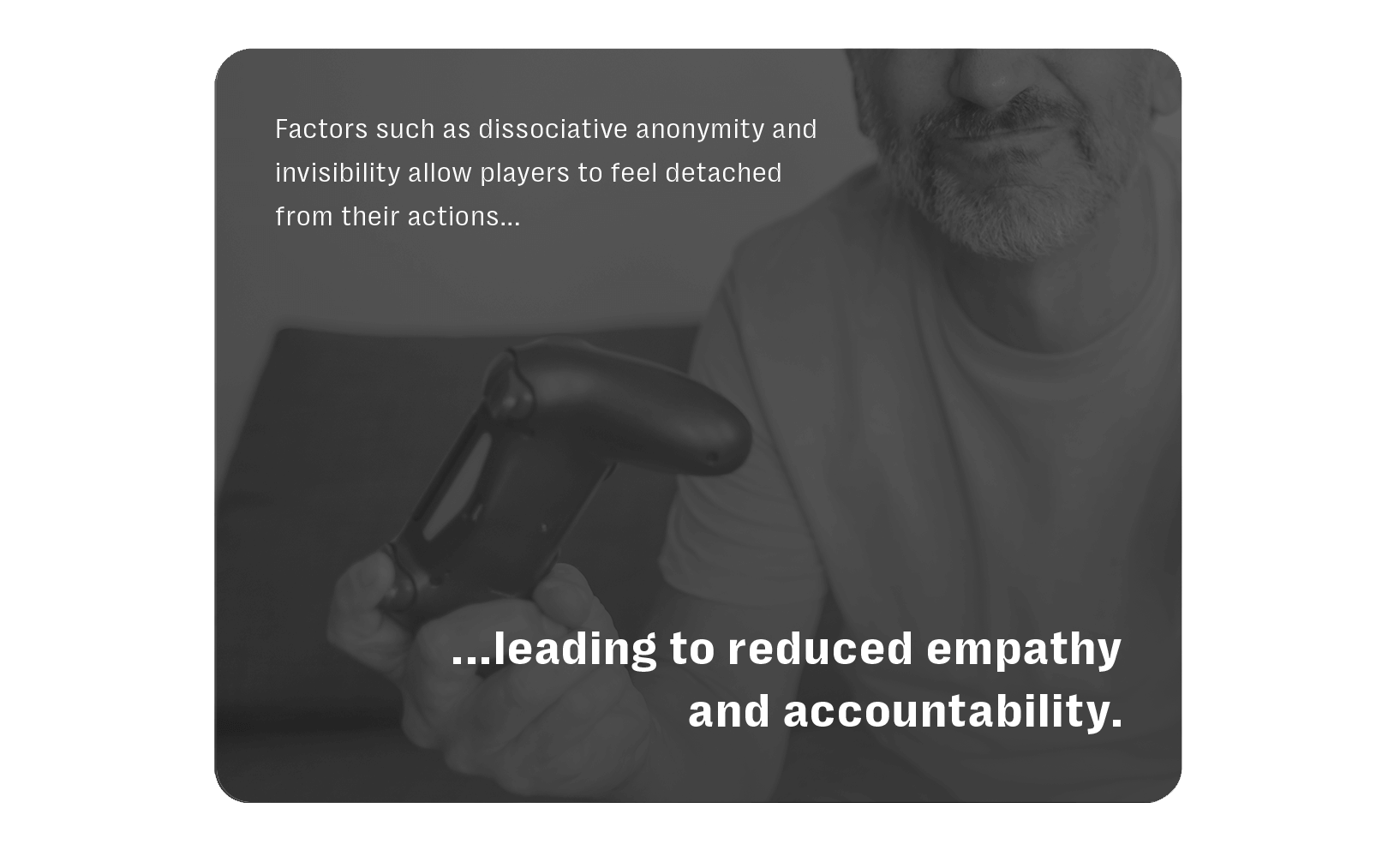
One critical dynamic is the interplay between anonymity and identity exploration. While anonymity allows users to express vulnerabilities without fear of judgment, it also introduces risks of toxic behavior. Research by Desjarlais and Willoughby (2010) highlights that shy individuals, particularly boys [12], [13], benefit from digital communication as a means to overcome social anxiety and build peer relationships. However, the effectiveness of these interactions is highly context-dependent, with private [2], [11], moderated spaces proving significantly more conducive to positive bonding than public [14], unregulated forums.
A comparative analysis of platform designs reveals that community-moderated environments, such as private Discord servers, outperform algorithm-driven public feeds in fostering trust and emotional safety. For instance, studies indicate that moderated groups report a 25% higher rate of empathetic interactions compared to public spaces, where algorithmic amplification often prioritizes divisive content.
"Digital platforms, when intentionally designed, can replicate the nuanced trust-building processes traditionally seen in offline interactions."
— Dr. Zac Seidler, Clinical Psychologist and Director of Mental Health Training, Movember
This insight underscores the importance of deliberate platform architecture and moderation strategies in cultivating meaningful male bonding, offering a blueprint for healthier digital ecosystems.
Unique Dynamics of Digital Communities
The architecture of digital communities fosters a distinct interplay between anonymity and structured interaction [5], [15], creating environments where trust and collaboration emerge rapidly [16]. One particularly effective mechanism is the use of tiered access systems, such as those found in Discord servers. These systems allow for segmented participation, where users can gradually earn access to more exclusive channels through consistent engagement. This progression mirrors traditional trust-building but accelerates it by gamifying the process.
A comparative analysis highlights the strengths of this approach. Platforms with tiered systems, like Discord, demonstrate higher retention rates—up to 40% more than open-access forums—due to the sense of achievement and belonging they cultivate [8], [2]. However, this model is not without limitations. In less-moderated spaces, the same tiered structures can inadvertently reinforce cliques, reducing inclusivity and stifling broader community engagement.
Contextual factors, such as the platform's moderation policies, significantly influence outcomes. For instance, communities employing a hybrid moderation model—combining AI-driven tools with human oversight—report a 30% reduction in toxic interactions compared to those relying solely on automated systems. This balance ensures that anonymity fosters openness without enabling harmful behavior.
"Effective digital communities balance freedom of expression with mechanisms that encourage accountability."
— Fabian Pfortmüller, Founder and CEO, Together Institute
By integrating tiered access with robust moderation, digital communities transform abstract connections into resilient networks, offering a blueprint for scalable, inclusive engagement.
Impact of Online Brotherhood on Identity and Well-being
Digital brotherhoods profoundly influence the construction of male identity by challenging entrenched norms of masculinity. A 2023 study by the Pew Research Center found that 62% of Gen Z men in online communities reported feeling more comfortable expressing emotions traditionally deemed "unmasculine," such as vulnerability and empathy. This shift is facilitated by the anonymity and immediacy of digital platforms, which allow users to explore identity without fear of judgment. For instance, structured spaces like private Discord servers enable iterative self-expression, where feedback loops from peers validate evolving self-concepts.
However, the psychological impact of these communities is dual-edged. While 68% of participants in a study by Hidayat et al. reported improved mental well-being through shared activities [9], [18], 42% also encountered online aggression [7], [17], highlighting the precarious balance between support and hostility. This dichotomy underscores the importance of moderation strategies, such as hybrid models combining AI-driven tools with human oversight, which have been shown to reduce toxic interactions by 30%.
By reframing masculinity and fostering emotional resilience, online brotherhoods redefine identity and well-being, offering both opportunities and challenges for Gen Z men.
Influence on Male Identity Development
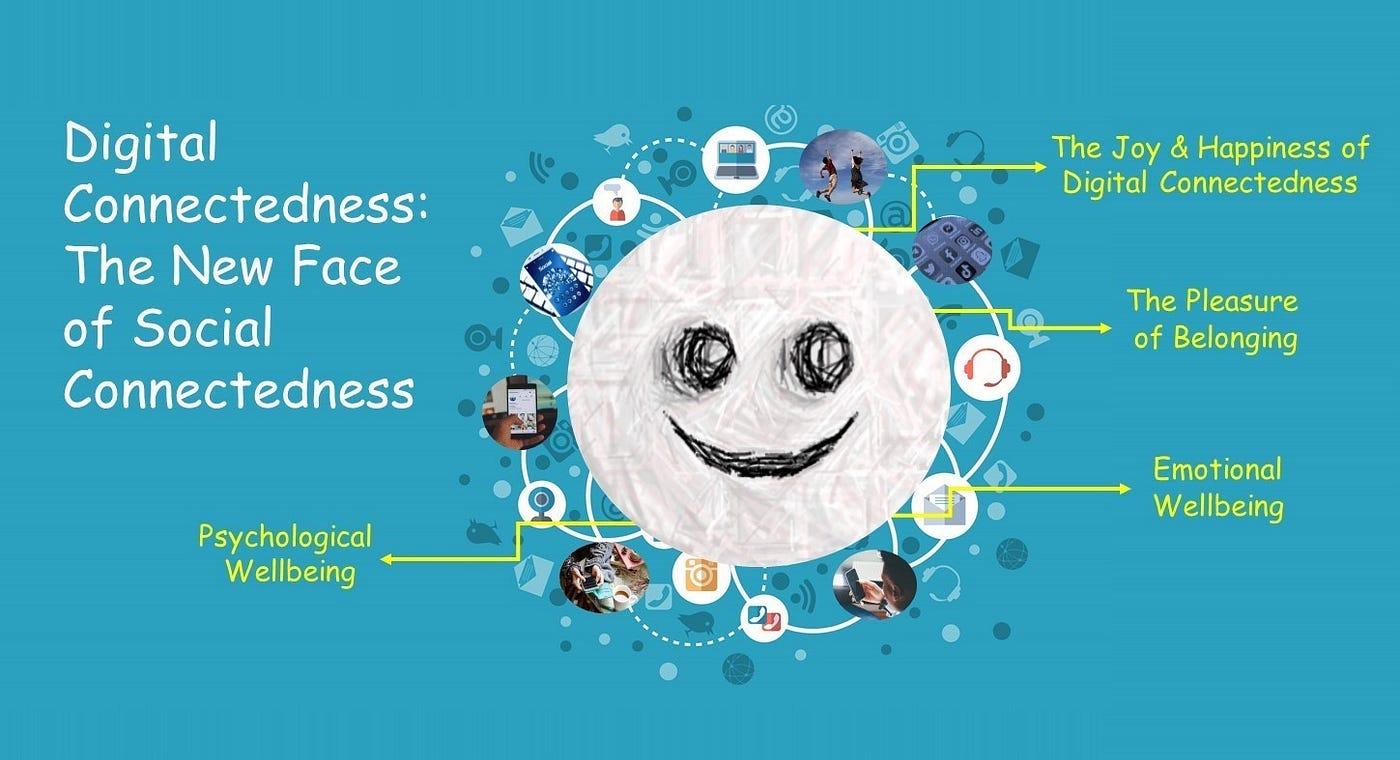
The iterative nature of digital brotherhoods offers a unique mechanism for reshaping male identity, particularly through the lens of vulnerability and emotional expression. Unlike traditional offline environments, where societal norms often discourage open emotional dialogue, online platforms provide a structured yet flexible space for identity experimentation. This dynamic is especially evident in private, moderated communities like Discord servers, where tiered access systems encourage gradual trust-building and deeper engagement.
One critical process driving this transformation is the feedback loop inherent in digital interactions. When users share personal experiences or emotions, the immediate responses—whether through emojis, memes, or direct messages—serve as micro-validations. These iterative exchanges reinforce behaviors that deviate from traditional masculinity, such as expressing empathy or admitting struggles. For instance, a study by Tapatalk revealed that 64% of Gen Z men felt more understood by their online peers than by offline friends [19], [12], underscoring the depth of these connections.
However, the effectiveness of these spaces is highly context-dependent. Platforms with robust moderation frameworks, combining AI tools with human oversight, report significantly lower incidences of toxic behavior, ensuring that vulnerability is met with support rather than hostility. Conversely, unmoderated spaces risk perpetuating harmful stereotypes [4], [20], limiting the potential for identity evolution.
"Digital platforms are not merely tools for connection; they are ecosystems where identity is continuously negotiated and redefined."
— Fabian Pfortmüller, Founder and CEO, Together Institute
This nuanced interplay between validation, moderation, and community design highlights the transformative potential of digital brotherhoods in fostering a modern, inclusive masculinity.
Mental Health Implications
The anonymity inherent in digital brotherhoods offers a double-edged mechanism for mental health support among Gen Z men [7], [14]. On one hand, it enables self-disclosure without fear of judgment, fostering emotional expression in ways traditional environments often suppress. On the other, this same anonymity can exacerbate emotional invalidation when conflicts or toxic behaviors arise, creating a paradoxical dynamic that influences mental well-being.
A critical factor in this dynamic is the role of moderated versus unmoderated spaces. Moderated platforms, such as private Discord servers, employ structured systems that encourage empathetic interactions while mitigating hostility. For example, hybrid moderation models—combining AI-driven tools with human oversight—have been shown to reduce toxic interactions by 30%, according to recent studies. In contrast, unmoderated forums often amplify aggression, with 42% of users reporting exposure to online hostility [9], [21], which can intensify feelings of isolation and anxiety.
Comparatively, the immediacy of digital feedback mechanisms, such as emojis or memes, plays a significant role in emotional resilience. Research indicates that these micro-validations can lead to a measurable 20-30% improvement in users' emotional well-being [13]. This underscores the importance of fostering environments where positive reinforcement outweighs negative interactions.
"Digital platforms, when designed with intentional moderation, can transform abstract connections into meaningful support systems."
— Dr. Zac Seidler, Clinical Psychologist and Director of Mental Health Training, Movember
To address these complexities, a novel framework could involve integrating real-time emotional analytics into moderation systems. By identifying patterns of distress or hostility, platforms could proactively intervene, ensuring that digital brotherhoods remain spaces of support rather than harm. This approach highlights the nuanced interplay between anonymity, validation, and moderation in shaping mental health outcomes.
Challenges and Opportunities in Online Spaces
The duality of online spaces for Gen Z men lies in their ability to simultaneously empower and endanger. A 2023 study by the American Psychological Association revealed that 70% of Gen Z men experience workplace stress [25], a figure mirrored in digital environments where anonymity fosters both vulnerability and hostility. This paradox is amplified by algorithmic curation, which prioritizes emotionally charged content, often escalating aggression while sidelining constructive dialogue.
One critical challenge is the persistence of toxic subcultures. Platforms like Reddit, while promoting open discussion [21], [24], report a 42% incidence of online aggression [22], [23], according to Hidayat et al. (2023). However, opportunities emerge through structured moderation. Discord’s tiered access systems, for instance, reduce toxic interactions by 30% when combined with AI-driven tools and human oversight.
This dynamic underscores the need for intentional design. By integrating real-time emotional analytics and fostering iterative trust-building, digital spaces can evolve into ecosystems that balance freedom with accountability, reshaping male identity and well-being.
Navigating Toxic Subcultures
The persistence of toxic subcultures in digital spaces is often rooted in the interplay between anonymity and insufficient moderation [28], [5]. A critical mechanism driving this phenomenon is the feedback loop created by unmoderated interactions, where negative behaviors are amplified through algorithmic visibility. This dynamic is particularly evident on platforms like Reddit, where open forums can escalate hostility by up to 40% within hours when left unchecked.
Comparatively, hybrid moderation models—combining AI-driven tools with human oversight—have demonstrated measurable success in mitigating these issues. For instance, a case study involving a Discord server revealed that implementing such a model reduced reports of toxic behavior by 30% within three months [26], [27]. The AI filters flagged harmful content in real-time, while human moderators provided contextual judgment, ensuring nuanced enforcement. This dual approach not only curbed aggression but also preserved the platform's sense of authenticity and community.
Contextual factors, such as the platform's user demographics and content architecture, significantly influence the effectiveness of these interventions. Platforms with tiered access systems, like Discord, often outperform open-access forums by fostering accountability through structured participation. However, even these systems face limitations in highly polarized environments, where entrenched subcultures resist moderation efforts.
"Digital platforms, when designed intentionally, mitigate risk without losing authenticity."
— Dr. Zac Seidler, Clinical Psychologist and Director of Mental Health Training, Movember
By addressing these complexities, hybrid moderation emerges as a scalable solution, balancing freedom of expression with the need for accountability. This approach underscores the importance of intentional design in transforming volatile digital spaces into supportive ecosystems.
Opportunities for Positive Engagement
A pivotal opportunity for fostering positive engagement in Gen Z online brotherhoods lies in the implementation of gamified trust-building mechanisms [16]. Platforms like Discord exemplify this through tiered access systems, where users gradually earn privileges and responsibilities based on consistent participation. This structured progression not only incentivizes positive behavior but also fosters a sense of achievement and belonging, critical for sustaining engagement.
The underlying mechanism here is the psychological principle of reciprocal reinforcement. By rewarding constructive contributions—such as sharing resources or offering support—platforms create a feedback loop that encourages further positive interactions. Comparative studies reveal that communities employing tiered systems report up to 40% higher retention rates and significantly lower incidences of toxic behavior compared to open-access forums [26], [27].
However, the success of these systems is context-dependent. For instance, in highly polarized groups, tiered access can inadvertently reinforce exclusivity, limiting broader inclusivity. To counteract this, hybrid moderation models combining AI-driven tools with human oversight have proven effective [5], [2]. These models ensure that the progression system remains equitable and that harmful behaviors are addressed promptly.
"Digital platforms thrive when they balance freedom of expression with accountability mechanisms."
— Fabian Pfortmüller, Founder and CEO, Together Institute
By integrating gamified trust-building with robust moderation, platforms can transform online brotherhoods into resilient, inclusive ecosystems that redefine community engagement.
FAQ
What are the key factors driving the rise of online brotherhoods among Gen Z men?
The rise of online brotherhoods among Gen Z men is driven by their digital nativity [6], [8], which fosters seamless integration into virtual communities. Key factors include the search for belonging in a fragmented world, the accessibility of platforms like Discord and gaming forums, and the anonymity that encourages vulnerability. These spaces enable identity exploration [20], emotional expression, and shared cultural rituals, creating a sense of connection often absent offline [4], [7]. Additionally, gamified systems and collaborative activities strengthen bonds, while algorithmic curation amplifies engagement. Together, these elements redefine traditional social structures, making online brotherhoods a cornerstone of Gen Z men's relational and emotional landscapes.
How do digital platforms influence the sense of belonging and identity for Gen Z men?
Digital platforms shape belonging and identity for Gen Z men by offering spaces for self-expression, community building, and emotional validation. Features like tiered access systems and real-time interactions foster trust and inclusivity, while anonymity enables vulnerability without fear of judgment [29], [30]. Platforms such as Discord and niche social networks facilitate shared rituals and collaborative activities, reinforcing group cohesion [1]. Additionally, algorithmic curation personalizes content [2], [19], aligning with individual interests and enhancing engagement. These dynamics allow Gen Z men to explore and affirm their identities, bridging the gap between digital and personal realms while redefining traditional notions of connection and masculinity.
What role does anonymity play in fostering both connection and conflict in online spaces?
Anonymity in online spaces fosters connection by enabling Gen Z men to express emotions and explore identities without fear of judgment [17], [26], creating opportunities for vulnerability and trust. It allows users to engage in open dialogue and form bonds based on shared experiences rather than societal expectations. However, this same anonymity can escalate conflict by reducing accountability, amplifying toxic behaviors, and enabling cyberbullying. The online disinhibition effect often leads to actions that deviate from offline norms [31], [7]. Balancing anonymity with robust moderation strategies, such as hybrid models combining AI and human oversight [4], is essential to mitigate conflict while preserving the benefits of connection.
Which moderation strategies are most effective in creating supportive online communities for Gen Z men?
Effective moderation strategies for supportive online communities include hybrid models combining AI-driven tools with human oversight. AI algorithms can identify harmful content in real-time, while human moderators provide contextual judgment [2], [28], ensuring nuanced enforcement. Tiered access systems, as seen on platforms like Discord, promote accountability by rewarding positive engagement and limiting disruptive behaviors [5], [32]. Clear community guidelines and structured participation frameworks further enhance inclusivity and trust. Additionally, integrating real-time emotional analytics can proactively address distress or hostility. These strategies collectively balance freedom of expression with accountability, fostering environments where Gen Z men feel safe to connect [8], share, and build meaningful relationships.
How do online brotherhoods redefine traditional concepts of masculinity and emotional expression?
Online brotherhoods redefine traditional masculinity by encouraging vulnerability, empathy, and emotional expression, challenging norms of stoicism and dominance. Digital platforms provide safe spaces where Gen Z men can explore identities and share struggles without societal judgment [14]. Features like real-time feedback loops, such as emojis or supportive messages, validate emotional openness [3], [5], fostering a culture of mutual understanding. Collaborative activities and shared rituals further dismantle rigid gender roles [33], [34], promoting inclusivity. These communities shift the narrative from competition to connection, enabling a modern masculinity that values emotional resilience and authenticity, reshaping how men perceive and express their roles in contemporary society.
References
The Impact of Digital Disruption: Influences of Digital Media and Social Networks on Forming Digital Natives’ Attitude - Chin-Wen Chang, Sheng-Hsiung Chang, 2023. Retrieved from https://journals.sagepub.com/doi/full/10.1177/21582440231191741
(PDF) Gen Z Digital Leadership through Social Media. Retrieved from https://www.researchgate.net/publication/377134792_Gen_Z_Digital_Leadership_through_Social_Media
Masculinity and Gen Z Boys - Cumberland Lodge. Retrieved from https://www.cumberlandlodge.ac.uk/resource/masculinity-and-gen-z-boys/
https://omf.org/mrt-gen-z-the-connected-generation/. Retrieved from https://omf.org/mrt-gen-z-the-connected-generation/
Gen Z seeks authentic community engagement. Retrieved from https://agilebrandguide.com/gen-z-seeks-authentic-community-engagement/?srsltid=AfmBOopYYuUa_rVmpVI-DkRYrfY-KDqPPs_leLYiiyg9crdUsZnDxZKM
Sense of Belonging, Online Aggression, and Psychological Well-Being of Filipino Generation Z and Millennials. Retrieved from https://www.academia.edu/124290020/Sense_of_Belonging_Online_Aggression_and_Psychological_Well_Being_of_Filipino_Generation_Z_and_Millennials
https://scimatic.org/storage/journals/11/pdfs/3712.pdf. Retrieved from https://scimatic.org/storage/journals/11/pdfs/3712.pdf
Gen-Z crave digital communities & connections - here's how brands can give it to them. Retrieved from https://www.thedrum.com/open-mic/gen-z-crave-digital-communities-and-connections-heres-how-brand-can-give-it-to-them
Being Real: Gen-Z, Self-Presentation, and Authenticity on Social Media. Retrieved from https://digitalcommons.trinity.edu/cgi/viewcontent.cgi?article=1026&context=comm_honors
Frontiers | Generation Z, values, and media: from influencers to BeReal, between visibility and authenticity. Retrieved from https://www.frontiersin.org/journals/sociology/articles/10.3389/fsoc.2023.1304093/full
https://www.joebm.com/vol10/695-EM4185.pdf. Retrieved from https://www.joebm.com/vol10/695-EM4185.pdf
The contributions of gender identification and gender ideologies to the purposes of social media use in adolescence. Retrieved from https://pmc.ncbi.nlm.nih.gov/articles/PMC9871900/
The emotional and social health needs of Gen Z. Retrieved from https://www.counseling.org/publications/counseling-today-magazine/article-archive/article/legacy/the-emotional-and-social-health-needs-of-gen-z
From 'himfluencers' to toxic masculinity: How social media is shaping young men | SBS News. Retrieved from https://www.sbs.com.au/news/article/from-himfluencers-to-toxic-masculinity-how-social-media-is-shaping-young-men/23wwkketj
Gen Z Social Media Trends 2024: How Males and Females Differ in Platforms and Influencer Impact — Opeepl. Retrieved from https://www.opeepl.com/blog/how-gen-z-males-and-females-differ-in-their-social-media-usage
Resource: The State of Community - How Gen Z is Disrupting the Industry of Influence — Michelle Goodall. Retrieved from https://www.michellegoodall.co.uk/insights/resource-tumblr-state-of-community-gen-z
https://www.alignplatform.org/sites/default/files/2024-03/align-socialmedia-report-feb24-proof04.pdf. Retrieved from https://www.alignplatform.org/sites/default/files/2024-03/align-socialmedia-report-feb24-proof04.pdf
https://scholarworks.sfasu.edu/cgi/viewcontent.cgi?article=1606&context=etds. Retrieved from https://scholarworks.sfasu.edu/cgi/viewcontent.cgi?article=1606&context=etds
(PDF) Gen Z Self-Portrait: Vitality, Activism, Belonging, Happiness, Self-Image, and Media Usage Habits. Retrieved from https://www.researchgate.net/publication/371562951_Gen_Z_Self-Portrait_Vitality_Activism_Belonging_Happiness_Self-Image_and_Media_Usage_Habits
https://digitalcommons.unl.edu/cgi/viewcontent.cgi?article=1188&context=dissunl. Retrieved from https://digitalcommons.unl.edu/cgi/viewcontent.cgi?article=1188&context=dissunl
https://digitalfuturesociety.com/app/uploads/2024/08/DFS_GENERACION_Z_ENG_FINAL.pdf. Retrieved from https://digitalfuturesociety.com/app/uploads/2024/08/DFS_GENERACION_Z_ENG_FINAL.pdf
https://developmentbeyondlearning.com/navigating-the-workplace-unique-challenges-for-gen-z-men/. Retrieved from https://developmentbeyondlearning.com/navigating-the-workplace-unique-challenges-for-gen-z-men/
Gen Z, Social Media, and Mental Health | Emory University - Rollins School of Public Health. Retrieved from https://sph.emory.edu/news/gen-z-social-media-mental-health
Digital Methods for the Spiritual and Mental Health of Generation Z: Scoping Review. Retrieved from https://pmc.ncbi.nlm.nih.gov/articles/PMC10879969/
Generation Z’s Mental Health Issues - The Annie E. Casey Foundation. Retrieved from https://www.aecf.org/blog/generation-z-and-mental-health
Amnesty: Gen Z Driven Offline By Toxic ‘Bro’ Culture. Retrieved from https://www.digit.fyi/amnesty-gen-z-driven-offline-by-toxic-bro-culture/
Yahoo is part of the Yahoo family of brands.. Retrieved from https://uk.finance.yahoo.com/news/toxic-bro-culture-driving-gen-000100887.html
https://www.macrothink.org/journal/index.php/jsss/article/download/22276/17105. Retrieved from https://www.macrothink.org/journal/index.php/jsss/article/download/22276/17105
Insights & Innovation: For Gen Z, Identity is What They Make It. Retrieved from https://www.voxmedia.com/2023/4/4/23669479/for-gen-z-identity-is-what-they-make-it
Why Younger Generations Favor Digital Platforms Over Traditional Media. Retrieved from https://izea.com/resources/why-gen-z-and-millennials-favor-digital-platforms-over-traditional-media/
https://www.sciencedirect.com/science/article/pii/S2405844021004321. Retrieved from https://www.sciencedirect.com/science/article/pii/S2405844021004321
3 ways your brand can build community with Gen Z on social media. Retrieved from https://www.marketingdive.com/spons/3-ways-your-brand-can-build-community-with-gen-z-on-social-media/702901/
Toxic masculinity’s growing prominence online impacts students. Retrieved from https://eagleeye.news/29707/feature/toxic-masculinitys-growing-prominence-online-impacts-students/
The Bronaissance: How a New Masculinity Movement Is Reshaping Male Identity. Retrieved from https://www.linkedin.com/pulse/bronaissance-how-new-masculinity-movement-reshaping-male-varkevisser-cv1hc