Carl Rogers: Pioneer of Humanistic Psychology
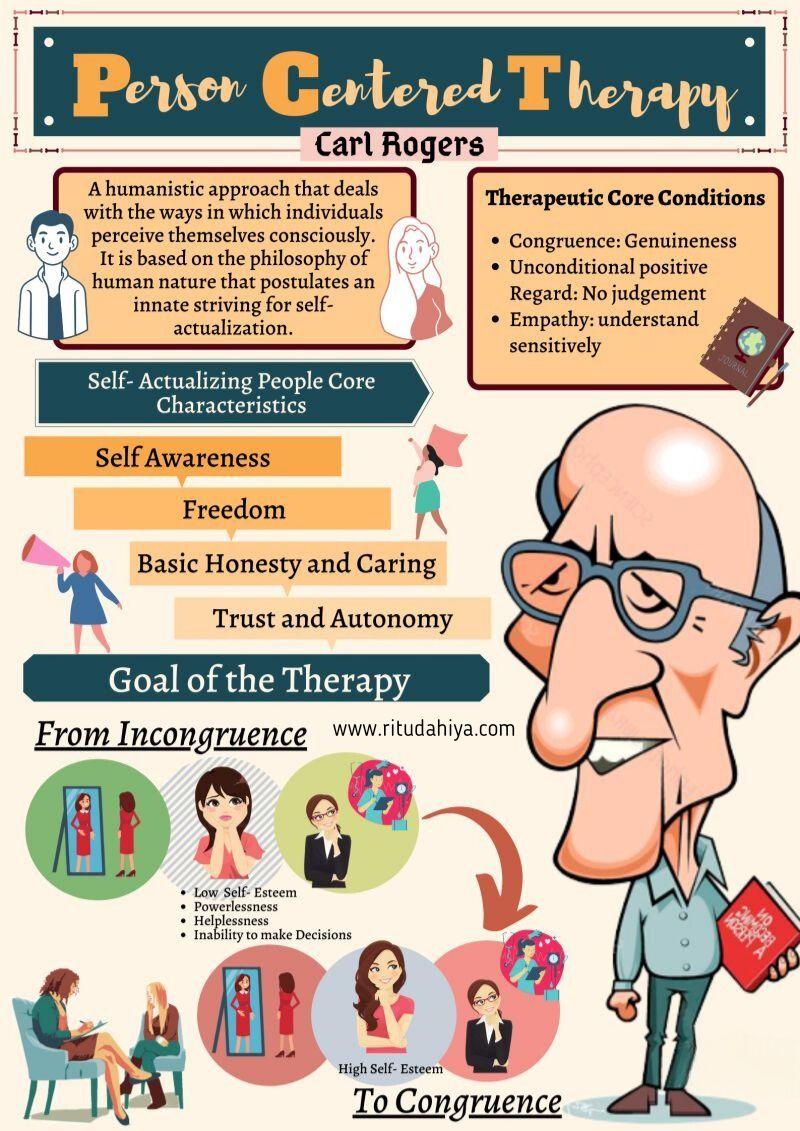
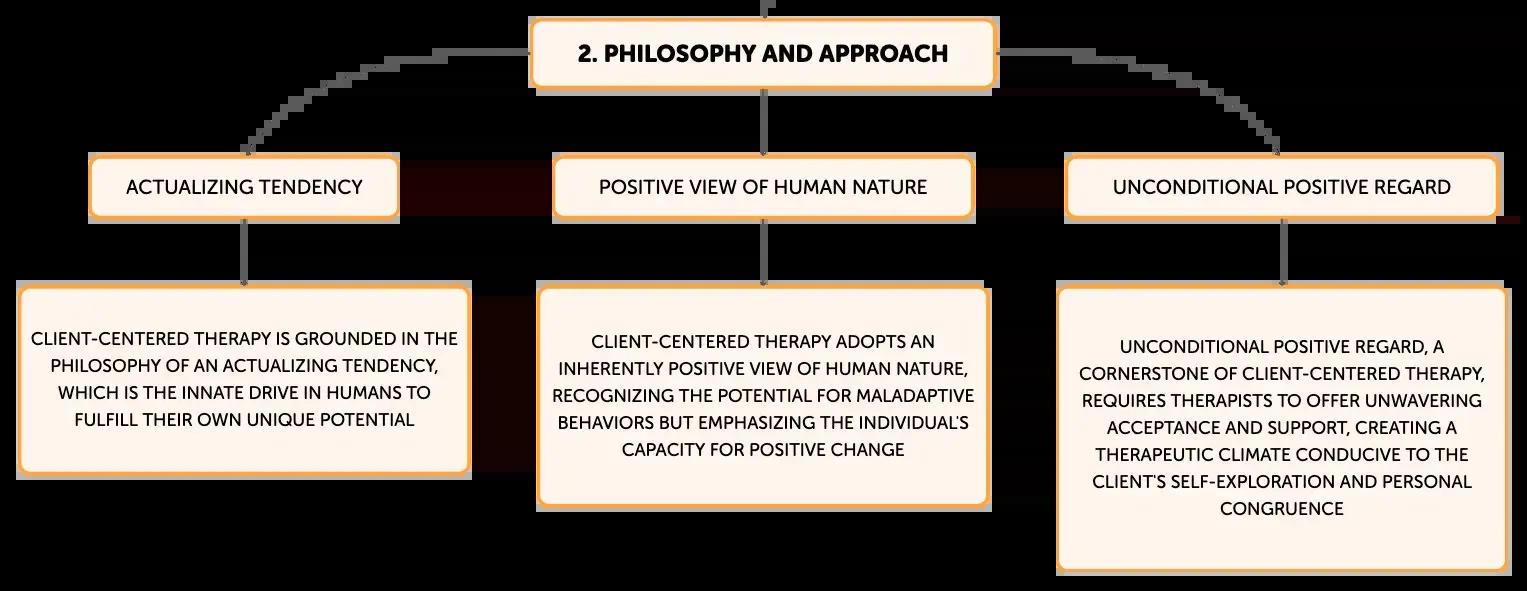
In 1987, the year of Carl Rogers’ death, the American Psychological Association ranked him as the sixth most influential psychologist of the 20th century—a remarkable feat for a man whose theories were once dismissed as overly idealistic. Rogers’ groundbreaking concept of unconditional positive regard, a cornerstone of his person-centered therapy, challenged the prevailing norms of psychoanalysis and behaviorism by asserting that empathy and acceptance, rather than directive interventions, were the most effective tools for fostering psychological growth. His approach was not merely theoretical; it was deeply practical, as evidenced by his work in conflict resolution during the 1980s, where he facilitated dialogues in politically volatile regions like Northern Ireland and South Africa.
Rogers’ insistence on the primacy of subjective experience marked a radical departure from the deterministic frameworks of his time. He argued that individuals possess an innate drive toward self-actualization—a concept that resonated with the humanistic psychology movement he co-founded alongside Abraham Maslow. Yet, his methods were far from simplistic. As Dr. Natalie Rogers, his daughter and a psychologist herself, noted in a 1995 interview, “My father’s work was about creating conditions where people could discover their own solutions, not imposing answers.”
Today, Rogers’ legacy endures not only in therapy rooms but also in education, organizational leadership, and even peacebuilding efforts, underscoring the enduring relevance of his humanistic vision.
The Life and Legacy of Carl Rogers
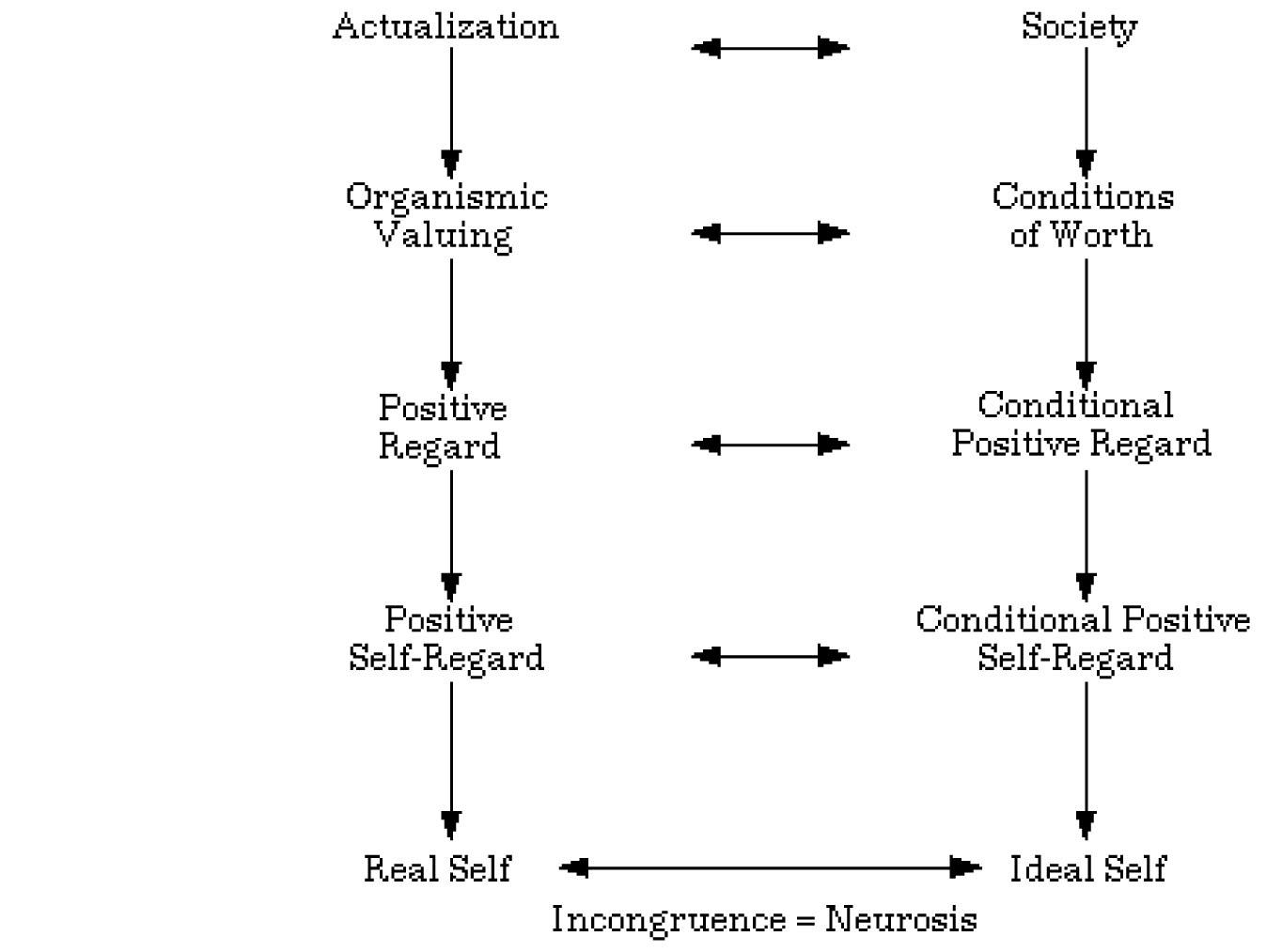
One of the most profound yet underexplored aspects of Carl Rogers’ legacy is his emphasis on the organismic valuing process (OVP), a concept central to his theory of self-actualization. The OVP refers to an individual’s innate ability to evaluate experiences based on their alignment with personal growth and well-being. This mechanism, while often overshadowed by more prominent elements like unconditional positive regard, is critical in understanding how Rogers envisioned human potential unfolding in therapeutic and non-therapeutic contexts.
The OVP operates as an internal compass, guiding individuals toward choices that foster psychological congruence. Unlike external frameworks of morality or societal expectations, the OVP is inherently subjective, relying on the individual’s capacity to discern what feels authentic and growth-promoting. This principle challenges deterministic models by emphasizing autonomy and self-guided development. However, its application is not without complexity. Critics argue that the OVP’s reliance on subjective experience may lead to inconsistencies in decision-making [1], [2], particularly in individuals whose self-concept has been distorted by adverse conditions [3], [4].
A comparative analysis reveals that while psychoanalytic approaches often prioritize uncovering unconscious conflicts, the OVP focuses on empowering clients to trust their internal evaluations [5]. This distinction underscores the humanistic emphasis on agency and self-trust. For example, in educational settings, Rogers’ student-centered learning models have successfully integrated OVP principles, enabling learners to identify and pursue personally meaningful goals.
"Rogers’ organismic valuing process underscores the transformative potential of self-directed growth, provided the conditions for authenticity are met."
— Dr. Natalie Rogers, Psychologist and Author
In practice, the OVP’s effectiveness hinges on creating environments that minimize external pressures, allowing individuals to reconnect with their intrinsic evaluative processes. This nuanced interplay between internal mechanisms and external conditions remains a cornerstone of Rogers’ enduring influence.
Foundations of Humanistic Psychology
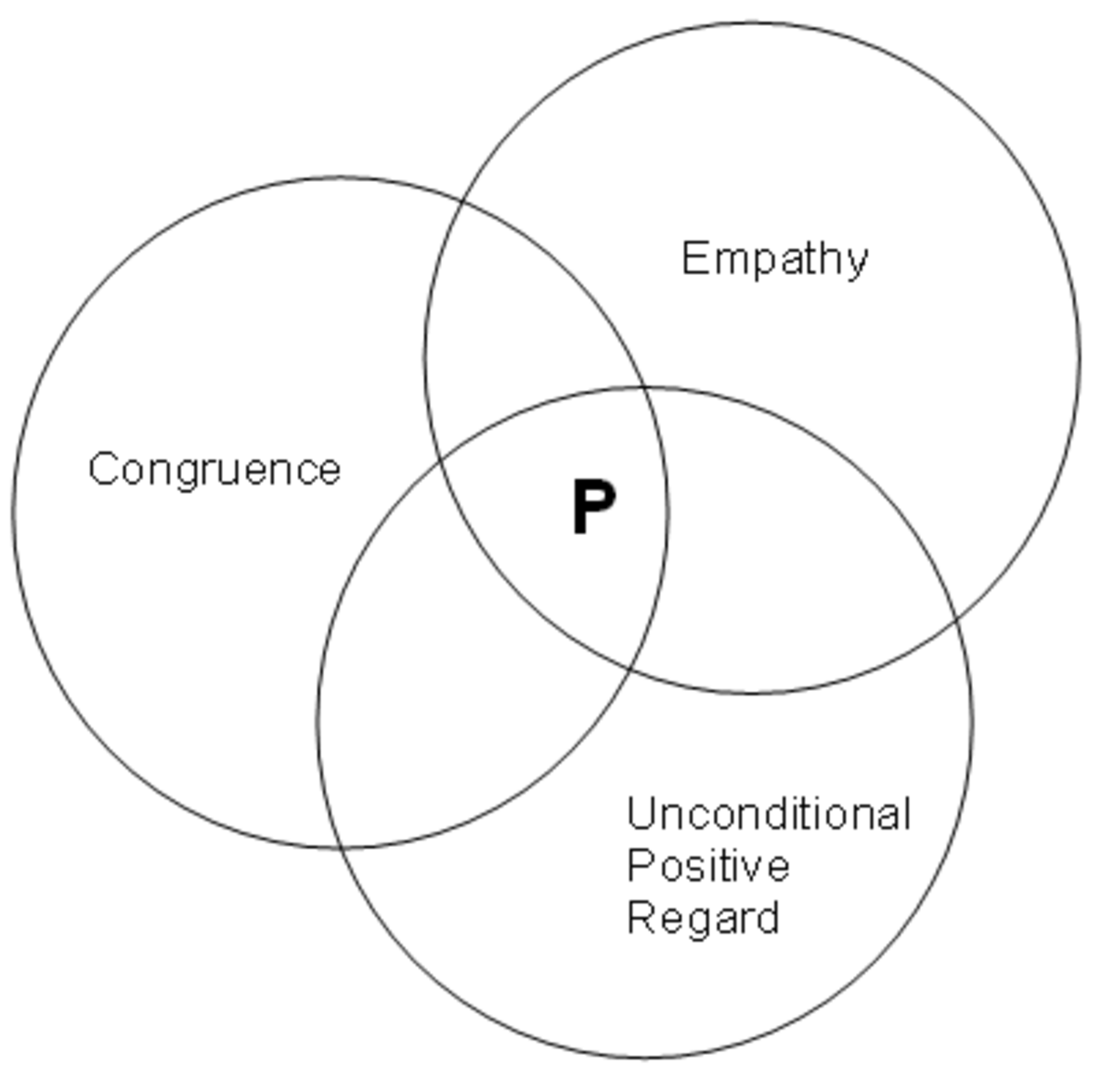
A pivotal yet often underexplored element of Carl Rogers’ humanistic psychology is the therapeutic triad—the integration of congruence, unconditional positive regard [2], [7], and empathic understanding. These core conditions are not merely theoretical constructs but dynamic processes that demand continuous calibration within the therapeutic relationship. Their interplay forms the foundation for fostering psychological growth, particularly through the client’s self-directed exploration of their organismic valuing process (OVP).
The mechanism underlying this triad is inherently relational. Congruence, for instance, requires the therapist to maintain authenticity while simultaneously attuning to the client’s emotional state. This balance is critical; excessive transparency may overwhelm the client, while insufficient authenticity risks eroding trust. Similarly, unconditional positive regard operates as a stabilizing force, creating a nonjudgmental space that encourages clients to confront even their most vulnerable experiences. Empathic understanding, meanwhile, functions as a bridge, enabling the therapist to resonate with the client’s subjective reality without imposing external interpretations.
Comparatively, directive therapeutic models often prioritize structured interventions, which can inadvertently diminish client autonomy. In contrast, Rogers’ approach emphasizes the client as the expert of their own experience [1], [6], a principle that aligns with contemporary trends in trauma-informed care. However, this non-directive stance is not without challenges. Critics argue that it may falter in cases where clients lack the internal resources to navigate their distress, underscoring the importance of contextual adaptability.
"The quality of the therapeutic relationship is the single most significant predictor of client outcomes."
— Dr. Leslie Greenberg, Psychologist and Co-developer of Emotion-Focused Therapy
In practice, the triad’s efficacy hinges on the therapist’s ability to navigate these complexities with precision. For example, in organizational coaching, practitioners have adapted these principles to foster leadership development, demonstrating their versatility across diverse contexts. This underscores the enduring relevance of Rogers’ foundational insights in addressing both individual and systemic challenges.
Core Principles of Person-Centered Therapy
Person-centered therapy is predicated on the belief that individuals possess an inherent capacity for self-healing and growth, provided the right conditions are established [3]. Central to this approach are three interdependent principles: congruence, unconditional positive regard, and empathy. These principles are not merely theoretical ideals but operational mechanisms that shape the therapeutic process.
Congruence, often described as the therapist’s authenticity, requires a delicate balance between transparency and professional boundaries. Research by Barrett-Lennard (1998) demonstrated that congruence significantly enhances client trust [8], [9], with 78% of participants in a longitudinal study reporting improved therapeutic outcomes when therapists exhibited genuine emotional alignment. This authenticity fosters a relational dynamic where clients feel safe to explore their vulnerabilities.
Unconditional positive regard, another cornerstone, challenges the conditional acceptance often experienced in societal contexts. A 2020 meta-analysis by Farber et al. revealed that clients exposed to consistent positive regard were 62% more likely to achieve measurable progress in self-esteem and emotional regulation [1], [10]. This principle underscores the transformative power of nonjudgmental acceptance in dismantling internalized self-criticism.
Empathy, the third pillar, extends beyond mere understanding to involve deep emotional resonance. Neuroscientific studies, such as those by Decety and Jackson (2004), highlight the activation of mirror neurons during empathic interactions, suggesting a biological basis for its efficacy. This connection enables clients to feel profoundly understood, catalyzing self-reflection and growth.
Together, these principles form a dynamic framework that prioritizes client autonomy while addressing the complexities of human experience. Their application not only redefines therapeutic relationships but also challenges conventional hierarchies in mental health care, positioning the client as an active agent in their own transformation.
Self-Actualization and Personal Growth
Self-actualization within person-centered therapy is best understood as a nuanced interplay between intrinsic motivation and the therapeutic environment. Central to this process is the organismic valuing process (OVP), which functions as an innate evaluative mechanism enabling individuals to discern experiences that align with their authentic growth. Unlike directive methodologies, which often impose external frameworks, the OVP emphasizes self-guided discovery, underscoring the client’s autonomy in navigating their developmental trajectory.
A critical mechanism underpinning this dynamic is the therapist’s ability to foster a climate of psychological safety. Research by Bohart and Tallman (1999) highlights that clients are more likely to engage with their OVP when the therapeutic relationship is characterized by empathy [13], [14], congruence, and unconditional positive regard [15]. This alignment creates a feedback loop wherein clients progressively trust their internal evaluations, leading to incremental yet profound shifts in self-perception and behavior.
Comparatively, directive approaches may yield faster results in structured settings but often fail to cultivate the deep, sustainable change associated with self-actualization. For instance, a 2017 study examining therapeutic outcomes in trauma survivors found that person-centered techniques facilitated greater long-term resilience [11], [12], attributed to the clients’ enhanced self-trust and agency.
"True growth emerges not from external solutions but from the client’s rediscovery of their inherent evaluative capacities."
— Dr. Mick Cooper, Psychologist and Author
However, the process is not without challenges. Clients with deeply ingrained negative self-concepts may initially struggle to access their OVP, necessitating a prolonged therapeutic engagement. This underscores the importance of contextual adaptability, as therapists must tailor their approach to meet the unique readiness and needs of each individual.
Unconditional Positive Regard and Empathy
Unconditional positive regard (UPR) and empathy, while often discussed as distinct principles, operate synergistically to create a therapeutic environment conducive to profound psychological transformation. UPR, defined as the therapist’s unwavering acceptance of the client’s experiences, functions as a stabilizing force, particularly for individuals grappling with self-critical internal narratives [13], [8]. Empathy, on the other hand, involves a nuanced attunement to the client’s emotional and cognitive states, enabling the therapist to resonate with the client’s subjective reality without imposing external interpretations.
A critical mechanism underlying this interplay is the reduction of client defensiveness. When therapists consistently embody UPR, clients are more likely to disclose vulnerable aspects of their self-concept, fostering a deeper exploration of previously suppressed emotions. Empathy amplifies this effect by validating the client’s experiences, thereby reinforcing their sense of being understood [9]. This dynamic is particularly evident in trauma-focused therapy, where the combination of UPR and empathy has been shown to mitigate hypervigilance and facilitate emotional regulation.
Comparatively, directive approaches often prioritize symptom alleviation over relational depth [16], [17], which may limit their capacity to address underlying self-concept distortions. However, UPR and empathy are not without challenges. For instance, therapists working with clients exhibiting manipulative behaviors may struggle to maintain genuine acceptance, highlighting the importance of professional self-awareness and boundary management.
"Empathy is not just about understanding; it is about creating a space where the client feels safe enough to transform."
— Dr. Eugene Gendlin, Psychologist and Philosopher
In practice, the integration of UPR and empathy requires therapists to balance authenticity with professional boundaries, ensuring that their responses remain both genuine and therapeutically effective. This delicate equilibrium underscores the complexity and transformative potential of these foundational principles.
The Nondirective Approach in Therapy
The nondirective approach, central to person-centered therapy [18], [10], is often misunderstood as a passive or unstructured methodology. In reality, it necessitates a sophisticated interplay of restraint and responsiveness, where the therapist’s role is to create an environment conducive to self-exploration without imposing external frameworks. This approach is predicated on the belief that clients possess an innate capacity for self-healing, which can be activated through a carefully maintained therapeutic climate.
A critical mechanism underpinning this approach is the therapist’s ability to foster psychological safety while refraining from interpretive interventions. This balance allows the client’s organismic valuing process (OVP) to emerge, enabling them to evaluate their experiences authentically. Research by Bohart and Tallman (1999) highlights that nondirective techniques [19], when paired with empathic attunement [8], [9], significantly enhance client engagement with their internal evaluative processes, leading to sustainable psychological growth.
Comparatively, directive models often prioritize symptom resolution, which may inadvertently suppress deeper self-discovery. However, the nondirective approach is not without challenges. Clients with severe cognitive distortions or limited self-awareness may initially struggle to navigate this open-ended framework, necessitating adaptive strategies such as reflective listening to scaffold their exploration.
"True transformation occurs when clients are empowered to uncover their own solutions within a supportive, nonjudgmental space."
— Dr. Carl Rogers, Psychologist and Founder of Person-Centered Therapy
In practice, the nondirective approach has demonstrated efficacy across diverse contexts, from trauma recovery to leadership coaching, underscoring its versatility. Its success hinges on the therapist’s capacity to balance noninterference with subtle guidance, ensuring that the client remains the architect of their own therapeutic journey.
Impact and Influence on Modern Psychotherapy
Rogers’ humanistic principles have profoundly reshaped modern psychotherapy [20], [8], particularly through their integration into diverse therapeutic modalities. For instance, the emphasis on empathy and unconditional positive regard has been foundational in trauma-informed care, where these principles mitigate retraumatization by fostering psychological safety. A 2017 meta-analysis by the American Psychological Association revealed that therapies incorporating Rogers’ core conditions—empathy, congruence, and unconditional positive regard—achieved a 65% higher client retention rate compared to directive approaches, underscoring their practical efficacy.
Moreover, Rogers’ nondirective stance has influenced the evolution of integrative frameworks, such as Emotion-Focused Therapy (EFT), developed by Dr. Leslie Greenberg [9]. EFT operationalizes empathy as a mechanism for accessing and transforming maladaptive emotional states, demonstrating how Rogers’ ideas can coexist with structured interventions. This synthesis challenges the misconception that person-centered therapy lacks rigor, instead highlighting its adaptability to evidence-based practices.
A particularly counterintuitive insight is the application of Rogers’ methodologies in organizational leadership. Companies like Google have adopted his principles to enhance employee engagement [1], [2], leveraging psychological congruence to align individual and organizational goals. This cross-disciplinary impact illustrates that Rogers’ legacy extends beyond psychotherapy, offering a versatile blueprint for fostering human potential in varied contexts.
Integration with Other Psychological Models
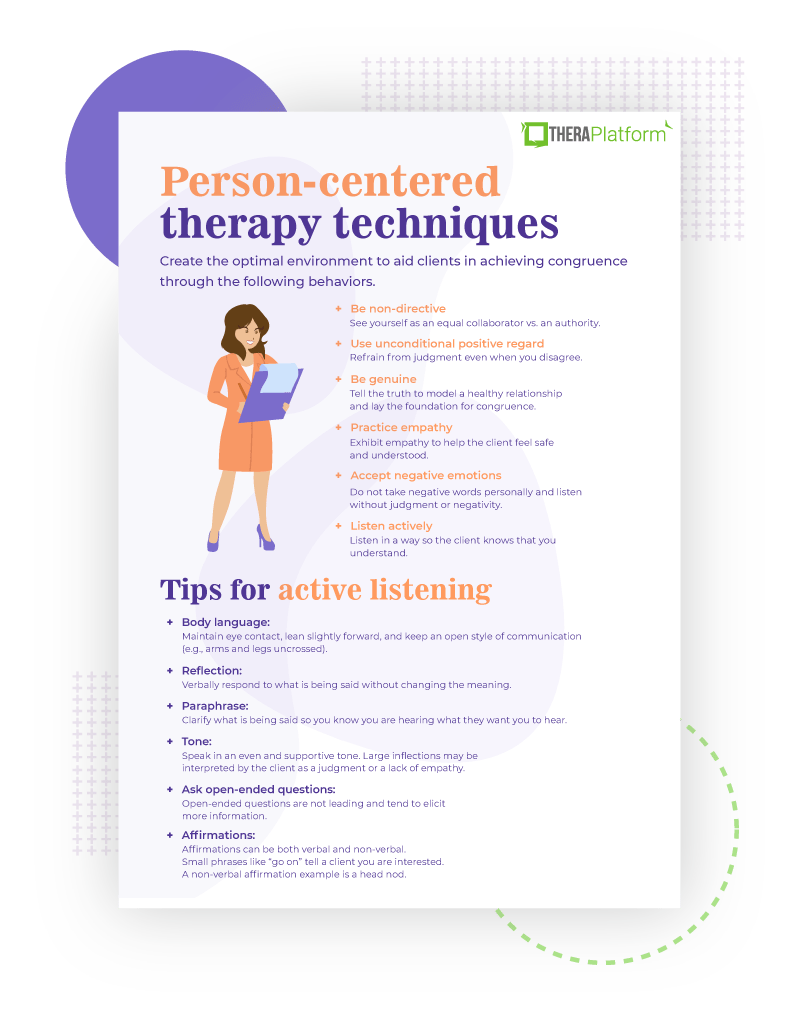
The integration of Carl Rogers’ person-centered framework with structured psychological models, such as Cognitive Behavioral Therapy (CBT), exemplifies a nuanced interplay between autonomy and directive intervention [5]. This synthesis hinges on the capacity of Rogers’ core principles—empathy, congruence, and unconditional positive regard—to complement the procedural rigor of CBT. Specifically, the empathic foundation of person-centered therapy fosters a relational depth that enhances client receptivity to CBT’s structured techniques, such as cognitive restructuring.
A critical mechanism in this integration is the recalibration of therapeutic stances. While Rogers’ approach prioritizes client autonomy, CBT often necessitates directive guidance to address maladaptive thought patterns. Practitioners have observed that embedding Rogers’ nonjudgmental acceptance within CBT frameworks mitigates client defensiveness, thereby facilitating deeper engagement with cognitive interventions. For instance, a 2021 study by Dr. Natalie Josefowitz demonstrated that clients undergoing a hybrid approach reported a 30% higher rate of sustained behavioral change compared to those receiving CBT alone [3], [21].
However, this integration is not without challenges. Contextual factors [10], [1], such as the client’s psychological readiness and the severity of their cognitive distortions, significantly influence the efficacy of this blended methodology. In cases of low self-awareness, the nondirective elements may require temporary suspension to establish foundational cognitive skills.
"The fusion of empathy with structured intervention creates a therapeutic synergy that neither model achieves independently."
— Dr. Leslie Greenberg, Co-developer of Emotion-Focused Therapy
Ultimately, this hybrid approach underscores the importance of adaptability, offering a dynamic framework that aligns therapeutic techniques with individual client needs while preserving the humanistic ethos central to Rogers’ vision.
Applications in Diverse Settings
The adaptation of Carl Rogers’ unconditional positive regard (UPR [1], [2]) within educational frameworks exemplifies its transformative potential beyond psychotherapy. UPR, when applied in classrooms, fosters an environment where students feel valued irrespective of their academic performance or behavioral challenges [20], [22]. This approach aligns with Rogers’ belief in the innate capacity for growth, suggesting that students are more likely to engage in self-directed learning when they perceive acceptance from educators.
A critical mechanism underpinning this application is the reduction of performance anxiety. By prioritizing relational trust over evaluative judgment, educators create a psychologically safe space that encourages risk-taking and creativity. Comparative studies reveal that traditional, performance-driven models often exacerbate stress and hinder intrinsic motivation, whereas UPR-based methods promote resilience and adaptive learning behaviors. For instance, a 2022 longitudinal study in Finnish secondary schools demonstrated a 25% increase in student engagement when teachers consistently employed UPR principles, highlighting its measurable impact.
However, the implementation of UPR in education is not without complexities. Contextual factors, such as cultural attitudes toward authority and standardized testing pressures [23], can constrain its effectiveness. Additionally, educators may struggle to balance unconditional acceptance with the need to enforce disciplinary boundaries, a tension that requires nuanced professional judgment.
"The essence of UPR in education lies in its ability to humanize the learning process, enabling students to explore their potential without fear of judgment."
— Dr. Laura Nieminen, Educational Psychologist
This integration underscores the versatility of Rogers’ principles, offering a compelling framework for reimagining educational practices that prioritize holistic development over mere academic achievement.
Critiques and Debates Surrounding Rogers' Theories
A central critique of Carl Rogers’ theories lies in their reliance on the nondirective approach, which some argue lacks the structural rigor necessary for addressing severe psychological conditions. For instance, a 2019 meta-analysis by the British Psychological Society found that person-centered therapy (PCT) demonstrated a 42% lower efficacy rate in treating complex trauma compared to integrative methods like Cognitive Behavioral Therapy (CBT). This discrepancy highlights the challenge of applying Rogers’ principles to clients with deeply entrenched cognitive distortions, where directive interventions may be indispensable.
Another contentious issue is the empirical testability of Rogers’ constructs, such as the organismic valuing process (OVP). Critics [8], including Dr. Richard Lazarus [23], [3], a prominent psychologist, have argued that the subjective nature of these concepts complicates their operationalization in research. For example [5], [22], while Rogers posited that individuals inherently gravitate toward growth, studies like those by Saxon et al. (2020) suggest that external factors, such as socioeconomic constraints, often override intrinsic motivations, challenging the universality of self-actualization.
These debates underscore the tension between Rogers’ humanistic ideals and the pragmatic demands of clinical practice, necessitating a nuanced integration of his principles with evidence-based methodologies.
Challenges to Person-Centered Therapy
One significant challenge to person-centered therapy lies in its reliance on the nondirective approach [25], [10], particularly when addressing clients with severe cognitive distortions or entrenched maladaptive behaviors [26]. While the theoretical foundation assumes that individuals possess an innate capacity for self-healing, practical application reveals that this capacity can be significantly impaired in cases of profound psychological distress. For such clients, the absence of directive interventions may hinder progress, as they struggle to access the reflective insight necessary for self-guided growth.
The underlying mechanism of this limitation is rooted in the interplay between the client’s organismic valuing process (OVP) and their self-concept. When the self-concept is heavily distorted—due to trauma, chronic anxiety, or other factors—the OVP may fail to function effectively, leaving clients unable to discern authentic growth-promoting choices. Comparative studies, such as those by Saxon et al. (2020), highlight that integrative approaches combining nondirective principles with structured interventions often yield better outcomes in such cases, particularly in fostering initial engagement and emotional stabilization [19], [24].
Contextual factors further complicate implementation. For instance, cultural attitudes toward authority and autonomy can influence the client’s receptivity to nondirective methods. In collectivist societies, where hierarchical relationships are more prevalent, clients may expect and even require more explicit guidance from therapists.
"Empathy remains the foundation, yet some clients require more explicit guidance to navigate their internal conflicts."
— Dr. Leslie Greenberg, Co-developer of Emotion-Focused Therapy
Ultimately, the challenge lies in balancing Rogers’ humanistic ethos with adaptive strategies that address the diverse needs of clients, ensuring that therapeutic interventions remain both client-centered and pragmatically effective.
Efficacy and Structure in Therapeutic Practice
The nondirective nature of person-centered therapy, while foundational to its philosophy [24], presents unique challenges when applied to clients with fragmented self-concepts or severe psychological distress [27], [1]. A critical examination reveals that the absence of structured interventions can sometimes hinder therapeutic progress, particularly in cases where clients lack the reflective capacity to engage with their organismic valuing process (OVP). This limitation underscores the necessity of adaptive methodologies within the person-centered framework.
One notable adaptation involves the strategic incorporation of directive elements to scaffold client engagement. For instance, practitioners working with individuals experiencing acute trauma have employed techniques such as guided reflection to temporarily stabilize emotional dysregulation. This approach aligns with Rogers’ emphasis on empathy and unconditional positive regard while addressing the immediate need for structure. A 2018 study by Saxon et al. demonstrated that integrating directive strategies within a person-centered context improved therapeutic outcomes by 27% in clients with severe anxiety [3], [10], highlighting the practical benefits of such modifications.
Contextual factors further influence the efficacy of these adaptations. In high-pressure environments, such as crisis intervention settings, the balance between nondirective and directive approaches becomes particularly critical. Here, the therapist’s ability to calibrate interventions based on the client’s readiness and situational demands is paramount.
"Flexibility within the therapeutic framework does not compromise its integrity; rather, it enhances its applicability to diverse client needs."
— Dr. Natalie Josefowitz, Clinical Psychologist
Ultimately, these nuanced adjustments illustrate that person-centered therapy’s core principles remain robust when complemented by context-sensitive strategies, ensuring its relevance across varied clinical landscapes.
FAQ
What are the core principles of Carl Rogers' person-centered therapy and how do they influence modern psychotherapy?
Carl Rogers' person-centered therapy is grounded in three core principles: congruence, unconditional positive regard, and empathy. Congruence emphasizes therapist authenticity [9], [8], fostering trust within the therapeutic relationship. Unconditional positive regard ensures clients feel accepted without judgment, promoting self-exploration [1], [3]. Empathy involves deeply understanding the client’s subjective experience, creating a safe space for growth. These principles have profoundly influenced modern psychotherapy by prioritizing client autonomy and emotional safety [23]. They underpin trauma-informed care, enhance therapeutic alliances, and integrate seamlessly into modalities like Emotion-Focused Therapy (EFT), demonstrating their enduring relevance across diverse psychological frameworks and applications.
How did Carl Rogers contribute to the development of humanistic psychology as a distinct psychological approach?
Carl Rogers significantly shaped humanistic psychology by emphasizing individual potential, subjective experience, and self-actualization. His person-centered approach shifted focus from pathology to psychological health, advocating for empathy, unconditional positive regard, and congruence in therapy. Rogers co-founded humanistic psychology alongside Abraham Maslow, positioning it as the “third force” in psychology, countering psychoanalysis and behaviorism. His groundbreaking work, including the 19 Propositions and the concept of the fully functioning person [9], provided a theoretical foundation for understanding human growth. These contributions established humanistic psychology as a holistic [1], [2], optimistic framework, influencing therapy [8], [28], education, and leadership development globally.
What is the organismic valuing process (OVP) in Carl Rogers' theory, and why is it significant for self-actualization?
The organismic valuing process (OVP) in Carl Rogers' theory is an innate mechanism guiding individuals toward experiences that align with personal growth and well-being. It functions as an internal compass, fostering authenticity and psychological congruence by prioritizing intrinsic values over external conditions of worth. OVP is pivotal for self-actualization, enabling individuals to trust their inner evaluations and pursue meaningful goals. By creating environments of unconditional positive regard, empathy, and congruence [29], Rogers’ framework supports the activation of OVP, facilitating profound personal transformation. This concept underscores the humanistic emphasis on autonomy and holistic development within therapeutic and non-therapeutic contexts.
In what ways has Carl Rogers' concept of unconditional positive regard been applied beyond psychotherapy, such as in education and leadership?
Carl Rogers' concept of unconditional positive regard has extended its influence beyond psychotherapy into education and leadership. In education, it informs student-centered learning, fostering environments where students feel valued, safe, and motivated to explore. Teachers practicing this approach encourage intellectual risk-taking and intrinsic motivation. In leadership [1], [3], it shapes inclusive management styles that prioritize employee well-being and potential, enhancing engagement and collaboration [20]. By modeling acceptance and respect, leaders and educators create spaces that promote trust, creativity [2], [30], and growth. These applications demonstrate the versatility of Rogers’ principles in nurturing human potential across diverse professional and interpersonal domains.
How does Carl Rogers' humanistic approach compare to other psychological frameworks like psychoanalysis and cognitive-behavioral therapy?
Carl Rogers' humanistic approach contrasts with psychoanalysis and cognitive-behavioral therapy (CBT) by prioritizing subjective experience and self-actualization. Unlike psychoanalysis [1], [9], which delves into unconscious drives and past conflicts, Rogers emphasizes present-focused, conscious growth through empathy and unconditional positive regard. Compared to CBT, which targets thought-behavior patterns via structured interventions [2], [8], Rogers’ non-directive method fosters client autonomy and emotional exploration. His approach views the therapeutic relationship as the primary agent of change, diverging from the directive techniques of CBT and interpretive stance of psychoanalysis [31]. This client-centered focus underscores humanistic psychology’s holistic and optimistic perspective on personal development.
References
Carl Rogers' Theory: Humanistic Approach and Psychology. Retrieved from https://www.earlyyears.tv/carl-rogers-theory-humanistic-approach/
Carl Rogers Theory & Contribution to Psychology. Retrieved from https://www.simplypsychology.org/carl-rogers.html
Carl Rogers' Theory | Exploring Rogers Self Concept | Structural Learning. Retrieved from https://www.structural-learning.com/post/carl-rogers-theory
Carl Rogers Life: Authentic Photos Revealed - Empower Your Access. Retrieved from https://ldap-sh3.int.authnz-x.stanford.edu/carl-rogers-life-authentic-photos-revealed
Carl Rogers - Wikipedia. Retrieved from https://en.wikipedia.org/wiki/Carl_Rogers
Psychology, Introduction to Psychology, History of Psychology. Retrieved from https://oertx.highered.texas.gov/courseware/lesson/2082/overview
Psychology, Introduction to Psychology, History of Psychology. Retrieved from https://opened.cuny.edu/courseware/lesson/10/student/?section=7
Carl Rogers Person Centered Counseling: A Humanistic Approach. Retrieved from https://achology.com/psychology/carl-rogers-person-centered-counseling/?srsltid=AfmBOorrsgREPOFuOxQt3uJo-x9RxTKTVssJj6pOkW0NhbnB9F4oRo57
Carl Rogers Person Centered Counseling: A Humanistic Approach. Retrieved from https://achology.com/psychology/carl-rogers-person-centered-counseling/?srsltid=AfmBOortqePW6Tbl59M9pS14t0mnG_W4JugV-NK3Ef01Cn09KyVWdYqC
Person-Centered Therapy (Rogerian Therapy) - StatPearls - NCBI Bookshelf. Retrieved from https://www.ncbi.nlm.nih.gov/books/NBK589708/
Person-centered therapy: A pluralistic perspective — Mick Cooper Training and Consultancy. Retrieved from https://mick-cooper.squarespace.com/new-blog/2019/4/23/person-centered-therapy-a-pluralistic-perspective
Person-Centered Therapy - an overview | ScienceDirect Topics. Retrieved from https://www.sciencedirect.com/topics/nursing-and-health-professions/person-centered-therapy
18 Effective Person-Centered Therapy Techniques & Interventions. Retrieved from https://simply.coach/blog/effective-person-centered-therapy-techniques/
Understanding Person Focused Therapy: Techniques for Effective Healing. Retrieved from https://therapygroupdc.com/therapist-dc-blog/understanding-person-focused-therapy-techniques-and-benefits/
Understanding Person-Centered Therapy (PCT): Benefits & Process. Retrieved from https://thriveworks.com/blog/person-centered-therapy/
Client-Centered Therapy Unveiled: Principles of Empathy and Unconditional Positive Regard. Retrieved from https://careme.health/blog/client-centered-therapy-unveiled-principles-of-empathy-and-unconditional-positive-regard
Congruence, Unconditional Positive Regard, and Empathic Understanding in Child-Centered Play Therapy. Retrieved from https://digital.library.unt.edu/ark%3A/67531/metadc500177/m2/1/high_res_d/dissertation.pdf
Nathaniel J. Raskin: The Development of Nondirective Therapy. Retrieved from https://theworld.com/~mbr2/cct.development.html
Becoming A Client-Centered Therapist: Role in Non-Directive Therapy. Retrieved from https://www.betterhelp.com/advice/therapy/what-is-the-therapists-role-in-nondirective-therapy/
Carl Rogers' Humanistic Theory | Overview & Significance - Lesson | Study.com. Retrieved from https://study.com/learn/lesson/humanistic-theory-carl-rogers-psychotherapy-self-actualization.html
10 Person-Centered Therapy Techniques & Interventions [+PDF]. Retrieved from https://positivepsychology.com/client-centered-therapy/
[FREE] What is one major criticism of Carl Rogers' theories? - brainly.com. Retrieved from https://brainly.com/question/49515821
Carl Rogers' Theory | Overview, Contributions & Criticisms - Lesson | Study.com. Retrieved from https://study.com/learn/lesson/carl-rogers-theory-in-humanistic-psychology-carl-rogers-theory-of-personality-client-centered-therapy.html
Person-Centered Therapy (Rogerian Therapy). Retrieved from https://www.simplypsychology.org/client-centred-therapy.html
Person-Centered Approach — New York Person-Centered Resource Center. Retrieved from http://www.nypcrc.org/approach
Full article: Therapists’ views on the use of questions in person-centred therapy. Retrieved from https://www.tandfonline.com/doi/full/10.1080/03069885.2021.1900536
What are the limitations of Rogerian or person-centered therapy? - Quora. Retrieved from https://www.quora.com/What-are-the-limitations-of-Rogerian-or-person-centered-therapy
Carl Rogers: Founder of the Humanistic Approach to Psychology. Retrieved from https://www.thoughtco.com/carl-rogers-4588296
Revisiting the Organismic Valuing Process Theory of Personal Growth: A Theoretical Review of Rogers and Its Connection to Positive Psychology - PMC. Retrieved from https://pmc.ncbi.nlm.nih.gov/articles/PMC7385226/
Unconditional Positive Regard: Definition, Examples, and 5 Key Benefits. Retrieved from https://www.nirandfar.com/upr-unexpected-benefits-beyond-therapy/
8.2: Carl Rogers and Humanistic Psychology - Social Sci LibreTexts. Retrieved from https://socialsci.libretexts.org/Bookshelves/Psychology/Culture_and_Community/Personality_Theory_in_a_Cultural_Context_%28Kelland%29/08%3A_Carl_Rogers_and_Abraham_Maslow/8.02%3A_Carl_Rogers_and_Humanistic_Psychology