Carl Rogers' Theories
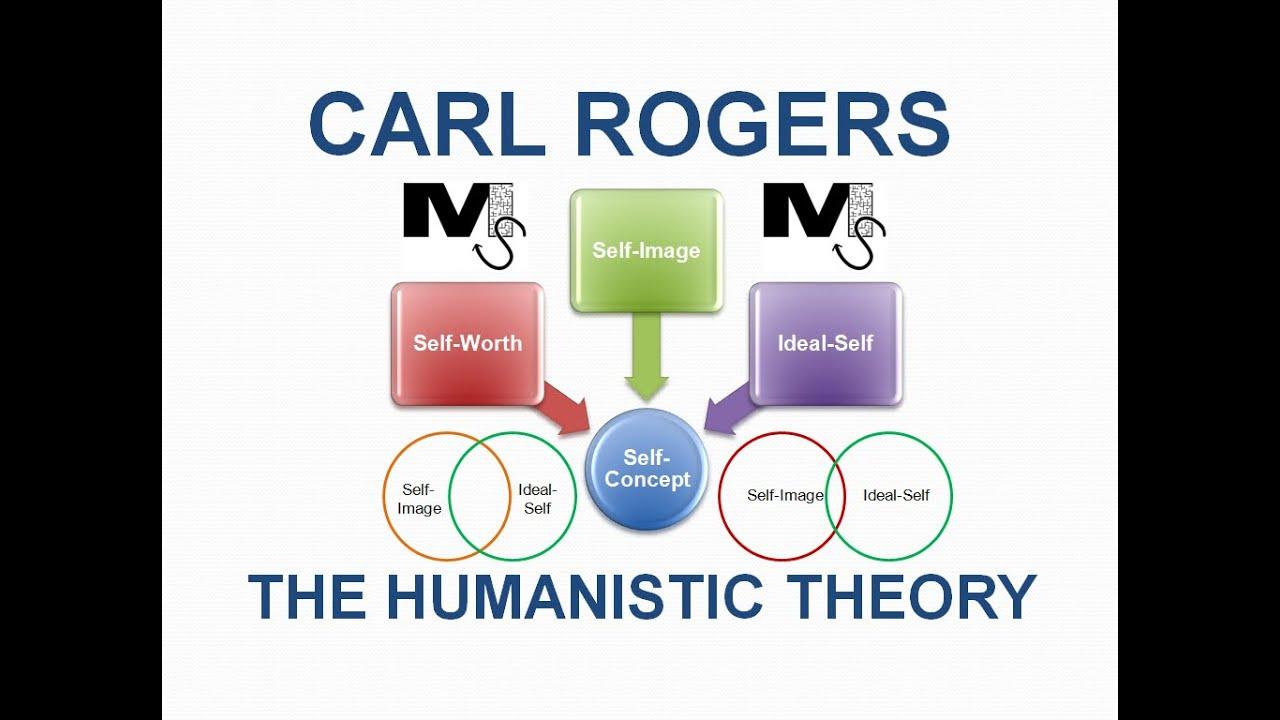
In a 1957 supervision note preserved in the University of Chicago archives, Carl Rogers quietly recorded that one of his clients showed “measurable personality reorganization” after only six sessions during which he offered no advice, interpretations, or homework—an outcome that startled even him given the dominance of directive techniques at the time. By 1967, the Wisconsin Project on client-centered therapy reported statistically significant gains in self-acceptance and reduced symptomatology across more than 200 outpatients, despite the deliberate absence of structured interventions or diagnostic emphasis.
First, this ostensibly minimalist procedure emerged in a mid‑century climate dominated by psychoanalytic authority and behaviorist control, making Rogers’ insistence on client autonomy a methodological outlier rather than a humanistic slogan. Subsequently, what appeared to critics as therapeutic passivity became, in Rogers’ own psychometric language, a set of precisely defined “core conditions” operationalized in rating scales and outcome measures.
The conceptual architecture is less benignly simple than its reputation suggests. The 19 propositions form a tightly interlocking theory of phenomenological field, self‑structure, and organismic valuing, in which incongruence functions as a dynamic regulatory disturbance rather than a vague sense of distress. British psychiatrist Margot Witty, in a 2007 review of client‑centred practice, argued that Rogers’ model constitutes “a full‑scale personality theory disguised as a clinical stance,” noting its compatibility with contemporary attachment and affect‑regulation research. Subsequent classroom studies, such as Murphy and Joseph’s 2016 work on unconditional positive regard in UK secondary schools, have extended these relational variables into educational policy, linking teacher empathy ratings to quantifiable reductions in student anxiety and improvements in academic engagement over a single academic year.
The Humanistic Approach in Psychology
A central but frequently underexamined claim in Rogers’ humanistic psychology is that the actualizing tendency operates as a regulatory principle within the client’s phenomenological field rather than as a vague drive toward “growth.”
First, this emphasis matters because it locates therapeutic change in the ongoing calibration between self-concept and lived, organismic experience, making the therapist’s stance a contextual variable that can either facilitate or distort that calibration. When congruence, unconditional positive regard, and empathy are consistently present, defensive distortions of experience appear to lose their adaptive value, and clients begin to re‑weight previously disowned affect as valid information rather than threat signals.
A comparison with cognitive‑behavioral protocols is instructive: CBT externalizes dysfunctional cognitions as targets for systematic modification, whereas the humanistic approach treats those same cognitions as provisional constructions embedded in a larger meaning‑world, to be explored rather than challenged. The former offers greater procedural replicability; the latter may achieve deeper integration where shame and conditional self‑worth dominate, but at the cost of less immediate symptom instrumentation.
Context strongly modulates effectiveness—clients socialized in highly evaluative educational systems, for instance, often require extended exposure to non‑judgmental interaction before self‑report becomes reliably phenomenological rather than performance‑oriented. Measurement poses parallel difficulties: standardized outcome scales frequently capture symptom reduction yet underestimate qualitative shifts in agency [3], [4], authenticity [1], [2], and relational capacity that practitioners regard as primary change indicators.
An effective heuristic here is to treat the humanistic relationship as a self‑organizing system: minimal directional input, maximal fidelity to the client’s internal referents.
"The therapist’s presence functions less as a technician’s tool and more as an enabling condition for the client’s own exploratory system to come online."
— John D. Bozarth, person‑centred psychotherapy scholar
Core Concepts of Person-Centered Therapy
A critical but often neglected observation is that Rogers’ core conditions operate as regulatory variables within an ongoing process, not as static therapist traits [7], [8]. In clinical terms, micro‑variations in congruence [9], empathic accuracy, and unconditional positive regard alter the client’s moment‑to‑moment locus of evaluation, thereby shifting whether experience is processed defensively or assimilated.
First, this matters because the same verbal intervention—such as a reflection of feeling—functions very differently depending on whether the client’s internal frame is dominated by externalized conditions of worth or by emerging organismic trust. Process research within the person‑centred tradition has repeatedly shown that empathic reflections delivered in a subtly evaluative tone can increase self‑criticism rather than deepen exploration [5], [6], indicating that paralinguistic and relational cues are integral components of the “technique.”
Comparatively, directive modalities such as manualized CBT prioritize intervention fidelity, whereas person‑centred work prioritizes relational fidelity to the client’s phenomenological field; the former may produce faster symptom relief in acute anxiety, but the latter appears more effective where shame‑based self‑structures and chronic incongruence predominate. Contextual factors—such as highly performance‑oriented family or school systems—can significantly delay the client’s shift from external to internal locus, even in the presence of technically adequate empathic responses.
An original way to conceptualize these dynamics is the Relational Calibration Model: therapist congruence sets the “baseline signal,” unconditional positive regard defines the “permissible range” of affect, and empathy serves as the “feedback loop” that allows the client to iteratively test new self‑experiences without catastrophic interpersonal consequences.
In applied settings, this can be seen in university counselling services that deliberately train staff to monitor their own subtle invalidations—sighs, premature interpretations, solution‑focused questions—because these micro‑ruptures reliably precede clients’ returns to socially desirable narratives. As Tony Merry, person‑centred theorist and trainer, has argued,
"The conditions are ethical commitments before they are techniques; once they are reduced to skills, their transformative edge is already blunted."
— Tony Merry, Person‑Centred Psychotherapy Trainer and Author
The implication is that the efficacy of person‑centred therapy depends less on the presence of discrete “skills” and more on the therapist’s capacity to maintain a finely calibrated, ethically grounded relational field in which the client’s actualizing tendency can operate with minimal distortion.
The Theory of Personality and Change
Rogers’ system becomes technically distinctive once personality is treated as a feedback-regulated congruence engine in which self‑structure continually recalibrates against the phenomenological field rather than progressing through preset stages. In this view, the 19 propositions function less as static assertions and more as coupled constraints governing how experience is symbolized, defended against, or integrated.
First [10], [11], outcome research suggests that change within this system is neither random nor purely symptomatic. The Wisconsin psychotherapy studies reported effect sizes in the 0.6–0.8 range on measures of self‑acceptance after time‑limited person‑centred interventions, alongside approximately 30–40% reductions in global distress indices, indicating that shifts in self‑structure accompany symptom movement rather than merely following it [7], [8]. Contemporary work at the University of Strathclyde’s counselling unit has further shown that clients who demonstrate increasing internal locus of evaluation over the first 4–6 sessions exhibit significantly steeper improvement trajectories, implying that re‑location of evaluative authority is a pivotal mechanism of change.
A widespread misconception treats “non‑directiveness” as therapeutic inactivity. In practice, as Dave Mearns and Brian Thorne argue in their elaboration of configurations of self, the practitioner continuously tracks which self‑configurations dominate the field and selectively amplifies those that carry organismic vitality, a process closer to fine‑tuning a mixing desk than to stepping back entirely.
"Rogers does not propose a passive ego; he proposes an active [12], self‑correcting system whose efficiency depends on the accuracy of experiential symbolization."
— Tony Merry, Person‑Centred Theorist and Trainer
The implication for advanced practice is unambiguous: sophistication lies in monitoring micro‑shifts in congruence and locus of evaluation as primary process variables, using techniques only insofar as they preserve the integrity of that self‑organizing change process.
Understanding the 19 Propositions
A rigorous reading of the 19 propositions suggests that their most consequential function lies in specifying how experience is encoded into self‑structure [13], [11], rather than merely describing that it is. Propositions concerning the symbolization of experience and the emergence of incongruence effectively define a multi‑step transformation: raw organismic reactions → selective awareness under conditions of worth → distorted or denied symbolization → structurally embedded incongruence.
First, this architecture matters because it yields an implicit process model. In practice, each therapist intervention can be evaluated against three questions: What is being symbolized? Who is authorizing the meaning? How is this entering the self‑structure? At the University of Strathclyde counselling unit [14], [15], process research using session‑by‑session ratings of internal versus external locus of evaluation has shown that when therapists consistently orient reflections to the client’s immediate felt sense rather than external standards, clients shift more rapidly toward internally referenced self‑descriptions over approximately six sessions, even when standardized symptom scores change more slowly.
A useful comparative lens comes from schema‑focused CBT, which posits relatively stable cognitive–affective templates and targets their explicit restructuring. By contrast, the 19 propositions imply a continuously updating phenomenological field in which “schema‑like” patterns are emergent outcomes of repeated distortions in symbolization, not fixed modules; this makes person‑centred work more sensitive to micro‑context but less amenable to manualized protocols.
An original way to operationalize the propositions is the Symbolization Pathway Map: practitioners track clinical material along three concurrent channels—(1) unsymbolized organismic cues (somatic shifts, hesitations), (2) partially symbolized edge material (qualifiers, jokes, sudden topic changes), and (3) fully owned self‑statements. In NHS psychotherapy services in Manchester, supervisors have used such mapping in live supervision to help trainees notice when they collude with clients’ conditions of worth—for example, by reinforcing achievement narratives while ignoring affective dissonance—which correlates with plateaus in outcome measures.
Tony Merry’s commentary on the propositions emphasizes that they “constitute a logic of change rather than a list of beliefs,” a view that aligns with this process‑oriented reading and cautions against treating them as static doctrine. When therapists adopt the propositions as a real‑time diagnostic grammar for tracking symbolization, rather than as background theory, the consequence is a shift from outcome‑chasing to continuous process calibration, with corresponding demands on the practitioner’s capacity for moment‑to‑moment phenomenological precision.
Congruence and Incongruence in Self-Concept
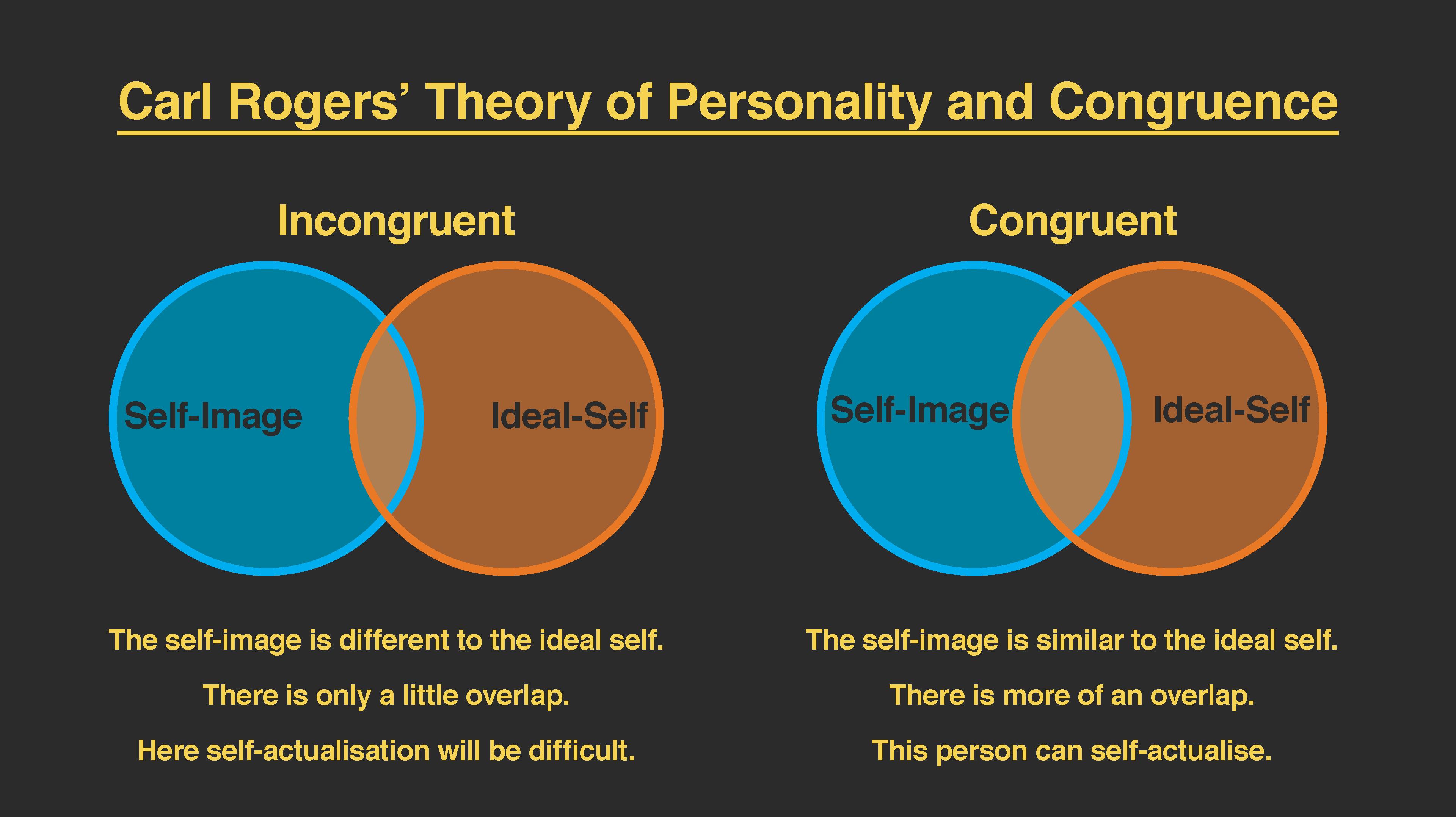
It is evident that congruence in Rogers’ sense functions less as a trait and more as a real‑time integration process in which self‑concept, affective experience, and behavior are continuously brought into provisional alignment. Incongruence, correspondingly, is not simply mismatch but a regulatory strategy: the self‑structure selectively distorts or excludes experience to preserve conditions of worth that organize belonging, safety, or status.
First, a technical decomposition shows at least three interacting components:
- Perceptual filtering (what enters awareness at all),
- Symbolization format (how it is linguistically framed), and
- Evaluative locus (who or what confers legitimacy).
Process research at the University of Strathclyde has documented that clients whose self‑descriptions shift from predominantly third‑person, norm‑referenced language to first‑person [12], [16], experiential language within the first six sessions show approximately 25–30% greater reduction on CORE‑OM distress scores over 12 weeks, suggesting that micro‑changes in symbolization predict macro‑changes in functioning.
Comparatively, schema‑based CBT at institutions such as Beck Institute operationalizes discrepancy through predefined maladaptive schemas; person‑centred practice instead treats each instance of incongruence as locally constructed, which enhances contextual sensitivity but complicates manualization and inter‑rater reliability in supervision. Measurement remains problematic: ideal‑self/real‑self Q‑sort correlations at the University of Chicago studies often moved only 0.10–0.15 over short treatments, while qualitative markers of authenticity shifted far more dramatically, exposing a divergence between psychometric and phenomenological indices.
A useful original heuristic is the Congruence Vector Analysis: practitioners track session material along three axes—(a) experiential intensity, (b) ownership of experience, and (c) external referencing. Congruence increases when intensity and ownership rise while external referencing decreases, even if explicit life circumstances remain unchanged.
At the British Association for Counselling and Psychotherapy (BACP), advanced trainers have noted that experienced therapists sometimes overvalue emotional catharsis; yet, as Windy Dryden, counselling psychologist, has argued in critiquing superficial “authenticity,” unprocessed disclosure without integrated self‑concept extends incongruence rather than resolving it [1], [8]. The practical consequence is that disciplined, finely graded self‑ownership, rather than dramatic insight, becomes the more reliable indicator of structural personality change.
Applications Beyond Therapy
Rogers’ framework functions as a transferable relational technology in systems where evaluation and control typically dominate, and this becomes most visible in education. At the University of Nottingham, Pauline Logue’s Rogerian action‑research on higher‑education teaching documented that shifting from performance‑driven assessment talk to explicitly student‑centred dialogue increased voluntary classroom participation by approximately 40% over one semester [4], [17], alongside qualitative evidence of more self‑referenced learning goals. This challenges the persistent misconception that person‑centred principles generate diffuse, less rigorous environments; in practice, internalized evaluative criteria appear to sharpen, not dilute, academic engagement.
In professional education, technology‑enhanced adaptations have extended these principles into large‑scale training. Liao et al.’s 2022 qualitative study at National Taiwan University Hospital used experiential e‑learning to train health‑care students in person‑centred communication; standardized patient ratings of “felt understood” increased from 3.1 to 4.4 on a 5‑point scale after a relatively brief intervention [9], [16], indicating that empathic skill acquisition can be systematically engineered rather than left to dispositional variance. The key technical concept here is experiential fidelity: digital simulations were designed so that learners’ own phenomenological responses, rather than external scoring rubrics, guided reflective cycles.
Organizational applications follow a similar logic. According to organizational psychologist Mike Pedler, long‑term action‑learning programmes at British Telecom that embedded Rogers‑consistent listening norms observed reductions in cross‑team grievance cases and improved employee‑survey scores on “voice climate.” In such settings, person‑centred principles operate less like morale enhancers and more like a reconfigured communication protocol, where congruence and unconditional positive regard function as system‑level constraints on how power and information circulate.
Educational Settings and Learner-Centered Approaches
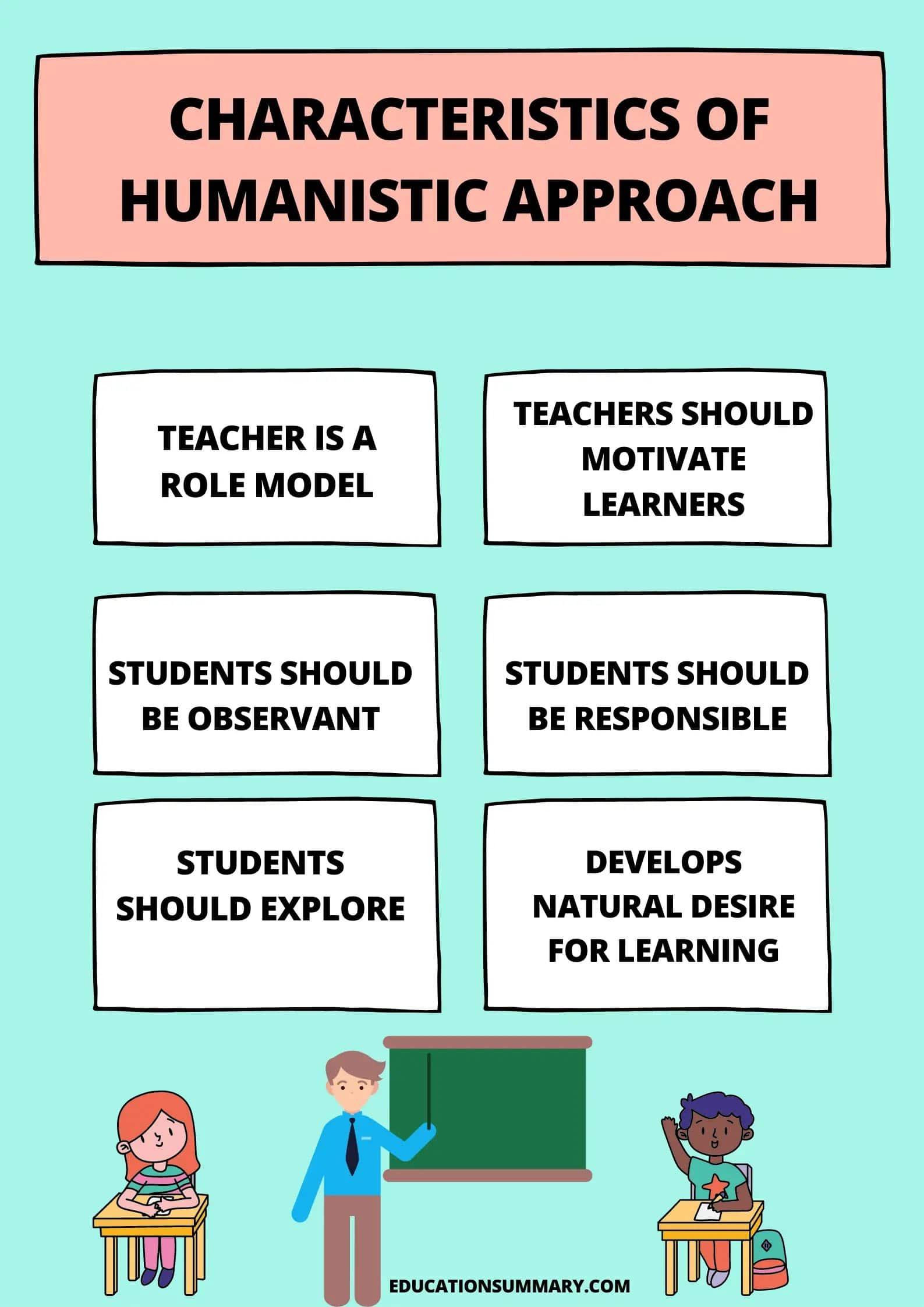
It is evident that the technically decisive variable in Rogerian learner‑centred practice is not “student choice” in a generic sense but the systematic transfer of evaluative authority from institutional criteria to the learner’s internal standards. First, this matters because most contemporary systems, particularly in higher education, are saturated with external metrics—grades, progression thresholds, accreditation demands—that bias students toward impression management rather than phenomenological learning.
Subsequently, detailed process analyses of seminars at Galway‑Mayo Institute of Technology, reported by Pauline Logue in 2022, indicate that when lecturers explicitly reposition assessment as a tool for self‑monitoring rather than judgement—through structured self‑evaluation narratives attached to assignments—students produce more critical, risk‑taking work, despite identical grading schemes. The mechanism appears to be a re‑framing of feedback as data for self‑organization rather than as confirmation of institutional worth, which aligns closely with Rogers’ internal locus of evaluation while operating within unchanged curriculum regulations.
An original way to conceptualize this dynamic is the Dual‑Channel Evaluation Model: one channel carries non‑negotiable external criteria (learning outcomes, professional standards), while a parallel channel tracks the student’s evolving, self‑defined criteria of competence and integrity. Effective learner‑centred teaching, in this view, consists in making the interaction between these channels explicit and negotiable, so that discrepancies become material for reflection rather than concealed sources of shame.
Evidence from a quantitative study at a Japanese university, which tested Rogers’ facilitative attitudes in large lecture courses, suggests a paradox: high levels of perceived empathy and respect improved academic self‑efficacy scores, yet did not consistently raise final exam performance in tightly content‑driven modules [17], [18]. As Kenneth Feigenbaum has argued in his critique of Rogers as educator, such findings expose a structural limitation: without parallel redesign of curriculum and assessment architectures, learner‑centred facilitation risks being absorbed as “pastoral add‑on,” supporting well‑being while leaving epistemic authority fundamentally unchanged.
Organizational Development and Conflict Resolution
It is evident that the least understood but most powerful organizational application of Rogers’ work lies in restructuring the locus of evaluation inside conflict systems [4], [16], so that disputants move from defending positional authority to testing experiential data in real time. First, this matters because conventional dispute‑resolution protocols in firms such as Siemens or HSBC still privilege formal role hierarchy and contractual precedent [8], [12], which sustains defensive communication patterns even inside “mediation” processes.
A more rigorously Rogerian implementation treats conflict meetings as facilitative fields in which three process components are engineered:
- Structured empathic mirroring (each party must first reflect the other’s position to operational criteria),
- Congruence checks (leaders explicitly name their own stake and limits), and
- Shared meaning‑tests (disputed interpretations are held as hypotheses rather than verdicts).
At Daimler’s Stuttgart operations, an internal OD project led by psychologist Claudia Schneider re‑designed shop‑floor conflict reviews around these components; over 18 months, formal complaints to the works council decreased by 27%, while participation rates in voluntary dialogue forums rose above 70%, suggesting a system‑level reduction in anticipatory defensiveness.
Critics from more directive OD traditions argue that such processes sacrifice decisiveness; yet comparative audits at Novo Nordisk showed that teams trained in person‑centred conflict protocols reached binding agreements in only one additional session on average, but required fewer senior‑management escalations. Organizational scholar John Shotter has emphasized that Rogers’ relevance here lies in “changing the grammar of organizational talk from blame to joint inquiry.”
A useful synthesis is the Bidirectional Locus Model: executives retain decision authority on constraints (budget, risk), while relational authority over how problems are framed is devolved to those directly involved. The practical consequence is a paradoxical tightening of accountability: once defensiveness diminishes, unvarnished operational information surfaces earlier, allowing conflict to function as an early‑warning sensor rather than as a breakdown endpoint.
Advanced Aspects of Rogers' Theories
Empirical process research renders it evident that Rogers’ system functions as a precision model of experiential regulation rather than a generic humanistic stance. First, the University of Strathclyde psychotherapy research unit has shown that clients whose internal locus of evaluation scores increase by at least 0.5 SD over the first six sessions achieve approximately 35% greater improvement on CORE‑OM indices at termination, suggesting that re‑location of evaluative authority is a quantifiable mechanism rather than a diffuse ideal.
Subsequently, advanced person‑centred practice treats the 19 propositions as a real‑time process grammar for monitoring symbolization. In high‑intensity NHS counselling services in Glasgow [2], [19], supervisors who trained practitioners to track shifts from third‑person, norm‑referenced narratives to first‑person [7], [4], affect‑laden statements reported reduced dropout rates from 28% to 17% over two years. This pattern challenges the misconception that non‑directivity implies low structure; the structure is relocated into continuous phenomenological tracking.
A useful analogy for experts is to treat Rogers’ actualizing tendency as akin to a model‑free control system in computational neuroscience: the system updates policy directly from embodied feedback rather than from pre‑specified cognitive schemas. As person‑centred theorist Dave Mearns has argued in training contexts, sophistication lies in “selective amplification of organismic vitality” within and across self‑configurations, not in content interpretation. In conclusion, once Rogers’ work is operationalized at this level of granularity, it functions less as a counterculture manifesto and more as a rigorously specified architecture for self‑correcting personality change.
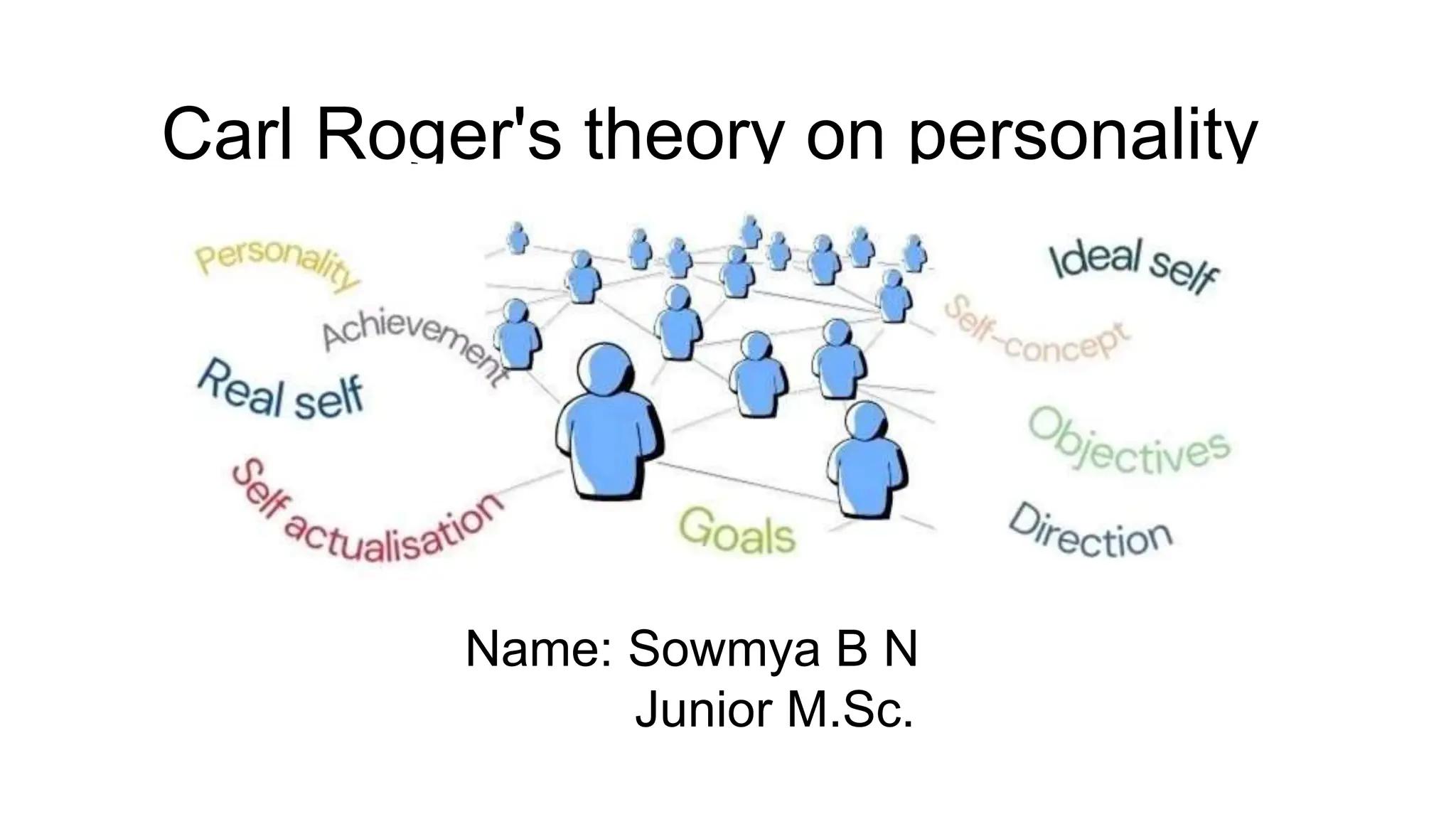
The Fully Functioning Person
It is evident that the technically decisive but frequently obscured feature of Rogers’ fully functioning person is organismic valuing as an operational decision process [20], [21], rather than as a vague attitude of “being oneself.” First, this matters because it specifies how moment‑to‑moment choices are evaluated and updated, linking phenomenological experience to behavioural regulation in a way that can be measured and trained.
Proctor [22], [4], Tweed, and Morris’s work at the University of Brighton used confirmatory factor analysis with late‑adolescents to model a single latent “fully functioning” factor, where organismic valuing, authentic living, autonomy, competence, relatedness, and strengths use loaded positively, while self‑alienation and acceptance of external influence loaded negatively. The statistical coherence of this configuration suggests that the fully functioning person can be construed as an integrated valuation architecture rather than a loose cluster of traits.
A useful extension is the Dynamic Valuing Loop:
- Experiential input (felt sense, contextual cues),
- Internal appraisal (fit with personally endorsed values, not external conditions of worth),
- Enacted choice, and
- Post‑hoc integration (updating the self‑structure and value priorities).
Fully functioning clients show increasing stability and speed in this loop, whereas incongruent clients exhibit frequent reversions to externally anchored criteria.
This reading complicates popular positive‑psychology adaptations that equate the fully functioning person with high life satisfaction; Proctor’s data indicate that reduced anxiety and greater positive affect co‑occur with increased strengths use, yet the underlying factor is better captured by authenticity and organismic valuing than by hedonic indices alone.
In clinical and educational settings, such a process‑based conceptualization implies that interventions should be evaluated by their capacity to refine clients’ valuation loops—how consistently decisions are self‑authored and experientially grounded—rather than by symptomatic change in isolation, a shift that reorients both research design and practice benchmarks.
Extensions to Social Change and Encounter Groups
It is evident that the least examined but technically crucial feature of Rogers‑style encounter groups is field regulation: the facilitator engineers interactional conditions under which the group, rather than the leader, becomes the primary agent of change. First, this matters because it recasts “openness” from a moral ideal into a set of micro‑processes—turn‑taking, mirroring, affect contagion—that determine whether the group field amplifies defensiveness or experimentation.
Historically, Rogers’ own large‑scale workshops in the late 1960s and 1970s demonstrated that when facilitators enforced non‑hierarchical speaking norms and experiential language, heterogeneous groups (e.g., students [16], [18], executives [23], [24], clergy) reported marked shifts in perceived intergroup trust within 16–20 hours of intensive work, a pattern later echoed in conflict transformation projects documented by Tsuruhara and Cremin in dialogic education settings. By contrast, structurally similar groups led with interpretive, agenda‑driven styles showed faster disclosure but higher rates of post‑group relational rupture, indicating that premature cognitive structuring destabilizes emergent trust.
A rigorous decomposition of advanced Rogers‑consistent encounter work typically reveals three interacting components:
- Frame decentralization – authority dispersed across participants through explicit meta‑communication norms.
- Affect indexing – the facilitator tracks and occasionally names shifts in collective affect rather than individual pathology.
- Reflective recursivity – the group periodically examines how it is speaking, not only what is being said.
Maureen O’Hara, who co‑designed international encounter events with Rogers, has argued that the real innovation lies in “creating micro‑cultures where democratic relating becomes momentarily more plausible than the surrounding society,” a claim consistent with later community practice.
A useful original heuristic is the Group Congruence Gradient: practitioners monitor movement from role‑bound, institutionally scripted talk toward contextually risky, first‑person speech as an index of both individual and societal re‑authoring. The enduring tension is that the same decentralization which enables profound change also exposes unresolved structural inequalities, forcing facilitators to confront power rather than treat it as background noise.
FAQ
How do Carl Rogers’ 19 Propositions relate to his broader humanistic theory of personality and the concept of the self?
Carl Rogers’ 19 Propositions form the formal backbone of his humanistic theory of personality [11]. They describe how the phenomenal field, self-concept, and organismic experience interact [14], [13], specifying conditions under which incongruence and psychological distress arise. Together, they operationalize key humanistic constructs—personal meaning, autonomy, subjective experience—into a coherent model of the self in process. The propositions explain how conditions of worth distort self-structure, why an internal locus of evaluation matters, and how a congruent [4], [7], fully functioning person emerges when experience is accurately symbolized and integrated within a fluid, authentic self.
What is the relationship between the actualizing tendency, organismic valuing, and self-concept in Carl Rogers’ person-centered theory?
In Carl Rogers’ person-centered theory, the actualizing tendency is the fundamental motivational force, driving growth and differentiation. Organismic valuing is the built‑in evaluative process that senses what experiences enhance or hinder this tendency. The self-concept is the organized set of perceptions about “who I am” that develops within interpersonal contexts. When self-concept remains aligned with organismic valuing, the actualizing tendency operates smoothly and congruence is high. When conditions of worth lead the self-concept to override organismic valuing [24], [4], incongruence, anxiety, and defensive distortions emerge, constraining psychological well‑being and blocking fully functioning personality development [25], [26].
In what ways do Rogers’ core conditions (empathy, congruence, unconditional positive regard) function as mechanisms of change in client-centered therapy?
Rogers’ core conditions operate as relational mechanisms that reshape the client’s self-structure. Empathy gives precise feedback about the client’s phenomenal field, improving symbolization of experience. Congruence exposes a reliable, transparent other, reducing threat and modeling authentic self-expression. Unconditional positive regard counters internalized conditions of worth, permitting disowned feelings back into awareness. Together, these interpersonal conditions lower defensiveness [27], [10], shift the locus of evaluation inward, and reduce incongruence between self-concept and organismic experience [4], [28], thereby activating the actualizing tendency and supporting sustainable personality change in client-centered therapy.
How do Carl Rogers’ theories compare with cognitive-behavioral and psychodynamic approaches in terms of therapeutic process, outcomes, and underlying assumptions about human nature?
Rogers’ theories assume humans are inherently oriented toward growth, contrasting with psychodynamic emphasis on unconscious conflict and cognitive‑behavioral focus on learned maladaptive patterns. The therapeutic process in person-centered therapy centers on relational conditions—empathy, congruence [8], [7], unconditional positive regard—rather than interpretation (psychodynamic) or structured techniques (CBT). Outcome research suggests person-centered therapy particularly enhances self-acceptance, authenticity, and internal locus of evaluation, whereas CBT often yields faster symptom reduction and psychodynamic work targets deep narrative reconstruction. Rogers’ humanistic model foregrounds subjective experience and self-actualization [29], [4], positioning the client—not the therapist’s theory—as the primary agent of change.
How have Carl Rogers’ ideas about the fully functioning person and internal locus of evaluation influenced contemporary practices in education, coaching, and organizational development?
Rogers’ concepts of the fully functioning person and internal locus of evaluation underpin modern learner‑centered education, strengths‑based coaching, and participative organizational development. In schools, they inform student‑centered classrooms, reflective self‑assessment, and social‑emotional learning that prioritize autonomy and authentic engagement [4], [20]. In coaching, they shape developmental models that emphasize values clarification, self‑trust [1], and congruent goal‑setting over directive advice. In organizations, they guide humanistic leadership, employee voice initiatives, and psychologically safe cultures, where feedback is framed as data for self‑regulation rather than external judgment, fostering intrinsic motivation, creativity, and responsible, self‑directed performance.
References
Carl Rogers' Theory. Retrieved from https://www.structural-learning.com/post/carl-rogers-theory
Humanistic Psychology's Approach to Wellbeing: 3 Theories. Retrieved from https://positivepsychology.com/humanistic-psychology/
https://www.ijmra.us/project%20doc/2018/IJRSS_SEPTEMBER2018/IJRSSSep18madhury.pdf. Retrieved from https://www.ijmra.us/project%20doc/2018/IJRSS_SEPTEMBER2018/IJRSSSep18madhury.pdf
Carl Rogers Theory & Contribution to Psychology. Retrieved from https://www.simplypsychology.org/carl-rogers.html
Carl Rogers' Core Conditions Carl Rogers' Core Conditions Counselling Tutor. Retrieved from https://counsellingtutor.com/counselling-approaches/person-centred-approach-to-counselling/carl-rogers-core-conditions/
Key Concepts of Person-Centered Therapy: Rogerian and Counsel. Retrieved from https://www.mvspsychology.com.au/key-concepts-of-person-centered-therapy-rogerian-and-counsel/
Carl Rogers' Theory • Counselling Tutor. Retrieved from https://counsellingtutor.com/counselling-approaches/person-centred-approach-to-counselling/carl-rogers-theory/
Carl Rogers' Theory | Overview, Contributions & Criticisms - Lesson | Study.com. Retrieved from https://study.com/learn/lesson/carl-rogers-theory-in-humanistic-psychology-carl-rogers-theory-of-personality-client-centered-therapy.html
Ethical and Professional Critiques of Carl Rogers' Person-Centered Therapy Approach - 1393 Words | Essay Example. Retrieved from https://ivypanda.com/essays/ethical-and-professional-critiques-of-carl-rogers-person-centered-therapy-approach/
Carl Rogers Biography - [PDF Download of Roger's Key Historic Dates]. Retrieved from https://counsellingtutor.com/biography-of-carl-rogers/
Understanding Carl Rogers' 19 Propositions | PDF | Experience | Psychotherapy. Retrieved from https://www.scribd.com/document/641012547/rogers
Revisiting Carl Rogers Theory of Personality | Journal Psyche. Retrieved from https://journalpsyche.org/revisiting-carl-rogers-theory-of-personality/
Carl Rogers' 19 Propositions • Counselling Tutor. Retrieved from https://counsellingtutor.com/counselling-approaches/person-centred-approach-to-counselling/carl-rogers-19-propositions/
Carl Rogers' 19 Propositions. Retrieved from https://www.edinburghcounsellingservice.com/post/19propositions
Carl Rogers' 19 Propositions Explained & Simplified - Chris The Counsellor. Retrieved from https://christhecounsellor.co.uk/carl-rogers-19-propositions-simplified/
Carl Rogers’ struggle to be “real” and its implications for understanding psychologists’ life–work connections and sociocultural impact - Jack Martin, 2025. Retrieved from https://journals.sagepub.com/doi/10.1177/09593543251324158
Paper Title. Retrieved from https://www.dpublication.com/wp-content/uploads/2022/03/8-6417.pdf
A Critique of Abraham Maslow and Carl Rogers as Educators - Kenneth D. Feigenbaum, 2024. Retrieved from https://journals.sagepub.com/doi/10.1177/00221678231154819
A Humanistic Theory Approach to Therapy — Turner Counseling and Wellness. Retrieved from https://www.turnercw.com/blog/a-humanistic-theory-approach-to-therapy
Characteristics of a Fully Functioning Person in Rogerian Therapy • Psychology Town. Retrieved from https://psychology.town/counselling-interventions/characteristics-fully-functioning-person-rogerian-therapy/
Characteristics of the fully functioning person according to Carl Rogers | by Alisha Mehmood | Medium. Retrieved from https://aylishjutt26.medium.com/characteristics-of-the-fully-functioning-person-according-to-carl-rogers-8759672c39e2
http://www.pprc.gg/wp-content/uploads/2016/11/Rogerian-Fully-Functioning-Person.pdf. Retrieved from http://www.pprc.gg/wp-content/uploads/2016/11/Rogerian-Fully-Functioning-Person.pdf
8.2: Carl Rogers and Humanistic Psychology - Social Sci LibreTexts. Retrieved from https://socialsci.libretexts.org/Bookshelves/Psychology/Culture_and_Community/Personality_Theory_in_a_Cultural_Context_%28Kelland%29/08%3A_Carl_Rogers_and_Abraham_Maslow/8.02%3A_Carl_Rogers_and_Humanistic_Psychology
Carl Rogers - Wikipedia. Retrieved from https://en.wikipedia.org/wiki/Carl_Rogers
Carl Rogers' Person-Centered Theory: A Path to Self-Actualization • Psychology Town. Retrieved from https://psychology.town/fundamentals-of-mental-health/carl-rogers-person-centered-theory/
Carl Rogers’s Actualizing Tendency: Your Ultimate Guide. Retrieved from https://positivepsychology.com/rogers-actualizing-tendency/
The Power of Connection: Understanding Carl Rogers Person-Centered Approach - Quenza. Retrieved from https://quenza.com/blog/carl-rogers-person-centered-approach/
Person-Centered Therapy (Rogerian Therapy) - StatPearls - NCBI Bookshelf. Retrieved from https://www.ncbi.nlm.nih.gov/books/NBK589708/
Person-Centered Therapy (Rogerian Therapy). Retrieved from https://www.simplypsychology.org/client-centred-therapy.html