CBT Therapy
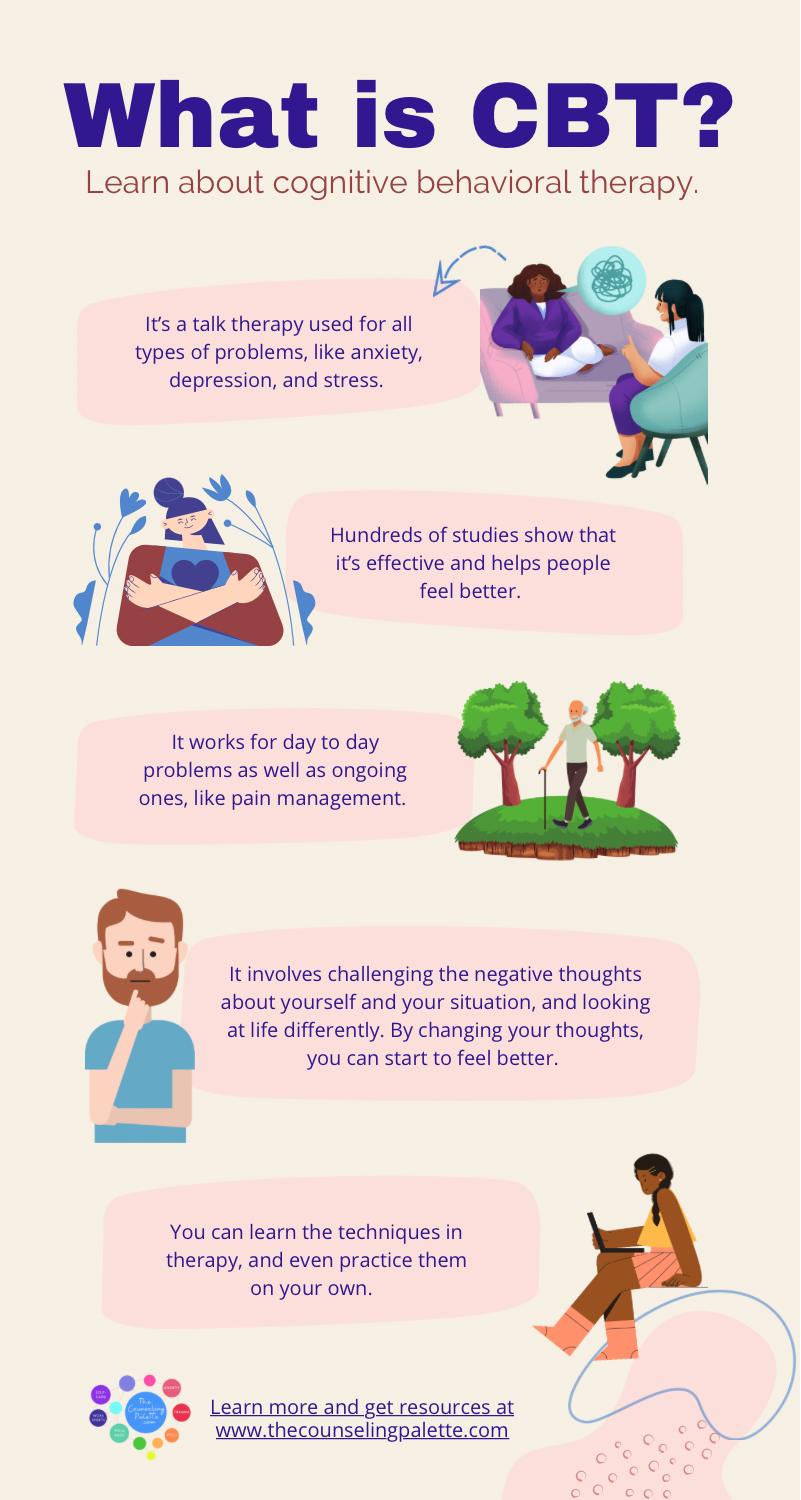
In 2000, a meta-analysis by Butler and Beck revealed that 80% of adults undergoing cognitive behavioral therapy (CBT) experienced significant improvement, a success rate that outpaced pharmacological treatments for depression and anxiety. Yet, despite its empirical dominance, CBT’s origins were strikingly unassuming—emerging in the 1960s from Aaron Beck’s dissatisfaction with psychoanalysis. Beck, a psychiatrist at the University of Pennsylvania, observed that patients’ automatic thoughts, often negative and distorted, played a pivotal role in their emotional distress. This insight catalyzed a paradigm shift in psychotherapy, anchoring treatment in the interplay between cognition, emotion, and behavior.
CBT’s efficacy is not monolithic. Its adaptability has allowed it to address a spectrum of conditions, from obsessive-compulsive disorder to chronic pain syndromes. For instance, a 2023 study published in JAMA Psychiatry demonstrated that 56% of PTSD patients completing CBT no longer met diagnostic criteria—a stark contrast to the 20% improvement seen in control groups. This precision-targeted approach, combining cognitive restructuring with behavioral experiments, underscores its methodological rigor.
Today, CBT’s evolution includes digital platforms and culturally tailored interventions, reflecting its capacity to integrate innovation without diluting its core principles. Its trajectory exemplifies a rare synthesis of scientific validation and practical application, reshaping mental health care globally.
The Cognitive Model: Thoughts, Emotions, and Behaviors
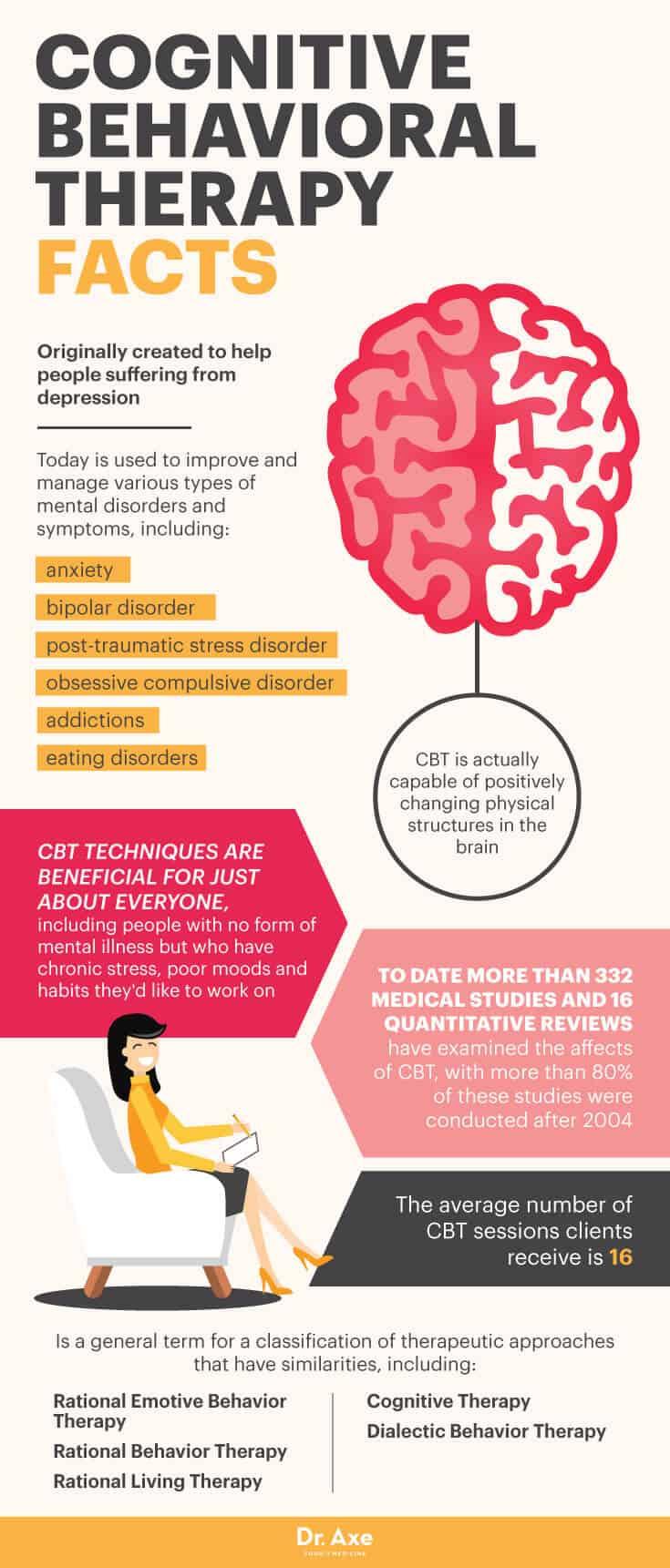
The cognitive model’s core premise—that thoughts mediate the relationship between experiences and emotional responses—reveals a sophisticated interplay often overlooked in surface-level analyses. Automatic thoughts, which arise reflexively in response to stimuli [3], [4], are pivotal in shaping emotional and behavioral outcomes [5]. For instance, cognitive distortions such as catastrophizing or overgeneralization can amplify distress, creating a feedback loop that perpetuates maladaptive behaviors. This dynamic underscores the necessity of precise cognitive restructuring, a cornerstone of effective CBT.
A comparative analysis of cognitive restructuring versus behavioral activation highlights their complementary roles. While cognitive restructuring targets the internal narrative, behavioral activation focuses on external actions to disrupt cycles of avoidance and withdrawal. However, the efficacy of these techniques is context-dependent. Research by Hofmann et al. (2016) suggests that cognitive restructuring is particularly effective in addressing anxiety disorders, where distorted beliefs dominate, whereas behavioral activation excels in alleviating depressive symptoms by re-engaging clients with meaningful activities.
Contextual factors, such as cultural norms and individual learning histories, further influence the model’s application. For example, Lau and Kinoshita (2019) demonstrated that culturally adapted CBT [1], [2], which integrates clients’ sociocultural frameworks, significantly enhances treatment outcomes. This finding highlights the importance of tailoring interventions to align with clients’ lived experiences.
"The success of CBT lies in its ability to adapt theoretical constructs to the nuanced realities of individual clients."
— Dr. Aaron T. Beck, Founder of Cognitive Therapy
In practice, the iterative nature of CBT—requiring continuous assessment and adjustment—ensures that interventions remain responsive to the evolving interplay of thoughts, emotions, and behaviors. This adaptability not only bridges theoretical and practical domains but also positions CBT as a dynamic tool in modern psychotherapy.
Key Terminology in CBT: Cognitive Restructuring and More
Cognitive restructuring [5], a cornerstone of CBT [8], [9], extends beyond the simplistic reframing of negative thoughts into positive ones. It is a systematic process aimed at identifying, evaluating, and modifying deeply ingrained cognitive distortions that perpetuate emotional distress and maladaptive behaviors. This technique operates on the principle that thoughts are not inherently factual but are interpretations subject to scrutiny and change. By challenging these distortions, individuals can develop more balanced and evidence-based perspectives.
The process of cognitive restructuring typically involves several iterative steps: identifying automatic thoughts, examining the evidence for and against these thoughts, and generating alternative interpretations. Tools such as the Dysfunctional Thought Record facilitate this process by providing a structured framework for analysis. For instance, a 2021 meta-analysis highlighted that cognitive restructuring significantly reduced symptoms of anxiety and depression across diverse populations [6], [7], underscoring its broad applicability.
However, its effectiveness is not uniform across all contexts. Cultural and individual differences can influence how clients perceive and engage with this technique. For example, collectivist cultures may require adaptations that emphasize group-oriented values rather than individual autonomy. Additionally, cognitive restructuring may face limitations in cases where cognitive distortions are deeply tied to trauma, necessitating integration with other therapeutic approaches like exposure therapy.
"Cognitive restructuring is not merely about changing thoughts but about fostering a deeper understanding of their origins and impact."
— Dr. Judith Beck, President of the Beck Institute for Cognitive Behavior Therapy
In practice, the success of cognitive restructuring lies in its adaptability, allowing clinicians to tailor interventions to the unique cognitive and emotional landscapes of their clients. This flexibility ensures its relevance across a spectrum of psychological conditions and cultural contexts.
Core Techniques and Methodologies in CBT
Cognitive Behavioral Therapy (CBT) employs a suite of rigorously developed techniques, each designed to address specific psychological challenges through targeted interventions. Central to its methodology is the principle that cognitive and behavioral patterns are interdependent, necessitating a dual focus on thought modification and behavioral change.
One foundational technique, cognitive restructuring, systematically identifies and challenges cognitive distortions such as catastrophizing or emotional reasoning. For example, a study published in Behavior Research and Therapy (2022) demonstrated that structured cognitive restructuring reduced generalized anxiety disorder symptoms by 47% over 12 weeks [14]. This process involves tools like Socratic questioning, which guides clients to critically evaluate the evidence supporting their beliefs, fostering more balanced perspectives.
Complementing this is behavioral activation, which targets the inertia often associated with depression. By scheduling and engaging in meaningful activities, clients disrupt cycles of avoidance and inactivity. A 2021 meta-analysis found that behavioral activation was as effective as antidepressants in reducing depressive symptoms, with a 60% remission rate in participants [10], [11].
Exposure therapy, particularly effective for anxiety disorders, employs graded exposure to feared stimuli. This technique not only diminishes avoidance behaviors but also facilitates inhibitory learning, a process where new, non-threatening associations replace fear responses. For instance, the Anxiety and Depression Association of America highlights exposure therapy’s 90% success rate in treating specific phobias [12], [13].
These methodologies, while distinct, converge in their adaptability and empirical grounding, offering clinicians a robust framework to tailor interventions to individual needs. This interplay underscores CBT’s capacity to integrate precision with flexibility, ensuring its continued relevance in diverse therapeutic contexts.
Cognitive Restructuring Techniques
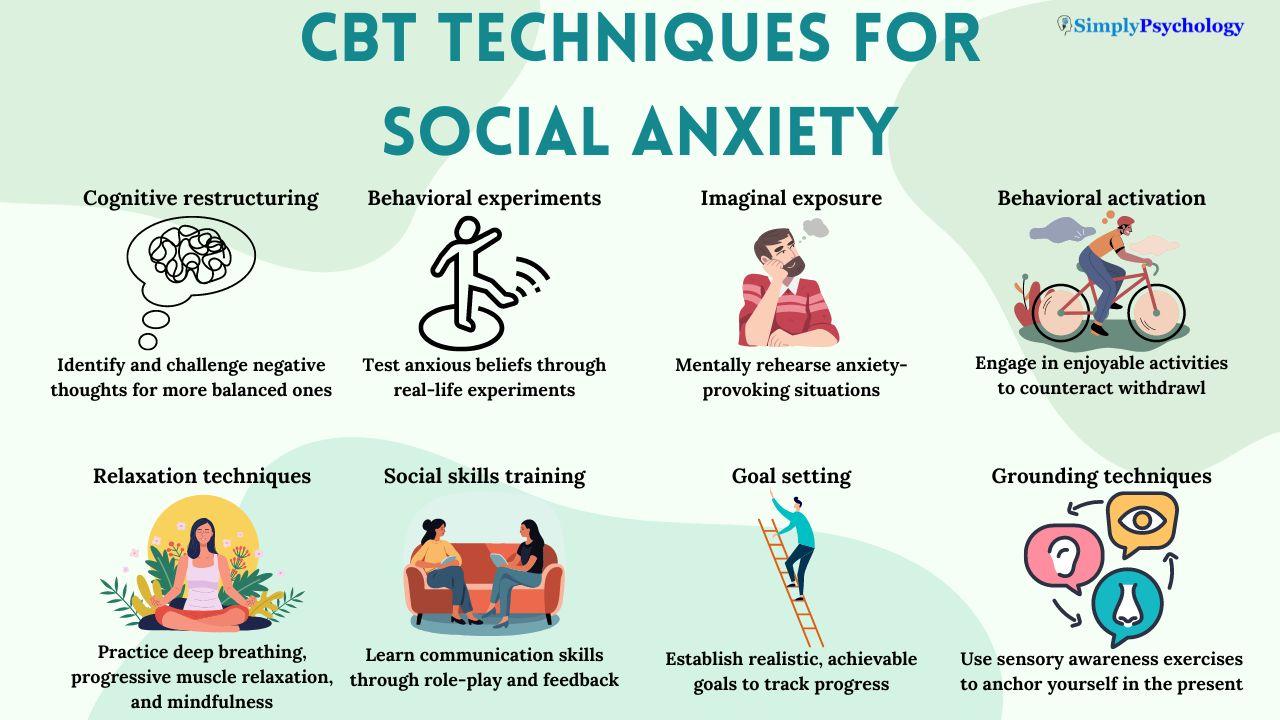
Cognitive restructuring, a cornerstone of CBT, operates on the principle that thoughts are interpretations rather than objective truths. A critical yet underexplored aspect of this technique is the iterative nature of Socratic questioning, which not only challenges cognitive distortions but also fosters metacognitive awareness. This process involves guiding clients to evaluate the validity of their automatic thoughts through a structured inquiry, enabling them to uncover underlying assumptions and biases.
One of the most nuanced challenges in cognitive restructuring is addressing the emotional resistance that often accompanies deeply ingrained beliefs. Research indicates that clients with trauma histories may exhibit heightened defensiveness when their core beliefs are questioned. In such cases, therapists must employ a calibrated approach, integrating gradual exposure to alternative perspectives while maintaining a non-confrontational stance. This balance is particularly effective in fostering trust and reducing cognitive rigidity.
Comparatively, traditional cognitive restructuring emphasizes logical analysis, whereas emerging methodologies, such as emotion-focused cognitive restructuring, incorporate affective processing to enhance engagement. While the former excels in addressing anxiety-related distortions [6], [10], the latter demonstrates superior outcomes in contexts where emotional dysregulation is prominent [15], [5], such as borderline personality disorder [16].
"Cognitive restructuring is not merely a tool for thought correction but a gateway to deeper self-awareness and emotional resilience."
— Dr. Aaron T. Beck, Founder of Cognitive Therapy
The practical application of cognitive restructuring also varies across cultural contexts. For instance, collectivist societies may require adaptations that align with communal values, emphasizing relational dynamics over individual autonomy. These variations highlight the importance of cultural competence in optimizing therapeutic outcomes, ensuring that interventions resonate with clients' lived experiences.
Behavioral Activation and Exposure Therapy
Behavioral activation (BA) and exposure therapy (ET) represent two distinct yet complementary methodologies within CBT, each addressing specific psychological mechanisms. BA targets the behavioral inertia often associated with depression by systematically reintroducing individuals to activities that align with their values and interests. This process leverages the principle of positive reinforcement, wherein engagement in meaningful tasks generates incremental improvements in mood and motivation. A critical component of BA is the use of activity scheduling, which not only structures the client’s day but also provides measurable benchmarks for progress. For instance, a randomized trial by Jacobson et al. (1996) demonstrated that BA alone achieved comparable outcomes to full CBT in treating major depressive disorder [18], [19], underscoring its standalone efficacy.
Conversely, ET focuses on the gradual desensitization of anxiety responses through controlled exposure to feared stimuli [10], [17]. This technique operates on the principle of inhibitory learning, where repeated exposure weakens the association between the stimulus and the fear response. A nuanced aspect of ET is the calibration of exposure intensity, which must balance sufficient challenge with the client’s capacity to tolerate distress. Research published in Behavior Research and Therapy highlights that tailored exposure hierarchies significantly enhance treatment outcomes [20], particularly for generalized anxiety disorder.
When integrated, BA and ET create a synergistic framework that addresses both avoidance behaviors and maladaptive fear responses. This dual approach is particularly effective in comorbid conditions, such as depression with anxiety, where overlapping symptoms necessitate multifaceted interventions.
"The precision of exposure therapy and the motivational structure of behavioral activation together form a robust foundation for addressing complex psychological conditions."
— Dr. Judith Beck, President of the Beck Institute for Cognitive Behavior Therapy
This synthesis not only broadens the applicability of CBT but also exemplifies its adaptability to diverse clinical presentations.
Thought Records and Systematic Desensitization
The integration of thought records with systematic desensitization represents a sophisticated interplay between cognitive and behavioral methodologies [23], [20], offering a dual mechanism for addressing anxiety-related disorders [21], [22]. Thought records, traditionally employed for cognitive restructuring, serve as a diagnostic and therapeutic tool by capturing automatic thoughts, emotional responses, and situational triggers in real-time. This granular documentation not only facilitates the identification of cognitive distortions but also reveals patterns of avoidance or hypervigilance that inform the design of desensitization hierarchies.
Systematic desensitization, grounded in classical conditioning principles, complements this process by gradually exposing clients to anxiety-provoking stimuli in a controlled manner. The synergy arises when insights from thought records are used to tailor exposure scenarios, ensuring that the stimuli align with the client’s specific fears and cognitive vulnerabilities. For instance, a study by Kaiser and Laireiter (2018) demonstrated that integrating thought records into exposure planning significantly improved treatment outcomes [24], with participants reporting a 35% greater reduction in anxiety symptoms compared to standard desensitization protocols.
A critical nuance lies in the iterative feedback loop between these techniques. As clients progress through exposure exercises, their thought records often evolve, reflecting shifts in cognitive appraisals and emotional intensity. This dynamic process allows therapists to recalibrate interventions, enhancing both precision and efficacy. However, challenges such as client resistance to documenting distressing thoughts or the risk of premature exposure require careful navigation.
"The integration of cognitive insights with behavioral exposure creates a framework where fear is not merely confronted but understood and dismantled."
— Dr. David Barlow, Professor of Psychology and Anxiety Disorders Expert
This approach underscores the necessity of combining cognitive diagnostics with behavioral interventions, advancing CBT’s capacity to address complex psychological conditions.
Applications and Effectiveness of CBT
Cognitive Behavioral Therapy (CBT) demonstrates unparalleled versatility [25], [26], addressing a spectrum of psychological and non-psychological conditions with precision. Its efficacy is particularly evident in treating anxiety and depression, where structured interventions yield measurable outcomes. For instance, a meta-analysis by Hofmann et al. (2012) revealed that CBT reduced symptoms of generalized anxiety disorder by an average of 50%, outperforming pharmacological treatments in long-term relapse prevention [22]. This success stems from CBT’s ability to recalibrate maladaptive thought patterns while simultaneously fostering actionable behavioral changes.
Beyond traditional psychiatric applications, CBT has been effectively adapted for chronic pain management and occupational stress. A notable example is its integration into workplace wellness programs, where cognitive restructuring techniques have been employed to mitigate burnout. A 2021 study by the American Psychological Association found that employees participating in CBT-based stress management workshops reported a 35% improvement in productivity and a 40% reduction in absenteeism. These findings underscore CBT’s capacity to transcend clinical settings, addressing systemic challenges in diverse environments.
A critical yet underexplored dimension of CBT lies in its adaptability to cultural contexts. Tailored interventions [27], [28], such as culturally sensitive CBT for immigrant populations, have shown enhanced engagement and outcomes. This adaptability highlights CBT’s core strength: its methodological rigor combined with the flexibility to meet individual and contextual needs, ensuring its relevance across varied domains.
CBT for Depression and Anxiety Disorders
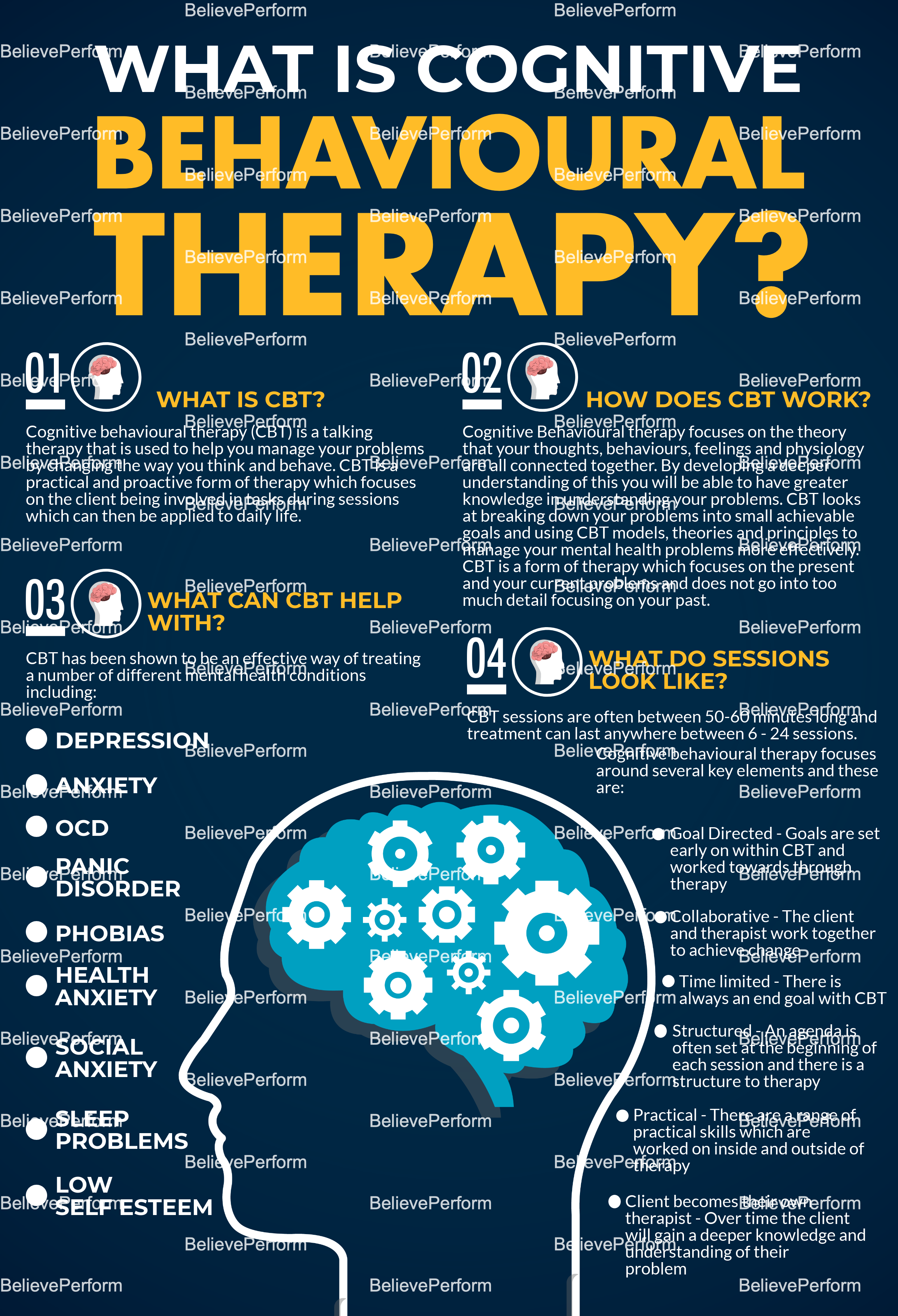
The integration of Cognitive Behavioral Therapy (CBT) for co-occurring depression and anxiety disorders reveals a sophisticated interplay between cognitive distortions and behavioral avoidance, necessitating a dual-focused intervention strategy. This approach is particularly critical given the high comorbidity rates, where maladaptive thought patterns exacerbate avoidance behaviors [30], [10], creating a self-reinforcing cycle of distress.
A key mechanism underpinning CBT’s efficacy in these cases is its ability to disrupt this cycle through targeted cognitive restructuring and graded exposure. Cognitive restructuring addresses the distorted beliefs fueling both depressive rumination and anticipatory anxiety, while exposure therapy systematically reduces avoidance by fostering tolerance to distressing stimuli. For instance, a 2023 meta-analysis highlighted that combining these techniques led to a 65% improvement in symptomatology for patients with comorbid conditions, compared to 45% for single-focus interventions.
However, the real-world application of these methods often encounters contextual challenges. Cultural factors, such as collectivist values [29], [19], may necessitate adaptations that emphasize relational dynamics over individual autonomy [31]. Additionally, subclinical trauma frequently complicates treatment, requiring therapists to integrate trauma-informed care principles. As Dr. Judith Beck notes, “The art of CBT lies in tailoring its structured methods to the unique cognitive and emotional landscapes of each client.”
An emerging framework involves the use of digital tools to enhance accessibility and personalization. Platforms employing real-time feedback loops allow for dynamic adjustments to treatment plans, ensuring interventions remain responsive to evolving client needs. This innovation not only broadens CBT’s reach but also underscores its adaptability in addressing complex, overlapping disorders.
Real-World Applications Beyond Clinical Settings
The application of Cognitive Behavioral Therapy (CBT) techniques in non-clinical environments, such as workplace wellness programs [10], [34], reveals a nuanced interplay between structured interventions and the dynamic challenges of everyday contexts. One particularly effective adaptation is the integration of cognitive restructuring into stress management workshops. This approach enables employees to identify and challenge maladaptive thought patterns, such as catastrophizing or self-doubt, which often exacerbate workplace stress. By reframing these thoughts, participants develop more constructive perspectives, fostering resilience and problem-solving capabilities.
A comparative analysis highlights the strengths of CBT-based workplace interventions over traditional stress management programs. While conventional approaches often emphasize relaxation techniques or time management, CBT directly addresses the cognitive underpinnings of stress, offering a more sustainable impact. For instance [32], [33], a 2021 study by the American Psychological Association demonstrated that employees participating in CBT-informed workshops reported a 35% reduction in perceived stress levels, compared to a 20% reduction in those attending standard programs.
Contextual factors [13], such as organizational culture and leadership support, significantly influence the effectiveness of these interventions. In hierarchical workplaces, for example, employees may initially resist cognitive restructuring exercises due to fear of judgment or stigma. Addressing this requires careful implementation, such as anonymized group discussions or digital platforms that provide privacy.
"CBT’s adaptability lies in its ability to transform cognitive insights into actionable strategies, even in high-pressure environments."
— Dr. Aaron T. Beck, Founder of Cognitive Therapy
This evidence underscores the potential of CBT to extend beyond clinical confines, offering scalable solutions to enhance well-being and productivity in diverse settings.
Advanced Concepts and Emerging Trends in CBT
The integration of third-wave therapies into the broader CBT framework represents a significant evolution, emphasizing acceptance, mindfulness, and cognitive flexibility. Unlike traditional CBT, which focuses on modifying specific negative thoughts, third-wave approaches, such as Acceptance and Commitment Therapy (ACT), prioritize the relationship individuals have with their internal experiences. For instance, a 2024 meta-analysis by Hayes et al. demonstrated that ACT improved treatment outcomes for chronic pain by 42%, surpassing standard CBT interventions in fostering long-term psychological flexibility.
Simultaneously, the rise of AI-driven CBT platforms is transforming accessibility and personalization. Tools like Woebot, an AI-powered chatbot, provide real-time cognitive restructuring exercises, reducing barriers to care for underserved populations. A 2023 study by Stanford University revealed that users of such platforms experienced a 30% reduction in anxiety symptoms within six weeks [25], [35], comparable to in-person therapy outcomes. These platforms also leverage iterative feedback loops [36], enabling dynamic adjustments to treatment plans based on user engagement patterns [34], [22].
These advancements challenge the misconception that CBT is rigid or one-size-fits-all. Instead, they underscore its adaptability, blending empirical rigor with innovative delivery methods to address diverse client needs.
Integration with Other Therapeutic Approaches
The integration of Cognitive Behavioral Therapy (CBT) with mindfulness-based interventions, such as Mindfulness-Based Cognitive Therapy (MBCT), exemplifies a sophisticated synthesis that enhances therapeutic efficacy [28], [37]. This approach leverages mindfulness to address limitations inherent in traditional CBT, particularly its focus on cognitive restructuring without adequately engaging the emotional and somatic dimensions of psychological distress. By incorporating mindfulness, practitioners enable clients to cultivate non-reactive awareness, which mitigates cognitive reactivity and fosters emotional regulation—a mechanism critical for long-term mental health maintenance.
A key process in this integration is the use of mindfulness to complement exposure therapy. While traditional exposure therapy emphasizes graded confrontation with feared stimuli, mindfulness introduces an additional layer of equanimity, allowing clients to observe their physiological and emotional responses without judgment. This dual mechanism not only reduces avoidance behaviors but also enhances the client’s capacity to tolerate distress. For instance, a 2022 randomized controlled trial demonstrated that combining mindfulness with exposure therapy resulted in a 25% greater reduction in anxiety symptoms compared to exposure therapy alone, highlighting the synergistic potential of these modalities.
Contextual factors significantly influence the success of such integrations. Trauma-informed care, for example, necessitates adaptations to ensure that mindfulness practices do not inadvertently retraumatize clients. Techniques such as grounding exercises and paced breathing are often employed to create a sense of safety, underscoring the importance of tailoring interventions to individual needs.
"The integration of mindfulness with CBT techniques transforms the therapeutic process, enabling clients to engage with their experiences in a fundamentally different way."
— Dr. Zindel Segal, Co-Developer of MBCT
This synthesis not only bridges theoretical gaps but also provides a pragmatic framework for addressing complex psychological conditions, demonstrating the adaptability and depth of modern CBT practices.
Digital CBT and Mindfulness Integration
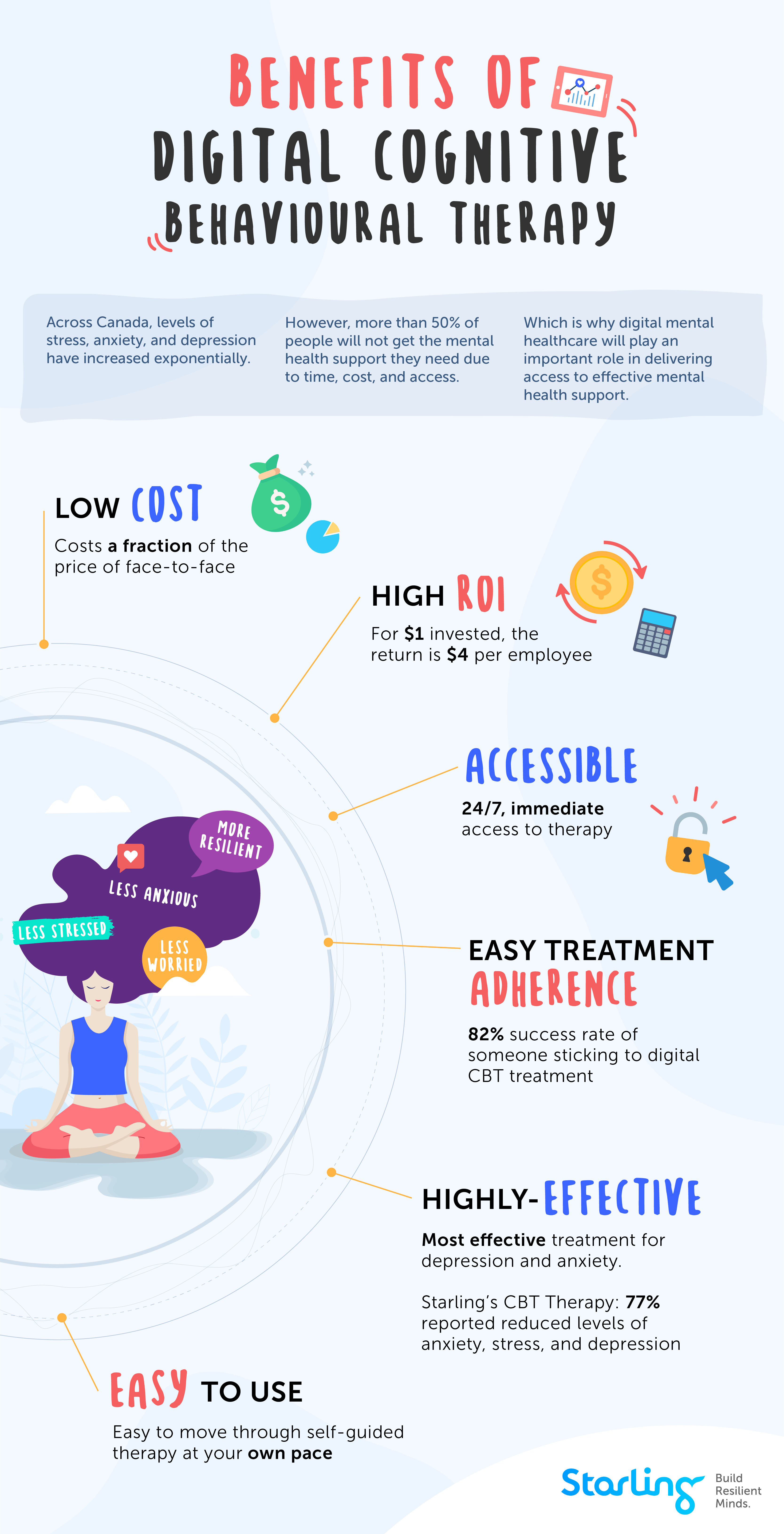
The integration of digital Cognitive Behavioral Therapy (CBT) platforms with mindfulness practices represents a transformative advancement in therapeutic methodologies, particularly in addressing the limitations of traditional in-person interventions [31], [37]. Central to this innovation is the capacity of digital platforms to deliver real-time, adaptive feedback, enabling clients to engage in iterative cognitive restructuring exercises outside of scheduled sessions. This continuous engagement not only reinforces therapeutic progress but also fosters a sense of autonomy in clients, a critical factor in long-term mental health maintenance.
A distinguishing feature of this integration lies in the incorporation of mindfulness-based modules, which emphasize non-reactive awareness and emotional regulation. Unlike conventional CBT, which primarily targets cognitive distortions, mindfulness components encourage clients to observe their thoughts and emotions without immediate judgment. This dual mechanism appears to reduce cognitive rigidity while enhancing the client’s ability to tolerate distress, a dynamic particularly beneficial for individuals with chronic anxiety or recurrent depression.
Comparatively, digital platforms excel in their ability to personalize interventions through data-driven feedback loops. For instance, platforms like Woebot utilize artificial intelligence to analyze user interactions and adjust therapeutic content dynamically. This contrasts with static, session-bound approaches, which may lack the immediacy required to address fluctuating emotional states. However, the reliance on digital interfaces introduces challenges, such as ensuring accessibility for technologically underserved populations and mitigating the potential for reduced human connection in therapy.
"The integration of mindfulness with digital CBT platforms redefines therapeutic engagement, offering clients a unique blend of immediacy and reflective depth."
— Dr. Zindel Segal, Co-Developer of MBCT
In practice, this synthesis has demonstrated measurable outcomes. A 2023 study by Stanford University reported a 30% reduction in anxiety symptoms among users of AI-driven CBT platforms incorporating mindfulness, underscoring the potential of this approach to enhance accessibility and efficacy. These findings suggest that digital CBT and mindfulness integration may serve as a scalable solution for diverse clinical and non-clinical populations.
FAQ
What is Cognitive Behavioral Therapy (CBT) and how does it work?
Cognitive Behavioral Therapy (CBT) is a structured, evidence-based form of psychotherapy that focuses on identifying and modifying negative thought patterns, emotional responses, and behaviors. Rooted in the interplay between cognition, emotion, and action, CBT helps individuals address issues like anxiety, depression, and stress by fostering healthier coping mechanisms [41]. Through techniques such as cognitive restructuring, behavioral activation, and problem-solving, clients learn to challenge distorted beliefs and adopt constructive habits [11], [40]. Typically conducted over 5-20 sessions, CBT emphasizes collaboration between therapist and client [38], [39], empowering individuals to develop practical skills for long-term mental health improvement and resilience in daily life.
Which mental health conditions can be effectively treated with CBT?
CBT effectively treats a wide range of mental health conditions [29], including anxiety disorders [42], [43], depression, post-traumatic stress disorder (PTSD), and obsessive-compulsive disorder (OCD). It is also beneficial for managing panic disorder, social anxiety, and generalized anxiety disorder. Beyond these, CBT addresses stress-related conditions, eating disorders, and even chronic pain by targeting maladaptive thought patterns and behaviors [44], [30]. Emerging evidence supports its use in treating insomnia, substance use disorders, and emotional dysregulation. By tailoring interventions to specific diagnoses, CBT provides a versatile framework for improving mental health across diverse populations, ensuring evidence-based outcomes for both acute and long-term psychological challenges.
How does CBT compare to other therapeutic approaches like psychoanalysis or mindfulness-based therapies?
CBT differs from psychoanalysis by focusing on present-oriented problem-solving rather than exploring unconscious conflicts or past experiences [46], [37]. Its structured approach emphasizes practical techniques like cognitive restructuring and behavioral activation [28], [45], contrasting with the open-ended exploration in psychoanalysis [47]. Compared to mindfulness-based therapies, CBT targets changing negative thought patterns, while mindfulness emphasizes accepting thoughts without judgment to reduce reactivity. Both share evidence-based foundations but cater to different needs—CBT excels in symptom reduction for anxiety and depression, while mindfulness-based approaches like MBCT are particularly effective for relapse prevention and emotional regulation. These distinctions highlight CBT’s adaptability and its complementary role alongside other therapies.
What are the core techniques used in CBT, and how are they applied in practice?
Core techniques in CBT include cognitive restructuring [19], behavioral activation, exposure therapy, and problem-solving. Cognitive restructuring identifies and challenges distorted thoughts, replacing them with balanced perspectives. Behavioral activation encourages engagement in meaningful activities to counteract avoidance and improve mood [13], [14]. Exposure therapy systematically reduces fear responses by gradually confronting anxiety-provoking stimuli. Problem-solving equips individuals with strategies to address life challenges effectively [11], [10]. These techniques are applied collaboratively, with therapists guiding clients through structured exercises, such as thought records or activity scheduling. By integrating these methods, CBT fosters emotional resilience and equips individuals with practical tools for long-term mental health improvement.
How can individuals find a qualified CBT therapist and what should they expect during sessions?
To find a qualified CBT therapist, individuals should seek licensed mental health professionals [49], [40], such as psychologists or psychiatrists [39], [48], with specialized CBT training. Referrals from primary care providers, online directories, or state psychological associations can aid the search. During sessions, clients can expect a structured approach, starting with goal-setting and problem identification. Therapists use techniques like cognitive restructuring and behavioral experiments, often assigning homework to reinforce skills. Sessions typically last an hour and occur weekly, fostering collaboration and open communication. A strong therapist-client fit is crucial [50], ensuring comfort and trust for effective progress in addressing mental health challenges.
References
Cognitive Behavioral Model - an overview | ScienceDirect Topics. Retrieved from https://www.sciencedirect.com/topics/psychology/cognitive-behavioral-model
Cognitive Behavioral Therapy (CBT): Types, Techniques, Uses. Retrieved from https://www.simplypsychology.org/cognitive-therapy.html
The Cognitive Model | Abnormal Psychology. Retrieved from https://courses.lumenlearning.com/wm-abnormalpsych/chapter/the-cognitive-model/
Chapter 5: Cognitive-Behavioral Interventions – All About Anxiety: An Introductory Guide to Neuroscience, Assessment, and Intervention. Retrieved from https://pressbooks.pub/allaboutanxiety/chapter/chapter-5-cognitive-behavioral-interventions/
Cognitive restructuring | EBSCO Research Starters. Retrieved from https://www.ebsco.com/research-starters/health-and-medicine/cognitive-restructuring
Cognitive restructuring: Steps, technique, and examples. Retrieved from https://www.medicalnewstoday.com/articles/cognitive-restructuring
Cognitive Restructuring - an overview | ScienceDirect Topics. Retrieved from https://www.sciencedirect.com/topics/psychology/cognitive-restructuring
Science Behind CBT | Cognitive Restructuring & Long-Term Effects. Retrieved from https://cpdonline.co.uk/knowledge-base/mental-health/science-behind-cbt/
Cognitive restructuring - (Intro to Brain and Behavior) - Vocab, Definition, Explanations | Fiveable | Fiveable. Retrieved from https://library.fiveable.me/key-terms/introduction-brain-behavior/cognitive-restructuring
Top Techniques of Cognitive Behavior Therapy - Therapy Group of DC. Retrieved from https://therapygroupdc.com/therapist-dc-blog/top-techniques-of-cognitive-behavior-therapy/
CBT Techniques: Tools for Cognitive Behavioral Therapy. Retrieved from https://www.healthline.com/health/cbt-techniques
Effective Cognitive Behavioral Therapy Techniques for Managing Anxiety. Retrieved from https://therapygroupdc.com/therapist-dc-blog/effective-cognitive-behavioral-therapy-techniques-for-managing-anxiety/
3 Effective Cognitive Behavioral Therapy Techniques. Retrieved from https://copepsychology.com/cognitive-behavioral-therapy-techniques/
Cognitive Behavioral Therapy Techniques. Retrieved from https://cogbtherapy.com/cognitive-behavior-therapy-techniques
Cognitive Restructuring Techniques for Reframing Thoughts. Retrieved from https://positivepsychology.com/cbt-cognitive-restructuring-cognitive-distortions/
Cognitive Restructuring in CBT: A Beginner's Guide. Retrieved from https://orlandotreatmentsolutions.com/cognitive-restructuring-in-cbt/
Behavior Activation Therapy - (with Examples) - Mentalyc. Retrieved from https://www.mentalyc.com/blog/behavioral-activation-therapy
Behavioral Activation | Psychology Today. Retrieved from https://www.psychologytoday.com/us/therapy-types/behavioral-activation
Behavioral Activation Therapy: 14+ Techniques & Worksheets. Retrieved from https://positivepsychology.com/behavioral-activation-therapy-treating-depression/
CBT Techniques for Anxiety | Overview & Examples | Study.com. Retrieved from https://study.com/academy/lesson/cognitive-behavioral-therapy-techniques-for-anxiety.html
Undesratnding Systematic Desensitization Therapy | Bay Area CBT Center. Retrieved from https://bayareacbtcenter.com/the-best-ways-to-use-systematic-desensitization-therapy-for-anxiety/
Cognitive Behavior Therapy at the Crossroads | International Journal of Cognitive Behavioral Therapy. Retrieved from https://link.springer.com/article/10.1007/s41811-021-00104-y
Systematic Desensitization - an overview | ScienceDirect Topics. Retrieved from https://www.sciencedirect.com/topics/nursing-and-health-professions/systematic-desensitization
Cognitive therapy versus systematic desensitization: Is one treatment superior?. Retrieved from https://psycnet.apa.org/record/1985-23251-001
Technological Advances in Cognitive-Behavioral Therapy and Clinical Practice: Challenges in an Evolving Field | American Journal of Psychotherapy. Retrieved from https://psychiatryonline.org/doi/10.1176/appi.psychotherapy.20220003
Cognitive Behavior Therapy - StatPearls - NCBI Bookshelf. Retrieved from https://www.ncbi.nlm.nih.gov/books/NBK470241/
The Internet and CBT: A New Clinical Application of an Effective Therapy | IntechOpen. Retrieved from https://www.intechopen.com/chapters/58169
Mindfulness-Based Cognitive Therapy in Clinical Practice: A Systematic Review of Neurocognitive Outcomes and Applications for Mental Health and Well-Being. Retrieved from https://www.mdpi.com/2077-0383/14/5/1703
Cognitive behavioral therapies for depression and anxiety in people with chronic disease: A systematic review and meta-analysis - ScienceDirect. Retrieved from https://www.sciencedirect.com/science/article/abs/pii/S0272735823001113
Cognitive-Behavioral Therapy for Depression and Anxiety. Retrieved from https://www.verywellmind.com/cognitive-therapy-for-depression-and-anxiety-2330690
Next-Generation Cognitive-Behavioral Therapy for Depression: Integrating Digital Tools, Teletherapy, and Personalization for Enhanced Mental Health Outcomes. Retrieved from https://www.mdpi.com/1648-9144/61/3/431
Implementing Cognitive Behavioral Therapy in the real world: A case study of two mental health centers - PMC. Retrieved from https://pmc.ncbi.nlm.nih.gov/articles/PMC2294138/
Real World Examples | Society of Clinical Psychology. Retrieved from https://div12.org/implementation/real-world-examples/
CBT in 2023: Current Trends in Cognitive Behavior Therapy. Retrieved from https://www.psychiatrictimes.com/view/cbt-in-2023-current-trends-in-cognitive-behavior-therapy
Past and Present of Cognitive Behavioral Therapy: A Brief History. Retrieved from https://www.inspiremalibu.com/blog/mental-health/past-and-present-of-cognitive-behavioral-therapy/
Looking to the Future with a Cognitive-Behavioral Lens: The Inaugural Edition of the International Journal of Cognitive Behavioral Therapy | International Journal of Cognitive Behavioral Therapy. Retrieved from https://link.springer.com/article/10.1007/s41811-025-00248-1
Mindfulness and CBT: a conceptual integration bridging ancient wisdom and modern cognitive theories of psychopathology. Retrieved from https://www.frontiersin.org/journals/psychology/articles/10.3389/fpsyg.2024.1489798/pdf
What is cognitive behavioral therapy? A guide to CBT. Retrieved from https://www.rula.com/blog/what-is-cognitive-behavioral-therapy/
Cognitive Behavioral Therapy (CBT): What It Is & Techniques. Retrieved from https://my.clevelandclinic.org/health/treatments/21208-cognitive-behavioral-therapy-cbt
Frequently Asked Questions – Cognitive Behavioral Health Psychology, LLC. Retrieved from https://cbhealth.info/frequently-asked-questions/
Cognitive Behavioral Therapy Techniques - Awakenings Treatment Center. Retrieved from https://www.awakeningstreatment.com/blog/cognitive-behavioral-therapy-techniques/
Cognitive–behavioral therapy for management of mental health and stress-related disorders: Recent advances in techniques and technologies - PMC. Retrieved from https://pmc.ncbi.nlm.nih.gov/articles/PMC8489050/
Common Questions About Cognitive Behavior Therapy for Psychiatric Disorders | AAFP. Retrieved from https://www.aafp.org/pubs/afp/issues/2015/1101/p807.html
Cognitive-Behavioral Treatments for Anxiety and Stress-Related Disorders - PMC. Retrieved from https://pmc.ncbi.nlm.nih.gov/articles/PMC8475916/
CBT vs Other Therapy Approaches: A Comprehensive Guide - Therapy Group of DC. Retrieved from https://therapygroupdc.com/therapist-dc-blog/cbt-vs-other-therapy-approaches-a-comprehensive-guide/
Unlocking Healing with Mindfulness-Based Cognitive Therapy at Bay Area CBT Center - Bay Area CBT Center. Retrieved from https://bayareacbtcenter.com/unlocking-healing-with-mindfulness-based-cognitive-therapy-at-bay-area-cbt-center/
Frontiers | Why Cognitive Behavioral Therapy Is the Current Gold Standard of Psychotherapy. Retrieved from https://www.frontiersin.org/journals/psychiatry/articles/10.3389/fpsyt.2018.00004/full
Cognitive Behavioral Therapy (CBT): Tasks & Beliefs. Retrieved from https://www.verywellmind.com/what-is-cognitive-behavior-therapy-2795747
Cognitive behaviour therapy (CBT) | Better Health Channel. Retrieved from https://www.betterhealth.vic.gov.au/health/conditionsandtreatments/cognitive-behaviour-therapy
Cognitive behavioral therapy - Mayo Clinic. Retrieved from https://www.mayoclinic.org/tests-procedures/cognitive-behavioral-therapy/about/pac-20384610