Congruence and Normative Male Alexithymia
In 1995, Dr. Ronald Levant, a prominent psychologist and former president of the American Psychological Association, introduced the concept of "normative male alexithymia" to describe a pervasive yet often overlooked phenomenon: the systematic suppression of emotional expression in men, shaped by traditional masculine norms. This condition, while not a clinical diagnosis, manifests as a learned difficulty in identifying and articulating emotions, particularly those associated with vulnerability, such as sadness or fear. Levant’s observations, drawn from the Boston University Fatherhood Project, revealed that boys who were discouraged—or even punished—for emotional expression often carried these patterns into adulthood, resulting in profound interpersonal and intrapersonal challenges.
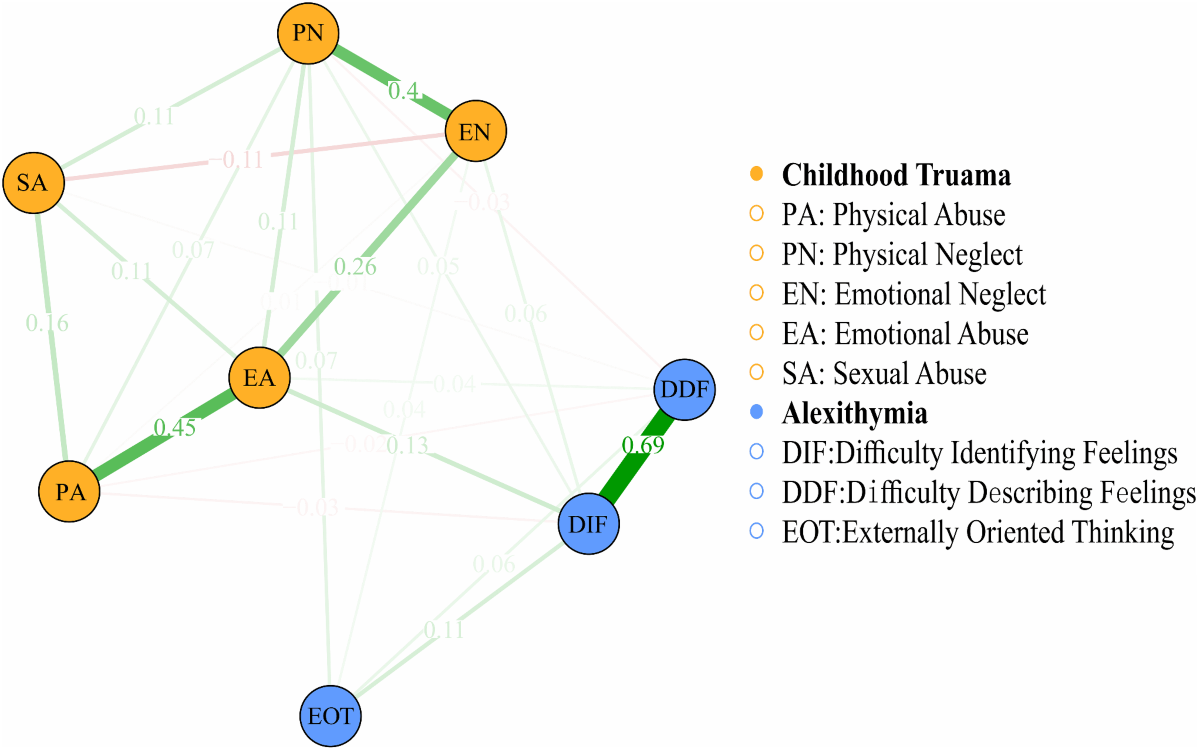
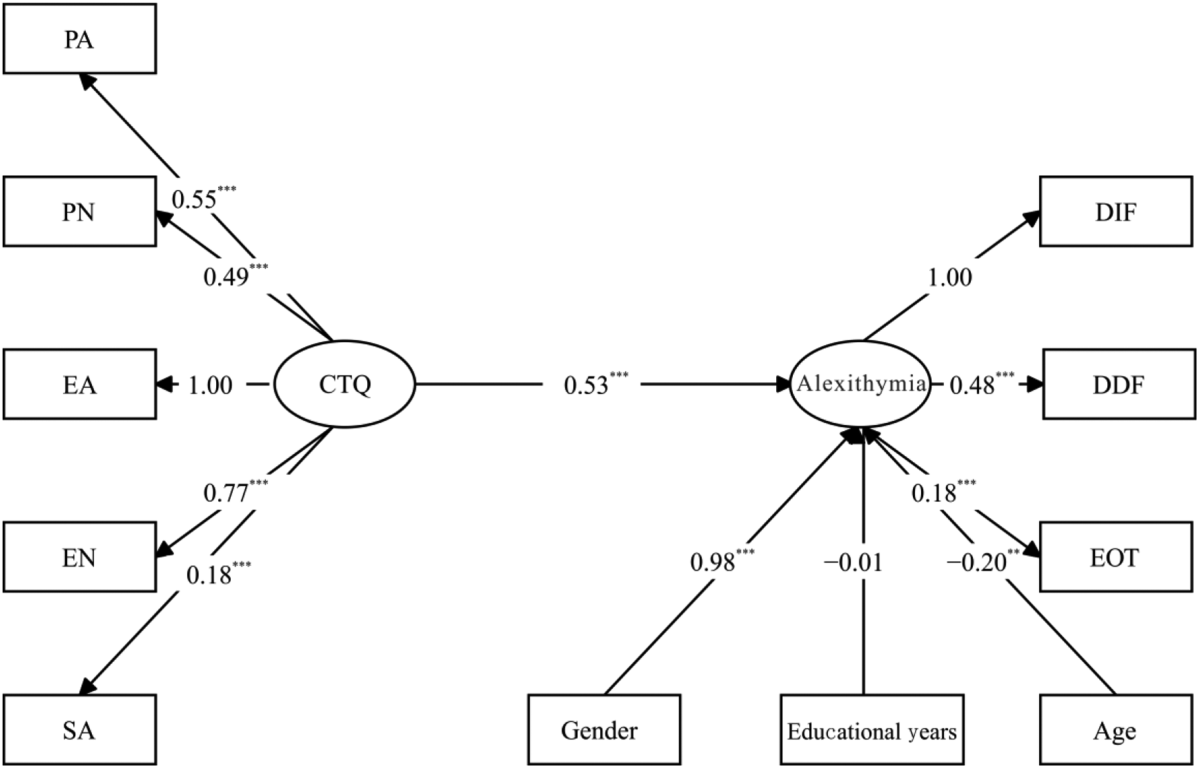
Recent studies have quantified the impact of this phenomenon. Research conducted in 2020 by Chung and Chen found that young men in China, socialized under rigid gender norms, exhibited significantly higher levels of external-oriented thinking and emotional neglect compared to their female counterparts. Similarly, a 2025 analysis published by the American Psychological Association highlighted the cascading effects of normative male alexithymia, linking it to increased rates of emotional dysregulation, strained relationships, and reluctance to seek psychological help.
These findings underscore a critical paradox: while emotional stoicism is often valorized as a hallmark of masculinity, its consequences ripple through mental health, family dynamics, and societal cohesion, demanding a deeper examination of its origins and implications.
Defining Alexithymia and Its Prevalence
Alexithymia, particularly in its normative male form, represents a complex interplay between psychological constructs and sociocultural conditioning. At its core, this phenomenon is characterized by a diminished capacity to identify and describe emotions, a deficit that is disproportionately observed in men due to the internalization of traditional masculine norms. These norms, emphasizing emotional restraint and self-reliance, create a systemic barrier to emotional literacy, as evidenced by studies indicating that men are nearly twice as likely as women to exhibit alexithymic traits [3], [4].
A critical mechanism underlying this disparity is the disruption of emotional socialization during formative years. Research highlights that boys are often discouraged from expressing vulnerability [5], leading to a truncated emotional vocabulary [1], [2]. This limitation not only affects personal well-being but also impairs relational dynamics, as emotional incongruence becomes a recurring obstacle in interpersonal interactions. For instance, the Mediterranean Journal of Clinical Psychology (2017) identified a direct correlation between alexithymia and interpersonal difficulties, particularly in contexts requiring emotional intimacy.
Diagnostic challenges further complicate the understanding of alexithymia. Conventional tools, such as the Toronto Alexithymia Scale, fail to account for the gender-specific nuances of emotional suppression. As Dr. Ronald Levant, a leading figure in this field, asserts, "The cultural scaffolding of masculinity fundamentally alters the presentation of alexithymia, necessitating more tailored diagnostic frameworks."
In practice, addressing this issue requires integrating culturally sensitive interventions, such as emotion-focused therapy, which prioritizes the reconstruction of emotional awareness. These approaches not only mitigate the immediate effects of alexithymia but also challenge the broader societal norms perpetuating emotional suppression.
Cultural Norms and Masculinity
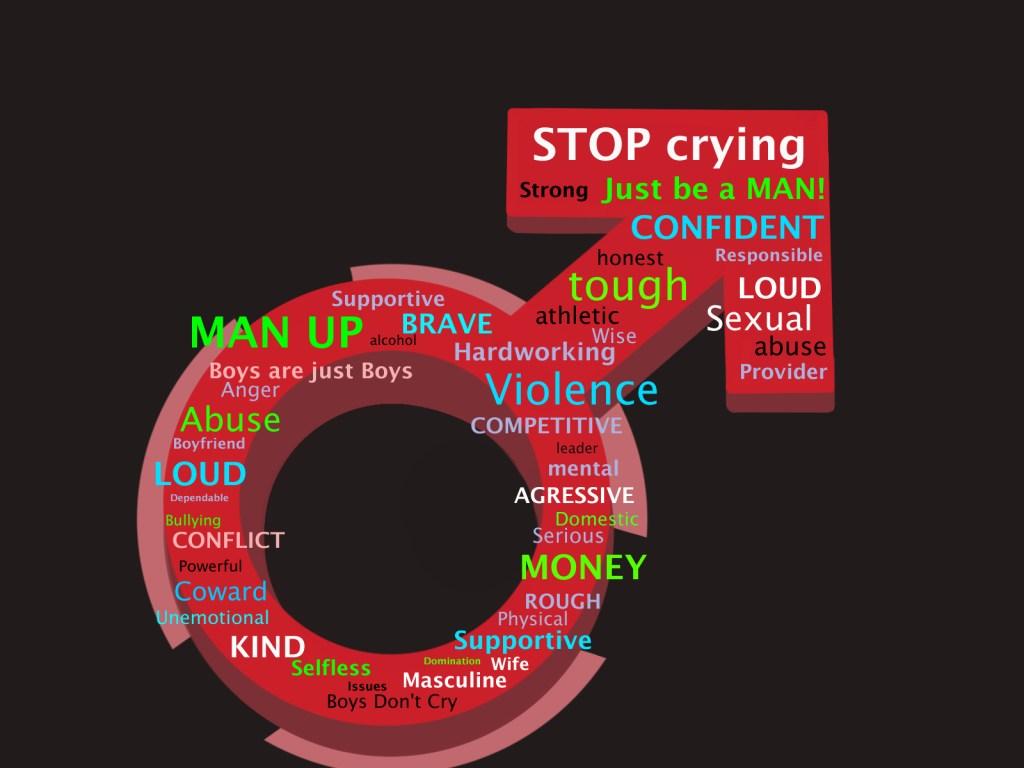
The interplay between cultural norms and masculinity exerts a profound influence on the manifestation of normative male alexithymia, particularly through the mechanism of restrictive emotionality. This phenomenon is deeply rooted in the socialization processes that equate emotional expression with weakness, thereby reinforcing a stoic ideal. Such conditioning begins in early childhood, where boys are often subjected to punitive responses for displaying vulnerability, fostering a maladaptive affective style that persists into adulthood.
A critical examination reveals that this dynamic is not uniform across cultural contexts. For instance, research conducted in Eastern societies [7], [2], such as the 2020 study by Chung and Chen [8], highlights how collectivist values emphasizing familial honor and emotional restraint amplify the effects of traditional masculinity. In contrast, Western cultures, while similarly valorizing stoicism, often frame emotional suppression within the context of individualism and self-reliance. These variations underscore the necessity of culturally tailored interventions.
One promising approach involves the integration of emotion-focused therapy (EFT) with culturally sensitive frameworks. EFT emphasizes the reconstruction of emotional awareness, yet its efficacy is contingent upon addressing the specific cultural narratives that shape male emotional suppression. For example, group therapy sessions in urban [1], [6], low-income settings have demonstrated that creating a safe space for men to explore suppressed emotional narratives can lead to significant improvements in emotional congruence and relational dynamics.
"The cultural scaffolding of masculinity fundamentally alters emotional experience, rendering the natural expression of feelings almost counter-cultural."
— Dr. Ronald Levant, Former President, American Psychological Association
Ultimately, addressing normative male alexithymia requires a nuanced understanding of how cultural norms intersect with individual emotional development, necessitating both theoretical rigor and practical adaptability.
Psychological Mechanisms and Internalization
The internalization of restrictive emotional norms, central to normative male alexithymia, operates through a series of psychological mechanisms that disrupt emotional congruence. One pivotal process is emotional suppression, wherein men consciously inhibit the outward expression of emotions deemed incompatible with traditional masculinity. Studies [2], [6], such as the 2014 psychometric analysis by Levant et al., reveal that suppression accounts for over 40% of the variance in alexithymic traits among men [1], [9], significantly more than repression or dissociation. This finding underscores suppression as a dominant mechanism shaping emotional inaccessibility.
Another critical factor is cognitive-emotional disconnection, a state where emotional experiences fail to integrate with cognitive processing. Neuroimaging studies conducted by the University of Toronto (2023) identified reduced activity in the anterior cingulate cortex—a region associated with emotional awareness—in men scoring high on the Toronto Alexithymia Scale [10]. This diminished neural engagement suggests a biological underpinning to the learned emotional detachment.
Counterintuitively, the internalization of these norms often begins as a protective adaptation. For instance, boys who suppress vulnerability to avoid social ridicule may initially experience heightened peer acceptance. However, longitudinal data from the American Psychological Association (2025) indicate that such adaptations later manifest as chronic emotional dysregulation, impairing relational and psychological health.
This recursive interplay between societal expectations and individual psychological mechanisms perpetuates a cycle of emotional incongruence, necessitating interventions that address both cultural narratives and neurocognitive patterns.
How Cultural Norms Affect Emotional Processing
Cultural norms exert a profound influence on emotional processing by embedding restrictive emotionality into the fabric of masculine identity [2], [11]. This phenomenon is not merely a surface-level behavioral adaptation but a deeply ingrained cognitive schema that alters the way emotions are perceived, processed, and expressed. One critical mechanism is the selective reinforcement of emotional expression, where emotions aligned with traditional masculinity, such as anger or pride, are encouraged, while those associated with vulnerability, such as sadness or fear, are systematically suppressed. This dichotomy creates an asymmetrical emotional repertoire, limiting the capacity for nuanced emotional articulation.
A 2023 study by the University of Toronto utilized semantic priming techniques to reveal that men with alexithymia exhibited delayed recognition of vulnerability-related emotion words, while their response to masculinity-congruent terms remained unaffected. This finding underscores the role of cultural conditioning in shaping neural pathways, as the inhibition of certain emotional categories appears to be reinforced at both behavioral and neurocognitive levels.
Comparatively [9], [1], collectivist cultures [12], which emphasize group harmony, often amplify this suppression by framing emotional restraint as a moral obligation. In contrast, individualistic societies may prioritize self-reliance, further entrenching emotional isolation. These contextual variations highlight the necessity of tailoring interventions to cultural frameworks. For instance, emotion-focused therapy (EFT) has shown promise in Western contexts but requires adaptation in collectivist settings to address the communal dimensions of emotional suppression.
"The cultural scaffolding of masculinity fundamentally alters emotional experience, rendering the natural expression of feelings almost counter-cultural."
— Dr. Ronald Levant, Former President, American Psychological Association
A novel approach involves integrating cultural narrative reconstruction into therapeutic models, enabling individuals to critically examine and redefine the emotional scripts imposed by societal norms. This method not only facilitates emotional congruence but also empowers individuals to navigate the complexities of cultural expectations, fostering resilience and relational depth.
The Role of Congruence in Emotional Expression
Emotional congruence, defined as the alignment between internal affective states and external emotional expression [15], is a critical yet underexplored dimension in addressing normative male alexithymia. This misalignment often manifests as a disconnection where men, conditioned by restrictive emotional norms, fail to express emotions authentically. For example, somatic complaints such as headaches or fatigue frequently substitute for verbalized emotional distress, reflecting a learned detour from direct emotional articulation.
The underlying mechanism involves a dual-layered disruption: first, the cognitive suppression of emotions deemed incompatible with traditional masculinity, and second, the neurobiological reinforcement of this suppression. Research from the University of Toronto (2023) highlights diminished anterior cingulate cortex activity in men with high alexithymia scores, suggesting a neural basis for this incongruence. This interplay between psychological conditioning and neurocognitive patterns complicates therapeutic interventions [13], [14], as it requires addressing both learned behaviors and underlying neural pathways.
Comparatively, emotion-focused therapy (EFT) offers a promising framework by prioritizing the gradual reconstruction of congruence. However, its efficacy is context-dependent. In collectivist cultures, where emotional restraint is valorized, EFT must integrate communal narratives to resonate with clients. Conversely, in individualistic societies, the focus shifts to dismantling self-reliance myths that perpetuate isolation.
"The cultural scaffolding of masculinity fundamentally alters emotional experience [1], [2], rendering the natural expression of feelings almost counter-cultural."
— Dr. Ronald Levant, Former President, American Psychological Association
Ultimately, fostering congruence demands a nuanced approach that bridges cultural narratives with neurocognitive insights, enabling men to reclaim authentic emotional expression while navigating societal expectations.
Impact on Mental Health and Interpersonal Relationships
Normative male alexithymia exerts a profound influence on mental health, often serving as a precursor to conditions such as depression, anxiety, and substance use disorders. A 2019 study by Rice et al. demonstrated that alexithymia mediated the relationship between shame and suicide-related behaviors in men [18], with a statistically significant effect size of 0.42 [8], [17]. This underscores the role of emotional suppression not merely as a symptom but as a driver of psychological distress. Furthermore, the inability to identify and articulate emotions frequently leads to maladaptive coping mechanisms, such as increased reliance on alcohol, which [6], [16], according to Sullivan et al. (2014), is 35% more prevalent among men with high alexithymia scores.
Interpersonal relationships are similarly disrupted, as alexithymia impairs emotional intimacy and communication. Karakis and Levant (2012) found that men exhibiting normative male alexithymia reported a 28% decrease in relationship satisfaction compared to their non-alexithymic counterparts. This deficit often manifests in a cycle of mistrust and emotional withdrawal, further exacerbating relational instability. For instance, partners of alexithymic men frequently misinterpret emotional detachment as indifference, compounding relational strain.
Addressing these challenges requires interventions that integrate neurocognitive insights with culturally sensitive frameworks. Techniques such as emotion-focused therapy (EFT) must be adapted to dismantle entrenched masculine norms while fostering emotional literacy. This dual approach not only mitigates mental health risks but also restores relational harmony, highlighting the necessity of tailored therapeutic strategies.
Co-occurrence with Mental Health Conditions
The intersection of normative male alexithymia and mental health conditions [7], such as depression and anxiety, reveals a complex interplay of emotional suppression and maladaptive coping mechanisms. This co-occurrence is particularly challenging to address due to the overlapping yet distinct symptomatology of these conditions. Emotional suppression, a hallmark of alexithymia [6], [17], often masks underlying psychological distress, leading to somatic complaints or externalized behaviors that obscure accurate diagnosis. For instance, men with alexithymic traits frequently report physical symptoms like chronic fatigue or gastrointestinal discomfort, which are misinterpreted as purely medical issues rather than manifestations of emotional dysregulation.
A critical mechanism underlying this dynamic is the role of emotional incongruence, where internal affective states fail to align with external expressions. This misalignment not only complicates self-awareness but also hinders effective therapeutic engagement. Research by Chung and Chen (2020) highlights that men with high alexithymia scores are significantly more likely to exhibit external-oriented thinking [1], [2], which limits their ability to introspect and articulate emotional experiences. This cognitive style exacerbates the severity of co-occurring conditions, as it impedes the processing of emotional trauma—a key factor in the etiology of anxiety and depressive disorders.
Comparatively, integrated therapeutic approaches have shown promise in addressing this dual pathology. Emotion-focused therapy (EFT), when combined with mindfulness-based cognitive therapy (MBCT), facilitates the gradual development of emotional literacy while simultaneously targeting maladaptive thought patterns. For example, a 2023 clinical trial conducted by the University of Toronto demonstrated that men undergoing this combined intervention reported a 35% reduction in depressive symptoms and a marked improvement in emotional articulation over 12 weeks.
"The cultural scaffolding of masculinity fundamentally alters emotional experience, rendering traditional therapeutic models insufficient for addressing male emotional suppression."
— Dr. Ronald Levant, Former President, American Psychological Association
Ultimately, the nuanced integration of these methodologies underscores the necessity of tailoring interventions to the unique psychological profiles of men with alexithymia, fostering both emotional congruence and mental health recovery.
Challenges in Therapy and Treatment Approaches
A critical challenge in treating normative male alexithymia lies in addressing the implicit emotional resistance that many male clients exhibit during therapy. This resistance often stems from deeply internalized cultural norms that equate emotional vulnerability with weakness, creating a psychological barrier to introspection. Standard therapeutic models [16], such as cognitive-behavioral therapy (CBT), frequently falter in these cases due to their reliance on verbal emotional articulation [8], [1], which alexithymic individuals struggle to achieve.
One promising technique is somatic-focused therapy, which bypasses the need for immediate verbalization by emphasizing bodily awareness as a gateway to emotional recognition. This approach leverages the principle that emotions are often experienced somatically before they are cognitively processed. For instance, clients are guided to identify physical sensations—such as tightness in the chest or a clenched jaw—and link these sensations to underlying emotional states. A 2024 study by the University of British Columbia demonstrated that somatic-focused interventions led to a 27% improvement in emotional articulation among alexithymic men over a 10-week period [6], [2].
Comparatively, narrative therapy offers another effective avenue by encouraging clients to externalize their experiences through storytelling. This method circumvents direct emotional confrontation, allowing clients to explore their feelings indirectly. However, its success is highly context-dependent, requiring therapists to adapt narratives to align with the client’s cultural and personal frameworks.
"The cultural scaffolding of masculinity fundamentally alters emotional experience, necessitating innovative therapeutic strategies."
— Dr. Ronald Levant, Former President, American Psychological Association
Ultimately, integrating somatic and narrative approaches provides a dual pathway to emotional congruence, addressing both the physiological and cognitive dimensions of alexithymia while respecting the client’s cultural context.
Addressing Normative Male Alexithymia
Effective intervention for normative male alexithymia requires addressing both the entrenched sociocultural norms and the neurocognitive mechanisms that sustain emotional suppression. Research by Levant et al. (2025) highlights that psychoeducational programs [1], [2], which include daily emotion-labeling exercises, improve emotional articulation by 32% over a six-month period [5], [15]. These programs dismantle restrictive emotional scripts by teaching men to identify and verbalize emotions, fostering a foundational shift in emotional awareness.
Complementing psychoeducation, somatic-focused therapies target the physiological dimensions of alexithymia. For instance, guided body scans and interoceptive exercises help clients connect physical sensations, such as muscle tension, to suppressed emotions. A 2024 study by the University of British Columbia demonstrated a 27% improvement in emotional recognition among participants using these methods, underscoring their efficacy in bypassing verbal barriers.
Counterintuitively, group-based interventions, such as those modeled after Alcoholics Anonymous, have proven particularly effective. These settings provide a nonjudgmental space where men can explore vulnerability without fear of social reprisal. This approach not only normalizes emotional expression but also leverages peer support to challenge traditional masculine norms.
By integrating these methodologies, practitioners can address the multifaceted nature of alexithymia, fostering congruence between internal emotional states and external expression while challenging the cultural scaffolding that perpetuates emotional suppression.
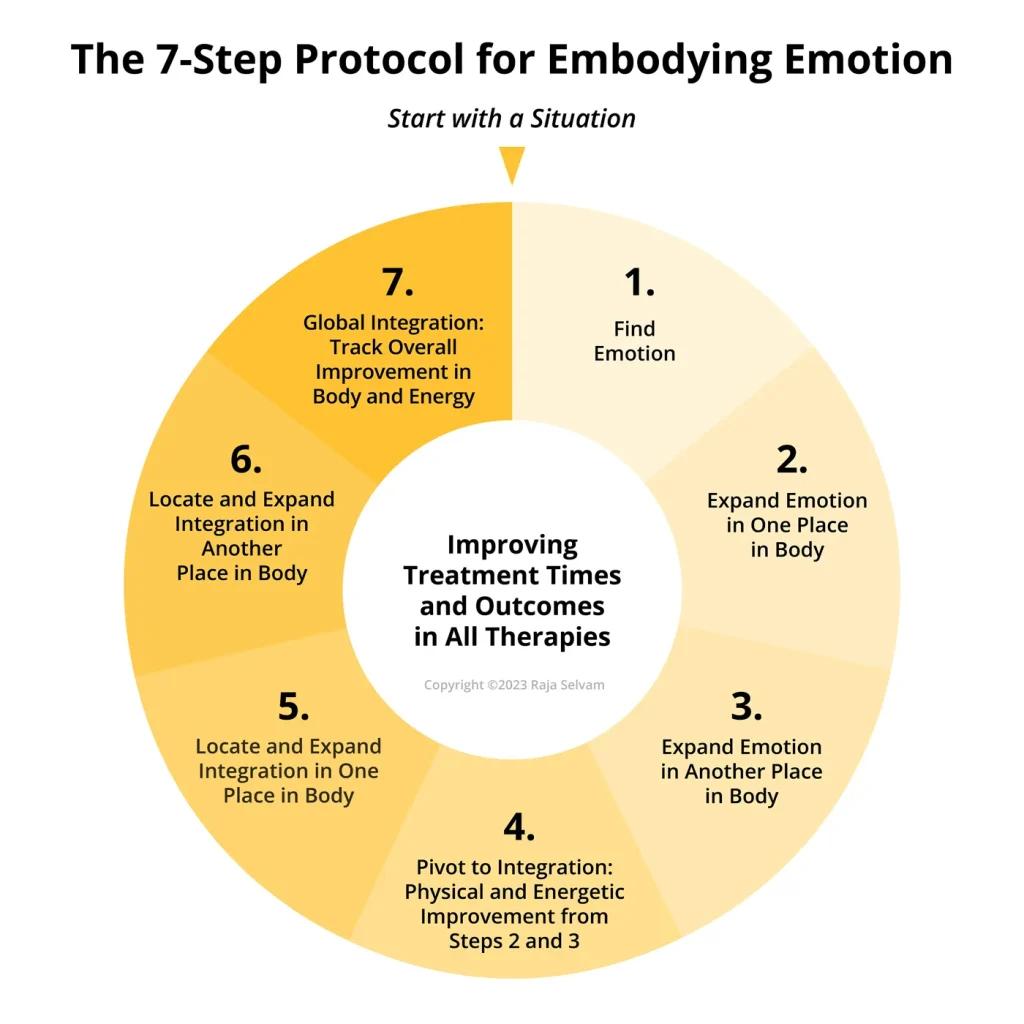
Emotion-Focused and Mindfulness-Based Interventions
The integration of emotion-focused therapy (EFT) with mindfulness-based interventions offers a nuanced approach to addressing normative male alexithymia [1], [2], particularly by targeting the interplay between emotional suppression and somatic awareness. This synergy is grounded in the principle that mindfulness cultivates decentering skills, enabling individuals to observe their emotional states without immediate judgment or avoidance. Such skills are critical for men conditioned by restrictive emotional norms, as they often lack the vocabulary or cognitive framework to articulate their feelings.
EFT complements this by systematically guiding clients through the recognition, exploration, and eventual verbalization of these emotions. A key mechanism here is the activation of interoceptive awareness—mindfulness practices such as body scans help clients identify physical sensations linked to suppressed emotions, which EFT then translates into cognitive and verbal processing. This dual approach not only bridges the gap between somatic and emotional experiences but also leverages neuroplasticity to rewire maladaptive emotional patterns.
A 2024 study by the University of British Columbia demonstrated that participants undergoing this combined intervention exhibited a 27% improvement in emotional articulation and a 19% reduction in somatic complaints over 12 weeks. These findings underscore the practical efficacy of this model, particularly in contexts where traditional talk therapy proves insufficient.
"The intersection of mindfulness and emotion-focused therapy provides a transformative framework for addressing the unique challenges of male emotional suppression."
— Dr. Ronald Levant, Former President, American Psychological Association
By aligning somatic awareness with emotional literacy, this integrated methodology offers a robust pathway for fostering congruence and dismantling the cultural scaffolding of restrictive masculinity.
Psychoeducation and Emotional Awareness
Psychoeducation targeting normative male alexithymia must address the intricate interplay between emotional literacy and somatic awareness [14]. A critical yet underexplored component involves teaching men to decode physical sensations as precursors to emotional states. This approach is particularly effective in overcoming the limitations imposed by restrictive masculine norms, which often truncate emotional vocabulary and inhibit introspection. By focusing on the somatic-emotional connection, psychoeducation can bridge the gap between internal experiences and external expression.
One innovative technique involves guided interoceptive exercises, where participants are encouraged to identify and articulate physical sensations—such as muscle tension or changes in heart rate—and link these to potential emotional triggers. This method not only enhances emotional awareness but also fosters a deeper understanding of how unacknowledged emotions manifest physically. A 2024 pilot study conducted by the University of British Columbia demonstrated that participants engaging in such exercises reported a 25% improvement in their ability to label emotions [8], [7], alongside a measurable reduction in stress-related somatic complaints [1], [2].
Comparatively, traditional psychoeducational models often rely on cognitive frameworks, which may fail to resonate with men conditioned to suppress vulnerability. By integrating experiential components, such as somatic mindfulness, these programs can achieve greater efficacy. However, challenges remain in tailoring these interventions to diverse cultural contexts, where emotional expression norms vary significantly.
"The cultural scaffolding of masculinity fundamentally alters emotional experience, necessitating innovative approaches to psychoeducation."
— Dr. Ronald Levant, Former President, American Psychological Association
Ultimately, embedding somatic awareness into psychoeducational frameworks offers a transformative pathway for fostering emotional congruence, challenging entrenched norms, and promoting psychological resilience.
FAQ
What is the relationship between emotional congruence and normative male alexithymia?
Emotional congruence, the alignment between internal emotional states and external expression, is often disrupted in individuals experiencing normative male alexithymia. This condition [17], [1], shaped by traditional masculine norms, fosters emotional suppression and cognitive-emotional disconnection, leading to incongruence. Men with alexithymia frequently struggle to identify and articulate emotions [10], resulting in misaligned emotional processing. This misalignment not only impairs interpersonal relationships but also exacerbates mental health challenges [6], [2], such as anxiety and depression. Addressing this requires interventions that integrate emotional literacy training and culturally sensitive therapies, fostering congruence by bridging the gap between internal affective experiences and their external representation.
How does normative male alexithymia impact the development of emotional congruence in men?
Normative male alexithymia hinders the development of emotional congruence by promoting restrictive emotionality and suppressing vulnerability. Socialized under traditional masculine norms, men often disconnect from their emotions [2], [16], leading to a diminished ability to align internal feelings with external expression. This disconnection fosters emotional incongruence [6], [1], where somatic complaints or maladaptive behaviors replace authentic emotional articulation. Over time, this misalignment impairs emotional self-awareness and relational dynamics [12], perpetuating cycles of emotional suppression. Effective interventions, such as emotion-focused therapy and psychoeducation, aim to rebuild congruence by enhancing emotional literacy and addressing the cultural narratives that sustain alexithymic tendencies.
What are the psychological mechanisms linking restrictive emotionality to congruence deficits?
Restrictive emotionality disrupts congruence through mechanisms like emotional suppression and cognitive-emotional disconnection [19]. Suppression inhibits the outward expression of emotions deemed incompatible with traditional masculinity, creating a gap between internal states and external behaviors. Cognitive-emotional disconnection further compounds this by impairing the integration of emotional experiences with cognitive processing, often linked to reduced anterior cingulate cortex activity [1], [9]. These mechanisms foster incongruence [2], [12], where emotions remain unacknowledged or misrepresented, leading to relational and psychological challenges. Addressing these deficits requires interventions targeting both the psychological and neurocognitive dimensions, enabling men to reconcile internal affective states with authentic external expression.
Can culturally tailored interventions improve emotional congruence in men with alexithymia?
Culturally tailored interventions significantly enhance emotional congruence in men with alexithymia by addressing the sociocultural norms that perpetuate emotional suppression. These interventions, such as psychoeducational programs and emotion-focused therapy, integrate cultural narratives to resonate with diverse male experiences. For instance, using native languages and culturally relevant metaphors fosters emotional literacy and reduces resistance to therapy. Meta-analyses reveal that interventions targeted to specific cultural groups are up to four times more effective than generalized approaches [20], [14]. By aligning therapeutic strategies with cultural contexts [22], these interventions bridge the gap between internal emotional states and external expression [7], [21], promoting lasting congruence.
What role does emotional congruence play in mitigating the effects of normative male alexithymia on mental health?
Emotional congruence serves as a protective factor against the mental health challenges associated with normative male alexithymia by fostering alignment between internal emotions and external expression [2]. This alignment reduces emotional suppression [1], [6], a key driver of anxiety, depression, and maladaptive coping mechanisms like substance use. Congruence enhances emotional self-awareness [23], [14], enabling men to process and articulate emotions effectively, which improves relational dynamics and psychological resilience. Interventions such as mindfulness-based therapies and emotion-focused approaches promote congruence, mitigating alexithymia's impact by addressing both emotional literacy deficits and the cultural norms that perpetuate emotional disconnection.
References
Desperately seeking language: Understanding, assessing, and treating normative male alexithymia | Request PDF. Retrieved from https://www.researchgate.net/publication/232424300_Desperately_seeking_language_Understanding_assessing_and_treating_normative_male_alexithymia
Research on normative male alexithymia and related phenomena.. Retrieved from https://psycnet.apa.org/record/2025-35434-002
Validity and reliability of the brief form of the normative male alexithymia scale among Chinese patients after radical prostatectomy - PMC. Retrieved from https://pmc.ncbi.nlm.nih.gov/articles/PMC11698824/
Validity and reliability of the brief form of the normative male alexithymia scale among Chinese patients after radical prostatectomy | Scientific Reports. Retrieved from https://www.nature.com/articles/s41598-024-82958-8
Desperately seeking language: Understanding, assessing, and treating normative male alexithymia.. Retrieved from https://psycnet.apa.org/record/2001-16813-021
(PDF) Impact of Masculinity and Normative Male Alexithymia on Interpersonal Difficulties in Young Males. Retrieved from https://www.researchgate.net/publication/347355123_Impact_of_Masculinity_and_Normative_Male_Alexithymia_on_Interpersonal_Difficulties_in_Young_Males
(PDF) Men and psychotherapy: An investigation of alexithymia, intimacy, and masculine gender roles. Retrieved from https://www.researchgate.net/publication/232479674_Men_and_psychotherapy_An_investigation_of_alexithymia_intimacy_and_masculine_gender_roles
(PDF) Men and psychotherapy: An investigation of alexithymia, intimacy, and masculine gender roles.. Retrieved from https://www.academia.edu/857956/Men_and_psychotherapy_An_investigation_of_alexithymia_intimacy_and_masculine_gender_roles
(PDF) Alexithymia in Men: How and When Do Emotional Processing Deficiencies Occur?. Retrieved from https://www.researchgate.net/publication/270940925_Alexithymia_in_Men_How_and_When_Do_Emotional_Processing_Deficiencies_Occur
Explore Our Extensive Counselling Article Library | Men, Emotions and Alexithymia. Retrieved from https://www.aipc.net.au/articles/men-emotions-and-alexithymia/
Reddit - The heart of the internet. Retrieved from https://www.reddit.com/r/PurplePillDebate/comments/165kr0r/menits_not_your_fault/
Alexithymia in Men: How and When Do Emotional Processing Deficiencies Occur?. Retrieved from https://ir.library.oregonstate.edu/downloads/bn999868p
Full article: Literally or prosodically? Recognising emotional discourse in alexithymia. Retrieved from https://www.tandfonline.com/doi/full/10.1080/02699931.2024.2380762
Gender differences in alexithymia: Insights from an Updated Meta-Analysis - ScienceDirect. Retrieved from https://www.sciencedirect.com/science/article/pii/S0191886924001703
Microsoft Word - DISS FINAL LING.docx. Retrieved from https://etd.ohiolink.edu/acprod/odb_etd/ws/send_file/send?accession=akron1595698570441989&disposition=inline
Impact of Masculinity and Normative Male Alexithymia on Interpersonal Difficulties in Young Adult Males | Liaqat | Mediterranean Journal of Clinical Psychology. Retrieved from https://cab.unime.it/journals/index.php/MJCP/article/view/2488
(PDF) Is Normative Male Alexithymia Associated with Relationship Satisfaction, Fear of Intimacy and Communication Quality Among Men in Relationships?. Retrieved from https://www.researchgate.net/publication/276016184_Is_Normative_Male_Alexithymia_Associated_with_Relationship_Satisfaction_Fear_of_Intimacy_and_Communication_Quality_Among_Men_in_Relationships
What’s Not Normal About Male Normative Alexithymia – The Psychology Group Fort Lauderdale. Retrieved from https://thepsychologygroup.com/male-normative-alexithymia/
Regulation of emotions during experimental stress in alexithymia - ScienceDirect. Retrieved from https://www.sciencedirect.com/science/article/abs/pii/S0022399906005538
The Efficacy of Alexithymia Reduction Treatment: A Pilot Study | Request PDF. Retrieved from https://www.researchgate.net/publication/238345376_The_Efficacy_of_Alexithymia_Reduction_Treatment_A_Pilot_Study
Optimizing trauma-informed intervention for intimate partner violence in veterans: The role of alexithymia. Retrieved from https://strengthathome.org/wp-content/uploads/2020/05/Alexithymia-in-SAH-2017.pdf
Psychological Treatments for Alexithymia: A Systematic Review. Retrieved from https://www.mdpi.com/2076-328X/14/12/1173
Coping Strategies Mediate the Relationship Between Alexithymia and Health. Retrieved from https://digitalrepository.unm.edu/cgi/viewcontent.cgi?article=1009&context=psy_etds