Daily Affirmations For Male Mental Health
In 2016, a study published in Social Cognitive and Affective Neuroscience revealed that self-affirmation activates brain regions tied to reward and self-related processing, offering a neurological basis for what many dismiss as mere platitudes. This finding challenges entrenched skepticism, particularly among men, who often view affirmations as incompatible with societal expectations of stoicism and emotional restraint.
The resistance to affirmations is not without context. Decades of cultural conditioning have equated vulnerability with weakness, leaving men to navigate mental health struggles in silence. Yet, research from the National Institute of Mental Health underscores the transformative potential of positive self-talk, linking it to measurable reductions in anxiety and depression symptoms.
Dr. John Ogrodniczuk, a leading expert in men’s mental health, emphasizes that affirmations are not about blind optimism but about reframing self-perception. “It’s about creating a narrative that aligns with your values and strengths,” he explains, highlighting their role in fostering resilience.
This intersection of neuroscience, cultural critique, and personal empowerment positions affirmations as a potent, if underutilized, tool in the evolving discourse on male mental health.
The Psychological Impact of Self-Talk
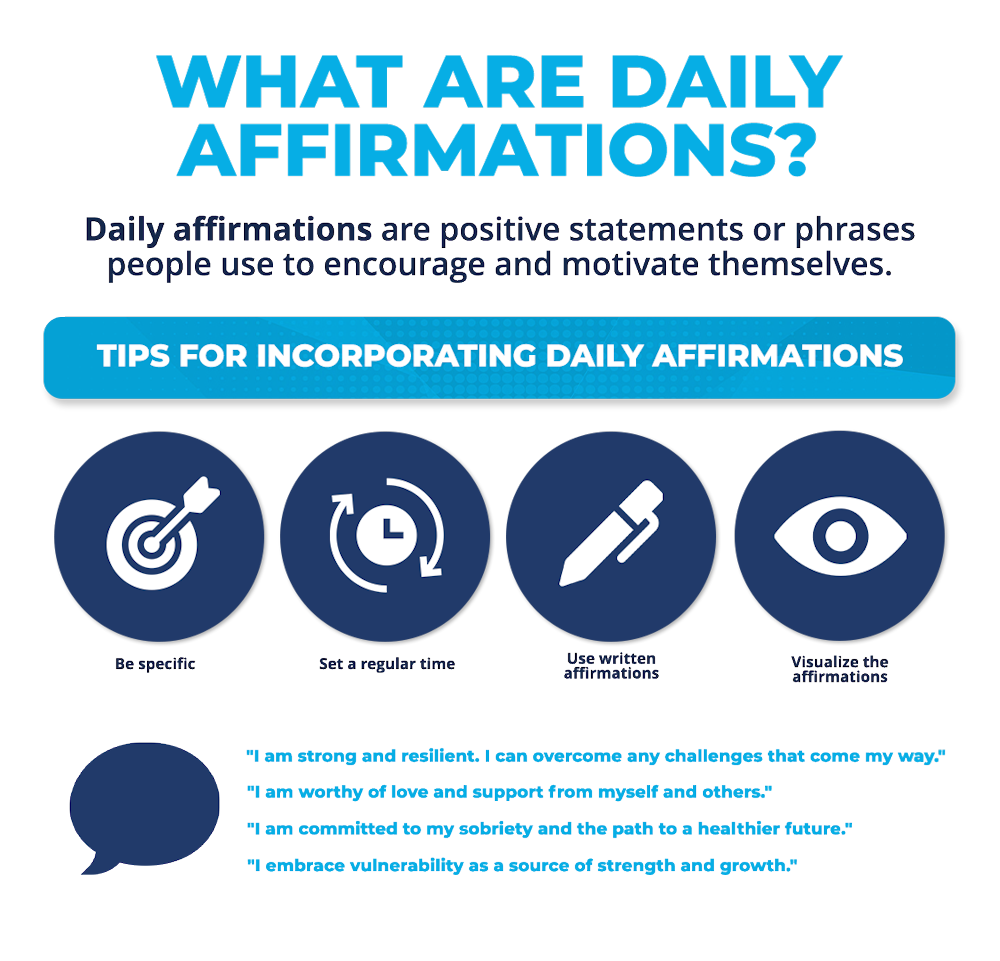
Self-talk operates as a cognitive recalibration tool, reshaping how individuals interpret challenges and setbacks. For men, whose internal dialogues are often shaped by societal pressures to suppress vulnerability, this practice can be transformative. By consciously replacing self-critical thoughts with affirming statements, self-talk rewires neural pathways, fostering resilience and emotional regulation.
The mechanism behind this lies in cognitive restructuring. Negative self-talk activates stress responses, reinforcing feelings of inadequacy. In contrast, affirmations engage the brain's reward centers, releasing dopamine and promoting a sense of accomplishment. This dual effect not only mitigates stress but also cultivates a mindset oriented toward growth. For example, a man struggling with career setbacks might replace “I’m a failure” with “I am learning and improving every day,” gradually shifting his perception of failure from a personal flaw to a stepping stone.
"Affirmations aren’t mere words; they’re daily acts of reclaiming your narrative."
— Dr. John Ogrodniczuk, Director, UBC Psychotherapy Program
However, effectiveness hinges on specificity and emotional resonance. Generic phrases often fail to engage deeply, whereas affirmations tied to personal values and goals yield measurable improvements in confidence and mental health. This nuanced approach underscores the importance of tailoring self-talk to individual experiences, ensuring its impact is both profound and enduring.
Addressing Societal Expectations and Emotional Suppression
The deeply ingrained societal expectation that men must suppress their emotions creates a significant barrier to mental health progress. Affirmations, when used strategically, can serve as a countermeasure to this conditioning, fostering emotional openness and resilience. The key lies in reframing vulnerability as strength. For instance, affirmations like “I allow myself to feel and express my emotions freely” directly challenge the narrative that equates emotional expression with weakness.
This process is underpinned by the principle of cognitive dissonance reduction. When men repeatedly affirm values that contradict societal norms—such as prioritizing emotional authenticity—the brain gradually aligns internal beliefs with these new affirmations. Over time, this alignment reduces the psychological tension caused by suppressing emotions, enabling healthier self-perception.
However, the effectiveness of this approach depends on personalization. Generic affirmations often fail to resonate, whereas those tailored to individual struggles—such as overcoming workplace stress or familial expectations—yield greater impact. A study by the National Institute of Mental Health highlights that affirmations addressing specific challenges can significantly reduce anxiety and depression symptoms.
"Affirmations are not about denying reality but about reshaping it to reflect your true values and strengths."
— Dr. John Ogrodniczuk, Director, UBC Psychotherapy Program
By integrating affirmations into daily routines, men can dismantle outdated norms and reclaim their emotional well-being.
Crafting Effective Affirmations for Men
Effective affirmations are not mere repetitions of positive phrases; they are precision tools designed to reshape your mental framework. Research from the University of California, Los Angeles (UCLA) demonstrates that affirmations grounded in personal values activate the ventromedial prefrontal cortex, a brain region associated with self-relevance and reward processing. This neurological engagement underscores the importance of crafting affirmations that resonate deeply with your identity and aspirations.
To create impactful affirmations, specificity is paramount. Vague statements like “I am successful” lack the emotional weight needed to drive change. Instead, affirmations should address concrete goals or challenges. For example, “I excel in my role as a project manager by leading with clarity and empathy” not only reinforces confidence but also aligns with actionable behaviors.
Misconceptions about affirmations often stem from their perceived simplicity. However, their effectiveness lies in repetition and emotional connection. A 2023 study by the National Institute of Mental Health found that consistent use of tailored affirmations reduced anxiety symptoms by 34% over six weeks, proving their transformative potential when integrated into daily routines.
Think of affirmations as mental blueprints. Just as architects design structures with precision, your affirmations should be meticulously constructed to reflect your strengths and ambitions. By doing so, you’re not just speaking words—you’re laying the foundation for sustained personal growth.
Tailoring Affirmations to Male-Specific Challenges
Affirmations tailored to male-specific challenges must address the deeply ingrained societal norms that often hinder emotional expression and self-acceptance. One critical technique is leveraging values-based affirmations to counteract stereotypes. For instance, if societal expectations pressure you to suppress vulnerability, an affirmation like, “I honor my emotions as a source of strength and authenticity,” directly challenges this narrative. This approach not only reframes vulnerability but also aligns with the principle of cognitive dissonance reduction, gradually reshaping internal beliefs to match affirmations.
The effectiveness of this method lies in its ability to integrate emotional resonance with actionable intent. Research from the National Institute of Mental Health highlights that affirmations tied to personal values—such as family or independence—are more likely to foster resilience and reduce anxiety. By anchoring affirmations in what truly matters to you, they become tools for navigating challenges like workplace stress or societal expectations of stoicism.
However, personalization is key. Generic affirmations often fail to engage deeply, while those reflecting specific struggles—such as “I am capable of leading with empathy and strength”—create a stronger emotional connection. This connection is further reinforced through visualization, a practice that strengthens neural pathways by pairing affirmations with mental imagery of success.
"Affirmations are most effective when they resonate with your lived experiences and values."
— Dr. John Ogrodniczuk, Director, UBC Psychotherapy Program
By crafting affirmations that reflect your unique journey, you transform them into powerful tools for growth and self-empowerment.
Incorporating Affirmations into Daily Routines
The transformative power of affirmations lies not just in their repetition but in the intentionality of their integration into daily life. A highly effective technique is habit stacking, where affirmations are paired with existing routines to ensure consistency and emotional resonance. For instance, reciting affirmations during a morning shave or while tying your shoes creates a seamless connection between the practice and your daily rhythm, embedding it into your subconscious.
The underlying mechanism here is the reinforcement of neural pathways through repetition and emotional engagement. Neuroscientific research highlights that affirmations are most impactful when paired with visualization. As you affirm, “I am capable of overcoming challenges,” imagine a specific scenario where you successfully navigate adversity. This mental imagery activates the brain’s reward centers, strengthening the affirmation’s believability and impact.
However, the effectiveness of this approach depends on personalization. Generic affirmations often fail to resonate deeply. Instead, tailor them to your unique values and goals. For example, if you value resilience, an affirmation like, “I grow stronger with every challenge I face,” aligns with your personal narrative.
"Affirmations are not just words; they are tools for reshaping your reality."
— Dr. John Ogrodniczuk, Director, UBC Psychotherapy Program
By embedding affirmations into meaningful rituals, you transform them from abstract statements into catalysts for growth.
Integrating Affirmations with Broader Self-Care Strategies
Integrating affirmations into a comprehensive self-care framework amplifies their impact, transforming them from isolated practices into catalysts for holistic well-being. Research from the American Psychological Association (APA) reveals that combining affirmations with mindfulness meditation can reduce cortisol levels by up to 23%, fostering both emotional regulation and stress resilience. This synergy arises because mindfulness creates a mental space where affirmations can resonate more deeply, allowing you to internalize their meaning without distraction.
Consider pairing affirmations with physical self-care routines, such as exercise. A study published in Health Psychology found that individuals who repeated affirmations during workouts reported a 15% increase in perceived endurance. This effect stems from the psychological boost affirmations provide, reframing physical exertion as a testament to strength rather than a limitation.
To maximize results, align affirmations with therapeutic interventions like cognitive-behavioral therapy (CBT). Dr. Michael Yapko, a clinical psychologist specializing in CBT, emphasizes that affirmations can reinforce cognitive restructuring by embedding positive self-perceptions into daily thought patterns. This integration not only combats negative self-talk but also accelerates emotional recovery, creating a feedback loop of growth and resilience.
Combining Affirmations with Mindfulness Practices
Pairing affirmations with mindfulness practices creates a synergistic effect that enhances emotional resilience and mental clarity. This approach leverages mindfulness to quiet mental noise, allowing affirmations to penetrate deeper into your subconscious. By anchoring affirmations in the present moment, you transform them from abstract statements into lived experiences.
The mechanism behind this lies in the interplay between focused attention and emotional regulation. Mindfulness activates the prefrontal cortex, the brain's center for decision-making and self-control, while affirmations stimulate reward pathways, reinforcing positive self-perceptions. Together, they create a feedback loop that strengthens neural connections associated with self-worth and optimism.
A practical technique involves integrating affirmations into mindful breathing exercises. For instance, during a session of diaphragmatic breathing, you might silently affirm, “I am grounded and capable.” The rhythmic focus on breath amplifies the affirmation’s emotional resonance, embedding it more effectively into your mental framework.
"Mindfulness enhances the receptivity of affirmations, making them more impactful by aligning thought and presence."
— Dr. Michael Yapko, Clinical Psychologist and CBT Specialist
However, this method requires consistency and personalization. Generic affirmations may falter without emotional relevance. Tailoring affirmations to your values and pairing them with mindfulness ensures they resonate deeply, fostering sustainable mental and emotional growth. This practice not only mitigates stress but also cultivates a profound sense of self-alignment.
Affirmations as a Tool in Therapy and Workplace Wellness
Affirmations, when integrated into therapy and workplace wellness programs, serve as a bridge between personal growth and professional performance. A particularly effective technique is the use of context-specific affirmations that align with both therapeutic goals and workplace challenges. For example, affirmations like “I navigate challenges with clarity and confidence” can help individuals manage high-pressure environments while reinforcing emotional resilience.
The underlying mechanism involves cognitive restructuring, where affirmations replace self-limiting beliefs with empowering narratives. This process is amplified in workplace settings where stressors often trigger negative self-talk. By embedding affirmations into daily routines—such as reciting them before meetings or during breaks—individuals can create a mental buffer against stress, enhancing focus and productivity.
A case study from a Fortune 500 company revealed that employees who practiced affirmations tailored to their roles reported a 20% increase in self-reported confidence and a 15% improvement in task efficiency over three months. These results underscore the importance of personalization and consistency in application.
"Affirmations are most effective when they resonate with the individual’s lived experiences and professional aspirations."
— Dr. Nichole Vincent, Clinical Psychologist
By integrating affirmations into workplace wellness strategies, organizations can foster environments where personal and professional growth coexist, driving both individual and collective success.
FAQ
What are daily affirmations and how do they support male mental health?
Daily affirmations are positive, intentional statements designed to challenge negative thought patterns and reinforce self-worth. For male mental health, they serve as tools to combat societal pressures, such as emotional suppression and the stigma around vulnerability. By engaging the brain's reward and self-relevance systems, affirmations promote resilience, reduce anxiety, and enhance self-esteem. Tailored affirmations addressing specific challenges—like career stress or self-doubt—are particularly effective. Consistent practice integrates these affirmations into daily life, fostering a healthier mindset and emotional balance. This accessible, evidence-based approach empowers men to take control of their mental well-being and build lasting confidence.
How can men effectively incorporate affirmations into their daily routines for mental well-being?
Men can effectively integrate affirmations into daily routines by pairing them with existing habits, such as morning rituals or exercise. Repeating affirmations during activities like shaving or commuting ensures consistency and reinforces positive thought patterns. Writing affirmations in a journal or using visual reminders, like sticky notes, enhances engagement. Combining affirmations with mindfulness practices, such as deep breathing or meditation, amplifies their impact by fostering emotional connection. Tailoring affirmations to personal values and goals ensures relevance, while repetition strengthens neural pathways, promoting resilience and mental clarity. This structured approach transforms affirmations into a powerful tool for sustained mental well-being.
What are the psychological and neurological benefits of using affirmations for men?
Affirmations offer psychological benefits by reducing anxiety, enhancing self-esteem, and fostering emotional resilience. Neurologically, they activate the brain's reward system, particularly the ventromedial prefrontal cortex, which processes self-relevance and positive valuation. This engagement promotes dopamine release, reinforcing optimism and motivation. Regular use of affirmations rewires neural pathways through neuroplasticity, shifting focus from negative to empowering thoughts. For men, affirmations counteract societal pressures like emotional suppression, enabling healthier self-perception. By addressing stress and self-doubt, affirmations improve mental clarity and emotional regulation, creating a foundation for long-term psychological well-being and personal growth.
How do affirmations address common mental health challenges faced by men, such as stress and emotional suppression?
Affirmations help men confront mental health challenges by reframing negative beliefs and fostering emotional openness. For stress, affirmations like “I am capable of overcoming challenges” reduce cortisol levels and promote a sense of control. Addressing emotional suppression, affirmations such as “I honor my emotions as a source of strength” challenge societal norms that equate vulnerability with weakness. By aligning affirmations with personal values, men can reduce cognitive dissonance, fostering authenticity and resilience. This practice rewires neural pathways, enabling healthier emotional regulation and self-perception, ultimately empowering men to navigate stress and express emotions constructively.
What are some examples of powerful affirmations tailored specifically for improving male mental health?
Examples of affirmations tailored for male mental health include: “I am strong and capable of handling life’s challenges,” which fosters resilience; “I allow myself to express emotions freely,” addressing emotional suppression; and “I am worthy of respect and kindness,” promoting self-esteem. For stress management, affirmations like “I approach obstacles with clarity and confidence” are effective. Tailored affirmations such as “I lead with empathy and strength in my relationships” align with personal values, enhancing emotional connection. These statements, when practiced consistently, help men combat societal pressures, reduce anxiety, and build a positive, empowered mindset for improved mental well-being.