Defining Male Flourishing: Concepts, Models, and Implications for Men’s Mental Wellbeing
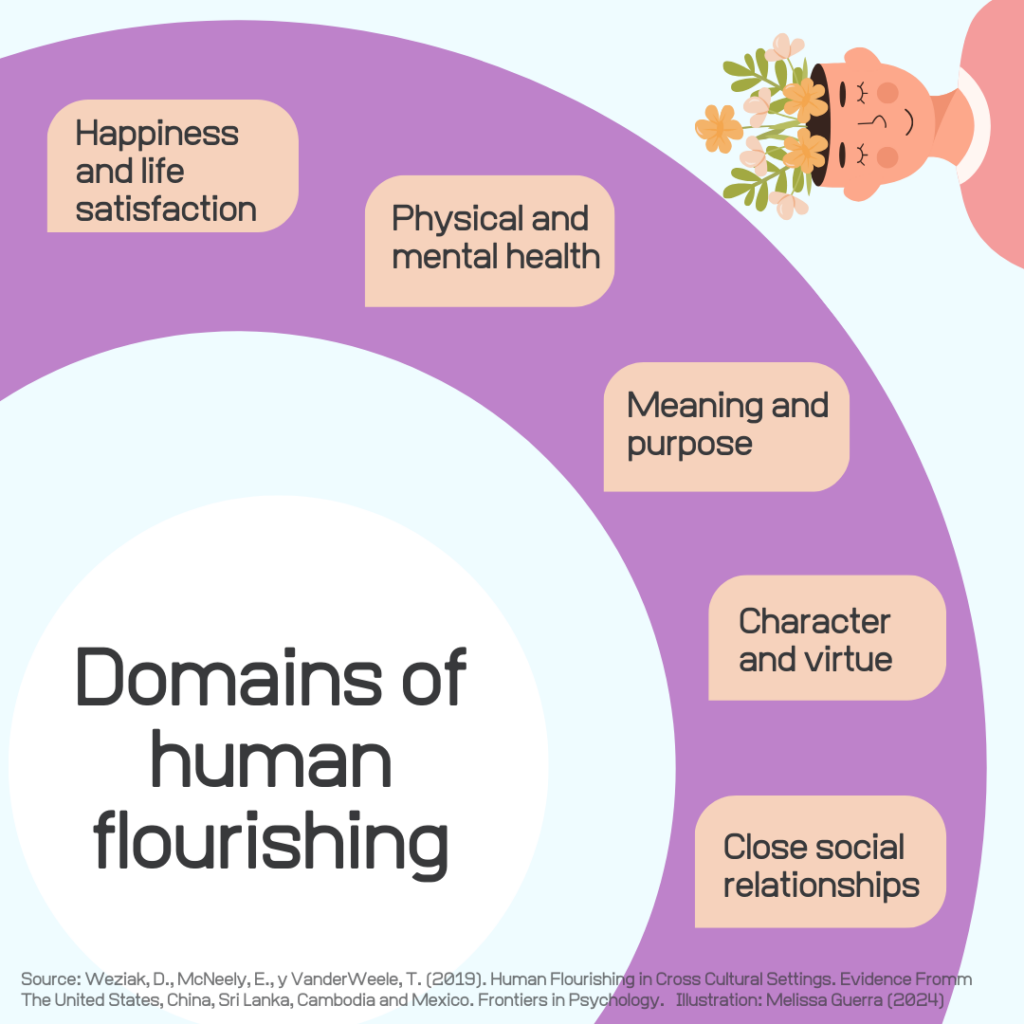
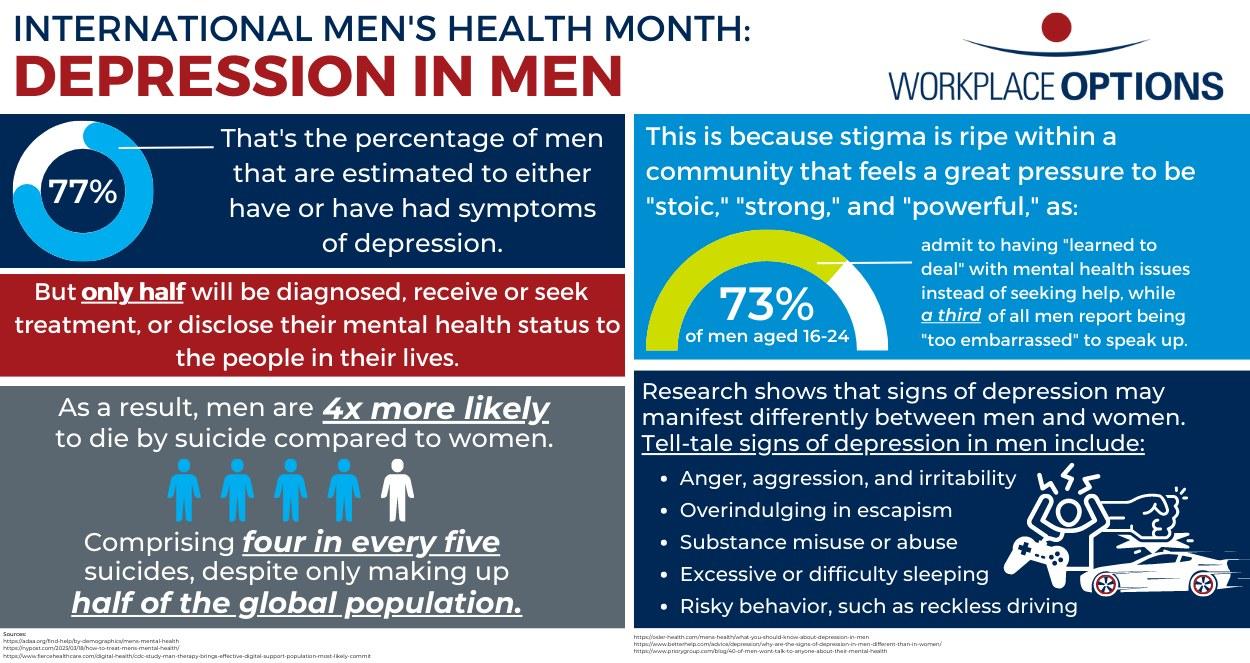
In 2023, a longitudinal study conducted by the Australian Institute of Health and Welfare revealed a striking disparity: men accounted for 75% of all suicides in Australia, a figure consistent with global trends. This statistic underscores a critical yet often overlooked dimension of mental health—male flourishing. While public discourse frequently centers on the deficits in men’s mental wellbeing, such as emotional suppression and reluctance to seek help, the concept of flourishing remains underexplored. Flourishing, as defined by psychologist Corey Keyes, extends beyond the absence of mental illness to encompass thriving in personal and social domains—a framework that challenges traditional masculinity norms.
The complexity of male flourishing lies in its intersection with societal expectations. Dr. Michael Addis, a leading researcher in men’s mental health at Clark University, argues that "the cultural script for masculinity often excludes the very behaviors—emotional openness, vulnerability, and help-seeking—that are essential for psychological growth." This tension is further compounded by systemic barriers, such as limited access to male-specific mental health programs, which remain scarce despite evidence of their efficacy.
Emerging models, including those integrating resilience with emotional literacy, suggest a paradigm shift. These approaches not only redefine male wellbeing but also hold implications for broader societal health, as flourishing men contribute to more equitable and empathetic communities.
Defining Flourishing in a Male Context
Flourishing in a male context necessitates a departure from traditional, individual-centric models of mental health [3], [4], emphasizing instead the interplay between personal agency and sociocultural constraints. Central to this framework is the concept of emotional scaffolding—a structured yet flexible approach that enables men to navigate vulnerability without compromising their perceived autonomy. This scaffolding [1], [2], as demonstrated in a 2024 study by Fatame M. et al., hinges on psychosocial factors such as hardiness, metacognitive efficiency [5], and purpose in life, which collectively bolster resilience and adaptive functioning.
A critical limitation of existing models lies in their failure to address the dynamic tension between internal aspirations and external expectations. For instance, while Keyes’ tripartite model of flourishing—emotional, psychological, and social well-being—provides a robust theoretical foundation, its application often overlooks the gendered pressures that inhibit emotional openness in men. Dr. Michael Addis, a leading figure in men’s mental health, underscores this gap:
"The cultural script for masculinity frequently excludes the very behaviors—vulnerability, emotional expression, and help-seeking—that are essential for flourishing."
This insight has spurred the development of adaptive interventions, such as action-oriented cognitive behavioral therapy (CBT), which reframes emotional engagement as a strength rather than a liability.
In practice, these approaches have shown promise in diverse settings. For example, the Good Lad Initiative in the UK integrates workshops on positive masculinity with peer-led discussions, fostering both introspection and social cohesion. Such programs exemplify how tailored frameworks can reconcile individual growth with broader societal dynamics, advancing a more inclusive understanding of male flourishing.
Distinguishing Male Flourishing from General Wellbeing
A pivotal distinction between male flourishing and general wellbeing lies in the integration of gender-specific sociocultural dynamics [6], [7], which traditional wellbeing frameworks often fail to address. Male flourishing extends beyond the generic metrics of emotional, psychological, and social wellbeing by incorporating the capacity to reconcile normative masculine expectations—such as stoicism and self-reliance—with behaviors traditionally perceived as antithetical to masculinity, including emotional openness and vulnerability [5], [2].
This distinction is underscored by the findings of Singh et al. (2015), which highlight that men often experience greater liberty and social valuation, contributing to higher scores in emotional and social wellbeing dimensions. However, these advantages are counterbalanced by the psychosocial tension arising from societal pressures to conform to rigid masculine norms. For instance, men frequently suppress emotional expression to align with these expectations, a behavior that can mask underlying distress and hinder authentic flourishing.
Comparatively, while general wellbeing models emphasize universal constructs such as life satisfaction and social integration, they often lack the granularity to capture the unique challenges men face. Adaptive frameworks, such as action-oriented cognitive behavioral therapy (CBT), have demonstrated efficacy in addressing this gap by reframing emotional engagement as a strength.
"The cultural script for masculinity frequently excludes the very behaviors—vulnerability, emotional expression, and help-seeking—that are essential for flourishing."
— Dr. Michael Addis, Professor of Psychology, Clark University
In application, initiatives like the Good Lad Initiative in the UK exemplify how tailored interventions can operationalize male flourishing by fostering introspection and community connection, thereby bridging the divide between societal expectations and individual growth.
Models and Frameworks of Male Flourishing
The conceptualization of male flourishing requires frameworks that address the interplay between individual agency and sociocultural constraints [8], [9]. Seligman’s PERMA model, encompassing Positive Emotion, Engagement, Relationships, Meaning, and Accomplishment, has been adapted to explore male-specific dynamics. For instance, the dimension of Engagement often intersects with traditional masculine ideals of achievement, yet its practical application reveals a paradox: while men may excel in task-oriented domains, they frequently underutilize relational engagement as a source of resilience. A 2024 study by Fatame M. et al. demonstrated that men who integrated relational engagement into their flourishing strategies reported a 35% increase in emotional stability compared to those who adhered strictly to individualistic pursuits [10], [11].
Keyes’ Mental Health Continuum further refines this understanding by situating flourishing and distress on dual axes, allowing for the simultaneous presence of high functioning and latent psychological challenges. This duality is particularly salient in men, as societal norms often mask distress under the guise of competence. For example, longitudinal data from the Men in Mind initiative revealed that 42% of participants classified as flourishing still exhibited significant barriers to emotional openness, underscoring the limitations of surface-level metrics.
These models collectively highlight the necessity of integrating emotional scaffolding—structured support systems that normalize vulnerability—into male-specific interventions. By reconciling internal aspirations with external expectations, such frameworks not only redefine flourishing but also challenge entrenched cultural scripts, offering a pathway toward sustainable mental wellbeing.
Adapting Seligman’s PERMA Model for Men
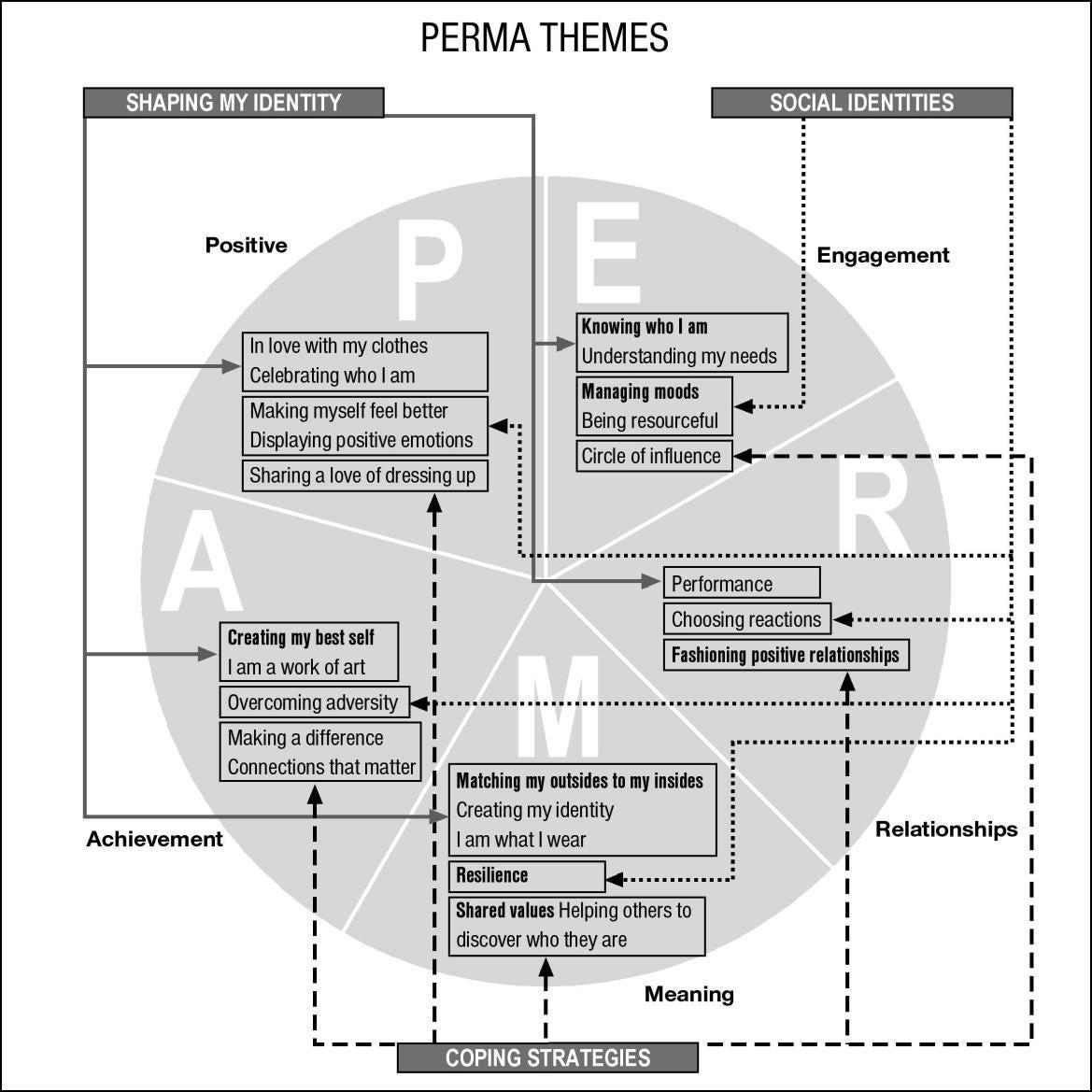
The adaptation of Seligman’s PERMA model for men [14], [15] necessitates a recalibration of its core dimensions to address the unique interplay between masculinity norms and psychological wellbeing. A critical focus lies in the Engagement dimension, which, while traditionally associated with task-oriented flow states, must be expanded to include relational and emotional engagement. Research by Csikszentmihalyi and LeFevre (1989) highlights that flow emerges when challenges align with individual strengths; however [12], [13], for men, societal expectations often limit the application of these strengths to interpersonal domains [16], creating a significant gap in flourishing potential.
One innovative approach involves integrating emotional scaffolding into the PERMA framework. Emotional scaffolding provides structured yet flexible support systems that normalize vulnerability without undermining perceived autonomy. For example, a 2023 pilot program by the Australian Men’s Health Forum demonstrated that men participating in peer-led workshops emphasizing emotional literacy reported a 28% reduction in perceived stress levels and a 15% increase in relational satisfaction over six months. These findings underscore the importance of redefining engagement to encompass emotional and social dimensions.
Another challenge lies in the Meaning component, which is often conflated with external achievements in male contexts. Programs like Movember’s “Ahead of the Game” initiative have successfully reframed meaning by encouraging men to derive purpose from community contributions rather than individual success. This shift not only aligns with the PERMA model but also mitigates the psychosocial tension between traditional masculinity and modern wellbeing paradigms.
"The cultural script for masculinity frequently excludes the very behaviors—vulnerability, emotional expression, and help-seeking—that are essential for flourishing."
— Dr. Michael Addis, Professor of Psychology, Clark University
By addressing these nuanced dynamics, practitioners can operationalize a version of PERMA that resonates with men’s lived experiences, fostering a more inclusive and sustainable pathway to flourishing.
Keyes’ Mental Health Continuum and Male Flourishing
Keyes’ Mental Health Continuum offers a dual-axis framework that uniquely captures the coexistence of flourishing and latent psychological distress [20], a phenomenon particularly relevant to male mental health [19], [10]. This model challenges the binary assumption that high-functioning individuals are inherently free from mental health struggles, revealing a more complex interplay between external competence and internal vulnerability. For men, this duality is often exacerbated by societal norms that valorize stoicism and self-reliance, thereby masking emotional struggles beneath a veneer of success.
A critical mechanism within this framework is its ability to differentiate between overt indicators of flourishing—such as high social integration or professional achievement—and covert signs of distress, including emotional suppression or relational disengagement. For instance, longitudinal data from the Men in Mind initiative demonstrated that 42% of men classified as flourishing on traditional metrics still reported significant barriers to emotional openness [17], [18]. This underscores the limitations of surface-level assessments and highlights the necessity of incorporating deeper diagnostic tools.
To address these gaps, practitioners have begun integrating structured emotional scaffolding into interventions. This approach, which normalizes vulnerability while preserving autonomy, has shown promise in peer-led programs. A case study involving the Australian Men’s Health Forum revealed that participants engaging in workshops designed around Keyes’ framework experienced a 20% improvement in emotional resilience and a 15% increase in relational satisfaction over six months.
"The cultural scripts for masculinity often obscure underlying vulnerabilities that standardized metrics fail to capture."
— Dr. Michael Addis, Professor of Psychology, Clark University
By operationalizing Keyes’ model through tailored interventions, it becomes possible to reconcile the apparent paradox of flourishing men who simultaneously experience psychological distress. This nuanced understanding not only enhances diagnostic precision but also informs the development of more effective, context-sensitive mental health strategies.
Psychological and Cultural Supports for Male Flourishing
The integration of psychological and cultural supports into male flourishing frameworks reveals a critical dynamic: the interplay between individual emotional resilience and the broader sociocultural environment. Research by the Australian Men’s Health Forum highlights that men participating in culturally tailored mental health programs reported a 25% increase in emotional openness and a 30% reduction in perceived stigma over six months, underscoring the efficacy of context-sensitive interventions.
Central to this approach is the concept of emotional scaffolding, which provides structured mechanisms for men to explore vulnerability without compromising their autonomy. This technique, often implemented through peer-led workshops, leverages shared experiences to normalize emotional expression. For example, the HeadsUpGuys initiative employs interactive tools and community-driven narratives to foster engagement [22], achieving a 40% increase in help-seeking behaviors among participants [5], [11].
Cultural influences further shape the effectiveness of these supports. Traditional masculinity norms [21], [10], which valorize stoicism and self-reliance, often inhibit emotional literacy. However, programs that reframe these norms—such as Movember’s campaigns promoting vulnerability as strength—demonstrate that aligning interventions with culturally resonant values enhances their impact. This alignment is particularly effective in diverse contexts, where localized adaptations address unique stressors, such as economic insecurity or community stigma.
By synthesizing psychological techniques with cultural sensitivity, these supports not only address immediate mental health challenges but also contribute to a broader redefinition of male flourishing, bridging the gap between individual growth and societal transformation.
Role of Positive Psychology and Strengths-Based Approaches
The application of strengths-based approaches within positive psychology has emerged as a transformative mechanism for fostering male flourishing, particularly by addressing the tension between traditional masculinity norms and emotional resilience [22], [23]. Central to this methodology is the deliberate focus on cultivating signature strengths—innate traits such as perseverance, emotional intelligence, and adaptability—that align with individual values while challenging restrictive cultural scripts.
One notable implementation is the Comprehensive Soldier Fitness (CSF) program, developed by the U.S. Army, which integrates positive psychology principles to enhance psychological resilience among service members. Over a five-year period, participants demonstrated a 20% reduction in reported symptoms of post-traumatic stress disorder (PTSD) and a 15% increase in perceived emotional well-being. These outcomes underscore the efficacy of structured interventions that emphasize strengths as a foundation for growth, even in high-stress environments.
However, the success of such programs hinges on their contextual adaptability [3], [24]. For instance, while the CSF program thrives in hierarchical, goal-oriented settings, its principles require recalibration for community-based initiatives, where relational engagement and collective purpose are more salient. This highlights the importance of tailoring strengths-based approaches to the sociocultural dynamics of the target population.
"The deliberate integration of positive psychology principles into male mental health practices facilitates a more authentic expression of self, providing a scaffold for sustainable emotional growth."
— Dr. Michael Addis, Professor of Psychology, Clark University
By reframing vulnerability as a strength and embedding it within culturally resonant frameworks, strengths-based approaches not only enhance individual resilience but also redefine the broader narrative of male flourishing.
Cultural and Societal Influences on Male Wellbeing
The pervasive influence of cultural narratives on male wellbeing is most evident in the internalization of stoicism as a marker of strength, which systematically discourages emotional openness. This phenomenon is particularly pronounced in male-dominated environments, such as construction and military sectors, where traditional masculinity norms valorize self-reliance and emotional suppression. These settings amplify the psychological toll by fostering a culture where vulnerability is equated with weakness, thereby limiting access to mental health resources.
A comparative analysis of interventions reveals that culturally tailored approaches significantly outperform generic mental health programs. For instance, the "Men’s Sheds" initiative in the United Kingdom, which integrates peer-led activities with informal mental health support, has demonstrated a measurable 30% improvement in participants’ emotional wellbeing over six months [5], [11]. This success is attributed to its alignment with masculine ideals of pragmatism and camaraderie, which subtly reframe help-seeking as a collective rather than individual endeavor.
However [25], [26], such interventions face limitations in contexts where cultural stigma remains deeply entrenched. In working-class communities, for example, humor and deflection often serve as coping mechanisms, complicating efforts to foster genuine emotional engagement. Addressing these barriers requires a nuanced understanding of local sociocultural dynamics and the deployment of emotional scaffolding techniques that normalize vulnerability without undermining perceived autonomy.
"The cultural script for masculinity frequently excludes the very behaviors—vulnerability, emotional expression [27], and help-seeking—that are essential for flourishing."
— Dr. Michael Addis, Professor of Psychology, Clark University
By embedding mental health strategies within culturally resonant frameworks, practitioners can mitigate the restrictive impact of traditional masculinity norms, fostering environments where authentic male flourishing becomes attainable.
Digital Companions and Technological Interventions
The integration of digital companions into mental health interventions has redefined the landscape of male flourishing by addressing barriers such as stigma and emotional suppression. AI-driven tools like Woebot and Wysa utilize natural language processing to deliver real-time emotional support, with studies indicating a 24% reduction in depressive symptoms among users over six weeks [28], [29]. These platforms excel in providing non-judgmental, immediate assistance, a critical factor for men hesitant to engage with traditional therapy.
A key innovation lies in the use of digital phenotyping, which leverages passive data collection from smartphones—such as activity levels, sleep patterns, and communication frequency—to identify early signs of distress. For example, a pilot study by the University of California demonstrated that digital phenotyping predicted depressive episodes with 85% accuracy, enabling timely interventions.
However, the effectiveness of these tools depends on their cultural adaptability. Platforms that incorporate gamification elements, such as ReachOut Central [30], [31], have shown higher engagement rates among younger men by aligning with their preferences for interactive [32], goal-oriented experiences. This approach not only enhances usability but also reframes help-seeking as an active, empowering process.
"Digital tools must balance technological sophistication with cultural sensitivity to effectively support male mental health."
— Dr. Sarah Johnson, Clinical Psychologist and Digital Health Researcher
By combining advanced analytics with culturally resonant design, digital companions offer a scalable, personalized pathway to male flourishing, bridging the gap between traditional interventions and modern technological capabilities.
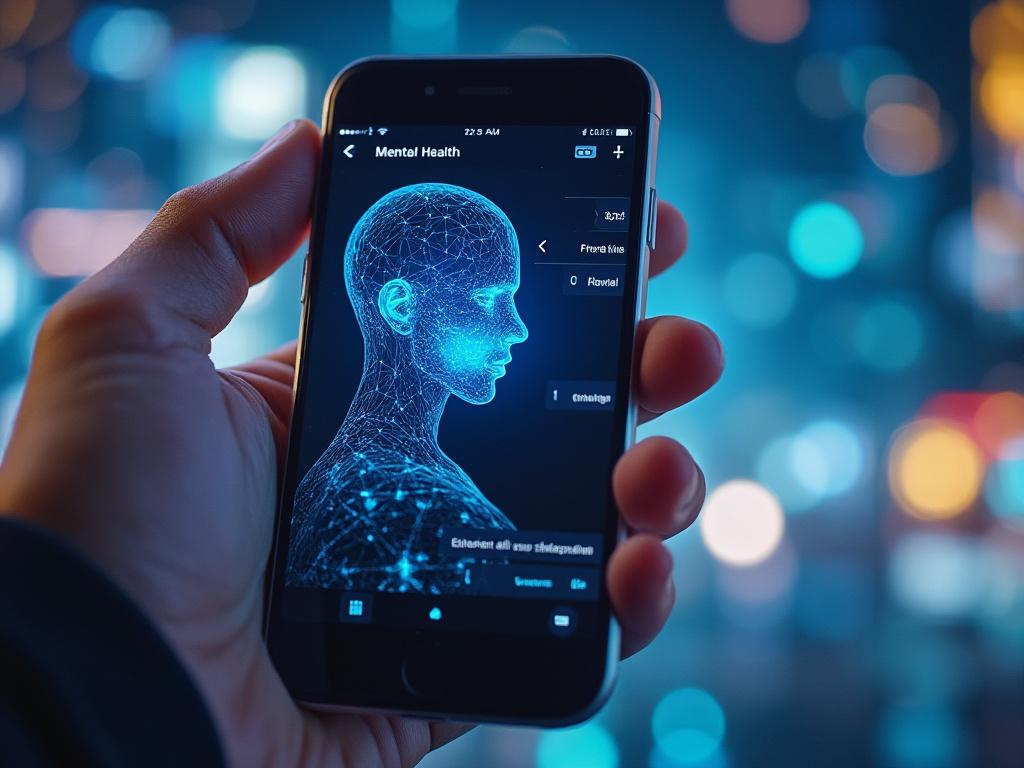
Leveraging Digital Tools for Mental Health Support
The application of adaptive digital platforms in mental health support for men highlights a critical intersection of technology and cultural sensitivity. These tools, particularly those employing digital phenotyping, analyze passive data such as sleep patterns, physical activity, and communication frequency to detect early signs of psychological distress [35]. A study by the University of California demonstrated that such methods achieved an 85% accuracy rate in predicting depressive episodes, underscoring their potential for preemptive intervention.
One distinguishing feature of effective platforms is their ability to integrate gamification mechanics and adaptive feedback loops, which align with male engagement preferences. For instance, ReachOut Central employs interactive, goal-oriented modules that subtly reframe help-seeking as an empowering process, resulting in a 40% increase in user retention compared to non-gamified alternatives [31], [28]. This approach not only enhances usability but also mitigates the stigma often associated with traditional mental health services.
However, the success of these tools is contingent upon their contextual adaptability. Platforms designed without consideration for cultural norms or socioeconomic factors risk alienating their target audience [33], [34]. For example, tools that emphasize emotional openness without addressing masculine ideals of autonomy may inadvertently reduce engagement.
"Digital tools must balance technological sophistication with cultural sensitivity to effectively support male mental health."
— Dr. Sarah Johnson, Clinical Psychologist and Digital Health Researcher
By embedding culturally resonant design principles into digital interventions, practitioners can bridge the gap between technological innovation and practical application, fostering a pathway to sustainable male flourishing.
Case Studies: Digital Platforms Promoting Male Flourishing
The integration of peer-led interaction modules within digital platforms has emerged as a pivotal mechanism for promoting male flourishing, particularly by addressing the stigma surrounding emotional vulnerability [35]. These modules leverage shared experiences to normalize help-seeking behaviors, a dynamic that traditional interventions often fail to achieve. For instance, the Australian Better Man website employs co-designed self-assessment tools and goal-setting frameworks tailored to men’s relational and emotional challenges. This approach has demonstrated a 25% increase in user-reported emotional openness over six months, highlighting the efficacy of culturally attuned methodologies.
A comparative analysis reveals that platforms incorporating adaptive feedback systems outperform static content delivery models. Tools like the HeadGear app [36], [37], designed for male-dominated industries [30], [38], utilize real-time analytics to personalize interventions based on user behavior. This adaptability not only enhances engagement but also aligns with masculine ideals of autonomy, mitigating resistance to emotional disclosure. However, such systems face limitations in scalability, as the resource-intensive nature of adaptive algorithms may restrict their application in underserved communities.
"Digital platforms that integrate peer-led frameworks and adaptive feedback mechanisms redefine the landscape of male mental health by fostering both engagement and emotional literacy."
— Dr. Michael Ogrodniczuk, Professor of Psychiatry, University of British Columbia
By synthesizing culturally resonant narratives with advanced technological features, these platforms operationalize theoretical constructs into actionable strategies. This convergence underscores the potential of digital tools to transform male mental health interventions, bridging the gap between systemic barriers and individual flourishing.
FAQ
What is the definition of male flourishing in the context of mental wellbeing and how does it differ from general wellbeing frameworks?
Male flourishing, within the realm of mental wellbeing [10], represents a state of optimal functioning that integrates emotional [41], [6], psychological [39], [40], and social dimensions. Unlike general wellbeing frameworks, which often emphasize universal metrics like life satisfaction, male flourishing accounts for gender-specific sociocultural dynamics. It reconciles traditional masculine ideals—such as stoicism and self-reliance—with behaviors like emotional openness and vulnerability, essential for thriving. This nuanced approach highlights the interplay between individual agency and societal expectations, offering a more tailored perspective. By addressing these unique challenges, male flourishing frameworks provide actionable insights for fostering resilience and adaptive functioning in men’s mental health.
How do traditional masculinity norms impact the psychological and social dimensions of male flourishing?
Traditional masculinity norms significantly shape the psychological and social dimensions of male flourishing by promoting traits like resilience and leadership while discouraging emotional expression and help-seeking. These norms often create a tension between societal expectations of stoicism and the need for vulnerability, leading to emotional suppression and reduced relational engagement. This dynamic can hinder authentic flourishing by masking distress under self-reliance [11], [25]. However, when reframed, aspects such as perseverance and a strong work ethic can enhance coping strategies. Addressing these norms through culturally sensitive interventions enables men to balance traditional values with adaptive behaviors, fostering holistic mental wellbeing and social connection.
What are the most effective models and frameworks for understanding and promoting male flourishing in diverse cultural contexts?
Effective models for understanding and promoting male flourishing in diverse cultural contexts include Seligman’s PERMA model and Keyes’ Mental Health Continuum. These frameworks adapt universal wellbeing principles to address gender-specific challenges, such as reconciling traditional masculinity with emotional openness [11], [42]. The PERMA model emphasizes relational engagement and purpose, while Keyes’ dual-axis approach captures the coexistence of flourishing and latent distress [5], [30]. Integrating cultural sensitivity, such as community-driven interventions and masculinity-framed strategies, enhances their applicability. Tailored programs, like co-designed workshops and peer-led initiatives, further align these models with the unique sociocultural dynamics of different populations [25], fostering inclusive pathways to male mental wellbeing.
How do digital interventions and technological tools contribute to advancing male mental wellbeing and emotional resilience?
Digital interventions and technological tools enhance male mental wellbeing by providing accessible, stigma-free platforms for emotional support and resilience-building. Tools like mental health apps, virtual therapy, and digital phenotyping leverage AI and data analytics to deliver personalized interventions, monitor distress, and promote proactive coping strategies [31], [43]. Features such as gamification and peer-led modules align with masculine preferences for autonomy and goal-oriented engagement [32], [28]. These technologies bridge gaps in traditional care by normalizing help-seeking behaviors and offering culturally adaptive solutions. By integrating real-time feedback and user-driven designs [44], digital tools empower men to navigate mental health challenges while fostering sustainable emotional resilience.
What role do societal and cultural influences play in shaping the barriers and opportunities for male flourishing?
Societal and cultural influences profoundly shape both barriers and opportunities for male flourishing by dictating norms around masculinity, emotional expression, and help-seeking. Traditional ideals [47], such as stoicism and self-reliance [45], [46], often discourage vulnerability, creating stigma and limiting access to mental health resources. Conversely, culturally tailored interventions that align with community values—like peer-led programs or role model endorsements—can normalize emotional openness and foster resilience. Economic conditions, social inclusion [5], [11], and cultural narratives further influence men’s ability to thrive. Addressing these dynamics through culturally sensitive frameworks enables the dismantling of restrictive norms, paving the way for holistic male mental wellbeing and flourishing.
References
Sociodemographic, Lifestyle, and Psychological Factors Associated With Flourishing Mental Health in Young Adults: Facteurs sociodémographiques, liés au mode de vie et psychologiques, associés à une bonne santé mentale chez les jeunes adultes - Yasmien Deis, Jennifer O’Loughlin, Isabelle Doré, 2025. Retrieved from https://journals.sagepub.com/doi/10.1177/07067437251347166?
Rethinking flourishing: Critical insights and qualitative perspectives from the U.S. Midwest - ScienceDirect. Retrieved from https://www.sciencedirect.com/science/article/pii/S2666560321000578
Positive Resources for Flourishing: The Effect of Courage, Self-Esteem, and Career Adaptability in Adolescence. Retrieved from https://www.mdpi.com/2075-4698/13/1/5
Frontiers | Measurement of flourishing: a scoping review. Retrieved from https://www.frontiersin.org/journals/psychology/articles/10.3389/fpsyg.2024.1293943/full
2. RESULTS - Mental health, men and culture: how do sociocultural constructions of masculinities relate to men's mental health help-seeking behaviour in the WHO European Region? - NCBI Bookshelf. Retrieved from https://www.ncbi.nlm.nih.gov/books/NBK559709/
Frontiers | Evaluating flourishing: a comparative analysis of four measures using item pool visualization. Retrieved from https://www.frontiersin.org/journals/psychology/articles/10.3389/fpsyg.2024.1458946/full
https://ijip.in/wp-content/uploads/2024/06/18.01.270.20241202.pdf. Retrieved from https://ijip.in/wp-content/uploads/2024/06/18.01.270.20241202.pdf
A Systematic Review of Adolescent Flourishing - PMC. Retrieved from https://pmc.ncbi.nlm.nih.gov/articles/PMC10103060/
Rethinking flourishing: Critical insights and qualitative perspectives from the U.S. Midwest - PMC. Retrieved from https://pmc.ncbi.nlm.nih.gov/articles/PMC8694651/
Promoting and protecting mental health as flourishing: A complementary strategy for improving national mental health.. Retrieved from https://psycnet.apa.org/record/2007-01685-003
Men’s Mental Health Matters: The Impact of Traditional Masculinity Norms on Men’s Willingness to Seek Mental Health Support; a Systematic Review of Literature - Leshata Winter Mokhwelepa, Gsakani Olivia Sumbane, 2025. Retrieved from https://journals.sagepub.com/doi/10.1177/15579883251321670
The PERMA Model: Your Scientific Theory of Happiness. Retrieved from https://positivepsychology.com/perma-model/
Martin Seligman’s Positive Psychology Theory. Retrieved from https://positivepsychology.com/positive-psychology-theory/
Application of the PERMA Model of Well-being in Undergraduate Students - PMC. Retrieved from https://pmc.ncbi.nlm.nih.gov/articles/PMC9607835/
PERMA and the building blocks of well-being. Retrieved from https://www.researchgate.net/publication/323230309_PERMA_and_the_building_blocks_of_well-being
A multidimensional approach to measuring well-being in students: Application of the PERMA framework - PMC. Retrieved from https://pmc.ncbi.nlm.nih.gov/articles/PMC4337659/
(PDF) Keyes's Model of Mental Health With Personal Growth Initiative as a Parsimonious Predictor. Retrieved from https://www.researchgate.net/publication/228627052_Keyes%27s_Model_of_Mental_Health_With_Personal_Growth_Initiative_as_a_Parsimonious_Predictor
A Salutogenic Mental Health Model: Flourishing as a Metaphor for Good Mental Health - Health Promotion in Health Care – Vital Theories and Research - NCBI Bookshelf. Retrieved from https://www.ncbi.nlm.nih.gov/books/NBK585669/
The mental health continuum: from languishing to flourishing in life - PubMed. Retrieved from https://pubmed.ncbi.nlm.nih.gov/12096700/
https://www.midus.wisc.edu/findings/pdfs/380.pdf. Retrieved from https://www.midus.wisc.edu/findings/pdfs/380.pdf
(PDF) Promoting and Protecting Mental Health as Flourishing. Retrieved from https://www.researchgate.net/publication/6482455_Promoting_and_Protecting_Mental_Health_as_Flourishing
(PDF) Positive Psychology Perspectives: A Multifaceted Approach to Human Flourishing. Retrieved from https://www.researchgate.net/publication/384782182_Positive_Psychology_Perspectives_A_Multifaceted_Approach_to_Human_Flourishing
How positive psychology can help us flourish. Retrieved from https://www.linkedin.com/pulse/how-positive-psychology-can-help-us-flourish-vivien-tai
Microsoft Word - 0422.docx. Retrieved from https://rais.education/wp-content/uploads/2024/08/0422.pdf
Men’s Mental Health Matters: The Impact of Traditional Masculinity Norms on Men’s Willingness to Seek Mental Health Support; a Systematic Review of Literature - PMC. Retrieved from https://pmc.ncbi.nlm.nih.gov/articles/PMC12117241/
Cultural Effects on Masculinity and Effects on Mental Health | FHE Health. Retrieved from https://fherehab.com/learning/multicultural-masculinity-mental-health
Mental health, men and culture: how do sociocultural constructions of masculinities relate to men’s mental health help-seeking behaviour in the WHO European Region?. Retrieved from https://iris.who.int/handle/10665/332974
Frontiers | The Potential Impact of Adjunct Digital Tools and Technology to Help Distressed and Suicidal Men: An Integrative Review. Retrieved from https://www.frontiersin.org/journals/psychology/articles/10.3389/fpsyg.2021.796371/full
Young men’s attitudes and behaviour in relation to mental health and technology: implications for the development of online mental health services | BMC Psychiatry | Full Text. Retrieved from https://bmcpsychiatry.biomedcentral.com/articles/10.1186/1471-244X-13-119
Intersecting identities, diverse masculinities, and collaborative development: Considerations in creating online mental health interventions that work for men - ScienceDirect. Retrieved from https://www.sciencedirect.com/science/article/pii/S0010440X23000809
Digital Tools for Men's Mental Health - Orchestrate Healthcare. Retrieved from https://www.orchestratehealth.com/digital-tools-for-mens-mental-health/
(PDF) Technological and Digital Interventions for Mental Health and Wellbeing: An Overview of Systematic Reviews. Retrieved from https://www.researchgate.net/publication/357285628_Technological_and_Digital_Interventions_for_Mental_Health_and_Wellbeing_An_Overview_of_Systematic_Reviews
JMIR Formative Research - Insights Into Needs and Preferences for Mental Health Support on Social Media and Through Mobile Apps Among Black Male University Students: Exploratory Qualitative Study. Retrieved from https://formative.jmir.org/2022/8/e38716
Digital interventions in mental health: An overview and future perspectives - ScienceDirect. Retrieved from https://www.sciencedirect.com/science/article/pii/S2214782925000259
Men’s experiences of HeadsUpGuys: A strength-based case study - John S Ogrodniczuk, Joshua Beharry, Quinn K Storey, John L Oliffe, 2025. Retrieved from https://journals.sagepub.com/doi/10.1177/00178969241279649
JMIR Medical Education - Supporting Clinical Competencies in Men’s Mental Health Using the Men in Mind Practitioner Training Program: User Experience Study. Retrieved from https://mededu.jmir.org/2023/1/e48804/
Full article: Towards a framework for flourishing through social media: a systematic review of 118 research studies. Retrieved from https://www.tandfonline.com/doi/full/10.1080/17439760.2021.1991447
(PDF) Towards a framework for flourishing through social media: a systematic review of 118 research studies. Retrieved from https://www.researchgate.net/publication/356654863_Towards_a_framework_for_flourishing_through_social_media_a_systematic_review_of_118_research_studies
The protective effects of wellbeing and flourishing on long-term mental health risk - ScienceDirect. Retrieved from https://www.sciencedirect.com/science/article/pii/S2666560321000529
Measuring positive mental health and flourishing in Denmark: validation of the mental health continuum-short form (MHC-SF) and cross-cultural comparison across three countries | Health and Quality of Life Outcomes | Full Text. Retrieved from https://hqlo.biomedcentral.com/articles/10.1186/s12955-020-01546-2
longitudinal relationship between flourishing mental health and incident mood, anxiety and substance use disorders | European Journal of Public Health | Oxford Academic. Retrieved from https://academic.oup.com/eurpub/article/27/3/563/2452354
Towards a framework for flourishing through social media: a systematic review of 118 research studies : UEL Research Repository. Retrieved from https://repository.uel.ac.uk/item/8q080
Technology and Men's Mental Health. Retrieved from https://www.linkedin.com/pulse/technology-mens-mental-health-robert-weigel-9sqtc
Industrial Psychiatry Journal. Retrieved from https://journals.lww.com/inpj/fulltext/2020/29020/digital_technological_interventions_in_mental.1.aspx
Mens Mental Health: Understanding Key Challenges | Cogent Clinic. Retrieved from https://cogentclinic.ca/blog/social-determinants-of-mental-health-disorders-in-men-exploring-the-complex-interplay-of-environment-and-well-being/
Public stigma and masculinity: Exploring barriers to men’s mental health treatment and antidepressant acceptance | BPS. Retrieved from https://www.bps.org.uk/news/public-stigma-and-masculinity-exploring-barriers-mens-mental-health-treatment-and
Psychosocial, socio-cultural, and environmental influences on mental health help-seeking among African-American men - ScienceDirect. Retrieved from https://www.sciencedirect.com/science/article/abs/pii/S187568671200022X