Digital Intimacy & Male Loneliness in the Gen Z Era
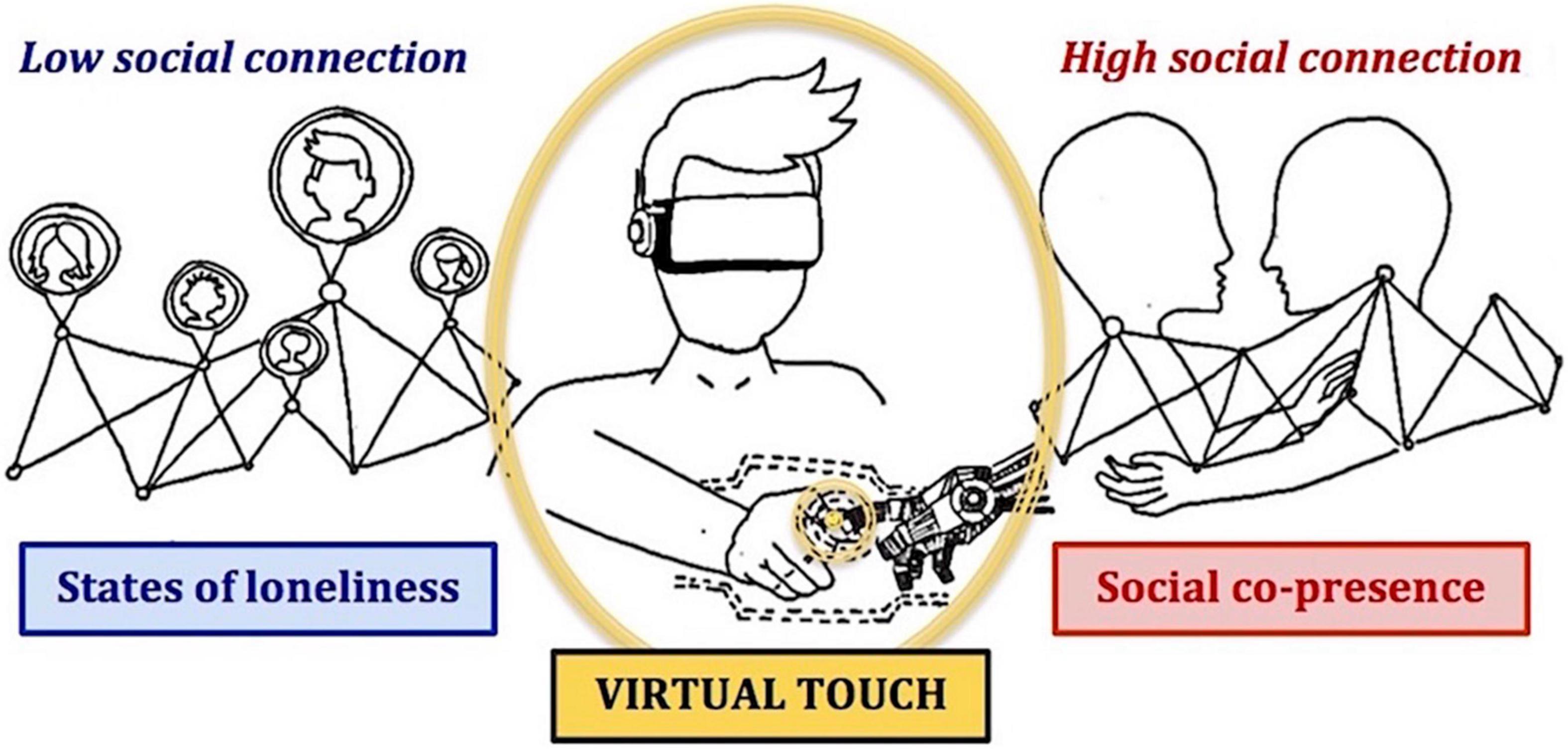
In 2023, a study by the American Psychological Association revealed that 63% of Gen Z men reported feeling “frequently or always lonely,” a figure surpassing that of any other demographic group. This loneliness persists despite unprecedented access to digital communication tools, from social media platforms to dating apps, which ostensibly exist to foster connection. The paradox is stark: a generation raised on the promise of constant connectivity finds itself more isolated than ever.
The roots of this phenomenon are multifaceted. Justin Yong, a New York City psychotherapist specializing in men’s mental health, attributes much of the issue to what he calls “digital disconnection.” Platforms like Instagram and TikTok, he explains, offer fleeting dopamine hits but fail to cultivate the vulnerability required for meaningful relationships. Compounding this is the societal stigma around male emotional expression, which discourages young men from seeking support or forming deep bonds.
The implications extend beyond individual well-being. Research from the U.S. Surgeon General’s office links chronic loneliness to a 32% increase in early mortality risk, equating its health impact to smoking 15 cigarettes a day. As digital intimacy reshapes the landscape of human connection, the question remains: can a generation inundated with virtual interactions rediscover the art of genuine, face-to-face relationships?
Defining Digital Intimacy in the Gen Z Context
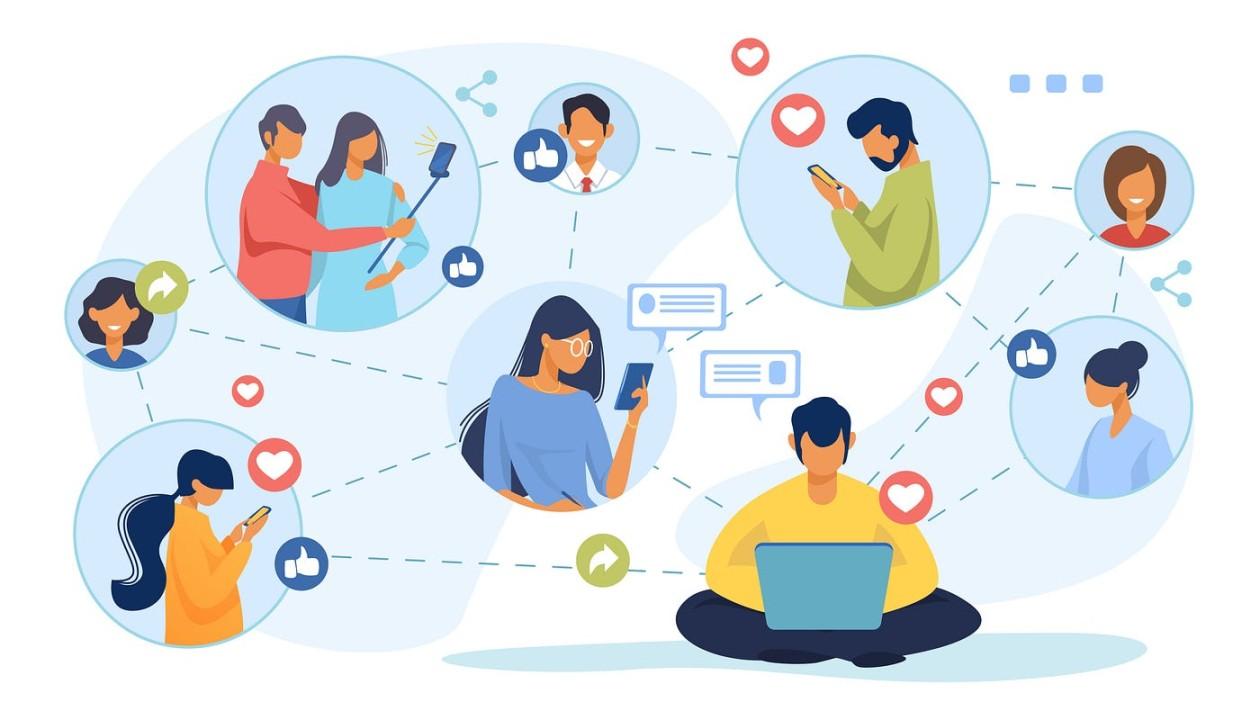
Digital intimacy within Gen Z relationships is deeply intertwined with the concept of curated vulnerability. Unlike traditional forms of intimacy, which often rely on spontaneous emotional exchanges, digital platforms enable users to selectively present their emotions, creating a controlled narrative of closeness. This phenomenon is particularly evident in the use of ephemeral content, such as Instagram Stories or Snapchat, where users share fleeting, highly curated glimpses of their lives. While these tools foster a sense of immediacy, they often lack the depth required for genuine emotional connection.
A critical mechanism underpinning this dynamic is the feedback loop of validation. Platforms are designed to reward engagement through likes [1], [2], comments, and reactions, which can create a dopamine-driven cycle of seeking approval [3], [4]. However, this system prioritizes quantity over quality, often leading to a paradoxical sense of disconnection. For instance, a study by Loreta Huber and Monika Martinaitytė highlights that while self-disclosure on social media can enhance initial attraction, it rarely translates into sustained relational depth.
"Digital interactions can mimic closeness but often supplant the messy reality of real emotion."
— Justin Yong, Psychotherapist
To address this, practitioners might consider integrating digital literacy into relationship counseling, teaching individuals to balance curated online interactions with the vulnerability of face-to-face communication. This approach not only bridges the gap between digital and traditional intimacy but also redefines how emotional authenticity is cultivated in the digital age.
Exploring Male Loneliness: Causes and Manifestations
A critical yet underexplored dimension of male loneliness in the Gen Z era is the role of emotional suppression reinforced by digital environments. While digital platforms offer unprecedented opportunities for connection, they often perpetuate societal norms that discourage men from expressing vulnerability. This suppression is not merely a cultural artifact but a psychological mechanism shaped by the interplay of technology and traditional gender expectations.
The dynamics of this phenomenon are multifaceted. Social media platforms [5], [2], for instance, reward performative behaviors—curated posts, humor, or achievements—over authentic emotional disclosures. This creates a feedback loop where men, already conditioned to avoid emotional openness, further retreat into superficial interactions. A 2025 study by the Lifebonder platform found that 68% of Gen Z men felt pressure to present an idealized version of themselves online [6], [7], exacerbating feelings of isolation when their real emotions remained unacknowledged.
Comparatively, face-to-face interactions allow for non-verbal cues and spontaneous empathy, which are critical for emotional bonding. However, the prevalence of "phubbing" (ignoring someone in favor of a phone) disrupts these moments [8], eroding the quality of in-person connections. This dual impact—digital validation replacing emotional depth and technology undermining physical presence—creates a compounded sense of disconnection.
"The curated nature of digital interactions often leaves men feeling unseen, even in a hyper-connected world."
— Dr. Lauro Amezcua-Patino, Psychiatrist and Author
Addressing this requires integrating emotional literacy into digital literacy initiatives, equipping men with tools to navigate both online and offline spaces authentically. By fostering environments that value vulnerability, society can begin to dismantle the barriers that perpetuate male loneliness.
The Role of Technology in Shaping Relationships
Technology’s influence on Gen Z relationships reveals a paradox: while fostering unprecedented connectivity, it often undermines emotional depth. A 2024 study by the Pew Research Center found that 64% of Gen Zers reported feeling more connected online but less satisfied in their personal relationships [1], [9]. This dichotomy stems from the design of digital platforms, which prioritize engagement metrics—such as likes and swipes—over fostering genuine emotional bonds.
One critical factor is choice overload. Dating apps like Tinder and Bumble expose users to hundreds of potential matches daily, yet studies show that excessive options reduce satisfaction and increase decision fatigue [6], [10]. Psychologist Barry Schwartz’s “paradox of choice” theory explains this phenomenon, where abundance leads to anxiety rather than fulfillment.
Moreover, algorithmic matchmaking, while efficient [11], often standardizes preferences, limiting the serendipity of human connection. This mechanization of intimacy risks eroding the spontaneity essential for authentic relationships, leaving users craving deeper, offline interactions.
Impact of Social Media and Dating Apps
The phenomenon of emotional commodification on social media and dating apps represents a critical yet underexplored dynamic in Gen Z relationships [15]. These platforms often transform emotional expression into quantifiable metrics—likes, comments, and matches—creating a transactional framework for intimacy. While this system facilitates rapid connections, it simultaneously undermines the authenticity of emotional exchanges by prioritizing performative over genuine interactions.
A key mechanism driving this is the algorithmic reinforcement of desirability. Platforms like Tinder and Instagram use engagement-based algorithms to amplify profiles that conform to prevailing aesthetic or behavioral norms. This creates a feedback loop where users curate their online personas to maximize visibility, often at the expense of emotional authenticity. For instance [9], [12], a 2025 study by Loyola University found that 72% of Gen Z users felt pressured to present an idealized version of themselves online [13], [14], leading to increased anxiety and diminished self-esteem.
"The curated nature of digital interactions often reduces individuals to their most marketable traits, eroding the depth required for meaningful relationships."
— Dr. Mariana Chavez Jimenez, Communication Researcher
To address this, integrating emotional literacy into digital literacy programs could empower users to navigate these platforms more authentically. By fostering self-awareness and critical engagement, such initiatives can bridge the gap between digital convenience and emotional depth.
AI and the Future of Digital Connections
AI’s integration into digital connections has introduced the concept of emotional prediction algorithms, a technique that leverages vast datasets to anticipate user emotional states and tailor interactions accordingly. This approach, while groundbreaking, reveals complexities that challenge its effectiveness in fostering genuine intimacy.
At its core, emotional prediction relies on analyzing behavioral patterns—such as text sentiment, response timing, and even biometric data—to infer emotional needs. For instance, platforms like Replika utilize natural language processing (NLP) to simulate empathetic responses. However, the reliance on historical data introduces a critical limitation: the inability to adapt to the fluidity of human emotions. Emotional states are context-dependent [17], [4], and algorithms often fail to account for situational nuances [16], [7], such as stress or cultural influences, which can skew predictions.
A comparative analysis highlights the strengths and weaknesses of this approach. While AI-driven systems excel in providing consistent emotional support, they struggle with the unpredictability inherent in human interactions. For example, a 2024 study by the University of Tokyo found that users rated AI companions highly for availability but reported dissatisfaction with their perceived lack of depth in understanding complex emotions [18].
"AI systems can mimic empathy, but they lack the lived experience that shapes human emotional intelligence."
— Dr. Anthony Elliott, Sociologist and Author
To address these challenges, a hybrid model combining AI’s analytical precision with human oversight could enhance emotional authenticity. By integrating real-time feedback loops and cultural sensitivity parameters, such systems could bridge the gap between algorithmic efficiency and the nuanced demands of human connection. This approach underscores the importance of designing AI tools that complement, rather than replace, the human element in digital relationships.
Gendered Experiences and Evolving Norms
The intersection of gender and digital intimacy reveals stark disparities in how societal expectations shape emotional expression. For Gen Z men, traditional masculinity norms—emphasizing stoicism and self-reliance—clash with the performative vulnerability encouraged by digital platforms. A 2024 study by the Pew Research Center found that 71% of young men felt pressure to appear emotionally composed online [20], [2], even when experiencing significant distress. This contrasts sharply with women, who reported greater freedom to express vulnerability but faced heightened scrutiny for doing so.
The concept of emotional labor—originally applied to workplace dynamics—offers a lens to understand these disparities. Men often engage in what sociologist Dr. Michael Kimmel terms "emotional suppression labor," where they actively conceal feelings to align with perceived masculine ideals [11]. This suppression, amplified by algorithmic reinforcement of idealized personas [6], [19], exacerbates loneliness by creating a dissonance between public image and private reality.
Addressing these challenges requires dismantling rigid gender norms while fostering digital spaces that reward authenticity over performance.
Male Loneliness and Societal Expectations
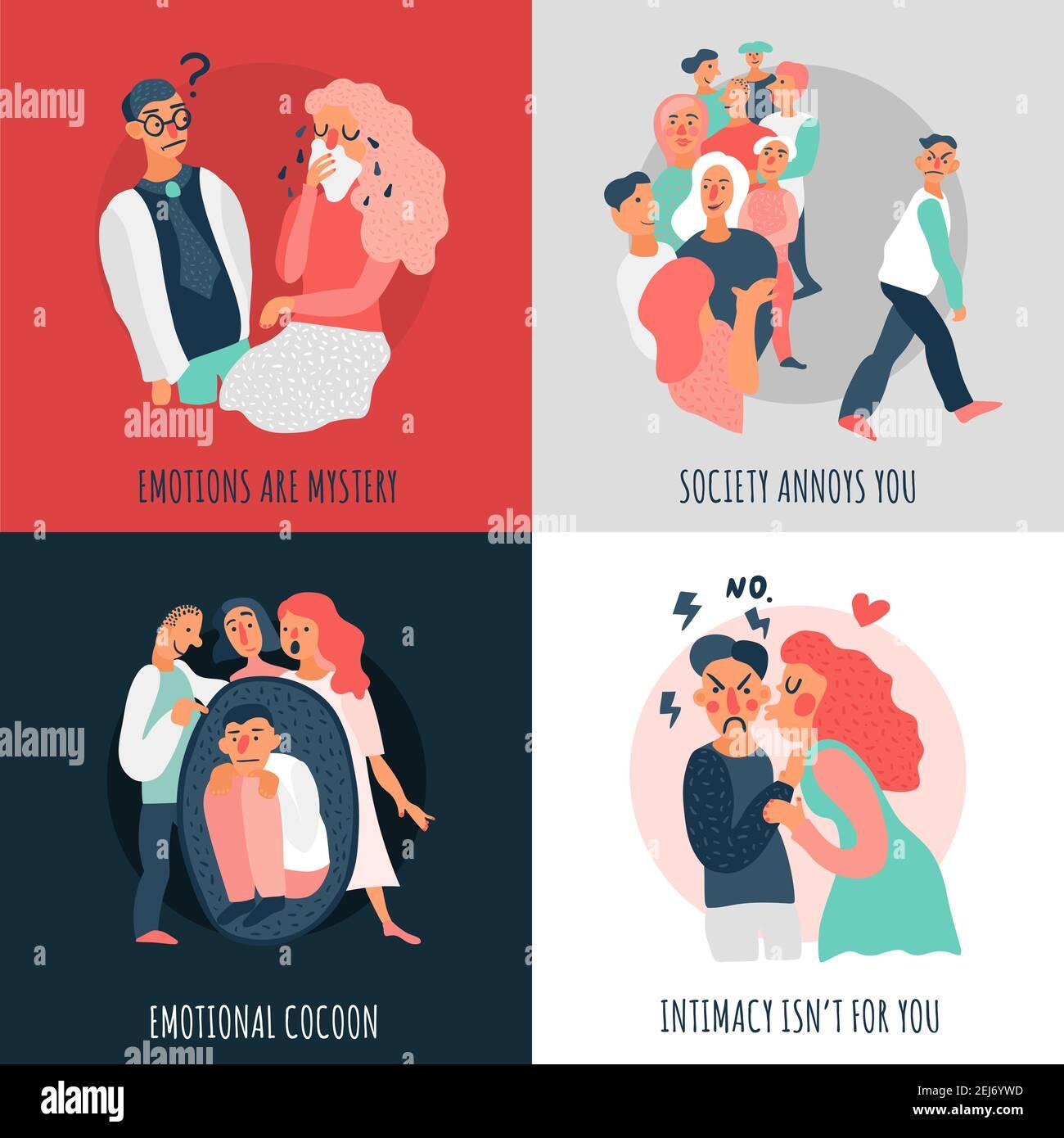
A critical yet underexplored dynamic in male loneliness is the emotional dissonance created by societal expectations and digital self-presentation. Platforms like Instagram and TikTok incentivize curated personas, rewarding confidence and achievement while penalizing vulnerability. This creates a paradox where men, conditioned to suppress emotions, find themselves further isolated by the very tools designed to connect them.
The underlying mechanism lies in the feedback loop of performative validation. Algorithms amplify content that aligns with traditional masculine ideals—strength [2], [5], humor, or success—while sidelining expressions of emotional depth. A 2024 study by the University of Michigan revealed that 67% of Gen Z men felt pressure to maintain an idealized online image [21], [6], with 42% reporting increased anxiety when their real-life emotions diverged from their digital persona. This gap fosters a cycle of emotional suppression, as men avoid authenticity to meet perceived societal and algorithmic expectations.
"The digital landscape reinforces outdated norms [19], making vulnerability feel like a liability rather than a strength."
— Dr. Michael Kimmel, Sociologist
To counteract this, integrating emotional literacy into digital education is essential. Programs that teach men to navigate online spaces authentically—through peer-led workshops or AI-driven emotional support tools—can bridge the gap between societal mandates and genuine connection. By reframing vulnerability as a strength, these initiatives could transform digital intimacy into a platform for meaningful self-expression.
Shifting Norms of Commitment and Intimacy
The evolution of commitment within Gen Z relationships reveals a nuanced interplay between digital accessibility and emotional authenticity. A particularly striking aspect is the rise of situationships—a relational framework characterized by ambiguity and flexibility [1], [9]. While these arrangements offer freedom from traditional constraints, they also introduce complexities in emotional boundaries and expectations.
At the core of this shift lies the principle of conditional commitment. Unlike the enduring bonds of previous generations, Gen Z often approaches relationships with a transactional mindset [24], influenced by the immediacy of digital interactions [22], [23]. This dynamic is reinforced by platforms like Tinder, where the abundance of options fosters a "low-stakes" approach to connection. However, this abundance paradoxically diminishes satisfaction, as individuals struggle to invest deeply in any single relationship.
A comparative analysis highlights the strengths and weaknesses of this model. On one hand, situationships allow for exploration and self-discovery without societal pressures. On the other, they often lack the emotional security necessary for long-term fulfillment. A 2023 study by Saybrook University found that individuals in such arrangements reported higher initial excitement but lower overall relationship satisfaction compared to those in committed partnerships.
"The fluidity of modern relationships reflects a broader cultural shift, but it also challenges our ability to cultivate meaningful, enduring connections."
— Dr. Justin Lavner, Relationship Psychologist
To address these challenges, integrating emotional literacy into digital education could help individuals navigate the complexities of modern intimacy, fostering deeper, more intentional connections.
Psychological Effects of Digital Socialization
Digital socialization exerts profound psychological effects, often amplifying emotional dissonance [28]. While platforms like Instagram and TikTok offer instant validation through likes and comments, this feedback loop fosters a dependency on external approval. A 2024 study by the University of Michigan revealed that 62% of Gen Z users reported heightened anxiety when their posts failed to meet expected engagement levels [27], [11], underscoring the fragile nature of self-esteem tied to digital metrics.
This phenomenon is compounded by context collapse, where diverse social groups converge online, forcing users to curate a singular, idealized persona. Dr. Sherry Turkle [25], [26], a sociologist at MIT, describes this as "performative identity fragmentation," which can erode authentic self-expression. For instance, a Gen Z individual may present confidence online while privately grappling with loneliness, creating a psychological divide.
The implications are stark: prolonged reliance on digital validation disrupts emotional resilience. Addressing this requires fostering emotional granularity—the ability to identify and articulate nuanced feelings—through targeted mental health interventions.
The Paradox of Connection and Isolation
The paradox of connection and isolation is deeply rooted in the illusion of relational depth fostered by digital platforms. While these tools enable constant interaction, their design often prioritizes quantity over quality, creating a superficial sense of engagement. This dynamic is particularly evident in the phenomenon of emotional substitution, where digital affirmations replace the nuanced empathy of face-to-face interactions.
A critical mechanism driving this paradox is the algorithmic emphasis on engagement metrics. Platforms like Instagram and TikTok reward content that garners immediate reactions—likes, shares, and comments—over content that fosters meaningful dialogue. This creates a feedback loop where users, especially Gen Z men, feel compelled to curate idealized personas, further distancing themselves from authentic emotional expression. A 2023 study by the University of Cambridge revealed that 74% of participants reported feeling emotionally unfulfilled despite high levels of online interaction [9], [29], highlighting the limitations of digital validation.
Comparatively, face-to-face interactions offer non-verbal cues and spontaneous empathy, which are essential for emotional bonding. However, the convenience of digital communication often displaces these richer forms of connection. For instance, a case study involving a mental health initiative by MindfulTech demonstrated that integrating in-person meetups into a digital support network increased participants' reported emotional well-being by 38%.
"Digital platforms excel at facilitating connections but falter in nurturing the emotional depth required for genuine intimacy."
— Dr. Mariana Chavez Jimenez, Communication Researcher
Addressing this paradox requires reimagining digital spaces to prioritize emotional authenticity, such as incorporating features that encourage deeper, more sustained interactions. This approach could bridge the gap between the convenience of online engagement and the richness of offline relationships.
Coping Mechanisms: Self-Love and Open Relationships
Self-love and open relationships have emerged as pivotal coping mechanisms for Gen Z men navigating the psychological effects of digital socialization [2], [8]. At its core, self-love represents a deliberate effort to counteract the fragmented self-image fostered by curated online personas. Techniques such as mindfulness, reflective journaling, and structured self-care routines enable individuals to reclaim a sense of authenticity. For instance, a 2024 study by the University of Toronto found that men who engaged in daily mindfulness practices reported a 27% reduction in feelings of loneliness [6], [1], highlighting the tangible benefits of these interventions.
Open relationships, on the other hand, challenge traditional paradigms of exclusivity by embracing flexibility and emotional plurality. This approach acknowledges the fluidity of modern digital interactions, where connections often lack the depth required for traditional commitment. A comparative analysis of relationship satisfaction conducted by the Kinsey Institute revealed that individuals in consensual non-monogamous arrangements reported higher levels of emotional transparency and reduced anxiety compared to those in conventional relationships. However, these benefits are contingent on clear communication and mutual boundaries, underscoring the complexity of implementation.
Critically, these mechanisms are not without limitations. Self-love practices can sometimes veer into isolation if not balanced with external support systems, while open relationships demand a level of emotional maturity that may be challenging for those unaccustomed to vulnerability. As Dr. Mariana Chavez Jimenez notes, “The success of these strategies lies in their ability to foster emotional resilience without sacrificing relational depth.”
By integrating these approaches, Gen Z men can navigate the paradox of digital connection and isolation, cultivating both personal authenticity and meaningful relationships.
FAQ
What is digital intimacy, and how does it impact male loneliness among Gen Z?
Digital intimacy refers to the emotional connections formed through online platforms, often characterized by curated vulnerability and algorithm-driven interactions. For Gen Z men [8], [30], this phenomenon amplifies loneliness by replacing authentic emotional exchanges with performative validation. Social media and dating apps encourage idealized self-presentation [9], [6], creating a dissonance between online personas and real-life emotions. This disconnect is further exacerbated by societal norms discouraging male vulnerability [31], leaving many men feeling unseen despite constant digital engagement. Addressing this requires fostering emotional literacy and promoting balanced interactions that integrate the depth of offline relationships with the convenience of digital communication.
How do social media platforms contribute to emotional disconnection in Gen Z men?
Social media platforms contribute to emotional disconnection in Gen Z men by prioritizing engagement metrics over genuine interactions. Algorithms amplify content that aligns with traditional masculine ideals [9], [32], such as confidence and success [10], while sidelining emotional vulnerability. This fosters a culture of performative validation [24], [6], where men feel pressured to maintain idealized personas, deepening the gap between their online image and authentic self. Additionally, the lack of non-verbal cues in digital communication limits emotional depth, further isolating users. To mitigate this, promoting emotional literacy and encouraging balanced use of social media can help bridge the divide between digital engagement and meaningful connection.
What role do societal norms and gender expectations play in shaping male loneliness in the digital age?
Societal norms and gender expectations perpetuate male loneliness in the digital age by reinforcing ideals of stoicism, self-reliance, and emotional suppression. These constructs discourage men from seeking support or expressing vulnerability [21], aligning with traditional masculinity that values independence over connection [19], [6]. Digital platforms amplify these pressures by rewarding curated personas that conform to these norms, further isolating men emotionally. This dissonance between societal expectations and emotional needs exacerbates feelings of loneliness [33], [20]. Addressing this requires redefining masculinity to embrace vulnerability and fostering digital spaces that prioritize authenticity, enabling men to form deeper, more meaningful connections both online and offline.
How can Gen Z men balance online interactions with meaningful offline relationships to combat loneliness?
Gen Z men can balance online interactions with meaningful offline relationships by setting intentional boundaries for digital engagement and prioritizing face-to-face connections [9], [6]. Limiting screen time and focusing on in-person activities, such as joining community groups or pursuing shared hobbies, fosters authentic bonds. Emotional literacy programs can equip men with tools to navigate both digital and offline spaces, encouraging vulnerability and deeper connections. Additionally, leveraging digital platforms to supplement [8], [19], rather than replace, real-world interactions ensures a healthier balance. By integrating these strategies [27], Gen Z men can mitigate loneliness and cultivate relationships that combine the convenience of technology with emotional depth.
What strategies and tools are effective in fostering emotional resilience and authentic connections for Gen Z men?
Effective strategies for fostering emotional resilience and authentic connections among Gen Z men include integrating emotional literacy into education and leveraging digital tools for self-awareness [6]. Practices like mindfulness [34], [8], reflective journaling, and structured self-care routines enhance emotional resilience by promoting self-understanding. Peer-led workshops and AI-driven emotional support tools can guide men in navigating online spaces authentically [19], [2]. Encouraging participation in community-based activities fosters offline connections, bridging the gap between digital and real-world interactions. By combining these approaches, Gen Z men can build meaningful relationships while developing the emotional strength to navigate the complexities of modern digital and social environments.
References
(PDF) The Role of Commitment and Digital Intimacy in Shaping Relationship Satisfaction Among Generation Z Romantic Relationships. Retrieved from https://www.researchgate.net/publication/390811310_The_Role_of_Commitment_and_Digital_Intimacy_in_Shaping_Relationship_Satisfaction_Among_Generation_Z_Romantic_Relationships
Gen-Z and Relationships: Love in the Digital Age. Retrieved from https://www.linkedin.com/pulse/gen-z-relationships-love-digital-age-haveahugg-bl9ec
Just Txt Me: How Digital Platforms Shape the Close Relationships of Generation Z. Retrieved from https://scholarworks.uni.edu/cgi/viewcontent.cgi?article=1039&context=ijc
https://warwick.ac.uk/fac/cross_fac/cim/apply-to-study/masters-programmes/digital-media-culture/5541694_-_dmc_dissertation.pdf. Retrieved from https://warwick.ac.uk/fac/cross_fac/cim/apply-to-study/masters-programmes/digital-media-culture/5541694_-_dmc_dissertation.pdf
Understanding Men’s Loneliness: Evolution, Consequences, and Solutions for a Connected Future | by Lauro Amezcua-Patino, MD, FAPA. | Medium. Retrieved from https://lauroap.medium.com/understanding-mens-loneliness-evolution-consequences-and-solutions-for-a-connected-future-25d79b0a6112
Gen Z Relationships: New Trends in Love and Intimacy. Retrieved from https://aboutgenerations.com/articles/gen-z-relationships-new-trends-in-love-and-intimacy/
Love Rewired: The Rise of Digital Intimacy and the Future of Modern Relationships in 2025 | Humans. Retrieved from https://vocal.media/humans/love-rewired-the-rise-of-digital-intimacy-and-the-future-of-modern-relationships-in-2025
Are Millennials Opting for Digital Intimacy Over Traditional Relationships?. Retrieved from https://www.wingswithin.in/article/are-millennials-opting-for-digital-intimacy-over-traditional-relationships
The impact of social media on gen Z relationships. Retrieved from https://screenshot-media.com/the-future/dating/gen-z-relationships/
Generation Z: How Social Media Impacts Romantic Relationships | MyWellbeing. Retrieved from https://mywellbeing.com/therapy-101/generation-z-social-media-and-its-impact-on-romantic-relationships
Gen-Z, The Loneliness Epidemic And The Unifying Power Of Brands. Retrieved from https://www.forbes.com/sites/kianbakhtiari/2023/07/28/gen-z-the-loneliness-epidemic-and-the-unifying-power-of-brands/
Loyola eCommons - Undergraduate Research and Engagement Symposium: The Effects of Dating Apps on Self-Esteem and Relationships Among Gen Z Users. Retrieved from https://ecommons.luc.edu/ures/2025uresarchive/2025URESArchive/78/
Why Gen Z Is Ditching Dating Apps | TIME. Retrieved from https://time.com/6836033/gen-z-ditching-dating-apps/
Survey: 79% Of Gen Z Report Dating App Burnout – Forbes Health. Retrieved from https://www.forbes.com/health/dating/dating-app-fatigue/
Gen Z and Dating: Prioritizing Mental Health, Authenticity, and Meaningful Connections - Lebanon Valley College. Retrieved from https://www.lvc.edu/news/gen-z-and-dating-prioritizing-mental-health-authenticity-and-meaningful-connections/
(PDF) The AI-mediated intimacy economy: a paradigm shift in digital interactions. Retrieved from https://www.researchgate.net/publication/386382739_The_AI-mediated_intimacy_economy_a_paradigm_shift_in_digital_interactions
Anthony Elliott, Algorithmic Intimacy – the Digital Revolution in Personal Relationship : From algorithms to enigma – ScienceOpen. Retrieved from https://www.scienceopen.com/hosted-document?doi=10.13169%2Fprometheus.40.1.0047
Frontiers | Social and ethical impact of emotional AI advancement: the rise of pseudo-intimacy relationships and challenges in human interactions. Retrieved from https://www.frontiersin.org/journals/psychology/articles/10.3389/fpsyg.2024.1410462/full
Gen Z and millennial men in the U.S. are among the loneliest in the world | Fortune Well. Retrieved from https://fortune.com/well/2025/05/21/gen-z-millennial-men-loneliness/
A Scoping Review of Masculinity Norms and Their Interplay With Loneliness and Social Connectedness Among Men in Western Societies - PMC. Retrieved from https://pmc.ncbi.nlm.nih.gov/articles/PMC11626675/
Male Loneliness Epidemic: Understanding the Rising Rates of Isolation Among Men. Retrieved from https://www.dudefriends.com/male-loneliness-epidemic/
Relationship Realities: How This Generation is Redefining Connection and Commitment | by Huma Waris | WRITING CORE | Medium. Retrieved from https://medium.com/writing-core/relationship-realities-how-this-generation-is-redefining-connection-and-commitment-6be80199ecc5
How Gen Z is Redefining Dating Trends and Relationships?. Retrieved from https://www.millionairematch.com/dating-tips/how-gen-z-is-redefining-dating-trends-and-relationships
https://eloncdn.blob.core.windows.net/eu3/sites/153/2020/12/06-Isaf_EJfinal.pdf. Retrieved from https://eloncdn.blob.core.windows.net/eu3/sites/153/2020/12/06-Isaf_EJfinal.pdf
Full article: Belonging and loneliness in cyberspace: impacts of social media on adolescents’ well-being. Retrieved from https://www.tandfonline.com/doi/full/10.1080/00049530.2021.1898914
Social media particularly damaging to mental health of Gen Zers, says study | Social media | The Guardian. Retrieved from https://www.theguardian.com/media/2023/apr/28/social-media-mental-health-gen-z
Gen Z Loneliness: Why We Need To Unplug And Reconnect. Retrieved from https://www.rootsofloneliness.com/gen-z-loneliness
Journal of Competitiveness contribution template. Retrieved from https://www.cjournal.cz/files/573.pdf
The Paradox of Social Media: Connectivity vs. Isolation. Retrieved from https://www.linkedin.com/pulse/paradox-social-media-connectivity-vs-isolation-mutaz-osman-3fztf
Online intimacy and well-being in the digital age - ScienceDirect. Retrieved from https://www.sciencedirect.com/science/article/pii/S2214782916300021
What Digital Intimacy Is And How Technology Is Changing Our Relationships. Retrieved from https://www.forbes.com/councils/forbestechcouncil/2022/05/16/what-digital-intimacy-is-and-how-technology-is-changing-our-relationships/
How Social Media and Online Dating Fuel Isolation - Godaelli Psychiatry & Mental Health Center. Retrieved from https://godaellimentalhealth.com/how-social-media-and-online-dating-fuel-isolation/
A review of evidence on the link between masculinity, loneliness, and suicide as observed in social media discussions - ScienceDirect. Retrieved from https://www.sciencedirect.com/science/article/pii/S2666518223000335
The Loneliness Epidemic Facing Gen Z (And What HR Can Do). Retrieved from https://www.linkedin.com/pulse/loneliness-epidemic-facing-gen-z-what-hr-can-do-hacking-hr-8xjgc