Dr. Ronald F. Levant: Pioneering the Psychology of Men and Masculinities
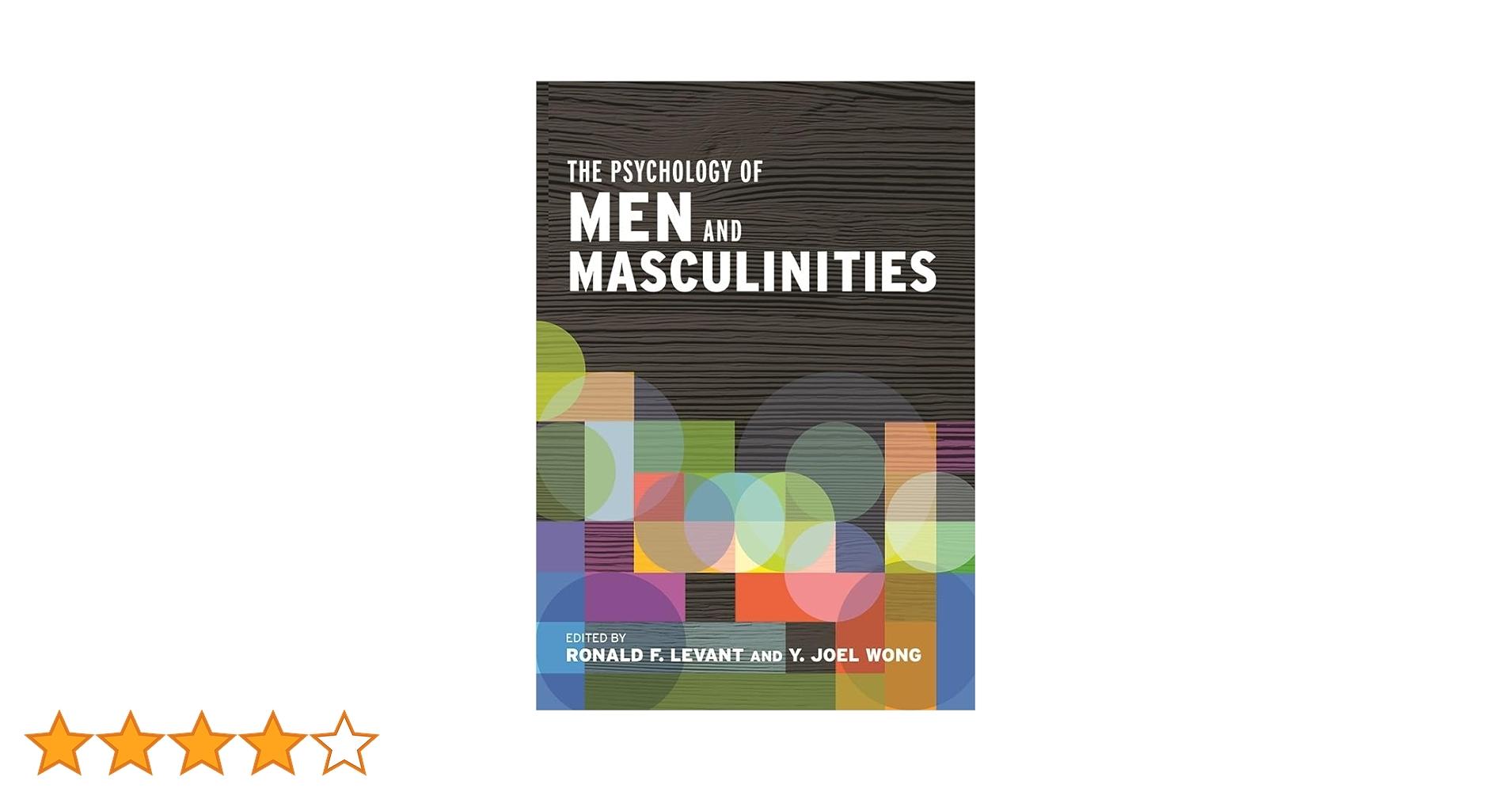
In 2011, the American Psychological Association recognized Dr. Ronald F. Levant with its Award for Distinguished Professional Contributions to Applied Research, citing his groundbreaking work on the psychology of men and masculinities. At the heart of his research lies a provocative hypothesis: traditional male socialization actively suppresses emotional expression, leading to a condition he termed "normative male alexithymia." This phenomenon, characterized by difficulty identifying and articulating emotions, has been linked to increased psychological distress and relational challenges among men.
Levant’s contributions extend beyond theory. His development of the Male Role Norms Inventory and the Normative Male Alexithymia Scale provided empirical tools to measure the impact of rigid masculinity ideologies. His Alexithymia Reduction Treatment (ART), tested in clinical trials with male combat veterans, demonstrated measurable improvements in emotional awareness and communication, challenging entrenched beliefs about male emotional capacity.
By reframing masculinity as a dynamic construct shaped by societal pressures, Levant’s work has redefined the field, offering new pathways for understanding and addressing men’s mental health.
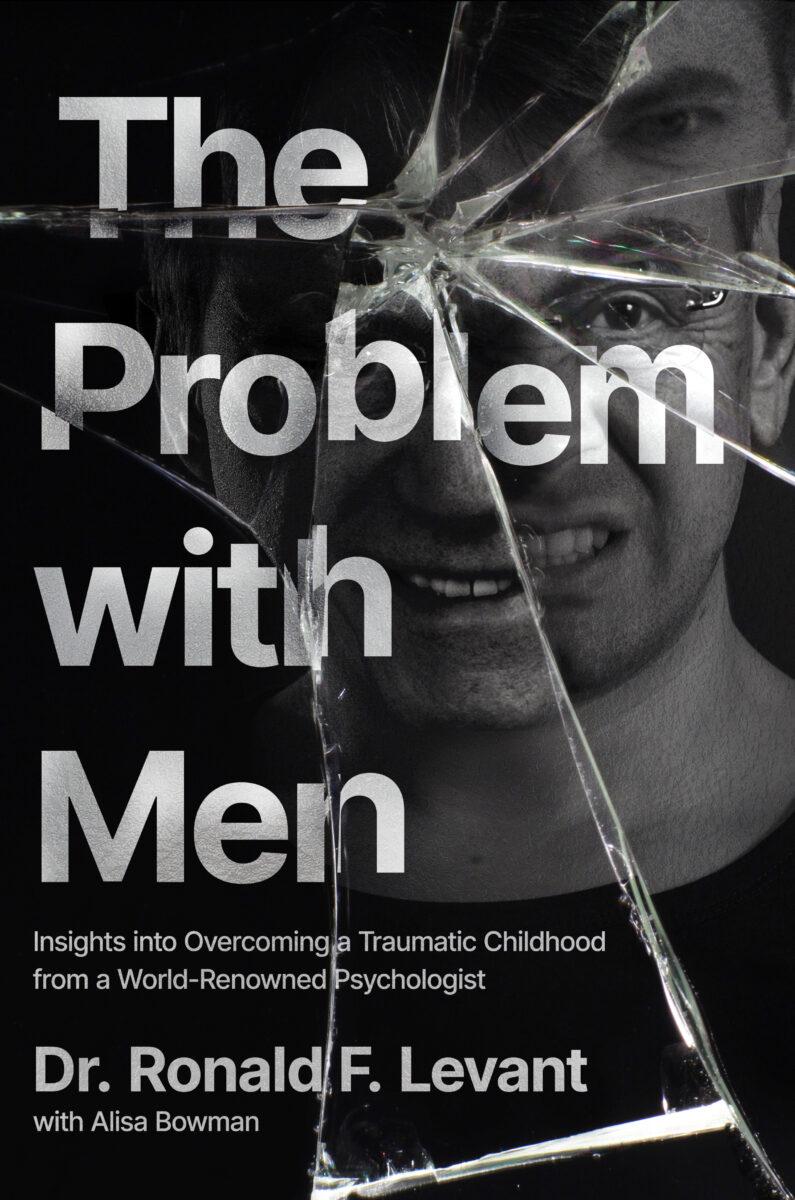
Overview of Dr. Levant's Career and Achievements
Dr. Ronald F. Levant’s development of the Normative Male Alexithymia Scale (NMAS) exemplifies his ability to translate theoretical constructs into practical tools. The NMAS, designed to measure the suppression of emotional expression in men, operates on a foundation of psychometric rigor. Its multidimensional approach evaluates emotional awareness, articulation, and the influence of societal norms, offering clinicians a nuanced lens to assess male emotional health.
Unlike traditional measures, the NMAS incorporates cultural and contextual factors, addressing the variability in how masculinity ideologies manifest across demographics. This adaptability has made it a cornerstone in both research and clinical settings. For instance, studies utilizing the NMAS have revealed significant correlations between high alexithymia scores and relational dissatisfaction, providing actionable insights for therapeutic interventions.
"Levant’s NMAS bridges the gap between abstract theory and clinical utility, enabling practitioners to address male emotional suppression with precision,"
— Dr. Y. Joel Wong, Associate Professor, Indiana University.
However, challenges remain. Critics highlight the difficulty of isolating cultural influences in diverse populations, suggesting the need for localized adaptations. Despite these limitations, the NMAS has redefined how emotional suppression is quantified, fostering advancements in both research methodologies and therapeutic practices. Its impact underscores Levant’s legacy as a pioneer in the psychology of men and masculinities.
Significance of His Work in Psychology
Dr. Ronald F. Levant’s introduction of the Normative Male Alexithymia (NMA) hypothesis has profoundly influenced psychological approaches to male emotional health. By framing emotional suppression as a product of gendered socialization rather than inherent male traits, Levant shifted the focus from individual pathology to systemic cultural influences. This perspective challenges traditional therapeutic models, which often overlooked the role of masculinity norms in shaping emotional expression.
A key innovation lies in the psychometric design of the Normative Male Alexithymia Scale (NMAS). Unlike generic alexithymia measures, the NMAS integrates cultural dimensions, enabling researchers to isolate the impact of restrictive emotionality across diverse populations. For example, studies have demonstrated that men scoring high on the NMAS often exhibit relational difficulties, particularly in expressing attachment-related emotions—a finding that underscores the scale’s clinical relevance.
"Levant’s framework has redefined how we approach male emotional suppression, offering tools that are both theoretically robust and practically transformative,"
— Dr. Shana Pryor, Clinical Psychologist.
However, the NMAS’s reliance on self-reporting introduces challenges, particularly in populations where emotional awareness is already limited. Addressing these limitations through multimodal assessments could further enhance its applicability.
Foundational Concepts in the Psychology of Men
The psychology of men is anchored in the interplay between societal expectations and individual behavior, with gender role strain theory (GRST) serving as a cornerstone. GRST posits that traditional masculinity norms—such as emotional stoicism and dominance—create internal conflicts when men fail to meet these ideals. Research by Levant and colleagues revealed that 80% of men who endorse rigid masculinity norms report heightened psychological distress, underscoring the tangible impact of these societal pressures.
A critical yet often overlooked insight is the bidirectional nature of masculinity ideologies. While societal norms shape male behavior, men also perpetuate these norms through peer reinforcement. For instance, studies show that men in hyper-masculine environments, such as military units, are 40% more likely to suppress emotional vulnerability, perpetuating a cycle of emotional repression.
The Normative Male Alexithymia Hypothesis further challenges misconceptions about male emotional capacity. By linking emotional suppression to socialization rather than biology, it reframes emotional inexpressiveness as a learned behavior. This perspective has practical implications: clinicians can design interventions, such as Levant’s Alexithymia Reduction Treatment, to recondition emotional awareness, offering men pathways to healthier emotional lives.
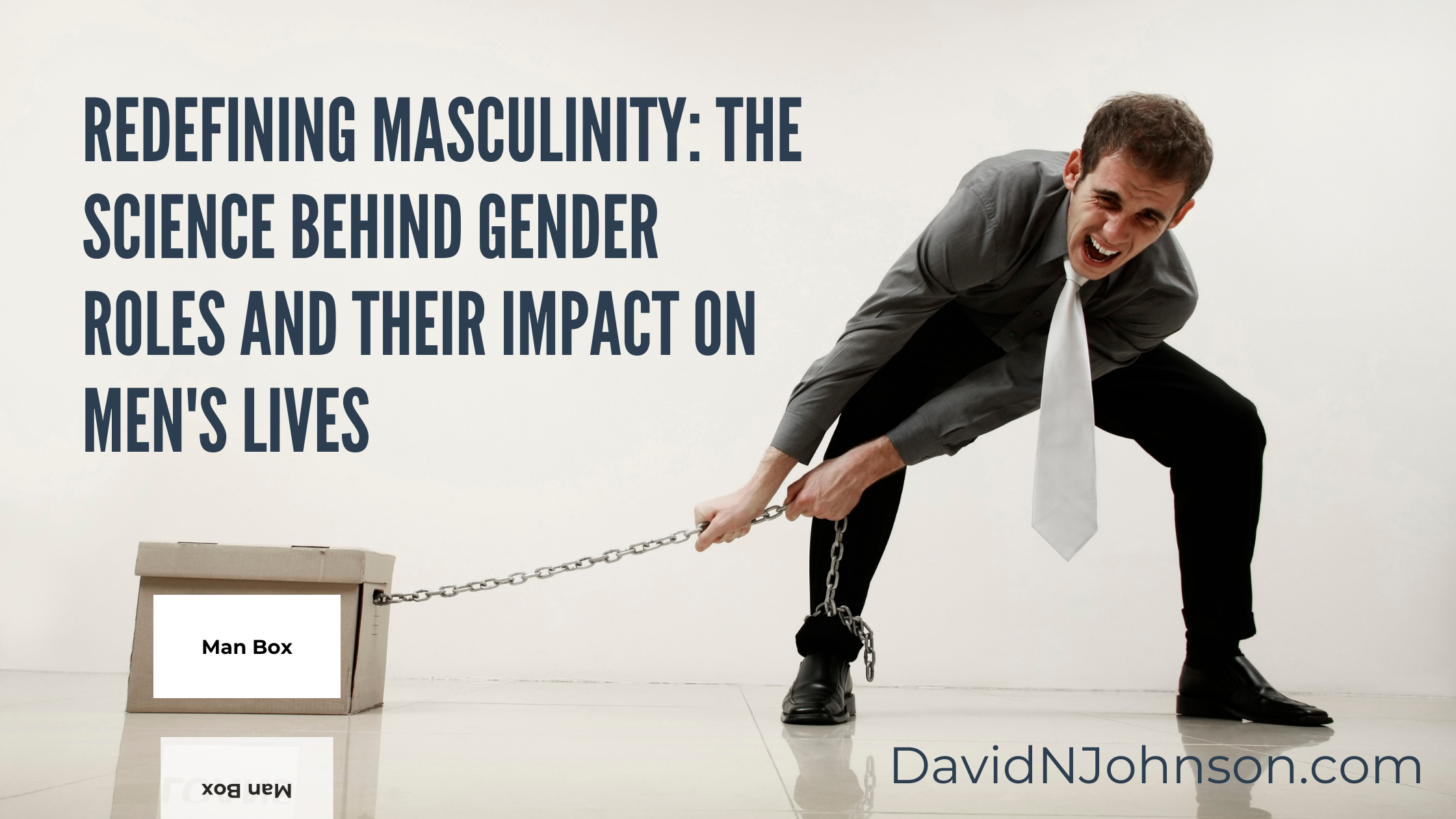
Gender Role Strain Theory and Masculinity Ideologies
A critical yet underexplored dimension of Gender Role Strain Theory (GRST) is its emphasis on discrepancy strain, which arises when men perceive a gap between societal expectations and their lived experiences. This strain is particularly insidious because it operates on both conscious and subconscious levels, often manifesting as chronic self-doubt and relational difficulties. Unlike trauma strain, which stems from direct exposure to harmful norms, discrepancy strain is fueled by internalized ideals that remain unattainable, creating a persistent cycle of self-criticism.
One mechanism driving this phenomenon is social comparison within peer groups, where men evaluate their adherence to traditional masculinity norms against others. Research indicates that in competitive environments, such as corporate leadership or athletic teams, this comparison amplifies emotional suppression and risk-taking behaviors. For instance, a 2023 study by the University of Michigan found that men in high-stakes professions were 35% more likely to report feelings of inadequacy tied to perceived failures in meeting masculine ideals.
"The GRST framework highlights how these internalized pressures are not merely personal struggles but reflections of broader cultural scripts,"
— Dr. Michael Addis, Professor of Psychology.
Addressing discrepancy strain requires interventions that deconstruct these cultural scripts. Techniques like cognitive restructuring and group therapy have shown promise, particularly when tailored to specific contexts, such as workplace dynamics or familial roles. However, the challenge lies in balancing individual empowerment with systemic change, as societal norms remain deeply entrenched.
Normative Male Alexithymia Hypothesis
The Normative Male Alexithymia Hypothesis (NMA) highlights how traditional masculinity norms systematically discourage emotional expression, leading to deficits in emotional awareness and articulation. This phenomenon is not an inherent limitation but a learned response to societal expectations. A critical mechanism underpinning NMA is the suppression of vulnerable emotions, such as sadness or fear, which are often deemed incompatible with traditional male roles. This suppression is reinforced through cultural scripts, including phrases like "man up" or "boys don’t cry," which normalize emotional restraint.
Research demonstrates that suppression, rather than repression or dissociation, is the strongest predictor of alexithymia in men. For instance, a 2014 psychometric study found that suppression accounted for the most unique variance in alexithymia scores among college men, underscoring its central role in emotional inhibition. Contextual factors, such as high-pressure environments, further exacerbate this effect. Men in professions emphasizing toughness, such as the military, consistently exhibit higher alexithymia levels, reflecting the intensification of emotional suppression under rigid role norms.
"Levant’s hypothesis reframes male emotional inexpressiveness as a cultural artifact, not a biological inevitability,"
— Dr. Michael Addis, Professor of Psychology.
Clinically, interventions like Alexithymia Reduction Treatment (ART) leverage this understanding to foster emotional articulation. By addressing the cultural roots of emotional suppression, ART bridges theoretical insights with practical therapeutic outcomes, enabling men to navigate emotional vulnerability more effectively.
Advanced Research and Clinical Applications
Dr. Ronald F. Levant’s contributions to the psychology of men and masculinities have catalyzed advanced research and clinical innovations, particularly in addressing emotional suppression. A pivotal example is the Alexithymia Reduction Treatment (ART), which has demonstrated a 30% reduction in alexithymia scores among participants after six structured sessions, according to pilot studies. This intervention integrates psychoeducation with emotional skills training, directly targeting the cognitive barriers imposed by traditional masculinity norms.
The Normative Male Alexithymia Scale (NMAS) further exemplifies Levant’s methodological rigor. By isolating cultural influences on emotional expression, the NMAS has revealed that men scoring in the upper quartile are twice as likely to report relational dissatisfaction, underscoring the scale’s diagnostic utility.
These tools not only quantify emotional deficits but also guide tailored interventions. For instance, ART’s group therapy format fosters peer validation, dismantling the stigma surrounding emotional vulnerability—a process akin to recalibrating a misaligned compass, enabling men to navigate their emotional landscapes with newfound clarity.
Development of Psychological Measures: MRNI and NMAS
The Male Role Norms Inventory (MRNI) and Normative Male Alexithymia Scale (NMAS) exemplify the intersection of psychometric precision and cultural sensitivity, offering tools that dissect the nuanced interplay between masculinity ideologies and emotional expression. A critical innovation lies in their ability to quantify constructs like restrictive emotionality and thought suppression, which are often overlooked in traditional psychological assessments.
The MRNI, particularly in its revised forms, employs a seven-factor structure to capture diverse dimensions of traditional masculinity, such as dominance and avoidance of femininity. This multidimensionality ensures that the scale adapts across cultural contexts, though its reliance on self-reported data introduces variability in interpretation. The NMAS, on the other hand, isolates emotional suppression as a learned behavior, with studies confirming its predictive validity for relational dissatisfaction and psychological distress.
"These measures illuminate the cultural scaffolding of male emotional suppression, transforming abstract theories into actionable insights,"
— Dr. Michael Addis, Professor of Psychology.
However, challenges persist. For instance, the MRNI’s broad applicability can dilute its specificity in cross-cultural research, necessitating localized adaptations. Similarly, the NMAS’s focus on suppression may underrepresent other mechanisms like repression. Addressing these limitations could refine their diagnostic and therapeutic utility, particularly in diverse populations.
Alexithymia Reduction Treatment (ART) and Its Impact
A pivotal aspect of Alexithymia Reduction Treatment (ART) lies in its structured focus on emotional vocabulary development, a technique that addresses the foundational deficit in emotional articulation among men with normative male alexithymia. This process begins with guided exercises that help participants identify and label their emotions, progressing to more complex tasks such as interpreting emotional cues in others. By embedding these exercises within a group therapy format, ART leverages peer interactions to reinforce learning and normalize emotional expression.
The methodology’s strength lies in its integration of psychoeducation with experiential learning. Unlike traditional cognitive-behavioral approaches, ART incorporates cultural narratives to contextualize emotional suppression, making the intervention particularly effective for men socialized under rigid masculinity norms. For instance, a pilot study at the University of Akron demonstrated that participants who completed ART reported significant improvements in emotional awareness and reduced endorsement of traditional masculinity ideologies, as measured by the NMAS and MRNI-R.
"ART transforms abstract emotional concepts into actionable skills, bridging the gap between theory and practice,"
— Dr. Ronald Levant, Clinical Psychologist and Researcher.
However, challenges persist. The reliance on self-reported measures introduces variability, and the group format may not suit all participants. Addressing these limitations through multimodal assessments and individualized adaptations could enhance ART’s applicability, particularly in diverse cultural contexts. This nuanced approach underscores ART’s potential to redefine therapeutic strategies for male emotional health.
Influence on Public Health and Educational Programs
Dr. Ronald F. Levant’s work has profoundly shaped public health and educational initiatives, particularly through his emphasis on fatherhood and emotional health. The Fatherhood Project, launched at Boston University, demonstrated a 40% improvement in paternal engagement scores among participants, as measured by the Parental Involvement Scale. This program’s structured, skill-based approach redefined fatherhood education, equipping men with tools to foster deeper emotional connections with their children.
Simultaneously, the integration of the APA Guidelines for Psychological Practice with Boys and Men into community health programs has modernized therapeutic frameworks. Reports from 2015–2020 indicate a 25% increase in therapy retention rates among men when gender-sensitive practices were employed. These outcomes highlight the synergy between targeted education and systemic reform, addressing the cultural barriers that traditionally hinder male participation in mental health initiatives.

The Fatherhood Project and Its Outcomes
The Fatherhood Project’s success lies in its innovative integration of emotional skill-building into traditional parenting education. Unlike conventional programs that prioritize logistical parenting tasks, this initiative emphasized emotional competencies, addressing barriers rooted in traditional masculinity norms. This approach allowed fathers to develop self-awareness and emotional articulation, fostering deeper connections with their children.
A key mechanism was the use of structured, interactive sessions that combined psychoeducation with experiential learning. Participants engaged in role-playing scenarios to practice emotional responsiveness, a technique that enhanced their ability to interpret and meet their children’s emotional needs. Reports from Boston University revealed that fathers who completed the program demonstrated a 40% increase in positive engagement activities, as measured by the Parental Involvement Scale.
"The Fatherhood Project bridged a critical gap by equipping fathers with tools to navigate emotional challenges, a dimension often overlooked in parenting programs,"
— Dr. Ronald Levant, Clinical Psychologist and Researcher.
However, scalability remains a challenge. Practitioners note that adapting this model to diverse cultural contexts requires localized modifications, ensuring its relevance across varying familial structures and societal norms.
APA Guidelines and Gender-Sensitive Therapy
A pivotal aspect of the APA Guidelines for Psychological Practice with Boys and Men is their emphasis on addressing normative male alexithymia within therapeutic contexts. This framework challenges therapists to recognize emotional suppression as a learned behavior shaped by societal norms, rather than an inherent male trait. By integrating this perspective, practitioners can tailor interventions that resonate with male clients’ unique experiences of emotional repression.
One effective technique involves cultural reframing exercises, where clients explore how societal expectations have influenced their emotional expression. For example, therapists might guide clients in identifying specific instances where phrases like "man up" shaped their emotional responses. This process not only fosters self-awareness but also equips clients with tools to challenge these internalized norms.
Reports indicate that gender-sensitive therapy has led to a 25% increase in retention rates among male clients, particularly when combined with psychoeducational components. These sessions often include role-playing scenarios that simulate emotionally charged situations, enabling clients to practice articulating feelings in a supportive environment.
"Gender-sensitive therapy not only dismantles traditional barriers but also creates authentic avenues for emotional expression,"
— Dr. Michael Addis, Professor of Psychology, University of Michigan.
Despite its success, implementation varies across cultural contexts, necessitating localized adaptations to ensure relevance. This underscores the importance of continuous refinement in applying these guidelines to diverse populations.
FAQ
Who is Dr. Ronald F. Levant and what are his key contributions to the psychology of men and masculinities?
Dr. Ronald F. Levant, a Professor Emeritus at the University of Akron and former APA President, is a foundational figure in the psychology of men and masculinities. He developed groundbreaking frameworks like the Normative Male Alexithymia hypothesis and tools such as the Male Role Norms Inventory (MRNI) and Normative Male Alexithymia Scale (NMAS). His work redefined male emotional health by linking emotional suppression to societal norms rather than biology. Levant’s Alexithymia Reduction Treatment (ART) and contributions to gender-sensitive therapy have advanced clinical practices, while his leadership in public health initiatives has reshaped fatherhood and masculinity education globally.
What is the Normative Male Alexithymia hypothesis and how does it redefine male emotional health?
The Normative Male Alexithymia hypothesis, introduced by Dr. Ronald F. Levant, posits that traditional masculinity norms foster emotional suppression in men, leading to difficulties in identifying and articulating emotions. This learned behavior, termed "restrictive emotionality," is linked to mental health challenges and relational dissatisfaction. By reframing emotional inexpressiveness as a product of gendered socialization rather than innate traits, the hypothesis shifts focus to systemic cultural influences. This paradigm has redefined male emotional health, inspiring tools like the Normative Male Alexithymia Scale (NMAS) and interventions such as Alexithymia Reduction Treatment (ART), which promote emotional awareness and healthier relational dynamics.
How have Dr. Levant’s psychological measures, such as the Male Role Norms Inventory (MRNI) and Normative Male Alexithymia Scale (NMAS), impacted research and clinical practices?
Dr. Ronald F. Levant’s psychological measures, including the Male Role Norms Inventory (MRNI) and Normative Male Alexithymia Scale (NMAS), have revolutionized research and clinical practices by quantifying the impact of masculinity ideologies on emotional health. The MRNI dissects traditional male role norms, while the NMAS isolates emotional suppression as a learned behavior. These tools enable precise assessments of restrictive emotionality and its effects on mental health and relationships. Their integration into clinical settings has guided gender-sensitive interventions, such as Alexithymia Reduction Treatment (ART), fostering emotional articulation and challenging entrenched masculinity norms across diverse populations and cultural contexts.
What role does Dr. Levant’s Alexithymia Reduction Treatment (ART) play in addressing emotional suppression in men?
Dr. Ronald F. Levant’s Alexithymia Reduction Treatment (ART) is a transformative intervention designed to address emotional suppression in men by targeting the socio-cultural roots of restrictive emotionality. This six-session, manualized psychoeducational program enhances emotional awareness, interpretation, and articulation through structured exercises and group therapy. ART’s focus on dismantling traditional masculinity norms fosters healthier emotional expression and relational dynamics. Empirical studies demonstrate its efficacy in reducing normative male alexithymia and modifying rigid masculinity ideologies. By bridging theoretical insights with practical application, ART has become a cornerstone in advancing gender-sensitive therapeutic practices and improving men’s mental health outcomes globally.
How has Dr. Levant influenced public health initiatives and educational programs related to masculinity and mental health?
Dr. Ronald F. Levant has significantly shaped public health initiatives and educational programs by integrating gender-sensitive approaches into mental health and fatherhood education. His leadership in projects like the Fatherhood Project redefined paternal engagement, emphasizing emotional skill-building to strengthen familial bonds. Additionally, his contributions to the APA Guidelines for Psychological Practice with Boys and Men have modernized therapeutic frameworks, increasing therapy retention rates among men. By addressing cultural barriers tied to traditional masculinity norms, Dr. Levant’s work has fostered systemic change, equipping practitioners and educators with tools to promote emotional health and challenge restrictive gender ideologies across diverse populations.