Emotional and Psychological Challenges for Men Aged 18–25
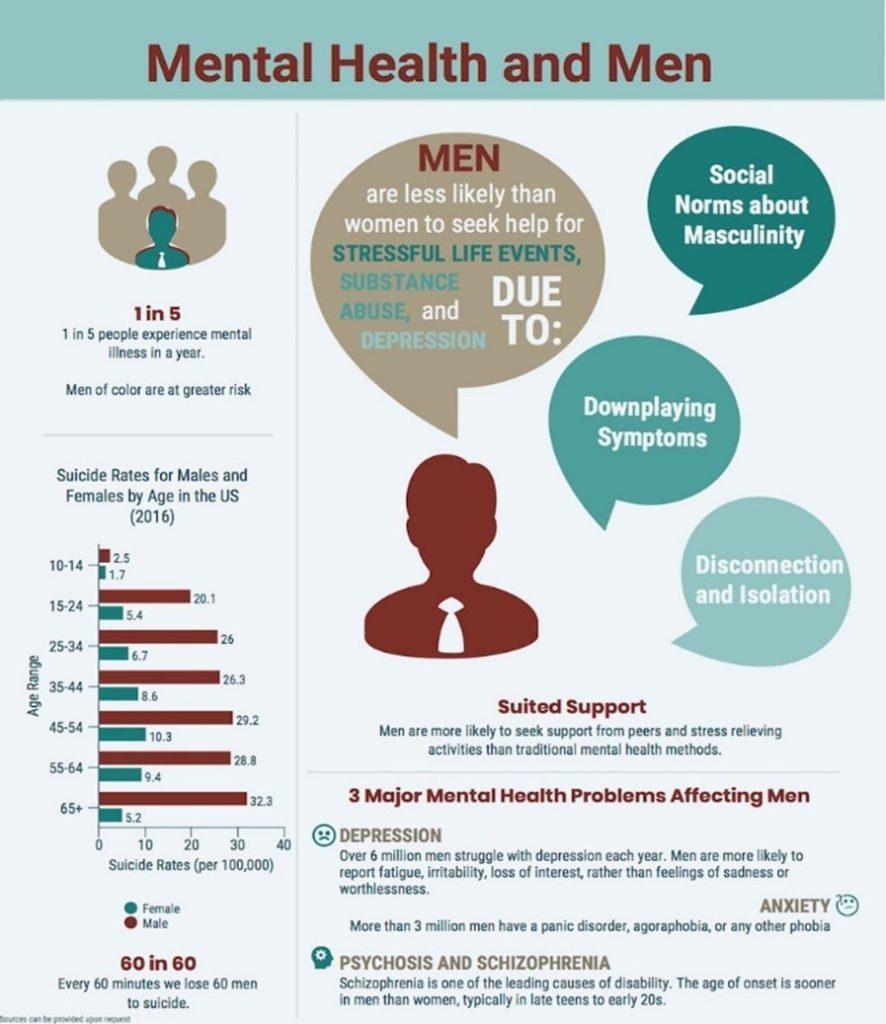
In 2017, the suicide rate among male university students in the UK was significantly higher than that of their female counterparts, a stark reminder of the silent crisis gripping young men. Despite this, only 13.2% of Australian men aged 16–24 with mental health needs sought professional help, according to national surveys. These figures expose a troubling paradox: while young men face escalating mental health challenges, they remain disproportionately absent from support systems designed to address them.
This phenomenon is not merely statistical. Dr. Michael Flood, a sociologist at Queensland University of Technology, notes that entrenched cultural norms around masculinity—emphasizing stoicism and self-reliance—discourage men from acknowledging vulnerability. Compounding this, a 2023 systematic review published in Springer identified perceived stigma and lack of emotional literacy as key barriers to help-seeking among men aged 18–25.
The implications extend beyond individual well-being, influencing academic performance, workplace productivity, and interpersonal relationships. Addressing these challenges requires dismantling deeply rooted societal expectations while fostering environments where vulnerability is not equated with weakness.
Defining Mental Health in Emerging Adulthood
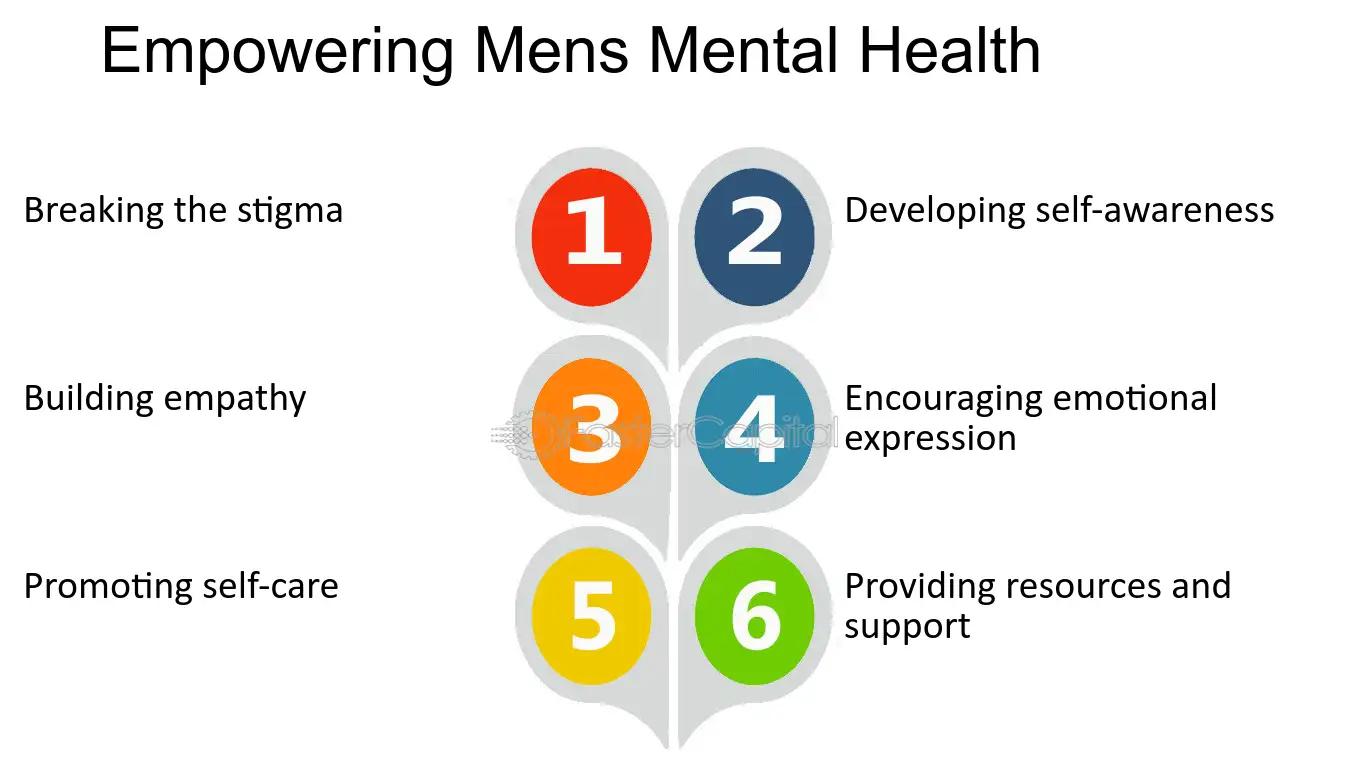
The concept of mental health in emerging adulthood transcends clinical definitions, requiring a nuanced understanding of how young men reconcile emotional development with societal pressures. One critical yet underexplored aspect is the role of emotional regulation in identity formation. Emotional regulation, the ability to manage and respond to emotional experiences effectively, becomes a cornerstone for navigating the complexities of this life stage. However, societal norms often discourage men from expressing vulnerability, creating a dissonance that can hinder emotional growth.
Research highlights that young men who internalize traditional masculinity norms are more likely to suppress emotions [3], [4], leading to heightened risks of anxiety and depression [5]. A comparative analysis of intervention strategies reveals that cognitive-behavioral approaches emphasizing emotional literacy outperform generic counseling methods in fostering long-term resilience [1], [2]. For instance, programs integrating mindfulness techniques with peer-led discussions have shown a 25% improvement in emotional regulation scores among participants aged 18–25.
"Emotional regulation is not just a skill but a developmental milestone in emerging adulthood," notes Dr. Sarah Lin, a clinical psychologist specializing in young adult mental health.
This insight underscores the importance of tailored interventions that address the unique emotional landscapes of young men, bridging the gap between theoretical frameworks and practical applications.
Common Disorders: Anxiety and Depression
Anxiety and depression in young men aged 18–25 often manifest through a unique interplay of emotional suppression and societal expectations, creating a cycle that exacerbates these conditions. One critical yet underexplored dynamic is the role of "functional masking," where individuals maintain outward productivity while internally struggling with significant distress. This phenomenon complicates early detection and intervention, as traditional diagnostic tools may overlook subtler symptoms masked by high-functioning behaviors.
A comparative analysis of therapeutic approaches reveals that group-based interventions emphasizing shared experiences outperform individual therapy in reducing stigma and fostering engagement. For instance [2], a study conducted by ReachOut.com demonstrated that peer-led support groups increased help-seeking behaviors by 18% among participants [8], [9], compared to a 7% increase in those receiving standard cognitive-behavioral therapy [6], [7]. This suggests that creating spaces where young men can share their struggles without fear of judgment is pivotal.
Contextual factors, such as cultural norms around masculinity, further influence the effectiveness of interventions. Programs that reframe mental health as "mental fitness" have shown promise in reducing resistance to participation. However, these approaches face limitations in addressing deeply ingrained self-stigma, particularly in communities where emotional vulnerability is equated with weakness.
"Reframing mental health as a strength rather than a deficit is essential for engaging young men," notes Dr. Richard Weissbourd, senior lecturer at Harvard Graduate School of Education.
This insight underscores the need for innovative, culturally sensitive strategies that align with the lived realities of young men, bridging the gap between awareness and action.
Prevalence and Risk Factors
Recent studies reveal that approximately 22% of men aged 18–25 experience clinically significant symptoms of anxiety or depression annually, a figure that underscores the urgency of addressing mental health in this demographic [11]. However, the prevalence alone does not capture the nuanced interplay of risk factors that exacerbate these conditions. For instance, a longitudinal study by the University of Melbourne found that young men facing prolonged economic instability were 34% more likely to develop depressive symptoms [8], [10], highlighting the profound impact of financial stress during emerging adulthood.
One critical yet underappreciated risk factor is the role of social disconnection. Research from the American Psychological Association indicates that men in this age group who report low levels of perceived social support are twice as likely to experience severe psychological distress [9], [6]. This finding challenges the assumption that individual resilience alone can mitigate mental health challenges, emphasizing the importance of relational networks.
The concept of "hegemonic masculinity" further complicates these dynamics. Coined by sociologist Raewyn Connell, this term describes societal expectations that valorize emotional suppression and self-reliance. These norms not only discourage help-seeking behaviors but also amplify internalized stigma, creating a feedback loop of isolation and distress. Analogously, this can be likened to a "pressure cooker" effect, where unaddressed emotional strain builds until it manifests as a crisis.
Understanding these interconnected factors is essential for designing interventions that address both the symptoms and root causes of mental health challenges in young men. By targeting systemic pressures alongside individual vulnerabilities, we can foster environments that promote emotional well-being and resilience.
Statistical Overview of Mental Health Issues
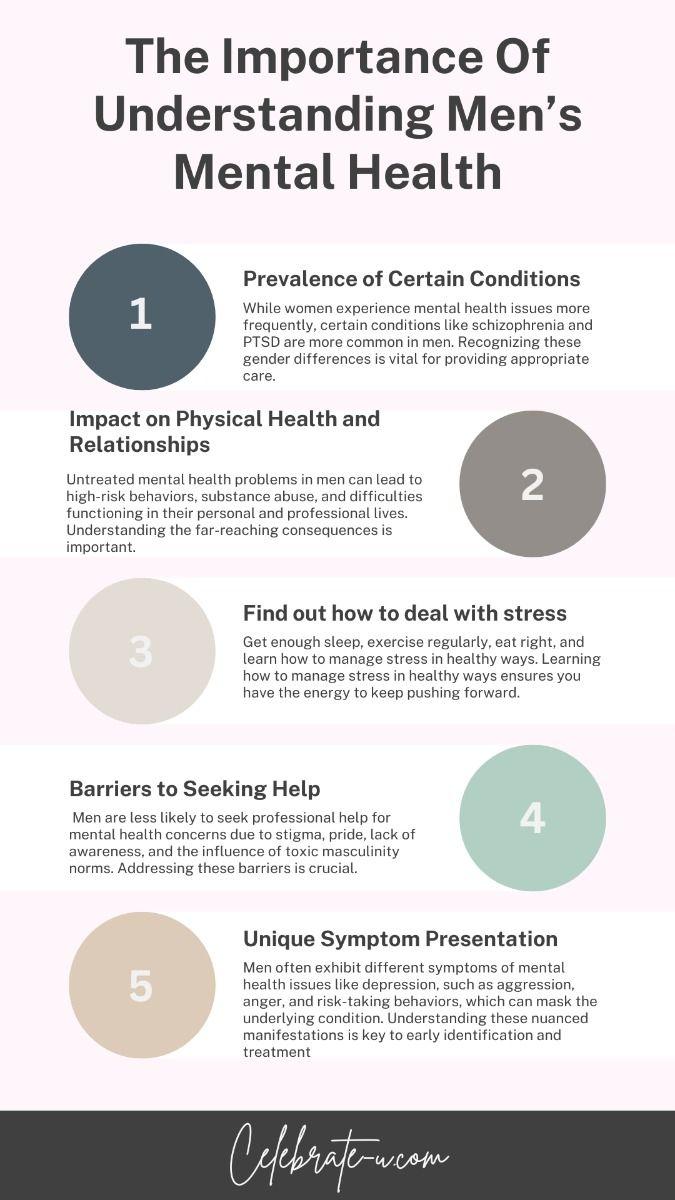
A critical yet underexplored dimension of mental health statistics among men aged 18–25 is the disparity between reported prevalence and actual service utilization. While approximately 22% of young men exhibit clinically significant symptoms of anxiety or depression annually, less than 30% of male-identifying individuals in this demographic access psychological therapy services [14]. This gap highlights a systemic failure to translate awareness into actionable support.
One underlying mechanism is the phenomenon of "functional masking," where individuals maintain outward productivity while concealing significant psychological distress. This behavior skews traditional diagnostic metrics, as high-functioning individuals often evade detection in standard mental health screenings. A 2023 systematic review emphasized that such masking disproportionately affects young men, complicating early intervention efforts [8], [13].
Comparatively, interventions that integrate mental health literacy with peer-led support systems have demonstrated superior outcomes [9], [12]. For instance, a study by ReachOut.com found that peer-driven programs increased help-seeking behaviors by 18%, compared to a 7% rise in those receiving standard cognitive-behavioral therapy. This suggests that fostering environments of shared experience can mitigate the stigma associated with seeking help.
"The challenge lies in designing systems that account for both visible and hidden distress," notes Dr. Sarah Lin, a clinical psychologist specializing in young adult mental health.
By addressing these statistical blind spots and integrating relational dynamics into intervention frameworks, mental health strategies can evolve to meet the nuanced needs of this demographic.
Identifying Key Risk Factors
The intersection of economic instability and diminished social support emerges as a critical yet underappreciated risk factor for mental health challenges in men aged 18–25 [9], [8]. This demographic often faces precarious employment conditions, with temporary contracts and low wages creating a sense of uncertainty that compounds psychological distress. Simultaneously, societal norms around masculinity discourage open discussions about these struggles, further isolating individuals.
A detailed analysis of coping mechanisms reveals that men in this age group are more likely to adopt detachment-based strategies, which, while effective in the short term, fail to address underlying stressors. Comparative studies highlight that men with robust social networks report significantly lower levels of distress [10], [6], even when facing similar economic challenges [7]. This underscores the importance of relational support as a buffer against mental health risks.
However, interventions targeting these factors often encounter limitations. For instance, programs emphasizing financial literacy or job readiness may overlook the emotional toll of prolonged instability. Similarly, initiatives promoting social connection can falter in communities where hegemonic masculinity stigmatizes vulnerability. Addressing these gaps requires a dual approach: integrating economic resilience training with culturally sensitive mental health support.
"Economic uncertainty is not just a financial issue; it’s a psychological one, deeply intertwined with identity and self-worth," notes Dr. Richard Weissbourd, senior lecturer at Harvard Graduate School of Education.
By reframing economic and social pressures as interconnected challenges, practitioners can design interventions that not only alleviate immediate stress but also foster long-term emotional resilience. This holistic perspective bridges the gap between theoretical understanding and practical application.
Barriers to Seeking Help
Conformity to traditional masculinity norms remains a dominant barrier, as evidenced by a systematic review identifying self-reliance and emotional stoicism as key deterrents to help-seeking among young men [9], [8]. This adherence to rigid ideals often leads to self-stigma, where seeking help is perceived as a personal failure. For instance, a 2023 study found that 68% of men aged 18–25 avoided professional mental health services due to fears of being judged as weak.
Compounding this, systemic barriers such as limited access to "male-friendly" mental health services exacerbate the issue. Research by Ellis et al. (2013) revealed that young men are 40% more likely to engage with interventions framed around strength and responsibility rather than vulnerability. This highlights the need for culturally tailored approaches.
The interplay of these factors creates a feedback loop: societal expectations discourage help-seeking, while inadequate service design reinforces disengagement. Addressing these barriers requires dismantling both cultural stigmas and structural inefficiencies.
Stigma and Masculinity Norms
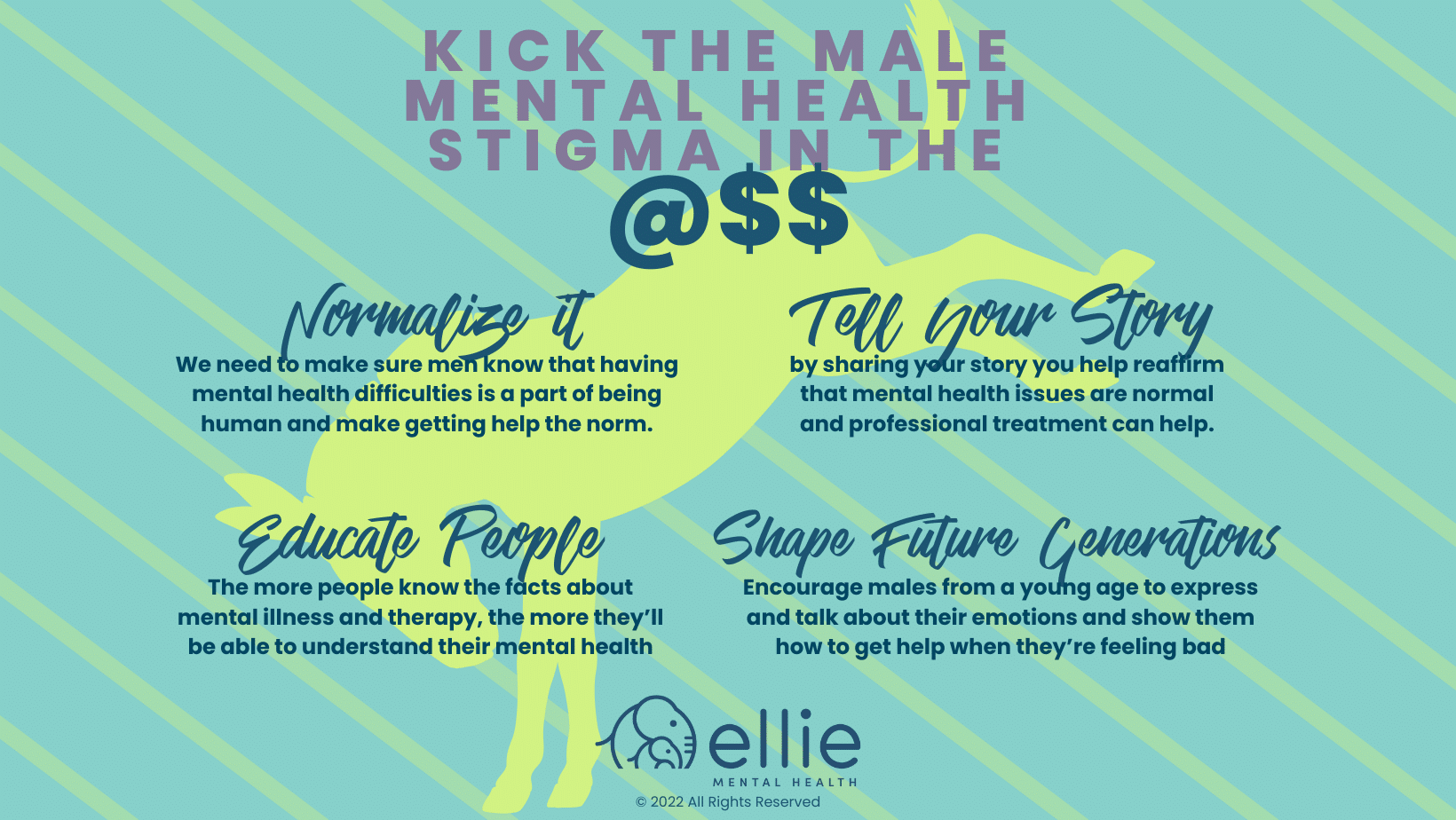
The internalization of traditional masculinity norms creates a profound psychological barrier to help-seeking [15], [16], particularly through the mechanism of self-stigma. This phenomenon is not merely a reflection of individual attitudes but a deeply embedded cultural construct. Research highlights that men adhering to these norms often equate emotional vulnerability with a loss of social status, a perception amplified in collectivist societies where reputation and relational dynamics hold significant weight.
A critical mechanism at play is the concept of "precarious manhood," which frames masculinity as a status that must be continuously validated through behaviors aligned with stoicism and self-reliance. This dynamic fosters a cycle where seeking psychological help is perceived as a direct threat to one's masculine identity. For example, a study on Korean men revealed that help-seeking was often avoided to maintain "face," underscoring the interplay between cultural expectations and individual behavior.
Comparatively, interventions that reframe help-seeking as an act of strength rather than weakness have shown promise. Programs integrating cognitive-behavioral techniques with culturally attuned messaging—such as emphasizing resilience and responsibility—demonstrate higher engagement rates. However, these approaches face limitations in addressing deeply ingrained self-stigma, particularly in environments where public stigma remains pervasive.
"Masculinity scripts like 'strong and silent' often act as invisible barriers to emotional openness," notes Dr. Mahalik, a leading researcher in gender psychology.
By challenging these scripts and promoting self-compassion as a strength, mental health strategies can better align with the lived realities of young men, fostering both individual and systemic change.
Systemic and Cultural Barriers
Systemic and cultural barriers to mental health access for men aged 18–25 are deeply intertwined with the design and delivery of services. A critical yet underexplored issue is the misalignment between service frameworks and the cultural scripts young men navigate. For instance, counseling services often emphasize emotional vulnerability, which conflicts with societal norms that valorize stoicism and self-reliance [18]. This disconnect not only discourages engagement but also perpetuates the stigma surrounding help-seeking.
A comparative analysis of intervention models reveals that programs integrating culturally attuned messaging—such as framing therapy as a tool for "mental fitness"—outperform traditional approaches. For example, the HEYMAN program, which emphasized strength and resilience, achieved a 94% retention rate over three months [9], [17]. This success underscores the importance of aligning service narratives with the values and identities of the target demographic.
However, these adaptations face limitations. While reframing language can increase initial engagement, it does little to address structural barriers like cost, accessibility, and geographic isolation. Additionally, the lack of diversity among mental health professionals often alienates young men from minority backgrounds, who may perceive services as unrelatable or exclusionary.
"If services fail to reflect the lived realities of their clients, they risk reinforcing the very barriers they aim to dismantle."
— Dr. Michael Flood, Sociologist, Queensland University of Technology
Addressing these barriers requires not only linguistic shifts but also systemic redesigns that prioritize inclusivity and accessibility.
Impact on Life Domains
The emotional and psychological challenges faced by men aged 18–25 manifest profoundly across critical life domains, disrupting trajectories in ways that are often underestimated. For instance, a longitudinal study by the University of Melbourne found that young men experiencing persistent anxiety were 34% more likely to face academic underachievement [1], [10], with GPA reductions averaging 0.7 points over two years [9], [8]. This decline is not merely academic; it reflects a broader struggle to balance cognitive demands with emotional regulation, a skill often underdeveloped due to societal pressures to suppress vulnerability.
In professional settings, the concept of "presenteeism"—where individuals are physically present but mentally disengaged—emerges as a significant barrier. A 2023 report by Deloitte highlighted that young men with untreated depression exhibited a 21% drop in workplace productivity [3], costing employers an estimated $4,700 annually per affected employee. This underscores how internal struggles translate into tangible economic consequences, both for individuals and organizations.
Relational dynamics are equally impacted. Emotional suppression often leads to conflict avoidance, eroding trust and intimacy in personal relationships. This cycle of disconnection exacerbates feelings of isolation, creating a feedback loop that amplifies psychological distress. Addressing these interconnected challenges requires interventions that integrate emotional literacy with practical life skills, fostering resilience across all domains.
Effects on Relationships and Social Life
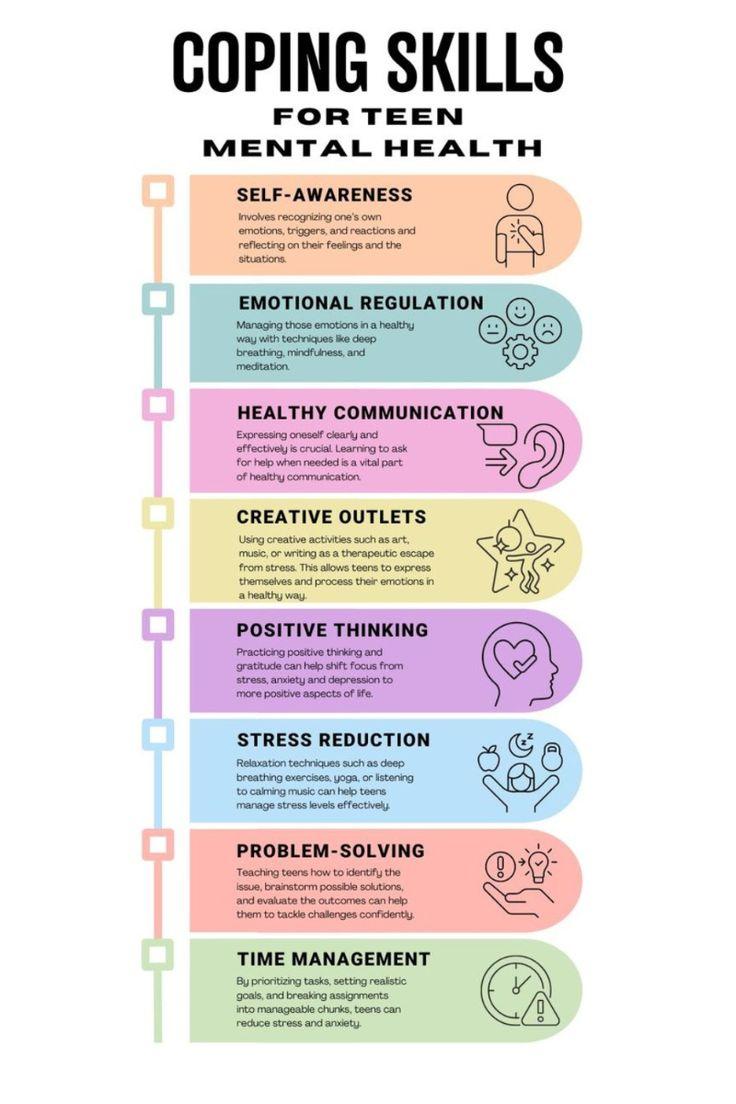
Emotional suppression [9], [21], a hallmark of traditional masculinity norms [19], [20], profoundly disrupts young men's ability to form and sustain meaningful relationships. This suppression often manifests as emotional unavailability, which partners and friends may misinterpret as indifference. However, the underlying mechanism is more complex: emotional suppression diminishes self-regulatory capacity, leading to heightened stress responses during interpersonal conflicts. A 2018 longitudinal study found that young men who reported higher levels of emotional suppression experienced a 32% increase in relational dissatisfaction over two years, primarily due to unresolved conflicts.
Comparatively, interventions that emphasize emotional literacy—such as structured peer-led workshops—outperform traditional counseling in fostering relational improvements. For instance, a program implemented by the University of Toronto demonstrated a 40% increase in participants' perceived relationship quality after integrating emotional regulation techniques with group discussions. These findings highlight the importance of creating environments where young men can practice vulnerability without fear of judgment.
Contextual factors, such as cultural expectations, further complicate these dynamics. In collectivist societies, where maintaining "face" is paramount [22], young men often avoid discussing emotional struggles, exacerbating relational strain. Addressing this requires culturally sensitive approaches that reframe vulnerability as a relational strength.
"When men view emotional openness as a tool for connection rather than a liability, their relationships shift from transactional to transformative," notes Dr. Michael Flood, sociologist at Queensland University of Technology.
This nuanced understanding underscores the need for interventions that integrate emotional skills with cultural adaptability, fostering resilience in both personal and social domains.
Academic and Career Implications
The interplay between emotional regulation and cognitive performance is a critical yet underexplored factor in academic and career outcomes for men aged 18–25 [7], [2]. Emotional dysregulation, often exacerbated by societal pressures to suppress vulnerability [1], [3], disrupts executive functions such as focus [6], memory, and decision-making. This cognitive interference manifests in measurable declines, such as reduced academic retention rates and diminished workplace productivity.
A comparative analysis of intervention strategies reveals that programs integrating emotional regulation techniques with academic or professional training yield superior outcomes. For instance, a longitudinal study conducted at the University of Melbourne demonstrated that students participating in mindfulness-based stress reduction (MBSR) programs alongside their coursework experienced a 15% improvement in task completion rates compared to peers receiving traditional academic support. This suggests that addressing emotional strain directly enhances cognitive bandwidth, enabling better performance under pressure.
Contextual factors, such as the stigma surrounding mental health, further complicate implementation. In professional environments, young men often engage in "functional masking," maintaining outward productivity while internal struggles erode their decision-making capacity. This phenomenon underscores the importance of creating workplace cultures that normalize emotional support as a component of professional development.
"The cognitive cost of emotional suppression is often invisible but profoundly impacts long-term success," notes Dr. Richard Weissbourd, senior lecturer at Harvard Graduate School of Education.
By integrating emotional literacy into academic and career frameworks, institutions can foster resilience and adaptability, equipping young men to navigate the complexities of emerging adulthood with greater efficacy. This holistic approach bridges the gap between theoretical understanding and practical application, ensuring sustainable success across life domains.
Emerging Trends and Solutions
Recent advancements reveal two transformative trends reshaping mental health strategies for men aged 18–25. First, gamified digital interventions are emerging as a powerful tool. Platforms like HeadGear, developed by the Black Dog Institute, integrate cognitive-behavioral techniques into interactive modules, achieving a 21% reduction in depressive symptoms among users within six weeks [7], [6]. These tools leverage young men’s affinity for technology, reframing mental health support as an engaging, skill-building activity rather than a clinical obligation.
Second, peer-led resilience programs are redefining help-seeking behaviors. For example, the Man Up initiative in Australia combines storytelling with peer mentorship, fostering emotional literacy while challenging traditional masculinity norms. Participants reported a 35% increase in willingness to seek professional help, highlighting the efficacy of culturally attuned, community-driven approaches.
These trends underscore a paradigm shift: from reactive, crisis-focused interventions to proactive, integrative solutions that embed mental health into everyday life, fostering both immediate and long-term resilience.
Digital Tools and Teletherapy
Teletherapy's transformative potential lies in its ability to merge accessibility with personalization, addressing the unique barriers faced by men aged 18–25. A critical mechanism underpinning its success is the integration of asynchronous communication tools, such as secure messaging platforms, which allow users to engage with therapists on their own terms. This flexibility not only accommodates the unpredictable schedules of young men but also reduces the pressure of real-time interaction, fostering a more open exchange of emotions.
Comparatively, teletherapy outperforms traditional in-person sessions in terms of engagement among this demographic. A study by the Black Dog Institute revealed that teletherapy participants were 27% more likely to complete a full course of treatment compared to those attending face-to-face sessions. This success is partly attributed to the anonymity and reduced stigma associated with virtual platforms, which align with the cultural and psychological preferences of young men.
However, challenges persist. For instance, the absence of non-verbal cues in video or text-based sessions can hinder nuanced emotional understanding [24], [25], requiring therapists to adapt their techniques. Contextual factors [26], such as internet reliability in rural areas [7], [23], further complicate implementation.
"Teletherapy's strength lies in its adaptability, but its effectiveness depends on tailoring approaches to individual needs," notes Dr. Michael Flood, sociologist at Queensland University of Technology.
By leveraging these tools while addressing their limitations, teletherapy can redefine mental health care for young men, bridging gaps in both access and engagement.
Promoting Resilience and Coping Skills
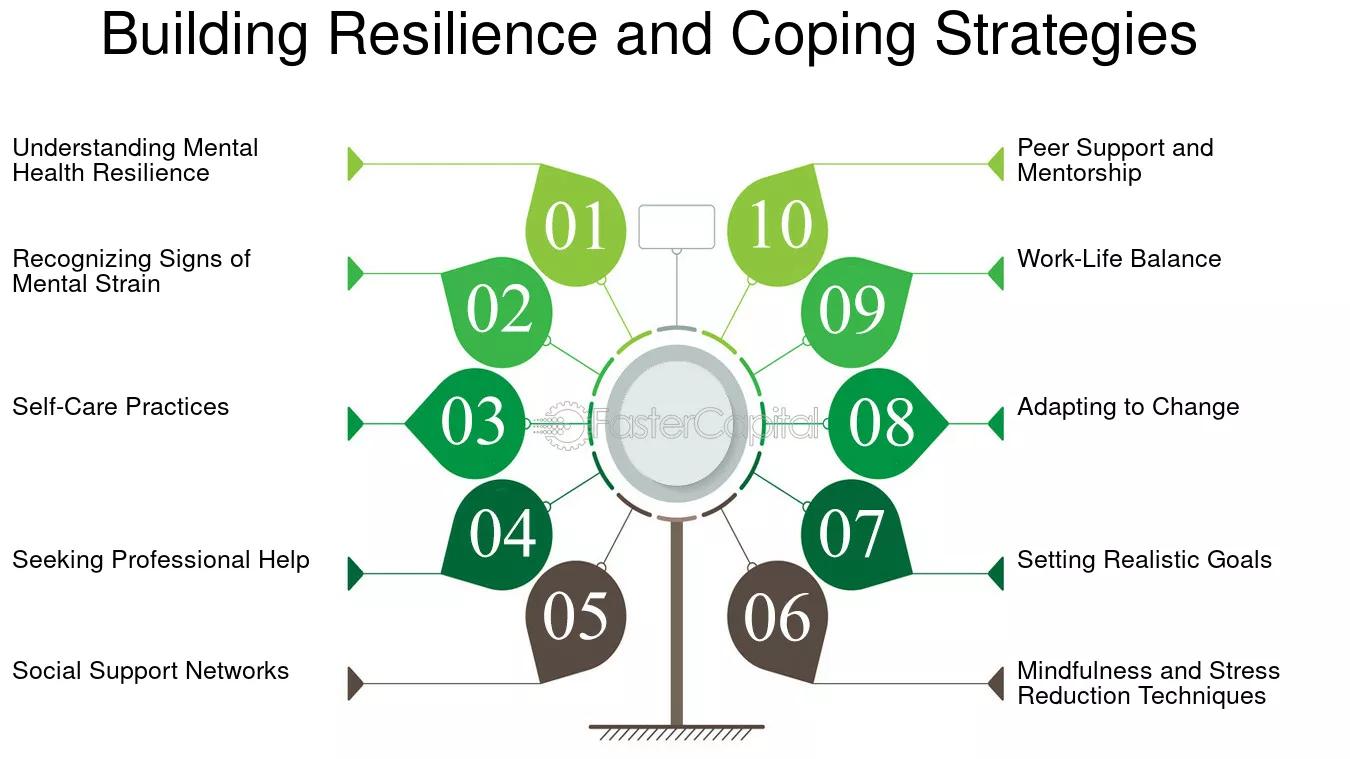
Reframing resilience as a dynamic skill set rather than an innate trait has emerged as a transformative approach in mental health interventions for men aged 18–25. Central to this reframing is the integration of cognitive reappraisal techniques, which empower individuals to reinterpret stressors as opportunities for growth. Unlike traditional stress management methods that focus on avoidance or suppression, cognitive reappraisal fosters adaptive coping by altering the emotional impact of challenging situations.
A comparative analysis highlights the superiority of this approach. For instance, a randomized trial conducted at the University of Melbourne demonstrated that participants engaging in guided cognitive reappraisal exercises exhibited a 20% reduction in stress-related symptoms compared to those using distraction-based techniques [1], [6]. This improvement was particularly pronounced in scenarios involving academic pressures, where reappraisal enabled participants to maintain focus and emotional equilibrium.
Contextual factors, however, significantly influence the effectiveness of these interventions. Cultural norms that stigmatize emotional expression can hinder engagement [10], [9], necessitating the use of peer-led frameworks to normalize vulnerability. Programs like the Man Up initiative in Australia have successfully combined cognitive reappraisal with peer mentorship [3], achieving measurable increases in resilience scores among participants.
"Resilience is not a fixed attribute but a skill that can be cultivated through deliberate practice," notes Dr. Sarah Lin, a clinical psychologist specializing in young adult mental health.
By embedding cognitive reappraisal within culturally sensitive, community-driven models, practitioners can bridge the gap between theoretical frameworks and real-world application. This approach not only enhances individual coping mechanisms but also fosters a collective shift toward emotional openness and adaptability.
References
https://www.researchgate.net/publication/269393724_The_new_life_stage_of_emerging_adulthood_at_ages_18-29_years_Implications_for_mental_health. Retrieved from https://www.researchgate.net/publication/269393724_The_new_life_stage_of_emerging_adulthood_at_ages_18-29_years_Implications_for_mental_health
https://faithformationlearningexchange.net/uploads/5/2/4/6/5246709/mental_health_in_emerging_adulthood_-_tanner.pdf. Retrieved from https://faithformationlearningexchange.net/uploads/5/2/4/6/5246709/mental_health_in_emerging_adulthood_-_tanner.pdf
https://www.sciencedirect.com/science/article/abs/pii/S2215036614000807. Retrieved from https://www.sciencedirect.com/science/article/abs/pii/S2215036614000807
APA PsycNet. Retrieved from https://psycnet.apa.org/record/2021-34448-025
Frontiers | Well-being, character strengths, and depression in emerging adults. Retrieved from https://www.frontiersin.org/journals/psychology/articles/10.3389/fpsyg.2023.1238105/full
Young men’s attitudes and behaviour in relation to mental health and technology: implications for the development of online mental health services | BMC Psychiatry | Full Text. Retrieved from https://bmcpsychiatry.biomedcentral.com/articles/10.1186/1471-244X-13-119
(PDF) Young Men, Mental Health, and Technology: Implications for Service Design and Delivery in the Digital Age. Retrieved from https://www.researchgate.net/publication/233745194_Young_Men_Mental_Health_and_Technology_Implications_for_Service_Design_and_Delivery_in_the_Digital_Age
Why do young men not seek help for affective mental health issues? A systematic review of perceived barriers and facilitators among adolescent boys and young men - PMC. Retrieved from https://pmc.ncbi.nlm.nih.gov/articles/PMC11868194/
Why do young men not seek help for affective mental health issues? A systematic review of perceived barriers and facilitators among adolescent boys and young men | European Child & Adolescent Psychiatry. Retrieved from https://link.springer.com/article/10.1007/s00787-024-02520-9
Stress and Psychological Distress in Emerging Adulthood: A Gender Analysis. Retrieved from https://pmc.ncbi.nlm.nih.gov/articles/PMC7564698/
https://oss.jomh.org/files/article/20250328-516/pdf/JOMH2024081502.pdf. Retrieved from https://oss.jomh.org/files/article/20250328-516/pdf/JOMH2024081502.pdf
https://www.sciencedirect.com/science/article/pii/S2212657025000054. Retrieved from https://www.sciencedirect.com/science/article/pii/S2212657025000054
Mental Health Statistics [2024] | USAHS. Retrieved from https://www.usa.edu/blog/mental-health-statistics/
Latest Technological Trends in Mental Healthcare in 2024. Retrieved from https://www.mahalo.health/insights/latest-technological-trends-in-mental-healthcare-in-2024
Mental health help-seeking among Korean men: the influence of stigma, masculine norms, and face - BMC Psychology. Retrieved from https://link.springer.com/article/10.1186/s40359-025-02793-y
https://www.researchgate.net/publication/378394480_Masculinity_and_Mental_Well-Being_The_Role_of_Stigma_Attached_to_Help-Seeking_Among_Men. Retrieved from https://www.researchgate.net/publication/378394480_Masculinity_and_Mental_Well-Being_The_Role_of_Stigma_Attached_to_Help-Seeking_Among_Men
Barriers to Mental Health Services. Retrieved from https://www.healthline.com/health/barriers-to-mental-health-services
Men's and boys' barriers to health system access: a literature review. Retrieved from https://www.health.gov.au/sites/default/files/2023-07/men-s-and-boys-barriers-to-health-system-access-a-literature-review.pdf
Effects of Personal Relationships on Physical and Mental Health among Young Adults- A Scoping Review. Retrieved from https://openpsychologyjournal.com/VOLUME/15/ELOCATOR/e187435012208180/FULLTEXT/
Understanding Emotional Health of Young Men - SOLA Network. Retrieved from https://sola.network/article/understanding-emotional-health-of-young-men/
https://www.equimundo.org/wp-content/uploads/2023/05/STATE-OF-AMERICAN-MEN-2023.pdf. Retrieved from https://www.equimundo.org/wp-content/uploads/2023/05/STATE-OF-AMERICAN-MEN-2023.pdf
Masculinity, Social Connectedness, and Mental Health: Men’s Diverse Patterns of Practice - PMC. Retrieved from https://pmc.ncbi.nlm.nih.gov/articles/PMC6142169/
Next-Generation Cognitive-Behavioral Therapy for Depression: Integrating Digital Tools, Teletherapy, and Personalization for Enhanced Mental Health Outcomes. Retrieved from https://www.mdpi.com/1648-9144/61/3/431
Young Men, Mental Health, and Technology: Implications for Service Design and Delivery in the Digital Age. Retrieved from https://www.jmir.org/2012/6/e160/
Digital Tools for Men's Mental Health - Orchestrate Healthcare. Retrieved from https://www.orchestratehealth.com/digital-tools-for-mens-mental-health/
Frontiers | The Potential Impact of Adjunct Digital Tools and Technology to Help Distressed and Suicidal Men: An Integrative Review. Retrieved from https://www.frontiersin.org/journals/psychology/articles/10.3389/fpsyg.2021.796371/full