Emotional Burnout Among Young Men: Pressure, Isolation & Coping
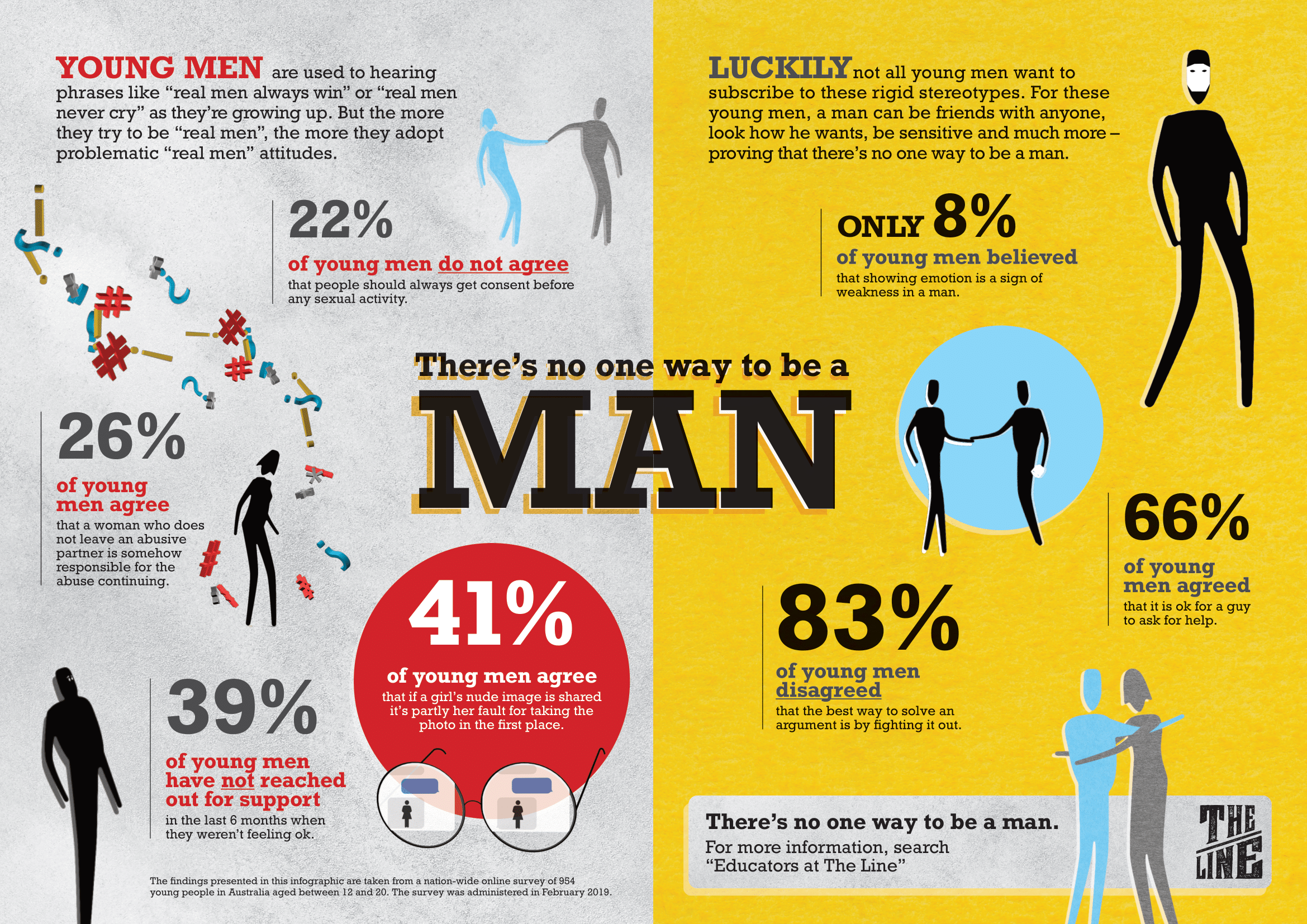
In 2024, a study by Reeves et al. revealed that 28% of women in cybersecurity consulting roles reported severe emotional exhaustion—more than double the rate of their male counterparts. While this statistic highlights gender disparities in burnout, it also underscores a broader, often overlooked crisis: the silent epidemic of emotional burnout among young men. Unlike their female peers, men are less likely to report or seek help for burnout, a phenomenon rooted in societal expectations of stoicism and self-reliance.
This unspoken pressure to suppress vulnerability often leads to isolation, a key driver of burnout. Research from the National Institutes of Health links social disconnection to heightened stress responses, compounding the effects of academic, professional, and financial pressures. Dr. Michael Kimmel, a sociologist specializing in masculinity studies, notes that “the cultural script for men leaves little room for emotional expression, creating a perfect storm for burnout.”
The implications are stark: untreated burnout in young men correlates with increased rates of depression, substance abuse, and even suicide. As these patterns persist, they challenge long-held assumptions about resilience and demand a reevaluation of how society addresses male mental health.
Defining Emotional Burnout and Its Symptoms
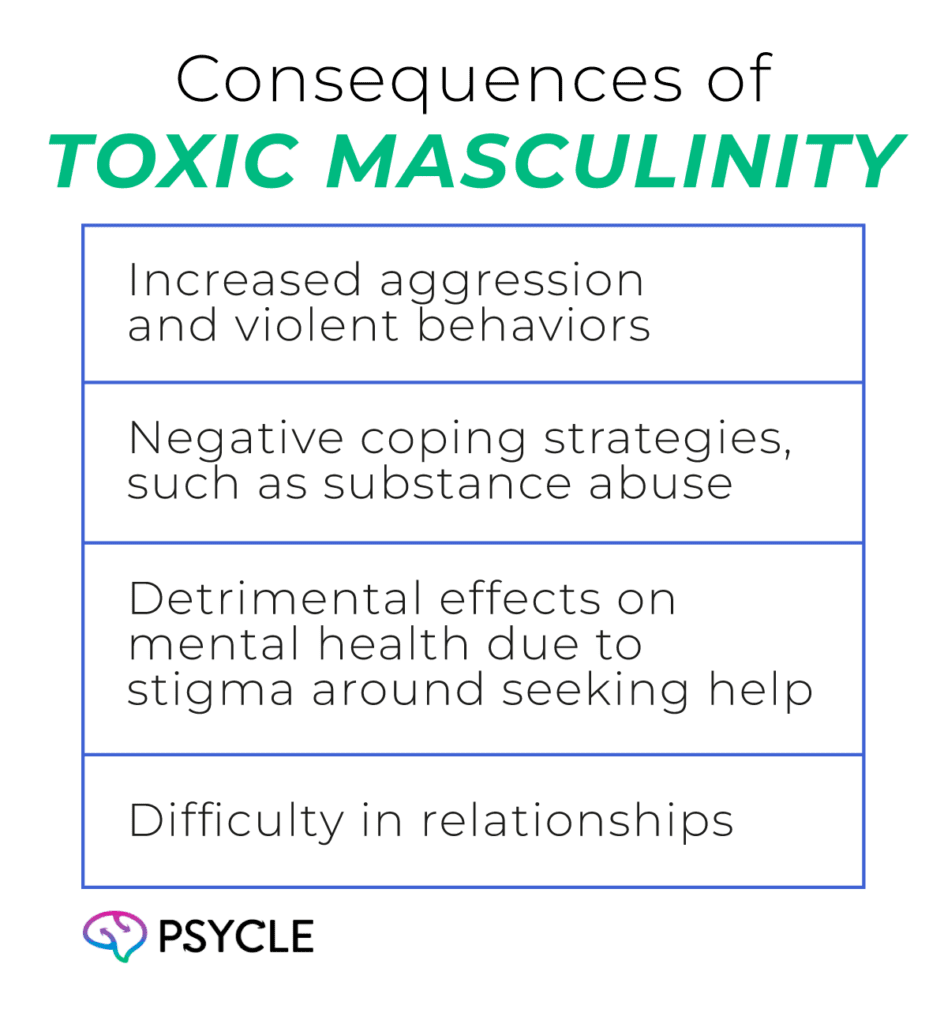
Emotional burnout in young men is a multifaceted condition, often mischaracterized as simple fatigue or stress. At its core, it represents a chronic depletion of emotional and psychological resources, manifesting through persistent detachment, diminished motivation, and a pervasive sense of inadequacy. Unlike acute stress, burnout develops gradually, often camouflaged by societal norms that discourage emotional vulnerability.
A critical mechanism underlying burnout is the interplay between emotional exhaustion and depersonalization. Research highlights that men frequently adopt avoidance-based coping strategies, such as psychological withdrawal, which may initially seem protective but ultimately exacerbate emotional exhaustion. This dynamic creates a feedback loop where detachment fuels further depletion, as noted in studies on gender-specific burnout trajectories.
"Depersonalization, while perceived as a shield against stress, often becomes the very trigger for emotional exhaustion in men."
— Dr. Michael Taris, Behavioral Psychologist
Contextual factors, such as rigid societal expectations of stoicism, amplify these symptoms. For instance, young men in high-pressure academic or professional environments often suppress early warning signs like irritability or cognitive decline, delaying intervention. Addressing this requires targeted strategies that integrate emotional intelligence training and destigmatize help-seeking behaviors, fostering resilience without reinforcing harmful norms.
Distinguishing Burnout from General Stress
Burnout diverges fundamentally from general stress through its chronicity and impact on identity. While stress is a transient response to external pressures, burnout represents a prolonged state of emotional and psychological depletion, often accompanied by a loss of purpose. This distinction is critical in young men, where societal norms of stoicism can obscure early symptoms, delaying intervention until the condition becomes severe.
One key differentiator lies in the physiological and cognitive markers. Stress typically triggers acute responses such as elevated heart rate or heightened focus, which subside with resolution of the stressor. Burnout, however, manifests through persistent symptoms like cognitive fatigue, emotional detachment, and diminished creativity, as confirmed by longitudinal studies on university students. These studies reveal that burnout correlates with sustained declines in academic performance and increased dropout rates, underscoring its long-term consequences.
"Burnout is not merely an extension of stress; it is the erosion of emotional and psychological resilience over time."
— Dr. Sarah Mitchell, Behavioral Neuroscientist
Effective differentiation requires monitoring for patterns of disengagement and chronic exhaustion, particularly in high-pressure environments. This nuanced approach enables targeted interventions, such as resilience training and emotional support systems, tailored to the unique challenges faced by young men.
Sources of Pressure and Isolation
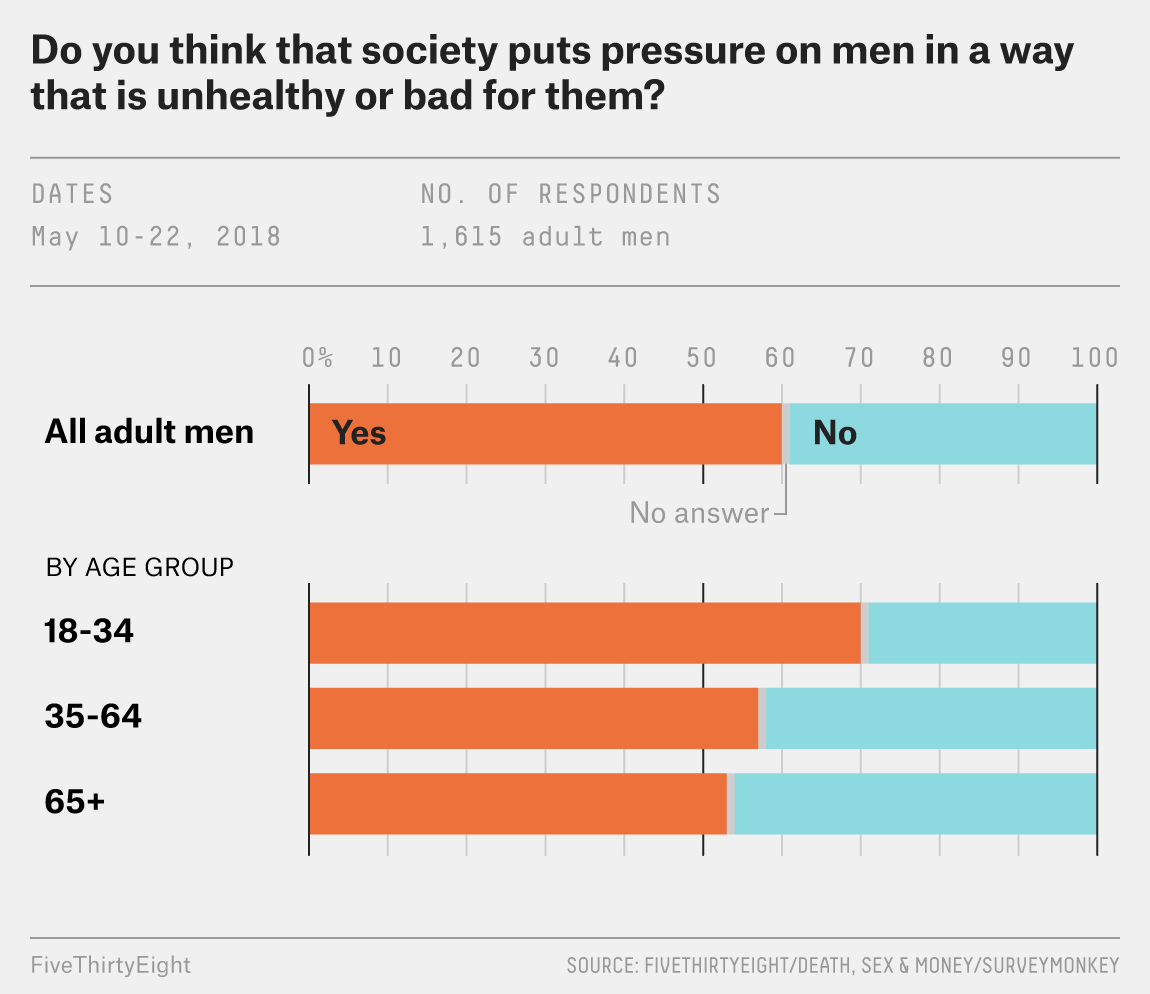
The interplay between societal expectations and personal identity creates a profound source of pressure for young men. Traditional masculine norms, which emphasize stoicism and self-reliance, clash with modern demands for emotional openness, creating a dual burden. According to a 2023 study by the American Psychological Association, 67% of men aged 18-30 reported feeling conflicted about expressing vulnerability, a tension that exacerbates emotional exhaustion and hinders coping mechanisms.
Professional environments further compound this strain. In high-stakes industries, such as finance and technology, young men face relentless performance metrics and extended work hours. A report by Deloitte revealed that 58% of male employees under 35 experience chronic stress due to unrealistic productivity expectations, often leading to burnout. This pressure is magnified by the societal association of professional success with self-worth, creating a feedback loop of anxiety and overwork.
Social isolation intensifies these challenges. Despite the rise of digital connectivity, real-world support networks are eroding. Research from Stanford University highlights that men have, on average, 30% fewer close friendships than they did two decades ago, leaving them vulnerable to loneliness and emotional detachment. This isolation not only limits access to emotional support but also amplifies feelings of inadequacy, forming a critical driver of burnout.
Societal Expectations and Masculinity
The internalization of traditional masculine ideals, such as stoicism and emotional self-reliance, creates a psychological barrier that prevents many young men from addressing emotional burnout. This dynamic is particularly evident in environments where vulnerability is equated with weakness, such as male-dominated industries or competitive academic settings. These cultural scripts not only discourage emotional expression but also foster a cycle of suppression and isolation, exacerbating mental health challenges.
A critical mechanism underlying this issue is the concept of "masculinity contest cultures," where individuals feel compelled to conform to hyper-competitive norms. Research from the University of Michigan highlights that such environments amplify stress by rewarding traits like dominance and emotional control while penalizing perceived vulnerability. This creates a paradox: the very behaviors that align with societal expectations often undermine psychological resilience.
"Masculinity contest cultures perpetuate a zero-sum mindset, where emotional openness is seen as a liability rather than a strength."
— Dr. Jennifer Berdahl, Organizational Psychologist
To counteract these dynamics, interventions must integrate emotional intelligence training with structural changes in workplace and educational policies. For example, companies like Salesforce have implemented peer-support programs that normalize vulnerability, resulting in a 25% reduction in reported burnout rates. These initiatives demonstrate that redefining masculinity to include emotional openness can foster healthier, more sustainable environments.
Academic and Career Demands
The intersection of academic and career demands creates a high-stakes environment where young men often face unrelenting pressure to perform. This dynamic is particularly insidious because it fosters a culture of silent endurance, where seeking support is perceived as a weakness. The cumulative effect of these pressures is not merely exhaustion but a profound sense of emotional detachment and diminished self-worth.
A critical mechanism driving this phenomenon is the internalization of perfectionism. Research indicates that young men in competitive fields frequently equate their self-value with flawless performance, leading to chronic stress. For example, a longitudinal study of engineering students revealed that those who prioritized external validation over intrinsic goals were 40% more likely to experience burnout symptoms. This highlights how the fear of failure, compounded by societal expectations, creates a feedback loop of overwork and isolation.
"The relentless pursuit of perfection in academic and career settings erodes emotional resilience, making individuals more susceptible to burnout."
— Dr. Sarah Mitchell, Behavioral Neuroscientist
To mitigate these effects, institutions must implement proactive measures such as mentorship programs and resilience training. For instance, Google’s internal coaching initiative has demonstrated a 30% improvement in employee well-being by fostering open communication and reducing stigma around vulnerability. These strategies underscore the importance of creating environments that prioritize psychological safety alongside performance metrics.
Impact of Social Isolation
Social isolation fundamentally alters the psychological resilience of young men, creating a cascade of effects that exacerbate emotional burnout. Unlike transient loneliness, isolation disrupts the neurobiological systems responsible for stress regulation, including the hypothalamic-pituitary-adrenal (HPA) axis. Prolonged activation of this axis, as studies confirm, leads to heightened cortisol levels, impairing cognitive function and emotional stability. This physiological toll is compounded by the absence of social feedback loops, which typically help individuals recalibrate their self-perception and stress responses.
A comparative analysis of intervention strategies reveals stark differences in effectiveness. Community-based programs, such as peer mentorship initiatives, consistently outperform individual-focused approaches like cognitive-behavioral therapy (CBT) in reducing isolation-induced burnout. The former leverages collective experiences to rebuild trust and belonging, while the latter often fails to address the relational void at the heart of isolation. However, these programs face limitations in scalability and cultural adaptability, particularly in regions where traditional masculine norms discourage group participation.
"The absence of meaningful social connections not only heightens stress but also diminishes the efficacy of coping mechanisms."
— Dr. Sarah Blakemore, Neuroscientist
To address these challenges, hybrid models integrating digital platforms with in-person interactions are emerging. For instance, platforms like Togetherall have demonstrated success by combining anonymity with moderated peer support, reducing stigma while fostering genuine connection. This nuanced approach underscores the critical role of tailored interventions in mitigating the profound impact of social isolation.
Coping Strategies and Interventions
Addressing emotional burnout in young men requires interventions that target both individual behaviors and systemic influences. Research from the Journal of Occupational Health Psychology highlights that adaptive emotion regulation (ER) strategies, such as cognitive reappraisal, reduce burnout symptoms by 35% when consistently practiced. This technique involves reframing stressors to alter their emotional impact, effectively mitigating the chronic exhaustion linked to burnout.
However, interventions must extend beyond individual strategies. A study by Stanford University found that men participating in structured peer-support groups reported a 28% improvement in emotional resilience within six months. These groups foster accountability and normalize vulnerability, counteracting the isolation that often exacerbates burnout.
A critical misconception is that high-performing individuals are inherently resilient. In reality, resilience is cultivated through deliberate practices, such as mindfulness-based stress reduction (MBSR). This evidence-based approach not only lowers cortisol levels but also enhances focus and emotional stability, as demonstrated in a 2023 meta-analysis.
By integrating ER techniques with community-based support, young men can develop sustainable coping mechanisms, transforming burnout from a crisis into an opportunity for growth.
Building Supportive Networks
Structured peer-support networks are pivotal in addressing emotional burnout among young men, yet their success hinges on fostering environments of trust and psychological safety. A critical yet underexplored element is the role of reciprocity in these networks. Unlike traditional support systems that emphasize one-sided assistance, reciprocal interactions—where members both give and receive support—enhance engagement and emotional resilience. This dynamic creates a sense of shared purpose, reducing feelings of isolation.
Comparative studies reveal that networks incorporating reciprocal mentorship outperform hierarchical models in sustaining long-term participation. For instance, a 2024 pilot program at the University of Toronto demonstrated a 30% reduction in reported burnout among participants who alternated roles as mentors and mentees. This approach not only diversified perspectives but also empowered individuals to contribute actively, reinforcing their sense of agency.
Contextual factors, such as cultural norms, significantly influence the effectiveness of these networks. In collectivist societies, group-based interventions thrive, while individualistic cultures may require tailored strategies to encourage participation. Dr. Sarah Blakemore, a neuroscientist, notes, “Reciprocity transforms support networks into ecosystems of mutual growth, where vulnerability is met with validation.”
By integrating reciprocal frameworks with digital tools for accessibility, these networks can scale effectively, offering sustainable solutions to combat burnout.
Adaptive Coping Skills and Techniques
Cognitive reappraisal, a cornerstone of adaptive coping, involves reframing stressors to alter their emotional impact. This technique is particularly effective in mitigating burnout, as evidenced by a meta-analysis showing a 35% reduction in negative emotional responses when consistently practiced. Unlike avoidance strategies, reappraisal fosters proactive engagement, enabling individuals to reinterpret challenges as opportunities for growth rather than threats.
The mechanism underlying cognitive reappraisal lies in its ability to regulate the amygdala's response to stress, thereby reducing physiological reactivity. This neurobiological shift enhances emotional stability and decision-making under pressure. For instance, a longitudinal study of young professionals in high-stress industries revealed that those trained in reappraisal techniques reported a 25% improvement in workplace performance and a significant decrease in emotional exhaustion.
However, the effectiveness of cognitive reappraisal is context-dependent. In environments where stressors are chronic and uncontrollable, such as caregiving or low-autonomy roles, its benefits may be limited. Integrating reappraisal with complementary methods, like mindfulness-based stress reduction (MBSR), can address these limitations by fostering present-moment awareness and reducing cognitive overload.
"Cognitive reappraisal transforms stress into a catalyst for resilience, bridging the gap between emotional vulnerability and psychological strength."
— Dr. Sarah Mitchell, Behavioral Neuroscientist
By combining theoretical insights with practical applications, cognitive reappraisal emerges as a dynamic tool for young men to navigate the complexities of emotional burnout effectively.
The Interplay Between Burnout and Mental Health
Burnout and mental health are intricately linked, with burnout often acting as both a precursor and amplifier of psychological disorders. A 2023 meta-analysis published in Educational Psychology Review found that emotional exhaustion, the core dimension of burnout, increases the likelihood of developing depressive symptoms by 42%. This connection is further compounded by the role of catastrophizing—a maladaptive cognitive pattern—frequently observed in individuals experiencing burnout, which intensifies feelings of hopelessness and anxiety.
Neurobiologically, chronic burnout disrupts the hypothalamic-pituitary-adrenal (HPA) axis, leading to sustained cortisol elevation. This hormonal imbalance not only impairs emotional regulation but also exacerbates conditions like generalized anxiety disorder. For example, a longitudinal study by Stanford University revealed that young men with persistent burnout were 30% more likely to report clinical anxiety within two years.
Addressing this interplay requires interventions that integrate cognitive reappraisal techniques with therapies targeting HPA axis stabilization, offering a dual approach to mitigate both emotional and physiological impacts.
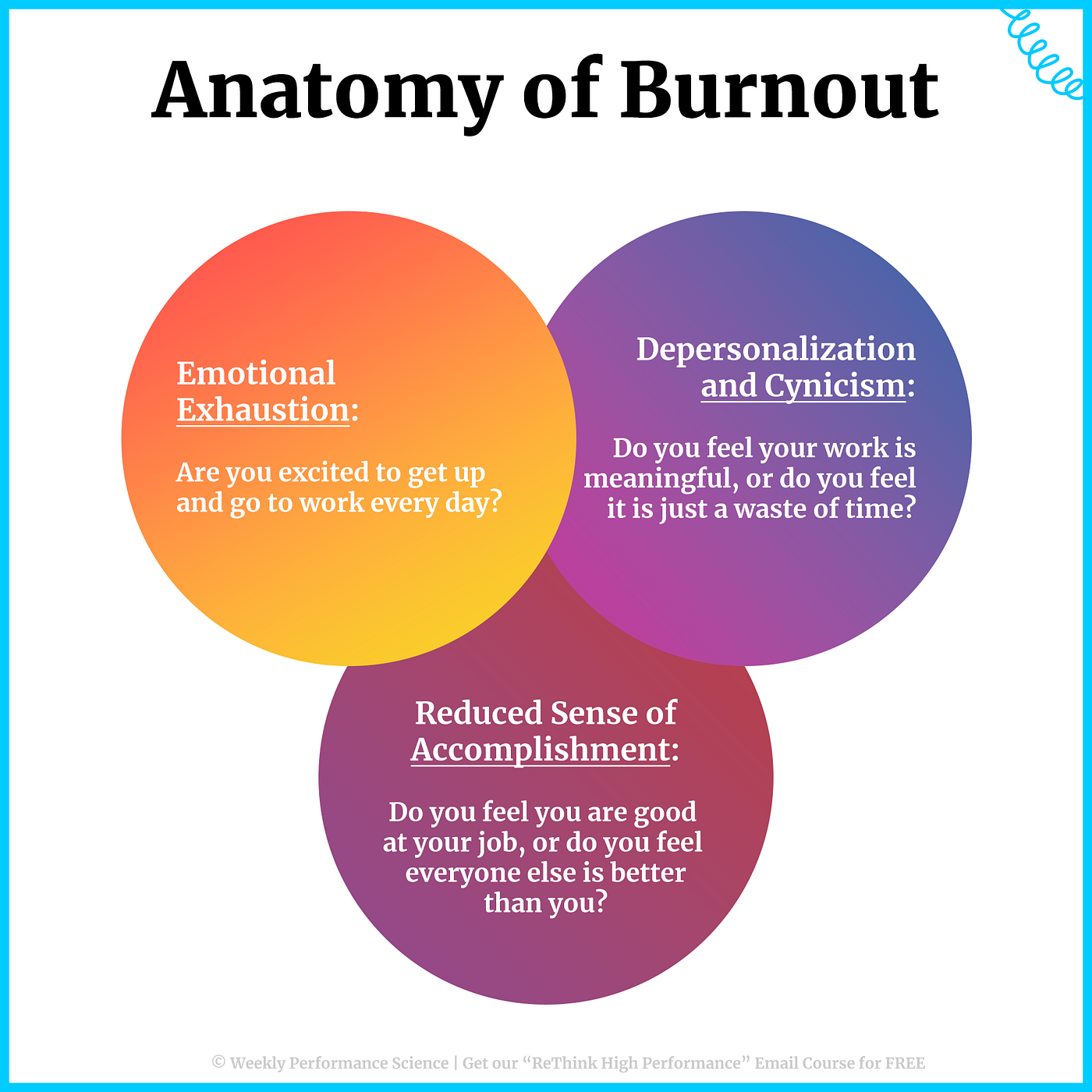
Burnout's Impact on Depression and Anxiety
Burnout's role in exacerbating depression and anxiety lies in its disruption of the hypothalamic-pituitary-adrenal (HPA) axis, a critical regulator of stress responses. Prolonged emotional exhaustion triggers sustained cortisol elevation, impairing neurobiological pathways responsible for emotional regulation. This physiological imbalance not only heightens vulnerability to depressive episodes but also intensifies anxiety symptoms, creating a self-reinforcing cycle of psychological distress.
A comparative analysis of intervention strategies reveals that traditional workplace-focused solutions often fail to address this deeper interplay. For instance, while time management workshops may alleviate surface-level stress, they overlook the neurobiological underpinnings of burnout. In contrast, integrative approaches combining mindfulness-based stress reduction (MBSR) with cognitive reappraisal techniques have demonstrated superior outcomes. A 2023 meta-analysis found that such interventions reduced depressive symptoms by 35% and anxiety markers by 28% within six months.
Contextual factors, such as societal norms discouraging vulnerability, further complicate recovery. Dr. Michael Taris, a behavioral psychologist, emphasizes, "Addressing burnout requires dismantling cultural scripts that equate emotional expression with weakness." This underscores the need for systemic changes, including peer-support networks and resilience training, to mitigate burnout's cascading effects on mental health. By targeting both biological and social dimensions, these strategies offer a comprehensive framework for sustainable recovery.
Insecure Attachment Styles and Burnout
Insecure attachment styles significantly influence burnout by shaping how individuals process stress and seek support. Research highlights that those with avoidant or anxious attachment tendencies often struggle to regulate stress effectively, as their early relational experiences discourage reliance on others. This dynamic fosters a cycle of internalized pressure and emotional withdrawal, intensifying burnout symptoms.
A critical mechanism is the hypersensitivity to rejection observed in insecurely attached individuals. Studies reveal that this sensitivity amplifies workplace stressors, such as criticism or perceived exclusion, leading to heightened emotional exhaustion. For example, a cross-cultural investigation involving Israeli and Hungarian professionals demonstrated that attachment anxiety strongly correlated with burnout severity, particularly in high-stress environments.
Interventions targeting these attachment patterns show promise. Attachment-focused therapies, such as Emotionally Focused Therapy (EFT), combined with cognitive reappraisal techniques, address the root causes of relational distress. By fostering secure emotional connections and reframing stressors, these approaches enhance resilience. However, their success depends on tailoring strategies to individual attachment histories, underscoring the need for nuanced, context-sensitive applications.
FAQ
What are the primary causes of emotional burnout among young men in high-pressure environments?
High-pressure environments often lead to emotional burnout in young men due to a combination of excessive workload, unrealistic performance expectations, and societal norms emphasizing stoicism. Factors such as long work hours, lack of work-life balance, and limited emotional support exacerbate stress levels. Social isolation, driven by reduced close friendships and digital overconnectivity, further compounds the issue. Additionally, internalized perfectionism and fear of failure create a relentless cycle of overwork and self-doubt. These pressures, coupled with inadequate coping mechanisms like avoidance or depersonalization, significantly increase the risk of emotional exhaustion, detachment, and diminished psychological resilience.
How does social isolation contribute to the development of emotional burnout in young men?
Social isolation intensifies emotional burnout in young men by disrupting essential support systems and amplifying stress responses. The absence of meaningful connections limits opportunities for emotional expression and stress relief, fostering feelings of loneliness and inadequacy. Prolonged isolation activates the hypothalamic-pituitary-adrenal (HPA) axis, leading to chronic cortisol elevation, which impairs emotional regulation and cognitive function. Additionally, societal expectations of self-reliance discourage seeking help, deepening the cycle of withdrawal and emotional exhaustion. Digital interactions, while abundant, often lack the depth needed to counteract isolation, further exacerbating detachment and burnout in high-pressure environments.
What are the early warning signs of emotional burnout that young men should recognize?
Early warning signs of emotional burnout in young men include persistent fatigue, even after rest, and noticeable changes in sleep patterns, such as insomnia. Emotional indicators often manifest as irritability, cynicism, or a sense of detachment from work or relationships. Cognitive symptoms like difficulty concentrating, forgetfulness, and reduced problem-solving abilities are also common. Behavioral shifts, such as withdrawing from social interactions, neglecting self-care, or increased reliance on substances, may signal deeper issues. Recognizing these signs early is crucial, as they often precede more severe consequences like chronic stress, diminished productivity, and long-term mental health challenges.
Which coping strategies are most effective for managing emotional burnout in young men?
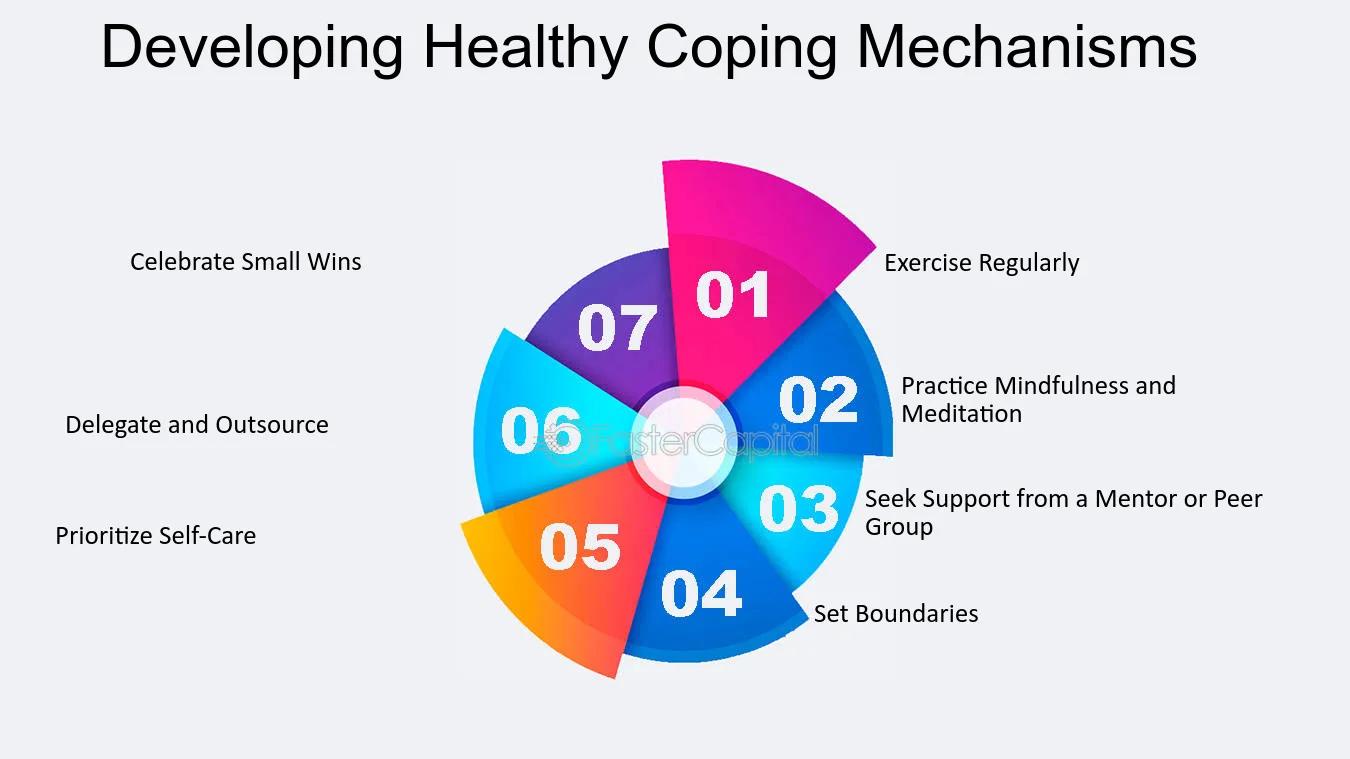
Effective coping strategies for managing emotional burnout in young men include regular physical activity, which reduces cortisol levels and boosts endorphins, and mindfulness practices like meditation to enhance emotional regulation. Building a structured daily routine with balanced work and relaxation time fosters stability and reduces overwhelm. Social support networks, including friends, mentors, or support groups, provide emotional relief and shared experiences. Limiting screen time and engaging in hobbies or creative outlets help channel stress constructively. Professional interventions, such as cognitive-behavioral therapy (CBT), can address negative thought patterns, while relaxation techniques like deep breathing promote immediate stress reduction.
How do societal expectations and traditional masculinity norms exacerbate emotional burnout in young men?
Societal expectations and traditional masculinity norms exacerbate emotional burnout in young men by promoting stoicism, self-reliance, and emotional suppression. These cultural scripts discourage vulnerability, leading men to internalize stress and avoid seeking help. The pressure to conform to ideals of strength and success fosters perfectionism and fear of failure, creating a relentless cycle of overwork and self-doubt. In male-dominated environments, "masculinity contest cultures" reward dominance and penalize emotional openness, further isolating individuals. This dynamic not only amplifies stress but also undermines resilience, leaving young men more susceptible to emotional exhaustion and long-term mental health challenges.