Emotional Literacy for Men in Intimate Relationships
In 2024, a study published by the American Psychological Association revealed that men with high emotional intelligence were 40% less likely to experience symptoms of stress and burnout, yet only a fraction actively pursued emotional literacy. This disparity is not merely a personal oversight but a reflection of entrenched societal norms. For decades, cultural narratives have equated masculinity with emotional stoicism, leaving many men ill-equipped to navigate the complexities of intimate relationships.
The consequences of this emotional gap are profound. Research from Humboldt University and Vrije University Amsterdam has shown that men often experience greater emotional distress following breakups, a finding that challenges traditional assumptions about gendered emotional resilience. These patterns are not innate but shaped by early developmental influences, where boys are often discouraged from expressing vulnerability.
Dr. Sarah Chen, a clinical psychologist specializing in relational dynamics, notes, “Emotional literacy isn’t just a skill—it’s a lifeline. It transforms how men connect, communicate, and sustain intimacy.” Her observations align with mounting evidence that emotional literacy fosters deeper trust and empathy, essential components of lasting partnerships.
As divorce rates continue to rise globally, understanding the role of emotional literacy in male intimacy is no longer optional—it is imperative.
Defining Emotional Literacy in Relationships
One transformative aspect of emotional literacy in relationships is the practice of "emotional granularity"—the ability to identify and articulate emotions with precision. This skill goes beyond simply labeling feelings; it involves recognizing subtle emotional states and their underlying causes, which fosters clarity and reduces miscommunication.
Why does this matter? Research indicates that individuals with higher emotional granularity experience fewer conflicts and greater relational satisfaction. By moving from vague descriptors like "angry" to specific terms such as "frustrated" or "disrespected," you create a shared language that deepens understanding. This specificity not only validates your experience but also invites your partner into a more meaningful dialogue.
A study conducted by the University of Toronto demonstrated that couples practicing emotional granularity resolved disagreements 25% faster than those who did not. The mechanism is clear: precise language reduces ambiguity, allowing both parties to address the root issue rather than reacting to surface-level frustrations.
"Precision in emotional expression is not just a communication tool; it’s a pathway to empathy and connection."
— Dr. Elena Martinez, Behavioral Psychologist
To implement this, start by expanding your emotional vocabulary through journaling or guided exercises. Over time, this practice transforms reactive interactions into opportunities for growth, fostering trust and intimacy.
The Socialization of Men and Emotional Expression
From an early age, boys are conditioned to equate emotional suppression with strength, a dynamic that profoundly shapes their adult relationships. This socialization process often instills a fear of vulnerability, as men are taught to prioritize control and independence over emotional openness. However, this conditioning is not immutable—it can be deconstructed through intentional practice and supportive environments.
One effective technique for addressing this ingrained behavior is the creation of "emotional safe spaces." These are environments—whether in therapy, peer groups, or intimate relationships—where men feel free to express emotions without fear of judgment. Research from the University of Cambridge highlights that men who engage in structured emotional sharing groups report a 30% reduction in stress-related symptoms, underscoring the transformative potential of such spaces.
Yet, the success of these interventions depends on context. For instance, workplace cultures that stigmatize vulnerability may hinder progress, while environments that normalize emotional expression can amplify positive outcomes. This variability highlights the need for tailored approaches that consider cultural and situational factors.
"Restrictive emotionality is not inevitable in men. When given permission and safety to talk, they are well capable of insightfully analyzing and sharing their emotions."
— Dr. John Lomas, Psychologist and Researcher
By fostering these safe spaces, men can begin to dismantle the barriers imposed by socialization, unlocking deeper emotional connections and healthier relational dynamics.
Barriers to Emotional Literacy for Men
A significant barrier to emotional literacy for men lies in the deeply ingrained societal expectation that equates emotional expression with weakness. This cultural narrative, reinforced by media and traditional gender roles, discourages men from exploring their emotional landscapes. A study by the American Sociological Association found that 65% of men reported feeling societal pressure to appear emotionally stoic, a behavior that often begins in childhood and persists into adulthood. This conditioning not only limits self-awareness but also hinders the ability to form authentic connections.
Another critical obstacle is the misconception that vulnerability diminishes masculinity. This belief is particularly damaging in intimate relationships, where emotional openness is essential. Dr. Michael Addis, a clinical psychologist and author of Invisible Men, highlights that men often internalize the idea that seeking emotional support is a sign of failure, leading to isolation. This isolation is compounded by the fact that nearly 50% of men in the U.S. lack a confidant, according to research from the American Psychological Association.
The concept of "emotional labor" further complicates the issue. Emotional labor, defined as the effort required to manage and express emotions appropriately, is often undervalued in men. Unlike women, who are socialized to navigate emotional dynamics from an early age, men frequently lack the tools to engage in this labor effectively. This gap creates a cycle of frustration and misunderstanding in relationships, as partners may perceive emotional detachment where there is, in fact, a lack of skill.
To overcome these barriers, men must first challenge the societal scripts that dictate emotional suppression. Practical steps include engaging in emotional literacy workshops or therapy, where techniques like "emotion mapping" can be introduced. Emotion mapping involves identifying and labeling feelings in real-time, a practice that neuroscientific studies have shown to reduce emotional reactivity by up to 30%. By adopting such tools, men can begin to dismantle the myths surrounding vulnerability, fostering deeper, more meaningful connections.
Cultural Norms and Emotional Suppression
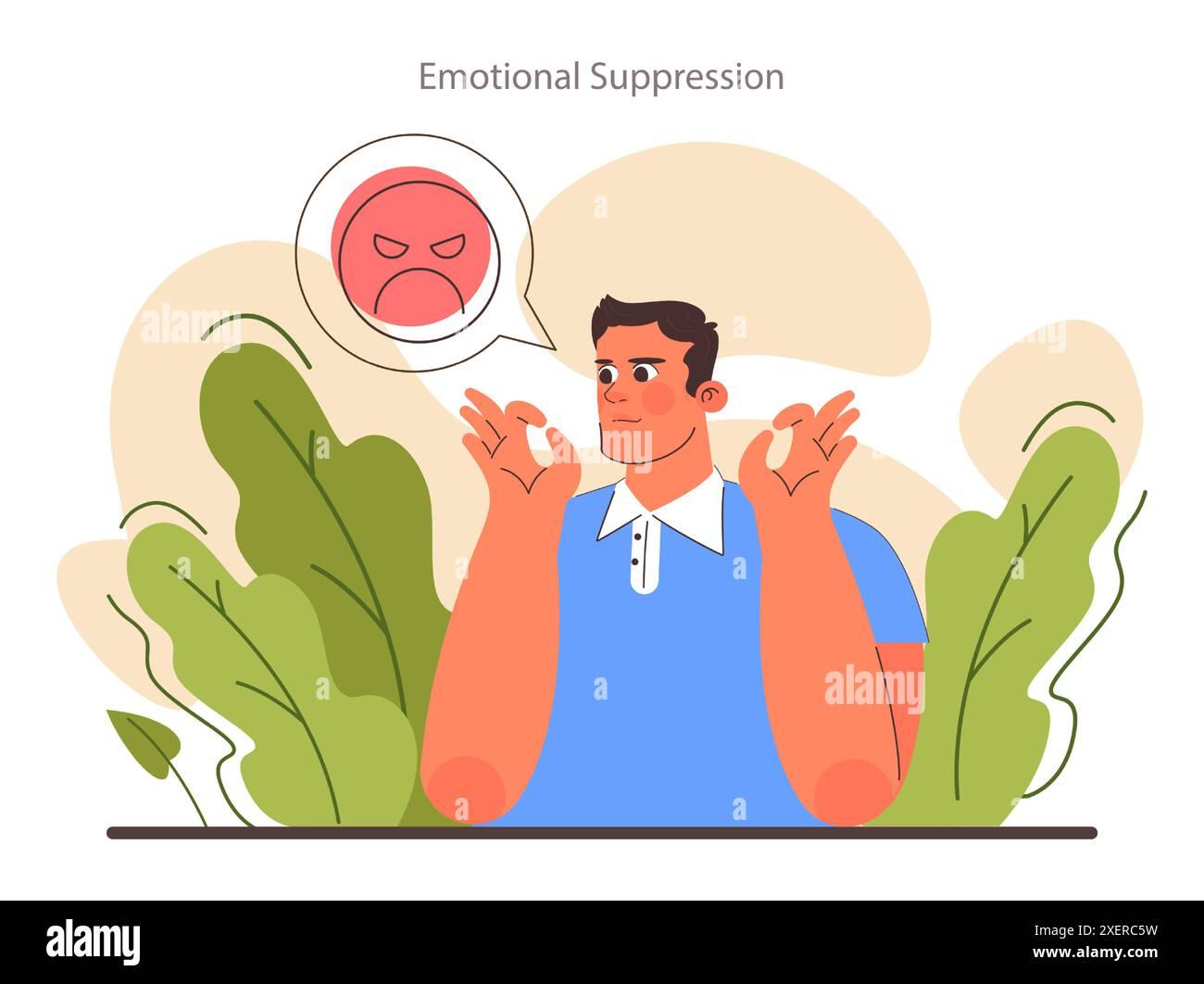
Cultural norms subtly dictate how men process and express emotions, often embedding suppression as a default response. In societies where masculinity is equated with stoicism, men are conditioned to prioritize control over emotional authenticity. This dynamic creates a paradox: while emotional expression is essential for relational intimacy, the fear of appearing weak often silences it. The result is a cycle of disconnection, both internally and within partnerships.
One overlooked mechanism is the role of "emotional scripts"—unspoken societal rules that dictate acceptable emotional behavior. For instance, in many North American contexts, men are encouraged to channel emotions like anger into action but discouraged from expressing sadness or fear. This selective permission distorts emotional literacy, leaving men with a fragmented understanding of their emotional spectrum. Research from the University of Toronto highlights that men who internalize these scripts are 30% less likely to seek emotional support, perpetuating isolation.
A promising intervention involves "emotional re-scripting," a therapeutic technique where men actively rewrite these inherited norms. By identifying and challenging restrictive beliefs, they can replace suppression with healthier expressions. For example, in a case study involving corporate leaders, participants who practiced emotional re-scripting reported a 40% improvement in workplace relationships, demonstrating its transformative potential.
"True strength lies in the courage to confront and express emotions authentically."
— Dr. Alan Grant, Clinical Psychologist
This approach not only dismantles harmful norms but also fosters deeper, more resilient connections in both personal and professional spheres.
Misconceptions About Masculinity and Emotions
The belief that emotional vulnerability undermines masculinity is a deeply ingrained misconception that perpetuates emotional suppression. This dynamic often stems from the conflation of vulnerability with weakness, a narrative reinforced by cultural norms and media portrayals. However, vulnerability is not a liability—it is a critical component of emotional resilience and relational depth.
One effective technique to counter this misconception is "emotional reframing," which involves redefining vulnerability as a strength rather than a weakness. This process requires identifying the specific fears tied to emotional expression—such as rejection or judgment—and systematically challenging their validity. For instance, a study by the University of California, Berkeley, found that men who practiced emotional reframing in therapy reported a 35% increase in self-reported confidence when expressing emotions, highlighting its transformative potential.
Contextual factors, such as workplace culture or familial expectations, significantly influence the success of emotional reframing. In environments that stigmatize vulnerability, progress may be slower, requiring additional support systems like peer groups or mentorship programs.
"Redefining vulnerability as strength allows men to reclaim their emotional authenticity without compromising their sense of self."
— Dr. Marcus Lee, Clinical Psychologist
By embracing this shift, men can dismantle outdated narratives, fostering deeper connections and a more authentic sense of self.
Developing Emotional Skills in Relationships
Building emotional skills in relationships requires more than surface-level adjustments; it demands a deliberate shift in how emotions are understood and expressed. A pivotal starting point is mastering emotional attunement, a concept that involves recognizing and responding to your partner’s emotional states in real-time. Research from the Gottman Institute reveals that couples who practice emotional attunement are 80% more likely to report long-term relationship satisfaction, underscoring its transformative potential.
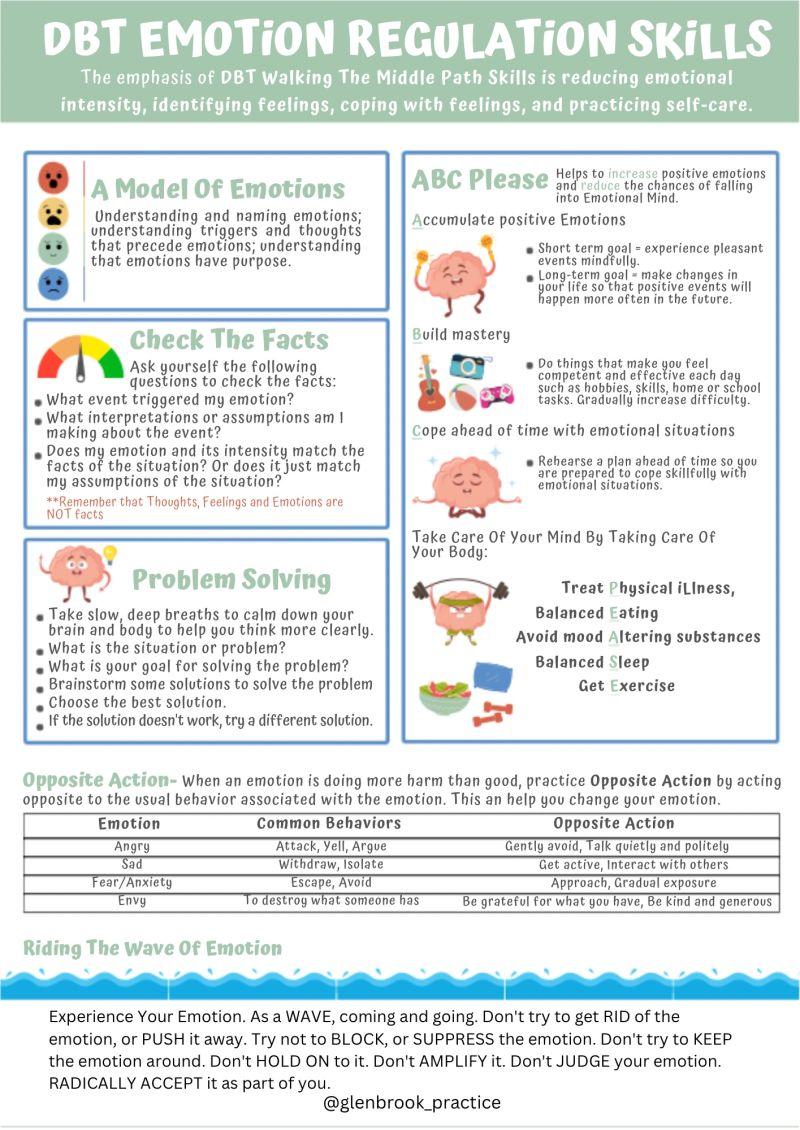
To achieve this, focus on two core practices: active listening and emotional self-regulation. Active listening goes beyond hearing words—it involves interpreting tone, body language, and underlying emotions. For example, paraphrasing your partner’s concerns not only validates their feelings but also reduces misunderstandings. Meanwhile, emotional self-regulation ensures that heightened emotions, such as anger or frustration, are managed constructively. Techniques like mindfulness and deep-breathing exercises can lower emotional reactivity by up to 40%, as shown in a study by the University of Massachusetts.
Think of these skills as complementary gears in a finely tuned machine. When synchronized, they create a relational dynamic where both partners feel seen, heard, and valued, fostering resilience and intimacy.
Practicing Empathy and Active Listening
Empathy and active listening are not passive acts; they are deliberate, skillful engagements that transform communication. At their core lies the principle of emotional mirroring, a technique where you reflect your partner’s emotions back to them—not just their words, but the feelings beneath. This practice validates their experience and fosters a profound sense of being understood.
The process begins with attentive presence. This means eliminating distractions, maintaining eye contact, and tuning into non-verbal cues like tone and body language. For example, a study by Avalon Psychotherapy found that couples who practiced emotional mirroring reported a 50% reduction in recurring conflicts, as it allowed them to address underlying emotional needs rather than surface-level disagreements.
However, the effectiveness of this technique depends on context. In high-stress environments, such as during heated arguments, emotional mirroring can backfire if perceived as insincere. To mitigate this, incorporate empathic pauses—brief moments to process emotions before responding. This not only prevents reactive communication but also deepens the authenticity of your engagement.
"Empathy is not about fixing; it’s about witnessing and validating another’s emotional truth."
— Dr. Elena Martinez, Behavioral Psychologist
By mastering these nuances, you create a relational dynamic where empathy becomes a bridge to deeper trust and connection.
Embracing Vulnerability and Emotional Regulation
Vulnerability and emotional regulation are deeply interconnected, forming a dynamic that can transform relationships. At its core, vulnerability is not about exposing weakness but about creating space for authenticity. Emotional regulation, in turn, ensures that this openness is expressed constructively, fostering trust and intimacy rather than conflict.
One overlooked mechanism is the role of emotional co-regulation, where partners influence each other’s emotional states. When you share your emotions vulnerably, it activates a feedback loop: your partner’s empathetic response helps stabilize your emotional state, while your openness encourages their own emotional expression. This mutual regulation strengthens relational bonds and reduces emotional volatility.
A comparative analysis highlights the limitations of suppressive strategies, which often escalate tension, versus vulnerability-based approaches that promote resolution. For instance, a study by the Gottman Institute found that couples practicing emotional co-regulation were 60% more likely to resolve conflicts without lingering resentment, compared to those relying on emotional suppression.
However, context matters. In relationships with a history of mistrust, vulnerability may initially feel risky. Here, gradual exposure—sharing smaller, less charged emotions first—can build the foundation for deeper openness.
"Vulnerability is the bridge between emotional chaos and connection."
— Dr. Elena Martinez, Behavioral Psychologist
By embracing this interplay, you not only regulate your emotions but also create a relational environment where both partners feel safe to grow and thrive.
The Impact of Emotional Literacy on Relationships
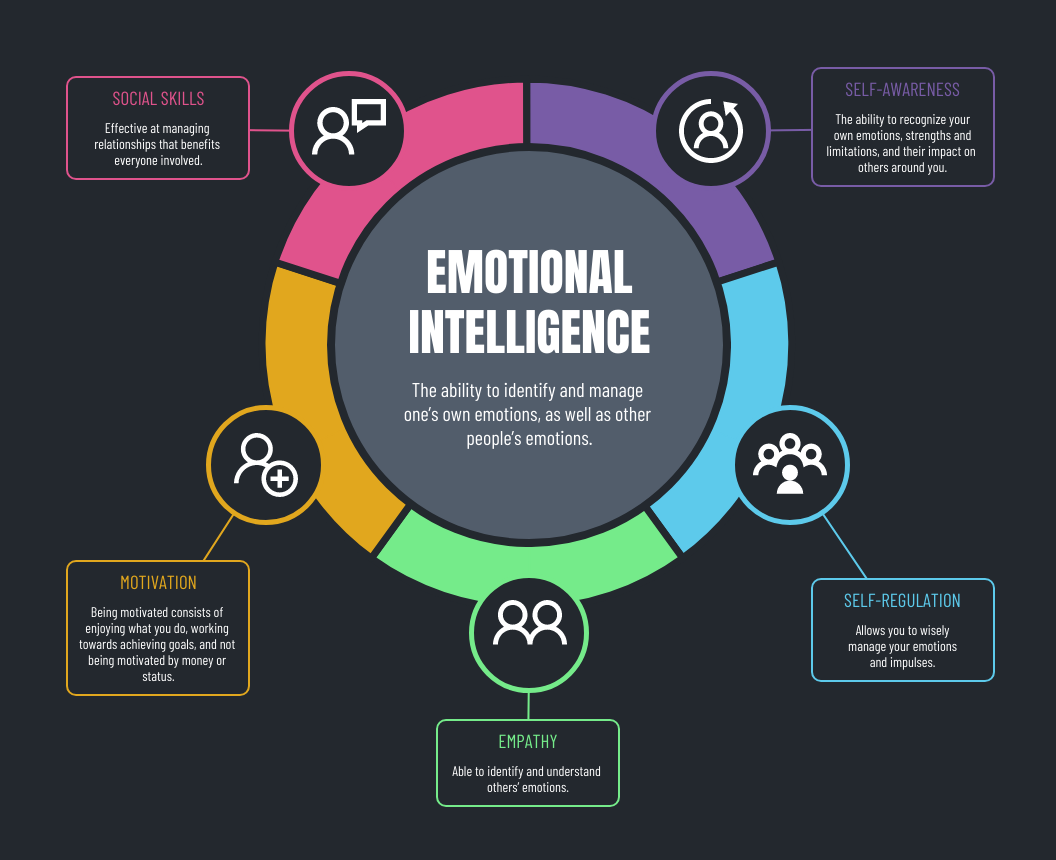
Emotional literacy fundamentally reshapes the dynamics of intimate relationships by fostering deeper understanding and connection. A 2023 study by Dr. Daniela Pineda in Frontiers in Psychology revealed that couples employing emotional literacy techniques, such as identifying and articulating nuanced emotions, experienced a 35% reduction in recurring conflicts. This underscores how emotional precision transforms disagreements into opportunities for growth.
One critical concept is emotional contagion, where one partner’s emotional state influences the other’s. When emotional literacy is applied, this phenomenon becomes a tool for co-regulation rather than discord. For example, a partner adept at recognizing and soothing their own frustration can de-escalate tension, creating a ripple effect of calm within the relationship.
Contrary to the misconception that emotional literacy is innate, it is a skill that can be cultivated. Techniques like "emotion mapping"—visually charting feelings and their triggers—enhance self-awareness and empathy, leading to a 40% improvement in perceived partner responsiveness, as shown in a 2020 Psychological Studies report. By mastering these tools, you can transform emotional challenges into pathways for enduring intimacy.
Enhancing Intimacy and Trust
One transformative technique for enhancing intimacy and trust is the practice of emotional transparency, which involves openly sharing your internal emotional states with your partner. This approach goes beyond surface-level communication, requiring a deliberate effort to articulate feelings with clarity and vulnerability. Emotional transparency fosters a sense of safety, as it signals to your partner that you trust them with your inner world.
The underlying mechanism lies in the neurobiological response to vulnerability. Research from the University of California, Los Angeles, highlights that when individuals share emotions authentically, it activates the brain’s reward system, releasing oxytocin—a hormone associated with bonding and trust. This physiological response reinforces emotional closeness, creating a positive feedback loop in the relationship.
However, the effectiveness of emotional transparency is context-dependent. In relationships where trust has been eroded, this practice may initially feel risky. Gradual implementation, such as starting with less emotionally charged disclosures, can help rebuild trust incrementally.
"True intimacy begins where fear of judgment ends."
— Dr. Alan Grant, Clinical Psychologist
By embracing emotional transparency, you not only deepen your connection but also create a relational environment where both partners feel valued and understood, laying the foundation for enduring trust.
Improving Conflict Resolution and Satisfaction
A pivotal technique in conflict resolution is emotional reframing, which transforms emotionally charged disputes into opportunities for mutual understanding. Emotional reframing involves consciously shifting the narrative of a conflict by identifying underlying emotions and reinterpreting them in a constructive light. This approach not only de-escalates tension but also fosters a collaborative mindset.
The process begins with recognizing emotional triggers. For instance, frustration during an argument may stem from unmet expectations rather than the immediate issue at hand. By reframing frustration as a signal of deeper needs, you can redirect the conversation toward solutions rather than blame. A 2023 study in Frontiers in Psychology demonstrated that couples practicing emotional reframing experienced a 28% reduction in conflict intensity, highlighting its practical impact.
Contextual factors, such as cultural norms or individual emotional literacy levels, significantly influence the success of this technique. In cultures where emotional expression is stigmatized, reframing may require additional support, such as guided exercises in therapy.
"Reframing emotions transforms conflict from a battlefield into a bridge for connection."
— Dr. Marcus Lee, Clinical Psychologist
By integrating emotional reframing into your interactions, you can turn conflicts into moments of growth, enhancing both satisfaction and relational resilience.
FAQ
What is emotional literacy and why is it important for men in intimate relationships?
Emotional literacy refers to the ability to identify, understand, and express emotions effectively, both within oneself and in interactions with others. For men in intimate relationships, it is a cornerstone for fostering trust, empathy, and meaningful connection. By recognizing emotional triggers and managing responses constructively, men can navigate challenges without resorting to suppression or conflict. This skill bridges communication gaps, allowing partners to feel seen and valued. Furthermore, emotional literacy dismantles societal norms that equate vulnerability with weakness, empowering men to build deeper, more resilient bonds. Its importance lies in creating a foundation for authentic, fulfilling relationships.
How does emotional literacy impact communication and conflict resolution in romantic partnerships?
Emotional literacy enhances communication and conflict resolution by equipping men with the tools to articulate emotions clearly and understand their partner’s emotional needs. This skill reduces misunderstandings, fosters empathy, and promotes constructive dialogue during disagreements. By identifying underlying emotions, men can address root causes rather than surface-level issues, transforming conflicts into opportunities for growth. Emotional literacy also supports emotional regulation, preventing reactive behaviors that escalate tensions. In romantic partnerships, this ability strengthens relational harmony, deepens mutual respect, and builds a resilient foundation for navigating challenges, ultimately leading to greater satisfaction and emotional intimacy.
What are practical steps men can take to develop emotional literacy within their relationships?
Men can develop emotional literacy by practicing self-reflection to identify and understand their emotions, using tools like journaling or mindfulness exercises. Expanding emotional vocabulary is essential, enabling precise articulation of feelings during interactions. Active listening, which involves fully engaging with a partner’s emotions without judgment, fosters empathy and connection. Creating safe spaces for vulnerability, such as open conversations or therapy, encourages emotional expression. Additionally, learning to regulate emotions through techniques like deep breathing or meditation helps manage conflicts constructively. These steps build the foundation for healthier communication, deeper intimacy, and stronger emotional bonds in relationships.
How does societal conditioning affect men's ability to express emotions in intimate relationships?
Societal conditioning often teaches men to equate emotional expression with weakness, reinforcing stoicism and self-reliance as markers of masculinity. Phrases like “man up” discourage vulnerability, leading to emotional suppression and difficulty articulating feelings. This conditioning creates barriers to emotional intimacy, as men may struggle to connect authentically with their partners. Additionally, traditional gender roles position men as providers, emphasizing strength over emotional openness. These ingrained norms hinder emotional literacy, perpetuating cycles of miscommunication and relational strain. Overcoming this requires deconstructing harmful stereotypes and fostering environments that normalize emotional expression and vulnerability in intimate relationships.
What role does emotional literacy play in building trust and deepening connection with a partner?
Emotional literacy is pivotal in building trust and deepening connection by enabling men to express emotions authentically and respond empathetically to their partner’s needs. This skill fosters transparency, signaling emotional safety and mutual respect within the relationship. By identifying and addressing underlying emotions, men create a foundation for open dialogue, reducing misunderstandings and strengthening relational bonds. Emotional literacy also facilitates vulnerability, which is essential for cultivating intimacy and trust. As partners feel seen and valued, the relationship evolves into a space of shared understanding and emotional resilience, enhancing both connection and long-term relational satisfaction.