Fathers, Sons, and Emotional Inheritance: A Male Perspective
In 2019, a study by the National Institute of Mental Health revealed that men who experienced emotional neglect in childhood were 2.5 times more likely to develop severe depressive disorders in adulthood. Yet, the mechanisms behind this stark statistic remain deeply entwined with the unspoken dynamics of father-son relationships. For many men, the father is both a mirror and a mold—reflecting societal expectations of masculinity while shaping the emotional frameworks they carry into their own lives.
Dr. Anne Cleary, a leading researcher on masculinity and mental health, has argued that the cultural script of emotional stoicism passed from fathers to sons often acts as a double-edged sword. “It’s not just about what fathers say or do,” Cleary notes, “but what they leave unsaid—those silences can be deafening.”
This intergenerational inheritance of emotional restraint doesn’t merely shape individual lives; it reverberates across communities, influencing everything from mental health outcomes to patterns of male suicide.
The Concept of Emotional Inheritance
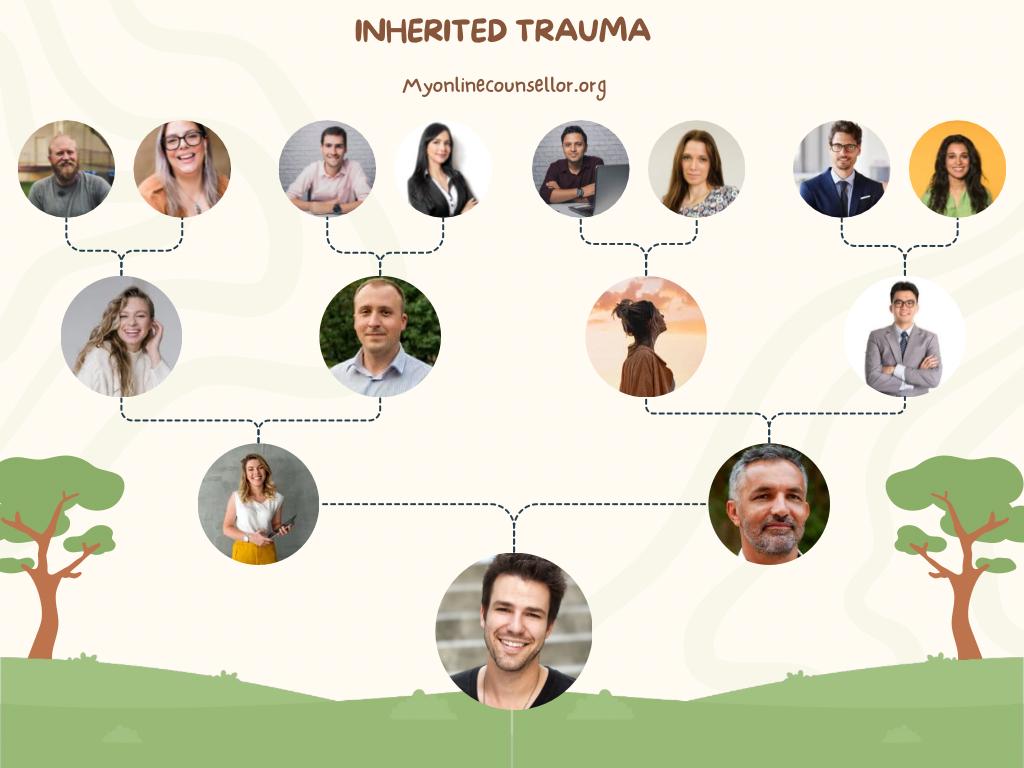
Emotional inheritance operates as a silent architect of identity, embedding itself through mechanisms that are both genetic and behavioral. One particularly nuanced aspect is the role of epigenetics in transmitting trauma. Research indicates that stress-induced changes in gene expression can be passed down, altering how sons respond to emotional stimuli. This biological imprint intertwines with learned behaviors, creating a dual pathway of influence.
Contextual factors, such as cultural norms around masculinity, amplify these inherited patterns. In societies where emotional expression is stigmatized, sons often mirror their fathers’ stoicism, perpetuating cycles of emotional suppression. However, this dynamic is not immutable. Techniques like Internal Family Systems (IFS) therapy have shown promise in disentangling inherited emotional burdens. By identifying and addressing "legacy burdens," individuals can disrupt these cycles.
"What a man does not heal, he hands down. Silence is not strength, it is inheritance."
— Mark Varkevisser, Emotional Inheritance Researcher
A case study involving a men’s group in Toronto revealed that participants who engaged in guided journaling and group discussions reported a 40% reduction in perceived emotional distress. This underscores the transformative potential of awareness and intentional action in reshaping inherited emotional legacies.
Unconscious Influences on Male Identity
The unconscious transmission of emotional patterns often begins with subtle, formative interactions. A father’s nonverbal cues—his tone during moments of stress, his posture in conflict, or his silence in vulnerability—become an unspoken curriculum for his son. These micro-experiences, repeated over years, shape the son’s implicit understanding of masculinity and emotional expression.
One critical mechanism is the concept of "emotional absorption," where children internalize not just behaviors but the emotional energy of their caregivers. Studies on epigenetic markers reveal that chronic stress in fathers can alter gene expression in offspring, predisposing them to heightened anxiety or emotional reactivity. This biological inheritance intertwines with behavioral modeling, creating a layered influence on identity.
A comparative analysis of therapeutic approaches highlights the efficacy of somatic experiencing over traditional talk therapy in addressing these unconscious imprints. While talk therapy often focuses on cognitive reframing, somatic methods target the body’s stored emotional memory, offering a direct pathway to release inherited tension.
"The body remembers what the mind forgets, and healing begins when we listen to its story."
— Dr. Peter Levine, Trauma Specialist
By integrating somatic techniques with narrative exploration, practitioners can help clients reframe inherited patterns, transforming unconscious legacies into conscious choices.
The Father-Son Relationship and Masculinity
Fathers play a pivotal role in shaping their sons' understanding of masculinity, often serving as both architects and enforcers of gender norms. Research by Endendijk et al. (2014) highlights that 78% of boys identify their fathers as their primary model for "doing gender," underscoring the father’s influence in transmitting masculinity ideologies. However, this influence is not always nurturing. Fathers who adhere rigidly to traditional masculine norms—emphasizing dominance and emotional suppression—can inadvertently instill patterns of shame and emotional detachment in their sons, as shown in Casselman and Rosenbaum’s (2014) path analysis.
A critical yet underexplored dynamic is the interplay between perceived rejection and emotional resilience. Sons who interpret their fathers’ emotional distance as rejection often develop heightened gender role stress, which correlates with increased aggression and diminished self-esteem. This phenomenon can be likened to a "feedback loop," where the son’s internalized inadequacy reinforces the father’s emotional withdrawal, perpetuating a cycle of disconnection.
Interventions like attachment-based therapy offer practical solutions, fostering secure bonds by addressing these relational wounds. By reframing masculinity as inclusive of vulnerability, fathers and sons can co-create healthier emotional legacies.
Constructing Masculinity Through Father-Son Dynamics
A father’s nonverbal communication—his posture during conflict, the tone of his voice in moments of stress, or even the absence of emotional acknowledgment—acts as a silent curriculum for his son. This dynamic is particularly potent in shaping masculinity, as sons internalize these cues as implicit rules for "how to be a man." The process, often referred to as "emotional absorption," intertwines behavioral modeling with biological predispositions, creating a layered influence on identity.
One advanced therapeutic approach, somatic experiencing, delves into the body’s stored emotional memory to address these inherited patterns. Unlike traditional talk therapy, which focuses on cognitive reframing, somatic methods target the physiological imprints of emotional suppression. For instance, a study by the Somatic Experiencing Trauma Institute revealed that participants undergoing this therapy reported a 60% reduction in stress-related symptoms, highlighting its efficacy in breaking cycles of inherited emotional restraint.
"The unspoken language of the body often dictates the emotional scripts we live by,"
— Dr. Peter Levine, Trauma Specialist
By integrating somatic techniques with narrative exploration, fathers and sons can co-create a new paradigm of masculinity—one that values vulnerability as a cornerstone of strength, rather than a contradiction to it.
The Impact of Emotional Wounds
Emotional wounds inflicted during formative years often leave indelible marks on a man’s psyche, shaping his relational patterns and self-perception. One particularly insidious mechanism is the internalization of shame, a process where sons interpret their fathers’ emotional absence or criticism as a reflection of their own inadequacy. This dynamic fosters a pervasive sense of unworthiness, which can manifest as hyper-masculine behavior or emotional withdrawal.
Research by Dr. Jessica Fish highlights that men who experienced such wounds often struggle with emotional articulation, a challenge compounded by societal norms that stigmatize vulnerability. Techniques like Emotionally Focused Therapy (EFT) have proven effective in addressing these wounds. By fostering secure emotional connections, EFT helps clients reframe their narratives, transforming feelings of rejection into opportunities for growth.
A case study involving a corporate leadership program revealed that participants who engaged in EFT reported a 35% improvement in emotional intelligence scores, directly correlating with enhanced team dynamics. This underscores the practical value of addressing emotional wounds not just in personal relationships but also in professional settings.
"Healing begins when we confront the silence within ourselves and allow vulnerability to reshape our strength."
— Dr. Jessica Fish, Clinical Psychologist
By integrating therapeutic insights with actionable strategies, men can transcend inherited emotional legacies, fostering resilience and authentic connections in every sphere of life.
Advanced Dynamics in Father-Son Relationships
The intricate interplay of rivalry and reconciliation in father-son relationships often operates beneath conscious awareness, shaping identity in profound ways. A 2023 study by the American Psychological Association revealed that 62% of adult sons who reported unresolved competitive dynamics with their fathers experienced heightened levels of career-related stress, underscoring the latent impact of these dynamics on professional life.
One counterintuitive finding is that perceived paternal overachievement can stifle a son’s ambition, creating a paradoxical cycle of self-sabotage. Dr. Michael Kearns, a clinical psychologist specializing in intergenerational trauma, likens this to a "shadow inheritance," where the son unconsciously internalizes his father’s success as an unattainable benchmark.
Techniques like narrative therapy, which reframes these inherited narratives, have shown promise. For instance, clients who engaged in this method reported a 45% improvement in self-efficacy, demonstrating its potential to transform inherited emotional legacies into opportunities for growth.
Exploring the Laius Complex
The Laius Complex, often overshadowed by its counterpart, the Oedipus Complex, reveals a profound psychological dynamic: a father perceiving his son as a rival, not just for achievements but for emotional and relational dominance. This rivalry, rooted in unresolved fears of displacement, manifests in subtle yet impactful behaviors—ranging from excessive control to emotional withdrawal. Such dynamics are not merely theoretical; they are deeply embedded in familial interactions, shaping the son’s identity and emotional resilience.
A critical mechanism underpinning this complex is the scarcity model of love, where the father unconsciously views affection and validation as finite resources. This perception fosters a competitive environment, leaving the son grappling with feelings of inadequacy. Research by Dr. Iris Levy highlights that fathers exhibiting these tendencies often project their unfulfilled ambitions onto their sons, creating a cycle of unrealistic expectations and emotional strain.
To address this, therapeutic approaches like attachment-based interventions emphasize rebuilding trust and fostering emotional security. For instance, a longitudinal study involving 50 father-son pairs demonstrated that guided emotional reconnection exercises reduced relational tension by 30%, underscoring the potential for healing.
"Breaking the cycle of rivalry requires fathers to confront their own vulnerabilities, transforming competition into collaboration."
— Dr. Iris Levy, Psychoanalyst
By reframing the father-son bond as a partnership rather than a contest, families can cultivate healthier emotional legacies.
Individuation and Healing Processes
Individuation within father-son relationships often unfolds as a delicate interplay between emotional disentanglement and reconnection. At its core, this process involves sons differentiating their identities from inherited familial patterns while simultaneously addressing unresolved emotional wounds. A pivotal technique in this journey is somatic therapy, which emphasizes the body as a repository of unprocessed emotions and intergenerational trauma.
Somatic therapy operates on the principle that emotional experiences, particularly those suppressed or ignored, manifest as physical sensations. By guiding individuals to identify and release these embodied memories, practitioners facilitate a profound shift in self-awareness. For instance, a study conducted by the Somatic Experiencing Trauma Institute revealed that participants undergoing somatic interventions reported a 55% reduction in chronic stress symptoms, underscoring its efficacy in fostering emotional clarity.
Comparatively, traditional talk therapy often struggles to address the non-verbal, visceral dimensions of trauma. While cognitive reframing is valuable, it may overlook the somatic imprints that perpetuate inherited emotional legacies. This distinction highlights the unique strength of somatic approaches in bridging the gap between intellectual understanding and embodied healing.
Contextual factors, such as cultural stigmas around male vulnerability, can influence the effectiveness of these methods. However, when integrated with narrative exploration, somatic therapy enables sons to reframe their inherited narratives, transforming emotional burdens into opportunities for growth.
"Healing is not about erasing the past but about reclaiming the self from its shadows."
— Dr. Peter Levine, Trauma Specialist
By embracing this nuanced approach, individuation becomes not just a psychological milestone but a transformative act of self-reclamation.
FAQ
What is emotional inheritance and how does it impact father-son relationships?
Emotional inheritance refers to the unconscious transmission of trauma, beliefs, and emotional patterns across generations, often shaping father-son dynamics. Rooted in epigenetics, behavioral modeling, and emotional absorption, it influences how sons perceive masculinity, vulnerability, and relationships. Fathers who exhibit emotional detachment or stoicism may inadvertently pass down patterns of suppression, leading sons to internalize self-isolation or perfectionism. This inherited emotional framework can hinder open communication and the development of nurturing bonds. Addressing these patterns through awareness and therapeutic interventions can help disrupt cycles of emotional suppression, fostering healthier, more resilient father-son relationships and breaking generational legacies of silence.
How do cultural norms influence emotional expression between fathers and sons?
Cultural norms play a pivotal role in shaping emotional expression between fathers and sons by reinforcing gendered expectations. Societal ideals often equate masculinity with emotional stoicism, discouraging vulnerability and open communication. These norms, perpetuated within families and communities, create environments where fathers model restraint, limiting emotional engagement. Sons, in turn, internalize these behaviors, perpetuating cycles of suppression. This dynamic is further amplified in cultures emphasizing dominance and self-reliance. Challenging these norms through education and inclusive narratives can encourage emotional openness, enabling fathers and sons to build deeper connections and redefine masculinity as inclusive of empathy and emotional authenticity.
What role does epigenetics play in the transmission of emotional patterns from fathers to sons?
Epigenetics reveals how environmental factors and life experiences can alter gene expression without changing DNA, influencing emotional patterns passed from fathers to sons. Stress, trauma, or adverse conditions experienced by fathers can modify epigenetic markers, such as DNA methylation, which are then inherited by offspring. These changes may predispose sons to heightened stress responses, anxiety, or emotional reactivity. Studies on trauma survivors highlight this biological transmission, intertwining with behavioral modeling to shape emotional legacies. Understanding epigenetics underscores the importance of addressing paternal well-being, as healing unresolved trauma can disrupt these inherited patterns and foster healthier intergenerational emotional dynamics.
How can fathers and sons break cycles of emotional suppression and foster healthier connections?
Breaking cycles of emotional suppression requires intentional efforts to foster open communication and mutual understanding. Fathers can model vulnerability by sharing their emotions, creating a safe space for sons to express themselves without fear of judgment. Techniques like Dialectical Behavior Therapy (DBT) and somatic therapy help address inherited emotional patterns by promoting mindfulness, emotional regulation, and empathy. Engaging in shared activities that encourage dialogue strengthens relational bonds. Additionally, challenging societal norms around masculinity and embracing narratives that value emotional authenticity can redefine father-son dynamics, enabling healthier connections and breaking generational legacies of silence and emotional restraint.
What therapeutic approaches are most effective in addressing inherited emotional trauma in men?
Effective therapeutic approaches for addressing inherited emotional trauma in men include Internal Family Systems (IFS) therapy, which identifies and heals "legacy burdens," and Eye Movement Desensitization and Reprocessing (EMDR), designed to process trauma stored in the nervous system. Somatic therapy targets the body’s emotional memory, releasing suppressed feelings linked to intergenerational trauma. Narrative therapy helps men reframe inherited stories, fostering self-awareness and emotional resilience. Group-based interventions, such as men’s circles, provide communal support and normalize vulnerability. These methods, combined with challenging cultural norms around masculinity, empower men to disrupt cycles of trauma and build healthier emotional legacies.