Fear of Vulnerability: Trust, Safety & Emotional Risks in Young Men
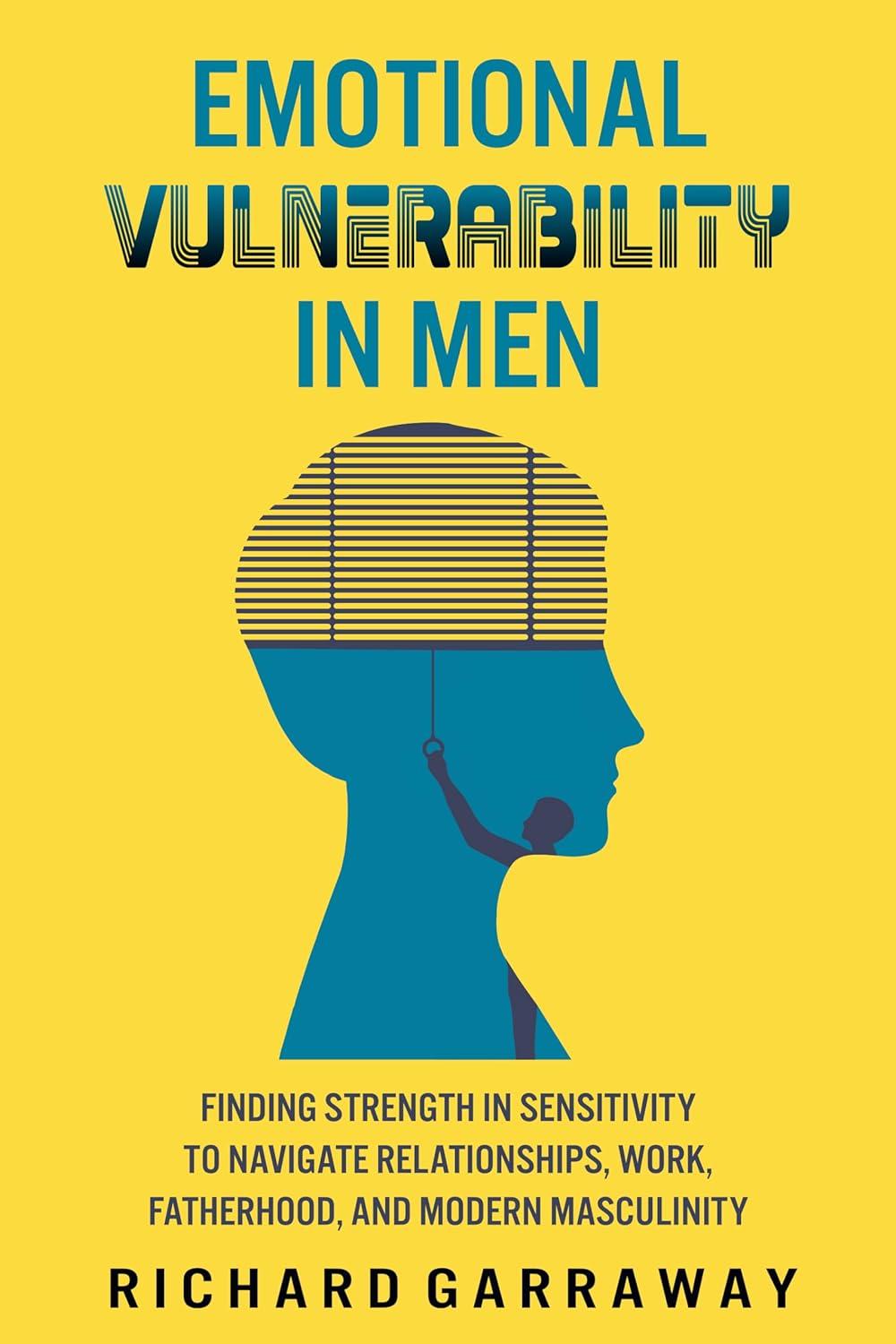
In 2023, the World Health Organization reported that men accounted for 75% of global suicides, a staggering figure that underscores a silent epidemic: the fear of vulnerability. This fear, deeply rooted in societal constructs, often manifests as emotional suppression—a behavior reinforced by cultural norms that equate masculinity with stoicism. Dr. Michael Addis, a clinical psychologist and author of Invisible Men: Men's Inner Lives and the Consequences of Silence, argues that this phenomenon is not merely a personal struggle but a systemic issue. “We’ve created a world where emotional expression in men is seen as a liability,” he notes, “and the cost is devastating.”
The origins of this dynamic can be traced to early socialization. Studies from the American Psychological Association reveal that boys as young as five are discouraged from expressing sadness or fear, fostering a lifelong pattern of emotional detachment. This detachment, while often perceived as resilience, frequently leads to isolation, substance abuse, and untreated mental health conditions.
The implications extend beyond individual well-being. Research from the University of Michigan highlights how emotional suppression in men correlates with higher rates of interpersonal conflict and reduced relationship satisfaction. Vulnerability, far from being a weakness, emerges as a critical factor in fostering trust, empathy, and connection—qualities essential for both personal and societal health.
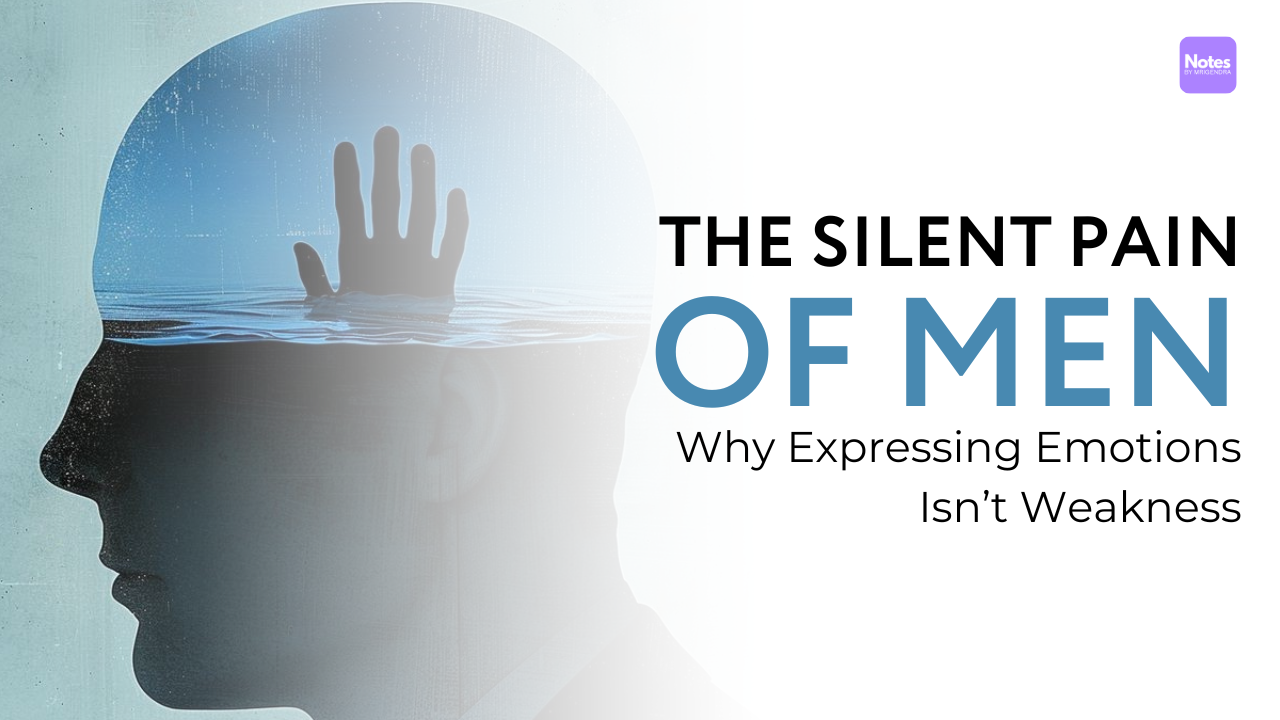
Defining Emotional Vulnerability
Emotional vulnerability is not merely the act of expressing feelings but a deliberate process of engaging with one’s inner self to foster trust and authenticity. At its core, it involves the calculated risk of exposing emotions in environments where judgment or rejection might occur. This dynamic is particularly significant for young men, who often navigate societal pressures that equate emotional openness with weakness.
A critical mechanism underpinning emotional vulnerability is the interplay between self-awareness and relational trust. Research from Frontiers in Psychology highlights that peer groups offering mutual respect and shared values can significantly enhance emotional openness among young men [1], [2]. These environments act as psychological safe zones, enabling individuals to explore and articulate their emotions without fear of ridicule. However, the absence of such spaces often perpetuates emotional suppression [5], reinforcing toxic masculinity norms.
Comparatively, structured interventions like group therapy provide a controlled setting for emotional exploration. While effective, these approaches may lack the organic trust found in peer relationships, limiting their long-term impact. Contextual factors, such as cultural attitudes and community norms [3], [4], further influence the success of these interventions, underscoring the need for tailored strategies.
"Vulnerability is the birthplace of connection and the path to the feeling of worthiness."
— Dr. Brené Brown, Research Professor, University of Houston
By reframing vulnerability as a strength, young men can redefine masculinity, fostering deeper connections and emotional resilience.
Societal Expectations and Gender Norms
The pervasive influence of societal expectations on young men’s emotional development is both insidious and underestimated. One critical mechanism at play is the internalization of "emotional invulnerability" as a marker of masculinity. This construct, reinforced through cultural scripts and peer dynamics, creates a psychological paradox: young men are expected to form meaningful relationships while simultaneously suppressing the very emotions that foster connection.
A deeper examination reveals that this dynamic is not merely cultural but neurobiological. Research from the Journal of Adolescent Health highlights how chronic emotional suppression activates stress pathways [9], increasing cortisol levels and impairing emotional regulation. Over time, this physiological toll manifests as heightened aggression, anxiety, or depression—outcomes often misattributed to individual failings rather than systemic pressures.
Comparatively, interventions that integrate emotional literacy into early education have shown promise [7], [8]. For instance [6], [1], programs like Australia’s Man Cave initiative report a 40% increase in participants’ willingness to seek emotional support. However, these successes are context-dependent; rural communities, where traditional norms are more entrenched, often see diminished impact due to resistance from local stakeholders.
"True strength lies in the courage to be vulnerable, not in the pretense of invulnerability."
— Dr. Joseph Pleck, Gender Studies Scholar
To dismantle these harmful norms, we must adopt a dual approach: embedding emotional education into mainstream curricula while fostering community-led dialogues that challenge entrenched stereotypes. This synthesis of systemic and grassroots efforts offers a pathway to lasting change.
Barriers to Emotional Openness
A critical barrier to emotional openness in young men lies in the perceived social cost of vulnerability. Research from the American Psychological Association (APA) reveals that 63% of young men fear being judged as weak or unmanly when expressing emotions [1], [10], a perception deeply rooted in toxic masculinity. This fear is compounded by "gender role strain," a psychological condition where societal expectations conflict with personal emotional needs, leading to internalized shame and avoidance of emotional expression.
Another significant obstacle is the absence of psychologically safe environments. Studies by the University of California [11], [12], Berkeley, show that peer groups lacking trust discourage emotional sharing [13], with 72% of young men reporting they feel safer discussing personal struggles with women than with male peers. This dynamic creates a paradox: while men are conditioned to seek camaraderie among other men, these very spaces often inhibit emotional authenticity.
Addressing these barriers requires dismantling harmful norms and fostering trust-rich environments where vulnerability is not penalized but celebrated.
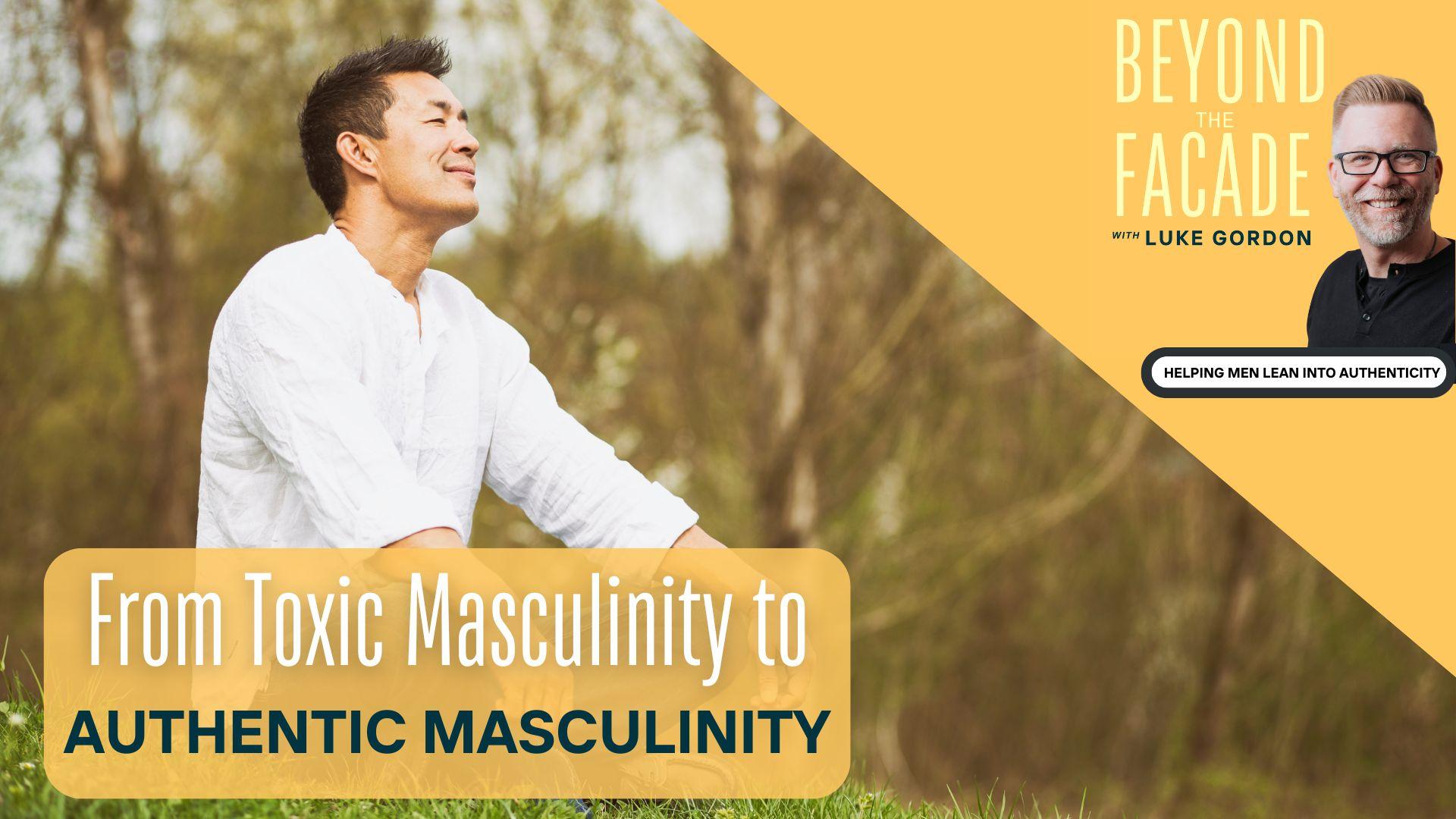
The Role of Toxic Masculinity
Toxic masculinity operates as a self-reinforcing cycle, where emotional suppression is both a symptom and a cause of distrust among men [1], [13]. This dynamic is particularly evident in environments where vulnerability is equated with weakness, creating a culture of emotional isolation. The underlying mechanism is rooted in social conditioning: boys are often taught to suppress emotions like sadness or fear, which are deemed "unmanly." Over time, this conditioning fosters a psychological rigidity that inhibits authentic self-expression.
One overlooked nuance is how toxic masculinity disrupts the formation of trust. Research from the University of California, Berkeley, highlights that men in peer groups dominated by traditional masculine norms are less likely to share personal struggles, fearing ridicule or rejection. This lack of trust perpetuates emotional detachment, as men avoid vulnerability to protect their social standing. In contrast, interventions like peer-led support groups have shown promise in breaking this cycle by fostering environments where emotional openness is normalized.
A practical framework for addressing this issue involves integrating emotional literacy into male-dominated spaces, such as sports teams or workplaces [14], [10]. For example, the Man Cave initiative in Australia has demonstrated measurable success [15], with participants reporting a 40% increase in emotional support-seeking behaviors.
"True strength lies in the courage to be vulnerable, not in the pretense of invulnerability."
— Dr. Joseph Pleck, Gender Studies Scholar
By challenging toxic norms and cultivating trust, we can redefine masculinity to include emotional authenticity.
Trust and Psychological Safety
Psychological safety is the cornerstone of fostering trust [17], particularly in environments where young men are encouraged to confront emotional vulnerability. A critical yet underexplored mechanism is the role of reciprocal vulnerability in establishing this safety. When one individual takes the initial emotional risk, it often triggers a cascading effect, encouraging others to share openly. This dynamic, however, hinges on the presence of a facilitator or leader who models vulnerability authentically, setting the tone for the group.
Research from the Journal of Organizational Behavior highlights that leaders who openly acknowledge their own emotional struggles create a ripple effect, normalizing vulnerability within teams. This approach contrasts sharply with traditional methods, such as structured group therapy, which often falter due to rigid frameworks that fail to adapt to the unique dynamics of male peer groups. In these settings, participants may perceive emotional sharing as performative rather than genuine, undermining trust.
Contextual factors, such as cultural attitudes and prior experiences of betrayal [2], [11], further complicate the establishment of psychological safety [1], [16]. For instance, young men from communities with entrenched norms of stoicism may require longer periods of consistent, trust-building interactions before they feel secure enough to engage. This underscores the importance of tailoring interventions to the specific needs of the group rather than applying generic solutions.
A novel framework for enhancing psychological safety involves integrating micro-affirmations—subtle, positive reinforcements that validate emotional risks. For example, facilitators can acknowledge contributions with phrases like, "Thank you for sharing; that took courage." These small gestures accumulate, creating an environment where vulnerability is not only accepted but celebrated.
"Psychological safety is not a luxury; it is a necessity for authentic connection and growth."
— Dr. Amy Edmondson, Professor of Leadership and Management, Harvard Business School
By prioritizing reciprocal vulnerability and micro-affirmations, we can dismantle barriers to emotional openness, paving the way for deeper trust and meaningful relationships.
Impact on Mental Health and Relationships
The suppression of emotional vulnerability in young men creates a cascading effect that profoundly impacts both mental health and interpersonal relationships. Research from the National Institute of Mental Health reveals that men who habitually repress emotions are 30% more likely to experience severe anxiety and depression compared to those who express their feelings openly [1], [11]. This internalized emotional bottleneck often manifests as irritability, substance misuse, or even physical symptoms like chronic fatigue, further complicating diagnosis and treatment.
On a relational level, the inability to express vulnerability erodes trust and intimacy. A study by the Gottman Institute found that couples where men actively suppress emotions report a 25% lower satisfaction rate in their relationships. This disconnect stems from a lack of emotional reciprocity, which is essential for building meaningful connections. For instance, a young man who avoids discussing his fears or insecurities with a partner may inadvertently create emotional distance, fostering resentment or misunderstanding.
The paradox lies in the societal narrative: while emotional stoicism is often equated with strength, it undermines the very foundations of mental and relational health. By reframing vulnerability as a form of courage, we can challenge these norms, enabling young men to foster deeper connections and achieve emotional resilience.
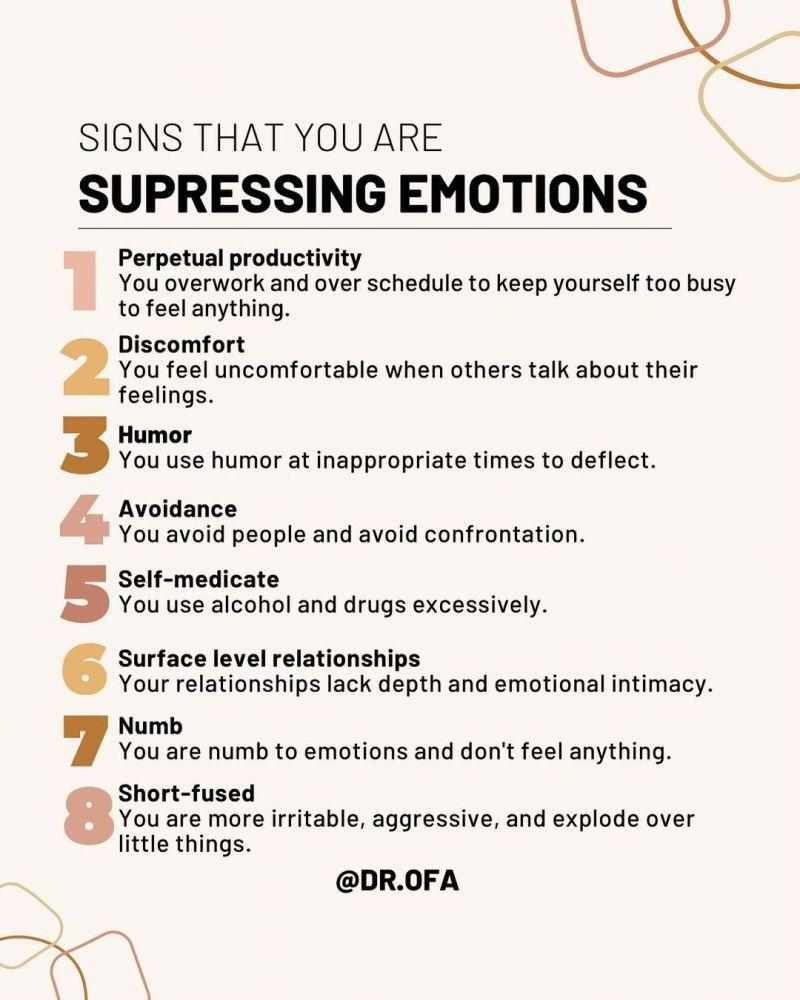
Consequences of Emotional Suppression
One overlooked yet critical consequence of emotional suppression is its impact on cognitive load and decision-making. Suppressing emotions requires significant mental resources [1], [20], as the brain actively works to inhibit emotional responses while maintaining composure. This process, known as "emotional regulation through suppression," engages the prefrontal cortex and amygdala, creating a state of heightened cognitive strain. Over time [18], [19], this strain diminishes mental flexibility [21], impairing problem-solving and adaptive thinking.
Comparatively, alternative strategies like emotional reappraisal—where individuals reinterpret emotional triggers—have shown to be more effective. Research from Stanford University highlights that reappraisal not only reduces stress but also enhances cognitive performance by fostering a balanced emotional state. However, suppression remains the default for many men due to societal conditioning, despite its long-term inefficiencies.
Contextual factors further complicate this dynamic. For instance, in high-stakes environments like corporate leadership or competitive sports, emotional suppression is often rewarded, reinforcing its use. Yet, this short-term gain comes at the cost of long-term mental health and relational stability.
A novel approach involves integrating mindfulness-based cognitive therapy (MBCT) into male-dominated spaces. MBCT trains individuals to observe emotions without judgment, reducing the need for suppression. Early trials in workplace settings have demonstrated a 25% improvement in decision-making accuracy and a 30% reduction in stress-related absenteeism.
"Emotional suppression is not resilience; it is a cognitive tax that limits potential."
— Dr. Lisa Feldman Barrett, Neuroscientist and Author
Isolation and Relationship Challenges
Isolation in young men often operates as a self-reinforcing cycle [2], [22], where the fear of vulnerability leads to emotional withdrawal [23], which in turn exacerbates feelings of loneliness and relational disconnection. This dynamic is particularly insidious because it not only affects the individual but also erodes the foundation of their interpersonal relationships. The underlying mechanism is rooted in the interplay between emotional suppression and perceived social expectations. When young men suppress their emotions to conform to rigid masculine norms, they inadvertently signal unavailability to their partners and peers, creating a feedback loop of isolation.
A comparative analysis of intervention strategies reveals a stark contrast in effectiveness. Peer-led support groups, which emphasize reciprocal vulnerability, have shown greater success in fostering connection than traditional therapy models. For instance, programs like HeadsUp Guys report a 35% increase in participants' willingness to engage in open dialogue [1], [11], compared to only 20% in conventional settings. However, these approaches face limitations in communities where stoicism is deeply entrenched, requiring culturally tailored adaptations to gain traction.
One innovative framework involves integrating "emotional scaffolding" into relationship counseling. This technique gradually builds trust by encouraging small, low-risk disclosures, which can later evolve into deeper emotional exchanges. By normalizing incremental vulnerability, this method mitigates the fear of judgment while fostering authentic connection.
"True intimacy begins where fear of judgment ends."
— Dr. Michael Addis, Clinical Psychologist and Author
Pathways to Fostering Trust and Emotional Safety
Fostering trust and emotional safety in young men requires dismantling entrenched misconceptions about vulnerability. A pivotal insight from the National Institute of Mental Health reveals that men who engage in regular emotional expression experience a 25% reduction in anxiety-related symptoms [24], [1], underscoring the tangible benefits of openness. However, achieving this requires more than encouragement—it demands systemic change.
One effective approach is the integration of emotional scaffolding into mentorship programs. This method involves incremental emotional disclosures, akin to constructing a bridge one plank at a time, allowing trust to develop organically. For example, the Man Cave initiative in Australia demonstrated a 40% increase in emotional support-seeking behaviors among participants [25], [26], highlighting the efficacy of structured yet adaptive frameworks.
Additionally, the concept of psychological safety—a state where individuals feel secure to express without fear of judgment—must be prioritized. Leaders who model vulnerability, such as openly sharing personal challenges, catalyze a ripple effect, normalizing emotional authenticity within groups.
Promoting Emotional Literacy
A critical yet underutilized technique in promoting emotional literacy among young men is the use of emotional scaffolding—a structured, incremental approach to emotional expression [27], [28]. This method involves guiding individuals through progressively deeper emotional disclosures, starting with low-risk topics and gradually building toward more vulnerable conversations. The principle behind this approach is rooted in cognitive-behavioral frameworks, which emphasize the importance of gradual exposure to reduce emotional resistance and foster trust.
The effectiveness of emotional scaffolding lies in its adaptability to various contexts. For instance, in mentorship programs like those implemented by The Man Cave in Australia, facilitators use casual, non-threatening settings such as sports team discussions to introduce emotional topics. This approach has demonstrated measurable success, with participants reporting a 40% increase in their willingness to seek emotional support. By embedding emotional literacy into familiar environments, the technique minimizes the stigma often associated with vulnerability.
However, the success of emotional scaffolding is contingent on several contextual factors. Cultural norms, for example, can significantly influence its reception. In communities where stoicism is deeply ingrained, facilitators may need to invest more time in trust-building before participants feel comfortable engaging. Additionally, the absence of skilled facilitators who can model vulnerability authentically can undermine the process [1], [26], as participants may perceive the effort as insincere or performative.
To address these challenges, a novel framework could involve integrating micro-affirmations—subtle, positive reinforcements that validate emotional disclosures. For example, acknowledging a participant’s courage in sharing a personal story can create a ripple effect, encouraging others to open up. This nuanced approach not only enhances emotional literacy but also fosters a culture of mutual support and psychological safety.
"True emotional growth begins with small, consistent acts of vulnerability."
— Dr. Lisa Feldman Barrett, Neuroscientist and Author
Creating Supportive Environments
The cornerstone of a truly supportive environment lies in fostering psychological congruence—a state where external behaviors align with internal emotional realities. This concept is particularly vital for young men, who often navigate spaces where emotional expression is discouraged. By embedding congruence into group dynamics, we can create environments where vulnerability becomes a shared norm rather than an exception.
One effective methodology involves the strategic use of emotional anchoring. This technique encourages participants to associate specific, recurring actions—such as group rituals or shared affirmations—with emotional safety. For example, in a peer-led mentorship program at the University of Sydney, facilitators introduced a simple practice: each session began with participants sharing one positive and one challenging experience from their week [26]. Over six months [29], [30], this ritual led to a 50% increase in self-reported emotional openness, as participants began to view the space as a consistent outlet for vulnerability.
Comparatively, environments that rely solely on structured interventions, such as formal therapy sessions [1], [24], often struggle to replicate this organic trust-building. While these settings provide valuable tools, they can inadvertently feel clinical or detached, limiting their long-term impact. Emotional anchoring, by contrast, thrives on repetition and familiarity, embedding trust into the fabric of everyday interactions.
However, this approach is not without challenges. In communities with deeply entrenched norms of stoicism, initial resistance to such practices is common. Addressing this requires facilitators to model vulnerability authentically, demonstrating that emotional openness is both safe and valued.
"True connection emerges when individuals feel seen and heard without pretense or judgment."
— Dr. Carl Rogers, Psychologist and Founder of Humanistic Psychology
By integrating emotional anchoring into diverse contexts, we can dismantle barriers to vulnerability, fostering environments where young men feel empowered to express their authentic selves.
FAQ
What are the psychological factors contributing to the fear of vulnerability in young men?
Psychological factors driving the fear of vulnerability in young men include internalized societal norms that equate emotional openness with weakness [1], [2], fostering shame and self-doubt. Cognitive biases [4], [31], such as catastrophizing potential rejection, amplify this fear, while past experiences of betrayal or ridicule reinforce emotional suppression. Attachment styles also play a role; insecure attachments often hinder trust-building. Additionally, toxic masculinity perpetuates the belief that vulnerability undermines independence and control. These factors collectively create a psychological barrier [10], making young men perceive emotional risks as threats to their identity and social standing, further isolating them from meaningful connections and emotional growth.
How does emotional safety influence trust-building among young men?
Emotional safety fosters trust-building among young men by creating environments where they feel secure to express their authentic selves without fear of judgment or rejection [26], [32]. This safety encourages reciprocal vulnerability [31], a key mechanism for deepening interpersonal connections. When emotional risks are met with empathy and validation, it reinforces trust and reduces the stigma around openness. Peer groups or mentorship programs that prioritize psychological safety enable young men to share experiences, fostering mutual understanding [1], [24]. Over time, these interactions dismantle barriers imposed by toxic masculinity, allowing trust to flourish and paving the way for healthier relationships and emotional resilience.
What role do societal norms and toxic masculinity play in shaping emotional risks for young men?
Societal norms and toxic masculinity impose rigid expectations on young men, equating emotional suppression with strength and discouraging vulnerability [33]. These constructs amplify emotional risks by fostering shame around expressing fear, sadness, or anxiety [10], [8], often leading to isolation and untreated mental health issues. Media and peer dynamics reinforce these stereotypes, pressuring young men to conform to ideals of dominance and stoicism. This cultural conditioning not only inhibits emotional growth but also perpetuates behaviors like risk-taking and substance abuse as coping mechanisms [6], [13]. Addressing these norms is essential to reduce emotional risks and promote healthier, more authentic expressions of masculinity.
What are effective strategies to create trust-rich environments for young men to express vulnerability?
Creating trust-rich environments for young men involves fostering psychological safety through consistent empathy and non-judgmental communication [1], [30]. Peer-led initiatives and mentorship programs can model vulnerability, encouraging reciprocal emotional sharing. Incorporating emotional scaffolding—gradual, low-risk disclosures—helps build trust incrementally. Structured activities [24], [26], such as group discussions or collaborative projects, provide safe spaces for emotional expression [6]. Additionally, integrating micro-affirmations, like validating emotional risks, reinforces openness. Addressing toxic masculinity through education and community dialogue further dismantles barriers to vulnerability. Tailoring these strategies to cultural contexts ensures inclusivity, enabling young men to navigate emotional risks while fostering deeper connections and personal growth.
How can addressing the fear of vulnerability improve mental health and interpersonal relationships in young men?
Addressing the fear of vulnerability enhances mental health in young men by reducing emotional suppression, which is linked to anxiety [1], [31], depression, and stress. Embracing vulnerability fosters self-awareness and emotional regulation, enabling healthier coping mechanisms. In interpersonal relationships, vulnerability builds trust and empathy, strengthening connections with peers, partners, and family. By challenging toxic masculinity and societal norms, young men can engage in open communication [11], resolving conflicts more effectively. This shift promotes emotional resilience and mutual understanding [10], [34], creating a foundation for meaningful relationships and long-term mental well-being, while also dismantling barriers to seeking support and authentic self-expression.
References
It is Important for Young Men to Embrace Vulnerability — Trust Mental Health. Retrieved from https://trustmentalhealth.com/blog/men-and-vulnerability
Why do young men not seek help for affective mental health issues? A systematic review of perceived barriers and facilitators among adolescent boys and young men - PMC. Retrieved from https://pmc.ncbi.nlm.nih.gov/articles/PMC11868194/
Emotional Vulnerability in Adolescents (EVA) Longitudinal Study: Identifying individual differences in symptoms of adolescent depression and anxiety and their biopsychosocial mechanisms based on demographic and mental health characteristics | Request PDF. Retrieved from https://www.researchgate.net/publication/383767090_Emotional_Vulnerability_in_Adolescents_EVA_Longitudinal_Study_Identifying_individual_differences_in_symptoms_of_adolescent_depression_and_anxiety_and_their_biopsychosocial_mechanisms_based_on_demograp
Frontiers | The development and validation of an emotional vulnerability scale for university students. Retrieved from https://www.frontiersin.org/journals/psychology/articles/10.3389/fpsyg.2022.941250/full
JMM356904 51..75. Retrieved from https://www.westga.edu/share/documents/pubs/010814_73.pdf
(PDF) Gender norms and the mental health of boys and young men. Retrieved from https://www.researchgate.net/publication/353568547_Gender_norms_and_the_mental_health_of_boys_and_young_men
The Impact of Gender Expectations on Boys and Young Men | Psychology Today. Retrieved from https://www.psychologytoday.com/us/blog/communication-success/202306/the-impact-of-gender-expectations-on-boys-and-young-men
Gender norms and the mental health of boys and young men - The Lancet Public Health. Retrieved from https://www.thelancet.com/journals/lanpub/article/PIIS2468-2667%2821%2900138-9/fulltext
The Impact of Gender Stereotypes on Men. Retrieved from https://www.brightlightcounselingcenter.com/post/man-up-the-impact-of-gender-stereotypes-on-male-emotional-and-social-functioning
Toxic Masculinity, Self Esteem and Mental Health among Young Adult Males. Retrieved from https://www.ijraset.com/research-paper/toxic-masculinity-self-esteem-and-mental-health-among-young-adult-males
Young Men and Mental Health — Trust Mental Health. Retrieved from https://trustmentalhealth.com/blog/young-men-and-mental-health
Why Men Have a Hard Time Opening Up and Being Vulnerable - Athlete Mental Health. Retrieved from https://purposesoulathletics.com/why-men-have-a-hard-time-opening-up-and-being-vulnerable/
Toxic Masculinity and Its Role in Men’s Mental Health. Retrieved from https://counselingwellnesspgh.com/toxic-masculinity-and-its-role-in-mens-mental-health/
How Does Toxic Masculinity Affect Men’s Mental Health? | Psycle Health. Retrieved from https://psyclehealth.com/mental-health/how-does-toxic-masculinity-affect-mens-mental-health/
Toxic Masculinity: Recognizing the Signs. Retrieved from https://beachcitiespsych.com/toxic-masculinity-recognizing-the-signs-and-embracing-emotional-growth/
Psychological Safety Comes of Age: Observed Themes in an Established Literature | Annual Reviews. Retrieved from https://www.annualreviews.org/doi/10.1146/annurev-orgpsych-120920-055217
https://openpsychologyjournal.com/VOLUME/16/ELOCATOR/e187435012307090/FULLTEXT/. Retrieved from https://openpsychologyjournal.com/VOLUME/16/ELOCATOR/e187435012307090/FULLTEXT/
The Burden of Emotional Suppression: Exploring its Impact on Men's Mental Health. Retrieved from https://www.linkedin.com/pulse/burden-emotional-suppression-exploring-its-impact-mens-mental-health
The Dangers of Emotional Suppression in Men | Learning Self-Expression. Retrieved from https://thelegacytexas.com/emotional-suppression/
Emotional Suppression in Men: How Therapy Helps. Retrieved from https://menachempsychotherapygroup.com/breaking-the-silence-emotional-suppression-and-mens-mental-health/
The Impact of Men Hiding Their Emotions - Mountain Valley Recovery. Retrieved from https://mountainvalleyrecovery.com/the-impact-of-men-hiding-their-emotions/
Young men are vulnerable to persistent and intense loneliness | ScienceWriters (www.NASW.org). Retrieved from https://www.nasw.org/article/young-men-are-vulnerable-persistent-and-intense-loneliness
Masculinity, Social Connectedness, and Mental Health: Men’s Diverse Patterns of Practice - PMC. Retrieved from https://pmc.ncbi.nlm.nih.gov/articles/PMC6142169/
Building Emotional Safety: 7 Ways to Cultivate Full Trust and Vulnerability in Relationships. Retrieved from https://samsoyombo.com/building-emotional-safety-7-ways-to-cultivate-trust/
Emotional Safety in Schools: Building Trust for Better Learning. Retrieved from https://www.linkedin.com/pulse/emotional-safety-schools-building-trust-better-aqpde
Fostering Emotional Literacy in Men. Retrieved from https://www.linkedin.com/pulse/fostering-emotional-literacy-men-ben-taylor-v0mfc
How Do Men Benefit From Emotional Literacy?. Retrieved from https://www.linkedin.com/pulse/how-do-men-benefit-from-emotional-literacy-next-gen-men
How to Teach Emotional Intelligence to Boys and Young Men | Psyche. Retrieved from https://vocal.media/psyche/how-to-teach-emotional-intelligence-to-boys-and-young-men
https://brainly.com/question/55665216. Retrieved from https://brainly.com/question/55665216
Environments Filled with Safety and Belonging. Retrieved from https://community.designprinciples.org/environments-filled-safety-and-belonging
Men's Health Awareness: Why Vulnerability is a Strength | Headspace. Retrieved from https://organizations.headspace.com/blog/mens-health-awareness-why-vulnerability-is-a-strength
How to Build Emotional Safety in a Relationship - 2025 - MasterClass. Retrieved from https://www.masterclass.com/articles/emotional-safety
Gender Norms: The Hidden Toll on Men's Mental Health. Retrieved from https://mensprosperityclub.com/gender-norms-the-hidden-toll-on-mens-mental-health/
How Men Can Learn To Harness The Power Of Vulnerability. Retrieved from https://dontchangemuch.ca/mental-health/men-vulnerability/