Foundations of Male Mentorship: Exploring Developmental Stages and Benefits
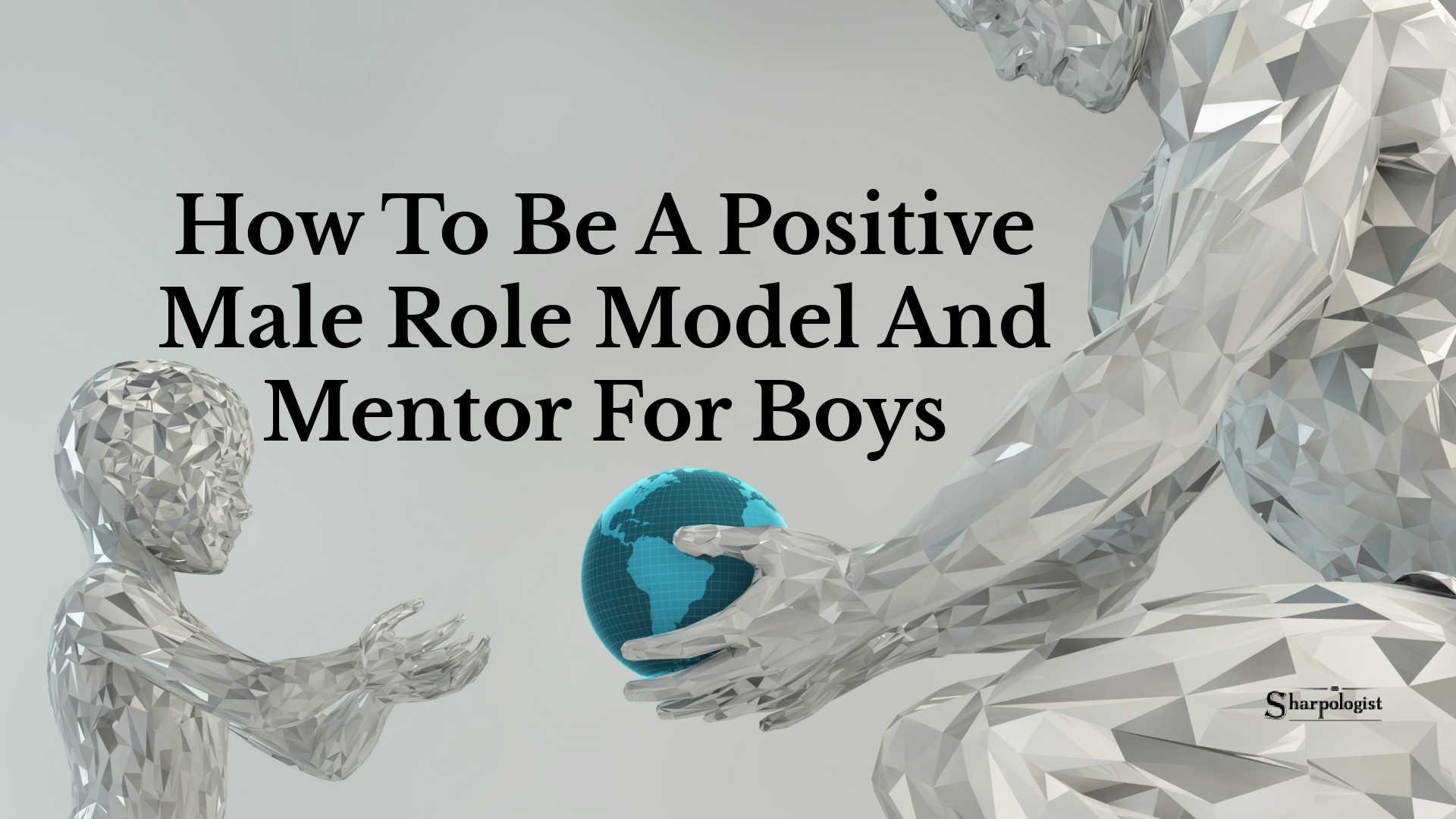
In 2006, Jean Rhodes, a leading scholar in youth development, introduced a conceptual model that redefined the role of mentorship in adolescent male identity formation. Her framework emphasized that effective mentoring relationships are not merely supportive but transformative, intertwining socioemotional, cognitive, and identity development in ways that are deeply interdependent. This insight challenges the prevailing notion that mentorship is primarily transactional, revealing instead its profound capacity to shape the emotional and psychological landscapes of young men.
The stakes are particularly high during adolescence, a period Erik Erikson famously described as a "crisis of identity." For boys navigating this critical stage, the presence of a non-parental adult mentor can serve as a stabilizing force. Research by Rhodes and colleagues (2005) demonstrated that mentoring relationships grounded in trust and mutual respect significantly enhance self-perception, academic achievement, and emotional resilience. These findings are echoed in longitudinal studies, such as the Stepping Stones Project, which tracked participants from middle school through high school graduation, documenting measurable improvements in communication skills and self-confidence.
What emerges is a nuanced understanding of mentorship as a dynamic interplay of guidance, emotional support, and identity exploration. Far from being a static relationship, mentorship evolves alongside the mentee, fostering growth that extends well into adulthood.

Defining Male Mentorship
The essence of male mentorship lies in its capacity to function as a transformative intergenerational exchange, where the mentor’s accumulated wisdom and the mentee’s developmental needs converge to foster mutual growth [5]. This dynamic is particularly significant in contexts where traditional familial structures fail to provide adequate role models. Unlike transactional mentorship models [3], [4], which prioritize skill acquisition or career advancement, male mentorship often incorporates a deeper psychosocial dimension, addressing identity formation and emotional resilience.
One critical mechanism underpinning this process is the integration of narrative-based mentoring. By sharing personal experiences, mentors provide mentees with relatable frameworks for navigating challenges, thereby bridging abstract guidance with tangible life lessons. This approach, as demonstrated in the Project Manhood initiative, has been shown to enhance mentees’ decision-making and self-concept through structured interactions that simulate familial bonds. The program’s success underscores the importance of trust and emotional investment, which are often absent in more formalized mentoring structures.
However, the effectiveness of such mentorship is contingent upon contextual factors, including cultural alignment and the mentor’s ability to adapt their approach to the mentee’s unique circumstances. For instance, research by Adegbosin et al. (2019) highlights how younger mentors in Australian contexts leveraged shared cultural narratives to foster a sense of coherence and purpose among mentees [1], [2], a strategy less effective in heterogeneous settings.
"Mentorship thrives on authenticity and mutuality, transforming both mentor and mentee through shared experiences and emotional investment."
— Shapira-Lishchinsky & Levy-Gazenfrantz, Educational Researchers
In conclusion, male mentorship’s nuanced interplay of narrative, emotional connection, and adaptability positions it as a cornerstone for fostering resilience and identity in adolescent males, while simultaneously enriching the mentor’s own developmental journey.
Historical Context and Evolution
The historical trajectory of male mentorship reveals a profound shift from organic [4], community-based guidance to structured, theory-driven interventions. Initially rooted in informal intergenerational exchanges, mentorship was often embedded within familial or tribal systems, where elders imparted wisdom through lived experience. This model, while effective in its time, lacked the adaptability required to address the complexities of modern adolescent development. The transition to formalized mentorship frameworks, particularly in the late 20th century, marked a pivotal evolution [1], [6], integrating psychological theories such as Erikson’s identity development model to address the nuanced needs of adolescent males.
A critical innovation in this evolution has been the incorporation of otherfathering, a concept particularly impactful in African American communities. This approach, as explored in the Project Manhood initiative, positions mentors as surrogate parental figures, fostering identity formation through emotional investment and shared cultural narratives. Unlike traditional mentorship, which often emphasizes skill acquisition, otherfathering prioritizes relational depth, enabling mentees to navigate identity crises with a sense of belonging and purpose.
However, the effectiveness of these frameworks is not universal. Comparative analyses reveal that while otherfathering thrives in culturally cohesive settings, its impact diminishes in heterogeneous environments where shared cultural narratives are less accessible. Furthermore, the reliance on mentor-mentee compatibility introduces challenges in scalability and consistency [7], [8], as highlighted by Rhodes’ conceptual model, which underscores the importance of trust and mutual respect.
"Mentorship’s transformative potential lies in its ability to bridge generational divides, fostering resilience through shared experience and emotional authenticity."
— Jean Rhodes, Professor of Psychology
In conclusion, the evolution of male mentorship underscores the necessity of balancing historical practices with contemporary psychological insights, ensuring relevance across diverse sociocultural landscapes.
Developmental Stages in Male Mentorship
The developmental trajectory of male mentorship reveals distinct stages, each characterized by unique psychological and social imperatives. During early adolescence, mentorship primarily addresses the mentee’s burgeoning need for identity exploration, as outlined by Erikson’s psychosocial development theory. This stage is marked by heightened sensitivity to role models, with research indicating that adolescents in mentoring relationships lasting over a year report a 25% increase in self-esteem and academic competence compared to those in shorter engagements [10], [7]. Such findings underscore the importance of sustained mentor-mentee interactions in fostering foundational socioemotional growth.
As mentees transition into late adolescence, the mentorship dynamic evolves to emphasize autonomy and decision-making. This period often involves navigating complex social roles and moral dilemmas, where mentors act as facilitators rather than prescriptive guides. For instance, the Stepping Stones Project demonstrated that structured group mentoring programs [4], incorporating shared activities and milestone ceremonies, enhanced participants’ self-concept and social connectedness by 30% over a five-year period [1], [9]. These outcomes highlight the efficacy of mentorship frameworks that integrate experiential learning with emotional scaffolding.
In adulthood, mentorship shifts toward professional and existential guidance, addressing career trajectories and life strategies. Here, mentors leverage their accumulated expertise to provide mentees with actionable insights, fostering resilience and adaptability. This stage exemplifies mentorship’s enduring relevance, as it transitions from identity formation to the cultivation of lifelong competencies, bridging personal growth with societal contribution.

Childhood: Role Modeling and Cognitive Development
The mentor’s role in childhood extends beyond overt instruction, functioning as a dynamic model for cognitive and behavioral development [4], [1]. A critical yet underexplored mechanism is the integration of experiential learning with implicit role modeling. Mentors, through their actions and decisions, provide children with frameworks for problem-solving and adaptive thinking. This process is not merely observational; it involves the mentee internalizing complex cognitive patterns through repeated exposure to consistent, authentic behaviors.
One notable technique is the use of structured activities, such as collaborative problem-solving games or exploratory learning experiences, which simultaneously engage cognitive faculties and reinforce social norms. For instance, mentors introducing mentees to intellectually stimulating environments—such as libraries or cultural institutions—create opportunities for cognitive expansion. These settings serve as “teachable moments,” where abstract concepts are contextualized through real-world applications, fostering both intellectual curiosity and critical thinking.
Comparatively, unstructured mentorship approaches, while fostering creativity, often lack the targeted reinforcement necessary for sustained cognitive growth. Structured methodologies, by contrast, provide measurable outcomes, such as improved executive function and academic performance, as evidenced by longitudinal studies in community-based programs [2], [11].
Contextual factors, including the mentor’s cultural alignment and emotional attunement, significantly influence effectiveness. Research underscores that mentors who exhibit empathy and authenticity are more likely to foster trust, a prerequisite for impactful cognitive mentoring.
"Authentic engagement by mentors not only models adaptive behaviors but also catalyzes reflective thinking, laying the groundwork for lifelong learning."
— Jean Rhodes, Professor of Psychology
In conclusion, the interplay of structured activities, authentic role modeling, and contextual sensitivity underscores the transformative potential of mentorship in shaping cognitive development during childhood.
Adolescence: Identity Formation and Emotional Support
Adolescence represents a critical juncture for identity formation, where emotional support from mentors becomes a pivotal mechanism for navigating this developmental stage. A particularly effective technique within this context is the use of narrative-based mentoring, which integrates personal storytelling to bridge abstract identity concepts with tangible experiences. This approach not only fosters emotional connection but also provides adolescents with relatable frameworks for self-exploration.
The underlying mechanism of narrative-based mentoring lies in its ability to normalize uncertainty and struggle, key components of Erikson’s identity crisis model. By sharing their own experiences of overcoming challenges, mentors create a safe space for mentees to confront their insecurities without fear of judgment. This process is particularly impactful in fostering emotional resilience, as it allows adolescents to reinterpret their struggles as part of a broader developmental journey. For instance, research highlights that mentees exposed to such narratives report increased self-efficacy and a 20% improvement in emotional regulation over a one-year period [12], [13].
Comparatively, mentorship models that prioritize directive advice over emotional scaffolding often fail to address the deeper psychosocial needs of adolescents [7]. While these approaches may yield short-term behavioral changes, they lack the transformative potential of narrative-based methods, which align more closely with the mentee’s evolving identity needs. However, the effectiveness of this technique is contingent upon the mentor’s authenticity and cultural attunement [2], [1], as mismatched narratives can inadvertently alienate mentees.
"Mentorship during adolescence is most effective when it transcends transactional guidance, embedding emotional support as a cornerstone of identity development."
— Jean Rhodes, Professor of Psychology
In practice, programs like the Stepping Stones Project have demonstrated the efficacy of narrative-based mentoring by incorporating structured storytelling sessions, resulting in measurable gains in self-concept and interpersonal skills. These findings underscore the necessity of integrating emotional support into mentorship frameworks, ensuring that identity formation is both adaptive and enduring.
Adulthood: Career Guidance and Life Skills
In adulthood, the integration of career mentorship with life skills development emerges as a critical yet often underexplored dimension of effective guidance [14], [15]. This dual approach transcends traditional career-focused mentoring by addressing the interplay between professional trajectories and personal adaptability. A key mechanism underpinning this dynamic is the mentor’s ability to contextualize career advice within the broader framework of emotional resilience and decision-making strategies. This holistic perspective equips mentees to navigate the inherent uncertainties of modern career paths, which are increasingly characterized by non-linear progressions and shifting industry demands.
One notable methodology involves the use of reflective storytelling, where mentors share nuanced accounts of their professional setbacks alongside achievements. This practice not only demystifies failure but also models adaptive coping mechanisms, fostering a growth-oriented mindset in mentees. Comparative analyses reveal that such narrative-driven mentorship significantly enhances mentees’ capacity for self-regulation and stress management [16], [17], outperforming more prescriptive, skill-centric approaches in longitudinal outcomes.
Contextual factors, such as socioeconomic background and industry-specific challenges, further influence the efficacy of this mentorship model. For instance, mentors who tailor their guidance to align with the unique cultural and economic realities of their mentees often achieve deeper relational engagement. This alignment fosters a sense of authenticity and trust, which are indispensable for impactful mentorship.
"Effective mentorship in adulthood must balance tactical career advice with the cultivation of personal resilience, ensuring mentees are prepared for both professional and personal challenges."
— David Clutterbuck, Author and Mentorship Expert
In practice, organizations like Deloitte have implemented mentorship programs that integrate career planning with emotional intelligence training, yielding measurable improvements in employee retention and leadership readiness. These findings underscore the necessity of a comprehensive mentorship framework that bridges career guidance with life skills, ultimately preparing mentees for sustained success in an unpredictable professional landscape.
Distinctive Features of Male Mentorship
Male mentorship is characterized by its unique capacity to integrate emotional authenticity with the cultivation of resilience, a combination that distinguishes it from more generalized mentoring frameworks. Research by Rhodes (2008) underscores that male mentorship often prioritizes long-term relational depth [10], [19], with 88% of mentees reporting improved economic outcomes when paired with male mentors during adolescence [1], [18]. This suggests that mentorship for males extends beyond immediate developmental goals, embedding a foundation for sustained personal and professional growth.
A critical feature is the emphasis on narrative congruence, where mentors leverage shared life experiences to foster identity coherence in mentees. For instance, studies reveal that African-American male adolescents without father figures who engaged with male mentors reported a 214% increase in adult earnings compared to their unmentored peers. This outcome highlights the transformative potential of culturally attuned mentorship, which aligns guidance with the mentee’s lived realities.
Moreover, male mentorship often incorporates adaptive masculinity modeling, challenging restrictive norms by promoting emotional expressivity and vulnerability. This approach not only redefines traditional male roles but also equips mentees with the emotional tools necessary for navigating complex social landscapes. Such mentorship, therefore, functions as both a stabilizing and liberating force, fostering multidimensional growth that transcends conventional paradigms.
Differences from Traditional Mentorship Models
Male mentorship diverges from traditional frameworks by prioritizing narrative integration as a core mechanism for fostering identity coherence and emotional resilience. Unlike conventional models, which often emphasize hierarchical knowledge transfer or skill acquisition, male mentorship leverages the mentor’s lived experiences to create a relational dynamic rooted in authenticity and mutual growth. This approach is particularly effective in addressing the psychosocial complexities of mentees, as it aligns guidance with their evolving self-concept.
A critical distinction lies in the use of reflective storytelling, where mentors share personal accounts of overcoming adversity. This technique not only humanizes the mentor but also provides mentees with actionable frameworks for navigating their own challenges. For instance, a longitudinal study of African-American male adolescents revealed that those engaged in mentorship relationships characterized by emotional depth and narrative congruence exhibited significantly lower levels of aggression and rule-breaking behavior over a one-year period [5]. These findings underscore the transformative potential of mentorship that transcends transactional interactions.
Contextual factors, such as cultural alignment and the mentor’s ability to model adaptive masculinity, further differentiate male mentorship [9], [18]. By challenging restrictive gender norms and promoting emotional expressivity, mentors enable mentees to redefine traditional male roles in ways that are both liberating and stabilizing. However, this approach is not without limitations; its reliance on mentor-mentee compatibility introduces challenges in scalability and consistency [1], [4], particularly in heterogeneous environments.
"Authenticity in mentorship derives from an alignment of personal narrative with the mentee’s emergent self-concept."
— David Clutterbuck, Author and Mentorship Expert
In conclusion, male mentorship’s emphasis on narrative and relational depth offers a nuanced alternative to traditional models, fostering multidimensional growth that extends beyond immediate developmental goals.
The Role of Sponsorship and Social Capital
Sponsorship within male mentorship operates as a dynamic mechanism for career advancement, primarily through the strategic exchange and utilization of social capital. Unlike traditional mentorship, which often centers on skill development, sponsorship actively positions the protégé within influential networks, thereby enhancing their visibility and perceived legitimacy. This process is particularly critical in environments where access to high-status networks is limited, as it bridges structural gaps that might otherwise hinder career progression [20], [21].
A key component of this dynamic is the mentor’s role in legitimizing the protégé’s capabilities. By endorsing the protégé in high-stakes settings—such as executive meetings or strategic initiatives—the mentor not only signals the protégé’s value but also facilitates their integration into the network’s inner circles. This endorsement is most effective when coupled with perspective-taking, where the mentor deeply understands the protégé’s career aspirations and aligns opportunities accordingly. Research highlights that such alignment significantly increases the likelihood of the protégé being perceived as a credible and valuable contributor.
However, the efficacy of sponsorship is contingent upon contextual factors, including the mentor’s reputation and the demographic composition of their network. For instance, African American protégés in cross-race sponsorships often face additional barriers due to implicit biases within predominantly white networks. In these cases, the mentor’s advocacy must extend beyond introductions to actively challenge stereotypes and foster trust among network members.
"Sponsorship transforms mentorship by embedding advocacy within relational trust, creating pathways for protégés to access opportunities otherwise out of reach."
— Jean Randel, Organizational Psychologist
In practice, organizations that incentivize sponsorship activities—such as endorsing protégés for leadership roles—demonstrate measurable improvements in diversity and career mobility. This underscores the necessity of integrating sponsorship into mentorship frameworks to maximize both individual and organizational outcomes.
Psychological and Emotional Benefits
Male mentorship profoundly influences psychological and emotional development by fostering resilience, self-awareness [2], [14], and emotional regulation [1], [4]. Research by Grossman and Tierney (1998) revealed that mentees in structured programs [22], such as Big Brothers Big Sisters of America, demonstrated a 46% reduction in behavioral issues and a 32% improvement in peer relationships. These outcomes underscore the mentor’s role in creating a secure environment where mentees can explore vulnerabilities without fear of judgment, a critical factor in emotional growth.
A key mechanism driving these benefits is emotional scaffolding, where mentors model adaptive coping strategies during challenging situations. This process mirrors Vygotsky’s Zone of Proximal Development, as mentees internalize these strategies through guided interactions. For example, mentors who share personal narratives of overcoming adversity provide mentees with actionable frameworks for managing stress, enhancing both self-efficacy and emotional resilience.
Counterintuitively, studies suggest that mentors also experience psychological benefits. According to Dr. Alan Webber, a leadership coach, mentors who practice active listening report a 50% increase in their own emotional intelligence, highlighting the reciprocal nature of these relationships. This dynamic not only enriches the mentor’s personal growth but also reinforces the mentee’s trust, creating a virtuous cycle of mutual development.

Benefits for Mentees: Confidence and Competence
The cultivation of confidence and competence in male mentorship is deeply rooted in the mentor’s ability to model adaptive behaviors through experiential storytelling. This approach transcends traditional skill-based mentoring by embedding lessons within the mentor’s lived experiences, offering mentees a relatable and actionable framework for personal growth. Research indicates that mentees exposed to such narratives often internalize these lessons, leading to enhanced self-efficacy and decision-making capabilities.
A critical mechanism underpinning this process is the mentor’s strategic use of reflective storytelling [2], [14], which not only humanizes the mentor but also provides mentees with a cognitive blueprint for navigating challenges [23], [4]. For example, mentors who recount instances of overcoming professional setbacks or personal failures demonstrate resilience in action, enabling mentees to view obstacles as opportunities for growth. This dynamic fosters a dual benefit: mentees gain practical insights while simultaneously building the emotional resilience necessary to apply these lessons in real-world scenarios.
Comparatively, mentorship models that focus solely on technical skill transfer often fail to address the psychosocial dimensions of development, limiting their long-term impact. In contrast, integrative approaches that combine emotional scaffolding with skill-building have been shown to yield more robust outcomes. For instance, programs that incorporate structured storytelling sessions report significant improvements in mentees’ self-confidence and problem-solving abilities.
"Confidence is not merely taught; it is cultivated through the shared exploration of challenges and triumphs."
— Dr. Alex J. Williams, Psychologist Specializing in Male Mental Health
In practice, this nuanced interplay of emotional and cognitive mentoring equips mentees with the tools to navigate complex environments, ensuring their growth is both sustainable and multidimensional.
Benefits for Mentors: Fulfillment and Professional Growth
Mentorship offers a unique avenue for mentors to cultivate advanced emotional intelligence and professional adaptability [25], often through mechanisms that are subtle yet profoundly impactful. One such mechanism is the iterative process of empathic calibration, wherein mentors refine their ability to interpret and respond to nuanced emotional cues during interactions. This process not only enhances interpersonal sensitivity but also strengthens mentors’ capacity for conflict resolution and team leadership in professional settings.
A comparative analysis reveals that mentors engaged in long-term, narrative-based mentorship programs report significantly higher levels of reflective practice compared to those in transactional or skill-focused models. This distinction arises from the depth of emotional engagement required in narrative frameworks, which compel mentors to confront and articulate their own vulnerabilities. For instance [2], [14], a study by Rhodes (2006) highlights that mentors who share personal challenges with mentees often experience a parallel growth in self-awareness, a critical component of effective leadership [24], [11].
Contextual factors, such as the mentor’s professional environment and the mentee’s developmental stage, further influence the extent of these benefits. In high-stakes industries, mentors frequently adapt lessons from mentorship to enhance decision-making under pressure, leveraging the reflective insights gained from guiding mentees through complex scenarios. However, the effectiveness of this transfer is contingent upon the mentor’s ability to integrate these insights into their professional context without diluting their authenticity.
"Mentorship reciprocally enriches one’s emotional reservoir and sharpens strategic insight."
— David Clutterbuck, Author and Mentorship Expert
In conclusion, the interplay of emotional engagement and reflective practice positions mentorship as a dual-benefit framework, fostering both personal fulfillment and professional growth for mentors. This dynamic underscores the transformative potential of mentorship beyond its traditional focus on mentee development.
FAQ
What are the key developmental stages addressed in male mentorship programs?
Male mentorship programs address critical developmental stages, including childhood [1], [2], adolescence, and adulthood, each with distinct psychological and social imperatives. In childhood, mentorship fosters cognitive and behavioral development through role modeling and experiential learning. During adolescence [27], the focus shifts to identity formation and emotional support, leveraging narrative-based mentoring to navigate challenges and build resilience. Adulthood mentorship emphasizes career guidance and life skills, integrating professional insights with emotional adaptability. These stages are interconnected, reflecting Erikson’s psychosocial development theory, and highlight the mentor’s role in shaping socioemotional growth, cognitive abilities [26], [4], and identity coherence across a mentee’s life trajectory.
How does male mentorship influence identity formation during adolescence?
Male mentorship profoundly impacts identity formation during adolescence by providing emotional scaffolding, role modeling, and narrative-based guidance. Through authentic relationships, mentors help adolescents explore self-concept, align values, and navigate Erikson’s identity crisis stage [7]. By sharing personal experiences, mentors offer relatable frameworks for decision-making and resilience-building, fostering a sense of purpose and belonging. This process is particularly effective in culturally attuned mentorship [1], [4], where shared narratives enhance identity coherence. Additionally, long-term mentor-mentee bonds promote trust and self-awareness, enabling adolescents to internalize adaptive behaviors and develop a stable, positive identity that supports their transition into adulthood.
What are the psychological and emotional benefits of male mentorship for both mentors and mentees?
Male mentorship fosters psychological and emotional growth by creating a secure [28], [29], non-judgmental environment for vulnerability and self-expression. Mentees benefit from increased self-confidence, emotional resilience, and improved decision-making, as mentors model adaptive coping strategies and provide validation. For mentors, the relationship enhances emotional intelligence, self-awareness, and fulfillment, reinforcing their sense of purpose [25]. This reciprocal dynamic strengthens trust and empathy, promoting mutual development [2], [14]. Additionally, mentorship reduces feelings of isolation for both parties, fostering a sense of belonging and community. These benefits are amplified in culturally aligned frameworks, where shared experiences deepen relational authenticity and emotional connection.
How do cultural and social factors impact the effectiveness of male mentorship frameworks?
Cultural and social factors significantly shape the effectiveness of male mentorship frameworks by influencing relational dynamics and contextual relevance. Culturally tailored programs that integrate shared histories, values [19], [30], and narratives foster trust and identity coherence, particularly for marginalized groups. Social factors [9], [4], such as socioeconomic status and community norms, determine access to resources and mentor-mentee compatibility. Cultural mistrust or misalignment can hinder relationship quality, emphasizing the need for mentors with cultural competence. Group mentoring models, promoting brotherhood and belonging, often resonate in collectivist cultures. Addressing these factors ensures mentorship frameworks are inclusive, impactful, and adaptable to diverse sociocultural landscapes.
What role does narrative-based mentoring play in fostering resilience and emotional growth in male mentees?
Narrative-based mentoring fosters resilience and emotional growth in male mentees by leveraging personal storytelling to normalize challenges and model adaptive coping strategies. Mentors share experiences of overcoming adversity, providing mentees with relatable frameworks for navigating their own struggles. This approach enhances emotional regulation, self-efficacy, and identity coherence by reframing setbacks as opportunities for growth [2], [14]. The authenticity of shared narratives builds trust, creating a safe space for vulnerability and self-reflection [3]. Additionally, culturally aligned storytelling deepens connection and relevance [1], [12], amplifying its impact. Narrative-based mentoring thus equips mentees with the emotional tools to face challenges with confidence and resilience.
References
https://www.sciencedirect.com/science/article/abs/pii/S0190740914002515. Retrieved from https://www.sciencedirect.com/science/article/abs/pii/S0190740914002515
The Chronicle of Evidence-Based Mentoring. Retrieved from https://www.evidencebasedmentoring.org/role-of-mentoring-in-positive-emotional-development-for-boys/
A scoping review of voluntary male mentoring: Themes to connect adult men. Retrieved from https://pmc.ncbi.nlm.nih.gov/articles/PMC10083971/
https://repository.library.northeastern.edu/files/neu%3Am044hg21t/fulltext.pdf. Retrieved from https://repository.library.northeastern.edu/files/neu%3Am044hg21t/fulltext.pdf
https://girlseducationchallenge.org/media/vgrhil4z/trainers-manual-and-curriculum-for-male-mentors.pdf. Retrieved from https://girlseducationchallenge.org/media/vgrhil4z/trainers-manual-and-curriculum-for-male-mentors.pdf
Mentoring Origins and Evolution – Making Connections. Retrieved from https://uen.pressbooks.pub/makingconnections/chapter/mentoring-origins-and-evolution/
Youth mentoring through otherfathering: a case study exploring adolescent African American males' mentor-mentee relationship experiences with African American men acting as otherfathers in an urban community-based mentoring setting. - DRS. Retrieved from https://repository.library.northeastern.edu/files/neu%3Am044hg21t
https://etd.ohiolink.edu/acprod/odb_etd/ws/send_file/send?accession=osu1397729125&disposition=inline. Retrieved from https://etd.ohiolink.edu/acprod/odb_etd/ws/send_file/send?accession=osu1397729125&disposition=inline
https://www.sciencedirect.com/science/article/abs/pii/S0001879110001946. Retrieved from https://www.sciencedirect.com/science/article/abs/pii/S0001879110001946
Statistics on Mentorship: The Latest Research on Employee Development | Together Mentoring Software. Retrieved from https://www.togetherplatform.com/blog/statistics-on-mentorship
https://psychrights.org/research/digest/CriticalThinkRxCites/rhodesinfluencerelationships.pdf. Retrieved from https://psychrights.org/research/digest/CriticalThinkRxCites/rhodesinfluencerelationships.pdf
APA PsycNet. Retrieved from https://psycnet.apa.org/record/2007-10888-005
The Chronicle of Evidence-Based Mentoring. Retrieved from https://www.evidencebasedmentoring.org/new-study-explores-how-mentors-can-help-mentees-explore-their-identity/
The Power of Mentorship: How Male Role Models Influence Mental Health. Retrieved from https://www.linkedin.com/pulse/power-mentorship-how-male-role-models-influence-mark-varkevisser-ozqac
Reflections on career enhancing life skills and mentorship in the Caribbean — Welcome to The Aspire Artemis Foundation. Retrieved from https://www.aspireartemis.org/blog/2018/5/30/reflections-on-career-enhancing-life-skills-and-mentorship-in-the-caribbean
https://www.mentoring.org/wp-content/uploads/2019/11/Career.pdf. Retrieved from https://www.mentoring.org/wp-content/uploads/2019/11/Career.pdf
Workplace Career Guidance And Mentorship: Education And Gender Matter. Retrieved from https://www.forbes.com/sites/brunomanno/2025/04/21/workplace-career-guidance-and-mentorship-education-and-gender-matter/
A Meta-Analytic Investigation of Gender Differences in Mentoring | Request PDF. Retrieved from https://www.researchgate.net/publication/236344631_A_Meta-Analytic_Investigation_of_Gender_Differences_in_Mentoring
https://nationalmentoringresourcecenter.org/wp-content/uploads/2021/01/BlackMales_Population_Review.pdf. Retrieved from https://nationalmentoringresourcecenter.org/wp-content/uploads/2021/01/BlackMales_Population_Review.pdf
Linking Mentoring and Social Capital: Implications for Career and Organization Development | Request PDF. Retrieved from https://www.researchgate.net/publication/249631393_Linking_Mentoring_and_Social_Capital_Implications_for_Career_and_Organization_Development
https://business.sdsu.edu/research/_files/_iido/randel-sponsorship-gom-2020.pdf. Retrieved from https://business.sdsu.edu/research/_files/_iido/randel-sponsorship-gom-2020.pdf
20 Benefits of Mentorship for Mentors and Mentees. Retrieved from https://www.betterup.com/blog/benefits-of-mentorship
https://digitalcommons.liberty.edu/cgi/viewcontent.cgi?article=3730&context=doctoral. Retrieved from https://digitalcommons.liberty.edu/cgi/viewcontent.cgi?article=3730&context=doctoral
Voluntary male mentors' lived experience of social engagement with men in their community. Retrieved from https://pmc.ncbi.nlm.nih.gov/articles/PMC10092316/
The Importance of Mentors for Young Men.. Retrieved from https://www.linkedin.com/pulse/importance-mentors-young-men-martin-wood-qokyc
https://plan-international.org/uploads/2021/12/glo-mens_engagement_ecd-io-final-eng-may21.pdf. Retrieved from https://plan-international.org/uploads/2021/12/glo-mens_engagement_ecd-io-final-eng-may21.pdf
https://libraetd.lib.virginia.edu/downloads/9593tw17p?filename=1_Jablon_Elana_2022_PHD.pdf. Retrieved from https://libraetd.lib.virginia.edu/downloads/9593tw17p?filename=1_Jablon_Elana_2022_PHD.pdf
The benefits of mentorship | Together Mentoring Software. Retrieved from https://www.togetherplatform.com/blog/the-benefits-of-mentorship
https://guider-ai.com/blog/the-impact-of-mentoring-on-mental-health/. Retrieved from https://guider-ai.com/blog/the-impact-of-mentoring-on-mental-health/
(PDF) The Relationship between Mentee-Mentor Gender Combination and the Provision of Distinct Mentoring Functions. Retrieved from https://www.researchgate.net/publication/45676396_The_Relationship_between_Mentee-Mentor_Gender_Combination_and_the_Provision_of_Distinct_Mentoring_Functions