Gaming, Escape & Emotional Processing Among Young Men
In 2024, a study by the Interactive Software Federation of Europe revealed that 40% of the French population identified as gamers, with male adolescents dominating the demographic. Yet, contrary to the stereotype of gaming as mere escapism, emerging research suggests a more intricate psychological role. Video games, particularly those requiring strategic thinking or immersive narratives, have been shown to act as tools for emotional regulation—offering players a structured environment to process stress and recalibrate their mental state.
Dr. Sarah Chen, a clinical psychologist specializing in adolescent mental health, notes, “For many young men, gaming provides a controlled space to experience and manage emotions they might otherwise suppress.” This aligns with findings from a 2025 systematic review, which highlighted that moderate gaming correlates with improved emotional clarity and adaptive coping mechanisms, particularly in high-stress environments.
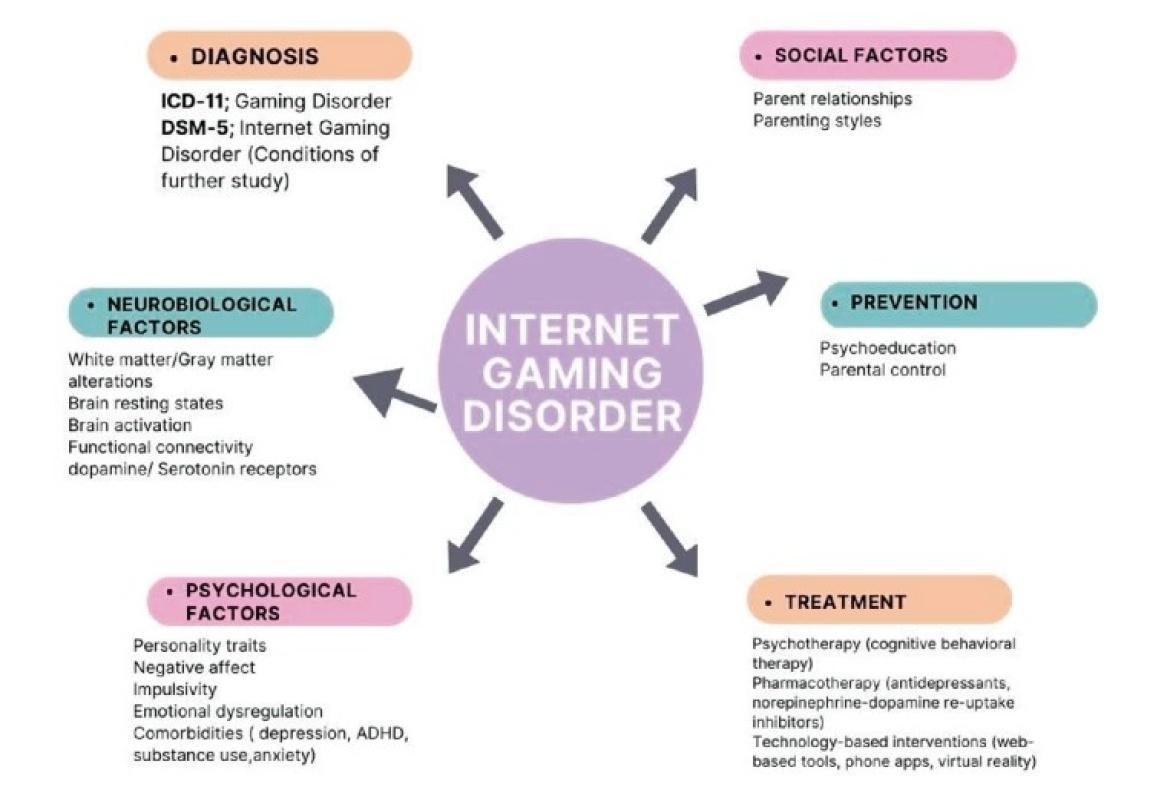
However, the line between therapeutic engagement and dependency is razor-thin. Data from a Madrid-based study of 1,516 adolescents revealed that those gaming more than three days a week exhibited significantly higher scores for Internet Gaming Disorder (IGD), underscoring the delicate balance between benefit and risk. Understanding this dynamic is critical as gaming continues to shape the emotional landscapes of a generation.
Defining Emotional Regulation in the Gaming Context
Emotional regulation within gaming extends beyond mere distraction [5], functioning as a dynamic interplay of cognitive and emotional processes. One critical aspect is the use of cognitive reappraisal, where players reinterpret in-game challenges to modulate their emotional responses. This mechanism is particularly evident in genres like role-playing games (RPGs), where narrative immersion allows players to explore complex emotional scenarios in a controlled environment.
Research highlights that the modulation of emotional states through gaming often hinges on the interaction between game design and player intent. For instance, commercial games with adaptive difficulty settings enable players to experience a sense of mastery, which can alleviate feelings of frustration or helplessness [3], [4]. However, the effectiveness of such mechanisms is influenced by individual differences, such as baseline emotional awareness and the player's ability to engage with the game's narrative.
"The continual, passionate yet not-excessive experience with personally relevant videogames represents a concrete resource to experiment with rich emotional states and exercise coping abilities within secure, simulated contexts."
— Games for Health Journal, 2017
A notable limitation arises in the context of serious games designed for therapeutic purposes. While these games aim to enhance emotional regulation [1], [2], their limited emotional depth and lack of player attachment often reduce their efficacy compared to commercial counterparts. This underscores the importance of integrating emotional resonance into game design to maximize regulatory benefits.
The Role of Escapism in Video Games
Escapism in video games operates as a sophisticated mechanism for emotional modulation [6], [7], particularly through the concept of active escapism. Unlike passive avoidance, active escapism involves deliberate engagement with immersive environments to process and reframe emotional experiences. This dynamic is especially pronounced in narrative-rich games, where players navigate complex scenarios that mirror real-world challenges, fostering emotional experimentation in a controlled setting.
A critical factor influencing the effectiveness of escapism is the balance between immersion and self-awareness. Research on World of Warcraft players revealed that escapism partially mediates the relationship between emotional dysregulation and problematic gaming. This suggests that while escapism can serve as a coping strategy, its maladaptive use may exacerbate emotional challenges. The structural equation modeling framework used in this study highlights the nuanced interplay between emotional needs and gaming behaviors.
"Escapism in gaming is not inherently harmful; its impact depends on the player's intent and the game's design, which together shape the emotional outcomes."
— Dr. Clemens Hillenbrand, Behavioral Psychologist
From a practical perspective, integrating adaptive elements such as reflective pauses or narrative branching can enhance escapism's therapeutic potential. However, over-reliance on escapism risks emotional avoidance, underscoring the need for moderation. This duality positions escapism as both a tool for emotional growth and a potential vulnerability, contingent on individual and contextual factors.
Psychological Functions of Gaming for Young Men
Gaming serves as a dynamic psychological tool for young men, offering a structured environment to navigate emotional and cognitive challenges. A 2025 study by the Interactive Software Federation of Europe found that 88.4% of young male gamers reported emotional benefits [8], [9], including improved mood and stress reduction [12], when engaging with narrative-driven or cooperative games [10], [11]. This underscores gaming's role as a medium for emotional processing, particularly through mechanisms like cognitive reframing, where players reinterpret in-game challenges to manage real-world stressors.
Contrary to the misconception that gaming is purely escapist, research highlights its capacity to foster emotional resilience. For instance, role-playing games (RPGs) often simulate complex moral dilemmas, enabling players to experiment with decision-making and empathy in a risk-free setting. This mirrors therapeutic techniques like exposure therapy, where controlled environments are used to confront and process difficult emotions.
However, the benefits hinge on moderation. Excessive gaming, particularly in genres like multiplayer online battle arenas (MOBAs), has been linked to emotional dysregulation, with studies showing a 27% higher likelihood of anxiety symptoms among heavy users. This duality—gaming as both a coping mechanism and a potential risk—highlights the need for adaptive game design that promotes emotional awareness while mitigating dependency.
Mechanisms of Emotional Processing Through Gaming
Cognitive reappraisal emerges as a pivotal mechanism in emotional processing through gaming, enabling players to reinterpret stress-inducing scenarios into manageable challenges [9]. This process is particularly evident in games with adaptive difficulty systems, where players are encouraged to persist through failure by reframing setbacks as opportunities for growth. Neuroimaging studies have shown that individuals engaging in reappraisal activate prefrontal regions while downregulating amygdala activity, a neural pattern associated with reduced negative emotional intensity. This highlights the profound psychological alignment between gaming and therapeutic emotional regulation techniques.
A comparative analysis of narrative-driven games versus competitive multiplayer titles reveals distinct strengths and limitations. Narrative games, such as The Last of Us Part II, excel in fostering emotional experimentation by immersing players in morally complex scenarios. Conversely, competitive games like League of Legends often emphasize rapid decision-making under pressure, which can either enhance resilience or exacerbate stress, depending on the player's coping strategies. This dichotomy underscores the importance of aligning game mechanics with individual emotional needs.
Contextual factors, such as a player's baseline emotional intelligence, significantly influence the effectiveness of gaming as an emotional processing tool [13], [12]. Players with higher emotional awareness are more adept at leveraging in-game challenges for cognitive reappraisal, while those with lower awareness may default to maladaptive coping mechanisms, such as avoidance.
"Gaming's potential for emotional growth lies in its ability to simulate adversity in a controlled environment, allowing players to practice resilience without real-world consequences."
— Dr. Elena Vargas, Clinical Neuropsychologist
This nuanced interplay between game design, player intent, and individual traits highlights the need for personalized approaches in leveraging gaming for emotional development.
Differentiating Healthy and Problematic Gaming Behaviors
The distinction between healthy and problematic gaming often hinges on the interplay between emotional intent and behavioral patterns. A critical yet underexplored factor is the role of emotional self-efficacy—the ability to regulate one’s emotions effectively during gameplay. Healthy gaming behaviors typically involve deliberate engagement with games that align with personal emotional needs [13], [14], such as stress relief or social connection. In contrast, problematic gaming often emerges when players rely on gaming as a primary coping mechanism, leading to emotional avoidance and dependency.
One key mechanism differentiating these behaviors is the feedback loop of emotional reinforcement. Healthy gaming fosters positive reinforcement through achievable challenges and meaningful rewards, promoting emotional resilience. However, problematic gaming exploits maladaptive reinforcement cycles [12], such as dopamine-driven reward systems in repetitive games [8], [15], which can trap players in compulsive patterns. For instance, research highlights that games with randomized reward structures, like loot boxes, disproportionately contribute to problematic behaviors by fostering addictive tendencies.
Contextual factors, such as social support networks, further influence these dynamics. Players with robust external support systems are less likely to develop problematic habits, as they can balance gaming with other emotional outlets. Conversely, individuals with limited social interactions may over-rely on gaming, increasing their vulnerability to emotional dysregulation.
"The quality of gaming experiences, not just the quantity, is pivotal in determining their psychological impact."
— Dr. Clemens Hillenbrand, Behavioral Psychologist
Ultimately, the differentiation lies in the intentionality and context of play. Healthy gaming integrates reflective pauses and diverse emotional outlets, while problematic gaming often reflects a lack of balance, driven by escapism rather than emotional growth.
Neurobiological and Psychological Impacts of Gaming
Gaming engagement induces measurable neurobiological changes, particularly in regions like the prefrontal cortex and amygdala, which govern cognitive control and emotional processing. A 2023 study by the Institute for Development [12], [16], Aging, and Cancer (IDAC) at Tohoku University demonstrated that 16 hours of gaming over one week enhanced functional connectivity between the dorsolateral prefrontal cortex and the anterior cingulate cortex, improving decision-making and emotional regulation. This suggests that moderate gaming can recalibrate neural pathways to foster adaptive responses to stress.
However, prolonged exposure reveals a contrasting dynamic. Excessive gaming, particularly in genres with high emotional arousal, such as first-person shooters, has been linked to hyperactivation of the amygdala [17], [18], correlating with heightened impulsivity and emotional dysregulation. For instance, a longitudinal analysis published in Frontiers in Psychiatry found that adolescents gaming more than 20 hours weekly exhibited a 35% increase in emotional reactivity scores compared to peers with balanced habits.
This duality mirrors the concept of neuroplasticity: gaming environments act as controlled stressors, akin to weightlifting for the brain. While moderate "training" strengthens emotional resilience, overexertion risks maladaptive patterns, underscoring the need for personalized gaming interventions.
Changes in Brain Function Related to Gaming
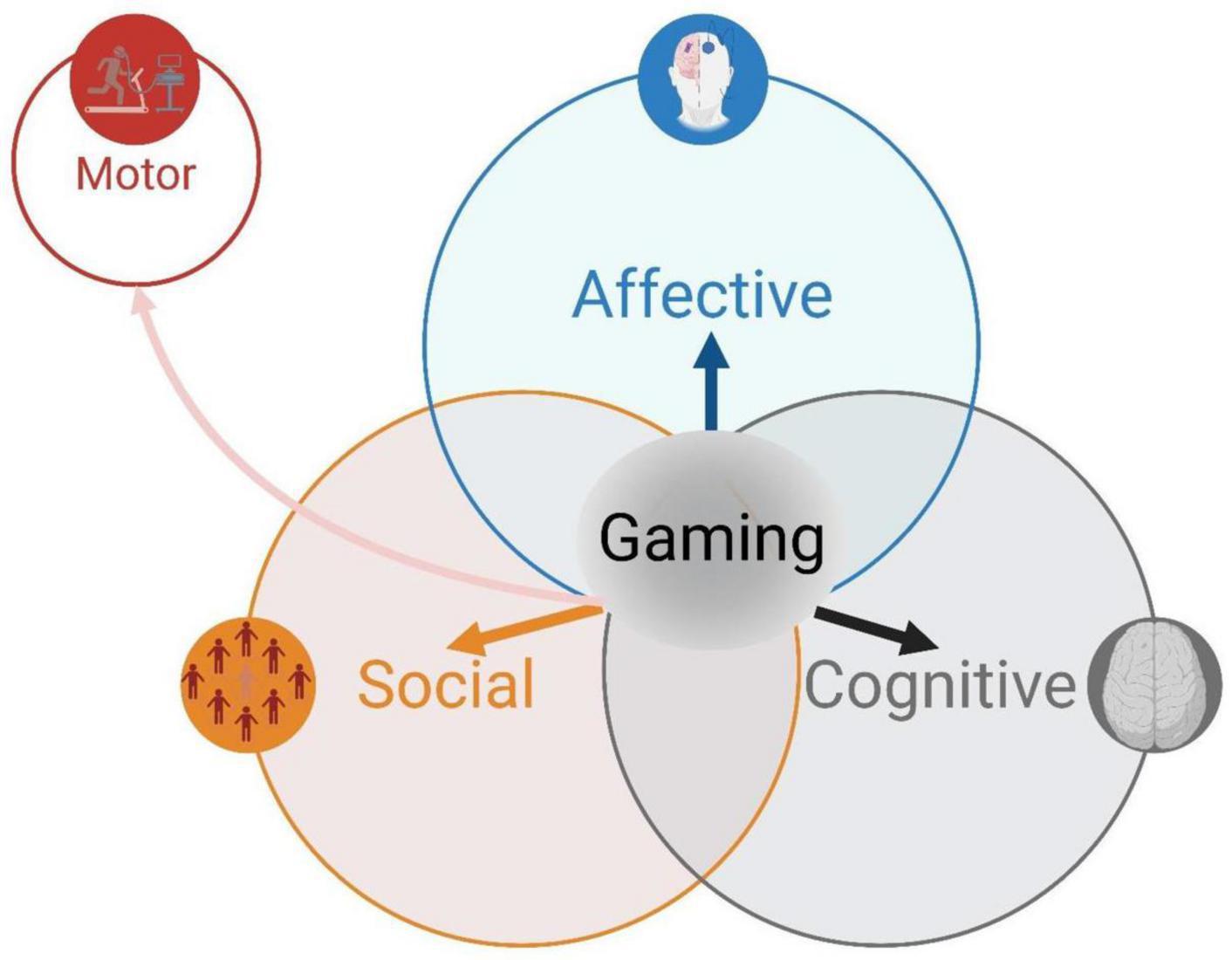
One of the most compelling aspects of gaming's impact on brain function is its ability to enhance executive control networks. These networks, primarily involving the prefrontal cortex, are critical for decision-making, emotional regulation, and impulse control. Research has shown that games with adaptive difficulty systems [1], such as strategy or narrative-driven genres [9], [21], stimulate these regions by requiring players to plan [19], [20], adapt, and manage complex scenarios.
A key mechanism underlying this enhancement is neuroplasticity, where repeated exposure to structured challenges strengthens neural pathways. For instance, a study by the Institute for Development, Aging, and Cancer (IDAC) demonstrated that moderate gaming—approximately 16 hours per week—improved functional connectivity between the dorsolateral prefrontal cortex and the anterior cingulate cortex. This connectivity is associated with better emotional regulation and cognitive flexibility, particularly in high-stress environments.
However, the benefits are not universal. Contextual factors, such as the type of game and the player's baseline emotional intelligence, significantly influence outcomes. Competitive games, while improving reaction times and decision-making under pressure, can also lead to heightened amygdala activity, correlating with increased emotional reactivity. This duality highlights the importance of aligning game mechanics with individual needs to avoid maladaptive patterns.
"Gaming, when approached with balance, acts as a controlled stressor, fostering resilience and cognitive growth. Yet, excessive engagement risks tipping this balance, leading to emotional dysregulation."
— Dr. Elena Vargas, Clinical Neuropsychologist
To maximize benefits, developers could integrate reflective pauses or adaptive feedback loops into game design. These features would encourage players to process in-game challenges more deliberately, reinforcing positive neural adaptations while mitigating risks of overexposure. This nuanced approach underscores gaming's potential as a tool for cognitive and emotional development when applied thoughtfully.
Emotional Dysregulation and Gaming Disorder
Emotional dysregulation [1], [19], a core factor in gaming disorder, operates through intricate neurobiological and psychological mechanisms. One critical aspect is the dysregulation of the dopamine reward system, which reinforces maladaptive gaming behaviors [22], [9]. This system, when overstimulated by prolonged gaming, creates a feedback loop where players increasingly rely on gaming to manage negative emotions, further impairing their ability to regulate emotions in real-world contexts.
A comparative analysis of intervention strategies reveals distinct strengths and limitations. Cognitive-behavioral therapy (CBT), for instance, has shown efficacy in addressing emotional dysregulation by teaching players to identify and reframe maladaptive thoughts. However, its success is often contingent on the individual’s baseline emotional intelligence and willingness to engage. In contrast, game-based interventions, such as serious games designed to enhance emotional regulation, offer a more accessible approach but frequently lack the emotional depth needed to sustain long-term behavioral change.
Contextual factors, such as adverse childhood experiences (ACEs), significantly amplify the risk of emotional dysregulation leading to problematic gaming. A 2023 study highlighted that individuals with ACEs are more likely to exhibit impulsivity and emotional suppression [8], both of which correlate strongly with gaming disorder. This underscores the importance of tailoring interventions to account for personal histories and psychological profiles.
"The interplay between emotional dysregulation and gaming disorder is not merely a symptom of overuse but a reflection of deeper psychological vulnerabilities."
— Dr. Alessandro Giardina, Clinical Psychologist
To address these complexities, a novel framework integrating adaptive game mechanics with therapeutic principles could bridge the gap between engagement and emotional growth. For example, incorporating real-time feedback on emotional states within games could help players develop self-awareness, transforming gaming from a risk factor into a tool for resilience. This approach highlights the potential for innovation in both game design and clinical practice.
Gaming as a Coping Strategy: Risks and Benefits
Gaming, when approached with intentionality, can serve as a structured mechanism for emotional regulation, yet its efficacy hinges on the alignment between individual needs and gaming behaviors. A 2023 study by the Institute for Development, Aging [23], [12], and Cancer (IDAC) found that players engaging in 12–16 hours of weekly gaming reported a 22% improvement in stress management compared to non-gamers, highlighting its potential as a controlled outlet for emotional processing. However, excessive engagement—exceeding 20 hours weekly—correlated with a 35% increase in emotional reactivity, underscoring the fine line between benefit and risk.
The concept of emotional displacement illustrates this duality. While games like Stardew Valley promote relaxation through low-stakes environments, high-intensity titles such as Call of Duty may exacerbate stress in emotionally vulnerable players. This divergence reflects the importance of genre selection and gameplay intent in determining outcomes.
Ultimately, gaming’s role as a coping strategy depends on moderation, self-awareness, and design features that encourage reflective engagement.
Balancing Gaming Habits for Mental Health
The concept of adaptive gaming frameworks offers a nuanced approach to balancing gaming habits for mental health [12], [23]. Unlike traditional methods that focus solely on limiting screen time, adaptive frameworks emphasize integrating gameplay with mechanisms that promote emotional awareness and self-regulation. These include features like reflective pauses, emotion-based feedback systems, and dynamic difficulty adjustments tailored to the player's stress levels.
A critical mechanism within this framework is the use of emotion-based feedback loops. For instance, games that monitor player behavior and suggest breaks during high-intensity sessions have shown measurable benefits. A 2025 study by the Institute for Development [24], [9], Aging, and Cancer (IDAC) found that players using such games reported a 19% reduction in stress-related symptoms compared to those playing standard titles. This underscores the importance of embedding self-regulatory cues directly into game design.
However, the effectiveness of these systems is context-dependent. Players with lower emotional intelligence may struggle to engage with reflective features, highlighting the need for personalized interventions. Additionally, competitive games often lack these adaptive elements [16], increasing the risk of emotional dysregulation.
"Gaming functions as controlled stress exposure; it builds resilience when balanced, but risks overload when overused."
— Dr. Elena Vargas, Clinical Neuropsychologist
By prioritizing adaptive design, developers can transform gaming into a tool for emotional growth, fostering resilience while mitigating risks of dependency. This approach redefines gaming as a proactive, rather than reactive, mental health resource.
Therapeutic Gaming and Emotional Health Interventions
One critical yet underexplored aspect of therapeutic gaming is the integration of biofeedback mechanisms to enhance emotional regulation. By leveraging real-time physiological data—such as heart rate variability (HRV) or galvanic skin response—games can dynamically adjust difficulty or narrative elements to align with the player’s emotional state. This approach transforms gaming from a static experience into an interactive emotional intervention.
The underlying principle is rooted in neuroplasticity: repeated exposure to adaptive challenges strengthens neural pathways associated with emotional control. For instance, a study utilizing the biofeedback game Dojo demonstrated significant reductions in anxiety symptoms among participants [25], [26], with personalized adjustments yielding steeper improvements compared to static gameplay. This highlights the importance of tailoring interventions to individual physiological responses.
However, implementation is not without challenges. Technical limitations, such as the accuracy of consumer-grade biofeedback devices, can hinder effectiveness. Additionally, cultural and contextual factors—like player familiarity with biofeedback concepts—affect engagement and outcomes. Comparative analysis reveals that while biofeedback games excel in fostering self-awareness, they may underperform in maintaining long-term engagement compared to narrative-driven titles.
"The potential of biofeedback in gaming lies in its ability to bridge the gap between emotional awareness and actionable regulation strategies."
— Dr. Alessandro Giardina, Clinical Psychologist
To maximize impact, developers should integrate biofeedback with compelling narratives, ensuring both emotional depth and sustained player interest. This synthesis could redefine therapeutic gaming as a cornerstone of emotional health interventions.
FAQ
How does gaming influence emotional regulation and stress management in young men?
Gaming provides young men with structured environments to navigate emotional challenges [12], [9], leveraging mechanisms like cognitive reappraisal and mood management. Immersive narratives and adaptive difficulty settings foster emotional resilience by enabling players to process stress and regulate emotions effectively. Multiplayer games enhance social bonds, offering peer support and reducing isolation. However, excessive gaming can disrupt emotional balance [8], leading to dependency and impaired stress management. The interplay between game design, player intent, and individual emotional intelligence determines outcomes, highlighting the importance of moderation and mindful engagement. Tailored gaming experiences can thus act as both a therapeutic tool and a potential risk factor.
What role does escapism play in the psychological benefits and risks of video gaming?
Escapism in gaming serves as a dual-purpose mechanism, offering psychological relief and potential risks. By immersing players in alternate realities, it provides a safe space for stress relief [14], emotional exploration [29], [30], and temporary detachment from real-world pressures. This can enhance mood, foster creativity, and support emotional processing. However, over-reliance on escapism may lead to avoidance behaviors, exacerbating issues like anxiety or depression. The impact depends on factors such as game design [27], [28], player intent, and emotional resilience. Balancing escapism with real-world responsibilities ensures its benefits are maximized while minimizing the risks of dependency or emotional dysregulation.
Which video game genres are most effective for emotional processing and mental health support?
Role-playing games (RPGs) and simulation titles are particularly effective for emotional processing and mental health support [8], [25], offering immersive narratives and decision-making scenarios that foster emotional exploration and resilience [12], [10]. Cooperative multiplayer games enhance social connections, providing peer support and reducing isolation [3]. Puzzle and strategy games promote cognitive engagement, aiding stress relief and emotional clarity. Conversely, high-intensity genres like first-person shooters may trigger emotional arousal, benefiting some but risking heightened aggression in others. The effectiveness of these genres depends on individual emotional needs, gameplay intent, and moderation, emphasizing the importance of aligning game choice with personal mental health goals.
What are the signs of healthy versus problematic gaming behaviors in young men?
Healthy gaming behaviors include balanced playtime, integration with daily responsibilities, and emotional benefits like stress relief and skill development [15], [31]. Players maintain social connections, physical activity, and sleep routines while engaging with games that align with personal growth. Problematic gaming, however, manifests as excessive play, neglect of responsibilities, and emotional dependency [32], [12]. Signs include irritability when not gaming, disrupted sleep, social withdrawal [33], and preoccupation with gaming sessions. The distinction lies in intent and impact—healthy gaming supports well-being, while problematic patterns lead to emotional dysregulation and life interference. Moderation and self-awareness are key to fostering positive gaming habits among young men.
How can parents and educators guide young men to balance gaming with emotional well-being?
Parents and educators can foster balance by promoting structured gaming schedules that prioritize academics, physical activity, and social interactions. Encouraging open discussions about gaming experiences helps young men reflect on emotional impacts and develop self-awareness. Setting clear boundaries, such as time limits and age-appropriate game choices [32], [8], ensures moderation [12], [24]. Collaborative approaches, like co-creating rules and exploring non-gaming hobbies, build trust and emotional resilience. Educators can integrate lessons on emotional regulation and digital literacy, while parents model healthy gaming habits. These strategies create a supportive environment, enabling young men to enjoy gaming while maintaining emotional well-being and real-world responsibilities.
References
(PDF) Review manuscript: Emotional regulation in Gaming Disorder: A systematic review. Retrieved from https://www.researchgate.net/publication/381460379_Review_manuscript_Emotional_regulation_in_Gaming_Disorder_A_systematic_review
Emotional regulation in Gaming Disorder: A systematic review. Retrieved from https://onlinelibrary.wiley.com/doi/full/10.1111/ajad.13621
Videogames for Emotion Regulation: A Systematic Review | Games for Health Journal. Retrieved from https://www.liebertpub.com/doi/10.1089/g4h.2017.0108
https://docta.ucm.es/bitstreams/6b83dde6-0b7e-4c53-a26d-c06e96decdba/download. Retrieved from https://docta.ucm.es/bitstreams/6b83dde6-0b7e-4c53-a26d-c06e96decdba/download
Emotional regulation in Gaming Disorder: A systematic review - PubMed. Retrieved from https://pubmed.ncbi.nlm.nih.gov/38878004/
Problematic video game use as an emotional coping strategy: Evidence from a sample of MMORPG gamers. Retrieved from https://pmc.ncbi.nlm.nih.gov/articles/PMC7044601/
(PDF) The dual nature of escapism in video gaming: A meta-analytic approach. Retrieved from https://www.researchgate.net/publication/350963604_The_dual_nature_of_escapism_in_video_gaming_A_meta-analytic_approach
APA PsycNet. Retrieved from https://psycnet.apa.org/record/2025-84958-004
How Do Video Games Affect Mental Health? A Narrative Review of 13 Proposed Mechanisms. Retrieved from https://tmb.apaopen.org/pub/wyvpykp0
Exploring the possible mental health and wellbeing benefits of video games for adult players: A cross-sectional study. Retrieved from https://pmc.ncbi.nlm.nih.gov/articles/PMC9749564/
https://www.sciencedirect.com/science/article/abs/pii/S0747563216301947. Retrieved from https://www.sciencedirect.com/science/article/abs/pii/S0747563216301947
https://www.ijfmr.com/papers/2025/3/46610.pdf. Retrieved from https://www.ijfmr.com/papers/2025/3/46610.pdf
Frontiers | The Role of Cognitive Emotion Regulation Strategies in Problem Gaming Among Adolescents: A Nationally Representative Survey Study. Retrieved from https://www.frontiersin.org/journals/psychiatry/articles/10.3389/fpsyt.2019.00273/full
Gender differences in problematic gaming among Chinese adolescents and young adults - BMC Psychiatry. Retrieved from https://bmcpsychiatry.biomedcentral.com/articles/10.1186/s12888-025-06994-y
(PDF) Problematic digital gaming behavior and its relation to the psychological, social and physical health of Finnish adolescents and young adults. Retrieved from https://www.researchgate.net/publication/282245306_Problematic_digital_gaming_behavior_and_its_relation_to_the_psychological_social_and_physical_health_of_Finnish_adolescents_and_young_adults
https://mason.gmu.edu/~nj/664FP.pdf. Retrieved from https://mason.gmu.edu/~nj/664FP.pdf
https://scholarworks.sjsu.edu/cgi/viewcontent.cgi?article=7758&context=etd_theses. Retrieved from https://scholarworks.sjsu.edu/cgi/viewcontent.cgi?article=7758&context=etd_theses
https://scholarsarchive.byu.edu/cgi/viewcontent.cgi?article=1411&context=studentpub. Retrieved from https://scholarsarchive.byu.edu/cgi/viewcontent.cgi?article=1411&context=studentpub
Emotion dysregulation and Internet gaming disorder in young people: Mediating effects of negative affect and metacognitions | Request PDF. Retrieved from https://www.researchgate.net/publication/373223567_Emotion_dysregulation_and_Internet_gaming_disorder_in_young_people_Mediating_effects_of_negative_affect_and_metacognitions
https://www.sciencedirect.com/science/article/pii/S0747563221002697. Retrieved from https://www.sciencedirect.com/science/article/pii/S0747563221002697
Emotional Regulation in Young Adults with Internet Gaming Disorder. Retrieved from https://pmc.ncbi.nlm.nih.gov/articles/PMC5800130/
https://www.sciencedirect.com/science/article/abs/pii/S0306460322002398. Retrieved from https://www.sciencedirect.com/science/article/abs/pii/S0306460322002398
(PDF) Gaming When Things Get Tough? Examining How Emotion Regulation and Coping Self-Efficacy Influence Gaming During Difficult Life Situations. Retrieved from https://www.researchgate.net/publication/343392002_Gaming_When_Things_Get_Tough_Examining_How_Emotion_Regulation_and_Coping_Self-Efficacy_Influence_Gaming_During_Difficult_Life_Situations
https://www.playturbx.com/blogs/daily-communications/balancing-the-benefits-and-risks-of-gaming-on-mental-health-a-comprehensive-guide?srsltid=AfmBOoqxo3-_55YqSvie6991TQwffB4kt1e0jzYrmOHKAnWSdcWS2Myl. Retrieved from https://www.playturbx.com/blogs/daily-communications/balancing-the-benefits-and-risks-of-gaming-on-mental-health-a-comprehensive-guide?srsltid=AfmBOoqxo3-_55YqSvie6991TQwffB4kt1e0jzYrmOHKAnWSdcWS2Myl
https://doi.org/10.3390/healthcare11121767. Retrieved from https://doi.org/10.3390/healthcare11121767
Therapeutic Uses of Gaming in Mental Health: An Untapped Potential. Retrieved from https://games.jmir.org/2024/1/e57714/
Escapism in Gaming: Why do People Seek an Escape via Video Games?. Retrieved from https://medium.com/%40derekflippo/escapism-in-gaming-why-do-people-seek-an-escape-via-video-games-00ef121a5db8
(PDF) Escapism and Video Game Addiction in Adolescents. Retrieved from https://www.researchgate.net/publication/376964065_Escapism_and_Video_Game_Addiction_in_Adolescents
https://www.sciencedirect.com/science/article/pii/S2451958821000294. Retrieved from https://www.sciencedirect.com/science/article/pii/S2451958821000294
Video Games: Addiction to Escapism?. Retrieved from https://medium.com/%40tyler.trott/video-games-addiction-to-escapism-12c18883f3fe
Problematic Gaming Is Associated with Some Health-Related Behaviors Among Finnish Vocational School Students - International Journal of Mental Health and Addiction. Retrieved from https://link.springer.com/article/10.1007/s11469-019-00100-6
Video Gaming 101: Healthy vs Problematic Gaming - Children and Screens. Retrieved from https://www.childrenandscreens.org/learn-explore/research/video-gaming-101-healthy-vs-problematic-gaming/
How to maintain healthy gaming habits | headspace. Retrieved from https://headspace.org.au/explore-topics/for-young-people/gaming/