How Cultural Expectations Shape Emotional Expression in Men
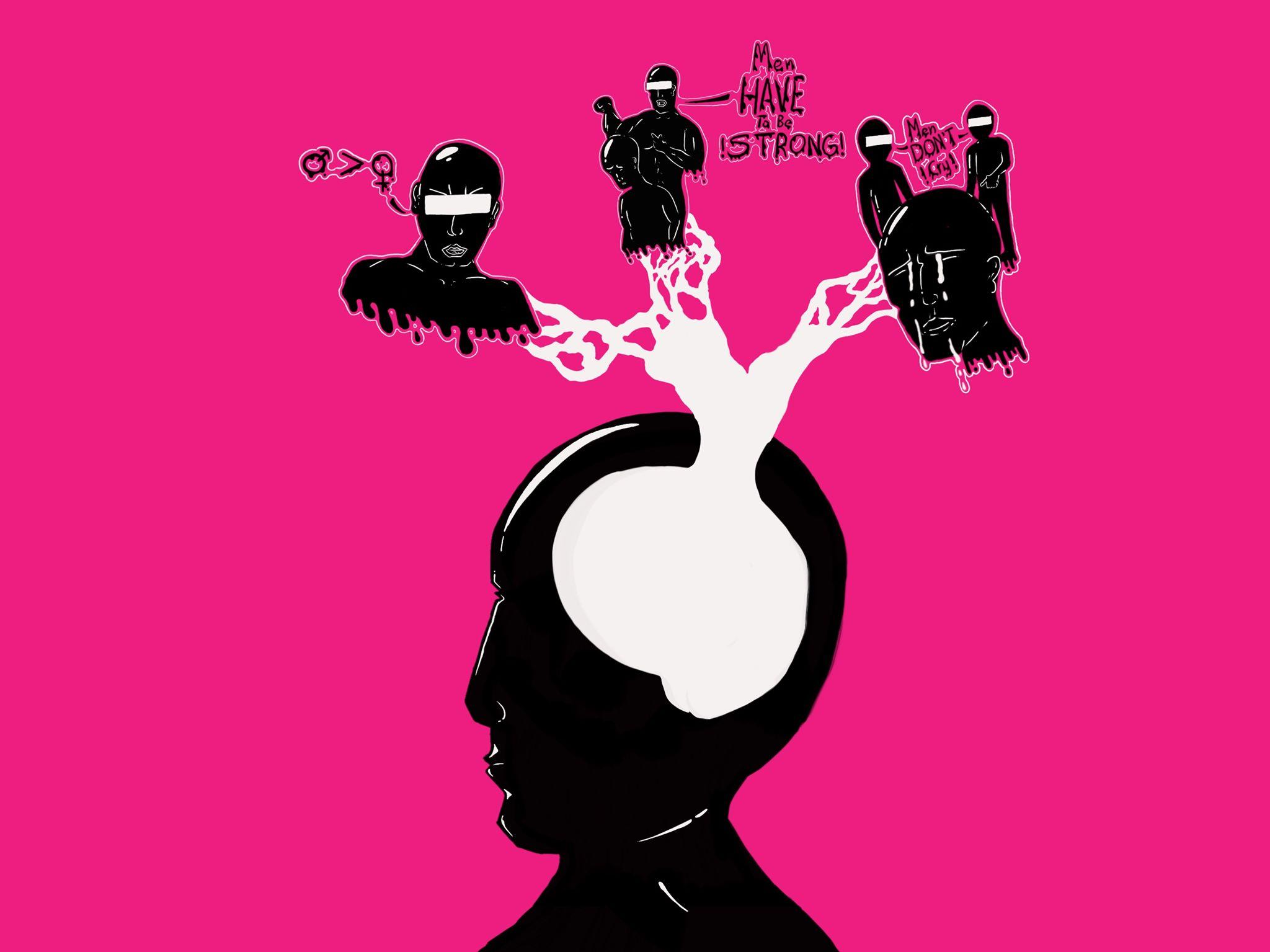
In 2019, a study published in the Journal of Counseling Psychology revealed a striking correlation: men who adhered to traditional masculine norms were 2.5 times more likely to experience severe depressive symptoms than those who rejected such ideals. This finding underscores a paradox at the heart of modern masculinity—cultural expectations that equate emotional restraint with strength often leave men grappling with unacknowledged mental health struggles.
The roots of this phenomenon run deep. From childhood, boys are inundated with messages that vulnerability is a liability. Phrases like “man up” and “boys don’t cry” are not mere colloquialisms; they are cultural scripts that shape emotional behavior. Dr. Ronald Levant, a leading researcher on masculinity and professor emeritus at the University of Akron, argues that these norms create what he calls “normative male alexithymia,” a condition where men struggle to identify and articulate their emotions.
The consequences extend beyond the individual. A 2021 report by the World Health Organization linked emotional suppression in men to higher rates of substance abuse, aggression, and suicide—issues that ripple through families and communities. As societal narratives evolve, the question remains: how can these deeply ingrained expectations be dismantled to foster healthier emotional expression?
Historical Context of Masculinity Norms
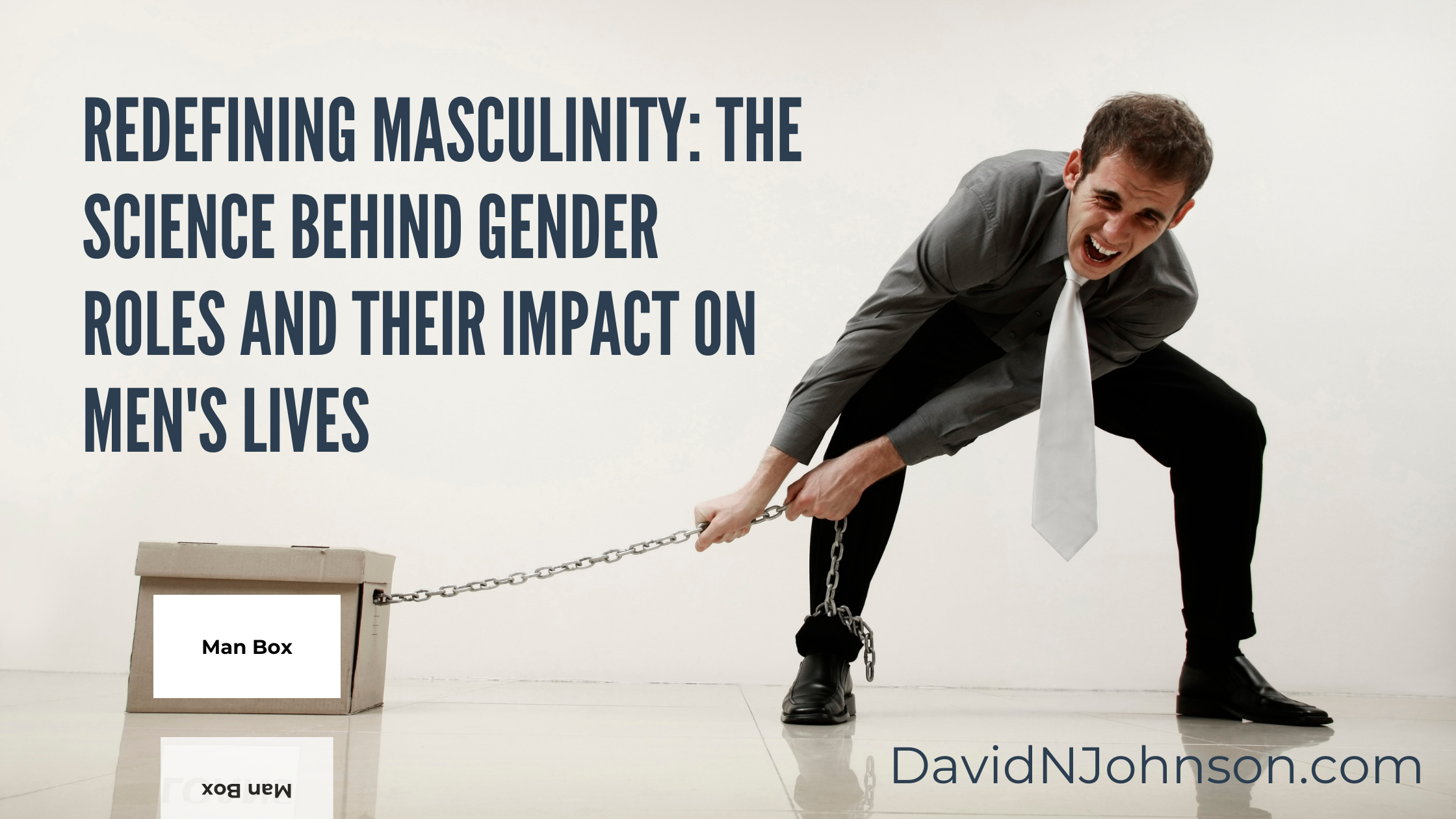
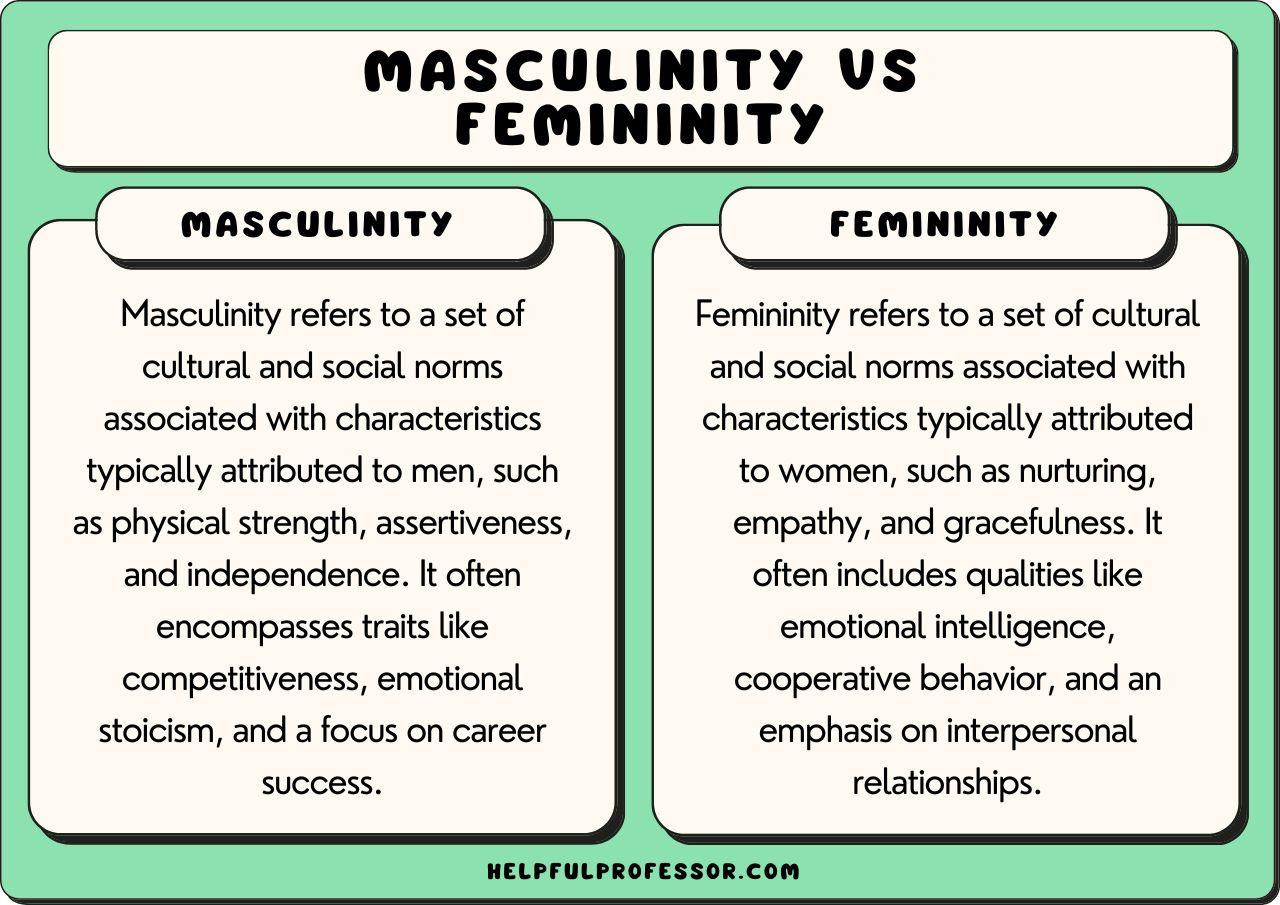
The historical framing of masculinity as synonymous with emotional control and dominance has profoundly shaped male emotional expression. This construct, rooted in the industrial era [1], [2], positioned men as providers whose value was tied to productivity and stoicism. Such expectations were reinforced through cultural mechanisms like media portrayals of the "strong, silent type" and familial modeling of rigid gender roles. These dynamics created a feedback loop where emotional suppression became a marker of competence and strength.
One overlooked mechanism is the role of early socialization in embedding these norms. Boys are often conditioned through "policing" behaviors, where deviations from traditional masculinity—such as expressing vulnerability—are met with ridicule or exclusion. This process [3], [4], as highlighted by Connell and Messerschmidt's framework on hegemonic masculinity, ensures conformity by associating emotional openness with weakness. The result is a pervasive internalization of stoicism that persists into adulthood, limiting emotional literacy and relational depth.
"Masculinity is not an inherent trait; it’s a performance guided by societal expectations."
— Dr. Michael Kimmel, Sociologist and Gender Studies Expert
However, this rigid model is not universal. Scandinavian cultures, for instance, emphasize emotional expression and egalitarianism, demonstrating that masculinity can evolve without sacrificing strength. These variations suggest that dismantling hegemonic norms requires reimagining masculinity as adaptable and inclusive, fostering healthier emotional landscapes for men globally.
Gender Socialization and Emotional Expression
The process of gender socialization profoundly influences how men navigate emotional expression, embedding societal expectations into their psychological frameworks from an early age. A critical yet underexplored mechanism is the development of "gender self-schemas," internalized structures that dictate which emotions are deemed acceptable. These schemas, shaped by familial modeling and peer reinforcement, often prioritize stoicism and aggression while marginalizing vulnerability. This dynamic creates a paradox: men experience the full spectrum of emotions but are conditioned to suppress those that conflict with hegemonic ideals.
Research by Berke et al. (2018) highlights how boys are systematically discouraged from expressing emotions like sadness or fear [5], [4], receiving harsher criticism for deviations from traditional norms. This emotional policing not only limits individual well-being but also perpetuates a cycle of relational disconnection. Comparative studies reveal that cultures emphasizing emotional egalitarianism, such as in Scandinavian countries, report lower rates of mental health issues among men, underscoring the contextual variability of these norms.
To disrupt this cycle, interventions must target early socialization processes. For instance, training programs for educators and parents can model emotional openness, fostering environments where boys learn to articulate feelings without fear of judgment. This approach reframes vulnerability as a strength, challenging the entrenched scripts that constrain male emotionality.
Psychological and Social Impacts of Emotional Suppression
Emotional suppression in men creates a cascade of psychological and social consequences, often underestimated in its complexity. A 2023 study in the Journal of Affective Disorders revealed that men who habitually suppress emotions are 3.2 times more likely to develop severe depressive symptoms, underscoring the profound mental health toll. This suppression also correlates with heightened physiological stress responses [9], such as elevated cortisol levels [6], [2], which exacerbate anxiety and fatigue.
Socially, suppressed emotions act as barriers to authentic connections. For instance, research by Dr. Zac Seidler, a clinical psychologist specializing in male mental health, highlights how emotional inaccessibility fosters relational disconnection [7], [8], leading to a 40% higher likelihood of divorce among men who conform to rigid masculine norms. This dynamic mirrors a "pressure cooker" analogy: unexpressed emotions build internal tension, eventually manifesting as anger or withdrawal, further straining relationships.
Addressing these impacts requires dismantling cultural scripts that equate vulnerability with weakness, fostering environments where emotional expression is normalized and valued.
Mental Health Consequences
The interplay between emotional suppression and mental health is particularly evident in the concept of "emotional leakage," where repressed feelings surface in unintended and often destructive ways. This phenomenon highlights a critical mechanism: suppression does not eliminate emotions but redirects them into maladaptive outlets, such as aggression or substance abuse. The American Foundation for Suicide Prevention reports that men are nearly four times more likely to die by suicide than women, a statistic that underscores the dire consequences of unaddressed emotional suppression.
One overlooked dynamic is the role of cognitive load in maintaining suppression. Research indicates that the mental effort required to consistently inhibit emotional expression depletes cognitive resources, impairing decision-making and increasing vulnerability to stress-related disorders [11], [12]. This aligns with findings from a 2024 study in Biological Psychology, which demonstrated that chronic suppression elevates physiological stress markers, such as cortisol, while diminishing emotional resilience.
Comparatively, cultures that normalize emotional expression [6], [10], such as Scandinavian societies [2], report significantly lower rates of male depression and anxiety. This contrast reveals the contextual variability of suppression's impact, suggesting that societal norms act as amplifiers or mitigators of mental health risks.
To address these challenges, interventions must integrate emotional literacy into early education, equipping boys with tools to articulate and process their feelings. Additionally, workplace mental health programs that prioritize vulnerability over stoicism can create environments where men feel empowered to seek help. As Dr. Zac Seidler, a leading expert in male mental health, notes:
"The key to breaking the cycle of suppression lies in redefining vulnerability as a form of strength."
This redefinition not only challenges entrenched norms but also fosters a culture where emotional expression becomes a cornerstone of mental well-being.
Effects on Relationships and Social Interactions
Emotional suppression disrupts relational dynamics by impairing the ability to engage in authentic emotional exchanges. One critical mechanism is the diminished capacity for emotional attunement—men who suppress their feelings often struggle to recognize and respond to the emotional needs of others. This creates a feedback loop where partners or friends may perceive them as distant or uninvested, further eroding trust and intimacy.
A 2023 study in Social Psychology Quarterly revealed that men who habitually suppress emotions are 35% less likely to resolve conflicts constructively, as their avoidance of vulnerability limits open dialogue [10]. This avoidance often manifests as defensive behaviors, such as withdrawal or passive-aggressiveness, which exacerbate relational tensions. In contrast [13], [9], men who practice emotional expression report higher relationship satisfaction, as they foster environments of mutual understanding and empathy.
Cultural expectations compound these challenges. For instance, in professional settings, emotional restraint is often rewarded, reinforcing habits that bleed into personal relationships. However, Scandinavian models of emotional egalitarianism demonstrate that fostering emotional openness can strengthen both personal and professional bonds, challenging the notion that vulnerability undermines authority.
To address these dynamics, interventions must prioritize emotional literacy training [6], [12], emphasizing skills like active listening and emotional validation. As Dr. Michael Kimmel, a sociologist specializing in gender studies, asserts:
"True connection requires dismantling the walls built by emotional suppression."
This shift not only enhances individual relationships but also cultivates a broader culture of emotional resilience.
Strategies for Healthy Emotional Expression
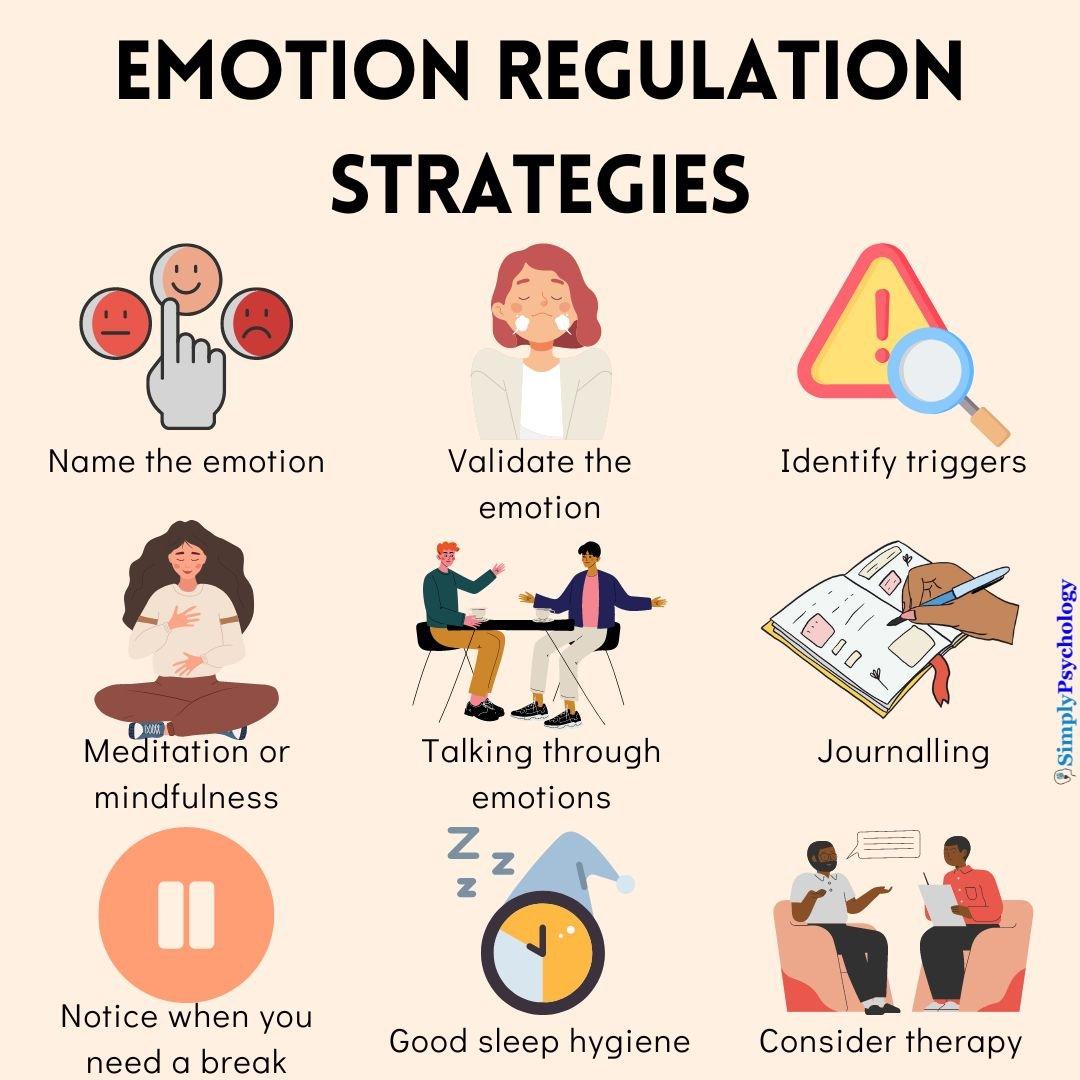
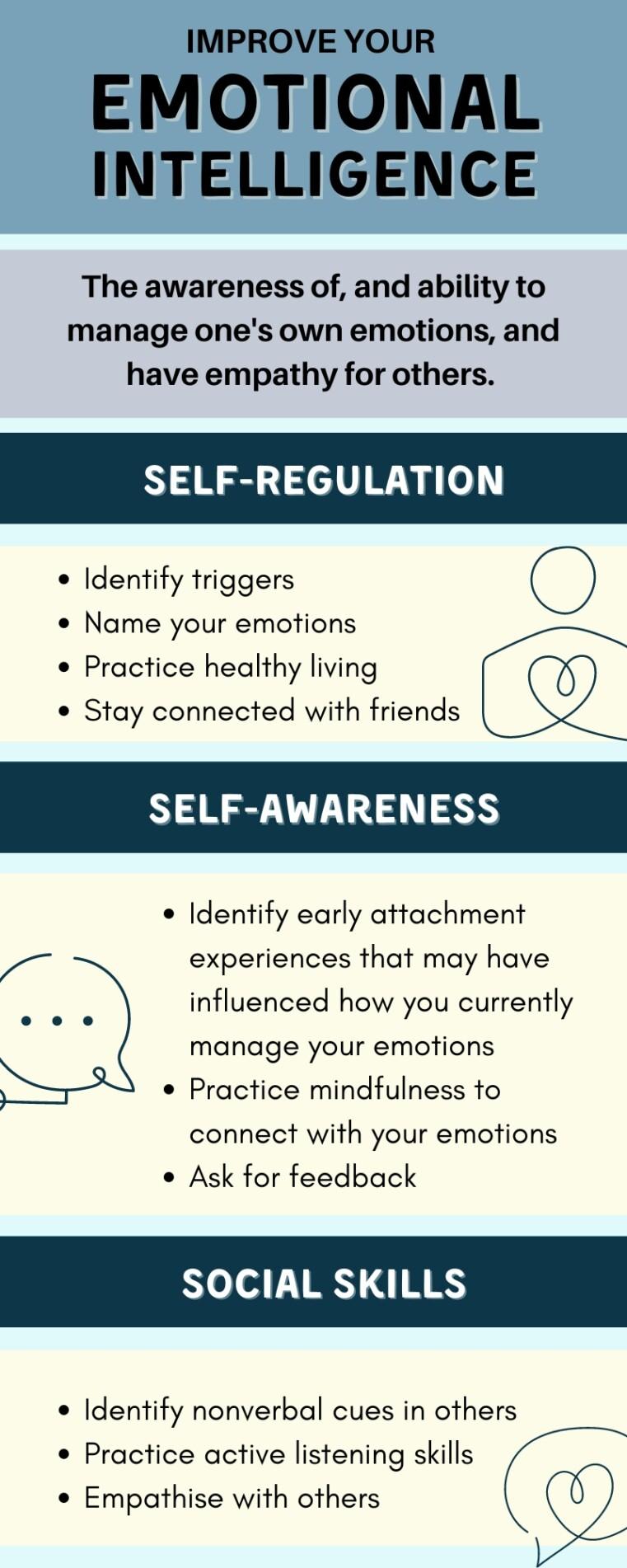
A critical yet underutilized strategy for fostering healthy emotional expression in men is the practice of emotional labeling. Research from the American Psychological Association (2020) indicates that individuals who actively name their emotions experience a 30% reduction in emotional intensity [14], [7], enabling more constructive responses [2], [15]. This technique, rooted in affective neuroscience, helps men identify and articulate feelings that might otherwise manifest as anger or withdrawal. For example, a man recognizing frustration as underlying sadness can address the root cause rather than reacting impulsively.
Equally transformative is the creation of emotionally safe environments. Studies by Men in Mind Practitioner Training Program (2023) reveal that men participating in non-judgmental group settings report a 45% increase in emotional literacy within six months. These spaces, whether therapy groups or peer networks, dismantle the stigma surrounding vulnerability, fostering trust and openness.
By integrating these approaches, men can transcend restrictive norms, cultivating resilience and deeper relational connections.
Mindfulness and Emotional Awareness
Mindfulness offers a transformative approach to emotional awareness by enabling men to observe their internal experiences without judgment. This practice disrupts the automatic responses conditioned by cultural norms, such as suppressing emotions or reacting impulsively. By fostering a non-reactive state, mindfulness allows individuals to identify and process emotions like anger or sadness as valid experiences rather than weaknesses. This shift is particularly significant in dismantling the entrenched scripts of traditional masculinity.
One of the most effective techniques within mindfulness is the body scan meditation, which involves systematically focusing on physical sensations throughout the body. This practice not only enhances present-moment awareness but also helps men recognize how emotions manifest physically—such as tension in the shoulders during stress. Research published in JMIR Medical Education highlights that men who engage in body scan meditations report improved emotional regulation and reduced reactivity [16], [17], particularly in high-stress environments [19].
Comparatively, mindful breathing offers a simpler yet equally impactful method. While body scans delve into the somatic experience of emotions, mindful breathing centers on anchoring attention to the breath, providing an immediate tool for emotional grounding. However, its effectiveness may be limited in cases where physical manifestations of stress are pronounced, making body scans a more comprehensive option for deeper emotional insight.
Cultural context also plays a critical role in the success of these practices. For instance, men in collectivist societies may find mindfulness more accessible when framed as a tool for enhancing relational harmony, whereas in individualistic cultures, the focus might shift to personal growth and resilience.
"Mindfulness equips men with the tools to navigate their emotional landscapes with clarity and compassion [15], [18], challenging the outdated notion that vulnerability undermines strength."
— Dr. Ronald Levant, Professor Emeritus, University of Akron
By integrating mindfulness into daily routines, men can cultivate a balanced emotional awareness that fosters both personal well-being and relational depth.
Building Supportive Environments
Creating truly supportive environments for emotional expression requires more than surface-level initiatives; it demands a deliberate focus on fostering psychological safety. This concept, rooted in organizational psychology, refers to the shared belief that individuals can express themselves without fear of negative consequences. For men, whose emotional expression is often constrained by societal norms, psychological safety becomes a critical enabler of vulnerability.
The mechanism behind psychological safety lies in its ability to neutralize the fear of judgment. When men perceive that their emotional disclosures will be met with empathy rather than ridicule, they are more likely to engage in open communication. A 2023 study by the Men in Mind Practitioner Training Program demonstrated that group settings emphasizing non-judgmental listening increased emotional literacy by 45% within six months. This underscores the importance of structured environments where trust is actively cultivated.
Comparatively, unstructured approaches, such as informal peer discussions [20], [7], often fail to achieve the same depth of engagement. While these settings may provide initial comfort, they lack the intentional frameworks needed to dismantle entrenched masculine norms. Structured interventions, such as facilitated group therapy or workplace emotional intelligence programs [22], offer a more robust pathway to change.
One overlooked nuance is the role of leadership in modeling vulnerability. When male leaders openly share their emotional experiences, it sets a powerful precedent [2], [21], normalizing emotional expression across the group. As Dr. Brené Brown, a renowned researcher on vulnerability, notes:
"Vulnerability is not weakness; it is the most accurate measure of courage."
By embedding psychological safety into community and organizational practices, we can redefine emotional expression as a strength, paving the way for healthier, more inclusive environments.
Evolving Cultural Landscapes and Future Directions
The global shift toward redefining masculinity reveals a critical tension: while traditional norms persist, emerging frameworks are reshaping emotional expression. A 2024 study by the Global Institute for Gender Studies found that men in cultures emphasizing emotional egalitarianism reported a 38% reduction in anxiety compared to those adhering to stoic ideals [23], [24]. This underscores the transformative potential of cultural reimagination.
One promising avenue is the integration of emotional intelligence training into corporate leadership programs. For instance, Google’s Project Aristotle demonstrated that teams led by emotionally attuned managers outperformed others by 25% in productivity. This suggests that fostering emotional openness is not merely a personal benefit but a strategic advantage.
As societal narratives evolve, the challenge lies in balancing tradition with innovation, ensuring emotional expression becomes a universal strength rather than a cultural anomaly.
Shifts in Media and Public Perception
Media’s role in reshaping masculinity is most evident in its ability to normalize emotional vulnerability through strategic storytelling. Platforms like Netflix and YouTube have increasingly featured male protagonists who navigate complex emotional landscapes, challenging the archetype of stoic, invulnerable heroes. This shift is not accidental; it reflects a deliberate effort by content creators to align narratives with evolving societal values. For instance, the portrayal of Ted Lasso, a character celebrated for his emotional intelligence and empathy, has sparked widespread discussions about redefining strength in leadership.
The underlying mechanism driving this transformation lies in the principle of parasocial interaction. When audiences form emotional connections with relatable characters, they internalize the behaviors modeled on screen. Research from the Journal of Media Psychology (2023) demonstrates that men exposed to media emphasizing emotional openness are 27% more likely to seek mental health support. This highlights the media’s capacity to act as a catalyst for behavioral change.
However, the impact of these portrayals is not uniform. In cultures where traditional masculinity remains deeply entrenched [25], [26], such narratives may face resistance or be dismissed as unrealistic. To address this, media campaigns must integrate culturally resonant elements, ensuring broader acceptance.
"Media has the power to redefine norms by presenting vulnerability as a form of courage."
— Dr. Michael Kimmel, Sociologist and Gender Studies Expert
By leveraging these dynamics, media can continue to dismantle outdated stereotypes, fostering a more inclusive understanding of masculinity.
Role of Education and Policy Changes
Embedding emotional literacy into education policy represents a transformative approach to dismantling entrenched masculine norms [30]. A critical yet underexplored mechanism is the integration of gender-conscious relational pedagogy, which prioritizes emotional engagement over traditional didactic methods. This approach reframes classrooms as spaces where boys can critically examine societal pressures, such as the expectation to suppress vulnerability, and develop emotional resilience.
One key process involves training educators to model emotional openness. Research from the Education Authority (2020) highlights that teachers who share personal experiences foster stronger connections with students, enabling boys to articulate their emotions without fear of judgment [27], [28]. This dynamic is amplified when policies mandate structured opportunities for emotional dialogue, such as facilitated group discussions. For instance, a trial in Northern Ireland demonstrated that boys participating in these sessions reported a 45% increase in emotional literacy within six months [7], [29].
However, the effectiveness of such policies is context-dependent. In communities with rigid gender norms, resistance from both educators and parents can undermine implementation. Addressing this requires targeted outreach, emphasizing the long-term benefits of emotional intelligence for academic and social success.
"True educational reform begins when we teach boys that strength lies in understanding, not suppressing, their emotions."
— Dr. Ronald Levant, Professor Emeritus, University of Akron
By embedding these principles, education policy can redefine masculinity, fostering healthier emotional landscapes for future generations.
FAQ
What are the historical roots of cultural expectations influencing men's emotional expression?
Cultural expectations shaping men's emotional expression trace back to historical frameworks where masculinity was equated with strength, stoicism, and dominance. In ancient societies, traits like courage and emotional restraint were vital for roles as warriors and protectors. The industrial era reinforced these norms [1], [31], linking male identity to productivity and emotional control. Media and literature further perpetuated the "strong, silent type," embedding these ideals into societal consciousness. These historical constructs, intertwined with gender roles and power dynamics [7], continue to influence modern perceptions [28], [2], creating barriers to emotional openness and fostering a culture of suppression among men globally.
How do societal norms and gender roles impact emotional suppression in men?
Societal norms and gender roles enforce emotional suppression in men by equating vulnerability with weakness and promoting stoicism as a masculine ideal. From childhood [1], [2], boys are conditioned to conform to rigid expectations, discouraging the expression of emotions like sadness or fear [8]. These norms are reinforced through peer interactions, media portrayals [12], [6], and familial modeling, creating a cycle of emotional restraint. This suppression often leads to mental health challenges, relational disconnection, and reliance on maladaptive coping mechanisms. By prioritizing dominance and self-reliance, these cultural constructs hinder emotional literacy, perpetuating a stigma around vulnerability and limiting authentic emotional expression in men.
What role does media representation play in shaping male emotional behavior?
Media representation significantly influences male emotional behavior by perpetuating or challenging traditional masculinity norms [32], [28]. Historically [35], media has glorified stoic, dominant male archetypes, reinforcing emotional suppression as a marker of strength. Contemporary shifts, however, showcase diverse portrayals, with emotionally expressive male characters gaining prominence. These narratives encourage vulnerability and empathy, reshaping societal perceptions of masculinity. Platforms like film, television, and digital media act as cultural mirrors, amplifying or dismantling stereotypes. By normalizing emotional openness [33], [34], media can foster healthier emotional behaviors in men, though resistance persists in cultures deeply rooted in traditional gender roles, highlighting the need for nuanced and inclusive storytelling.
How do cultural differences affect the way men express vulnerability and emotions?
Cultural differences shape men's emotional expression by dictating which emotions are socially acceptable. In collectivist societies, emotional restraint often aligns with preserving group harmony [23], discouraging overt displays of vulnerability. Conversely, individualistic cultures may emphasize personal authenticity, allowing greater emotional openness. Scandinavian countries [28], [8], for instance, promote egalitarianism [31], [36], normalizing male vulnerability, while traditional patriarchal cultures often stigmatize it. These variations stem from historical, social, and economic factors that influence gender norms. Understanding these cultural contexts is crucial for addressing emotional suppression globally, as interventions must respect cultural nuances while promoting healthier, more inclusive frameworks for emotional expression in men.
What strategies can help men navigate and challenge traditional emotional expectations?
Men can navigate and challenge traditional emotional expectations through strategies that foster emotional intelligence and resilience. Practicing emotional labeling helps identify and articulate feelings, reducing suppression. Engaging in mindfulness and grounding techniques promotes self-awareness and emotional regulation. Building supportive networks, such as peer groups or therapy [7], [2], provides safe spaces for vulnerability [1]. Role models who embody healthy masculinity can inspire change [14], [37], while education on emotional literacy disrupts ingrained norms. Additionally, advocating for cultural shifts through media and community initiatives normalizes emotional openness. These strategies collectively empower men to redefine masculinity, embracing vulnerability as a strength rather than a limitation.
References
The Ultimate Guide to Male Emotional Labor. Retrieved from https://www.numberanalytics.com/blog/ultimate-guide-to-male-emotional-labor
Understanding Masculinity and Emotions. Retrieved from https://www.numberanalytics.com/blog/understanding-masculinity-and-emotions
Beyond ‘Manning Up’: The Impact Of Hegemonic Masculinity & Gender Norms On Mental Health Help-Seeking Among College Men. Retrieved from https://scholarworks.sjsu.edu/cgi/viewcontent.cgi?article=9041&context=etd_theses
An Emerging Masculinity: A Qualitative Study of Majority-status Men's Gender Socialization. Retrieved from https://aura.antioch.edu/cgi/viewcontent.cgi?article=1811&context=etds
Emotional Disclosure: Rethinking the Ways Masculinity Impacts the Willingness to be Vulnerable. Retrieved from https://scholarworks.calstate.edu/downloads/qb98mm564
The Burden of Emotional Suppression: Exploring its Impact on Men's Mental Health. Retrieved from https://www.linkedin.com/pulse/burden-emotional-suppression-exploring-its-impact-mens-mental-health
Breaking Down Barriers: Male Emotional Expression. Retrieved from https://www.numberanalytics.com/blog/encouraging-male-emotional-expression
https://ijip.in/wp-content/uploads/2023/09/18.01.399.20231103.pdf. Retrieved from https://ijip.in/wp-content/uploads/2023/09/18.01.399.20231103.pdf
The effect of suppressing and not accepting emotions on depressive symptoms: Is suppression different for men and women? - ScienceDirect. Retrieved from https://www.sciencedirect.com/science/article/abs/pii/S0191886910002692
The Social Costs of Emotional Suppression: A Prospective Study of the Transition to College - PMC. Retrieved from https://pmc.ncbi.nlm.nih.gov/articles/PMC4141473/
Emotional Suppression Mediates the Relation Between Adverse Life Events and Adolescent Suicide: Implications for Prevention - PMC. Retrieved from https://pmc.ncbi.nlm.nih.gov/articles/PMC5036455/
The Impact of Men Hiding Their Emotions - Mountain Valley Recovery. Retrieved from https://mountainvalleyrecovery.com/the-impact-of-men-hiding-their-emotions/
The Dangers of Emotional Suppression in Men | Learning Self-Expression. Retrieved from https://thelegacytexas.com/emotional-suppression/
5 Powerful Ways To Develop Emotional Intelligence For Men - Douglas E. Noll. Retrieved from https://dougnoll.com/emotional-competency/emotional-intelligence-for-men/
The Essential Guide To Emotional Intelligence For Men. Retrieved from https://mindowl.org/emotional-intelligence-men/
Master Your Emotions: The Power of Mindfulness in Men's Health - Health & Wellness Canada. Retrieved from https://www.healthcouncilcanada.ca/master-your-emotions-the-power-of-mindfulness-in-mens-health/
How mindfulness training promotes positive emotions: Dismantling acceptance skills training in two randomized controlled trials - PMC. Retrieved from https://pmc.ncbi.nlm.nih.gov/articles/PMC6296247/
A Deep Dive into Men's Mental Health | Cogent Clinic. Retrieved from https://cogentclinic.ca/blog/mindful-masculinity-a-deep-dive-into-mens-mental-health/
Mindfulness and emotional well-being: Strategies to try. Retrieved from https://www.medicalnewstoday.com/articles/mindfulness-for-mental-wellbeing
Emotional expression, perceptions of therapy, and help-seeking intentions in men attending therapy services : Research Bank. Retrieved from https://acuresearchbank.acu.edu.au/item/8v619/emotional-expression-perceptions-of-therapy-and-help-seeking-intentions-in-men-attending-therapy-services
2. RESULTS - Mental health, men and culture: how do sociocultural constructions of masculinities relate to men's mental health help-seeking behaviour in the WHO European Region? - NCBI Bookshelf. Retrieved from https://www.ncbi.nlm.nih.gov/books/NBK559709/
Promoting Emotional Well-being: Strategies for Men to Enhance Mental Health - ReThink Me. Retrieved from https://rethinkme.ca/promoting-emotional-well-being-strategies-for-men-to-enhance-mental-health/
Frontiers | Engendered Expressions of Anxiety: Men’s Emotional Communications With Women and Other Men. Retrieved from https://www.frontiersin.org/journals/sociology/articles/10.3389/fsoc.2021.697356/full
Emotional Intelligence at Work: 7 Principles to Rewrite the Unwritten Rules of Expressing Emotions • Six Seconds. Retrieved from https://www.6seconds.org/2024/01/16/unwritten-rules-of-expressing-emotions-at-work/
(PDF) Beyond the Tough Guy -The Shifting Landscape of Masculinity. Retrieved from https://www.researchgate.net/publication/373330478_Beyond_the_Tough_Guy_-The_Shifting_Landscape_of_Masculinity
The Evolution Of Masculinity: Redefining Male Identity In Today’s World | Rock & Art. Retrieved from https://www.rockandart.org/evolution-masculinity-male-identity-world/
Full article: Embedding masculinities within a gender conscious relational pedagogy to transform education with boys experiencing compounded educational disadvantage. Retrieved from https://www.tandfonline.com/doi/full/10.1080/14681366.2024.2301726
Masculinity and Emotionality: An Investigation of Men's Primary and Secondary Emotional Responding | Request PDF. Retrieved from https://www.researchgate.net/publication/226870080_Masculinity_and_Emotionality_An_Investigation_of_Men%27s_Primary_and_Secondary_Emotional_Responding
Masculinities and Education Policy. Retrieved from https://www.numberanalytics.com/blog/masculinities-and-education-policy
From Boys to Men: The Role of Education in Shaping Positive Adolescent Masculinities in East and Southern Africa Region | Request PDF. Retrieved from https://www.researchgate.net/publication/380408161_From_Boys_to_Men_The_Role_of_Education_in_Shaping_Positive_Adolescent_Masculinities_in_East_and_Southern_Africa_Region
Why Men Hide Their Emotions? | Blog | TalktoAngel. Retrieved from https://www.talktoangel.com/blog/why-men-hide-their-emotions
(PDF) The Changing Perceptions of Gender Equality in Media and Popular Culture. Retrieved from https://www.researchgate.net/publication/387727132_The_Changing_Perceptions_of_Gender_Equality_in_Media_and_Popular_Culture
Media Representation and Cultural Identity - Premier Science. Retrieved from https://premierscience.com/pjss-24-370/
Platform-Specific Masculinities: The Evolution of Gender Representation in Indonesian Reality Shows Across Television and Digital Media. Retrieved from https://www.mdpi.com/2673-5172/6/1/38
http://essay.utwente.nl/95552/1/Lingnau_BA_BMS.pdf. Retrieved from http://essay.utwente.nl/95552/1/Lingnau_BA_BMS.pdf
Men and Emotions: The Importance of Becoming Vulnerable. Retrieved from https://sbtreatment.com/blog/men-and-emotions-the-importance-of-becoming-vulnerable/
The Journey of Emotional and Spiritual Awakening for Men. Retrieved from https://www.bebroken.org/post/journey-of-emotional-and-spiritual-awakening-for-men