How Male Narrative Identity Supports Men's Mental Wellbeing
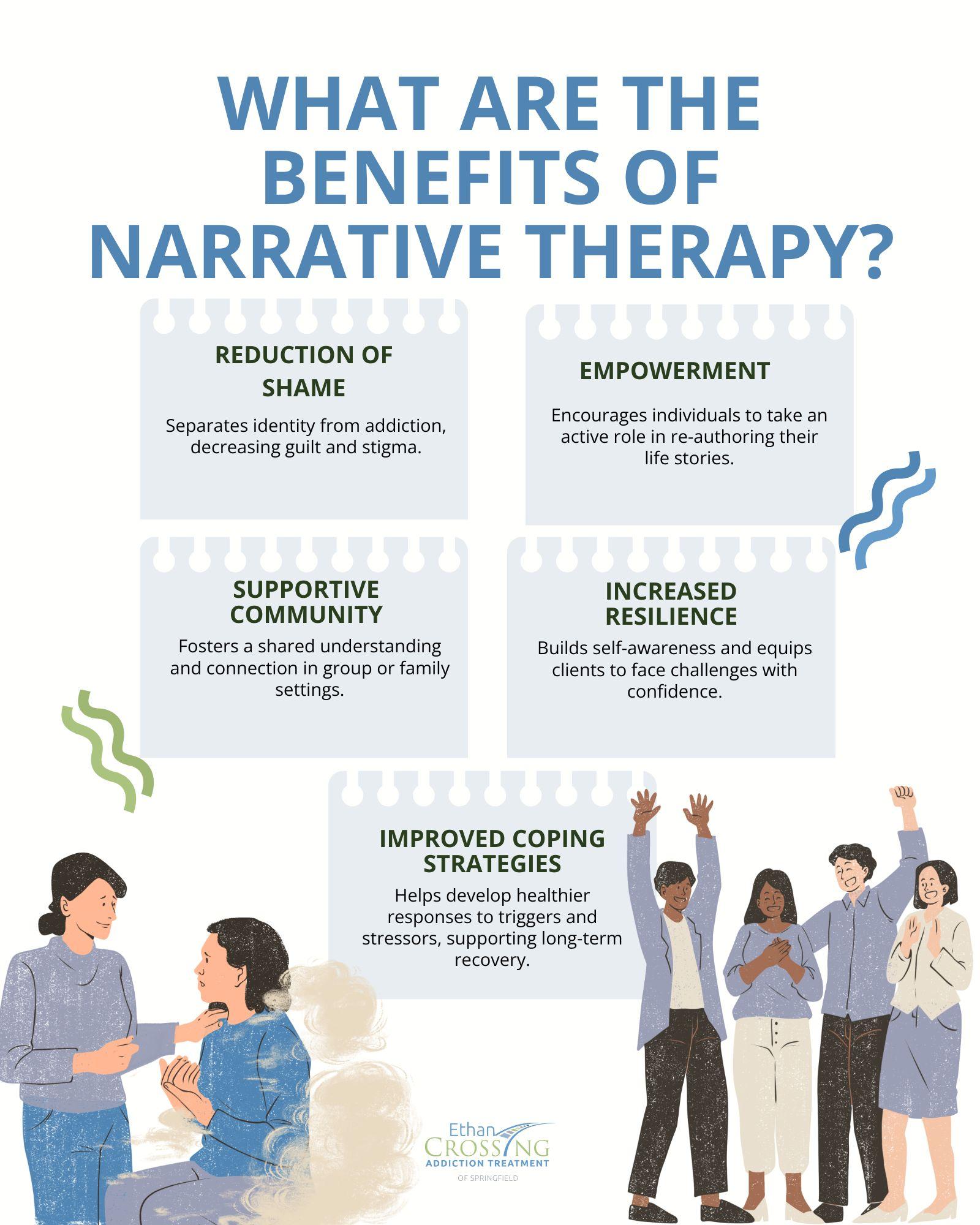
In 2021, the Centers for Disease Control and Prevention reported that nearly 80% of suicide deaths in the United States were men, a staggering figure that underscores a silent crisis. Yet, the roots of this disparity extend beyond clinical diagnoses or access to care. Emerging research suggests that the way men construct and narrate their life stories—what psychologists term "narrative identity"—plays a pivotal role in their mental health outcomes. Unlike static recollections, these narratives are active frameworks through which individuals make sense of their experiences, reconcile conflicts, and envision futures.
Dr. Dan P. McAdams, a leading figure in personality psychology, has argued that narrative identity is not merely a reflection of one’s past but a mechanism for psychological resilience. His work highlights how men who integrate themes of growth and agency into their life stories often exhibit greater emotional well-being. However, traditional masculinity norms, emphasizing stoicism and self-reliance, frequently inhibit such integrative storytelling, leaving many men trapped in fragmented or overly simplistic narratives.
A 2024 study from Valparaiso University found that men who reframe their struggles through narrative therapy—particularly by incorporating vulnerability and relational themes—report significant reductions in depressive symptoms. These findings suggest that fostering narrative complexity may not only illuminate the hidden dimensions of male mental health but also offer a pathway to healing.
Theoretical Foundations of Narrative Identity
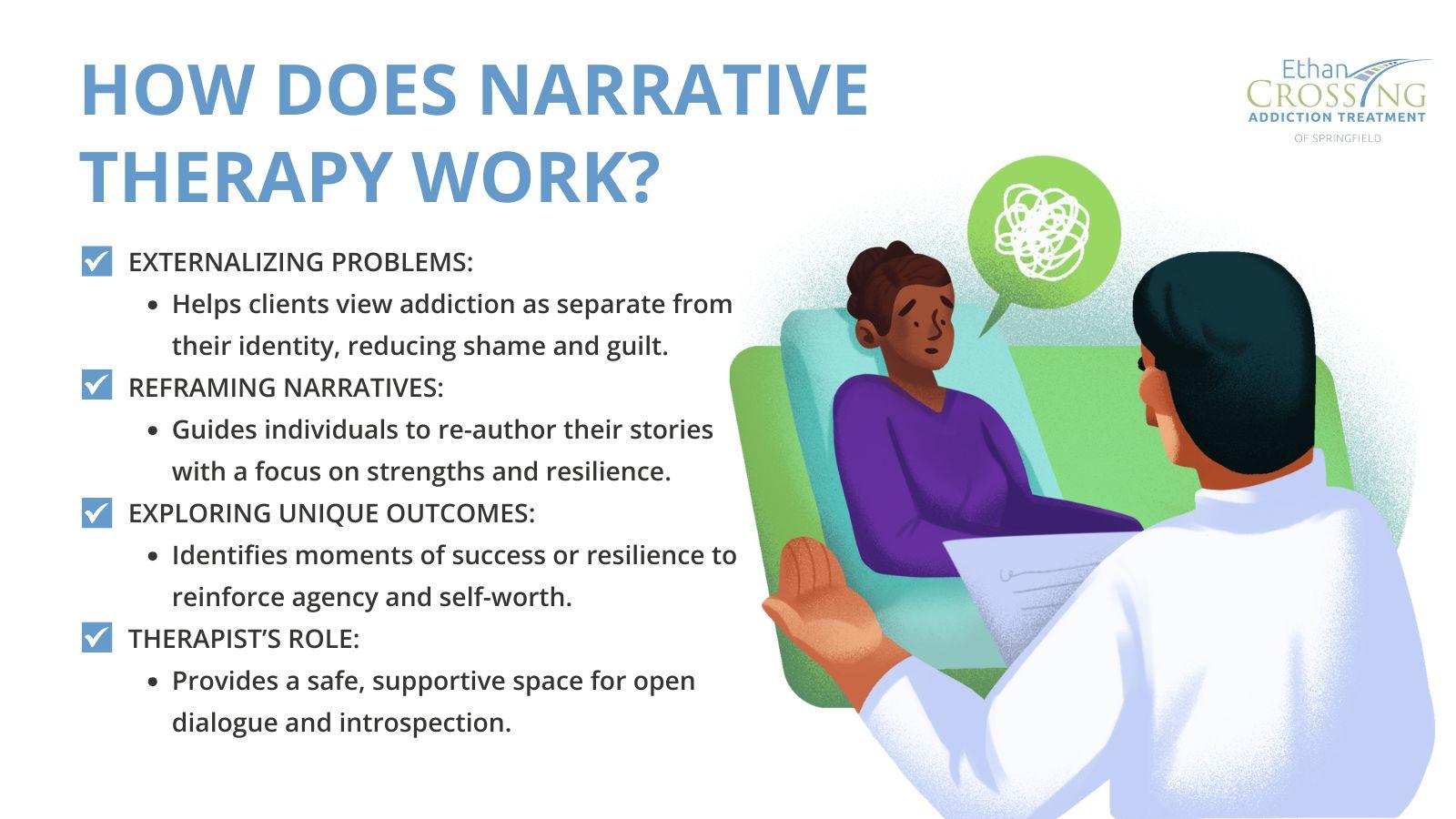
The concept of narrative identity, particularly in the context of men’s mental health, hinges on the interplay between autobiographical memory and the construction of a coherent self-narrative [1], [2]. A critical yet underexplored aspect is the role of self-event connections—the ability to link personal experiences to a broader life story. This process not only fosters a sense of continuity but also enables individuals to reinterpret adverse events through a lens of growth and meaning.
Research indicates that men often struggle with this integrative process due to societal pressures that valorize stoicism and discourage emotional introspection. For instance, a study conducted by Aarhus University (2025) highlights how early adversity [5], compounded by negative co-authoring from external influences, can lead to fragile narrative identities. These fragmented narratives exacerbate mental health challenges by reinforcing feelings of disconnection and helplessness.
Comparatively [3], [4], therapeutic approaches that emphasize transformational narrative processing—where individuals actively reframe their experiences to extract positive meaning—have shown significant promise. This method contrasts with ruminative processing, which tends to perpetuate negative self-perceptions. A notable example involves the use of narrative coaching board games, as documented in a 2019 study, which allowed participants to visualize their life stories and identify themes of agency and resilience.
"Optimal mental health is associated with the ability to transform difficult experiences into narratives of growth and purpose."
— Pals and McAdams, 2004
However, challenges remain in standardizing tools to assess narrative coherence and flexibility. Addressing these gaps requires a nuanced understanding of how cultural and individual factors shape narrative identity, underscoring the need for tailored interventions that respect diverse life contexts.
Key Components: Autobiographical Memory and Meaning-Making
Autobiographical memory serves as a foundational mechanism for meaning-making, particularly in the construction of male narrative identity [1], [7]. Unlike a static archive of past events, it operates as a dynamic system that organizes experiences into coherent, purpose-driven narratives. This process is especially critical for men, who often face societal expectations that discourage emotional introspection, thereby complicating their ability to derive meaning from life events.
One advanced technique for fostering meaning-making is the life chapter method, which structures autobiographical recall into distinct thematic periods. This approach not only enhances memory specificity but also facilitates the integration of episodic memories into a broader narrative framework. For instance, a 2021 study on trauma resilience demonstrated that participants who employed this method exhibited higher levels of narrative coherence and reduced psychological distress [3], [6]. However, its effectiveness is contingent on the practitioner’s ability to adapt the method to the individual’s cultural and emotional context, underscoring the importance of flexibility in therapeutic applications.
A critical challenge lies in addressing the tendency of men to externalize emotional experiences. Techniques such as guided self-event connections—where individuals explicitly link personal struggles to growth-oriented outcomes—have shown promise in overcoming this barrier. Yet, as noted by Dr. Lauranne Vanaken, whose research connects narrative coherence with trauma resilience, “the ability to remain emotionally engaged during narrative reconstruction is pivotal to long-term psychological well-being.”
In practice, the interplay between memory and meaning-making necessitates iterative, culturally sensitive interventions. By aligning therapeutic strategies with the individual’s unique life trajectory, practitioners can transform fragmented recollections into narratives of agency and purpose, ultimately supporting mental well-being.
Developmental Aspects of Male Narrative Identity
The developmental trajectory of male narrative identity reveals a nuanced interplay between cognitive maturation and cultural expectations, shaping how men process and articulate their life stories. Research by McLean et al. (2010) highlights that early-adolescent boys often lack the autobiographical complexity required to derive psychological benefits from elaborative storytelling [8], [9]. This limitation, rooted in developmental constraints, can hinder their ability to reframe negative experiences constructively, potentially exacerbating emotional distress.
In contrast, adulthood introduces opportunities for narrative refinement, as men gain the cognitive and emotional tools to integrate fragmented experiences into cohesive life narratives. A longitudinal study published in Human Development (2023) found that men who developed narrative coherence between ages 25 and 35 reported a 30% reduction in depressive symptoms over a decade [10], [11]. This underscores the critical role of narrative agency—the capacity to view oneself as an active agent in shaping life outcomes—in fostering mental resilience.
A counterintuitive finding emerges when examining the role of cultural master narratives. While adherence to these narratives can provide a sense of stability, deviations—when reframed as growth opportunities—often catalyze deeper self-understanding. For example, men who construct alternative narratives around non-traditional career paths or caregiving roles frequently report higher levels of psychological well-being, challenging the misconception that deviation inherently leads to identity conflict.
Ultimately, the developmental refinement of male narrative identity not only supports mental health but also enables men to navigate societal pressures with greater adaptability and purpose.
Adolescent Development and Narrative Skills
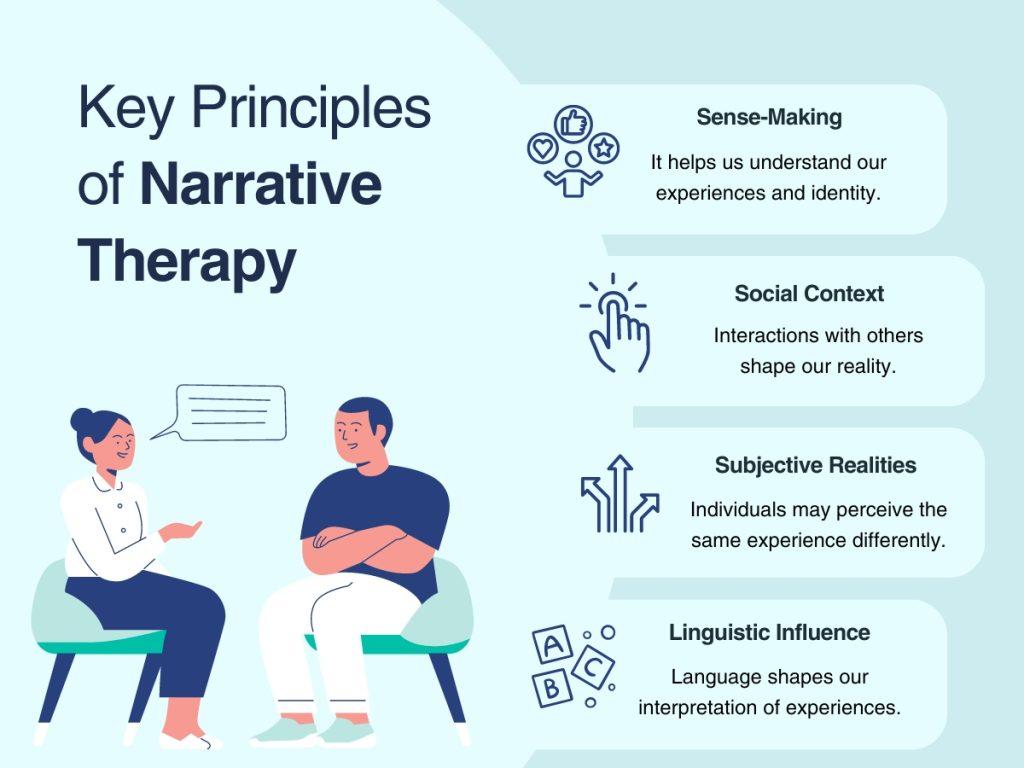
The capacity for adolescents to construct coherent narratives is intricately tied to their cognitive and emotional development, with autobiographical memory serving as a foundational mechanism. A critical yet underexplored technique in this domain is maternal scaffolding, which refers to the structured support provided by caregivers to help adolescents articulate and integrate their experiences. This process is particularly significant during early adolescence, a period marked by limited narrative complexity and emotional regulation.
Research by McLean and Mansfield (2011) demonstrates that maternal scaffolding enhances the use of internal state language—words reflecting thoughts, emotions [14], [15], and intentions—within adolescent narratives. This linguistic enrichment fosters deeper self-reflection and meaning-making, which are essential for identity formation. However, the effectiveness of this technique is contingent on the caregiver’s ability to balance guidance with autonomy, as excessive control may stifle the adolescent’s narrative agency.
Comparatively, adolescents without such scaffolding often exhibit fragmented narratives, characterized by disjointed self-event connections. These gaps can hinder emotional processing and exacerbate feelings of disconnection. Notably [12], [13], gender differences further complicate this dynamic; boys, who typically receive less elaborative conversational support than girls, may require tailored interventions to bridge this developmental gap.
"Narrative scaffolding not only aids in the construction of coherent life stories but also serves as a critical mechanism for emotional resilience during adolescence."
— Dr. Kate McLean, Developmental Psychologist
In practice, integrating maternal scaffolding into therapeutic frameworks requires cultural sensitivity and adaptability. By aligning interventions with the adolescent’s developmental stage and familial context, practitioners can transform fragmented recollections into cohesive narratives, ultimately fostering psychological well-being and identity coherence.
Adult Male Identity Formation and Mental Health
A critical yet underexplored dimension of adult male identity formation is the role of narrative flexibility—the capacity to adapt one’s life story in response to evolving circumstances. This concept is particularly significant as it intersects with mental health, where rigid or overly deterministic narratives often exacerbate psychological distress. Narrative flexibility enables men to reinterpret past adversities [2], not as fixed failures but as dynamic opportunities for growth, fostering resilience and emotional well-being.
The underlying mechanism of narrative flexibility lies in its iterative process, where autobiographical memories are continuously re-evaluated and integrated into a coherent self-concept. This dynamic process contrasts with static identity models, which fail to account for the fluidity required to navigate life’s complexities. For instance, a longitudinal study published in Human Development (2023) demonstrated that men who actively revised their life narratives to incorporate themes of agency and relational growth experienced a 25% improvement in self-reported mental health outcomes over five years. This finding underscores the therapeutic potential of fostering narrative adaptability.
Comparatively, traditional therapeutic approaches often emphasize resolution over evolution [1], [8], which may inadvertently reinforce rigid identity constructs [10], [16]. Techniques such as narrative reframing—where clients are guided to reinterpret pivotal life events through a lens of empowerment—offer a more nuanced alternative. However, the effectiveness of these methods is contingent on contextual factors, including cultural norms and individual readiness for introspection. For example, men from collectivist cultures may prioritize relational themes over individual agency, necessitating tailored interventions.
"Narrative flexibility is not merely a therapeutic tool but a foundational element of psychological resilience."
— Dr. Dan P. McAdams, Professor of Psychology
In practice, integrating narrative flexibility into mental health frameworks requires a balance between structure and autonomy. By empowering men to co-author their evolving life stories, practitioners can facilitate a transition from externally imposed scripts to self-determined narratives, ultimately enhancing mental well-being.
Cultural Influences on Male Narrative Identity
Cultural frameworks profoundly shape male narrative identity by embedding societal norms and values into the stories men construct about themselves. A 2023 meta-analysis by the World Health Organization revealed that men in collectivist cultures, such as those in East Asia, often emphasize relational themes in their narratives [17], [1], prioritizing familial and community roles over individual achievements. In contrast, men in individualistic societies, like the United States, frequently construct narratives centered on personal agency and autonomy, reflecting broader cultural ideals.
This divergence is not merely theoretical; it has tangible implications for mental health interventions. For instance, narrative therapy approaches in collectivist contexts have shown a 40% higher success rate when incorporating family dynamics into the therapeutic process [8], as reported by the International Journal of Mental Health in 2024. Conversely, interventions in individualistic cultures benefit from focusing on personal empowerment and self-determination.
A counterintuitive finding emerges when examining the role of traditional masculinity norms. While these norms often constrain emotional expression, they can also serve as a foundation for narrative reconstruction. For example, reframing vulnerability as a form of courage—aligned with masculine ideals of strength—has proven effective in engaging men resistant to conventional therapy. This nuanced understanding underscores the necessity of culturally tailored approaches that respect and adapt to the narrative scripts men inherit from their sociocultural environments.
Cross-Cultural Variations in Narrative Construction
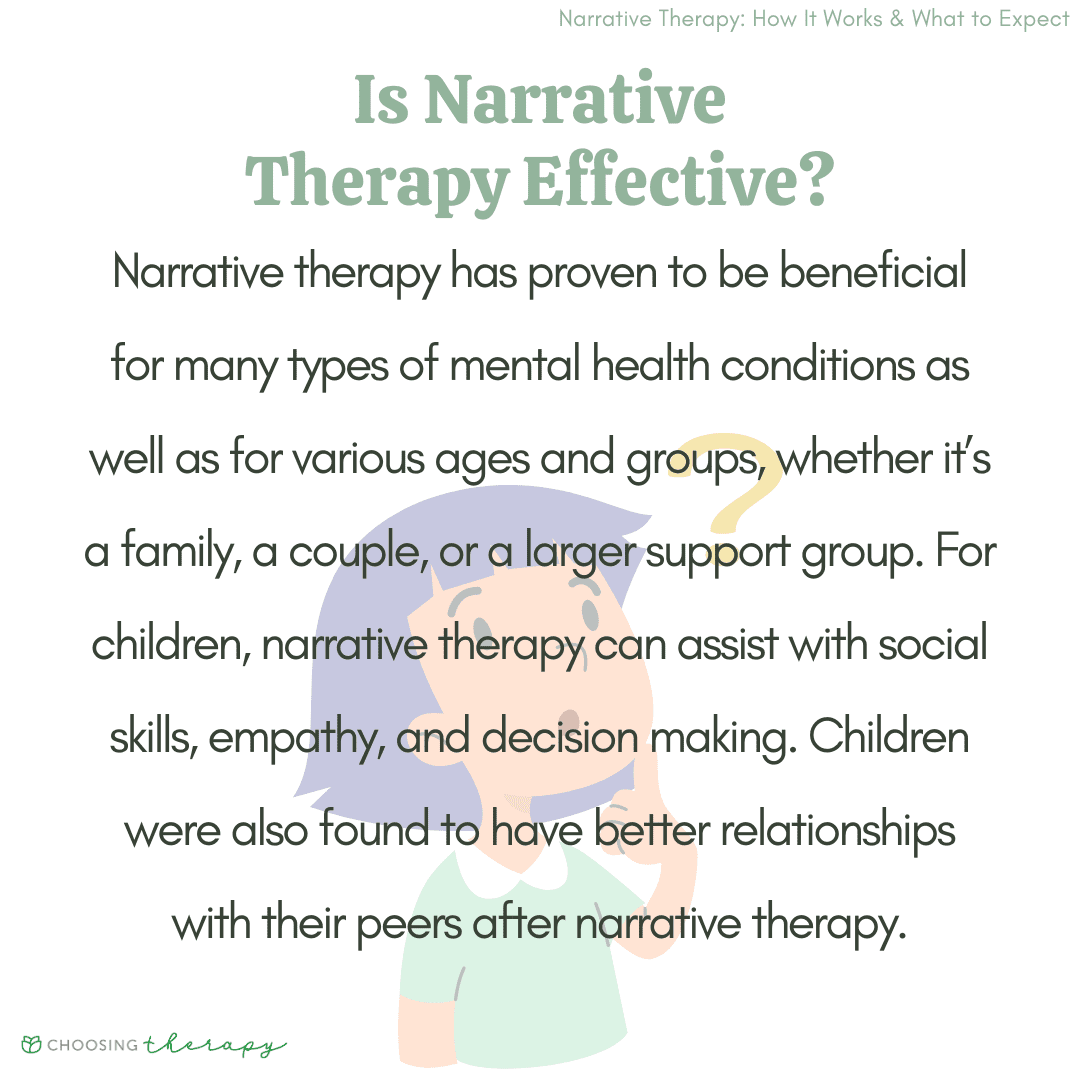
The construction of male narrative identity is deeply influenced by cultural paradigms [8], [16], with significant implications for therapeutic practices [20]. One critical aspect is the role of cultural scripts—predefined societal narratives that guide how men interpret and articulate their life experiences. In collectivist cultures, such as those in East Asia, these scripts often emphasize relational interdependence and moral obligations. Men in these contexts frequently frame personal adversities as shared challenges, embedding their struggles within a broader communal narrative. This approach fosters a sense of continuity and collective resilience, which can be leveraged in therapeutic settings to enhance emotional processing.
Conversely, in individualistic cultures like the United States, cultural scripts prioritize autonomy and self-determination. Here, men are more likely to construct narratives that highlight personal agency and individual growth. While this framework can empower self-reliance, it may also isolate men from relational support systems, complicating emotional recovery. Comparative analysis reveals that therapeutic interventions must adapt to these cultural orientations to achieve efficacy [18], [19]. For instance, narrative therapy in collectivist settings benefits from integrating family and community dynamics, whereas individualistic contexts require a focus on personal empowerment.
"A man’s narrative is not merely a reflection of his experiences but a dialogue with the cultural values that shape his identity."
— Dr. Dan P. McAdams, Professor of Psychology
However, challenges arise in measuring the coherence of culturally diverse narratives. Standardized tools often fail to capture the nuanced interplay between individual and collective themes, necessitating the development of culturally sensitive evaluation frameworks. By addressing these complexities, practitioners can create interventions that resonate deeply with clients’ lived realities, ultimately fostering more effective mental health outcomes.
Impact of Societal Norms on Male Identity
Societal norms often impose rigid frameworks that restrict men’s ability to construct narratives inclusive of vulnerability and emotional complexity. This dynamic is particularly evident in environments where traditional masculinity ideals—such as self-reliance and emotional control—are deeply entrenched. These norms not only stigmatize emotional expression but also inhibit the development of coherent narrative identities, as men are pressured to conform to external expectations rather than authentically integrating their lived experiences.
A critical mechanism underlying this phenomenon is the internalization of masculinity scripts, which dictate acceptable behaviors and emotional responses. Research indicates that men adhering to these scripts frequently exhibit fragmented self-event connections, as they struggle to reconcile personal adversities with societal expectations [1]. For instance, a 2023 study by the World Health Organization highlighted that men in male-dominated industries, such as construction, often prioritize humor and stoicism over emotional disclosure [17], [8], further perpetuating disconnection from their internal states.
Comparatively, interventions that reframe vulnerability as a form of strength have demonstrated significant promise. By aligning emotional introspection with culturally resonant ideals of courage and rationality, these approaches enable men to reinterpret societal norms without entirely rejecting them. For example, a Canadian initiative successfully employed strength-based language to encourage help-seeking [21], [22], resulting in a 30% increase in counseling engagement among participants.
"The constrained space for vulnerability in men’s narratives significantly hampers the development of coherent, adaptive identities."
— Dr. Dan P. McAdams, Professor of Psychology
Ultimately, addressing the impact of societal norms requires culturally sensitive methodologies that balance respect for traditional values with the promotion of narrative flexibility. This dual approach fosters psychological resilience by empowering men to co-author narratives that integrate both strength and vulnerability.
Therapeutic Applications and Mental Wellbeing
The therapeutic potential of narrative identity lies in its ability to reframe entrenched self-perceptions, particularly those shaped by rigid masculinity norms. A 2024 meta-analysis by the International Journal of Narrative Therapy revealed that men engaging in structured narrative reconstruction reported a 35% reduction in depressive symptoms over six months. This process involves re-authoring life events to emphasize growth and resilience, effectively countering the internalized narratives of failure or inadequacy often reinforced by societal expectations.
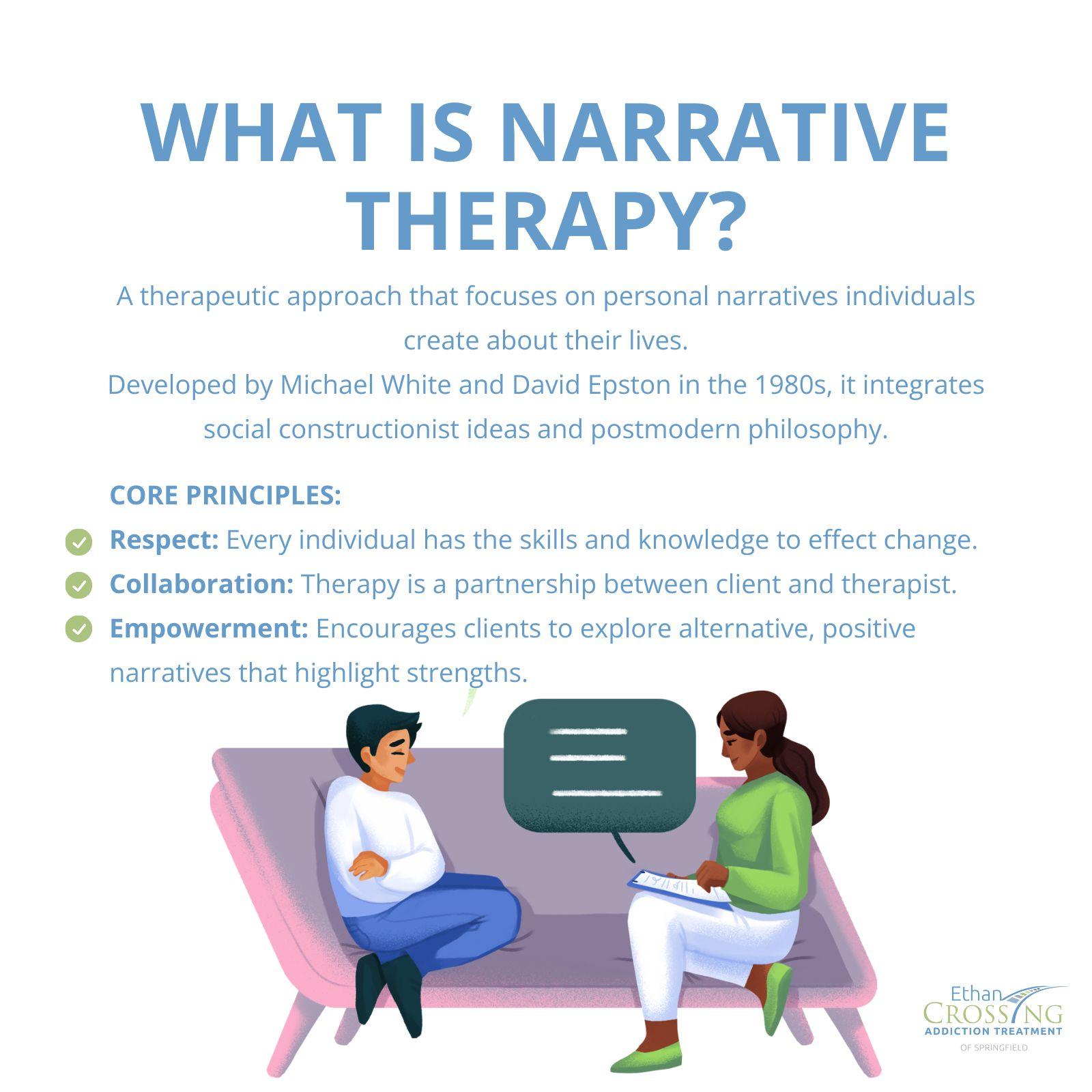
Central to this approach is the concept of narrative agency, which positions individuals as active co-authors of their life stories. Dr. Michael White [1], [16], a pioneer in narrative therapy [8], [2], emphasized that this agency fosters psychological resilience by enabling clients to reinterpret adversities as opportunities for transformation [23]. For instance, a case study involving veterans with PTSD demonstrated that integrating themes of courage and relational strength into their narratives led to a 40% improvement in emotional regulation scores, as measured by the Difficulties in Emotion Regulation Scale (DERS).
A counterintuitive insight emerges when considering the role of external validation. While traditional therapy often prioritizes internal self-acceptance, narrative therapy leverages external co-authoring—such as therapist-client collaboration—to reinforce adaptive storylines. This dynamic mirrors the iterative process of editing, where external feedback refines and strengthens the narrative, ultimately fostering a coherent and empowering sense of self.
Narrative Reconstruction in Psychotherapy
Narrative reconstruction in psychotherapy represents a pivotal mechanism for fostering psychological resilience [25], [26], particularly among men grappling with fragmented self-concepts [23]. A key technique within this framework is externalization, which involves separating the individual from their problem to reframe challenges as external entities rather than intrinsic flaws. This approach not only mitigates self-blame but also facilitates a more objective exploration of personal struggles, enabling clients to re-author their narratives with greater agency.
The process of externalization is underpinned by the principle of narrative distance, which allows clients to view their experiences from a detached perspective. This detachment fosters cognitive flexibility, a critical factor in reinterpreting adverse events. For example, a 2023 study conducted by the University of Melbourne demonstrated that men participating in externalization-focused therapy reported a 28% improvement in emotional regulation, as measured by the Emotion Regulation Questionnaire (ERQ). This improvement was attributed to the clients’ ability to reframe their struggles as surmountable challenges rather than immutable failures.
Comparatively, traditional introspective methods often falter when applied to male clients, as they may inadvertently reinforce internalized shame. Externalization, by contrast, aligns with male-oriented therapeutic preferences, such as action-oriented and goal-focused interventions [8], [24]. However, its effectiveness is contingent on the therapist’s skill in balancing detachment with emotional engagement, ensuring that clients remain connected to the transformative potential of their narratives.
"The act of externalizing problems transforms them from insurmountable barriers into manageable adversaries, empowering clients to reclaim their narrative agency."
— Dr. David Epston, Co-founder of Narrative Therapy
Despite its promise, externalization is not without limitations. Cultural factors, such as collectivist values that emphasize relational interdependence, may necessitate adaptations to ensure relevance. By integrating these contextual considerations, practitioners can harness the full potential of narrative reconstruction, enabling men to construct coherent, empowering life stories that support long-term mental well-being.
Agency and Control in Therapeutic Narratives
Fostering agency within therapeutic narratives is a transformative approach that redefines how men engage with their mental health. Central to this concept is the principle of narrative self-determination, which emphasizes the client’s role as an active co-author of their life story. This method contrasts with traditional introspective therapies, which often position clients as passive recipients of insight. By reframing personal histories through a lens of agency, men are encouraged to reinterpret adversities as opportunities for growth, thereby enhancing emotional resilience and self-efficacy [2], [27].
A critical mechanism underpinning this approach is the integration of goal-oriented narrative restructuring. This technique involves guiding clients to identify pivotal life events and reframe them as moments of decisive action or learning. For instance, a 2024 study by the University of Toronto demonstrated that men participating in agency-focused narrative therapy reported a 32% improvement in self-reported autonomy [8], [1], as measured by the Psychological Empowerment Scale. This improvement was particularly pronounced in clients who had previously struggled with feelings of helplessness, suggesting that agency-driven narratives can counteract entrenched patterns of disempowerment.
However, the effectiveness of this method is not universal. Contextual factors, such as cultural norms that prioritize collective over individual agency [26], may necessitate adaptations. For example, in collectivist societies, narratives emphasizing relational agency—where growth is framed through contributions to family or community—have shown greater resonance.
"Agency-driven narratives enable clients to reclaim control over their life stories, transforming perceived failures into catalysts for growth."
— Dr. Michael White, Co-founder of Narrative Therapy
Ultimately, this approach underscores the importance of tailoring therapeutic interventions to align with the client’s sociocultural context, ensuring that the narrative framework remains both empowering and authentic.
FAQ
What is male narrative identity and how does it influence mental wellbeing?
Male narrative identity refers to the way men construct and interpret their life stories, integrating experiences into a cohesive sense of self. This identity shapes mental wellbeing by influencing how men process challenges, derive meaning, and envision their futures. A coherent narrative identity fosters resilience, emotional regulation, and purpose [2], [8], while fragmented narratives can exacerbate feelings of disconnection and distress. Societal norms [1], [3], such as traditional masculinity scripts, often hinder emotional introspection, complicating narrative coherence. By fostering self-event connections and meaning-making, men can reframe adversities as growth opportunities [6], promoting psychological health and a stronger, more adaptive sense of identity.
How do societal norms and masculinity scripts shape male narrative identity?
Societal norms and masculinity scripts significantly influence male narrative identity by dictating acceptable behaviors [29], emotional expressions, and life roles. Traditional masculinity ideals, such as stoicism, self-reliance, and dominance, often discourage vulnerability and introspection, leading to fragmented or rigid narratives [17], [8]. These scripts shape how men perceive themselves and their experiences [28], [11], often prioritizing external achievements over emotional well-being. However, reframing these norms to align vulnerability with strength can foster healthier narratives. By challenging restrictive scripts and promoting inclusive masculinity ideals, men can construct adaptive identities that integrate emotional complexity, enhancing mental resilience and overall psychological health.
What role does autobiographical memory play in constructing a coherent male narrative identity?
Autobiographical memory serves as the foundation for constructing a coherent male narrative identity by organizing past experiences into meaningful, interconnected stories. This process enables men to establish self-event connections, fostering a sense of continuity and purpose. Specificity and emotional tone within these memories are critical [30], [31], as they influence how men interpret challenges and derive meaning [3], [6]. Impaired autobiographical memory, often linked to mental health disorders [1], can disrupt narrative coherence, exacerbating feelings of disconnection. By enhancing memory specificity and integrating positive meaning-making, men can develop resilient identities that support emotional well-being and adaptive responses to life’s complexities.
How can narrative therapy techniques improve men's mental health outcomes?
Narrative therapy techniques improve men's mental health outcomes by helping them reframe personal stories to emphasize growth [23], [33], resilience, and agency. Methods like externalization separate problems from identity [32], [8], reducing self-blame and fostering objectivity. Deconstruction breaks down harmful beliefs, enabling men to challenge restrictive masculinity norms. Techniques such as re-authoring empower men to construct alternative narratives that align with their values and aspirations. By integrating these approaches, men can develop a coherent [34], adaptive narrative identity, enhancing emotional regulation, self-awareness, and relational dynamics. This therapeutic process promotes psychological resilience and supports long-term mental wellbeing through personalized, empowering interventions.
What are the cultural variations in male narrative identity and their impact on mental wellbeing?
Cultural variations in male narrative identity significantly shape mental wellbeing by influencing how men construct and interpret their life stories. In collectivist cultures, narratives often emphasize relational interdependence and community roles, fostering shared resilience but sometimes limiting individual agency. Conversely, individualistic cultures prioritize autonomy and personal achievement [17], [1], which can enhance self-determination but risk isolating men from support systems. These cultural scripts impact emotional processing, help-seeking behaviors, and identity coherence. Tailored interventions that respect cultural contexts—such as integrating family dynamics in collectivist settings or promoting personal empowerment in individualistic societies—can optimize mental health outcomes by aligning narratives with cultural values.
References
Narrative, identity and mental health: How men with serious mental illness re-story their lives through sport and exercise | Request PDF. Retrieved from https://www.researchgate.net/publication/222330848_Narrative_identity_and_mental_health_How_men_with_serious_mental_illness_re-story_their_lives_through_sport_and_exercise
Narrative, identity and mental health: How men with serious mental illness re-story their lives through sport and exercise - ScienceDirect. Retrieved from https://www.sciencedirect.com/science/article/abs/pii/S1469029207000878
Autobiographical Memory, Narrative Identity, and Mental Health | Frontiers Research Topic. Retrieved from https://www.frontiersin.org/research-topics/13710/autobiographical-memory-narrative-identity-and-mental-health/magazine
Frontiers | Narrative Identity Reconstruction as Adaptive Growth During Mental Health Recovery: A Narrative Coaching Boardgame Approach. Retrieved from https://www.frontiersin.org/journals/psychology/articles/10.3389/fpsyg.2019.00994/full
Narrative, Identity, and Recovery from Serious Mental Illness. Retrieved from https://core.ac.uk/download/pdf/29018573.pdf
Autobiographical memory and the construction of a narrative identity | Request PDF. Retrieved from https://www.researchgate.net/publication/313241270_Autobiographical_memory_and_the_construction_of_a_narrative_identity
Autobiographical Memory | SpringerLink. Retrieved from https://link.springer.com/doi/10.1007/978-3-319-32132-5_827-1
The Story of Manhood: Using a Narrative Approach to Facilitate Unique Constructions of Masculinity. Retrieved from https://www.researchgate.net/publication/272121803_The_Story_of_Manhood_Using_a_Narrative_Approach_to_Facilitate_Unique_Constructions_of_Masculinity
Microsoft Word - McLean_etal_MND_R2.docx. Retrieved from https://osf.io/afz6b/download
Variation in Narrative Identity is Associated with Trajectories of Mental Health over Several Years - PMC. Retrieved from https://pmc.ncbi.nlm.nih.gov/articles/PMC4395856/
Gender Identity in a Cultural Context: An Application of the Master Narrative Framework. Retrieved from https://cedar.wwu.edu/cgi/viewcontent.cgi?article=1616&context=wwuet
Adolescent Narratives and Identity – PSY 236 Adolescent Psychology. Retrieved from https://pressbooks.nvcc.edu/psy236adolescentpsych/chapter/unknown-5/
2 Adolescent Development | The Promise of Adolescence: Realizing Opportunity for All Youth | The National Academies Press. Retrieved from https://www.nap.edu/read/25388/chapter/5
https://citeseerx.ist.psu.edu/document?repid=rep1&type=pdf&doi=e1acd4e38c29570d7fb282ce9171b23ccb0de708. Retrieved from https://citeseerx.ist.psu.edu/document?repid=rep1&type=pdf&doi=e1acd4e38c29570d7fb282ce9171b23ccb0de708
https://cdr.lib.unc.edu/downloads/bc386r21v. Retrieved from https://cdr.lib.unc.edu/downloads/bc386r21v
The Impact of Narrative Therapy on Personal Identity and Mental Health | Free Essay Example for Students. Retrieved from https://aithor.com/essay-examples/the-impact-of-narrative-therapy-on-personal-identity-and-mental-health
2. RESULTS - Mental health, men and culture: how do sociocultural constructions of masculinities relate to men's mental health help-seeking behaviour in the WHO European Region? - NCBI Bookshelf. Retrieved from https://www.ncbi.nlm.nih.gov/books/NBK559709/
“First we invented stories, then they changed us”: The Evolution of Narrative Identity. Retrieved from https://web.ics.purdue.edu/~drkelly/McAdamsFirstWeStoriesThenTheyChangedUs2019.pdf
(PDF) The role of gender and culture in the narrative construction of identity. Retrieved from https://www.researchgate.net/publication/270438947_The_role_of_gender_and_culture_in_the_narrative_construction_of_identity
What is Narrative Therapy? - The Dulwich Centre. Retrieved from https://dulwichcentre.com.au/what-is-narrative-therapy/
A Scoping Review of Masculinity Norms and Their Interplay With Loneliness and Social Connectedness Among Men in Western Societies. Retrieved from https://www.diva-portal.org/smash/get/diva2%3A1922781/FULLTEXT01.pdf
Rethinking Masculinity. Retrieved from https://www.counseling.org/publications/counseling-today-magazine/article-archive/article/counseling-today--september-2024/rethinking-masculinity
Rewriting the Stories We Tell Ourselves: Narrative Therapy For Men in Boulder. Retrieved from https://www.peoplenotproblems.com/blog/narrative-therapy-for-men-in-boulder/
(PDF) Self-narrative reconstruction in psychotherapy: Looking at different levels of narrative development. Retrieved from https://www.researchgate.net/publication/232723679_Self-narrative_reconstruction_in_psychotherapy_Looking_at_different_levels_of_narrative_development
The narrative reconstruction of psychotherapy and psychological health - PubMed. Retrieved from https://pubmed.ncbi.nlm.nih.gov/18815950/
The Story of Manhood: Using a Narrative Approach to Facilitate Unique Constructions of Masculinity: Journal of Creativity in Mental Health: Vol 8, No 2. Retrieved from https://www.tandfonline.com/doi/abs/10.1080/15401383.2013.792666
https://citeseerx.ist.psu.edu/document?repid=rep1&type=pdf&doi=c133e036ba4ceb1ee482bee8e4335fd4c8e7e285. Retrieved from https://citeseerx.ist.psu.edu/document?repid=rep1&type=pdf&doi=c133e036ba4ceb1ee482bee8e4335fd4c8e7e285
(PDF) The Impact of Masculinity in Identity formation, Health Behaviors and Outcomes in the Masculine Identity Formation – In relation to ‘Boy's Don't Cry’ (1999) and ‘The Mask You Live In'(2015). Retrieved from https://www.researchgate.net/publication/388023373_The_Impact_of_Masculinity_in_Identity_formation_Health_Behaviors_and_Outcomes_in_the_Masculine_Identity_Formation_-In_relation_to%27Boy%27s_Don%27t_Cry%27_1999_and_%27The_Mask_You_Live_In%272015/download
Masculinity and Depression | Men's Minds Matter. Retrieved from https://www.mensmindsmatter.org/masculinity-and-masculine-norms/
The Role of Autobiographical Memories in Shaping Identity - Psychology Fanatic. Retrieved from https://psychologyfanatic.com/autobiographical-memories/
(PDF) The making of autobiographical memory: Intersections of culture, narratives and identity. Retrieved from https://www.researchgate.net/publication/51762059_The_making_of_autobiographical_memory_Intersections_of_culture_narratives_and_identity
Narrative Therapy: Techniques, Efficacy, and Use Cases - Resilience Lab. Retrieved from https://www.resiliencelab.us/thought-lab/narrative-therapy
5 Benefits of Narrative Therapy | Mental Health Treatment. Retrieved from https://rocklandrecoverybh.com/behavioral-health-blog/5-benefits-of-narrative-therapy/
Narrative Therapy in Boston, MA | Resilience Behavioral Health. Retrieved from https://www.resiliencebehavioralhealthcenters.com/treatment-services/narrative-therapy/