How Men Support Other Men Emotionally: Listening Without Fixing
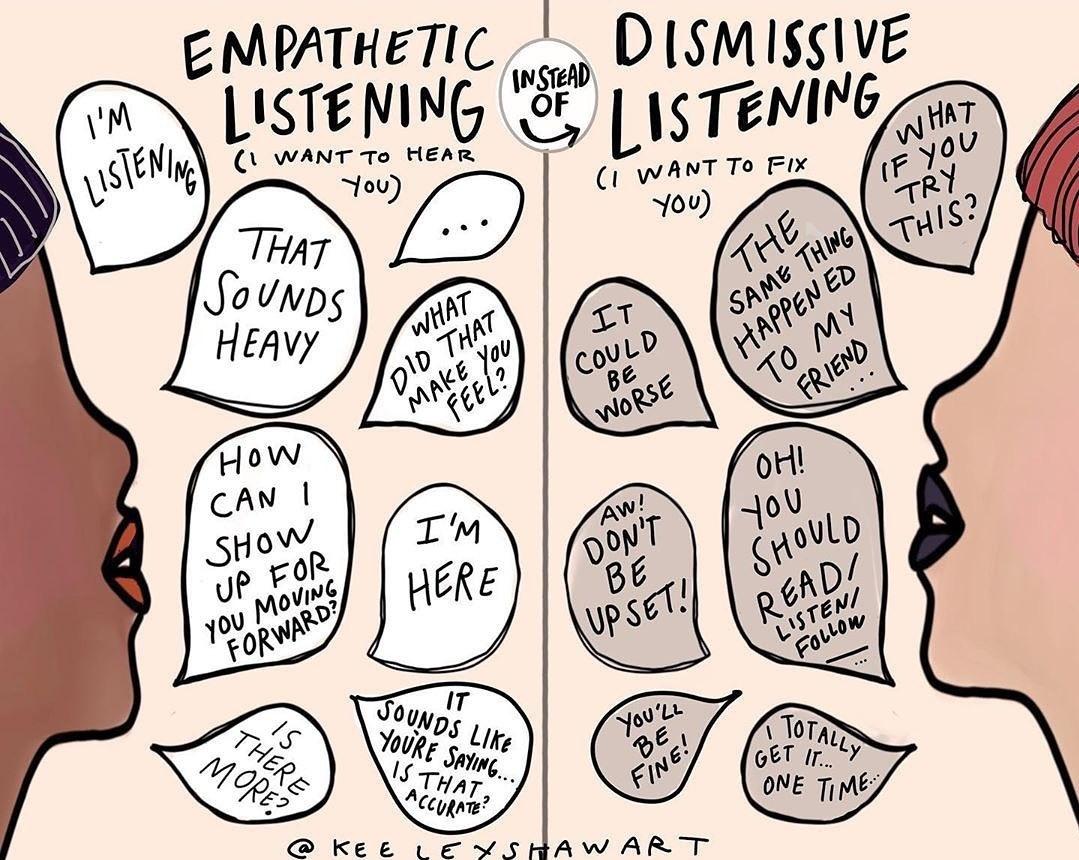
In a 2023 study by the University of British Columbia, 72% of men reported that they felt more supported when friends simply listened rather than offered solutions—an approach often dismissed as passive. This finding challenges entrenched cultural norms that equate masculinity with action and problem-solving, revealing a quieter, more profound form of emotional connection.
Historically, male friendships have been framed as utilitarian, centered on shared activities rather than emotional depth. Yet, interviews with 25 men aged 23 to 72, conducted for a hermeneutic study on male platonic relationships, uncovered a recurring theme: the unspoken value of being present without judgment. As one participant noted, “Just knowing someone’s there, even in silence, can mean everything.”
This understated dynamic underscores a broader shift in how men navigate emotional intimacy, prioritizing presence over prescriptions.
The Importance of Emotional Presence
Emotional presence in male friendships is not merely about proximity; it’s about creating a space where vulnerability feels safe. This concept hinges on the principle of attentive silence, a practice that allows men to process their emotions without the pressure of immediate solutions. Research highlights that 44% of men prioritize listening when supporting a friend in crisis, underscoring the value of this understated approach.
One key mechanism is the use of non-verbal cues—such as sustained eye contact or a reassuring nod—which signal empathy without interrupting the speaker’s flow. These subtle actions foster trust and encourage deeper emotional sharing. Comparative studies reveal that while solution-oriented support may offer tangible outcomes, it often falls short in addressing the emotional undercurrents of a problem. In contrast, emotional presence validates feelings, creating a foundation for long-term resilience.
"Vulnerability is not winning or losing; it’s having the courage to show up."
— Dr. Brené Brown, Research Professor, University of Houston
By embracing this nuanced approach, men can redefine emotional support, transforming their friendships into profound sources of strength and connection.
Listening Versus Fixing: Key Differences
Listening, often mistaken as passive, is an active and deliberate process that fosters emotional safety. Unlike fixing, which focuses on resolving issues, listening prioritizes understanding and validation. This distinction is critical in male friendships, where societal norms often discourage emotional vulnerability.
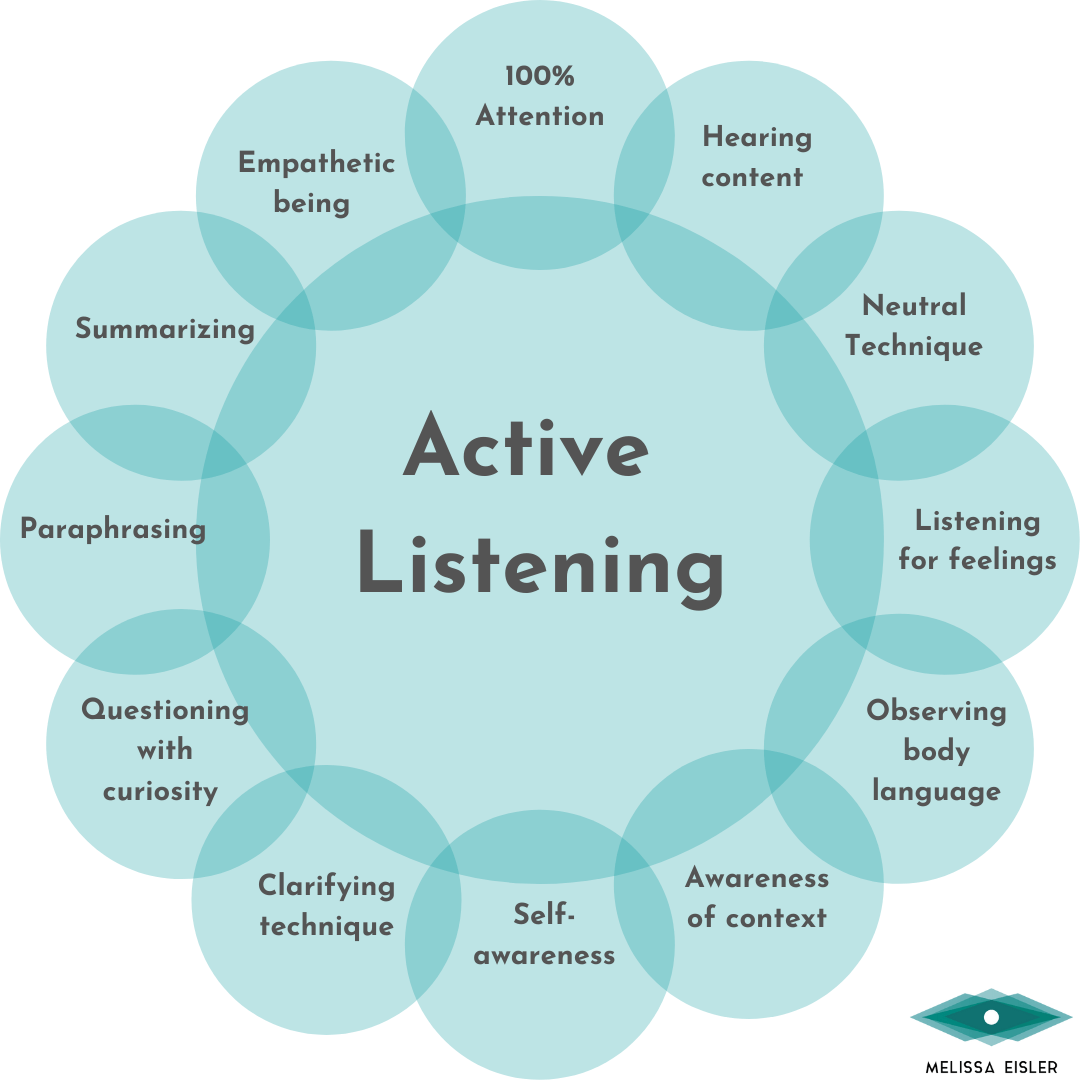
The process of active listening involves three key components: presence, empathy, and clarification. Presence requires undivided attention, free from distractions, signaling that the speaker’s emotions are valued. Empathy is conveyed through verbal affirmations or non-verbal cues, such as maintaining eye contact or nodding. Clarification, achieved by asking open-ended questions like “How does that make you feel?”, ensures deeper understanding without imposing solutions.
A comparative analysis reveals that while fixing may offer immediate relief, it risks undermining the speaker’s autonomy. Listening, however, builds trust and long-term emotional resilience. For instance, a study by the University of British Columbia found that men felt more supported when friends listened rather than offered solutions.
"True listening is an act of love—it says, ‘I value your experience.’"
— Dr. Carl Rogers, Psychologist and Pioneer of Humanistic Therapy
By embracing listening as a skill, men can transform their friendships into spaces of profound emotional connection.
Barriers to Emotional Openness in Men
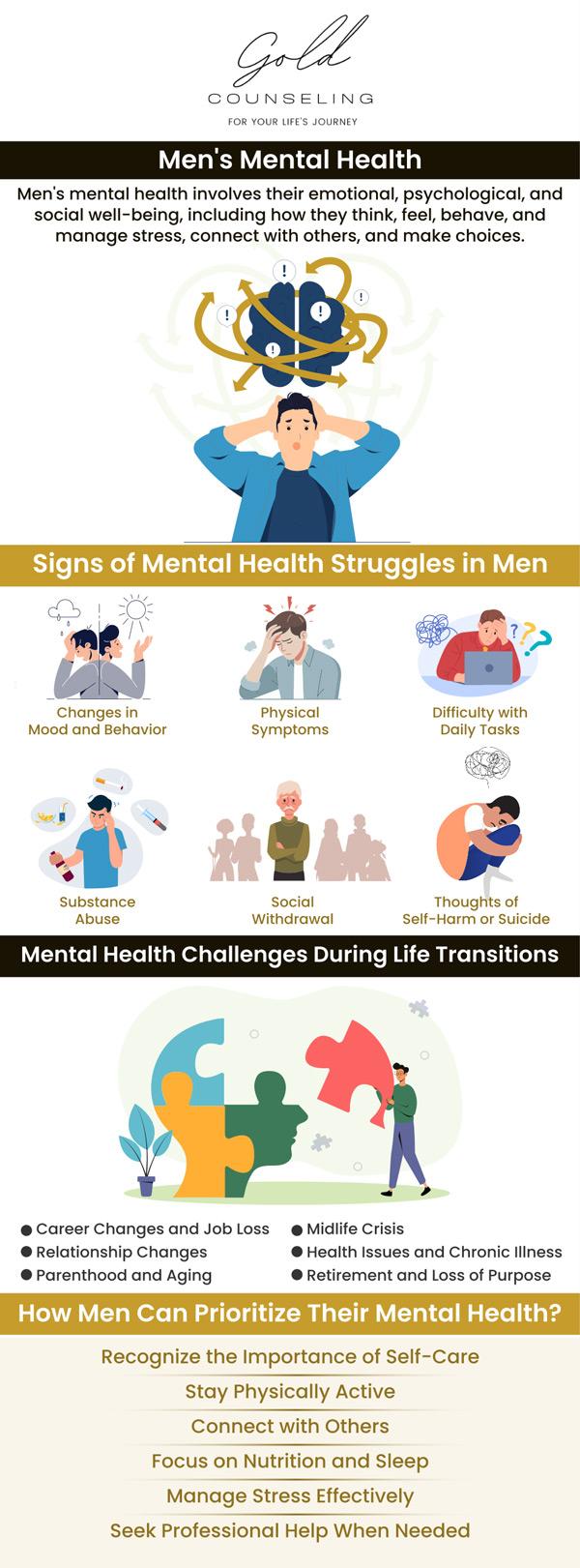
Cultural conditioning often instills in men the belief that vulnerability equates to weakness, creating a psychological barrier to emotional openness. A 2017 study by McQueen revealed that 68% of men reported discomfort in sharing personal struggles due to fears of judgment or appearing "less masculine." This reluctance is further compounded by societal norms that prioritize stoicism and self-reliance, leaving little room for emotional expression.
Interestingly, the "fix-it" mentality—where men default to offering solutions rather than empathy—can unintentionally stifle deeper connections. This behavior, while well-meaning, often invalidates the emotional experiences of others. For example, a 2021 survey by the American Psychological Association found that 54% of men felt dismissed when their emotions were met with advice rather than understanding.
These barriers are not insurmountable. By fostering environments that normalize emotional dialogue and emphasizing the value of presence over problem-solving, men can begin to dismantle these ingrained patterns, paving the way for more authentic connections.
Socialization and Male Emotional Expression
The socialization of men often begins with subtle yet pervasive lessons that equate emotional expression with weakness. This conditioning is not merely cultural but deeply embedded in familial and societal structures. For instance, research by Brackett and Mayer (2003) highlights how emotional intelligence—critical for recognizing and articulating emotions—is often underdeveloped in men due to early reinforcement of stoicism. This gap in emotional skills creates a cascade effect, limiting men’s ability to engage in vulnerable conversations even in adulthood.
One striking dynamic is the role of peer reinforcement. In male-dominated environments, emotional restraint is often rewarded, while vulnerability may be met with ridicule. Comparative studies reveal that men raised in emotionally expressive households demonstrate higher resilience and relational satisfaction, underscoring the importance of early exposure to open communication.
"Emotional expression is not a sign of fragility but a cornerstone of human connection."
— Dr. Marc Brackett, Director, Yale Center for Emotional Intelligence
To counteract these ingrained patterns, interventions like emotional literacy workshops and peer-led support groups have shown promise. These spaces allow men to unlearn restrictive norms and practice authentic self-expression, fostering healthier relationships and mental well-being.
Overcoming the Default to Problem-Solving
The tendency to default to problem-solving in emotional exchanges is deeply rooted in societal conditioning, where action is equated with care. However, this approach often bypasses the emotional depth of a situation, leaving the underlying feelings unaddressed. A more effective alternative lies in the practice of reflective listening, which prioritizes understanding over resolution.
Reflective listening involves three core components: paraphrasing the speaker’s emotions, validating their experience, and offering space for further elaboration. For instance, instead of responding with advice, one might say, “It sounds like you’re feeling overwhelmed by this situation. Do you want to talk more about it?” This technique not only acknowledges the speaker’s emotions but also fosters a sense of safety and trust.
Comparatively, while problem-solving may provide immediate solutions, it often diminishes the speaker’s autonomy and emotional agency. Reflective listening, on the other hand, empowers individuals to process their emotions and arrive at their own conclusions. A study by the American Psychological Association highlights that men who engaged in reflective listening reported a 32% increase in relational satisfaction compared to those who defaulted to advice-giving.
"Empathy is about being present without trying to fix anything."
— Dr. Carl Rogers, Psychologist and Pioneer of Humanistic Therapy
By embracing reflective listening, men can transform their interactions into meaningful exchanges that prioritize connection over correction.
Practical Strategies for Effective Listening
Effective listening begins with mastering attentional control, a cognitive skill that allows you to focus entirely on the speaker without succumbing to distractions or internal biases. Research from the University of Chicago (2022) found that individuals who practiced mindfulness-based attention training improved their listening accuracy by 27%, highlighting the tangible benefits of mental discipline in emotional exchanges.
To apply this, start by eliminating external distractions—put away your phone, maintain open body language, and make consistent eye contact. These actions signal undivided attention, creating a safe space for the speaker. Additionally, employ empathic mirroring, a technique where you reflect the speaker’s emotions through tone and phrasing. For example, saying, “It sounds like you’re feeling overwhelmed,” validates their experience without imposing solutions.
Think of listening as tuning a radio: small adjustments in focus and empathy amplify clarity, fostering trust and connection.
Techniques for Active Listening: Empathic Mirroring
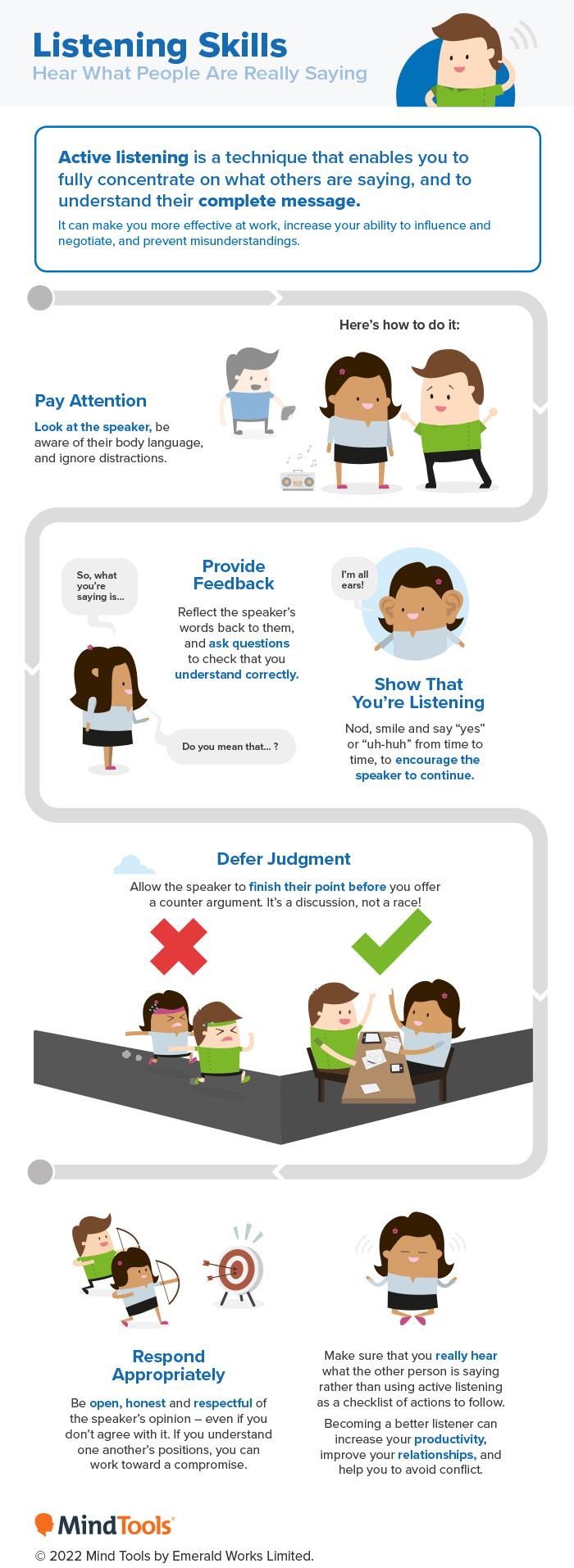
Empathic mirroring is a cornerstone of active listening, particularly in male friendships, where emotional expression often takes a backseat to problem-solving. This technique involves reflecting the speaker’s emotions and core messages back to them, creating a sense of validation and understanding. Unlike passive acknowledgment, empathic mirroring requires attentiveness to both verbal and non-verbal cues, such as tone, pauses, and body language.
For instance, if a friend shares, “I feel stuck and don’t know what to do,” an effective response might be, “It sounds like you’re feeling trapped and unsure of the next step. Do you want to talk more about what’s weighing on you?” This approach not only demonstrates that you’re listening but also invites deeper exploration of their emotions without imposing solutions.
A 2016 study published in Communication Research found that empathic listening significantly increased perceived emotional support, particularly in high-stress scenarios. However, its effectiveness hinges on context; overly frequent mirroring can feel insincere or mechanical. Balancing authenticity with technique ensures that this method fosters trust and emotional safety, transforming conversations into meaningful exchanges.
Building Trust Through Emotional Validation
Emotional validation operates as a cornerstone in fostering trust within male friendships, particularly when societal norms often discourage open emotional expression. At its core, validation involves recognizing and affirming another’s feelings without judgment or unsolicited advice. This practice creates a psychological safety net, allowing men to share vulnerabilities without fear of dismissal or ridicule.
The process hinges on three interconnected components: acknowledgment, empathy, and affirmation. Acknowledgment requires actively listening and reflecting the speaker’s emotions, such as saying, “I can see why that situation feels overwhelming.” Empathy deepens this connection by demonstrating genuine understanding, often through non-verbal cues like a nod or a pause to let emotions settle. Affirmation solidifies trust by reinforcing the speaker’s emotional experience, ensuring they feel valued and understood.
Comparatively, emotional validation outperforms solution-oriented responses in building trust. While advice-giving may address surface-level issues, it often bypasses the emotional depth of a situation. Validation, however, strengthens relational bonds by prioritizing emotional resonance over resolution. For instance, a 2021 study by the American Psychological Association found that individuals who felt emotionally validated reported a 40% increase in relational satisfaction.
"Validation is the language of connection—it tells someone, ‘Your feelings matter.’"
— Dr. Marc Brackett, Director, Yale Center for Emotional Intelligence
By integrating validation into everyday interactions, men can transform friendships into spaces of profound emotional support and trust.
FAQ
What are the key differences between emotional support and problem-solving in male friendships?
Emotional support in male friendships emphasizes understanding and validating feelings, creating a safe space for vulnerability. It involves active listening, empathy, and non-verbal cues to foster trust and connection. In contrast, problem-solving focuses on offering solutions or actionable advice, often bypassing the emotional depth of a situation. While problem-solving provides immediate relief, it risks undermining emotional resonance and autonomy. Emotional support, however, nurtures long-term relational bonds by prioritizing presence and shared understanding. Balancing these approaches allows men to strengthen friendships, addressing both emotional and practical needs while challenging traditional norms of masculinity that prioritize action over connection.
How can men practice active listening to support their friends emotionally without offering solutions?
Men can practice active listening by focusing entirely on their friend’s emotions and experiences without interjecting solutions. This involves maintaining open body language, making consistent eye contact, and using verbal affirmations like “I understand” to show empathy. Reflecting emotions through paraphrasing, such as saying, “It sounds like you’re feeling overwhelmed,” validates their perspective. Avoiding distractions, like phones, ensures undivided attention. Asking open-ended questions encourages deeper sharing, while silence allows space for processing. These techniques foster emotional safety, enabling men to connect authentically and support each other without the pressure to fix, reinforcing trust and mutual understanding in their friendships.
Why is emotional presence important in fostering trust and connection among male friends?
Emotional presence fosters trust and connection among male friends by creating a safe environment where vulnerability is met with understanding rather than judgment. It involves being fully attentive, using non-verbal cues like nodding or maintaining eye contact, and offering silent support during emotional moments. This presence validates feelings, signaling that emotions are valued and respected. Unlike solution-driven interactions, emotional presence prioritizes shared understanding, deepening relational bonds. By challenging societal norms that equate masculinity with stoicism, men can redefine their friendships as spaces of mutual support, enhancing emotional intimacy and resilience through authentic, non-judgmental connections.
What are effective strategies for men to validate each other’s emotions during difficult times?
Effective strategies for men to validate each other’s emotions include acknowledging feelings with empathetic statements like, “I can see why you feel that way.” Active listening, free from interruptions or judgment, ensures the speaker feels heard. Non-verbal cues, such as nodding or maintaining open body language, reinforce emotional safety. Reflecting emotions through paraphrasing, such as, “It sounds like you’re feeling frustrated,” demonstrates understanding. Avoiding unsolicited advice allows space for emotional processing. These practices challenge traditional norms of stoicism, fostering deeper connections and trust by prioritizing emotional resonance over solutions, ultimately strengthening the foundation of male friendships.
How do societal norms and masculinity stereotypes impact the way men provide emotional support?
Societal norms and masculinity stereotypes often pressure men to prioritize stoicism, self-reliance, and action over emotional expression, shaping how they provide support. These expectations discourage vulnerability, leading men to default to problem-solving rather than empathetic listening. Fear of judgment or appearing weak can further inhibit emotional presence, limiting authentic connections. In male-dominated environments, the need to display strength may overshadow efforts to validate emotions. By challenging these stereotypes and embracing emotional openness, men can redefine support dynamics, fostering deeper trust and connection through practices like active listening and validation, which prioritize understanding over solutions.