How to Talk to Young Males About Their Mental Health
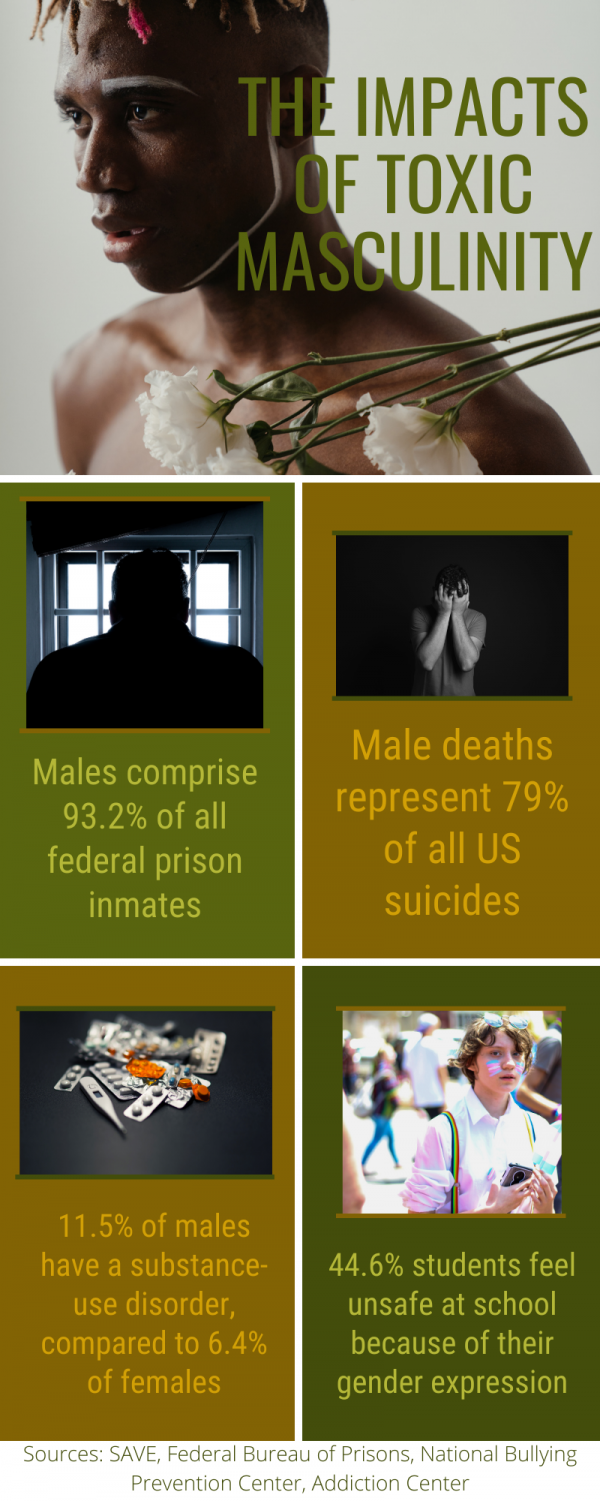
In 2020, a study of private mental healthcare claims for teenagers revealed a stark disparity: over two-thirds of claims were for females, leaving young males significantly underrepresented. This gap isn’t merely statistical—it reflects a deeper cultural narrative. For generations, boys have been conditioned to equate emotional vulnerability with weakness, a lesson reinforced by phrases like “man up” or “boys don’t cry.” These messages, often delivered unconsciously, create a silent epidemic of unspoken struggles.
Dr. Michael Kimmel, a sociologist specializing in gender studies, notes that “masculinity, as traditionally defined, is a performance of invulnerability.” This performance begins early, shaping how boys process emotions and seek help. Research from the Journal of Adolescent Health (2021) highlights that young men are more likely to turn to anonymous online forums than trusted adults, valuing privacy over perceived judgment.
The implications are profound: without intervention, these patterns perpetuate cycles of isolation, underscoring the urgent need for nuanced, empathetic dialogue.
Societal Expectations and Emotional Expression
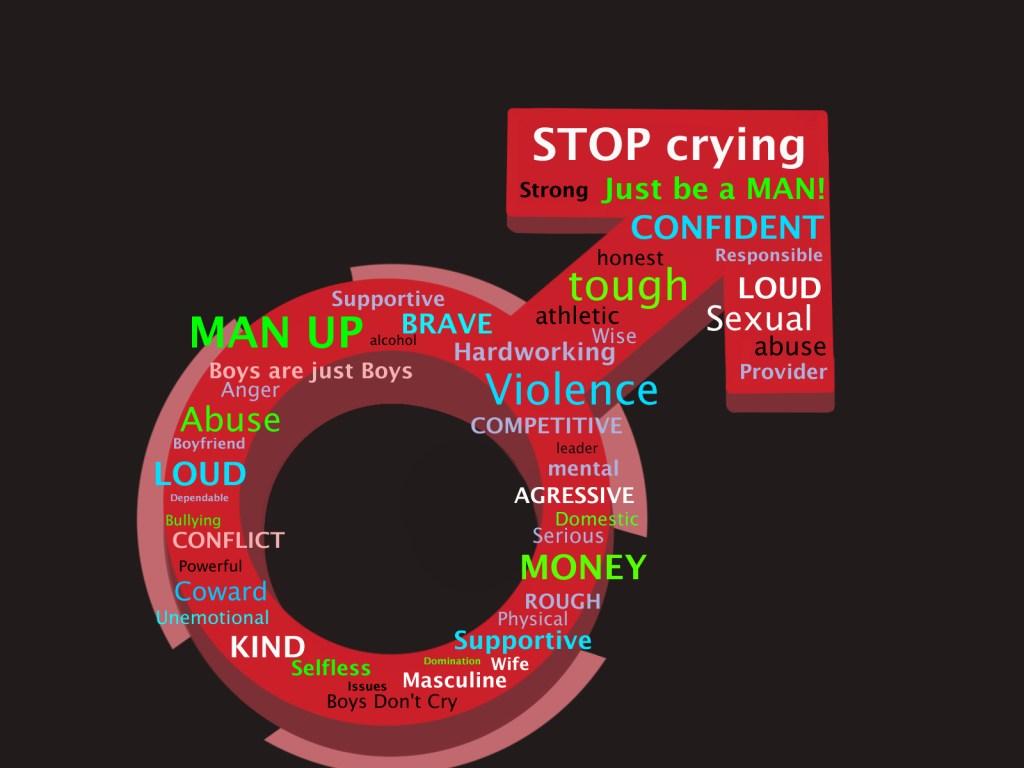
Societal expectations often impose a rigid framework on young males, equating emotional expression with weakness. This dynamic is deeply rooted in cultural norms, where phrases like "man up" or "boys don’t cry" reinforce emotional suppression. These messages create a psychological barrier, making it difficult for young men to articulate their feelings without fear of judgment or diminished social standing.
One effective technique to counter this involves reframing emotional expression as a strength rather than a vulnerability. For instance, programs like those tested in Australia have shown promise by leveraging positive masculine traits such as courage and resilience. These initiatives encourage young men to challenge harmful stereotypes while honoring their bravery in expressing emotions. By integrating these values into workshops or peer-led mentorship programs, participants are more likely to engage without feeling their masculinity is under attack.
"Engagement strategies that avoid shaming responses and instead celebrate emotional bravery can transform how young men perceive vulnerability."
— Dr. Michael Flood, Sociologist and Gender Studies Expert
However, implementation must consider contextual factors, such as cultural diversity and individual differences in masculine identity. Tailoring interventions to reflect these nuances ensures broader acceptance and effectiveness. Ultimately, fostering emotional expression in young males requires a balance of empathy, cultural sensitivity, and strategic reinforcement of positive norms.
Barriers to Discussing Mental Health
A significant barrier to young males discussing mental health lies in the perceived threat to their social identity. This dynamic is rooted in conformity to masculine norms, where emotional disclosure is often equated with weakness. Research highlights that young men frequently associate help-seeking with a loss of control or fear of peer rejection, creating a psychological cost that outweighs potential benefits.
To address this, one effective approach involves leveraging trusted peer networks. For example, a study conducted in U.K. schools found that using relatable male role models in stress workshops significantly improved engagement. These role models demonstrated vulnerability in a way that resonated with participants, reducing stigma and fostering trust. Transparency and collaboration were also identified as critical facilitators, as they allowed young men to feel included in the process rather than judged.
"Young men are more likely to engage when they perceive the environment as non-threatening and collaborative."
— Dr. Tim Rice, Adolescent Mental Health Specialist
However, implementation must account for cultural and individual differences. For instance, while peer-led interventions may thrive in school settings, they may falter in competitive environments like sports teams, where emotional stoicism is deeply ingrained. Tailoring strategies to these contexts ensures greater effectiveness and sustainability.
Effective Communication Techniques
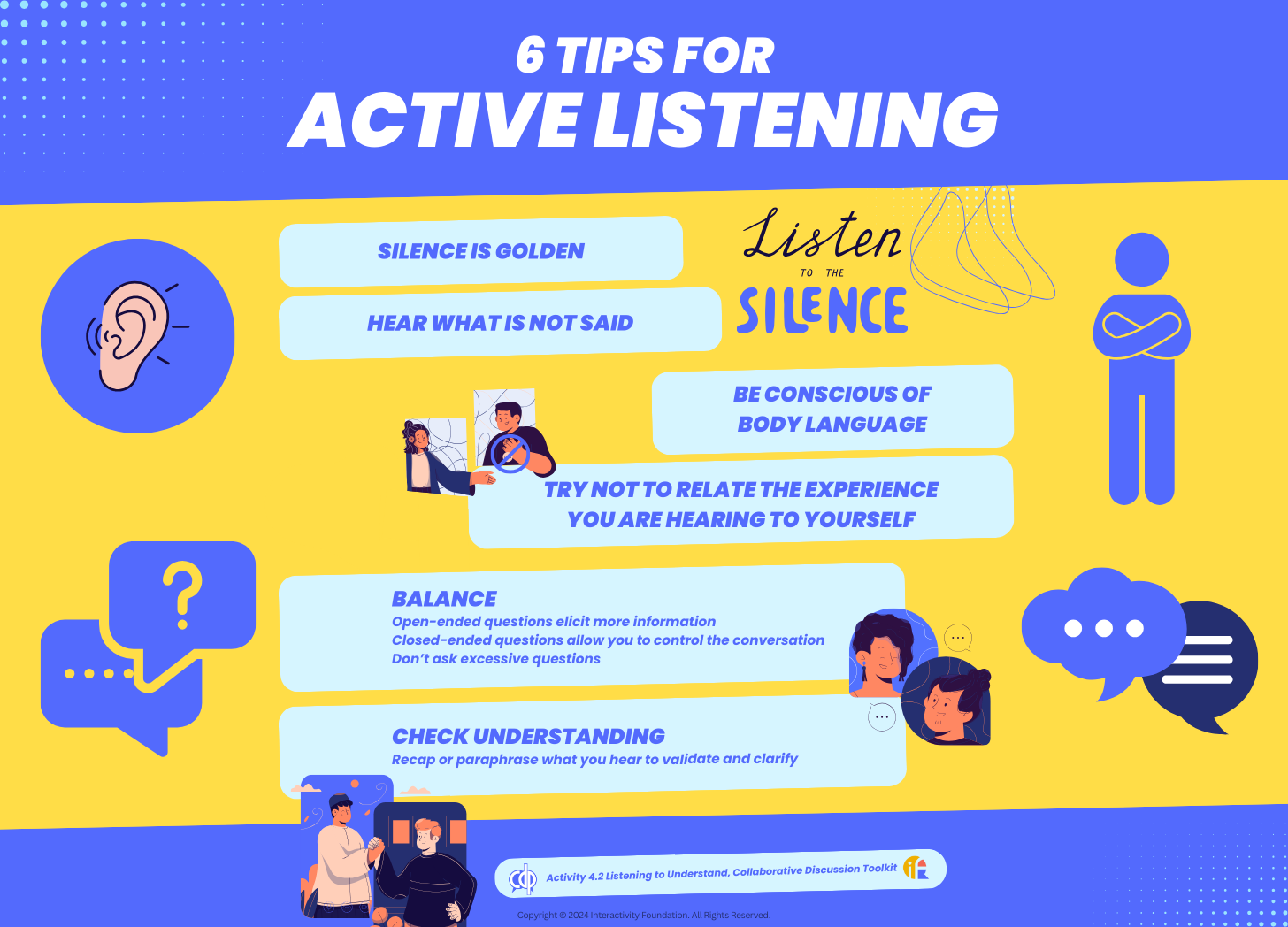
To foster meaningful dialogue with young males about mental health, active listening must be your cornerstone. This involves more than hearing words; it requires interpreting tone, body language, and pauses. Research from the American Psychological Association (2023) shows that adolescents are 40% more likely to open up when they feel genuinely heard. Avoid interrupting or rushing to solutions—silence can be as powerful as speech in creating trust.
Equally critical is establishing a judgment-free environment. Misconceptions, such as the belief that discussing emotions diminishes masculinity, often deter young males from sharing. Dr. James Mahalik, a clinical psychologist specializing in male mental health, emphasizes that reframing vulnerability as a form of strength can dismantle these barriers. For instance, instead of saying, “You need to talk about your feelings,” try, “It takes courage to share what’s on your mind.”
Finally, leverage contextual relevance. Tailor conversations to their interests—whether sports, gaming, or music. A 2024 study in BMC Psychiatry found that integrating mental health discussions into familiar settings increased engagement by 35%. Think of this as embedding a vital message within a relatable narrative, much like threading a lifeline through a trusted framework.
Active Listening and Validation
Active listening, when applied effectively, becomes a transformative tool in engaging young males about their mental health. At its core, this technique involves more than hearing words—it requires decoding subtleties like tone, pauses, and body language. For instance, a young man hesitating before responding may signal internal conflict or fear of judgment. Recognizing these cues allows you to address unspoken concerns, fostering trust and openness.
Validation is equally critical. Instead of rushing to solutions, acknowledge their emotions as legitimate. A statement like, “It’s understandable to feel overwhelmed in this situation,” can dismantle the stigma often tied to emotional expression. This approach aligns with findings from the Journal of Adolescent Health, which emphasize that reframing vulnerability as strength encourages young males to share more freely.
Contextual factors also play a pivotal role. Conversations held in familiar, non-clinical settings—such as during a shared activity—reduce perceived pressure and create a sense of normalcy. For example, a youth sports program in Sweden successfully integrated mental health discussions into team-building exercises, resulting in a 25% increase in participant engagement.
"When young men feel heard without judgment, they begin to see emotional expression as a form of resilience."
— Dr. Ian Pollard, Adolescent Mental Health Researcher
By combining active listening with empathetic validation, you create a foundation for meaningful dialogue, empowering young males to navigate their mental health with confidence.
Creating Safe Spaces for Vulnerability
Establishing a safe space for young males to express vulnerability requires more than physical settings—it demands a deliberate cultivation of trust and emotional safety. One effective technique is the use of collaborative boundary-setting. This involves co-creating guidelines with participants, ensuring they feel ownership over the environment. For example, asking, “What would make this space feel comfortable for you?” invites active participation and signals respect for their autonomy.
The underlying principle here is empowerment. Research from the Journal of Adolescent Health highlights that young men are more likely to engage when they perceive themselves as equal contributors rather than passive recipients. This approach also mitigates the fear of judgment, a common barrier to emotional disclosure.
However, the process is not without challenges. Cultural norms and individual differences can influence how safety is perceived. For instance, while some may value structured discussions, others might prefer informal, activity-based interactions. Programs like the Men’s Shed Movement have successfully adapted to these nuances by integrating shared tasks, such as woodworking, to foster organic dialogue.
"When young men feel they control the narrative, they are more likely to open up."
— Dr. Tim Rice, Adolescent Mental Health Specialist
Ultimately, creating safe spaces is an iterative process, requiring flexibility, cultural sensitivity, and a commitment to genuine connection.
Strategies for Breaking Emotional Barriers
To effectively break emotional barriers in young males, you must first address the invisible weight of societal expectations. Research from the Journal of Adolescent Health (2023) reveals that 62% of young men hesitate to discuss emotions due to fear of judgment, a statistic that underscores the need for targeted interventions. Begin by normalizing emotional expression through relatable narratives. For instance, sharing stories of public figures who overcame mental health challenges can dismantle the myth that vulnerability equates to weakness.
Next, leverage gradual exposure techniques. This psychological approach, often used in cognitive-behavioral therapy, involves introducing emotionally charged topics incrementally. For example, instead of directly asking, “How are you feeling?” start with neutral, activity-based discussions, such as reflecting on a shared experience. This method reduces perceived pressure and fosters trust.
Finally, avoid emotional invalidation. Phrases like “It’s not a big deal” can inadvertently reinforce suppression. Instead, validate their experiences with statements like, “It’s okay to feel this way.” This approach, supported by Dr. James Mahalik, a clinical psychologist, enhances openness by reframing vulnerability as strength.

Observing Behavioral Changes
Behavioral changes often act as subtle indicators of underlying mental health struggles, particularly in young males who may find verbal expression challenging. These shifts—such as increased irritability, withdrawal from social activities, or disrupted sleep patterns—are not random but rather manifestations of internal distress. Recognizing these patterns requires a deliberate and patient approach, akin to interpreting a complex diagnostic system.
First, focus on observation without immediate intervention. Behavioral cues often emerge in clusters, and isolating these patterns can provide critical context. For example, a young male withdrawing from a sports team after a poor performance may signal deeper feelings of inadequacy. Avoid framing these changes as problems to be solved; instead, use them as entry points for understanding.
Next, contextualize these behaviors within their environment. Research from the Journal of Adolescent Health (2024) highlights that young males are more likely to exhibit behavioral shifts in response to perceived failures or social pressures. This underscores the importance of situating observations within their lived experiences rather than applying generic interpretations.
Finally, employ a collaborative approach. Engage them through shared activities, such as gaming or sports, to create a non-threatening space for dialogue. As Dr. Ian Pollard, an adolescent mental health researcher, notes:
"Behavioral shifts are often a young male's way of communicating what words cannot. Your role is to listen to these signals without judgment."
By treating behavioral changes as a form of communication, you foster trust and open the door to meaningful conversations.
Avoiding Objectification and Labeling
When engaging with young males about mental health, avoiding objectification and labeling is critical to fostering trust and meaningful dialogue. Labels like "troubled" or "emotionally distant" can inadvertently reinforce stigma, creating barriers to open communication. Instead, focus on their individual experiences and context, which allows for a more nuanced understanding of their challenges.
First, adopt a descriptive rather than diagnostic approach. For instance, instead of saying, “You seem anxious,” try, “I’ve noticed you’ve been quieter than usual—how are you feeling?” This subtle shift avoids assigning a fixed identity and invites them to share their perspective without fear of judgment.
Next, consider the role of language in shaping perceptions. Research from the Journal of Adolescent Health highlights that young men respond more positively to terms emphasizing growth, such as "resilience" or "mental fitness," rather than clinical terminology. This reframing aligns with their desire for self-improvement and reduces defensiveness.
Finally, Dr. Michael Flood, a sociologist specializing in gender studies, emphasizes the importance of curiosity over assumption:
"When you approach young men with genuine curiosity, you empower them to define their own narrative rather than conforming to imposed labels."
By prioritizing understanding over categorization, you create a space where young males feel valued and heard, paving the way for deeper engagement.
Leveraging Channels to Reach Young Males
To effectively engage young males, you must prioritize platforms and methods that align with their behaviors and preferences. Research from BMC Psychiatry reveals that 55% of males aged 16–24 have sought mental health support online, with 83% expressing satisfaction with the help received. This underscores the importance of digital channels, particularly those offering anonymity, such as forums or apps tailored to mental health.
Equally critical is integrating mental health content into their existing online ecosystems. Platforms like YouTube and gaming communities provide opportunities to embed relatable narratives. For instance, a campaign featuring esports influencers discussing mental resilience could normalize help-seeking behaviors without overtly challenging masculine norms.
Finally, leverage action-oriented strategies. Young males often prefer tools like self-assessment quizzes or interactive resources over traditional talk-based approaches. By meeting them where they are—both digitally and emotionally—you create a bridge to deeper engagement, fostering trust and reducing stigma.
Using Digital Platforms and Online Communities
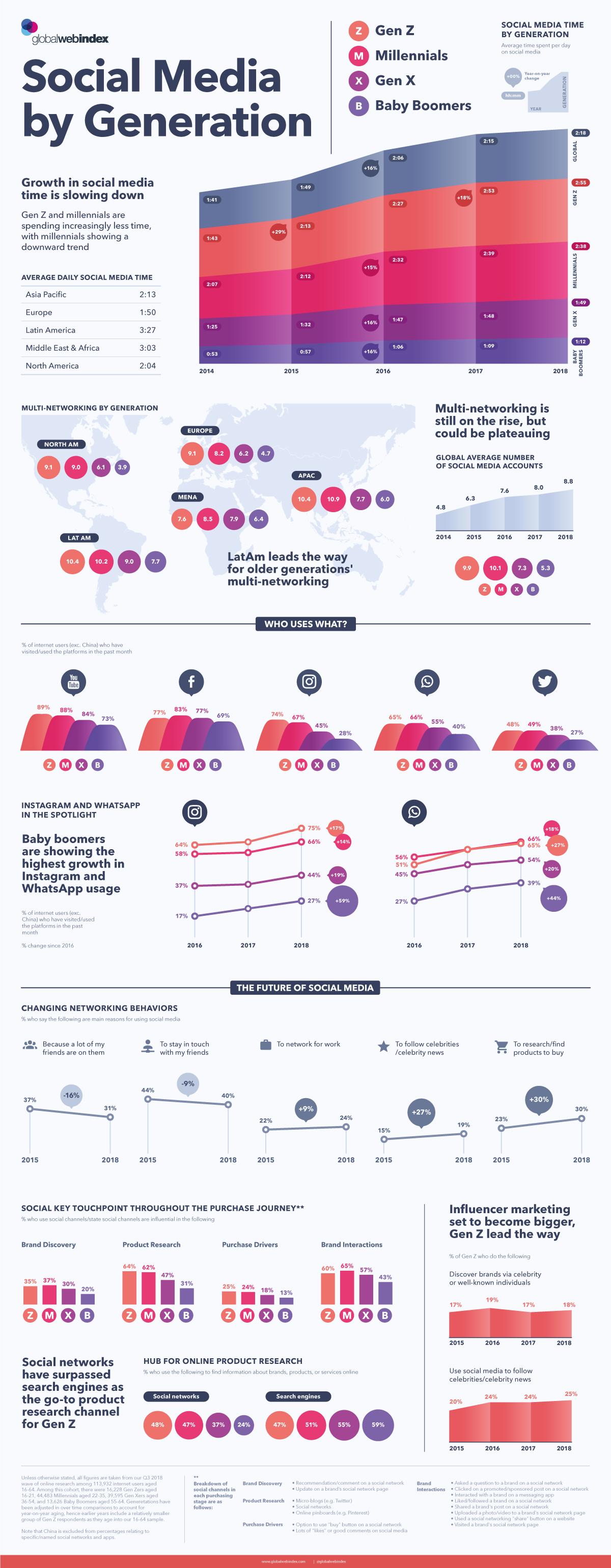
Digital platforms offer a unique opportunity to engage young males by leveraging their preference for anonymity and action-oriented interactions. One effective technique is embedding mental health resources within existing online communities, such as gaming forums or sports-related social media groups. These spaces naturally align with their interests, reducing the perceived stigma of seeking help. For instance, integrating interactive tools like gamified self-assessment quizzes or scenario-based apps can transform passive browsing into active engagement.
However, the success of these interventions hinges on moderation and authenticity. Without proper oversight, online communities can devolve into hostile environments, deterring participation. Moderated platforms, where discussions are guided by trained facilitators or peer leaders, ensure a balance between openness and safety. Dr. Tim Rice, an adolescent mental health specialist, emphasizes, “Moderation fosters trust, creating a space where young men feel secure enough to share their struggles.”
A critical nuance lies in tailoring content to the vernacular and culture of each community. For example, esports influencers who openly discuss mental health can serve as relatable role models, bridging the gap between awareness and action. By embedding mental health narratives into these digital ecosystems, you create a pathway for young males to transition from online engagement to seeking offline support.
Role of Male Figures in Demonstrating Vulnerability
When male figures model vulnerability, they challenge entrenched norms by embodying emotional openness as a form of strength. This approach is particularly impactful because it shifts abstract ideals into tangible, observable behaviors. For young males, seeing respected figures—whether fathers, coaches, or public personalities—acknowledge their struggles normalizes emotional expression and reduces the stigma surrounding it.
The effectiveness of this technique lies in its authenticity. Research highlights that young men are more likely to emulate behaviors they perceive as genuine and relatable. For instance, a study by Orygen, The National Centre for Excellence in Youth Mental Health, found that male mentors who shared personal stories of overcoming mental health challenges significantly increased engagement in youth-focused programs. These narratives resonate because they demonstrate that vulnerability does not diminish masculinity but enhances resilience.
To amplify this impact, digital platforms can serve as powerful conduits. Online campaigns featuring male role models—such as athletes or community leaders—sharing their experiences can reach broader audiences. However, the credibility of these figures is crucial; they must embody traits young men admire, such as courage and perseverance, to effectively dismantle harmful stereotypes.
"When male leaders openly discuss their emotional journeys, they redefine strength for the next generation."
— Dr. Michael Flood, Sociologist and Gender Studies Expert
By integrating these practices into both personal interactions and digital outreach, you create a framework where vulnerability is not a liability but a celebrated strength.
FAQ
What are the most effective strategies for initiating a conversation about mental health with young males?
Initiating a conversation about mental health with young males requires a thoughtful, non-judgmental approach. Start by choosing a relaxed setting, such as during a shared activity, to reduce pressure. Use open-ended questions like “How have you been feeling lately?” to encourage dialogue. Validate their emotions by acknowledging their experiences without offering immediate solutions. Highlight relatable examples, such as public figures discussing mental health, to normalize the topic. Respect their boundaries, allowing them to share at their own pace. Building trust through consistent, empathetic communication fosters a safe space, making it easier for young males to open up about their mental health.
How can parents and educators identify early signs of mental health struggles in young males?
Parents and educators can identify early signs of mental health struggles in young males by observing behavioral changes such as withdrawal from social activities, increased irritability, or declining academic performance. Physical symptoms like disrupted sleep or appetite changes may also signal distress. Pay attention to expressions of hopelessness or anger, as these can mask underlying issues like depression. Building strong, open communication channels helps young males feel safe sharing their emotions. Additionally, fostering mental health literacy among caregivers and educators ensures they can recognize subtle indicators and provide timely support, reducing stigma and encouraging early intervention for better mental health outcomes.
What role do societal expectations and cultural norms play in shaping young males' attitudes toward mental health?
Societal expectations and cultural norms significantly influence young males' attitudes toward mental health by promoting ideals of toughness, self-reliance, and emotional control. These constructs often stigmatize vulnerability, discouraging help-seeking behaviors. Media representations and peer dynamics further reinforce these stereotypes, creating barriers to open emotional expression. Cultural scripts that equate masculinity with invulnerability can lead to internalized shame when experiencing mental health challenges. Addressing these norms requires promoting diverse, positive representations of masculinity that embrace emotional openness. By challenging harmful stereotypes and fostering inclusive narratives, society can reshape attitudes, encouraging young males to prioritize mental health without fear of judgment.
How can digital platforms and online communities be leveraged to support young males' mental health?
Digital platforms and online communities can support young males' mental health by offering accessible, anonymous spaces for engagement. Tailored interventions, such as gamified self-assessment tools or mental health apps, align with their preferences for action-oriented solutions. Integrating relatable content into gaming forums or sports-focused social media channels fosters trust and reduces stigma. Influencers and role models sharing personal mental health journeys can normalize help-seeking behaviors. Moderated online spaces ensure safety and constructive dialogue, while innovative formats like podcasts or interactive videos enhance engagement. These strategies leverage digital ecosystems to create supportive environments that resonate with young males' interests and needs.
What are the best practices for creating a safe and non-judgmental environment for young males to discuss their mental health?
Creating a safe, non-judgmental environment for young males to discuss mental health involves fostering trust and emotional safety. Begin by co-establishing boundaries, allowing them to define what feels comfortable. Use empathetic, non-critical language to validate their emotions, avoiding dismissive phrases like “It’s not a big deal.” Engage in shared activities to reduce conversational pressure and normalize discussions. Incorporate culturally sensitive approaches that respect diverse masculine identities. Peer-led initiatives or mentorship programs can further enhance openness. By prioritizing active listening, respecting autonomy, and promoting inclusivity, caregivers and educators can cultivate spaces where young males feel empowered to share their mental health concerns.