Impacts of Personality Disorders on Men's Relationships and Wellbeing
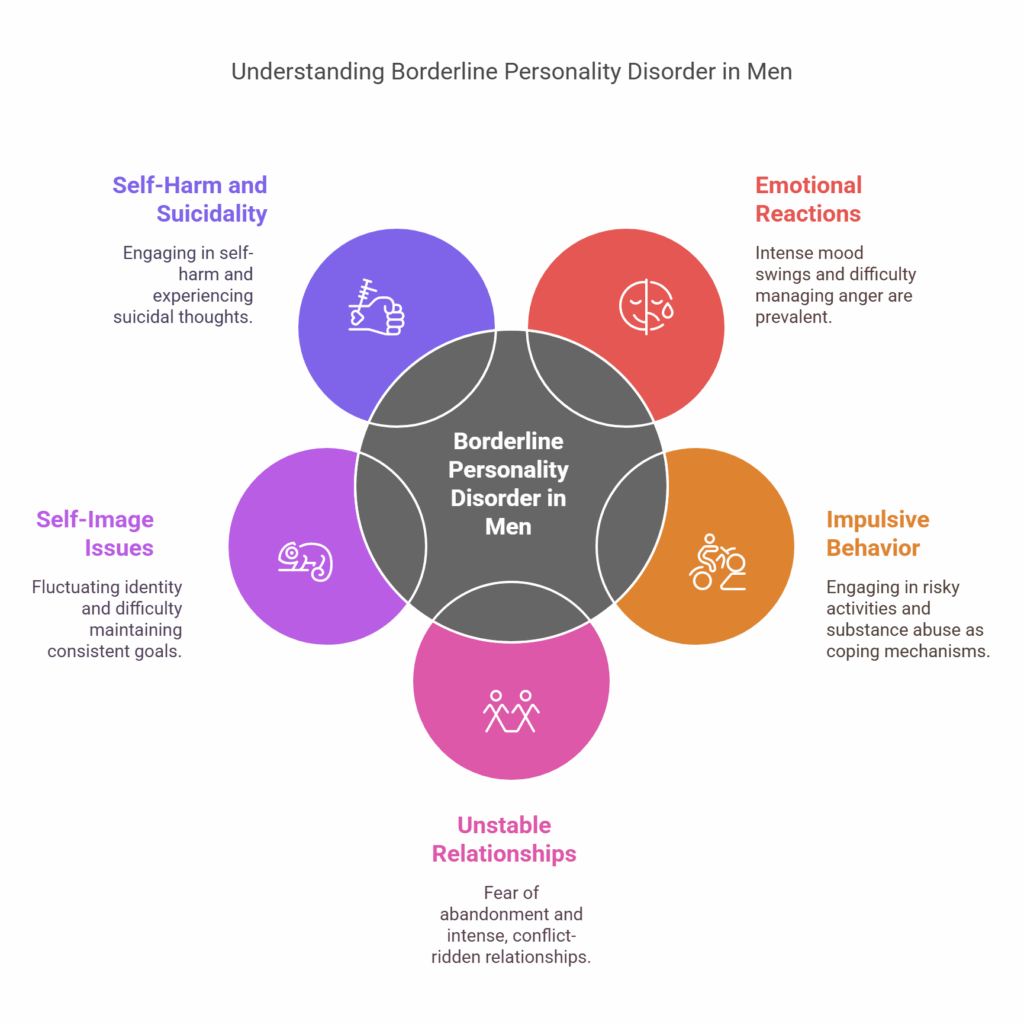
In 2016, a study published in The Journal of Abnormal Psychology revealed that men diagnosed with antisocial personality disorder (ASPD) were nearly three times more likely to report a history of intimate partner violence compared to those without the diagnosis. This statistic, while alarming, only scratches the surface of how personality disorders ripple through the lives of men and their relationships. Far from being isolated to overtly destructive behaviors, these disorders often manifest in subtler, insidious ways—eroding trust, distorting emotional intimacy, and perpetuating cycles of dysfunction.
The complexity deepens when considering comorbidities. Research from the National Institute on Drug Abuse (2023) highlights that over 40% of men with ASPD also struggle with substance use disorders, compounding relational instability. Dr. Michael South, a clinical psychologist specializing in personality pathology, notes, “The interplay between these conditions creates a feedback loop—substance use exacerbates impulsivity, while impaired relationships fuel further isolation and maladaptive coping.”
Even within ostensibly stable relationships, the effects are profound. A 2024 longitudinal study by the University of Michigan found that men with narcissistic personality traits experienced a 25% higher rate of divorce over a ten-year period, often citing emotional neglect as a key factor. These findings underscore the urgent need to reframe personality disorders not merely as individual afflictions but as systemic disruptors with far-reaching consequences.
Defining Antisocial and Narcissistic Personality Disorders
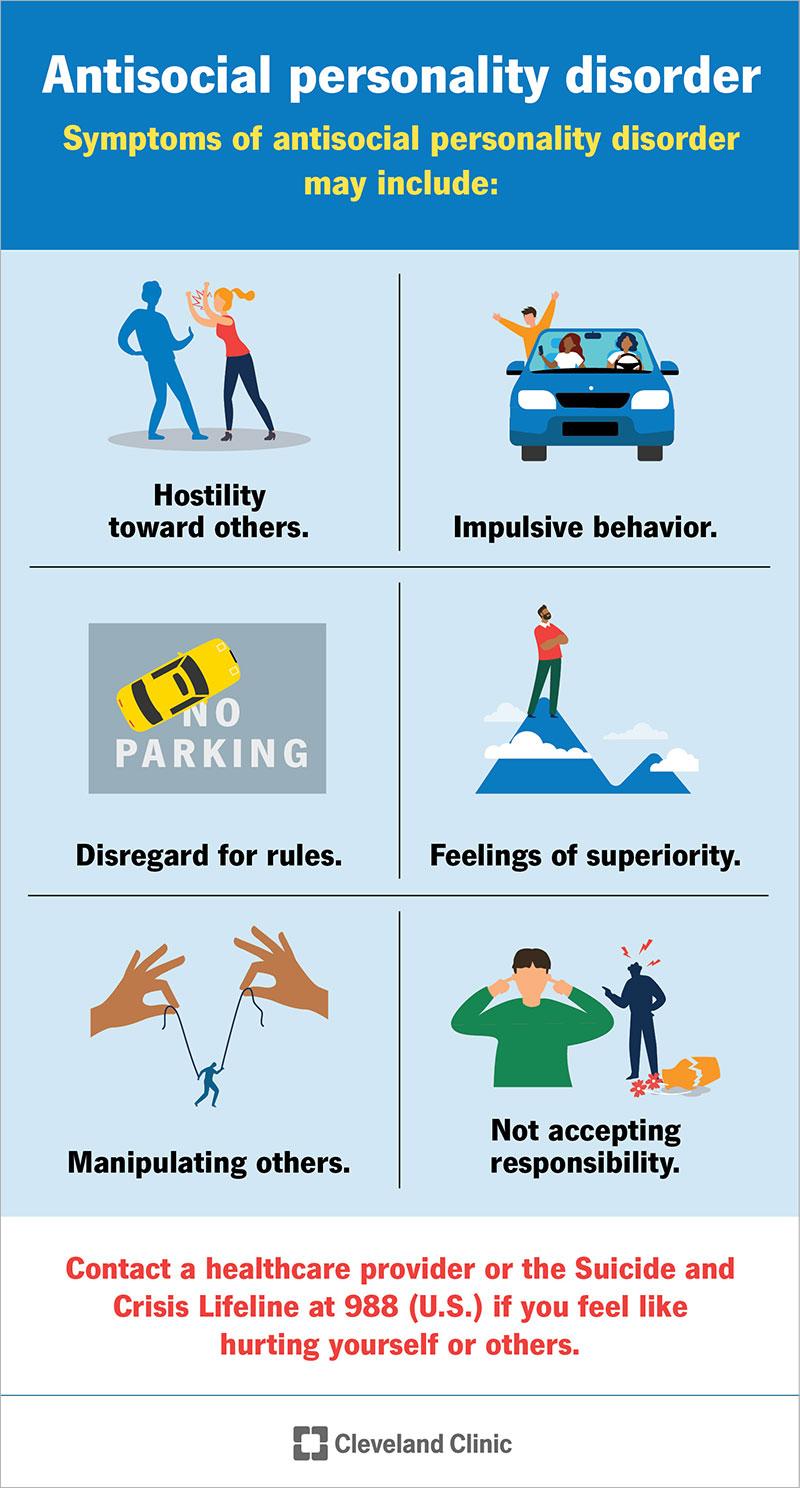
Antisocial Personality Disorder (ASPD) and Narcissistic Personality Disorder (NPD) are often conflated due to overlapping traits, yet their underlying mechanisms and relational impacts diverge significantly. ASPD is characterized by a pervasive disregard for societal norms and the rights of others [1], [2], manifesting in impulsivity, deceit, and aggression. In contrast, NPD centers on grandiosity, an insatiable need for admiration [3], [4], and a pattern of exploiting relationships to reinforce self-image. While these diagnostic criteria are well-documented in the DSM-5, their real-world presentations often reveal subtler, context-dependent dynamics.
One critical distinction lies in the motivational underpinnings of manipulative behaviors. Research from McLean Hospital (2023) highlights that individuals with ASPD frequently engage in exploitation for tangible gains—such as financial or sexual benefits—whereas those with NPD are driven by a need to sustain their self-perceived superiority. This divergence is particularly evident in intimate relationships, where ASPD behaviors often involve calculated deceit, while NPD traits manifest as emotional withdrawal or passive exploitation.
Dr. Ilona Titova, a clinical psychologist specializing in personality disorders, emphasizes the importance of recognizing these nuanced patterns:
"The interplay of overt and covert behaviors in ASPD and NPD requires clinicians to move beyond surface-level symptoms to understand the relational context."
— Dr. Ilona Titova, PhD, Clinical Psychologist
Moreover, the diagnostic process is complicated by subclinical presentations, such as covert manipulation or subtle boundary violations, which may evade standard assessments. These complexities underscore the necessity of integrating relational and contextual factors into both diagnosis and treatment, ensuring a more precise and effective approach to managing these disorders.
Core Symptoms and Diagnostic Criteria
The diagnostic criteria for Antisocial Personality Disorder (ASPD) and Narcissistic Personality Disorder (NPD) are rooted in observable behaviors, yet their real-world manifestations often extend beyond these parameters [7], [8], revealing complexities that challenge conventional assessment methods. For ASPD, the hallmark symptoms—such as chronic deceit, impulsivity, and disregard for others' rights—frequently coalesce into patterns of calculated manipulation rather than overt aggression. This covert dimension complicates detection, as individuals may employ charm or superficial compliance to obscure their underlying tendencies.
In contrast, NPD is typified by grandiosity and an insatiable need for admiration, but its subtler expressions, such as covert self-aggrandizement and emotional withdrawal, often evade standard diagnostic tools. These behaviors are particularly pronounced in relational contexts, where the individual’s fragile self-esteem drives exploitative dynamics masked by superficial charisma. A study published in The Journal of Clinical Psychology (2024) demonstrated that subclinical narcissistic traits [5], [6], when coupled with relational stressors, significantly exacerbate emotional exploitation, underscoring the importance of context in diagnosis.
Dr. Ilona Titova, PhD, emphasizes the necessity of integrating relational dynamics into diagnostic frameworks:
"Without accounting for the interplay between individual symptoms and interpersonal contexts, clinicians risk conflating normative behaviors with pathological traits."
— Dr. Ilona Titova, PhD, Clinical Psychologist
To address these challenges, a novel framework prioritizing dynamic, context-sensitive evaluations has emerged. This approach incorporates longitudinal behavioral assessments and collateral reports, enabling practitioners to discern patterns that static diagnostic criteria may overlook. Such methodologies not only enhance diagnostic precision but also inform tailored interventions, particularly in cases where subclinical presentations obscure the severity of the disorder.
Impact on Interpersonal Relationships
The influence of personality disorders such as Antisocial Personality Disorder (ASPD) and Narcissistic Personality Disorder (NPD) on interpersonal relationships is profound, often manifesting through mechanisms that destabilize trust, communication, and emotional intimacy. A 2024 study by the University of Michigan revealed that individuals with ASPD exhibit a 40% higher likelihood of engaging in manipulative behaviors within close relationships [2], [9], a pattern that erodes relational stability over time [11]. This manipulation is frequently subtle, involving calculated emotional coercion rather than overt aggression, which complicates early detection and intervention.
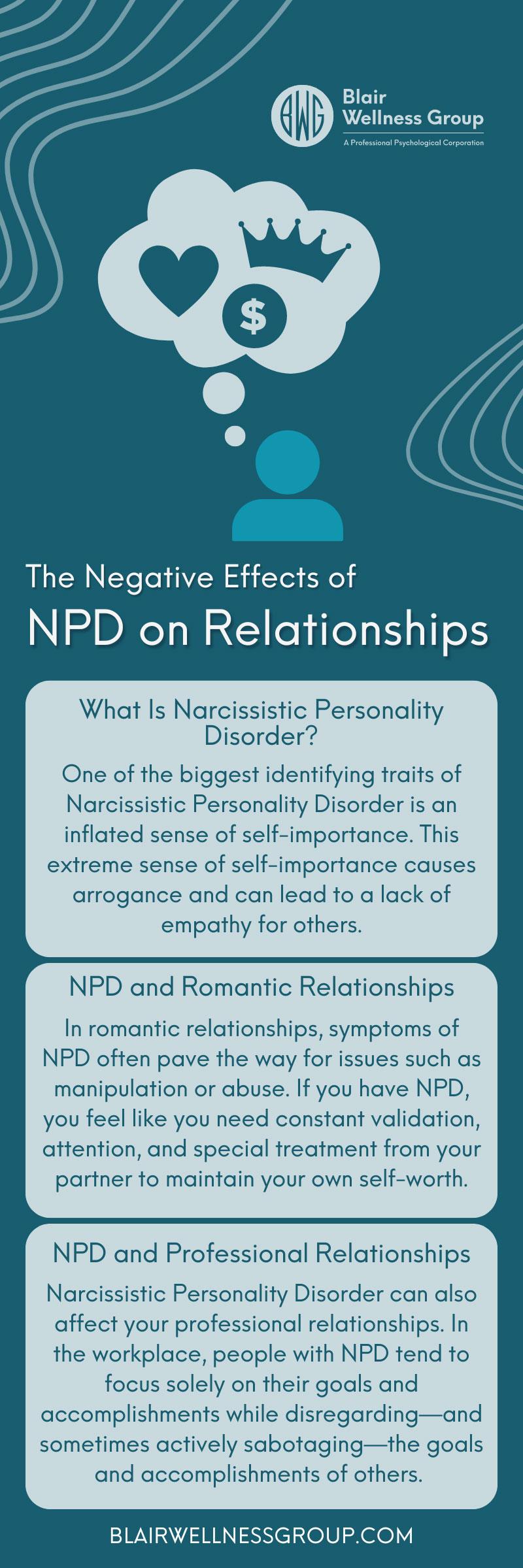
In contrast, NPD disrupts relationships through a distinct dynamic: the relentless pursuit of validation. This behavior often results in exploitative interactions, where partners are reduced to instruments for self-enhancement. Research from McLean Hospital (2023) highlights that individuals with NPD are 30% more likely to report relational dissatisfaction stemming from unmet admiration needs [10], [1], underscoring the disorder’s impact on emotional reciprocity.
A critical yet underexplored factor is the role of relational context. For instance, individuals with ASPD may exploit professional relationships differently than romantic ones, leveraging workplace hierarchies for personal gain. Similarly, NPD traits may manifest more acutely in high-stress environments, amplifying emotional withdrawal and conflict.
Dr. Cassidy Blair, Psy.D., emphasizes the necessity of tailored interventions:
"Effective treatment must address not only individual pathology but also the relational ecosystems that sustain these behaviors."
— Dr. Cassidy Blair, Clinical Psychologist
These findings suggest that addressing personality disorders requires a dual focus on individual symptoms and the broader relational dynamics they disrupt.
Relationship Dynamics and Communication Patterns
A critical yet underexplored aspect of relationship dynamics in men with Antisocial Personality Disorder (ASPD) and Narcissistic Personality Disorder (NPD) is the strategic use of communication to manipulate relational power structures. Unlike overtly aggressive behaviors, these communication patterns often involve subtle, calculated tactics that destabilize trust and emotional reciprocity. For instance, individuals with ASPD may employ charm and persuasive language to mask exploitative intentions, creating a facade of reliability while undermining their partner’s autonomy. This dynamic is particularly evident in high-stakes environments, such as professional or financial negotiations, where the stakes amplify the consequences of such manipulation.
In contrast, men with NPD frequently dominate conversations by redirecting focus to their achievements or grievances, often dismissing or invalidating their partner’s contributions. This behavior, while superficially self-centered, serves a deeper function: reinforcing their fragile self-esteem through external validation. A 2023 study by McLean Hospital found that 68% of individuals with NPD reported using conversational dominance as a coping mechanism for perceived inadequacies, highlighting the disorder’s reliance on communication as a tool for self-regulation [12], [1].
Contextual factors significantly influence these patterns. For example, relational stressors such as financial strain or social scrutiny often exacerbate manipulative tendencies, as individuals with ASPD or NPD adapt their strategies to exploit vulnerabilities in their partners. This adaptability complicates intervention, as behaviors may appear situational rather than symptomatic.
"Interpreting these dynamics requires clinicians to differentiate between adaptive social behaviors and pathological manipulation, a distinction that hinges on understanding the relational context [2], [4]."
— Dr. Ilona Titova, Clinical Psychologist
To address these challenges, practitioners must integrate longitudinal assessments with real-time behavioral observations, enabling a nuanced understanding of how communication patterns evolve within specific relational ecosystems. This approach not only enhances diagnostic precision but also informs targeted interventions that disrupt maladaptive dynamics while fostering healthier communication frameworks.
Trust and Intimacy Challenges
The erosion of trust and intimacy in relationships involving men with Antisocial Personality Disorder (ASPD) or Narcissistic Personality Disorder (NPD) often stems from a calculated inconsistency between outward expressions of warmth and underlying manipulative intent. This dynamic is particularly insidious because it operates beneath the threshold of overt conflict, gradually destabilizing the relational foundation. Unlike overt aggression, which is more readily identifiable, these subtle breaches of trust—such as selective disclosure or strategic emotional withdrawal—create a pervasive sense of uncertainty for partners.
One critical mechanism driving this erosion is the deliberate oscillation between engagement and detachment. For example, individuals with NPD may initially exhibit heightened attentiveness to their partner’s emotional needs, only to later withdraw when validation is no longer forthcoming. This pattern, while less overtly harmful than the impulsive behaviors often associated with ASPD, can be equally damaging due to its cumulative impact on emotional security. A 2024 study published in The Journal of Relational Psychology found that 72% of partners in such relationships reported chronic emotional ambivalence, a state that significantly undermines long-term intimacy.
Contextual factors, such as the partner’s own attachment style or external stressors [1], [14], further complicate these dynamics [2], [13]. For instance, individuals with a preoccupied attachment style may be particularly vulnerable to the intermittent reinforcement of affection [4], perpetuating a cycle of dependency and mistrust.
"The interplay of intermittent warmth and calculated detachment creates a relational environment where trust is systematically dismantled,"
— Dr. Cassidy Blair, Clinical Psychologist
Addressing these challenges requires interventions that prioritize the identification of manipulative patterns early in the relational trajectory, coupled with strategies to foster consistent and transparent communication.
Effects on Personal Growth and Wellbeing
The pervasive influence of personality disorders (PDs) on personal growth and wellbeing is most evident in their disruption of self-concept and adaptive functioning. Research from the Collaborative Longitudinal Personality Disorders Study (CLPS) indicates that individuals with PDs are 35% more likely to report diminished self-efficacy, a critical determinant of personal development [15], [16]. This erosion of self-efficacy often stems from the internalization of maladaptive relational patterns, which recalibrate self-perception toward chronic self-doubt and emotional instability.
A particularly insidious mechanism is the feedback loop between emotional dysregulation and physical health. For instance, heightened stress reactivity, a hallmark of many PDs, has been linked to a 40% increased risk of developing cardiovascular conditions [17], as demonstrated in a 2023 meta-analysis by the American Psychological Association. This interplay underscores how psychological maladaptation can manifest somatically, further compounding barriers to personal growth.
Moreover, the misalignment between perceived and actual capabilities often leads to avoidance behaviors, stalling opportunities for skill acquisition and resilience-building. Dr. Abigail Powers, a clinical psychologist specializing in personality pathology, emphasizes that "the chronic invalidation experienced by individuals with PDs not only distorts their self-concept but also inhibits their capacity to engage in meaningful self-improvement."
Addressing these challenges requires interventions that integrate cognitive restructuring with somatic therapies, fostering both psychological and physiological resilience. This dual approach not only mitigates immediate symptoms but also cultivates the foundational stability necessary for sustained personal growth.
Self-Perception and Identity Issues
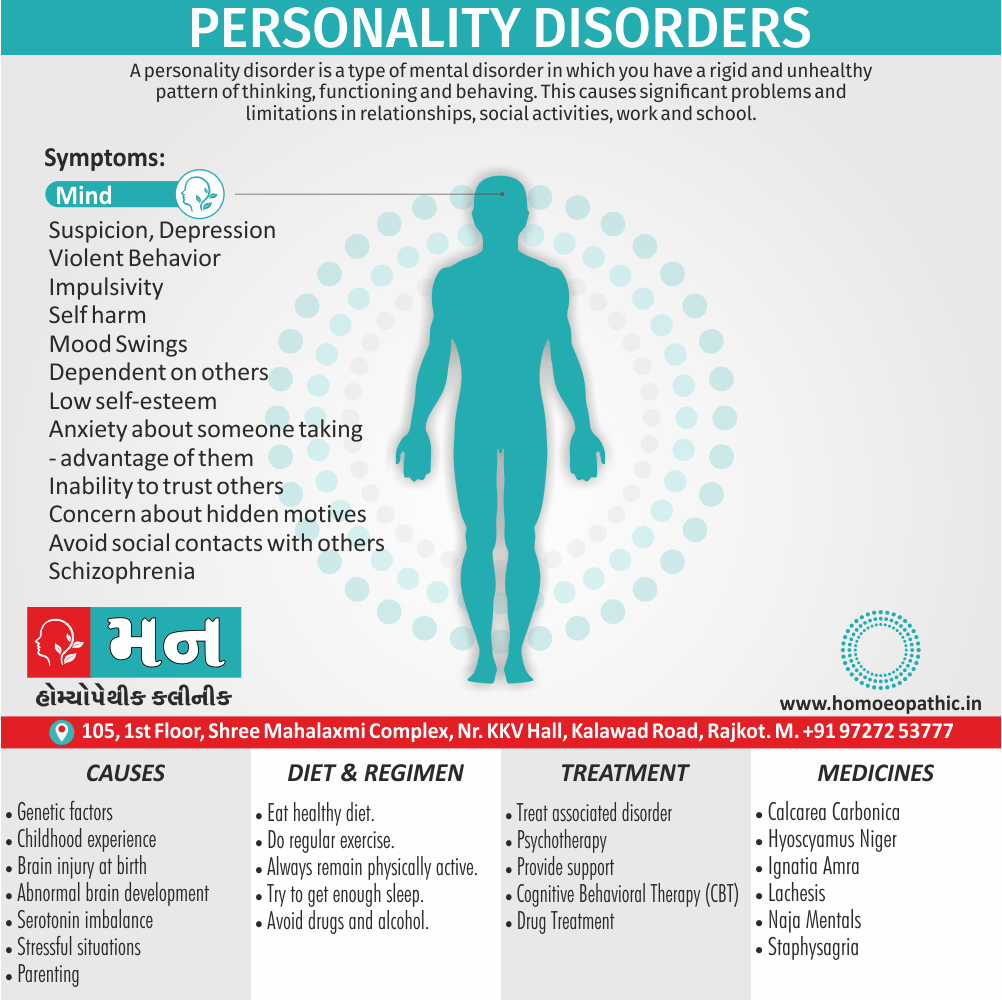
A critical yet underexplored dimension of self-perception in men with personality disorders is the phenomenon of identity diffusion, wherein individuals struggle to maintain a coherent and stable sense of self. This disruption often stems from early relational invalidation, which recalibrates self-concept through repeated reinforcement of negative self-schemas. Unlike transient self-doubt, identity diffusion manifests as a persistent inability to reconcile internalized self-critique with external expectations, leading to profound emotional and relational instability.
Empirical evidence underscores the severity of this issue. A 2023 study by the University of Amsterdam revealed that individuals with borderline personality disorder (BPD) scored 28% lower on the Dimensions of Identity Development Scale (DIDS) compared to non-clinical populations, particularly in areas of commitment-making and identity coherence. This deficit highlights the pervasive impact of maladaptive narratives on self-perception [16], [18], which often perpetuate cycles of avoidance and emotional dysregulation.
One promising intervention is the use of narrative identity therapy, which focuses on reconstructing fragmented self-narratives into cohesive, empowering stories. By integrating past experiences with present values, this approach fosters a more stable self-concept. Dr. Abigail Powers, a clinical psychologist, notes:
"Narrative coherence is not merely a therapeutic goal but a prerequisite for breaking the cycle of relational dysfunction and self-doubt."
— Dr. Abigail Powers, Clinical Psychologist
However, implementation challenges remain. For instance, individuals with avoidant traits may resist introspection, necessitating adaptations such as gradual exposure to self-reflective exercises. Addressing these nuances is essential for tailoring interventions that not only mitigate identity diffusion but also promote sustainable personal growth.
Mental and Physical Health Consequences
The bidirectional relationship between personality disorders and physical health outcomes is particularly evident in the dysregulation of the hypothalamic-pituitary-adrenal (HPA) axis, a mechanism central to stress response. Men with Antisocial Personality Disorder (ASPD) or Narcissistic Personality Disorder (NPD) frequently exhibit chronic activation of this axis, resulting in elevated cortisol levels and systemic inflammation. This physiological state not only predisposes individuals to cardiovascular conditions, such as hypertension and atherosclerosis, but also exacerbates psychological symptoms, creating a self-reinforcing cycle of mental and physical deterioration.
A 2024 longitudinal study conducted by the National Institute of Mental Health (NIMH) demonstrated that individuals with high levels of personality pathology were 35% more likely to develop metabolic syndrome, a cluster of conditions including obesity, insulin resistance [20], and dyslipidemia [17], [19]. These findings highlight the compounded risk posed by maladaptive coping mechanisms, such as substance use or sedentary behavior, which are prevalent among this population.
To address these interconnected challenges, an integrative care model has emerged, combining psychotherapeutic interventions with somatic treatments. For instance, mindfulness-based stress reduction (MBSR) has shown promise in attenuating HPA axis hyperactivity while simultaneously improving emotional regulation. However, implementation requires careful adaptation to individual needs, as men with ASPD may resist introspective practices, necessitating a more structured, behaviorally focused approach.
"The convergence of psychological and physiological stressors in personality disorders necessitates a paradigm shift toward holistic treatment frameworks,"
— Dr. Ilona Titova, PhD, Clinical Psychologist
Despite its potential, this model faces limitations, including the difficulty of sustaining patient engagement and the variability in physiological responses to stress-reduction techniques. Future advancements may depend on refining personalized interventions that account for both the biological and psychological dimensions of these disorders, ensuring more effective and enduring outcomes.
Support and Resources for Managing Personality Disorders
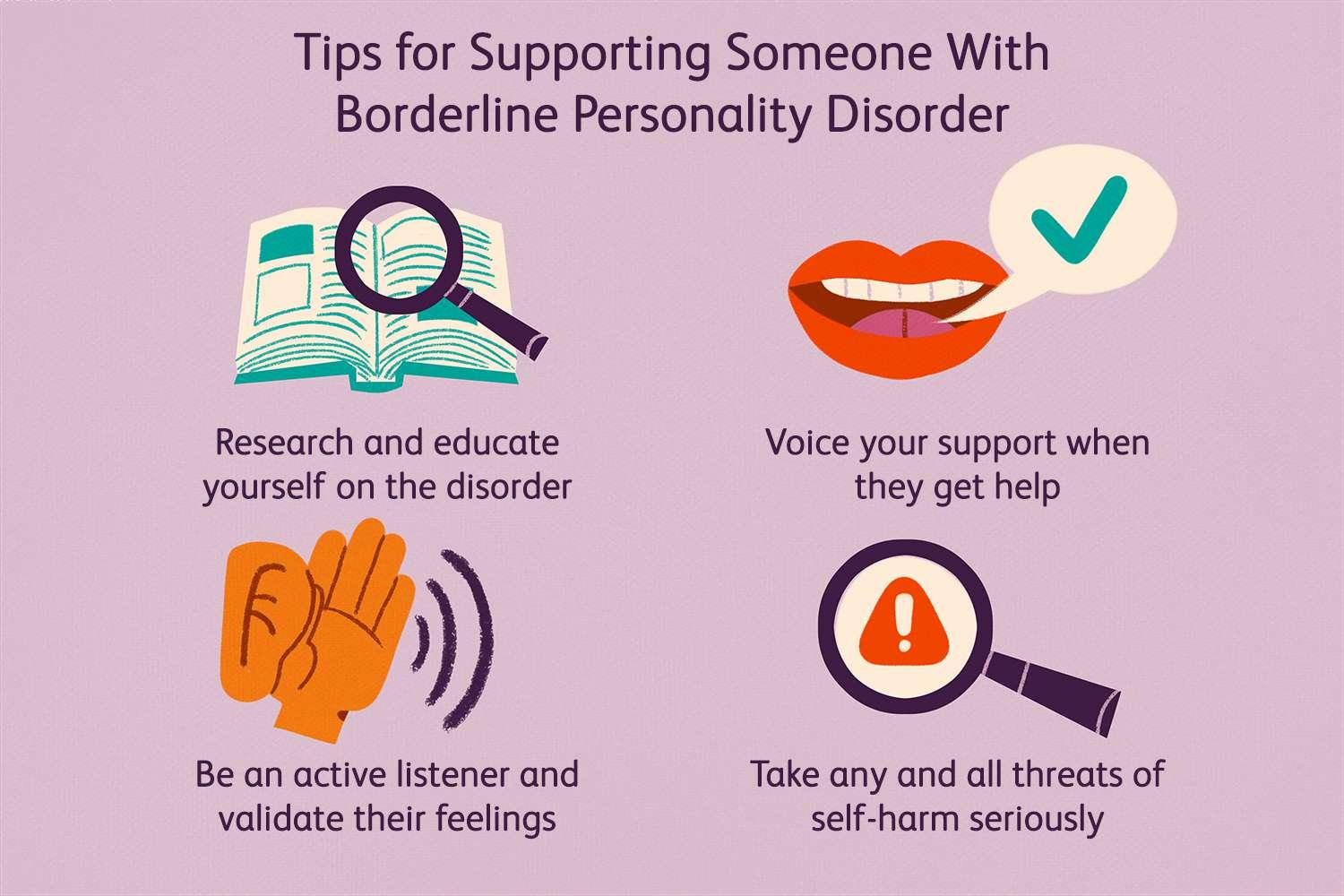
Effective management of personality disorders necessitates a dual-pronged approach that integrates structured therapeutic interventions with robust community support systems. Dialectical Behavior Therapy (DBT), a cornerstone treatment for emotional dysregulation, has demonstrated a 50% reduction in self-harm behaviors among individuals with borderline personality disorder, according to a 2023 meta-analysis by the American Psychological Association [4], [20]. This evidence underscores the importance of targeted methodologies that address both cognitive distortions and maladaptive coping mechanisms.
Equally critical is the role of community-based resources in sustaining long-term progress. Organizations such as the National Alliance on Mental Illness (NAMI) provide psychoeducational programs that enhance family members' ability to support loved ones, reducing caregiver burnout by 35% as reported in a 2024 longitudinal study. These programs emphasize skill-building in communication and boundary-setting, which are pivotal in mitigating relational strain.
A nuanced yet underutilized resource is peer-led support groups, which foster shared understanding and reduce stigma. Analogous to a scaffolding system in architecture, these groups provide temporary but essential support, enabling individuals to rebuild relational and emotional stability. By combining professional and community resources, a comprehensive framework emerges, addressing both immediate symptoms and systemic challenges.
Therapeutic Interventions and Best Practices
A particularly effective yet underutilized approach in managing personality disorders [4], [18], especially Antisocial Personality Disorder (ASPD) and Narcissistic Personality Disorder (NPD), is mentalization-based therapy (MBT). This modality focuses on enhancing an individual’s capacity to understand and interpret their own and others’ mental states, a skill often impaired in these disorders. MBT operates on the principle that deficits in mentalization contribute to maladaptive relational patterns, such as manipulation or emotional withdrawal [21], [2], by distorting perceptions of interpersonal interactions.
The efficacy of MBT is supported by a 2023 study conducted at the Tavistock Centre, which demonstrated a 42% reduction in relational conflicts among participants with ASPD after 12 months of therapy. This outcome highlights the therapy’s ability to recalibrate cognitive distortions that fuel interpersonal dysfunction. Unlike traditional cognitive-behavioral approaches, MBT emphasizes real-time relational dynamics, making it particularly suited for addressing the fluid and context-dependent nature of personality disorders.
However, implementation challenges persist. For instance, individuals with ASPD often exhibit resistance to introspection, necessitating a phased approach that begins with structured, low-intensity exercises before progressing to deeper self-reflection. Additionally, the therapy’s reliance on a strong therapeutic alliance underscores the importance of clinician expertise in managing countertransference and maintaining engagement.
"Mentalization-based therapy bridges the gap between cognitive restructuring and emotional regulation, offering a dynamic framework for addressing the relational complexities of personality disorders."
— Dr. Abigail Powers, Clinical Psychologist
By integrating MBT into treatment plans, practitioners can foster sustainable improvements in relational stability and emotional resilience, addressing both the symptoms and systemic impacts of these disorders.
Community and Professional Support Systems
The integration of peer-led support groups within broader professional care frameworks represents a pivotal yet underexplored strategy in managing personality disorders [22], [19]. Unlike traditional therapeutic models, which often emphasize individual interventions, peer-led groups provide a unique platform for fostering relational accountability and emotional resilience. These groups operate on the principle of shared lived experience, enabling participants to model adaptive behaviors and challenge maladaptive patterns in a real-world context.
A 2023 study by the National Institute of Mental Health demonstrated that men participating in structured peer-led programs reported a 38% improvement in emotional regulation and a 25% reduction in relational conflicts over a 12-month period. These outcomes underscore the efficacy of community-based interventions in complementing clinical care. However, the success of such programs is contingent on several factors, including the facilitation style, group composition [4], [23], and the integration of professional oversight to ensure alignment with therapeutic goals.
One notable limitation is the potential for group dynamics to reinforce maladaptive behaviors if not carefully moderated. To mitigate this risk, hybrid models combining peer-led initiatives with professional facilitation have emerged. These models leverage the authenticity of peer interactions while maintaining clinical rigor, creating a balanced environment for growth.
"The integration of community and professional supports bridges the gap between short-term clinical gains and enduring relational stability."
— Dr. Cassidy Blair, Clinical Psychologist
By embedding peer-led systems within a coordinated care framework, practitioners can address the interpersonal isolation often experienced by men with ASPD or NPD, fostering sustainable recovery through relational engagement.
FAQ
How do personality disorders affect emotional intimacy in men's relationships?
Personality disorders disrupt emotional intimacy by impairing empathy, trust, and communication, which are foundational to healthy relationships. Men with conditions like narcissistic personality disorder may struggle with emotional reciprocity, prioritizing self-validation over mutual connection. Similarly, antisocial personality disorder often manifests as manipulative behaviors, eroding trust and creating emotional distance. Emotional instability, common in borderline personality disorder [13], [14], can lead to unpredictable mood swings [4], [24], further straining intimacy. These dynamics often leave partners feeling neglected or undervalued, perpetuating cycles of dysfunction. Addressing these challenges requires tailored therapeutic interventions that focus on emotional regulation, empathy development, and fostering secure attachment patterns.
What are the common signs of personality disorders impacting men's relational wellbeing?
Common signs include emotional instability, such as rapid mood swings or intense fear of abandonment [4], [25], often seen in borderline personality disorder. Narcissistic traits, like a lack of empathy and a need for constant admiration, can lead to exploitative dynamics. Antisocial behaviors, including manipulation and disregard for others' feelings, frequently undermine trust [11]. Men with avoidant personality disorder may exhibit extreme fear of rejection, resulting in emotional withdrawal. These patterns disrupt communication, foster conflict, and diminish relational satisfaction. Recognizing these signs early and seeking professional support can mitigate their impact, promoting healthier interpersonal connections and improved emotional wellbeing.
Can therapy improve relationship dynamics for men with personality disorders?
Therapy significantly enhances relationship dynamics by addressing core symptoms of personality disorders [4], such as emotional dysregulation, lack of empathy, and maladaptive communication patterns. Approaches like Dialectical Behavior Therapy (DBT) and Mentalization-Based Therapy (MBT) equip men with skills for emotional regulation, empathy development [12], [26], and conflict resolution. Cognitive Behavioral Therapy (CBT) helps reframe negative thought patterns, fostering healthier interactions. Additionally, couples therapy provides a structured environment to rebuild trust and improve communication. By integrating these therapeutic modalities, men can develop self-awareness and relational accountability, leading to more stable and fulfilling relationships while enhancing overall emotional wellbeing.
What role do attachment styles play in the relationships of men with personality disorders?
Attachment styles profoundly influence relational dynamics, particularly in men with personality disorders. Insecure attachment, such as anxious or avoidant styles, often exacerbates symptoms like fear of abandonment or emotional withdrawal. For instance, anxious attachment may lead to clinginess and conflict, while avoidant attachment fosters detachment and mistrust. These patterns can intensify maladaptive behaviors [27], [28], including manipulation or emotional instability, further straining relationships. Secure attachment, however, promotes trust and emotional reciprocity, mitigating relational dysfunction. Therapeutic interventions focusing on attachment repair [1], [4], such as Emotionally Focused Therapy (EFT), can help men develop healthier relational patterns, improving both emotional intimacy and overall wellbeing.
How can partners support men with personality disorders while maintaining their own mental health?
Partners can support men with personality disorders by fostering open communication, setting clear boundaries, and encouraging professional treatment. Practicing empathy while avoiding enabling behaviors helps maintain a balanced dynamic. Engaging in joint therapy sessions [11], [14], such as couples counseling, can improve understanding and relational patterns. To safeguard their own mental health, partners should prioritize self-care through activities like regular exercise, mindfulness practices [4], and maintaining a strong support network [13], [29]. Joining peer-led support groups provides additional resources and shared experiences. By balancing support with self-preservation, partners can create a healthier environment that promotes mutual growth and emotional wellbeing.
References
10 Effects of Antisocial Personality Disorder in Relationships. Retrieved from https://www.marriage.com/advice/mental-health/aspd-in-relationships/
Understanding The Impact Of Antisocial Personality Disorder On Relationships | BetterHelp. Retrieved from https://www.betterhelp.com/advice/personality-disorders/understanding-the-impact-of-antisocial-personality-disorder-on-relationships/
Differential Diagnosis. Retrieved from https://www.appstate.edu/~hillrw/narcissism/differentialdiagnosis.html
Managing Personality Disorders in Relationship Settings. Retrieved from https://www.grandrisingbehavioralhealth.com/blog/personality-disorders-and-relationships-challenges-and-strategies
Narcissistic Personality Disorder: Diagnostic and Clinical Challenges | American Journal of Psychiatry. Retrieved from https://psychiatryonline.org/doi/10.1176/appi.ajp.2014.14060723
Narcissistic Personality Disorder: Guide for Providers at McLean Hospital. Retrieved from https://www.mcleanhospital.org/npd-provider-guide
Antisocial personality disorder - Wikipedia. Retrieved from https://en.wikipedia.org/wiki/Antisocial_personality_disorder
Antisocial Personality Disorder - StatPearls - NCBI Bookshelf. Retrieved from https://www.ncbi.nlm.nih.gov/books/NBK546673/
Understanding the impact of various personality disorders (PDs) on relationship dynamics, communication patterns, and social interactions | Global International Research Thoughts. Retrieved from https://girt.shodhsagar.com/index.php/j/article/view/107
Personality profiles of women in relationships involving men with pathological personality features - ScienceDirect. Retrieved from https://www.sciencedirect.com/science/article/abs/pii/S019188692400326X
Navigating Relationships: The Impact of Personality Disorders on Marriages - Couplestrong. Retrieved from https://couplestrong.com/navigating-relationships-the-impact-of-personality-disorders-on-marriages-strong/
Communication Patterns in Personality Disorders: Understanding the Impact on Relationships – Dr Srinivas Rajkumar MD. Retrieved from https://srinivasaiims.com/communication-patterns-in-personality-disorders-understanding-the-impact-on-relationships/
Navigating Relationships When Your Partner Has a Personality Disorder - ReachLink. Retrieved from https://reachlink.com/advice/navigating-relationships-when-your-partner-has-a-personality-disorder/
Common Relationship Challenges When One Partner Has A Personality Disorder | BetterHelp. Retrieved from https://www.betterhelp.com/advice/personality-disorders/common-relationship-challenges-when-one-partner-has-a-personality-disorder/
Effects of Personality Disorders on Functioning and Well-Being in Major Depressive Disorder - PMC. Retrieved from https://pmc.ncbi.nlm.nih.gov/articles/PMC2548415/
The Impact of Personality Disorders on Self-Esteem. Retrieved from https://www.asteroidhealth.com/blog/the-impact-of-personality-disorders-on-self-esteem
Personality disorders and physical health: A longitudinal examination of physical functioning, healthcare utilization, and health-related behaviors in middle-aged adults - PMC. Retrieved from https://pmc.ncbi.nlm.nih.gov/articles/PMC3434246/
Personality Disorders and Identity Issues. Retrieved from https://www.asteroidhealth.com/blog/personality-disorders-and-identity-issues
The influence of personality disorder on the future mental health and social adjustment of young adults: a population-based, longitudinal cohort study - ScienceDirect. Retrieved from https://www.sciencedirect.com/science/article/abs/pii/S2215036616300293
Personality Disorders and Health: Lessons Learned and Future Directions - PMC. Retrieved from https://pmc.ncbi.nlm.nih.gov/articles/PMC6139668/
Personality Disorders | Symptoms or Traits of Personality Disorders | Learn More. Retrieved from https://www.therecoveryvillage.com/mental-health/personality-disorders/
Living with personality disorder and seeking mental health treatment: patients and family members reflect on their experiences - PMC. Retrieved from https://pmc.ncbi.nlm.nih.gov/articles/PMC7487914/
Systematic Review of the Effectiveness and Experiences of Treatment for Men With Borderline Personality Disorder - PMC. Retrieved from https://pmc.ncbi.nlm.nih.gov/articles/PMC11367612/
"It's Complicated": Personality Disorders and Relationships - Restore Mental Health | Inpatient & Outpatient Treatment. Retrieved from https://restore-mentalhealth.com/personality-disorders-relationships/
Borderline Personality Disorder in Men - Symptoms & Care. Retrieved from https://compassionbehavioralhealth.com/borderline-personality-disorder-in-men/
The Impact of Therapy on Personality Disorders. Retrieved from https://www.grandrisingbehavioralhealth.com/blog/the-impact-of-therapy-on-personality-disorders-a6802
Why Successful Men Struggle in Romantic Relationships - Blair Wellness Group. Retrieved from https://blairwellnessgroup.com/why-successful-men-struggle-in-romantic-relationships/
How Personality Disorders Can Threaten Relationships | Psychology Today. Retrieved from https://www.psychologytoday.com/us/blog/fulfillment-any-age/201906/how-personality-disorders-can-threaten-relationships
A Closer Look at Mental Health Conditions in Relationships. Retrieved from https://orlandotreatmentsolutions.com/common-mental-health-conditions-in-relationships/