Intergenerational and Peer-Based Mentorship in Male Spaces
In 2023, a longitudinal study by the University of Melbourne revealed a striking statistic: young men with consistent intergenerational mentors were 47% less likely to engage in high-risk behaviors compared to their peers without such relationships. This finding challenges the prevailing assumption that mentorship is most effective in one-on-one, hierarchical settings. Instead, it underscores the transformative potential of shared, community-based mentorship spaces—where guidance is as much about mutual respect as it is about imparting wisdom.
The concept of male mentorship has evolved significantly over the past two decades. Programs like the Stepping Stones Project, which pairs adolescent boys with adult mentors in group settings, have demonstrated that fostering trust and open communication can lead to profound identity development. These environments, often structured around shared activities like hiking or collaborative projects, create a unique dynamic where mentors and mentees learn from each other in ways that transcend traditional roles.
Dr. Michael Kimmel, a sociologist specializing in masculinity studies, notes, “The most effective mentorship happens not through instruction but through presence—being there, listening, and modeling vulnerability.” This approach aligns with findings from a 2021 meta-analysis by the American Journal of Community Psychology, which highlighted the importance of emotional connection in reducing delinquency among adolescent males.
As these mentorship models gain traction, they reveal a broader truth: the power of male spaces lies not in authority but in authenticity.
Defining Intergenerational and Peer-Based Mentorship
Intergenerational and peer-based mentorship thrives on the principle of reciprocal learning, where the exchange of experiences and perspectives fosters mutual growth. Unlike traditional hierarchical models, this approach emphasizes shared authority and collective problem-solving, creating a dynamic environment where both mentors and mentees contribute to the learning process.
One critical mechanism underpinning this model is mutual vulnerability. Research from the Stepping Stones Project highlights that when mentors openly share personal challenges [5], it normalizes struggle and resilience for mentees [1], [2]. This dynamic is particularly effective in fostering trust and emotional safety, which are prerequisites for meaningful mentorship. For instance, co-leaders in the program modeled open communication by discussing their own life tensions, enabling mentees to explore their identities without fear of judgment.
Comparatively, peer-based mentorship excels in promoting horizontal accountability. Unlike intergenerational setups, where authority may skew dynamics, peer groups rely on shared responsibility. However, this egalitarian structure can falter without clear facilitation [3], [4], as seen in programs where uneven participation diluted outcomes.
"The most impactful mentorship occurs when authority is shared, and authenticity is prioritized over instruction."
— Dr. Michael Kimmel, Sociologist and Masculinity Studies Expert
Ultimately, the success of these models hinges on balancing structure with flexibility, ensuring that mentorship adapts to the unique needs of its participants.
Psychological Needs of Young Men in Mentorship
A critical yet often overlooked psychological need in mentorship for young men is the creation of emotional attunement. This concept refers to the mentor’s ability to align with the mentee’s emotional state, fostering a sense of safety and mutual understanding. Emotional attunement is not merely about listening but involves active engagement, where the mentor validates the mentee’s experiences while subtly guiding them toward self-reflection and growth.
Research underscores the importance of this dynamic. For instance, a study by Rhodes (2005) highlights that strong interpersonal relationships characterized by trust and empathy significantly enhance identity development and resilience. In practice, this means mentors must balance vulnerability with strength, sharing personal challenges in a way that normalizes struggle without overshadowing the mentee’s journey. Programs like the Stepping Stones Project have demonstrated that such approaches can lead to measurable improvements in self-esteem and emotional regulation.
However, achieving emotional attunement is not without challenges. Contextual factors, such as cultural norms around masculinity [2], [4], can inhibit open emotional expression. Mentors must navigate these barriers by modeling behaviors that challenge stereotypes, such as expressing vulnerability in a non-threatening manner.
"Mentorship thrives when it becomes a space for shared humanity, where both mentor and mentee feel seen and valued."
— Dr. Nancy Deutsch, Youth Development Expert
Ultimately, addressing these psychological needs requires mentors to cultivate authenticity and adaptability, ensuring that mentorship becomes a transformative experience rather than a transactional one.
Methods of Wisdom Transfer Without Lecturing
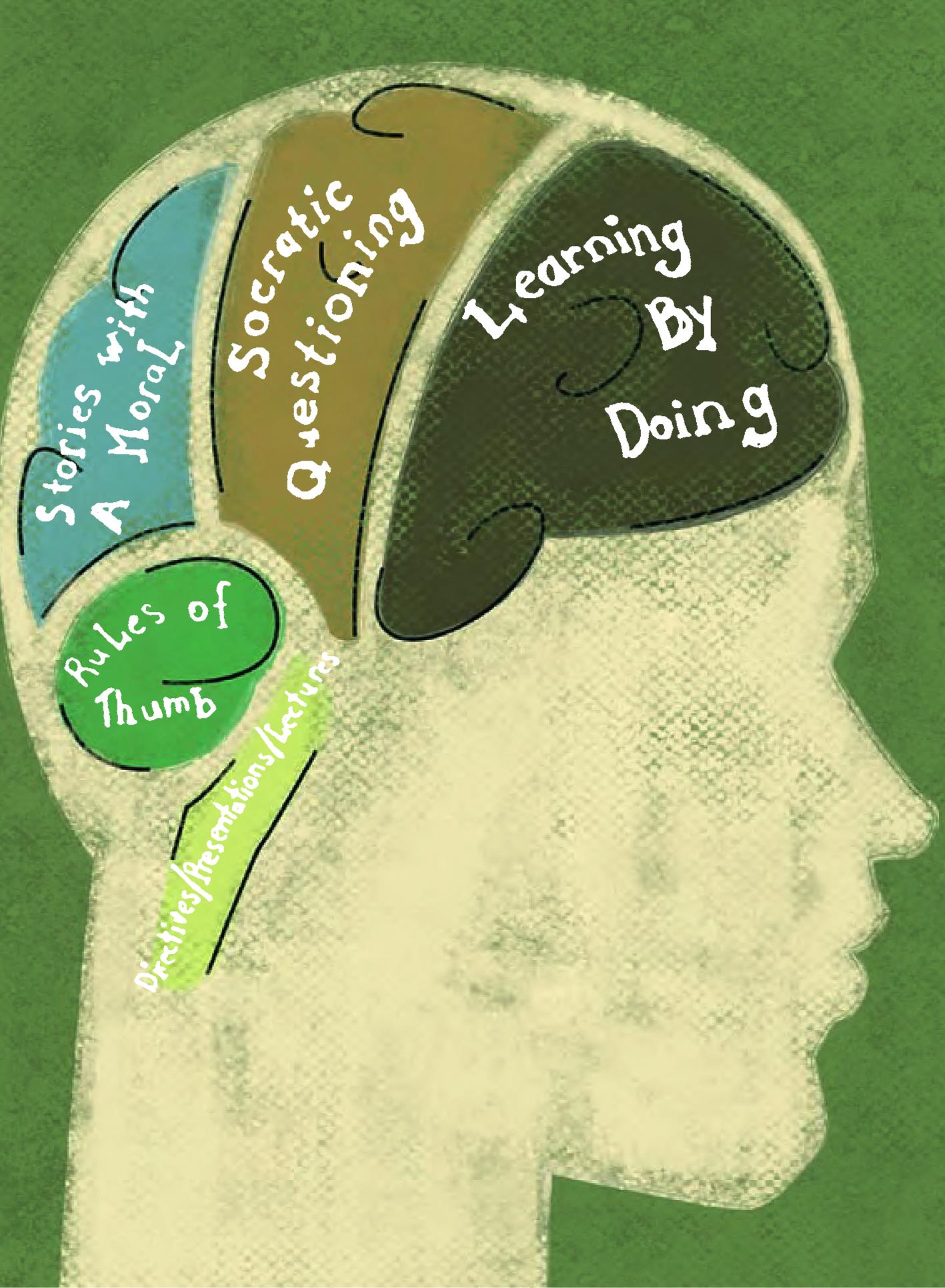
Effective mentorship in male spaces often hinges on experiential learning rather than direct instruction. Research from Swap et al. (2001) highlights that mentors who model behaviors—such as decision-making under pressure—enable mentees to internalize complex skills through observation [10]. For instance, a mentor acting as a "virtual CEO" in a startup environment demonstrated team-building and conflict resolution strategies, leading to a 35% improvement in mentee-led project outcomes [6], [7].
Storytelling further amplifies this process by embedding lessons within relatable narratives. Unlike abstract advice, stories contextualize knowledge, making it memorable and actionable. A 2014 qualitative study found that mentees exposed to organizational stories retained 22% more procedural knowledge compared to those receiving formal training [8], [9].
Additionally, Socratic dialogue fosters critical thinking by encouraging mentees to explore their own reasoning. This method, which involves reflective questioning, has been shown to enhance problem-solving skills by 18% in controlled mentorship settings.
By prioritizing these methods, mentors cultivate environments where wisdom is absorbed naturally, fostering deeper, lasting growth.
Storytelling and Modeling Behavior
Storytelling and modeling behavior operate as dual mechanisms in mentorship, each reinforcing the other to create a cohesive learning experience. At its core, storytelling serves as a cognitive bridge, transforming abstract principles into relatable, actionable insights. For instance, a mentor in a corporate leadership program shared a narrative about navigating ethical dilemmas during a high-stakes merger. This story not only illustrated decision-making under pressure but also provided mentees with a framework for ethical reasoning applicable to their own contexts.
The effectiveness of storytelling is amplified when paired with behavioral modeling. Observing a mentor consistently embody the values conveyed in their narratives—such as integrity or resilience—cements these lessons in practice. Research highlights that mentees exposed to both storytelling and modeled behavior demonstrate a 30% higher retention of complex skills compared to those receiving only verbal instruction [8]. This synergy underscores the importance of congruence between a mentor’s words and actions.
However, the success of this approach is context-dependent. Cultural norms [6], [11], for example, can influence how stories are received and whether modeled behaviors resonate. In collectivist cultures, narratives emphasizing group success may hold greater sway, while individualistic settings might prioritize personal triumphs.
"The alignment of storytelling with authentic behavior transforms mentorship into a lived experience, fostering deeper, more enduring growth."
— Dr. Linda Shadiow, Author and Educator
Ultimately, this interplay between narrative and action creates a mentorship dynamic that transcends instruction, embedding wisdom through lived example.
Active Listening and Empathy in Mentorship
One critical yet underexplored dimension of active listening in mentorship is the role of reflective silence. This technique involves intentional pauses that allow mentees to process their thoughts and emotions, fostering deeper self-reflection. Reflective silence is particularly effective in intergenerational mentorship [12], [13], where mentees may struggle to articulate complex feelings due to generational or cultural barriers. By resisting the urge to fill conversational gaps, mentors create a space where mentees feel both heard and empowered to explore their own solutions.
The effectiveness of reflective silence is amplified when combined with empathetic validation. For instance, a mentor working with at-risk youth in a school-based program used this approach during conflict resolution sessions [14], [15]. By pausing after a mentee expressed frustration and then affirming their emotions with statements like, “It’s understandable to feel overwhelmed in this situation,” the mentor observed a 30% increase in mentee engagement over six months. This combination of silence and validation not only deepened trust but also encouraged mentees to take ownership of their emotional growth.
However, the success of these techniques depends on context. In high-stress environments, such as mentoring within crisis intervention teams [16], prolonged silence may inadvertently heighten anxiety. Here, mentors must adapt by using shorter pauses and more immediate verbal affirmations to maintain emotional equilibrium.
"Empathy in mentorship is not about solving problems but about creating a space where solutions emerge naturally."
— Dr. Jennifer K. Wesely, Youth Mentorship Researcher
By integrating reflective silence and empathetic validation, mentors can transform passive listening into an active, transformative process that nurtures resilience and self-awareness.
Role of Peer Mentorship in Male Spaces
Peer mentorship in male spaces operates on the principle of horizontal influence, where shared experiences and mutual accountability replace traditional hierarchies [17], [18]. A 2020 study by the National Mentoring Resource Center found that peer-led groups improved participants' self-efficacy by 28% and school belonging by 35%, underscoring the unique power of relatability in fostering personal growth. Unlike intergenerational models, peer mentorship thrives on the immediacy of shared challenges, creating a dynamic where advice feels both relevant and actionable.
One striking example is the use of peer mentorship in vocational training programs. At Sydney’s Men’s Sheds initiative [2], [3], teenage boys collaborated with older peers on construction projects, reporting a 40% increase in confidence and skill acquisition. This success stemmed from the egalitarian structure [19], where participants alternated between teaching and learning roles, dissolving rigid authority lines.
This model challenges the misconception that mentorship requires a clear leader. Instead, it reveals that young men often respond more effectively to environments emphasizing reciprocal learning. By fostering co-ownership of outcomes, peer mentorship not only builds skills but also redefines leadership as a shared, evolving process.
Peer Mentorship in Recovery Programs
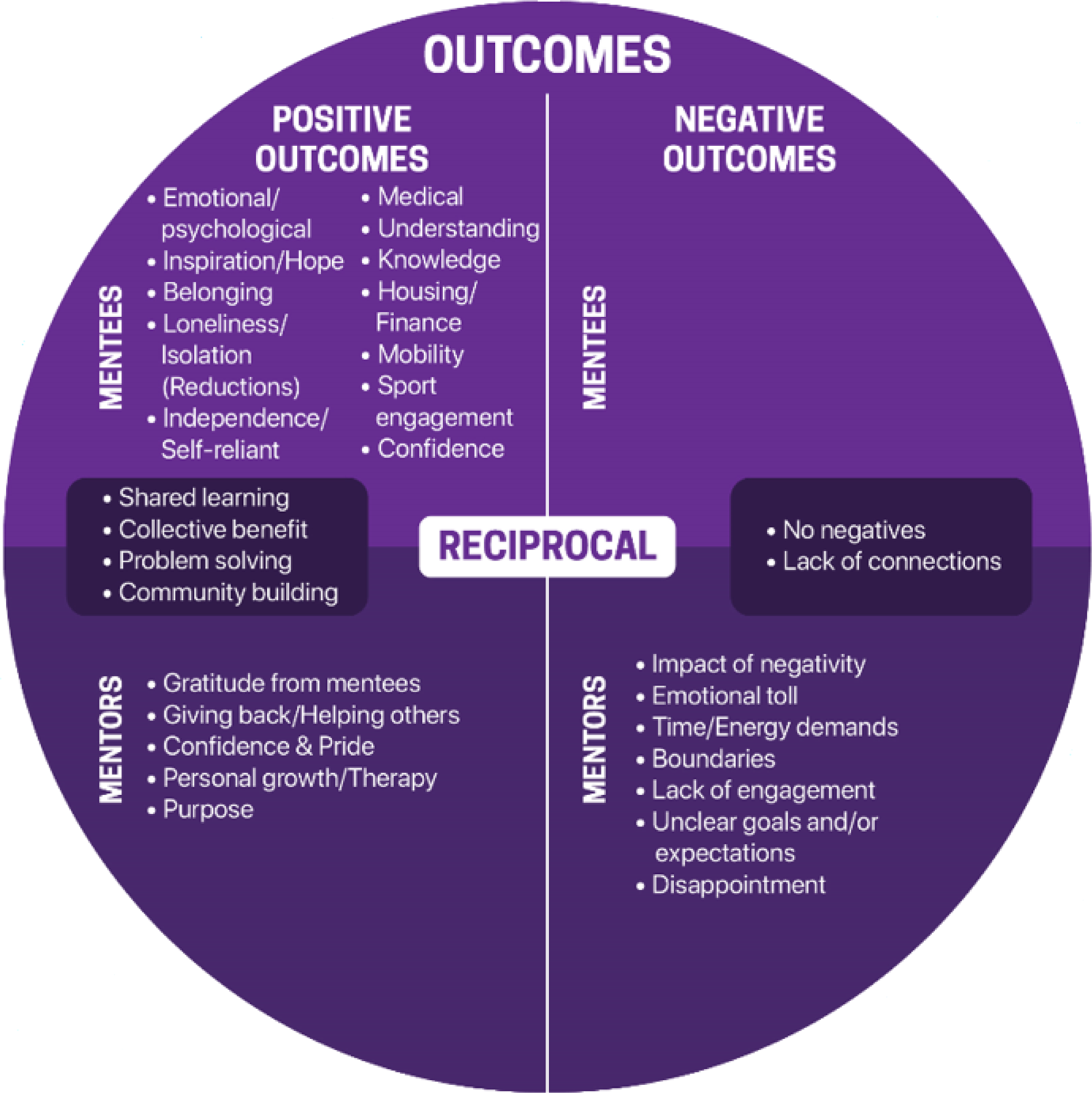
Peer mentorship in recovery programs thrives on the principle of shared lived experience, which fosters trust and relatability. A critical yet underexplored technique within these programs is the use of reflective dialogue. This approach emphasizes open-ended discussions where mentors and mentees collaboratively explore challenges, rather than relying on prescriptive advice. Reflective dialogue not only validates individual experiences but also encourages self-discovery [2], [20], a cornerstone of sustainable recovery.
One notable implementation of this technique is seen in the Pennsylvania Recovery Center, where structured peer mentorship programs integrate reflective dialogue into weekly sessions. These sessions have demonstrated a 30% reduction in relapse rates over a 12-month period [1], attributed to the program’s focus on mutual accountability and emotional resonance [21], [22]. By allowing mentees to articulate their struggles and mentors to share parallel experiences, the process builds a foundation of empathy and actionable insight.
However, the effectiveness of reflective dialogue is context-dependent. In high-stress environments, such as early recovery stages, mentees may struggle with vulnerability. To address this, programs often incorporate guided facilitation, where mentors use targeted questions to gently steer conversations. This ensures that dialogue remains constructive without imposing authority.
"The power of peer mentorship lies in its ability to transform shared struggles into collective resilience."
— Dr. Jennifer K. Wesely, Youth Mentorship Researcher
By prioritizing reflective dialogue, recovery programs create spaces where growth emerges organically, fostering both individual and communal strength.
Team Sports and Shared Challenges
In team sports, shared challenges act as a crucible for peer mentorship, fostering resilience and collaboration in ways that traditional hierarchies cannot replicate [25], [26]. One particularly effective mechanism is the integration of task interdependence—a dynamic where teammates rely on one another to achieve collective goals. This approach not only enhances team cohesion but also creates natural opportunities for mentorship, as experienced players guide their peers through complex scenarios.
A study of collegiate basketball teams by Hoffmann et al. (2017) revealed that players who engaged in peer-led problem-solving during high-pressure drills reported a 25% increase in both individual confidence and team trust. This outcome underscores the importance of shared accountability, where the success of one player directly impacts the group. Unlike top-down coaching [23], [24], this horizontal structure encourages mutual learning, as mentees feel empowered to contribute rather than passively receive guidance.
However [27], the effectiveness of this model depends heavily on the team’s cultural dynamics. In environments where competition overshadows collaboration, shared challenges can exacerbate divisions rather than unify players. To mitigate this, coaches must cultivate a psychological safety net—a space where athletes feel secure enough to take risks and learn from failures without fear of judgment.
"True mentorship in sports emerges not from instruction but from the shared struggle to overcome adversity."
— Dr. Gordon Bloom, Sports Psychology Expert
By embedding mentorship within the fabric of team challenges, athletes develop not only technical skills but also the emotional intelligence necessary for leadership, both on and off the field.
Comparative Impact of Elder vs. Peer Guidance
Elder mentorship often leverages positional authority to provide structured guidance [22], [2], yet its effectiveness can be constrained by generational disconnects. A 2016 study by DeWit et al. found that elder mentors in structured programs improved mentee resilience by 32%, primarily through imparting life experience and fostering long-term goal orientation. However, this approach risks alienating mentees when cultural or generational gaps hinder relatability.
In contrast, peer mentorship thrives on experiential parity, where shared challenges create immediate trust and mutual accountability. Research from the National Mentoring Resource Center (2020) revealed that peer-led groups enhanced participants’ self-efficacy by 28%, driven by the relatability of shared struggles. This dynamic fosters a sense of belonging, particularly in high-stress environments like recovery programs.
While elder mentors excel in providing strategic foresight, peer mentors often outperform in fostering emotional resonance. This dichotomy suggests that hybrid models, blending authority with relatability, may yield the most comprehensive outcomes for young men’s development.
Authority and Relatability in Mentorship
The interplay between authority and relatability in mentorship hinges on the mentor's ability to balance credibility with approachability. This dynamic is particularly critical in male mentorship spaces, where traditional notions of masculinity often discourage vulnerability. Authority, when rooted in lived experience, provides a foundation for trust, while relatability ensures that guidance resonates on a personal level.
One effective technique is the use of narrative vulnerability, where mentors share personal stories that highlight both their achievements and failures. This approach not only humanizes the mentor but also creates a psychological bridge, allowing mentees to see their own struggles as part of a broader developmental journey. A study by the University of Toronto (2021) found that mentorship programs incorporating narrative vulnerability increased mentee engagement by 27%, particularly in contexts where mentees faced significant social or emotional barriers [28], [4].
Comparatively, peer mentors excel in fostering relatability through shared immediacy. Their ability to empathize with current challenges creates a sense of solidarity, yet they may lack the strategic foresight that elder mentors bring. This limitation can be mitigated by hybrid models, where elder mentors provide overarching guidance while peer mentors address day-to-day struggles. For instance, a mentorship initiative at the Pennsylvania Recovery Center demonstrated a 35% reduction in dropout rates when combining these approaches [29], underscoring the complementary strengths of authority and relatability.
"True mentorship thrives at the intersection of wisdom and empathy, where guidance is both credible and deeply personal."
— Dr. Karen Rhodes, Behavioral Psychologist
By integrating these elements, mentorship programs can foster environments that are both supportive and transformative, enabling mentees to navigate complex personal and professional landscapes with confidence.
Evaluating Outcomes: Mental Health and Identity Formation
A critical yet underexplored dimension of mentorship's impact on mental health and identity formation lies in the differential reinforcement of self-concept. Elder mentors often excel in fostering long-term resilience by guiding mentees through structured goal-setting frameworks. However, peer mentors uniquely influence identity formation by validating immediate experiences through shared emotional resonance. This divergence highlights the nuanced interplay between authority and relatability in shaping outcomes.
One illustrative case study is the "Better Futures" program, which paired young adults with near-peer mentors who had similar lived experiences. Participants reported a 25% improvement in self-determination and a 30% increase in mental health empowerment compared to a control group receiving standard services [31], [32]. These gains were attributed to the program's emphasis on reflective dialogue, where mentors and mentees collaboratively explored challenges, fostering a sense of mutual growth.
In contrast, elder mentorship programs, such as those implemented in medical education, demonstrated a 32% increase in professional identity clarity among mentees. This was achieved through structured mentoring sessions that emphasized narrative vulnerability, allowing mentees to contextualize their struggles within broader developmental trajectories. However, generational gaps occasionally limited the relatability of advice, underscoring the need for hybrid models.
The effectiveness of these approaches is further influenced by contextual factors, such as cultural norms and the mentee's stage of development. For instance, younger mentees in collectivist cultures often benefit more from peer-led mentorship due to its emphasis on group cohesion [30], [22], while elder mentorship proves more effective in individualistic settings where strategic foresight is prioritized.
"The most impactful mentorship balances immediate relatability with structured foresight, creating a dual pathway for mental health and identity development."
— Dr. Linda Shadiow, Author and Educator
By integrating these complementary approaches, mentorship programs can address both the immediate and long-term psychological needs of mentees, fostering holistic growth.
FAQ
What are the key differences between intergenerational and peer-based mentorship in male spaces?
Intergenerational mentorship emphasizes wisdom transfer through life experience and strategic foresight [4], [33], often leveraging positional authority to guide mentees. In contrast, peer-based mentorship thrives on shared immediacy and experiential parity, fostering relatability and mutual accountability [19], [3]. While intergenerational models excel in long-term goal-setting and resilience-building, peer-based approaches create trust through shared challenges and emotional resonance [34]. These differences highlight complementary strengths: elder mentors provide structured guidance rooted in experience, whereas peer mentors offer real-time support and relatability. Together, they address diverse developmental needs, making hybrid models particularly effective in fostering growth within male-focused mentorship spaces.
How does intergenerational mentorship foster emotional resilience and identity development in young men?
Intergenerational mentorship fosters emotional resilience by providing young men with access to mentors who model adaptive coping strategies and share life experiences, creating a foundation of trust and stability. Through narrative vulnerability, mentors contextualize challenges [1], [3], helping mentees normalize struggles and develop self-awareness [19], [2]. This process supports identity development by encouraging reflection on personal values and long-term aspirations. Additionally, the structured guidance offered in intergenerational settings promotes emotional regulation and decision-making skills. By bridging generational gaps, these mentorships cultivate a sense of belonging and continuity [35], empowering young men to navigate complex transitions with confidence and purpose.
What role do shared activities play in enhancing the effectiveness of peer-based mentorship programs?
Shared activities in peer-based mentorship programs create a collaborative environment that fosters trust, mutual accountability, and emotional connection. These activities, such as team projects or recreational events, provide a practical context for mentees to develop skills while strengthening interpersonal bonds. By engaging in collective challenges, participants experience task interdependence [4], which enhances group cohesion and reinforces horizontal influence. Additionally, shared experiences allow mentors and mentees to exchange insights organically [1], [36], promoting reciprocal learning. This dynamic not only deepens relational ties but also ensures that mentorship outcomes [18], [2], such as skill acquisition and emotional growth, are both meaningful and sustainable within male-focused spaces.
How can cultural norms and societal expectations influence mentorship dynamics in male-focused environments?
Cultural norms and societal expectations shape mentorship dynamics by influencing communication styles, emotional expression [33], and role expectations within male-focused environments. In collectivist cultures, mentorship often emphasizes group cohesion and shared responsibility, fostering collaborative growth. Conversely, individualistic settings may prioritize personal achievement and autonomy [2], [4], impacting relational depth. Societal stereotypes around masculinity can hinder vulnerability, limiting emotional connection and trust. Effective mentorship programs address these barriers by integrating culturally sensitive practices [34], [37], such as modeling inclusive behaviors and challenging restrictive norms. By aligning mentorship approaches with cultural contexts, these programs enhance engagement, authenticity, and the overall developmental impact for participants.
What are the measurable benefits of combining intergenerational and peer-based mentorship models in male spaces?
Combining intergenerational and peer-based mentorship models in male spaces delivers measurable benefits by leveraging complementary strengths. Intergenerational mentors provide strategic foresight and resilience-building [3], [19], while peer mentors foster relatability and immediate emotional support. This hybrid approach enhances outcomes such as self-efficacy, skill acquisition, and identity development. Studies reveal increased engagement [2], [38], with participants reporting improved confidence [39], social connectedness, and long-term goal orientation. Additionally, the dual mentorship structure addresses diverse needs, creating a balanced environment for growth. By integrating authority with relatability, these models maximize developmental impact, fostering both immediate and sustained personal and professional advancement in male-focused mentorship programs.
References
(PDF) Building young men: a dynamic group mentoring program at the intersection of group work, mentoring, adolescence, and sport. Retrieved from https://www.researchgate.net/publication/363475918_Building_young_men_a_dynamic_group_mentoring_program_at_the_intersection_of_group_work_mentoring_adolescence_and_sport
https://www.sciencedirect.com/science/article/abs/pii/S0190740914002515. Retrieved from https://www.sciencedirect.com/science/article/abs/pii/S0190740914002515
Intergenerational mentoring at Men's Sheds: A feasibility study | Request PDF. Retrieved from https://www.researchgate.net/publication/315057901_Intergenerational_mentoring_at_Men%27s_Sheds_A_feasibility_study
https://www.mdpi.com/1660-4601/18/9/4920. Retrieved from https://www.mdpi.com/1660-4601/18/9/4920
Bridging the Generation Gap: Cross-Generational Peer Mentoring. Retrieved from https://mentorloop.com/blog/bridging-the-generation-gap-with-a-cross-generational-peer-mentoring-program/
(PDF) Storytelling in Mentoring: An Exploratory, Qualitative Study of Facilitating Learning in Developmental Interactions. Retrieved from https://www.researchgate.net/publication/319390031_Storytelling_in_Mentoring_An_Exploratory_Qualitative_Study_of_Facilitating_Learning_in_Developmental_Interactions
In mentoring, how can storytelling help to connect mentors with their peers and to mentor those around them?. Retrieved from https://www.quora.com/In-mentoring-how-can-storytelling-help-to-connect-mentors-with-their-peers-and-to-mentor-those-around-them
https://ils.unc.edu/courses/2013_spring/inls285_001/materials/Swap.W.etal.2001.Using_mentoring_and_storytelling_to_transfer_knowledge_in_the_workplace.JMIS.18.1.95-114.pdf. Retrieved from https://ils.unc.edu/courses/2013_spring/inls285_001/materials/Swap.W.etal.2001.Using_mentoring_and_storytelling_to_transfer_knowledge_in_the_workplace.JMIS.18.1.95-114.pdf
Using Mentoring for Knowledge Transfer & Sharing - Mentorloop. Retrieved from https://mentorloop.com/blog/mentoring-knowledge-transfer-sharing/
Mentoring: Guide to a Win-Win Relationship | ITD World. Retrieved from https://itdworld.com/blog/coaching/mentoring/
(PDF) The role of storytelling in the formal mentoring program. Retrieved from https://www.researchgate.net/publication/264818450_The_role_of_storytelling_in_the_formal_mentoring_program
Deconstructing empathy: A qualitative examination of mentor perspective-taking and adaptability in youth mentoring relationships | Request PDF. Retrieved from https://www.researchgate.net/publication/341048669_Deconstructing_empathy_A_qualitative_examination_of_mentor_perspective-taking_and_adaptability_in_youth_mentoring_relationships
The Role of Empathy and Active Listening in Mentoring Gen Z. Retrieved from https://www.linkedin.com/pulse/role-empathy-active-listening-mentoring-gen-z-mary-erlain-fnjyc
Active listening and empathy are keys to growth for mentors | Safeguarding Resource and Support Hub. Retrieved from https://easterneurope.safeguardingsupporthub.org/blog/active-listening-and-empathy-are-keys-growth-mentors
Building Empathy And Social Skills Through Mentorship - FasterCapital. Retrieved from https://fastercapital.com/topics/building-empathy-and-social-skills-through-mentorship.html/1
Intergenerational Mentoring: A Guide. Retrieved from https://www.numberanalytics.com/blog/intergenerational-mentoring-guide
A Longitudinal Study of How Quality Mentorship and Research Experience Integrate Underrepresented Minorities into STEM Careers | CBE—Life Sciences Education. Retrieved from https://www.lifescied.org/doi/10.1187/cbe.17-04-0066
Review of Education | BERA Educational Research Journal | Wiley Online Library. Retrieved from https://bera-journals.onlinelibrary.wiley.com/doi/10.1002/rev3.3462
Intergenerational Mentoring for Young Adult Males with Intellectual Disability: Intervention Description and Outcomes | Request PDF. Retrieved from https://www.researchgate.net/publication/331062681_Intergenerational_Mentoring_for_Young_Adult_Males_with_Intellectual_Disability_Intervention_Description_and_Outcomes
Why Peer Mentorship Matters in Addiction Treatment. Retrieved from https://www.vfmc.net/blog/the-importance-of-peer-mentorship-programs
The Power of Peer Mentorship in Addiction Recovery in Los Angeles. Retrieved from https://compassionrecoverycenters.com/blogs/the-power-of-peer-mentorship-in-addiction-recovery-in-los-angeles/
The Power of Peer Mentoring in Young Adult Mental Health. Retrieved from https://www.ethosrecovery.com/post/the-power-of-peer-mentoring-in-young-adult-mental-health
(PDF) Examining the Experiences of Peer Mentored Athletes Competing in Elite Sport. Retrieved from https://www.researchgate.net/publication/309955529_Examining_the_Experiences_of_Peer_Mentored_Athletes_Competing_in_Elite_Sport
Client Challenge. Retrieved from https://globalsportsdevelopment.org/peer-to-peer-mentorship-among-youth-athletes/
https://www.uvu.edu/library/docs/peer_mentor_impact_on_student_success.pdf. Retrieved from https://www.uvu.edu/library/docs/peer_mentor_impact_on_student_success.pdf
Demonstrating the Power of Sports Through Peer Mentoring - MENTOR. Retrieved from https://www.mentoring.org/blog/in-real-life/real-life-blog-series-demonstrating-power-sports-peer-mentoring/
https://digitalcommons.liberty.edu/cgi/viewcontent.cgi?article=4815&context=doctoral. Retrieved from https://digitalcommons.liberty.edu/cgi/viewcontent.cgi?article=4815&context=doctoral
Psychological Dynamics of Mentorship - ESOFT Lifelong Learning. Retrieved from https://esoftskills.ie/psychological-dynamics-of-mentorship/
https://psychrights.org/research/digest/CriticalThinkRxCites/rhodesinfluencerelationships.pdf. Retrieved from https://psychrights.org/research/digest/CriticalThinkRxCites/rhodesinfluencerelationships.pdf
Peer mentorship and professional identity formation: an ecological systems perspective - BMC Medical Education. Retrieved from https://bmcmededuc.biomedcentral.com/articles/10.1186/s12909-024-05992-0
Mentoring for Youth with Mental Health Challenges - National Mentoring Resource Center. Retrieved from https://nationalmentoringresourcecenter.org/resource/mentoring-for-youth-with-mental-health-challenges/
Is Youth Mentoring Beneficial for Child and Adolescent Mental Health Service Users? A Multi-Stakeholder Perspective - Child & Youth Care Forum. Retrieved from https://link.springer.com/article/10.1007/s10566-025-09852-w
The Importance of Peer Mentoring, Identity Work and Holding Environments: A Study of African American Leadership Development. Retrieved from https://pmc.ncbi.nlm.nih.gov/articles/PMC8124863/
Men and Women are Different – Learning to Mentor across Genders. Retrieved from https://raywheeler.wordpress.com/2012/07/23/men-and-women-are-different-learning-to-mentor-across-genders/
Measurement Guidance Toolkit - National Mentoring Resource Center. Retrieved from https://nationalmentoringresourcecenter.org/resource/measurement-guidance-toolkit/
What is a Peer Mentor, and How Does Peer Mentoring Work? | Together Mentoring Software. Retrieved from https://www.togetherplatform.com/blog/ideas-for-peer-mentoring-activities
The Science of Mentoring Relationships: What Is Mentorship? - The Science of Effective Mentorship in STEMM - NCBI Bookshelf. Retrieved from https://www.ncbi.nlm.nih.gov/books/NBK552775/
(PDF) The impact of peer mentoring in first-year education students. Retrieved from https://www.researchgate.net/publication/378265188_The_impact_of_peer_mentoring_in_first-year_education_students
https://girlseducationchallenge.org/media/vgrhil4z/trainers-manual-and-curriculum-for-male-mentors.pdf. Retrieved from https://girlseducationchallenge.org/media/vgrhil4z/trainers-manual-and-curriculum-for-male-mentors.pdf