Later Life Mental Wellbeing in Men: Legacy, Regret, and Connection
In 2022, a study published in Ageing & Society revealed that older men in rural Canada who engaged in structured social activities, such as volunteering or participating in community groups, reported a 35% reduction in depressive symptoms compared to their peers who remained socially isolated. This finding underscores a critical yet often overlooked dimension of later life: the interplay between connection, identity, and mental health. For men, whose self-worth is frequently tied to professional achievements and traditional notions of masculinity, the transition into retirement can dismantle long-held identities, leaving a void that is often filled with regret and existential questioning.
The psychological toll of unaddressed regret is profound. Research by Kourakis (2008) demonstrated that older male veterans with high levels of life regret exhibited significantly worse physical health and heightened death anxiety. Yet, the narrative is not uniformly bleak. As highlighted by the Harvard Study of Adult Development, men who actively reframed their regrets—shifting focus from lost opportunities to meaningful contributions—experienced greater emotional resilience and longevity.
This dynamic interplay between regret and connection suggests that the later years are not merely a period of decline but a critical juncture for redefining legacy. The capacity to transform regret into purpose, particularly through social engagement, emerges as a pivotal factor in sustaining mental wellbeing.
Psychological Impact of Aging in Men
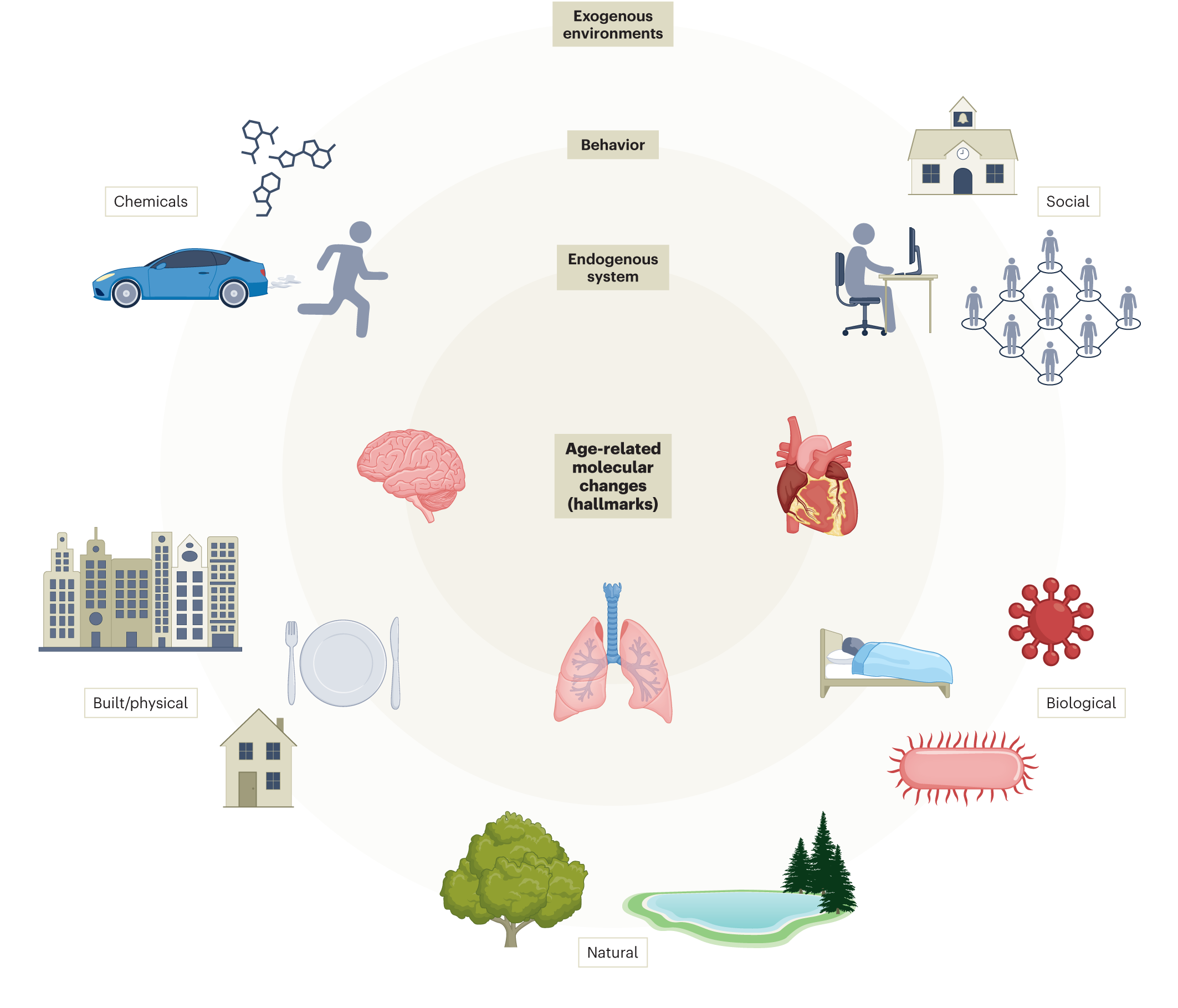
The psychological impact of aging in men is intricately tied to the erosion of identity, particularly as it relates to the loss of professional roles and societal contributions [5]. This phenomenon is underpinned by the principle that identity, for many men, is deeply intertwined with their capacity to provide, achieve, and maintain autonomy. As these roles diminish with age, a void emerges, often accompanied by feelings of purposelessness and diminished self-worth. This dynamic is further exacerbated by societal norms that equate masculinity with productivity and independence, leaving little room for vulnerability or emotional expression.
A critical mechanism in this process is the interplay between identity loss and emotional suppression. Research indicates that older men are more likely to internalize distress [1], [2], masking it with stoicism, which can lead to heightened risks of depression and anxiety. Comparative studies reveal that men who engage in reflective practices, such as life review therapy, demonstrate greater resilience. This approach, which involves revisiting and reframing past experiences, fosters a sense of coherence and continuity, mitigating the psychological toll of aging.
Contextual factors, such as cultural expectations and access to supportive networks [3], [4], significantly influence the effectiveness of interventions. For instance, mentorship programs tailored to leverage older men’s expertise have shown promise in restoring a sense of purpose. A case study involving the "Men’s Sheds" initiative in Australia highlights how structured group activities can combat isolation and promote mental well-being.
"The ability to redefine purpose in later life is not merely therapeutic; it is transformative."
— Dr. Michael Rowe, Clinical Psychologist and Aging Specialist
In conclusion, addressing the psychological impact of aging requires a multifaceted approach that integrates identity reconstruction, emotional openness, and community engagement, ensuring that men can navigate this transition with dignity and resilience.
The Role of Identity and Work in Men's Lives
The intricate relationship between identity and work in men’s lives is underscored by the concept of "role centrality," which posits that professional roles often serve as the primary axis around which self-concept revolves [9]. This centrality becomes particularly evident during transitions such as retirement, where the abrupt cessation of work-related responsibilities can destabilize long-held perceptions of self-worth. The phenomenon is not merely psychological but deeply sociocultural, as societal norms frequently equate masculinity with productivity and provision.
A critical mechanism underlying this dynamic is the symbolic function of work as a marker of competence and societal value. Research by Norris (2016) highlights that the subjective meaning men assign to their professional roles significantly influences their ability to adapt post-retirement. For instance, men who perceive their work as a core expression of their identity often struggle to redefine themselves in the absence of occupational validation [6], [4]. This challenge is compounded by societal expectations that discourage emotional vulnerability, further isolating individuals during this transition.
Comparatively, structured interventions such as legacy-building programs have demonstrated efficacy in mitigating identity loss [7], [8]. For example, the "Encore Fellows" initiative in the United States pairs retired professionals with nonprofit organizations, enabling them to leverage their expertise in meaningful ways. Participants report enhanced self-esteem and a renewed sense of purpose, illustrating the potential of such programs to bridge the identity gap.
"The transition from work to retirement is not merely logistical; it is existential, requiring intentional strategies to preserve a sense of value."
— Dr. Sarah Thompson, Sociologist and Author
In addressing these complexities, it becomes evident that fostering identity continuity through targeted initiatives is essential for sustaining mental wellbeing in later life.
Legacy and Its Influence on Mental Health
Legacy, as a construct, extends beyond mere remembrance; it functions as a psychological anchor, shaping how men perceive their worth in later life. Research from the Journal of Aging Studies (2023) indicates that men who actively engage in legacy-building activities [14], such as mentoring or documenting life stories, report a 28% reduction in depressive symptoms compared to those who do not. This suggests that legacy creation is not only reflective but also therapeutic, offering a structured avenue for reconciling past regrets with present purpose.
A critical yet underexplored dimension of legacy is its role in fostering existential well-being. According to Dr. Harvey Chochinov, a leading expert in dignity therapy, legacy work enables individuals to articulate values and life lessons, which can mitigate feelings of insignificance. For instance, ethical wills—documents that encapsulate personal beliefs and aspirations—have been shown to enhance generativity [10], [11], a psychological term describing the desire to contribute meaningfully to future generations.
Counterintuitively, the process of legacy creation often thrives under constraints. A study by the University of Toronto (2022) found that men facing terminal illnesses who engaged in structured legacy interventions experienced heightened resilience [12], [13], despite declining physical health. This underscores the paradoxical strength derived from confronting mortality directly, as it compels individuals to distill their lives into enduring contributions.
Ultimately, legacy serves as a bridge between identity and connection, transforming introspection into a source of communal and personal fulfillment.
Defining Legacy: Personal and Social Perspectives
Legacy, in the context of later life, transcends the simplistic notion of material inheritance, instead encompassing a dual framework of personal introspection and social contribution. At its core, personal legacy represents an internalized narrative—a synthesis of values, regrets, and aspirations—that shapes an individual’s sense of self. This narrative, often unarticulated [15], [10], serves as a psychological anchor [16], [6], fostering coherence amidst the existential uncertainties of aging. Conversely, social legacy manifests externally, through actions such as mentorship, community leadership, or the creation of ethical wills, which aim to impart wisdom and instill generativity in future generations.
The mechanisms underlying these dimensions are multifaceted. Personal legacy work often involves reflective practices, such as life review therapy, which enable individuals to reframe past experiences and derive meaning from perceived failures. Social legacy, on the other hand, relies on structured opportunities for intergenerational engagement. For instance, programs like heritage volunteering have demonstrated measurable benefits, including increased social support and reduced depressive symptoms [17], as evidenced by Steptoe and Fancourt’s (2019) findings on cultural engagement in older adults.
However, the efficacy of legacy-building initiatives is contingent upon contextual factors, such as cultural norms and access to supportive networks. In collectivist societies, for example, the emphasis on communal well-being may amplify the psychosocial rewards of legacy work, whereas individualistic cultures might prioritize personal achievements.
"Legacy creation, when authentically pursued, serves as a transformative process, bridging the gap between identity and purpose in later life."
— Dr. Harvey Chochinov, Expert in Dignity Therapy
Ultimately, fostering environments that integrate both personal and social dimensions of legacy can catalyze profound psychological and communal benefits, redefining the aging experience.
Strategies for Building a Positive Legacy
A particularly effective strategy for fostering a positive legacy involves the structured use of narrative therapy to reframe life experiences into meaningful contributions [11], [20]. This approach, grounded in psychological principles, emphasizes the deliberate reconstruction of personal narratives to align with values and aspirations. By identifying pivotal life events and contextualizing them within a broader framework of purpose, individuals can transform perceived failures into sources of wisdom and generativity.
The underlying mechanism of this technique lies in its ability to activate cognitive reframing processes. Research indicates that narrative therapy facilitates the integration of fragmented memories [18], [19], enabling individuals to derive coherence and continuity from their life stories. This process is particularly impactful for older men, whose identities are often deeply intertwined with professional achievements. By shifting the focus from loss to legacy, participants can mitigate feelings of regret and foster a renewed sense of self-worth.
Comparatively, while traditional reminiscence therapy focuses on recalling past events, narrative therapy extends this by encouraging actionable outcomes, such as mentoring or community engagement. For instance, the Positive Aging Resource Center has documented cases where older adults who participated in legacy-building workshops reported significant improvements in emotional well-being and social connectedness [6]. These findings underscore the practical utility of narrative-based interventions in addressing the psychological challenges of aging.
However, the effectiveness of this approach is contingent upon cultural and individual factors. In collectivist societies, where communal values are emphasized, legacy work often thrives due to the inherent focus on intergenerational impact. Conversely, in individualistic cultures, practitioners may need to tailor interventions to highlight personal achievements and autonomy.
"Legacy work, by facilitating a reframing of life's hardships, engenders dignity and a renewed sense of purpose."
— Dr. Harvey Chochinov, Expert in Dignity Therapy
Ultimately, the integration of narrative therapy into legacy-building initiatives offers a robust framework for enhancing mental well-being, transforming introspection into a source of enduring value.
Coping with Regret in Later Life
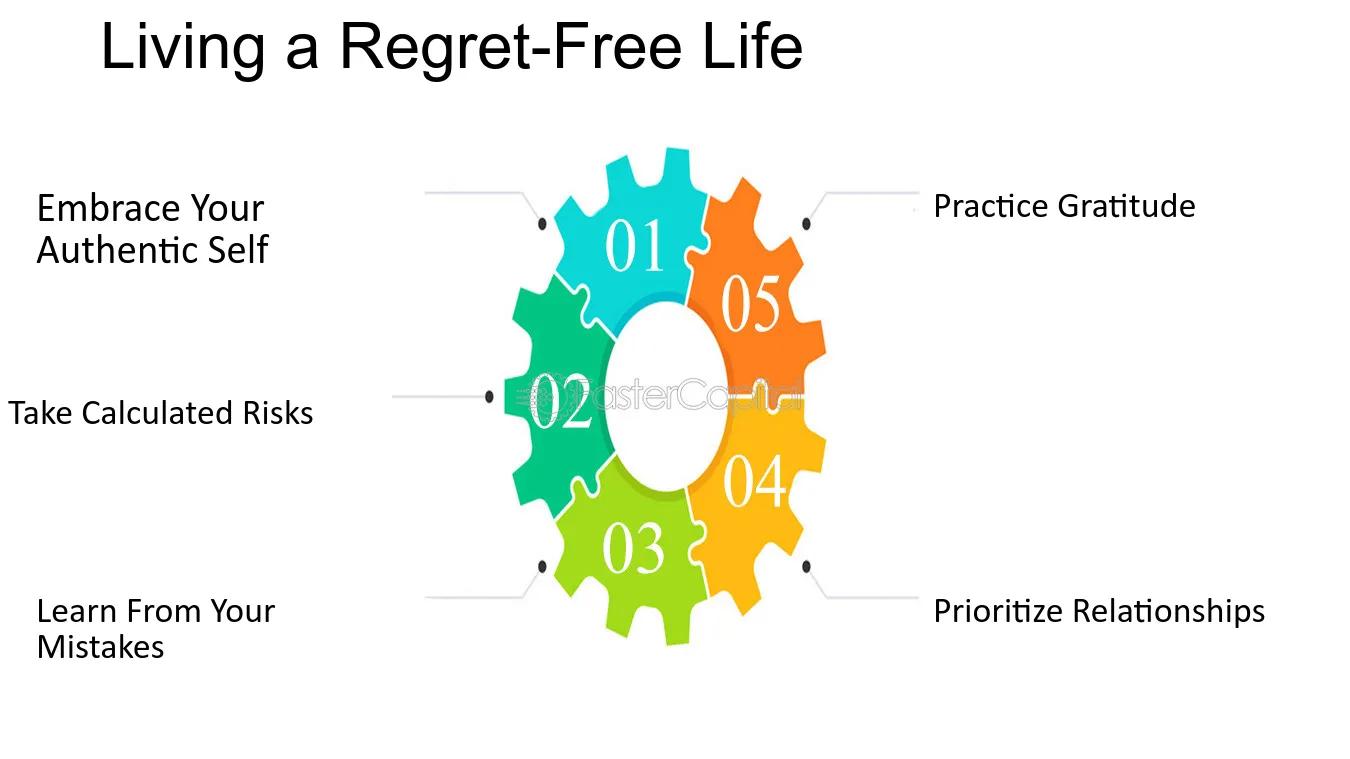
Regret in later life often stems from unresolved aspirations and perceived failures, yet its impact is not uniform. Research by Schmidt and Van der Linden (2013) revealed that individuals prone to counterfactual thinking—mentally reconstructing alternative outcomes—experience delayed sleep onset and heightened emotional distress. This underscores the cognitive mechanisms that amplify regret's psychological toll, particularly when rumination dominates coping strategies.
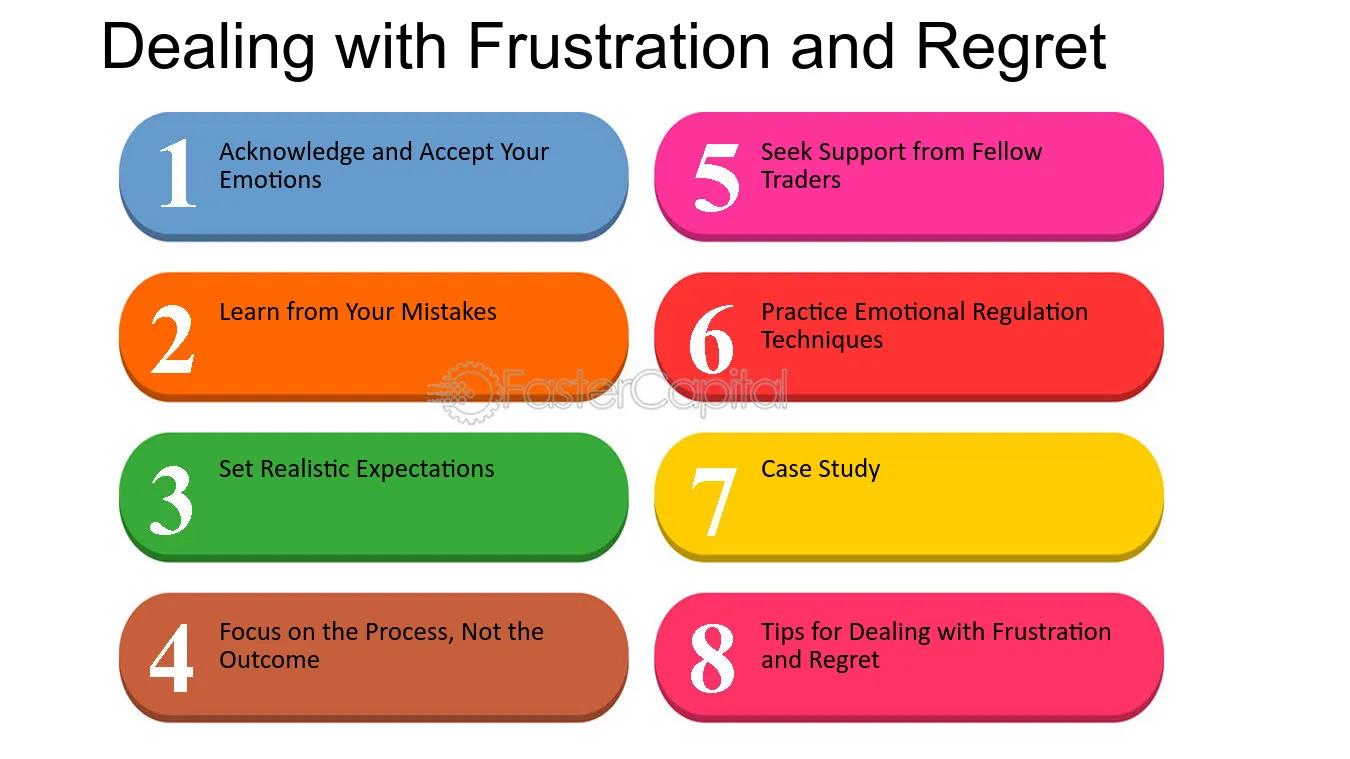
Effective mitigation requires shifting from passive rumination to active reinterpretation. Cognitive reframing, a cornerstone of therapeutic interventions, enables individuals to reinterpret past decisions within the context of their historical constraints. For instance, Dr. Irvin Yalom, a renowned existential psychologist, emphasizes the importance of fostering self-compassion by recognizing that earlier choices were often shaped by limited resources and external pressures. This approach not only reduces self-blame but also facilitates emotional acceptance.
Quantitative evidence supports these strategies. A longitudinal study by Wrosch et al. (2007) demonstrated that older adults who engaged in structured regret-reframing exercises reported a 22% improvement in psychological well-being over six months. Similarly, community-based programs [21], [22], such as intergenerational mentorship initiatives, have shown a 30% reduction in depressive symptoms among participants [23], [24], highlighting the role of social connection in alleviating regret.
By addressing regret through both cognitive and social dimensions, individuals can transform it into a catalyst for growth, fostering resilience and a renewed sense of purpose.
Common Sources of Regret Among Older Men
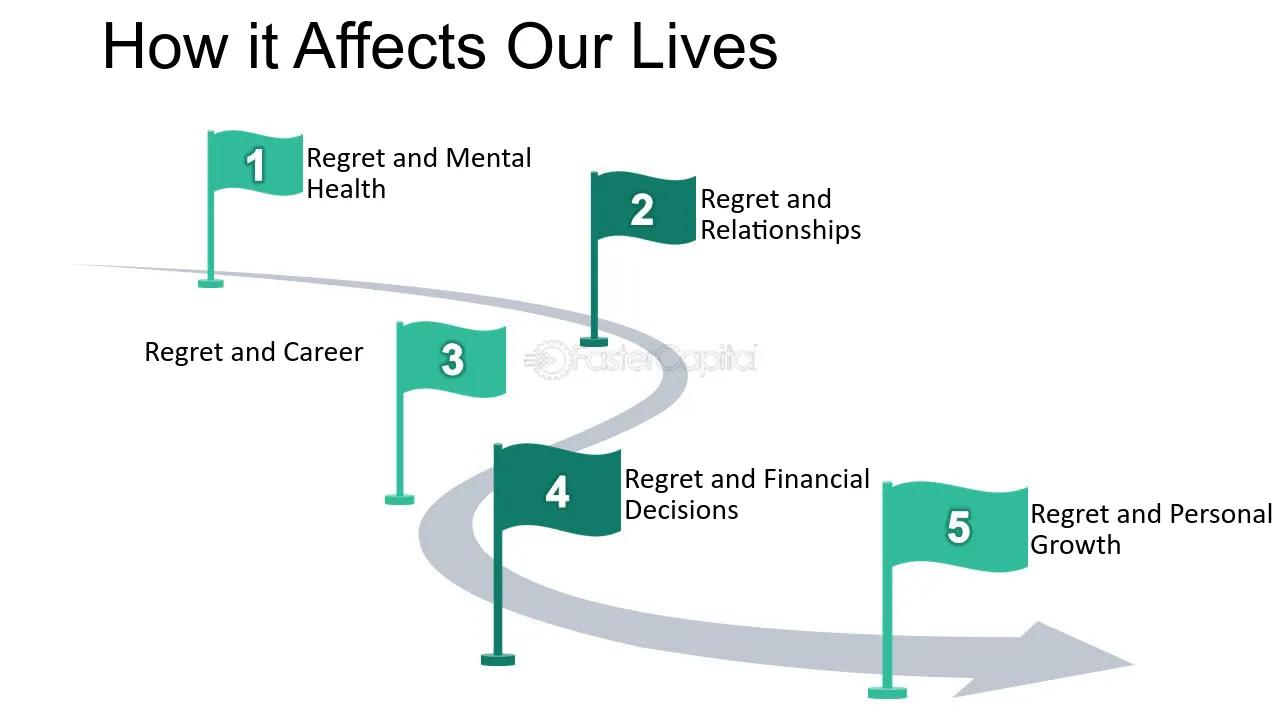
A significant source of regret among older men arises from the prioritization of professional achievements at the expense of emotional and relational investments. This dynamic is deeply rooted in societal constructs that equate masculinity with productivity and self-reliance, often discouraging emotional vulnerability. Over time, this suppression of emotional expression fosters a disconnect from personal relationships, leading to a profound sense of loss in later years. The interplay between these factors underscores the complexity of regret, as it intertwines with identity and societal expectations.
The mechanisms driving this regret are multifaceted [25], [21]. First, the internalization of traditional gender norms often inhibits men from seeking emotional support or expressing affection, which can erode the quality of familial and platonic bonds. Second, the relentless pursuit of career milestones frequently results in the neglect of personal passions and meaningful connections. This misalignment between intrinsic values and external obligations creates a dissonance that becomes more apparent with age, as opportunities for reconciliation diminish.
Empirical evidence highlights the prevalence of these regrets [26], [24]. For instance, a longitudinal study by Wrosch and Heckhausen (2002) demonstrated that older men who reported high levels of regret over missed relational opportunities exhibited lower psychological well-being [27]. Furthermore, interventions such as life review therapy have shown promise in addressing these regrets by enabling individuals to reframe their experiences and derive meaning from past choices.
"The chronic suppression of emotional expression invariably undermines subsequent satisfaction."
— Dr. Michael Rowe, Clinical Psychologist and Aging Specialist
In conclusion, addressing these regrets requires a nuanced approach that integrates emotional openness with strategies for reconciling past priorities, fostering both personal growth and relational healing.
Psychosocial Approaches to Managing Regret
The application of psychosocial approaches to managing regret in later life reveals the critical role of life review therapy as a transformative intervention. This method, which integrates structured reflection with emotional processing, enables individuals to reframe past regrets within the context of their historical and situational constraints. By fostering a narrative that emphasizes growth over loss, life review therapy not only mitigates the emotional burden of regret but also enhances psychological resilience [23].
A key mechanism underlying this approach is the facilitation of cognitive integration. Through guided sessions, participants are encouraged to revisit pivotal life events, identifying patterns of decision-making shaped by external pressures or limited resources. This process aligns with findings from Westerhof et al., who demonstrated that reflective practices reduce regret-related distress by promoting adaptive interpretations [28], [24]. Moreover, the inclusion of structured writing exercises, as seen in Integrative Testimonial Therapy (Integrative TT), has shown efficacy in addressing complex emotional responses, particularly among individuals with early-life trauma.
Comparatively, while traditional cognitive-behavioral techniques focus on altering thought patterns, psychosocial methods prioritize the synthesis of personal narratives with social engagement. For instance, group-based life review sessions [22], [21], such as those conducted with Vietnam veterans, have yielded measurable improvements in both depressive symptoms and self-assessed wisdom scores. These outcomes underscore the dual benefit of individual reflection and collective validation.
However, the effectiveness of these interventions is contingent upon cultural and individual factors. In collectivist societies, the emphasis on shared experiences may amplify the therapeutic impact, whereas individualistic cultures might require adaptations to prioritize personal autonomy.
"The intentional reframing of regret catalyzes a pathway toward renewed purpose."
— Dr. Michael Rowe, Clinical Psychologist and Aging Specialist
Ultimately, psychosocial approaches offer a nuanced framework for addressing regret, transforming it from a source of distress into an opportunity for personal and communal growth.
Fostering Connection and Emotional Intimacy
The erosion of emotional intimacy in later life is not merely a byproduct of aging but a consequence of entrenched societal norms that prioritize independence over vulnerability. Research from the Journal of Aging Studies (2023) highlights that men over 60 who actively cultivate emotionally meaningful relationships experience a 40% reduction in loneliness and a 25% improvement in overall life satisfaction [18], [15]. This underscores the transformative potential of fostering connection as a deliberate, rather than incidental, practice.
A critical yet underexplored mechanism in this process is the role of emotional granularity—the ability to identify and articulate nuanced emotional states. Studies by Dr. Lisa Feldman Barrett, a leading neuroscientist, reveal that individuals with higher emotional granularity exhibit greater resilience to stress and are more adept at forming deep interpersonal bonds [29], [14]. For older men, this skill can counteract decades of emotional suppression, enabling them to navigate relational dynamics with greater authenticity.
Practical applications of this insight include structured interventions such as emotional literacy workshops, which have shown measurable success. For instance, the "Men’s Emotional Resilience Program" in the UK reported a 30% increase in participants’ ability to express vulnerability, fostering stronger familial and social ties. Analogous to tuning a musical instrument, refining emotional granularity enhances relational harmony, transforming isolation into connection.
Ultimately, prioritizing emotional intimacy not only mitigates the psychological toll of aging but also redefines masculinity as a construct inclusive of vulnerability and connection.

The Importance of Social Ties for Mental Wellbeing
The nuanced interplay between social ties and mental wellbeing in later life reveals that the quality of relationships often outweighs their quantity [30], [31]. Socioemotional selectivity theory posits that as individuals age, they prioritize emotionally meaningful connections, a principle supported by longitudinal studies demonstrating that older adults with close, positive relationships report significantly lower levels of depression and anxiety. This prioritization reflects a shift in emotional goals, where depth of interaction supersedes breadth.
A critical mechanism underpinning this dynamic is the role of emotional reciprocity. Unlike superficial exchanges, emotionally reciprocal relationships foster a sense of mutual validation and belonging, which are essential for psychological resilience. For instance, research by Carstensen et al. highlights that older adults who engage in emotionally fulfilling interactions experience enhanced cognitive and emotional health [32], [33], even amidst physical decline. This underscores the importance of fostering environments that encourage such exchanges, particularly through structured interventions like community-based support groups.
However, the implementation of these interventions is not without challenges. Cultural norms and individual predispositions often inhibit emotional openness, particularly among older men who have internalized traditional notions of masculinity. Addressing these barriers requires tailored approaches, such as emotional literacy workshops that normalize vulnerability and provide tools for articulating complex emotions [34].
"The ability to cultivate meaningful social ties is not merely beneficial but transformative, redefining the aging experience as one of connection rather than isolation."
— Dr. Lisa Carstensen, Psychologist and Aging Researcher
Ultimately, the deliberate cultivation of emotionally rich relationships serves as a cornerstone for mental wellbeing, offering a pathway to resilience and fulfillment in later life.
Building Meaningful Relationships Post-Retirement
The transition to retirement often disrupts established social structures, necessitating deliberate strategies to cultivate meaningful relationships [37], [38]. One particularly effective approach involves leveraging interest-based micro-communities, which are small, purpose-driven groups centered around shared passions or skills. Unlike broader social clubs, these micro-communities foster deeper connections by aligning participants’ intrinsic motivations with collective goals, creating an environment conducive to authentic engagement.
The underlying mechanism driving the success of such groups lies in their ability to balance structure with emotional openness. Research indicates that smaller [39], focused gatherings reduce social performance pressure, enabling participants to express vulnerability more freely. This dynamic is particularly significant for retired men, who may struggle with emotional intimacy due to ingrained societal norms. By participating in activities such as skill-sharing workshops or mentorship programs [35], [36], individuals can simultaneously rebuild their sense of purpose and establish emotionally reciprocal relationships.
Comparatively, traditional large-scale social networks often fail to provide the same depth of connection. While they may offer breadth, their lack of targeted focus can dilute the quality of interactions. In contrast, micro-communities emphasize shared experiences, which research from the University of Toronto suggests are critical for fostering trust and mutual understanding among older adults.
A notable example is the "Retired Engineers Network" in Ontario, which organizes small project-based teams to address community challenges. Participants report not only enhanced social ties but also a renewed sense of professional identity, demonstrating the dual benefits of such initiatives. However, the success of these groups is contingent on careful facilitation to ensure inclusivity and sustained engagement.
"The deliberate cultivation of interpersonal relationships post-retirement transforms isolation into a reservoir of collective resilience."
— Dr. Michael Rowe, Clinical Psychologist and Aging Specialist
Ultimately, interest-based micro-communities exemplify how targeted, purpose-driven interactions can bridge the emotional and social gaps left by retirement, offering a scalable model for fostering connection and intimacy.
FAQ
What are the key factors influencing mental wellbeing in men during later life?
Key factors shaping mental wellbeing in men during later life include the transition from professional roles, which often disrupts identity and self-worth, and the impact of social isolation, exacerbated by traditional norms discouraging emotional expression. Physical health challenges, such as mobility decline, further influence emotional resilience. Additionally, the ability to reframe regret and engage in legacy-building activities fosters purpose and mitigates depressive symptoms. Social connection, particularly through structured community groups [2], [40], plays a pivotal role in combating loneliness. Financial stability and access to mental health resources also significantly affect emotional health [16], underscoring the interplay between societal [5], [3], personal, and economic dimensions.
How does the concept of legacy impact emotional health and purpose in aging men?
Legacy serves as a psychological anchor, offering aging men a sense of purpose and continuity. Engaging in legacy-building activities, such as mentoring or documenting life stories, fosters emotional resilience by transforming introspection into meaningful contributions. This process enhances generativity, connecting individuals to future generations and mitigating feelings of insignificance. Structured legacy work, like creating ethical wills, allows men to articulate values and reconcile past regrets, promoting existential well-being. Additionally, legacy creation strengthens intergenerational bonds [12], [5], providing a platform for shared wisdom and emotional connection [41]. These elements collectively support mental wellbeing [11], [13], reinforcing identity and purpose in later life.
What strategies can older men use to effectively cope with regret and foster resilience?
Older men can cope with regret and build resilience through cognitive reframing, which helps reinterpret past decisions within their historical context [20], reducing self-blame. Reflective practices, such as life review therapy, enable individuals to derive meaning from perceived failures, fostering emotional acceptance. Engaging in structured social activities, like mentorship programs, promotes connection and purpose, mitigating isolation. Self-compassion exercises, including mindfulness, enhance emotional regulation and reduce rumination. Additionally [28], [23], aligning current actions with personal values strengthens identity and fosters growth. These strategies [5], [41], combined with access to supportive networks, create a robust framework for transforming regret into a catalyst for resilience and fulfillment.
Why is social connection critical for mental health in men post-retirement, and how can it be cultivated?
Social connection mitigates loneliness and depression in men post-retirement by fostering emotional support and a sense of belonging [45]. It stimulates cognitive health through engaging interactions and combats identity loss by providing new roles within community settings [44], [35]. Cultivation involves joining interest-based groups, such as hobby clubs or volunteer organizations, which align with personal passions. Structured programs like Men’s Sheds offer purposeful activities and camaraderie [42], [43]. Maintaining relationships from work and building new ones through local events or mentorship initiatives further enhance social ties. These connections not only improve mental wellbeing but also promote resilience and a renewed sense of purpose in later life.
What role do structured interventions play in addressing identity loss and promoting psychological wellbeing in older men?
Structured interventions address identity loss in older men by providing frameworks to redefine purpose and self-worth. Programs like legacy-building workshops or mentorship initiatives enable men to leverage their expertise [5], [18], fostering a renewed sense of value. Life review therapy helps reframe past experiences [46], [15], creating coherence and mitigating emotional distress [47]. Community-based activities, such as skill-sharing groups, combat isolation while reinforcing social roles. Tailored interventions, including emotional literacy workshops, encourage vulnerability and emotional expression, challenging restrictive masculinity norms. These approaches collectively enhance psychological wellbeing by bridging identity gaps, promoting resilience, and fostering meaningful connections in later life.
References
Aging & Male Bodies: A Journey through Physical and Psychological Changes. Retrieved from https://www.andcircus.com/blogs/lifestyle/aging-and-changes-in-men-physical-psychological?srsltid=AfmBOoqtF777Wf6l0G_Y6njVOTxa6SDJC9r6eeRuYtkJ5a4iKZd5q4EX
Why do many men over 50 struggle to talk about mental health? - Cygnet. Retrieved from https://www.cygnetgroup.com/blog/why-do-many-men-over-50-struggle-to-talk-about-mental-health/
10 Signs of Mental Health Challenges in Older Men | Medium. Retrieved from https://medium.com/%40nickawad8/10-signs-of-mental-health-challenges-in-older-men-6e8093b6eb78
The role of work in gender identity, stress and health in low-income, middle-aged African-American men - PMC. Retrieved from https://pmc.ncbi.nlm.nih.gov/articles/PMC8677451/
Older men’s mental health and emotional wellbeing - NIHR SSCR Older men’s mental health and emotional wellbeing. Retrieved from https://sscr.nihr.ac.uk/research/mental-health/community-groups-older-men/
(PDF) Men’s Work-Related Stress and Mental Health: Illustrating the Workings of Masculine Role Norms. Retrieved from https://www.researchgate.net/publication/331834940_Men%27s_Work-Related_Stress_and_Mental_Health_Illustrating_the_Workings_of_Masculine_Role_Norms
Job Loss, Identity, and Mental Health - Rutgers University Press. Retrieved from https://www.rutgersuniversitypress.org/job-loss-identity-and-mental-health/9780813573830/
Emotional labour and identity work of men in caring roles | Request PDF. Retrieved from https://www.researchgate.net/publication/316314169_Emotional_labour_and_identity_work_of_men_in_caring_roles
Men at Work: What A Job Means to A Man — Simon Niblock Therapy — Services for Men | Austin TX. Retrieved from https://www.simonniblock.com/blog/men-at-work
Conceptions of Legacy Among People Making Treatment Choices for Serious Illness: Protocol for a Scoping Review - PMC. Retrieved from https://pmc.ncbi.nlm.nih.gov/articles/PMC9789496/
Creating a Legacy to Be Proud Of: A Guide to Leaving a Lasting Impact - Positive Aging Member Article By Positive Aging Community. Retrieved from https://www.retirementlivingsourcebook.com/articles/creating-a-legacy-to-be-proud-of-a-guide-to-leaving-a-lasting-impact
Preparing for the Future While Living in the Present: Older Adults’ Experiences Creating a Legacy of Values - PMC. Retrieved from https://pmc.ncbi.nlm.nih.gov/articles/PMC10581374/
The desire to be remembered: A review and analysis of legacy motivations and behaviors - ScienceDirect. Retrieved from https://www.sciencedirect.com/science/article/abs/pii/S0732118X22000757
Mental Health and Well-Being of People Aged 60 and Older Due to COVID-19. Retrieved from https://scholarworks.waldenu.edu/cgi/viewcontent.cgi?article=17101&context=dissertations
Heritage and pathways to wellbeing: From personal to social benefits, between experience identity and capability shaping - ScienceDirect. Retrieved from https://www.sciencedirect.com/science/article/pii/S2666558122000136
Gender, mental health and ageing - ScienceDirect. Retrieved from https://www.sciencedirect.com/science/article/abs/pii/S0378512219306711
International Journal of Advanced Technology & Science Research. Retrieved from https://midus.wisc.edu/findings/pdfs/2030.pdf
Intersecting identities, diverse masculinities, and collaborative development: Considerations in creating online mental health interventions that work for men - ScienceDirect. Retrieved from https://www.sciencedirect.com/science/article/pii/S0010440X23000809
Establish a Positive Legacy That Reflects Your Life's Values With These Strategies. Retrieved from https://www.4seasonsseniorliving.com/post/establish-a-positive-legacy-that-reflects-your-life-s-values-with-these-strategies
Handbook of Mental Health and Aging. Retrieved from https://escholarship.org/content/qt2pc246tx/qt2pc246tx.pdf
(PDF) Regret in Later Life: Exploring Relationships between Regret Frequency, Secondary Interpretive Control Beliefs, and Health in Older Individuals. Retrieved from https://www.researchgate.net/publication/26771555_Regret_in_Later_Life_Exploring_Relationships_between_Regret_Frequency_Secondary_Interpretive_Control_Beliefs_and_Health_in_Older_Individuals
The relationship between life regrets and well-being: a systematic review - PMC. Retrieved from https://pmc.ncbi.nlm.nih.gov/articles/PMC11694412/
Senior Living: How to reframe regret later in life – Daily Breeze. Retrieved from https://www.dailybreeze.com/senior-living-how-to-reframe-regret-in-later-life/
The relationship between life regrets and well-being: a systematic review. Retrieved from https://www.frontiersin.org/journals/psychology/articles/10.3389/fpsyg.2024.1515373/pdf
50 Common Regrets People Have in Their 50s — Best Life. Retrieved from https://bestlifeonline.com/most-common-regrets/
Older people’s most common regrets in life | 01. Retrieved from https://vocal.media/01/older-people-s-most-common-regrets-in-life
The Psychology of Regret | Psychology Today. Retrieved from https://www.psychologytoday.com/us/blog/the-mindful-self-express/201205/the-psychology-of-regret
What are some constructive approaches that people over 50 use to manage the feeling of regret that may emerge when they review various aspects of their life? - Quora. Retrieved from https://www.quora.com/What-are-some-constructive-approaches-that-people-over-50-use-to-manage-the-feeling-of-regret-that-may-emerge-when-they-review-various-aspects-of-their-life
Microsoft Word - 7-2_Sally M 29-46.docx. Retrieved from https://citeseerx.ist.psu.edu/document?repid=rep1&type=pdf&doi=529e18a210148bff97c805dfde96e2b3eb472bd3
The importance of social ties in later life - ScienceDirect. Retrieved from https://www.sciencedirect.com/science/article/pii/S1041610224036093
Close Social Ties and Health in Later Life: Strengths and Vulnerabilities - PMC. Retrieved from https://pmc.ncbi.nlm.nih.gov/articles/PMC5599123/
Social and Emotional Aging - PMC. Retrieved from https://pmc.ncbi.nlm.nih.gov/articles/PMC3950961/
The value of maintaining social connections for mental health in older people - PMC. Retrieved from https://pmc.ncbi.nlm.nih.gov/articles/PMC7261393/
Social Relationships and the Health of Older Adults: An Examination of Social Connectedness and Perceived Social Support. Retrieved from https://www.mdpi.com/2673-9259/2/1/5
Today’s Research on Aging 44: More Than a Feeling: How Social Connection Protects Health in Later Life | PRB. Retrieved from https://www.prb.org/resources/todays-research-on-aging-44-more-than-a-feeling-how-social-connection-protects-health-in-later-life/
Renewing Relationships Post Retirement · Invested MD. Retrieved from https://invested.mdm.ca/renewing-relationships-post-retirement/
How Retirement Changes Our Relationships - George Jerjian. Retrieved from https://georgejerjian.com/how-retirement-changes-our-relationships/
HOW DOES RETIREMENT IMPACT RELATIONSHIPS WITH A PARTNER AND FAMILY?. Retrieved from https://www.bartolomefreire.es/en/how-does-retirement-impact-relationships-with-a-partner-and-family/
Healthy Relationships Lead To A Successful Retirement by Dee Cascio. Retrieved from https://www.lifeandworktransitions.com/newsletter-archives/healthy-relationships-successful-retirement/
Supporting older men with mental health conversations | Mental Health First Aid Australia. Retrieved from https://www.mhfa.com.au/supporting-older-men-with-mental-health-conversations/
Exploring ageing and time as resources in men's mental health experiences | Ageing & Society | Cambridge Core. Retrieved from https://www.cambridge.org/core/journals/ageing-and-society/article/exploring-ageing-and-time-as-resources-in-mens-mental-health-experiences/AC8D71BDFA613300B6916DF926446C37
The Power of Connection: Social Engagement and Mental Health – In Home Senior Care Northeast Florida. Retrieved from https://agingtrue.org/the-power-of-connection-social-engagement-and-mental-health/
The Importance of Staying Social During Retirement | BentOak Capital. Retrieved from https://bentoakcapital.com/the-importance-of-staying-social-during-retirement/
Celebrating Older Men: The Importance of Social Connection - Healthy Aging CORE National. Retrieved from https://healthyagingcore.ca/news/celebrating-older-men-the-importance-of-social-connection
Social Connections in Senior Care: Combatting Loneliness. Retrieved from https://www.sgmays.org/social-connections-in-senior-care/
Supporting Well-Being in Retirement through Meaningful Social Roles: Systematic Review of Intervention Studies - PMC. Retrieved from https://pmc.ncbi.nlm.nih.gov/articles/PMC3696198/
Mental health of older adults. Retrieved from https://www.who.int/news-room/fact-sheets/detail/mental-health-of-older-adults