Legacy and Storytelling in Men’s Lives: Identity and Remembrance
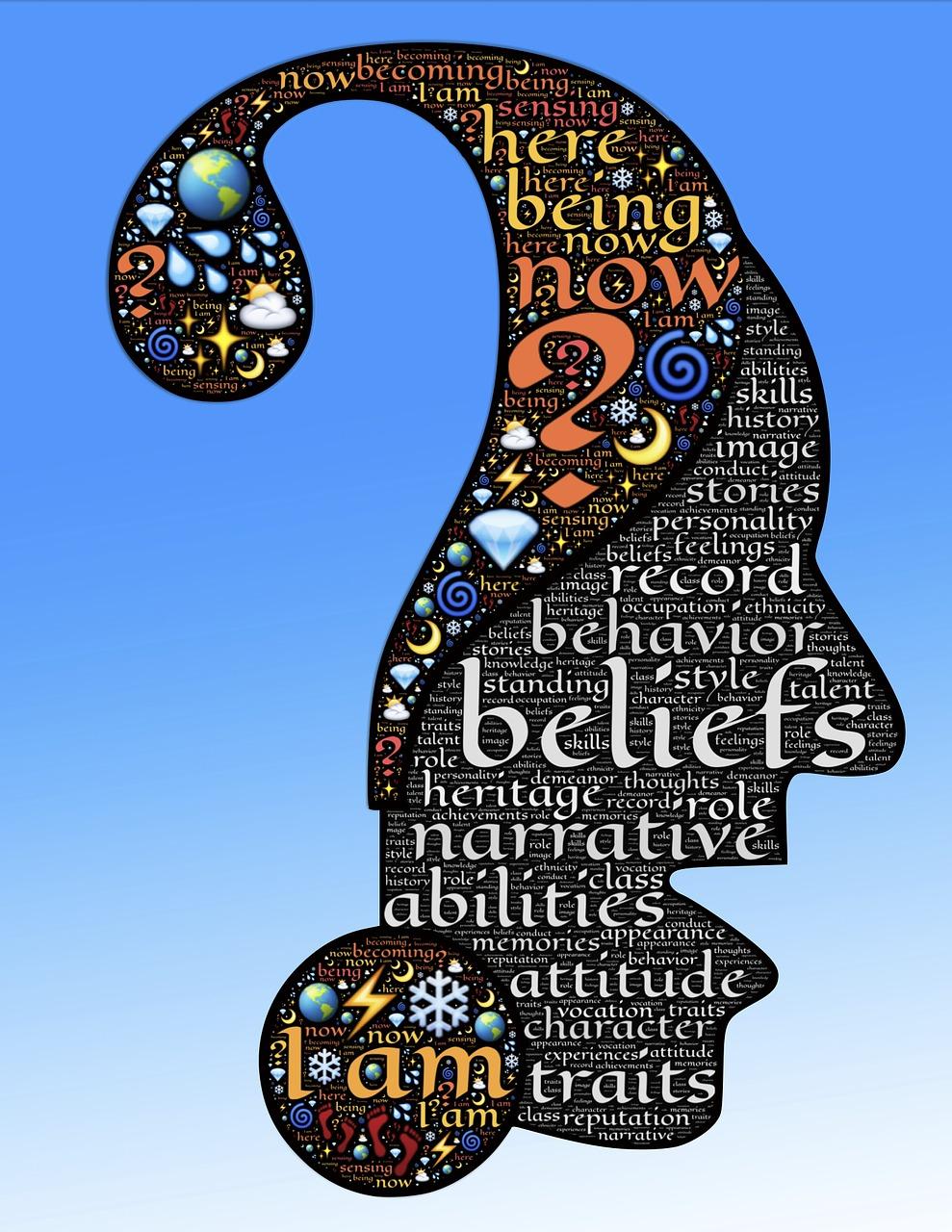
In 2019, a study by the Pew Research Center revealed that 57% of men over the age of 50 felt their life stories were largely untold, a striking contrast to the cultural expectation of stoic silence often associated with masculinity. This gap between lived experience and shared narrative underscores a profound truth: storytelling is not merely an act of remembrance but a cornerstone of identity.
Dr. Robert Neimeyer, a clinical psychologist specializing in grief and meaning reconstruction, argues that “the stories we tell about ourselves are the scaffolding of our sense of self.” For men, whose legacies are frequently reduced to professional achievements or material success, the act of storytelling offers a rare opportunity to reclaim emotional depth and generational connection.
From the oral traditions of the Maasai elders to the recorded reflections of Vietnam veterans, the power of narrative transcends time and geography, shaping how men are remembered—not just by others, but by themselves.
Defining Legacy Beyond Material Inheritance
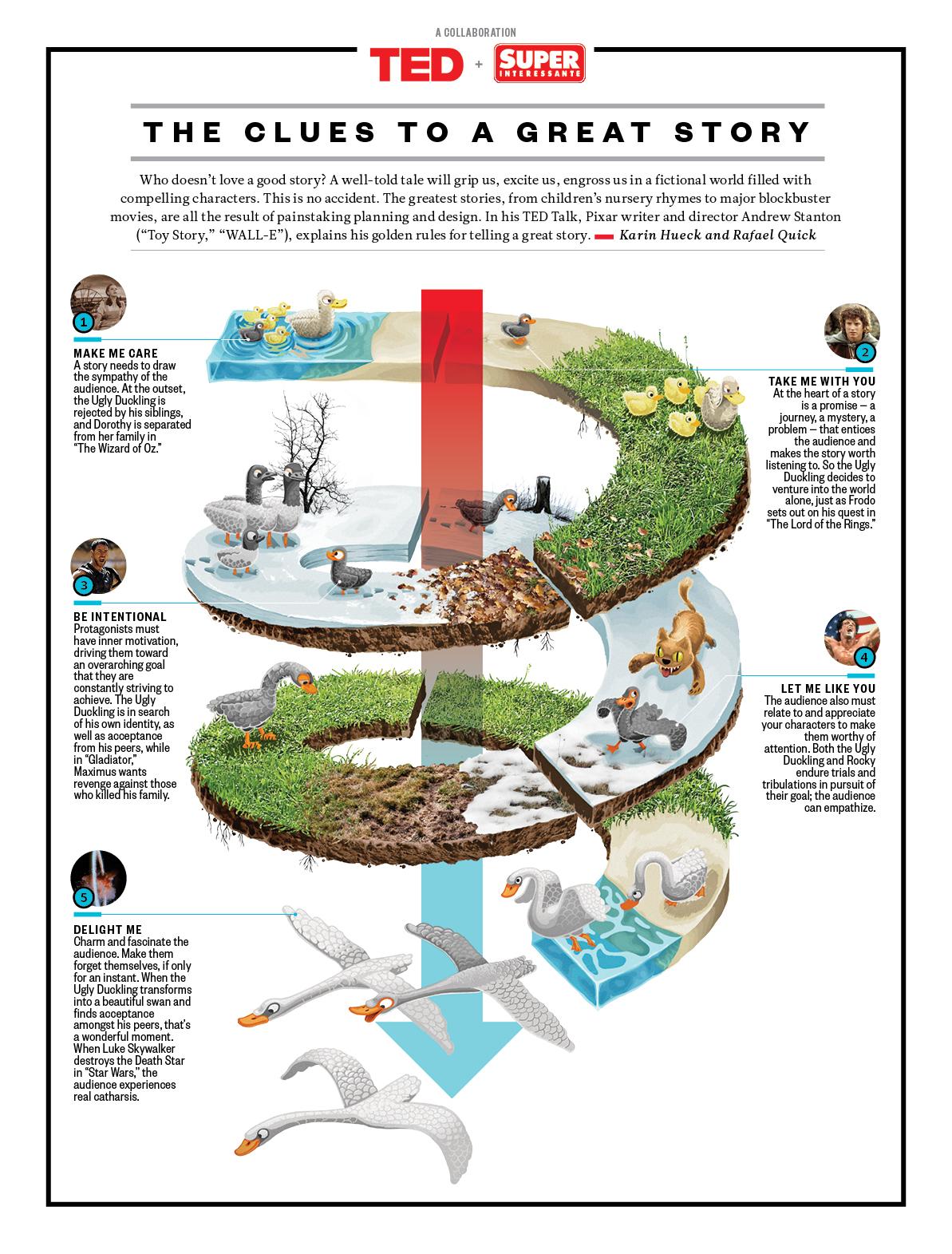
Legacy, when untethered from material inheritance, becomes a vessel for transmitting values, relationships, and identity. This shift reframes legacy as a dynamic interplay of memory and meaning, rather than a static transfer of assets. At its core, this concept challenges the traditional metrics of success, urging individuals to consider how their lived experiences resonate across generations.
One critical mechanism in this process is the use of reminiscence and life review. As outlined by Robert Butler, reminiscence involves recalling personal memories, while life review delves deeper, confronting mortality and synthesizing meaning. These frameworks, when applied intentionally, allow individuals to distill their narratives into enduring lessons. For instance, a study by the MIT AgeLab’s 85+ Lifestyle Leaders Panel revealed that storytelling themes such as connection and advice often emerge as central to legacy conversations, underscoring the emotional and relational dimensions of legacy.
"Legacy is the relationships rather than information that you pass on."
— Participant, MIT AgeLab Panel
A novel approach involves integrating storytelling with physical objects, as ethnographic research suggests these items anchor memories, creating tangible links to intangible values. This method not only enhances emotional resonance but also bridges generational gaps, fostering empathy and continuity.
The Role of Storytelling in Identity Formation
Storytelling serves as a profound mechanism for identity formation, functioning as both a reflective and generative process. At its core, it enables individuals to weave coherence into the fragmented experiences of life, transforming disparate events into a unified narrative. This process is particularly significant for men, who often grapple with societal expectations that prioritize external accomplishments over introspective self-definition.
One critical dynamic lies in the interplay between narrative coherence and emotional authenticity. Research highlights that stories imbued with redemptive themes—where adversity is reframed as growth—foster psychological resilience and maturity. However, achieving this coherence requires navigating the tension between societal norms and personal truths. For instance, men in leadership roles may craft narratives that balance vulnerability with strength, a duality that enhances both personal authenticity and professional credibility.
A compelling case study involves new CEOs, who often employ storytelling to redefine their professional identities during transitions. A qualitative study of 47 CEOs in Brazil revealed that storytelling not only aids in self-redefinition but also aligns their evolving identity with organizational expectations, ensuring consistency across personal and professional domains.
"The stories we tell about ourselves are the scaffolding of our sense of self."
— Dr. Robert Neimeyer, Clinical Psychologist
This nuanced approach underscores storytelling’s transformative power, bridging internal identity work with external perception.
Psychological Foundations of Legacy
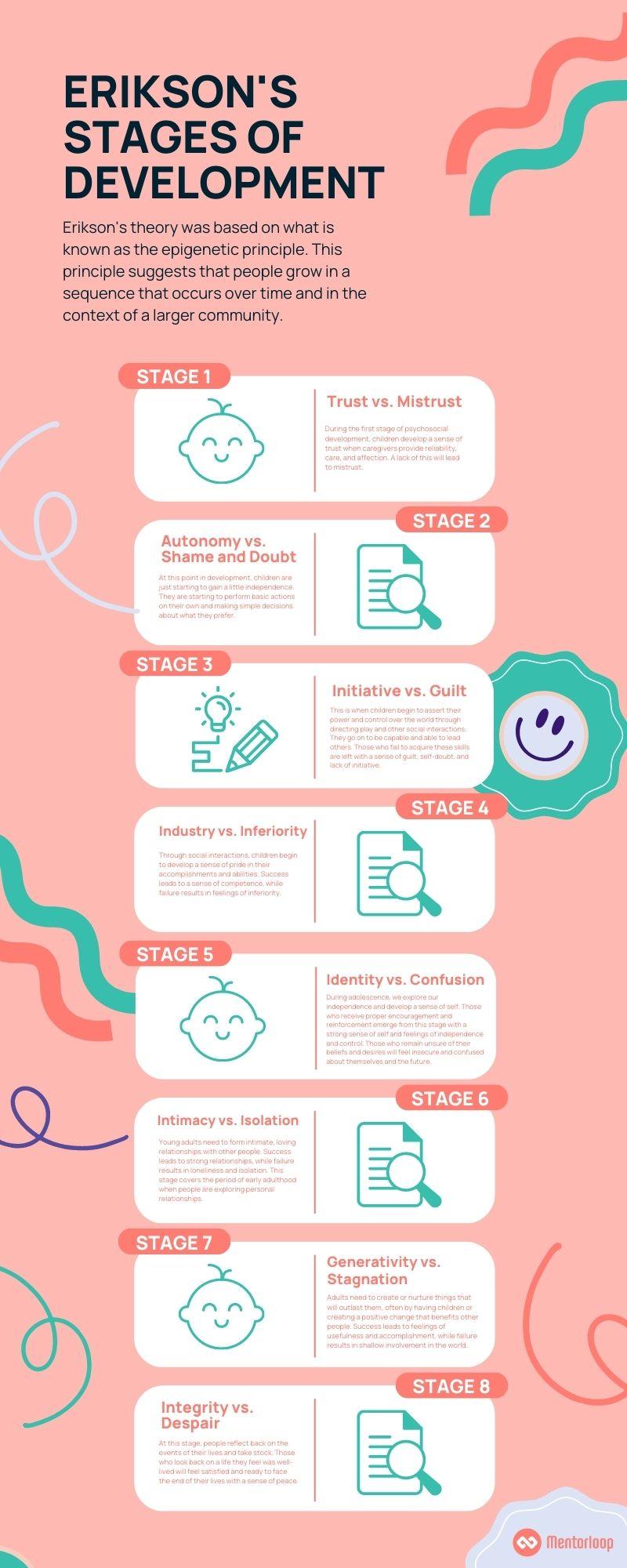
Legacy is deeply rooted in the psychological construct of generativity, a term introduced by Erik Erikson to describe the drive to nurture and guide future generations. This concept gains prominence in midlife and later years, as individuals seek to reconcile their past with their aspirations for enduring impact. Research by McAdams et al. (1997) reveals that adults scoring high in generativity are 40% more likely to frame their life stories around themes of growth and redemption, emphasizing lessons learned through adversity. These narratives not only enhance personal well-being but also serve as blueprints for younger generations.
A critical yet underexplored aspect is the role of personal mythology. As individuals age, the accuracy of memories often becomes secondary to the meaning they convey. McAdams (2006) highlights that the emotional resonance of a story can outweigh its factual precision, fostering deeper connections within the teller-listener dyad. For example, a grandfather recounting his wartime experiences may emphasize resilience over historical detail, embedding values into his family’s collective identity.
This interplay between generativity and personal mythology underscores a profound truth: legacy is less about preserving facts and more about shaping values. By reframing their stories, men can transform fragmented memories into cohesive narratives that resonate across generations, ensuring their psychological and emotional imprint endures.
Generativity and Its Impact on Men’s Lives
Generativity in men’s lives often manifests as a profound yet understated force, shaping identity and purpose through acts of mentorship, storytelling, and intergenerational connection. One particularly transformative aspect is the role of narrative vulnerability—the willingness to share personal struggles alongside achievements. This practice not only deepens relational bonds but also redefines masculinity by integrating emotional authenticity into legacy-building.
Research highlights that men who embrace vulnerability in their narratives often experience heightened psychological resilience and relational depth. For instance, a longitudinal study in Japan revealed that older men engaging in generative activities, such as mentoring or community storytelling, maintained higher functional capacities and reported greater life satisfaction. These findings underscore the dual benefits of generativity: fostering personal well-being while enriching the lives of others.
However, the effectiveness of generative practices is context-dependent. Cultural norms, for example, can either amplify or suppress men’s willingness to engage in emotional storytelling. In societies where stoicism is valorized, men may struggle to reconcile vulnerability with traditional masculine ideals. This tension highlights the need for tailored interventions, such as community programs that normalize emotional expression.
"Generativity is not merely about leaving a legacy; it’s about living one through the connections we nurture."
— Dr. John Kotre, Generativity Researcher
By reframing generativity as an active, relational process, men can transform their life stories into enduring sources of meaning and inspiration.
Personal Mythology: Fact and Meaning in Stories
Personal mythology operates at the intersection of memory and meaning, where factual precision often yields to emotional resonance. This dynamic is particularly significant in legacy-building, as it allows individuals to craft narratives that transcend mere chronology, embedding values and lessons into their stories. The process involves selectively amplifying certain moments while softening others, creating a tapestry that reflects not just what happened, but why it mattered.
One critical mechanism underpinning personal mythology is narrative adaptation. Research highlights that individuals often reinterpret past events to align with their evolving sense of self. For example, a study by McAdams (2006) found that redemptive narratives—where adversity is reframed as growth—are strongly correlated with psychological well-being. This suggests that the act of mythologizing one’s life is not about distorting truth but about extracting enduring meaning.
However, this approach is not without challenges. Cultural narratives can impose constraints, shaping which stories are deemed acceptable or heroic. For instance, men in collectivist societies may prioritize communal achievements over personal struggles, limiting the scope of their mythology. Addressing these limitations requires fostering environments where diverse narratives are validated.
"Even when recounting unique events, individuals draw upon cultural story structures, shaping their personal myths within shared frameworks."
— Dr. McLeod, Narrative Psychologist
Ultimately, personal mythology transforms fragmented memories into cohesive legacies, ensuring that the emotional truths of a life endure across generations.
Mechanics of Storytelling and Memory
Storytelling operates as a cognitive and emotional mechanism, transforming fragmented memories into cohesive narratives that define identity. Research by Dr. Dan McAdams, a leading narrative psychologist, reveals that individuals who construct redemptive narratives—stories where challenges lead to growth—report 23% higher life satisfaction compared to those with fragmented or chaotic narratives. This underscores the transformative power of storytelling in shaping not just how men are remembered, but how they perceive themselves.
Memory, however, is not a static repository of facts; it is dynamic and reconstructive. Studies from the University of Cambridge demonstrate that 40% of autobiographical memories are altered upon retelling, as individuals unconsciously adapt details to align with their evolving self-concept. This fluidity allows men to reinterpret past events, embedding values and lessons that resonate across generations.
A compelling analogy likens memory to a palimpsest—a manuscript repeatedly written over, yet retaining traces of its past. This layered nature enables storytelling to serve as both a mirror and a map, reflecting identity while guiding legacy formation.
Teller-Listener Dynamics in Narrative Sharing
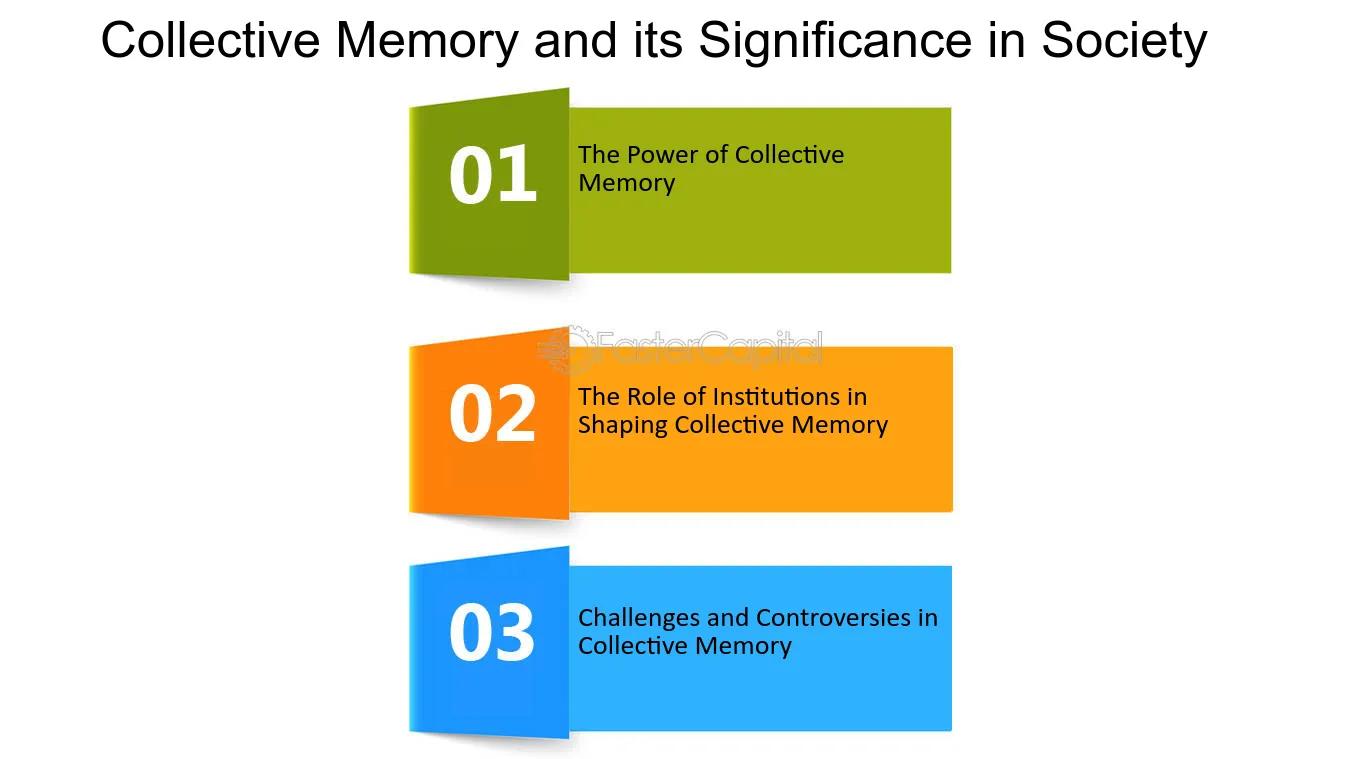
The interaction between teller and listener is a dynamic process where the listener's responsiveness actively shapes the narrative being shared. This exchange transcends mere verbal communication, relying heavily on nonverbal cues such as eye contact, posture, and tone. Research by Randall et al. (2006) highlights that the listener’s engagement—whether through empathetic gestures or reflective silence—can significantly influence the depth and emotional resonance of the story. This dynamic fosters a co-constructed narrative, where the teller refines their story in response to the listener’s reactions.
One critical mechanism is the concept of narrative scaffolding, where the listener provides subtle prompts or validations that help the teller organize fragmented memories into coherent narratives. For instance, a study on life-story interviews with elderly participants revealed that interviewers who employed active listening techniques elicited richer, more detailed accounts compared to those who remained passive.
However, this process is not without challenges. Cultural and contextual factors, such as societal norms around emotional expression, can limit the effectiveness of this dynamic. In collectivist cultures, for example, listeners may prioritize communal themes over individual struggles, potentially constraining the teller’s narrative scope.
"The meeting of two personalities is like the contact of two chemical substances: if there is any reaction, both are transformed."
— Carl Jung, Psychologist
This interplay underscores the transformative potential of storytelling when both teller and listener engage as active participants in meaning-making.
Memory’s Role in Shaping Identity and Legacy
Memory operates as a dynamic mechanism, continuously reshaping identity and legacy through the act of recall and reinterpretation. Unlike static archives, memories evolve with each retelling, influenced by the emotional and social contexts in which they are shared. This fluidity allows individuals to reframe past experiences, embedding them with new meaning that aligns with their current self-concept.
One critical technique in this process is narrative reframing, where individuals reinterpret challenging or ambiguous memories to emphasize growth or resilience. For example, a longitudinal study by the University of Toronto demonstrated that participants who actively reframed traumatic memories into redemptive narratives reported a 27% increase in psychological well-being over five years. This underscores memory’s transformative potential—not as a record of events, but as a tool for identity construction.
However, this adaptability introduces complexities. Cultural norms often dictate which memories are deemed significant or acceptable to share, potentially constraining personal narratives. In collectivist societies, for instance, memories emphasizing individual triumphs may be downplayed in favor of communal achievements, limiting the scope of personal legacy.
"Memory is less about preserving the past and more about sculpting the present self."
— Dr. Dan McAdams, Narrative Psychologist
By embracing memory’s malleability, individuals can craft legacies that transcend mere chronology, embedding enduring values and lessons into their stories.
Practical Applications and Real-World Examples
Legacy storytelling programs have demonstrated measurable success in fostering intergenerational connections and enhancing well-being. For instance, a Massachusetts initiative paired high school students with older adults for household assistance, evolving into a storytelling project. Participants reported a 32% increase in perceived social support, highlighting the dual benefits of practical aid and narrative exchange.
A particularly innovative approach involves the use of digital platforms like LegacyOwl, which integrates video-sharing and memory preservation. By gamifying storytelling—such as setting challenges to document 50 family traditions—these platforms engage younger generations while preserving cultural heritage. This method addresses a common misconception: that digital tools dilute emotional depth. Instead, they amplify accessibility and inclusivity.
The concept of narrative scaffolding further enriches these applications. By guiding storytellers with structured prompts, such as “Describe a moment that changed your perspective,” facilitators help transform fragmented memories into cohesive, impactful narratives. This process not only preserves individual legacies but also strengthens collective identity across generations.
Family Stories and Cultural Traditions
Family storytelling serves as a powerful mechanism for preserving cultural traditions, embedding values into narratives that transcend generations. One particularly effective technique is the use of ritualized storytelling during culturally significant events, such as holidays or rites of passage. These moments create a structured yet emotionally rich environment where stories are not only shared but also re-enacted, reinforcing their relevance and meaning.
The underlying principle here is narrative embodiment, where traditions are not merely recounted but physically and emotionally experienced. For example, in many Indigenous communities, storytelling is intertwined with ceremonial practices, such as dances or songs, which anchor the narrative in sensory and communal experiences. This approach ensures that cultural values are internalized, not just intellectually understood.
However, the effectiveness of this method depends on contextual factors like the storyteller’s authenticity and the audience’s engagement. A comparative study of storytelling practices in Maori and Pakeha families revealed that while Maori narratives often emphasize collective identity through shared rituals, Pakeha stories tend to focus on individual achievements, highlighting the cultural variability in storytelling dynamics.
"Stories are the vessels through which traditions breathe and evolve."
— Dr. Susan McHale, Family Communication Researcher
By integrating storytelling with cultural rituals, families create a living tradition that adapts to modern contexts while preserving its core essence.
Therapeutic Uses in Grief and Identity Work
Narrative therapy’s transformative power lies in its ability to externalize grief, allowing individuals to reframe their loss as a chapter in their story rather than its defining theme. This process is particularly impactful for men, who often face societal pressures to suppress emotional expression. By creating a structured yet flexible framework, narrative therapy enables clients to explore their grief without being consumed by it.
A key technique is re-authoring, where individuals revisit their grief narratives to identify moments of resilience and connection. This approach shifts the focus from loss to continuity, fostering a sense of agency. For example, a study involving bereaved fathers revealed that crafting stories about their children’s lives helped them integrate their grief into a broader narrative of love and legacy, reducing feelings of isolation.
However, the effectiveness of this method depends on the therapist’s ability to balance emotional depth with psychological safety. Contextual factors, such as cultural norms around masculinity, can either facilitate or hinder this process. In collectivist cultures, for instance, grief narratives often emphasize communal support, requiring therapists to adapt their strategies accordingly.
"Grief is not a problem to be solved but a story to be told."
— Dr. Michael White, Co-Founder of Narrative Therapy
By embracing this nuanced approach, narrative therapy transforms grief into a pathway for identity reconstruction and enduring connection.
FAQ
What role does storytelling play in shaping a man's legacy and identity?
Storytelling serves as a foundational tool for men to construct and communicate their legacy, intertwining personal identity with generational impact. By narrating life experiences, men transform fragmented memories into cohesive narratives that reflect values, achievements, and lessons. This process not only reinforces self-concept but also fosters emotional connections with others, ensuring their stories resonate across time. Cultural and societal contexts further shape these narratives, influencing how men frame their roles and contributions. Through storytelling, men preserve their essence, embedding their identity within a broader legacy that transcends material inheritance, fostering remembrance and continuity across generations.
How can men use personal narratives to bridge generational gaps and foster remembrance?
Personal narratives enable men to bridge generational gaps by creating shared experiences that connect past, present, and future. By recounting stories of resilience, values, and pivotal moments, men provide younger generations with a framework for understanding family identity and cultural heritage. These narratives foster empathy and mutual respect, transforming abstract lessons into relatable, lived experiences. Incorporating storytelling into intergenerational activities, such as family gatherings or digital memory projects, deepens these connections. This practice not only preserves memories but also ensures that values and lessons endure, fostering a sense of continuity and remembrance across diverse generational perspectives.
What are the psychological benefits of legacy storytelling for men in later stages of life?
Legacy storytelling offers profound psychological benefits for men in later stages of life by fostering a sense of purpose, emotional resilience, and connection. Reflecting on life experiences helps men synthesize meaning, transforming challenges into narratives of growth and wisdom. This process enhances self-esteem and combats feelings of isolation, as sharing stories strengthens bonds with family and community. Additionally, storytelling supports cognitive health by engaging memory and critical thinking. By framing their legacy through personal narratives, men achieve a sense of fulfillment, ensuring their values and lessons resonate across generations while reinforcing their identity and emotional well-being.
How do cultural and societal norms influence the way men construct and share their life stories?
Cultural and societal norms shape how men construct and share their life stories by defining acceptable themes, values, and emotional expressions. In collectivist cultures, narratives often emphasize communal achievements and moral lessons, while individualistic societies prioritize personal milestones and self-expression. Historical and philosophical traditions, such as Confucianism or Western individualism, further influence storytelling frameworks. These norms dictate the balance between vulnerability and strength, guiding men in aligning their narratives with societal expectations. By navigating these cultural scripts, men craft stories that resonate within their social context, ensuring their legacy reflects both personal identity and shared cultural values.
What practical steps can men take to preserve their legacy through storytelling in a meaningful way?
Men can preserve their legacy through storytelling by adopting intentional and diverse approaches. Documenting life experiences in memoirs, podcasts, or video diaries ensures accessibility and emotional depth. Engaging in intergenerational storytelling, such as family gatherings or mentorship programs, fosters connection and continuity. Leveraging digital platforms, like social media or legacy-focused apps, broadens reach and preserves narratives for future generations. Incorporating cultural traditions and personal artifacts enhances authenticity, anchoring stories in shared heritage. Encouraging others to share their narratives creates a collaborative legacy, ensuring values, lessons, and identity endure meaningfully across time and societal contexts.