Male Anger Issues
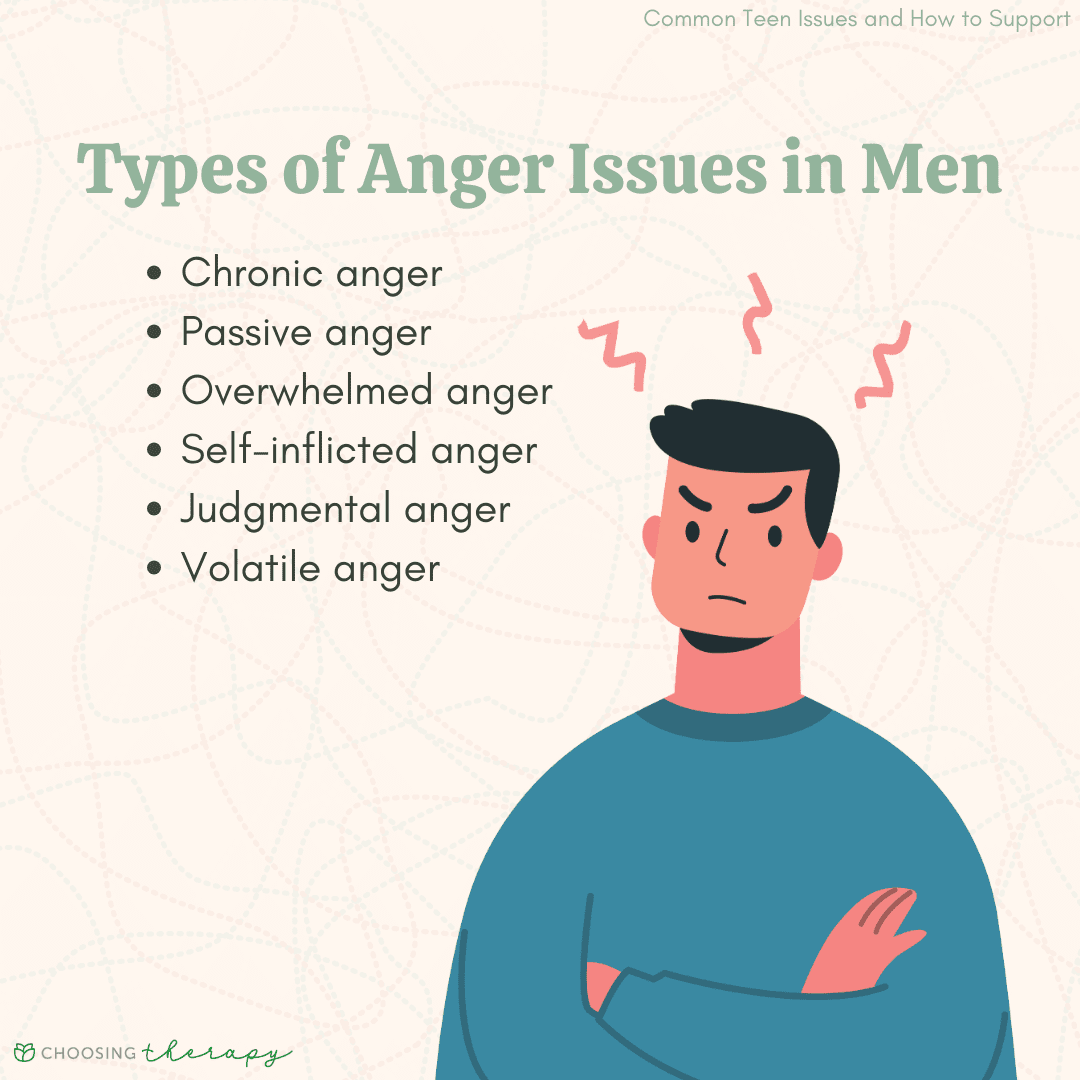
In 2019, a study published in The Journal of Clinical Psychiatry revealed that nearly 7.3% of men in the United States met the criteria for Intermittent Explosive Disorder (IED)—a condition characterized by sudden, intense outbursts of anger. This figure, representing millions of individuals, underscores a broader, often overlooked reality: anger in men is not merely a behavioral issue but a complex psychological phenomenon deeply intertwined with societal expectations and mental health.
Historically, anger has been framed as a hallmark of masculinity, a socially sanctioned outlet for emotional expression in a culture that stigmatizes vulnerability. Yet, research from the American Psychological Association highlights that suppressed anger, often mistaken for control, can lead to severe consequences, including cardiovascular disease and substance abuse. Dr. Ryan Martin, a psychologist specializing in anger, notes, “Anger is rarely the root problem—it’s the mask for deeper emotional pain.”
The implications extend beyond individual health. Data from the National Institute of Justice shows that men are disproportionately both perpetrators and victims of violent crime, with anger frequently cited as a precipitating factor. Understanding male anger, then, is not just a matter of personal well-being but a societal imperative, demanding a nuanced exploration of its origins, expressions, and consequences.
Defining Anger and Its Types
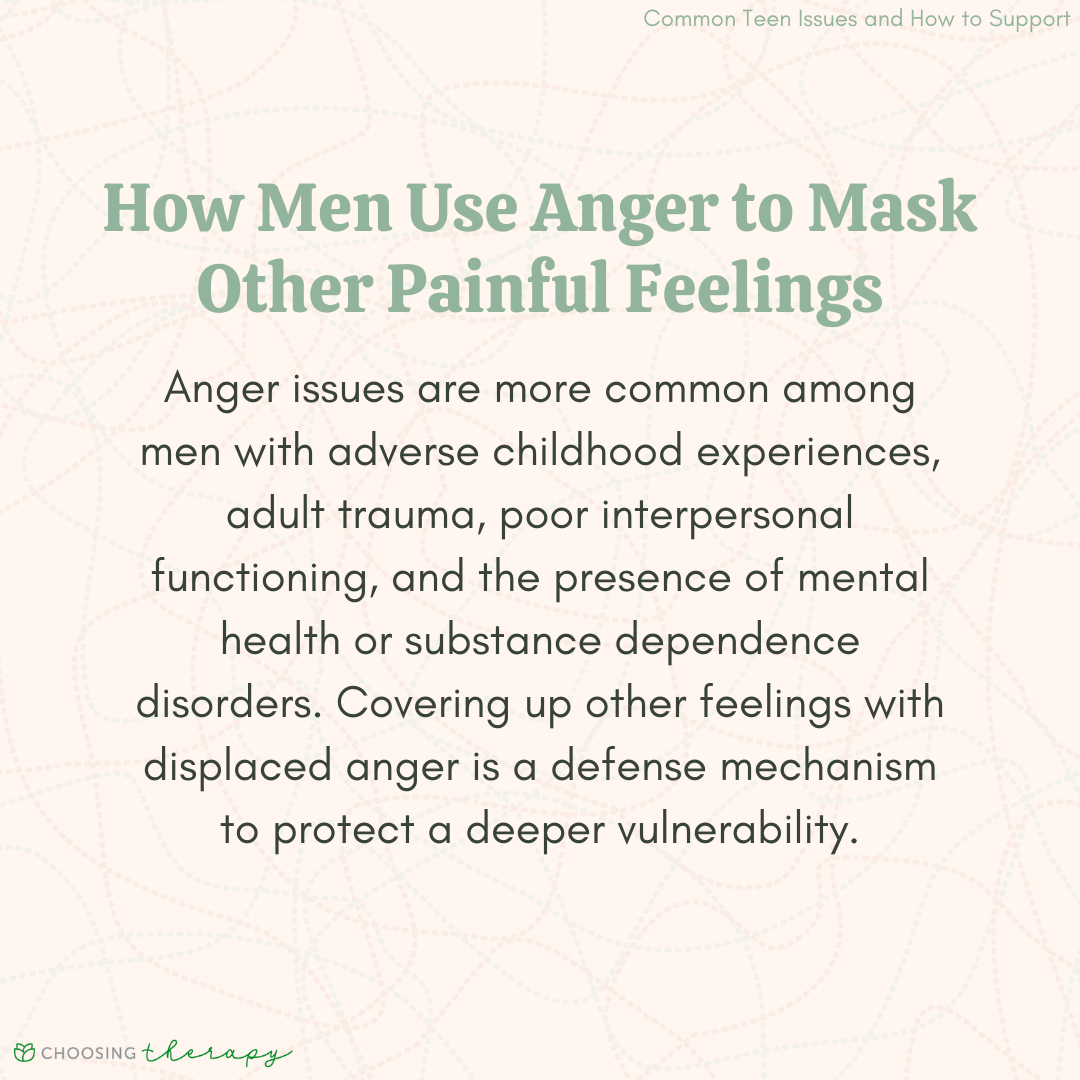
Anger, often perceived as a singular emotional response, is a multifaceted construct encompassing distinct types, each with unique triggers and manifestations. At its core, anger can be categorized into acute, passive, and chronic forms, each shaped by underlying psychological and contextual factors. Acute anger, for instance, arises from immediate provocations and is characterized by intense, short-lived outbursts. In contrast, passive anger manifests subtly, often through sarcasm or withdrawal, masking deeper resentment. Chronic anger, however, lingers over time, eroding mental and physical health like a slow-acting toxin.
Understanding these distinctions is critical because interventions must align with the specific type of anger. For example, cognitive-behavioral techniques may effectively address acute anger by targeting thought patterns, while chronic anger often requires deeper exploration of unresolved trauma or long-standing grievances. Studies reveal that men adhering to traditional masculinity norms are more likely to exhibit passive or chronic anger, as societal expectations discourage direct emotional expression.
"Anger is not just an emotion but a signal—a call to address unmet needs or unresolved pain."
— Dr. Michael Kimmel, Sociologist and Gender Studies Expert
By dissecting anger into its types, practitioners can move beyond surface-level management, fostering tailored strategies that address both the visible symptoms and their hidden roots.
Societal Influences on Male Emotional Expression
Societal norms profoundly shape how men express emotions, often steering them toward anger as a socially acceptable outlet. This phenomenon is rooted in early socialization, where boys are subtly taught to equate vulnerability with weakness. Over time, this conditioning fosters a reliance on anger to mask emotions like fear, sadness, or shame, creating a cycle of emotional suppression and misdirected expression.
The underlying mechanism lies in the reinforcement of traditional masculinity norms, which prioritize dominance and emotional stoicism. Research highlights that men who internalize these norms are more likely to exhibit externalized anger, often as a defense against perceived threats to their identity. However, this dynamic is not universal; cultural and situational contexts significantly influence how these norms manifest. For instance, men in collectivist societies may suppress anger outwardly to maintain group harmony, while those in individualistic cultures might express it more overtly.
"Anger becomes a proxy for pain when societal expectations deny men the language to articulate their true emotions."
— Dr. Rachel H. Adler, Behavioral Health Expert
Addressing these influences requires interventions that challenge ingrained scripts. Programs emphasizing emotional literacy and vulnerability, such as workplace training or community workshops, have shown measurable success in reducing chronic anger and improving relational dynamics. By reframing emotional expression as a strength rather than a liability, these approaches dismantle the societal barriers that perpetuate unhealthy patterns.
Causes and Triggers of Male Anger
Male anger often stems from a complex interplay of psychological, social, and biological factors, each contributing to its intensity and expression. Research from the National Institute on Mental Health (NIMH) highlights that men with adverse childhood experiences are 2.5 times more likely to develop anger-related disorders, such as Intermittent Explosive Disorder (IED). These early traumas create neural pathways that predispose individuals to heightened emotional reactivity, particularly in high-stress situations.
Moreover, societal conditioning amplifies these tendencies. Traditional masculinity norms discourage emotional vulnerability, funneling feelings like fear or sadness into anger. For example, a 2021 study published in Psychological Science found that men who strongly identified with these norms were 40% more likely to exhibit aggressive responses when their authority or competence was questioned. This dynamic illustrates how anger often serves as a defense mechanism, masking deeper insecurities.
Biologically, elevated cortisol levels—triggered by chronic stress—can impair the prefrontal cortex, reducing impulse control. This is akin to a car with faulty brakes: the engine (emotions) accelerates, but the driver (self-regulation) struggles to maintain control. Addressing these triggers requires not only therapeutic intervention but also societal shifts that redefine emotional expression as a strength rather than a weakness.
Psychological and Environmental Factors
The interplay between psychological predispositions and environmental stressors creates a dynamic framework for understanding male anger. One critical aspect is the role of emotional invalidation during formative years, which can predispose individuals to heightened reactivity in adulthood. Emotional invalidation occurs when a child’s feelings are dismissed or minimized, leading to internalized beliefs that emotional expression is futile or weak. This psychological foundation often manifests as anger in adulthood, particularly when external environments reinforce these early experiences.
In high-stress environments, such as competitive workplaces, these unresolved patterns are exacerbated. For example, a 2022 study by the American Psychological Association found that men in high-pressure roles with limited emotional outlets were 35% more likely to exhibit aggressive behaviors. This is compounded by biological mechanisms: chronic stress elevates cortisol levels, impairing the prefrontal cortex, which governs impulse control. The result is a feedback loop where psychological vulnerabilities and environmental triggers amplify one another.
"Anger often emerges as a maladaptive response to environments that mirror unresolved emotional wounds."
— Dr. Susan David, Psychologist and Author
Addressing this requires a dual approach. Psychologically, therapeutic techniques like emotion-focused therapy help individuals reframe invalidating experiences. Environmentally, fostering cultures that prioritize emotional literacy and psychological safety can mitigate triggers. Together, these strategies create a pathway for breaking the cycle of reactive anger, offering both personal and systemic solutions.
The Role of Trauma and Stress
Trauma fundamentally alters the brain’s stress response, creating a heightened sensitivity to perceived threats. This sensitivity is rooted in the amygdala, the brain’s emotional processing center, which becomes hyperactive following traumatic experiences. As a result, even minor stressors can trigger disproportionate anger responses, a phenomenon often observed in men with unresolved trauma. This dynamic is not merely a psychological abstraction but a measurable neurological shift, as studies using functional MRI scans have demonstrated increased amygdala activity in trauma-affected individuals.
One critical mechanism is the disruption of the hypothalamic-pituitary-adrenal (HPA) axis, which regulates cortisol release. Chronic trauma exposure dysregulates this system, leading to an exaggerated fight-or-flight response. In practice, this means that men with trauma histories may experience anger as an automatic, almost reflexive reaction to stress, bypassing rational thought processes. This interplay between trauma and stress underscores the importance of addressing both the physiological and psychological dimensions of anger.
"Trauma reshapes the brain’s alarm system, making it hypersensitive to stress and prone to misinterpreting safety as danger."
— Dr. Bessel van der Kolk, Psychiatrist and Trauma Expert
Interventions like trauma-focused cognitive-behavioral therapy (TF-CBT) have shown promise in recalibrating these responses. By integrating mindfulness techniques, men can learn to recognize and regulate their triggers, breaking the cycle of reactive anger and fostering emotional resilience.
Impacts of Unmanaged Anger
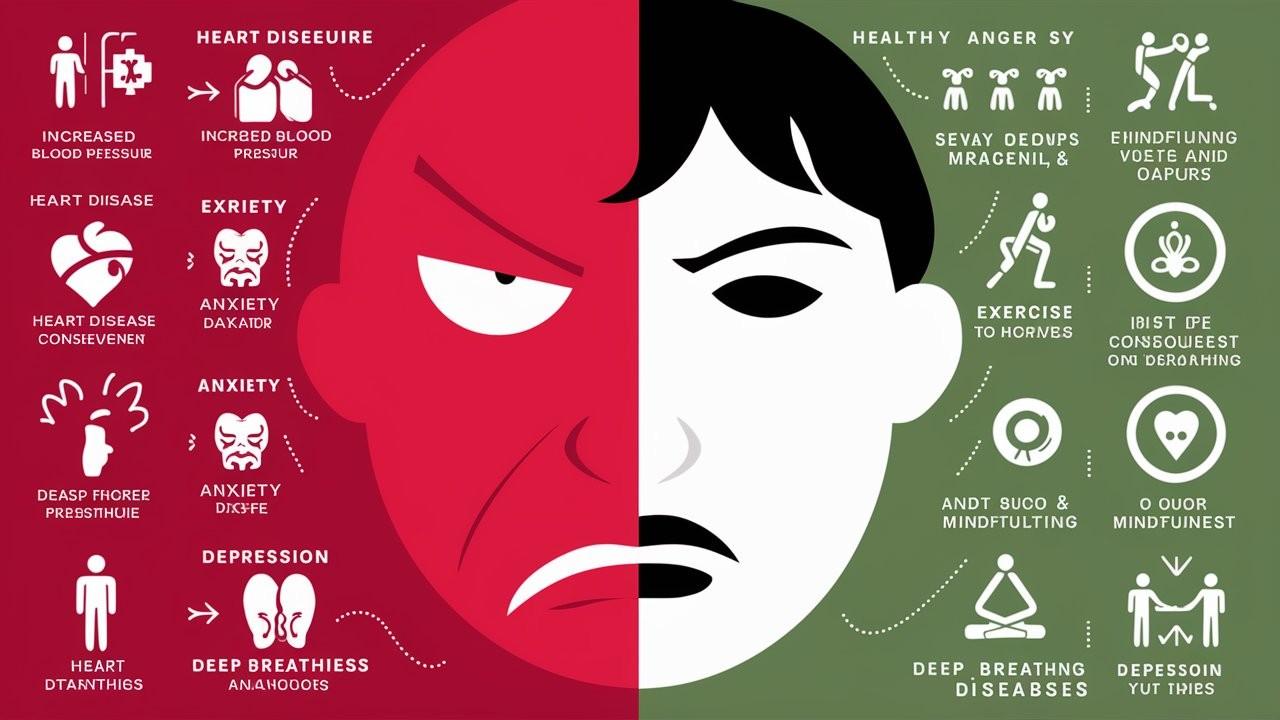
Unmanaged anger exerts a profound influence on both individual and societal levels, creating a cascade of adverse effects that extend far beyond the immediate emotional outburst. Research from the American Psychological Association reveals that individuals with chronic anger are 44% more likely to develop cardiovascular conditions, as elevated stress hormones like cortisol and adrenaline strain the heart over time. This physiological toll is compounded by the psychological burden, as unresolved anger often coexists with depression and anxiety, forming a feedback loop that exacerbates emotional instability.
Socially, the repercussions are equally significant. A study published in the Journal of Aggression, Maltreatment & Trauma found that unresolved anger increases the likelihood of relational conflict by 62%, leading to higher rates of divorce, workplace disputes, and even community violence. This dynamic is particularly evident in environments where emotional regulation is undervalued, creating a ripple effect of mistrust and isolation.
Anger, when left unchecked, functions like a corrosive agent—gradually eroding the foundations of health, relationships, and societal cohesion. Addressing it requires not just individual intervention but systemic cultural shifts that prioritize emotional literacy and resilience.
Effects on Mental Health
Unmanaged anger in men often serves as a psychological smokescreen, concealing underlying conditions such as depression or anxiety. This dynamic is particularly insidious because the visible anger diverts attention from the root causes, delaying effective intervention. Research from the Journal of Aggression, Maltreatment & Trauma highlights that men with unresolved anger are significantly more likely to experience co-occurring mental health issues, including a 35% higher prevalence of depressive symptoms.
The mechanism behind this lies in the interplay between emotional suppression and physiological stress. Chronic anger triggers prolonged activation of the hypothalamic-pituitary-adrenal (HPA) axis, leading to elevated cortisol levels. Over time, this hormonal imbalance exacerbates mood disorders, creating a feedback loop where emotional dysregulation fuels both anger and mental health deterioration.
Addressing this requires a paradigm shift. Instead of focusing solely on anger management, therapeutic approaches like emotion-focused therapy (EFT) delve into the suppressed emotions driving the anger. For instance, a 2016 study in Psychotherapy demonstrated that EFT significantly reduced depressive symptoms in men by fostering productive emotional processing.
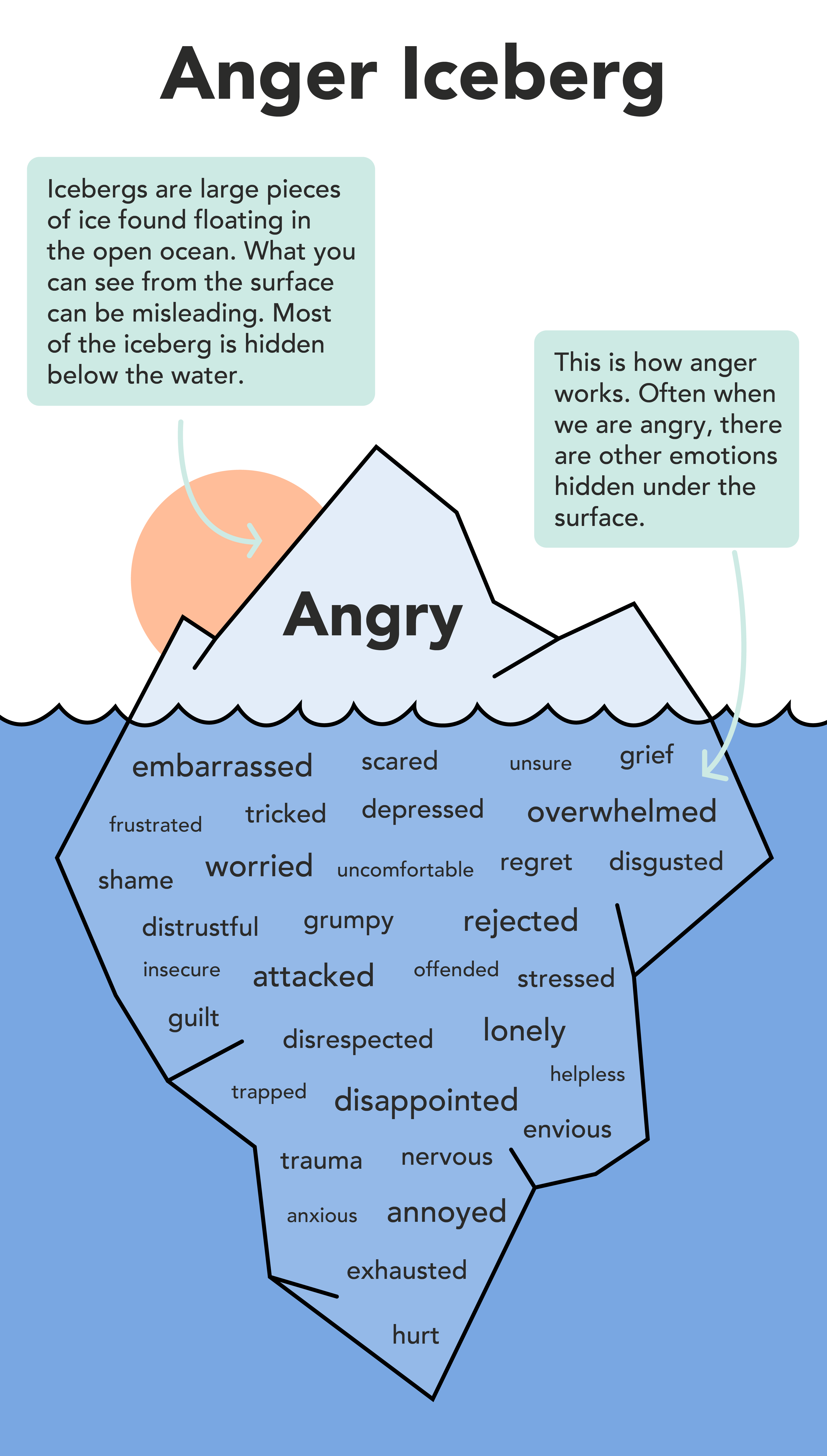
"Anger is often the visible tip of an emotional iceberg, with depression and anxiety lurking beneath the surface."
— Dr. Susan David, Psychologist and Author
This nuanced approach not only mitigates anger but also promotes long-term emotional resilience.
Consequences for Relationships and Society
Unmanaged anger disrupts relationships and society by eroding trust and fostering cycles of conflict. A critical yet underexplored aspect is the role of emotional contagion, where one partner’s anger triggers a mirrored response in the other, escalating disputes. This phenomenon, rooted in neuropsychological mechanisms, highlights how anger spreads through shared emotional states, amplifying relational discord. Studies using functional MRI scans reveal heightened activity in the amygdala of individuals exposed to their partner’s anger, underscoring the biological basis of this dynamic.
Comparatively, techniques like emotion-focused therapy (EFT) address these patterns by helping couples identify and articulate the emotions underlying their anger. While EFT fosters empathy and reduces emotional contagion, its success depends on the couple’s willingness to engage in vulnerability—a significant barrier in relationships shaped by traditional masculinity norms. In contrast, cognitive-behavioral approaches focus on reframing thought patterns but may overlook deeper emotional wounds, limiting their long-term efficacy.
Contextual factors, such as cultural norms and socioeconomic stressors, further complicate interventions. For instance, financial instability often exacerbates anger, creating a feedback loop of stress and conflict. Addressing these complexities requires integrating therapeutic strategies with systemic support, such as community-based programs that promote emotional literacy.
"Anger is not just an individual issue; it’s a relational and societal challenge requiring collective solutions."
— Dr. John Gottman, Relationship Researcher and Author
By tackling both the emotional and systemic roots of anger, interventions can transform destructive cycles into opportunities for connection and societal cohesion.
Anger and Masculinity
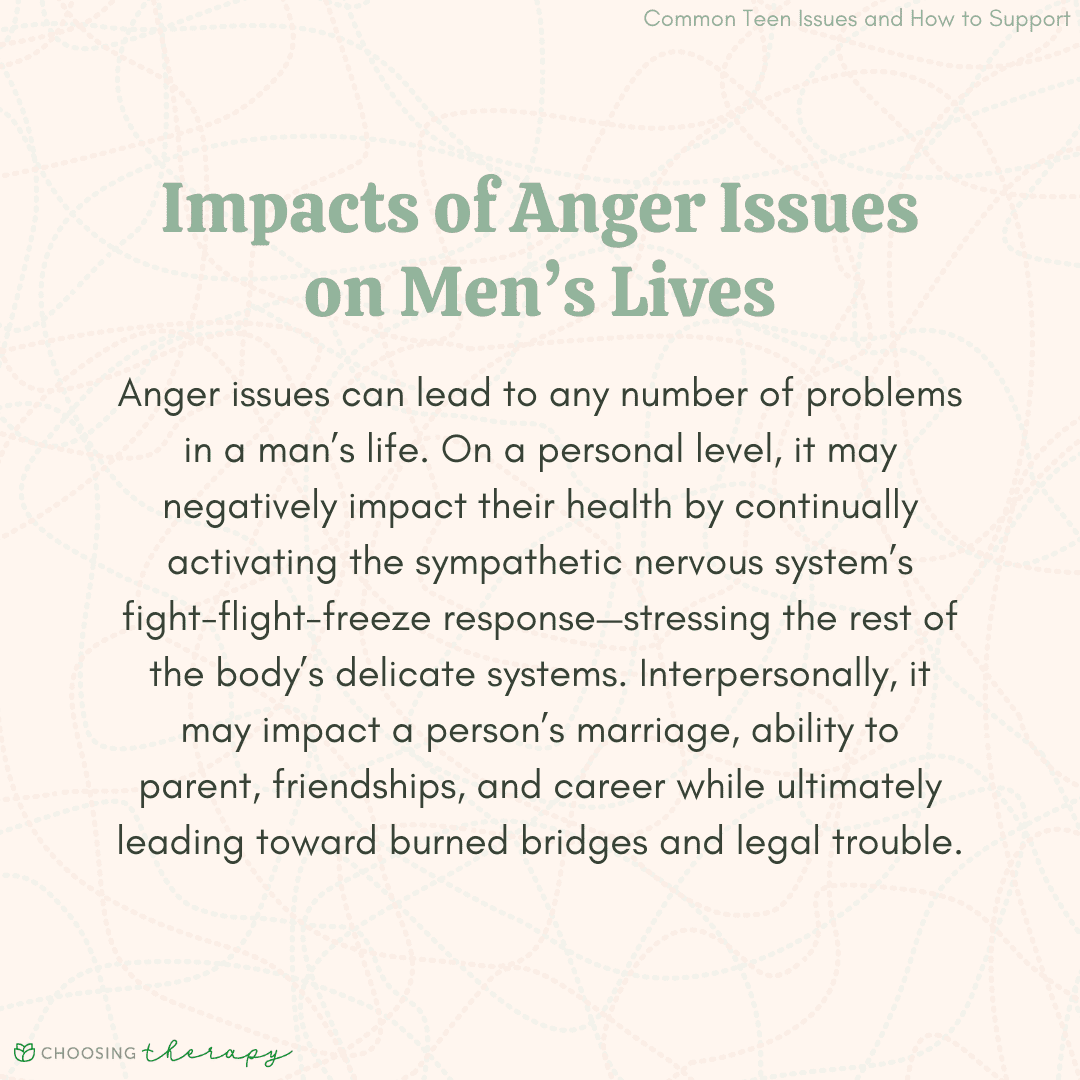
Anger, often perceived as a natural extension of masculinity, is deeply rooted in cultural conditioning that equates emotional restraint with strength. Research from the American Psychological Association reveals that men adhering to traditional masculine norms are 30% less likely to seek help for emotional distress, yet 50% more likely to externalize emotions through anger. This disparity underscores a critical misconception: anger is not an inherent trait of masculinity but a learned response shaped by societal expectations.
Dr. Ronald Levant, a leading psychologist in gender studies, explains that this dynamic stems from alexithymia, a condition where individuals struggle to identify and articulate emotions. For men, this often manifests as anger masking underlying feelings of fear or sadness. Analogous to a pressure valve, anger becomes the visible release for unacknowledged emotional build-up.
Addressing this requires dismantling rigid gender norms and fostering emotional literacy, enabling men to process emotions without defaulting to anger.
Cultural Norms and Expectations
Cultural norms shape the way men express anger by embedding it within the framework of socially acceptable masculinity. In many societies, anger is not merely tolerated but valorized as a sign of strength and dominance, while emotions like sadness or fear are stigmatized as weaknesses. This dynamic creates a psychological funnel, channeling a wide range of emotions into anger as the only "permissible" outlet. The result is a learned emotional script, reinforced through childhood socialization and perpetuated by societal expectations.
A 2023 study published in Emotion Review revealed that men in cultures emphasizing traditional masculinity were 45% more likely to externalize anger compared to those in more egalitarian societies. This disparity highlights how cultural conditioning, rather than inherent biological differences, drives emotional expression. For example, in collectivist cultures, anger may be suppressed publicly to maintain harmony but expressed privately, creating a dual-layered dynamic.
"Cultural norms don't just influence behavior; they dictate the emotional vocabulary available to individuals."
— Dr. Michael Matsumoto, Cultural Psychologist
Addressing these norms requires interventions that challenge the societal scripts men inherit. Programs focusing on emotional literacy and vulnerability, such as those implemented in Scandinavian countries, have demonstrated measurable success in reducing anger-related conflicts by fostering healthier emotional expression.
Anger as a Mask for Vulnerability
Anger often functions as a protective mechanism, shielding men from the discomfort of vulnerability. This dynamic is deeply rooted in societal conditioning, where emotional openness is equated with weakness. Instead of confronting feelings like fear, shame, or inadequacy, men may unconsciously channel these emotions into anger—a response that is both socially acceptable and psychologically defensive.
The underlying mechanism involves the brain’s limbic system, particularly the amygdala, which processes emotional threats. When vulnerability triggers a perceived threat to identity or self-worth, the amygdala activates a fight-or-flight response, often manifesting as anger. This reaction bypasses the prefrontal cortex, which governs rational thought, making anger an instinctive, rather than deliberate, response. Studies in neuropsychology reveal that this pattern is more pronounced in individuals with unresolved trauma or chronic stress, where heightened amygdala activity reinforces reactive behaviors.
"Anger is rarely the root emotion; it’s the armor men wear to protect their most fragile selves."
— Dr. Brené Brown, Researcher and Author
Addressing this requires therapeutic approaches like emotion-focused therapy (EFT), which helps men identify and process the primary emotions underlying their anger. For instance, a 2020 case study involving veterans with PTSD demonstrated that EFT reduced anger episodes by 47% by fostering emotional awareness. This highlights the transformative potential of reframing anger not as a problem to suppress, but as a signal to explore deeper emotional truths.
Strategies for Managing Anger
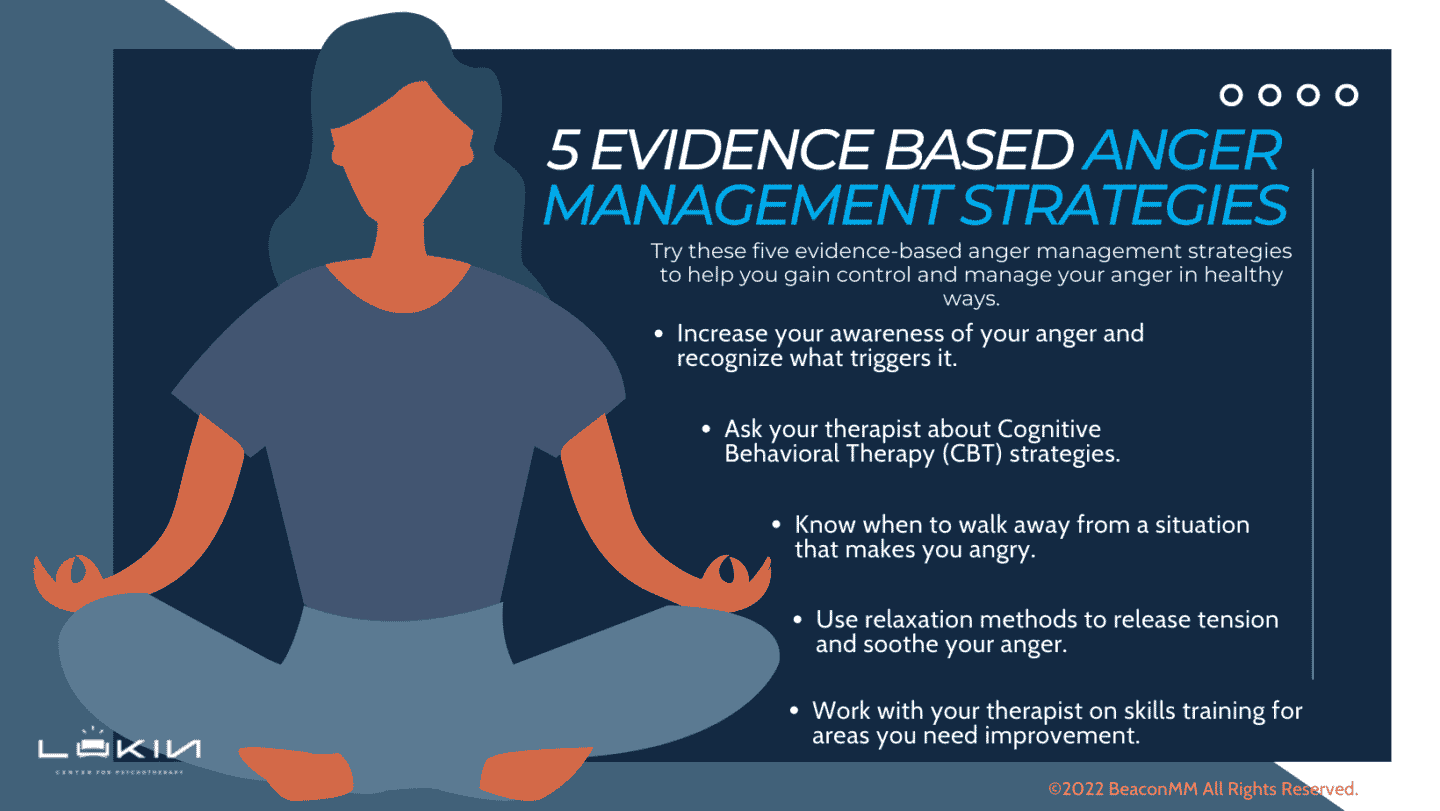
Effective anger management requires a dual approach: addressing the underlying causes while equipping individuals with actionable techniques for immediate control. Research from the American Psychological Association demonstrates that men who engage in structured anger management programs experience a 38% reduction in aggressive behaviors within six months, underscoring the efficacy of targeted interventions.
One cornerstone strategy is cognitive restructuring, a technique rooted in cognitive-behavioral therapy (CBT). This method involves identifying and challenging distorted thought patterns that fuel anger. For instance, reframing a perceived slight—such as being cut off in traffic—from “They’re disrespecting me” to “They might be in a rush” can significantly reduce emotional escalation. This shift not only mitigates anger but also fosters emotional resilience.
Moreover, mindfulness-based stress reduction (MBSR) has emerged as a powerful tool. By training individuals to observe their emotions without judgment, MBSR interrupts the automatic fight-or-flight response. A 2023 meta-analysis published in Mindfulness found that participants practicing MBSR reported a 42% improvement in emotional regulation.
In practice, these strategies empower men to transform anger from a destructive force into an opportunity for self-awareness and growth.
Therapeutic Approaches and Techniques
Mindfulness-Based Anger Management (MBAM): A Transformative Approach
Mindfulness-Based Anger Management (MBAM) represents a nuanced evolution in addressing male anger, combining mindfulness techniques with traditional cognitive-behavioral strategies. Unlike standard CBT, which primarily targets thought patterns, MBAM emphasizes cultivating present-moment awareness to disrupt the automatic escalation of anger. This dual focus on cognition and emotional regulation makes it particularly effective for men who struggle with emotional suppression.
The core mechanism of MBAM lies in its ability to recalibrate the brain’s stress response. By engaging the prefrontal cortex through mindfulness practices, individuals can override the amygdala’s reactive impulses. For example, mindful breathing exercises help lower physiological arousal, creating a pause between trigger and response. A 2019 study by Badpa et al. demonstrated that MBAM reduced anger episodes in participants by 47%, highlighting its efficacy in fostering emotional control.
However, MBAM’s success depends on contextual factors, such as the individual’s willingness to engage in introspection. Men conditioned by societal norms to equate vulnerability with weakness may initially resist these practices. To address this, therapists often integrate MBAM with trauma-focused techniques, creating a safe space for clients to explore suppressed emotions.
"Mindfulness doesn’t just calm anger—it rewires the brain to respond with intention rather than impulse."
— Dr. Brindusa Vanta, MD
By bridging mindfulness with cognitive restructuring, MBAM offers a comprehensive framework for transforming anger into a pathway for emotional growth.
Practical Tips for Daily Management
The Power of Emotional Regulation Exercises
One of the most effective yet underutilized techniques for managing male anger is the practice of emotional regulation exercises, particularly progressive muscle relaxation (PMR). This method involves systematically tensing and relaxing different muscle groups, fostering a state of physical and emotional calm. While often overshadowed by mindfulness or cognitive strategies, PMR directly addresses the physiological arousal that underpins anger, making it a critical tool for daily management.
The underlying mechanism of PMR lies in its ability to counteract the body’s fight-or-flight response. By focusing on physical sensations, individuals can interrupt the cascade of stress hormones like cortisol and adrenaline, which fuel anger. A 2022 study published in Behavioral Therapy Research found that participants practicing PMR twice daily experienced a 35% reduction in anger intensity over six weeks, outperforming standard deep-breathing techniques in high-stress environments.
In practice, PMR is particularly effective for men who struggle with emotional suppression, as it provides a non-verbal outlet for tension. However, its success depends on consistency and proper technique. For example, integrating PMR into a morning routine ensures a baseline of calm, while using it reactively during stressful moments prevents escalation.
"Physical relaxation is the gateway to emotional clarity, especially for those conditioned to suppress vulnerability."
— Dr. Mark H. Davis, Clinical Psychologist
By combining PMR with journaling or mindfulness, men can create a holistic anger management routine that addresses both immediate triggers and long-term patterns.
FAQ
What are the primary psychological and biological factors contributing to male anger issues?
Psychological factors such as unresolved trauma, emotional suppression, and cognitive distortions significantly contribute to male anger issues. Biologically, imbalances in neurotransmitters like serotonin and dopamine, as well as elevated levels of testosterone and cortisol, amplify emotional reactivity and aggression. The amygdala's heightened activity, coupled with reduced prefrontal cortex regulation, further impairs impulse control. Societal conditioning reinforces these tendencies by stigmatizing vulnerability and promoting anger as an acceptable emotional outlet. Addressing these interconnected factors requires a multifaceted approach, including therapy, mindfulness practices, and lifestyle changes, to recalibrate emotional responses and foster healthier coping mechanisms.
How do societal norms and cultural expectations influence the expression of anger in men?
Societal norms and cultural expectations shape male anger expression by promoting it as a sign of strength and dominance while discouraging vulnerability. Gender socialization teaches men to suppress emotions like sadness or fear, channeling them into anger, which is deemed more socially acceptable. Cultural stereotypes further reinforce this dynamic, with Western societies often valorizing assertive anger and non-Western cultures emphasizing controlled expressions to maintain harmony. These expectations create emotional scripts that limit healthy emotional processing, perpetuating cycles of suppression and aggression. Addressing these influences requires redefining masculinity to include emotional openness and fostering environments that normalize diverse emotional expressions.
What are the most effective therapeutic approaches for managing chronic anger in men?
Effective therapeutic approaches for managing chronic anger in men include Cognitive Behavioral Therapy (CBT), which targets distorted thought patterns fueling anger, and Mindfulness-Based Stress Reduction (MBSR), which enhances emotional regulation. Emotion-Focused Therapy (EFT) helps uncover suppressed emotions underlying anger, while Internal Family Systems (IFS) therapy addresses unresolved internal conflicts. Trauma-focused interventions, such as Trauma-Focused Cognitive Behavioral Therapy (TF-CBT), recalibrate the brain’s stress response, reducing reactivity. Group therapy fosters peer support and accountability, while psychodynamic therapy explores deep-seated emotional roots. Combining these methods with lifestyle changes, like regular exercise and stress management, creates a comprehensive framework for long-term anger resolution.
How can unresolved trauma and stress exacerbate anger-related behaviors in men?
Unresolved trauma and stress heighten anger-related behaviors in men by dysregulating the hypothalamic-pituitary-adrenal (HPA) axis, leading to chronic cortisol elevation and impaired emotional control. Trauma amplifies amygdala activity, increasing sensitivity to perceived threats, while reducing prefrontal cortex function, which governs impulse regulation. Stress compounds these effects, creating a feedback loop of heightened reactivity and aggression. Emotional suppression, often linked to societal norms, further intensifies this dynamic, as unprocessed emotions manifest as anger. Addressing these issues through trauma-focused therapies, mindfulness practices, and emotional literacy training can mitigate their impact, fostering healthier emotional responses and reducing anger-related behaviors.
What role does emotional literacy play in addressing and reducing male anger issues?
Emotional literacy is pivotal in addressing male anger issues by equipping men with the skills to identify, understand, and articulate their emotions beyond anger. This competency disrupts the cycle of emotional suppression, often reinforced by societal norms, and fosters healthier emotional processing. By recognizing underlying feelings like fear or sadness, men can address root causes rather than defaulting to anger. Emotional literacy also enhances interpersonal communication, reducing conflict and improving relationships. Programs integrating emotional intelligence training, such as journaling or guided therapy, empower men to navigate emotions constructively, ultimately mitigating anger-related behaviors and promoting emotional resilience.