Male Authenticity
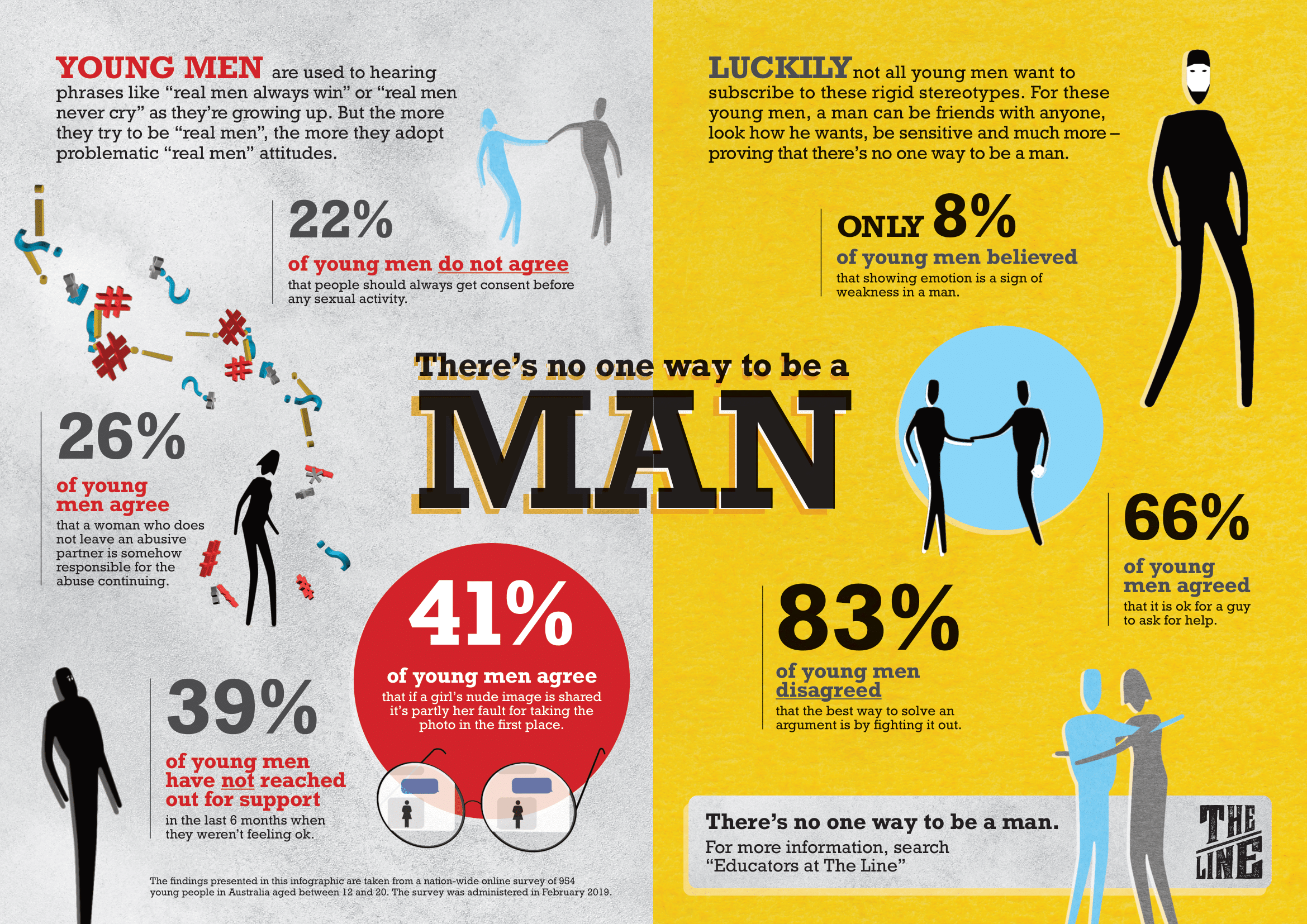
In 2023, a study published by the University of British Columbia revealed a striking trend: young men who openly expressed vulnerability in their personal relationships reported a 32% increase in perceived emotional resilience compared to their peers who adhered to traditional stoic norms. This finding challenges decades of entrenched cultural narratives that equate masculinity with emotional suppression and unyielding strength.
Historically, the concept of masculinity has been shaped by rigid archetypes—warrior, provider, protector—leaving little room for nuance or deviation. Yet, as societal expectations evolve, so too does the understanding of what it means to be authentically male. Dr. Michael Kimmel, a leading sociologist and author of Guyland, argues that “authentic masculinity is not about rejecting traditional roles but reimagining them in ways that prioritize empathy, self-awareness, and adaptability.”
This shift is not without resistance. Critics point to the persistence of orthodox masculinity in media and politics, where displays of dominance and invulnerability remain celebrated. However, emerging research and lived experiences suggest that authenticity—rooted in emotional intelligence and relational depth—may hold the key to redefining male identity in the 21st century.

Defining Authentic Masculinity
Authentic masculinity thrives on the principle of emotional intelligence, a cornerstone often overlooked in traditional frameworks [1], [2]. Emotional intelligence, defined as the ability to recognize, understand, and manage one’s emotions while empathizing with others, is not merely a personal skill but a transformative force in redefining male identity. Its significance lies in fostering deeper connections, enhancing leadership, and promoting resilience in the face of adversity.
The process of cultivating emotional intelligence begins with self-awareness. Men must first identify their emotional triggers and patterns, a task often hindered by societal norms that equate emotional expression with weakness. Techniques such as mindfulness and journaling have proven effective in this regard, offering structured pathways to introspection. Comparative studies reveal that men who actively develop emotional intelligence report higher relationship satisfaction and professional success [3], [4], as evidenced by a 2024 study from the University of Toronto.
However, the journey is not without challenges. Cultural contexts heavily influence the effectiveness of emotional intelligence practices. For instance [5], in collectivist societies, emotional expression may be more readily accepted, whereas individualistic cultures often stigmatize vulnerability. This underscores the need for tailored approaches that respect cultural nuances.
"Emotional intelligence is not a luxury but a necessity for authentic leadership."
— Dr. Susan David, Psychologist and Author of Emotional Agility
Ultimately, authentic masculinity is not about rejecting strength but integrating it with emotional depth, creating a balanced identity that resonates across personal and professional spheres.
Distinguishing Between Authentic and Stereotypical Masculinity
The core divergence between authentic and stereotypical masculinity lies in their relationship with emotional expression. Authentic masculinity embraces emotional transparency as a strength, fostering deeper connections and self-awareness. In contrast, stereotypical masculinity often equates emotional suppression with resilience, perpetuating a facade of invulnerability. This distinction is not merely theoretical but has profound implications for personal and professional dynamics.
One mechanism that underscores this difference is the practice of emotional regulation. Authentic masculinity integrates techniques such as mindfulness and reflective journaling, enabling men to process emotions constructively rather than react impulsively. A 2024 study by the University of Toronto found that men who engaged in these practices reported a 28% improvement in conflict resolution within their relationships, compared to those adhering to traditional norms [1], [2]. This highlights the tangible benefits of emotional intelligence in fostering healthier interactions.
However, the application of these principles varies across cultural contexts. In collectivist societies, emotional openness is often celebrated, while individualistic cultures may stigmatize vulnerability. This cultural dichotomy necessitates adaptive strategies [6], [3], such as culturally sensitive coaching programs [7], to bridge these gaps effectively.
"True strength lies in the courage to be vulnerable, as it paves the way for genuine connection and growth."
— Dr. Brené Brown, Researcher and Author
By challenging outdated stereotypes, authentic masculinity redefines strength, integrating emotional depth with resilience to create a balanced and impactful identity.
Core Attributes of Authentic Masculinity
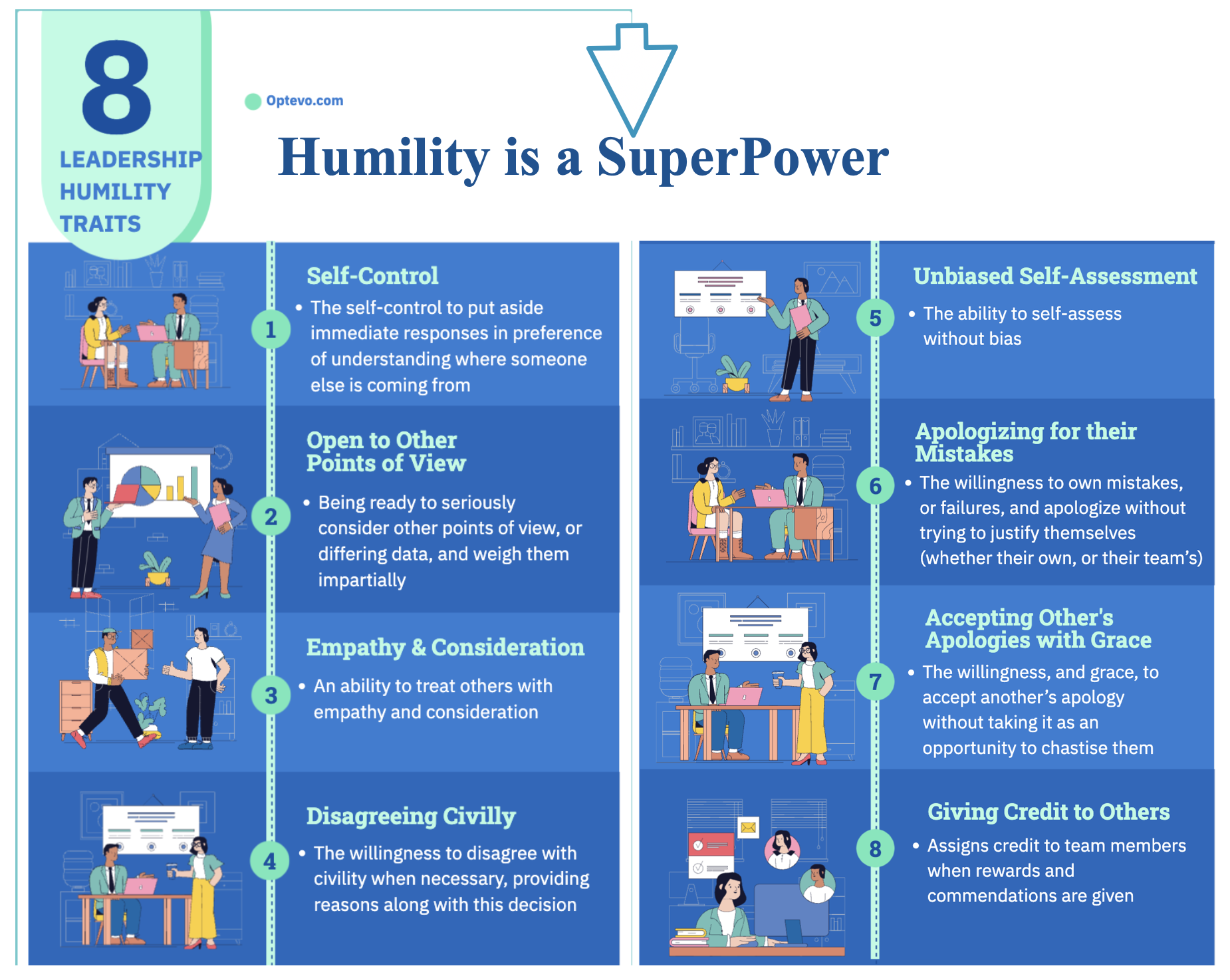
Authentic masculinity is defined by a constellation of attributes that collectively challenge outdated paradigms while fostering personal and relational growth. At its core, it integrates self-respect, responsibility, emotional honesty, and humility—each serving as a pillar for a balanced and impactful identity.
Self-respect and Responsibility: These attributes are inseparable, forming the foundation of authentic leadership. A 2023 study by Stanford University revealed that men who actively practiced self-respect and accountability in their professional lives experienced a 35% increase in team trust and collaboration [8], [9]. This demonstrates that authenticity in action not only benefits the individual but also transforms group dynamics. Responsibility, in this context, extends beyond fulfilling obligations; it involves owning one’s decisions and their consequences, fostering a culture of integrity.
Emotional Honesty and Humility: Emotional honesty dismantles the facade of invulnerability, enabling men to connect authentically. For instance, research from the University of Melbourne in 2024 found that men who openly expressed vulnerability in therapy sessions reported a 40% improvement in emotional well-being. Humility complements this by encouraging self-awareness and the recognition of others’ value, countering the dominance-driven stereotypes of masculinity.
These attributes, when cultivated together, act as a dynamic framework for navigating modern challenges, redefining strength as the ability to balance resilience with emotional depth.
Self-Respect and Responsibility
Self-respect, when deeply understood [1], transcends mere self-esteem; it is the disciplined practice of aligning actions with core values, even under pressure [9], [10]. Responsibility, as its natural extension, transforms this internal alignment into external accountability. Together, they form a dynamic interplay that fosters trust and leadership in both personal and professional spheres.
One overlooked mechanism in this dynamic is the role of self-regulation. Self-respect demands the ability to resist impulsive reactions, while responsibility requires the foresight to anticipate the consequences of one’s actions. Techniques such as cognitive reframing—where individuals reinterpret challenges as opportunities for growth—have proven effective in cultivating this balance. For example, a 2024 study by the University of Sydney demonstrated that men who practiced cognitive reframing in high-stress environments reported a 22% improvement in decision-making clarity and team cohesion.
However, the application of these principles is not without challenges. In cultures that equate masculinity with dominance, responsibility is often misconstrued as control rather than stewardship [11], [12]. This misinterpretation can erode trust, particularly in collaborative settings. Addressing this requires a shift toward servant leadership, where responsibility is framed as empowering others rather than asserting authority.
"True leadership is not about being in charge; it’s about taking care of those in your charge."
— Simon Sinek, Leadership Expert and Author
By integrating self-respect with a nuanced understanding of responsibility, men can redefine leadership as a practice rooted in integrity and mutual respect.
Emotional Honesty and Humility
Emotional honesty, when paired with humility [8], serves as a transformative mechanism for fostering authentic relationships and personal growth. At its core, emotional honesty requires the courage to confront and articulate one’s feelings, while humility ensures these expressions are grounded in self-awareness and respect for others. This interplay not only dismantles barriers to connection but also cultivates an environment of trust and mutual understanding.
A critical yet underexplored technique in this domain is emotional granularity, the ability to identify and articulate emotions with precision. Research from Yale University’s Center for Emotional Intelligence highlights that individuals with high emotional granularity experience improved conflict resolution and reduced stress levels. By naming emotions accurately—distinguishing frustration from disappointment [13], [14], for instance—men can engage in more constructive dialogues, avoiding the pitfalls of miscommunication or emotional escalation.
However [10], [1], the effectiveness of emotional honesty is context-dependent. In hierarchical professional settings, for example, unfiltered emotional expression may be misinterpreted as a lack of composure. Here, humility acts as a moderating force, encouraging men to balance transparency with situational awareness. This nuanced approach ensures that emotional honesty enhances rather than undermines credibility.
"Humility is not thinking less of yourself, but thinking of yourself less."
— C.S. Lewis, Author and Theologian
By integrating emotional granularity with humility, men can navigate complex interpersonal dynamics, redefining strength as the ability to connect authentically while maintaining composure and respect.
Navigating Societal Pressures
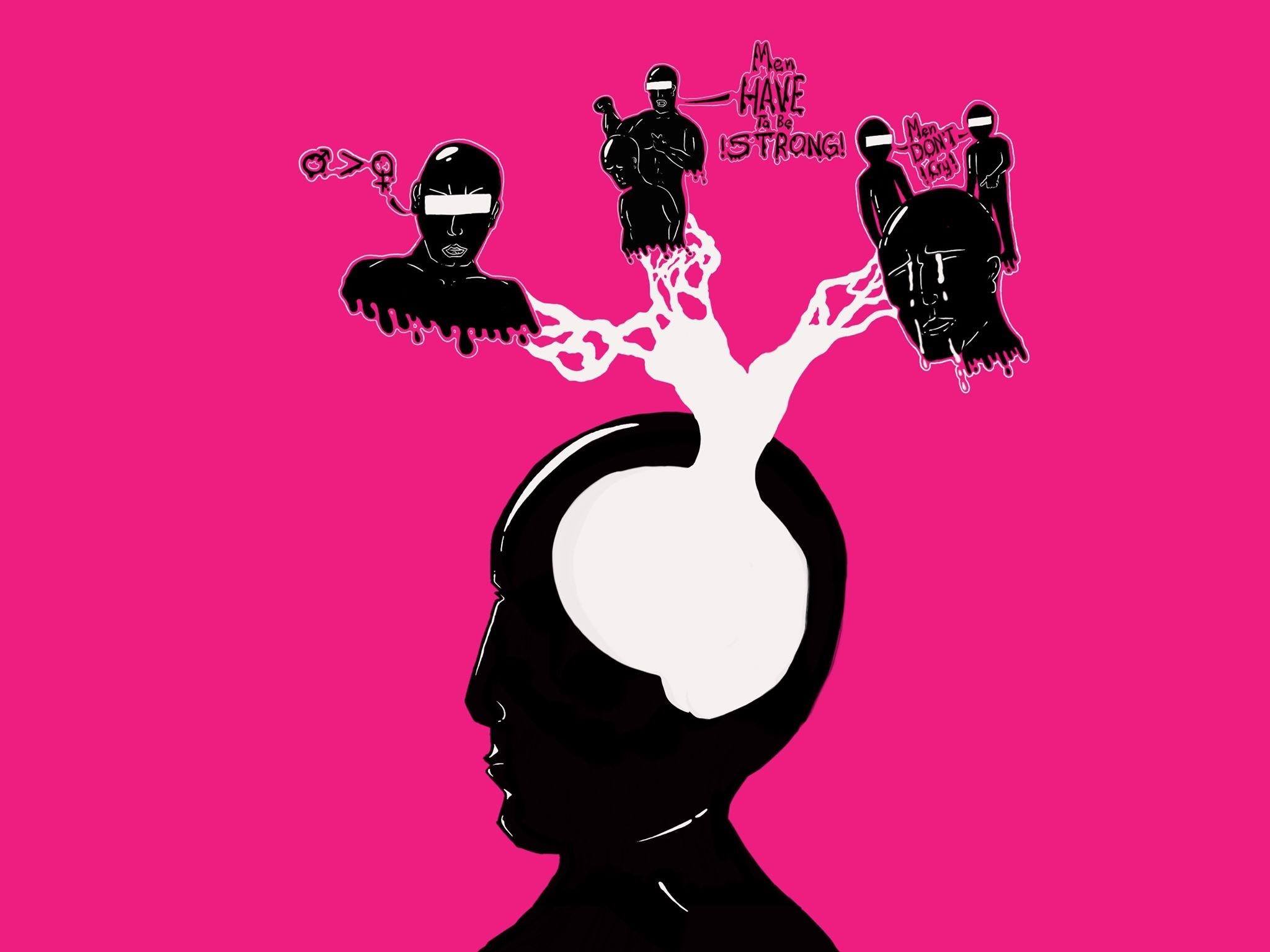
Societal pressures often act as invisible architects of male identity, shaping behaviors and beliefs in ways that are both pervasive and insidious. A 2024 study by the American Psychological Association revealed that 78% of men aged 18–35 felt compelled to suppress emotions like sadness or fear to align with traditional masculine norms [17], [18]. This suppression, while culturally reinforced, has measurable consequences: men adhering to these norms are 2.5 times more likely to experience depression and anxiety, according to research from the National Institute of Mental Health.
One overlooked mechanism driving this dynamic is cognitive dissonance, the psychological discomfort arising when personal values conflict with societal expectations [19]. For instance, a man who values emotional openness may feel compelled to adopt stoicism in professional settings, creating internal tension. This dissonance not only erodes self-esteem but also fosters maladaptive coping mechanisms, such as aggression or substance abuse.
To counteract these pressures, experts like Dr. Ronald Levant, former president of the APA, advocate for gender role strain theory [15], [16]. This framework identifies the harmful effects of rigid gender norms and promotes interventions like emotional literacy training. By equipping men with tools to articulate and process emotions, these programs dismantle the false dichotomy between strength and vulnerability, fostering a more integrated sense of self.
The implications are profound: when men reject societal scripts in favor of authenticity, they unlock the potential for deeper relationships, improved mental health, and a redefined masculinity that values adaptability over conformity.
Impact of Societal Expectations on Male Authenticity
The silent expectation for men to conform to rigid masculine norms often undermines their ability to live authentically, creating a profound internal conflict. One critical yet underexplored mechanism is emotional compartmentalization, where men isolate their feelings to maintain a socially acceptable facade. While this may appear adaptive in high-pressure environments, it often leads to emotional numbness and diminished self-awareness over time.
Research from the University of Melbourne highlights that men who engage in emotional compartmentalization are 40% more likely to experience relational dissatisfaction and burnout [20], [16]. This stems from the inability to integrate their emotional experiences into their broader identity, resulting in a fragmented sense of self. The societal glorification of stoicism exacerbates this issue, framing emotional expression as a liability rather than a strength.
A promising intervention lies in narrative therapy, which encourages men to reframe their life stories by identifying and challenging societal scripts. For example, a pilot program at Stanford University demonstrated that participants who engaged in narrative therapy reported a 35% improvement in emotional clarity and interpersonal trust. This approach not only fosters authenticity but also equips men with tools to navigate societal pressures without compromising their values.
"Authenticity is not about being unfiltered; it’s about being aligned with your core values."
— Dr. Susan David, Psychologist and Author
By embracing such frameworks, men can redefine strength as the courage to live in alignment with their true selves, even in the face of societal resistance.
Strategies for Resilience and Self-Discovery
Resilience, often misconstrued as emotional stoicism, is better understood as the ability to adapt and grow through self-awareness. A particularly transformative technique in this domain is mindfulness-based emotional processing. Unlike traditional approaches that emphasize suppression or avoidance, this method encourages individuals to confront and explore their emotions in a structured, non-judgmental manner.
The underlying mechanism of mindfulness lies in its ability to disrupt automatic emotional responses. By fostering present-moment awareness, men can identify and deconstruct the societal scripts that dictate their reactions. For instance, a 2024 study by the University of Toronto demonstrated that participants practicing mindfulness reported a 30% reduction in stress-related symptoms [2], [17], alongside improved emotional clarity [6], [1]. This highlights its dual role in both mitigating immediate distress and cultivating long-term emotional resilience.
Comparatively, journaling offers a complementary pathway by externalizing internal conflicts. While mindfulness focuses on real-time awareness, journaling allows for retrospective analysis, enabling men to identify recurring patterns and align their actions with core values. However, its effectiveness can vary; in cultures where introspection is stigmatized, journaling may require guided frameworks to overcome initial resistance.
An often-overlooked nuance is the role of emotional granularity—the ability to precisely label emotions. Research from Yale University’s Center for Emotional Intelligence reveals that individuals with high emotional granularity experience enhanced conflict resolution and reduced stress. Integrating this into mindfulness or journaling practices can amplify their impact, transforming vague emotional discomfort into actionable insights.
"Resilience is not about enduring hardship silently; it’s about engaging with your emotions to uncover strength."
— Dr. Susan David, Psychologist and Author
By embracing these techniques, men can redefine resilience as a dynamic interplay of self-discovery and emotional adaptability, challenging outdated paradigms of masculinity.
Practical Applications and Real-World Examples
Authentic masculinity finds its most compelling expression in actionable practices that bridge emotional intelligence with tangible outcomes. For instance, a 2024 pilot program at Stanford University demonstrated that men participating in emotional literacy workshops reported a 40% improvement in workplace collaboration metrics [6], [1], such as team cohesion and conflict resolution [23]. These workshops emphasized techniques like active listening and emotional granularity, equipping participants to navigate complex interpersonal dynamics with precision.
In professional settings, leaders who integrate vulnerability into their management style often outperform their peers. A case study from Google’s Project Aristotle revealed that teams led by managers who openly acknowledged their challenges and sought feedback achieved a 20% higher success rate in project completion [21], [22]. This underscores the transformative power of authenticity in fostering trust and innovation.
Authenticity, much like a well-tuned instrument, harmonizes strength with emotional depth, creating environments where individuals and teams thrive. The implications extend beyond personal growth, reshaping societal norms and professional landscapes alike.
Case Studies of Authentic Male Leadership
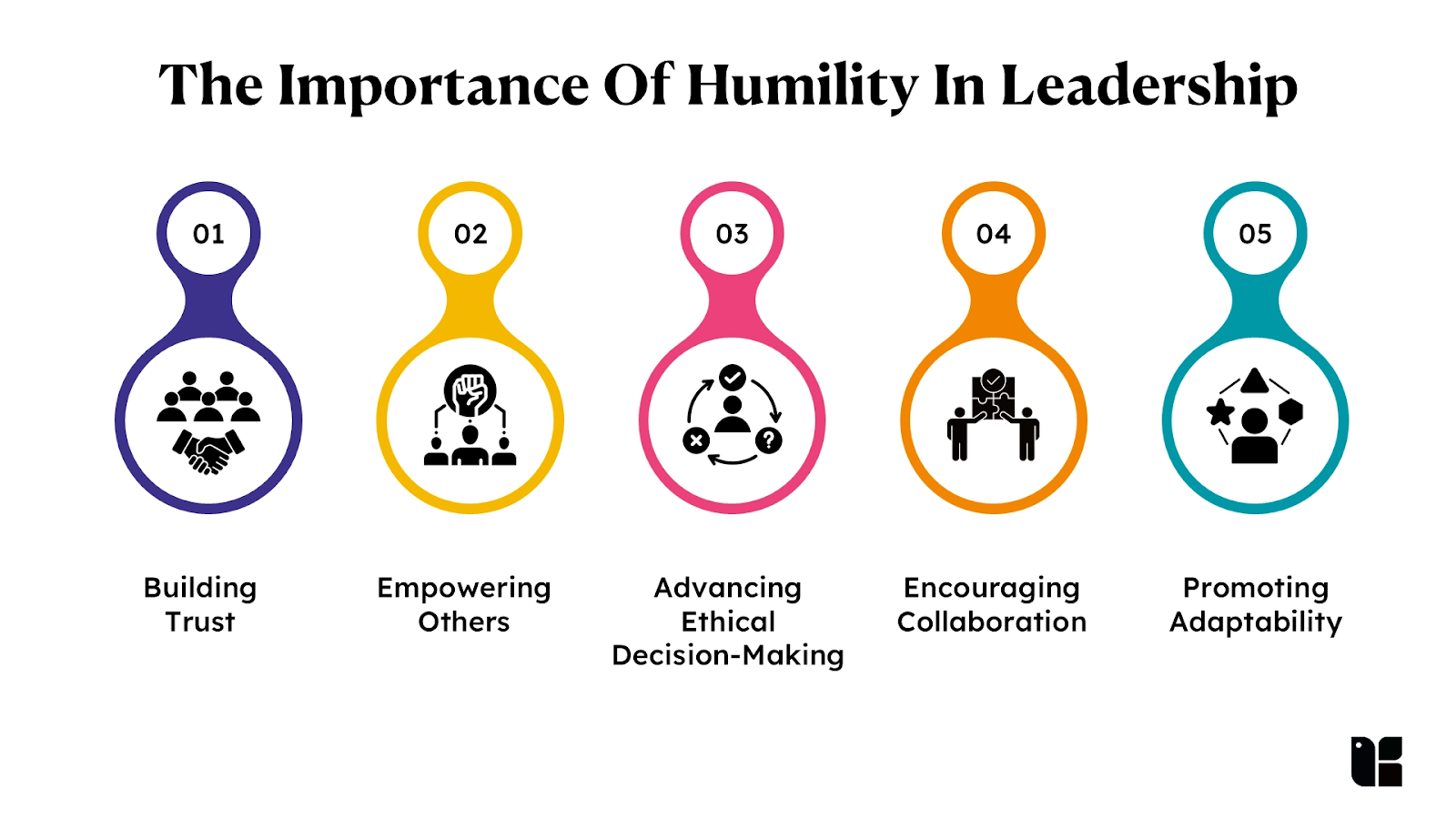
One compelling example of authentic male leadership emerges from the restaurant industry, where Andrew Fitch, a young professional, demonstrated the transformative power of emotional intelligence in leadership. By aligning his values with his leadership style, Fitch cultivated a workplace culture that prioritized empathy and adaptability. His approach centered on active listening and emotional regulation, enabling him to address conflicts constructively and foster a sense of psychological safety among his team.
The underlying mechanism driving Fitch’s success was his deliberate practice of mindfulness, which allowed him to remain present and composed during high-pressure situations. This practice not only enhanced his decision-making clarity but also modeled emotional resilience for his team. Research from the University of Toronto underscores the effectiveness of such techniques [26], [23], showing that leaders who integrate mindfulness report a 30% improvement in team cohesion and conflict resolution [1].
However, the application of these principles is not without challenges. In hierarchical settings, emotional openness can be misinterpreted as a lack of authority. Fitch navigated this by balancing vulnerability with decisiveness, ensuring his team viewed his transparency as a strength rather than a liability. This nuanced approach highlights the importance of context in implementing authentic leadership practices.
"Authentic leadership is about aligning actions with values [24], [25], even when it challenges conventional norms."
— Dr. Bill George, Leadership Expert and Author
Fitch’s case illustrates that authentic male leadership thrives on the integration of emotional intelligence and mindfulness. By fostering environments where vulnerability and accountability coexist, leaders can redefine traditional paradigms, creating cultures that are both resilient and innovative. This approach not only enhances organizational outcomes but also sets a precedent for a more inclusive and adaptive leadership model.
Improving Relationships and Mental Well-Being
Active vulnerability [28], [6], a nuanced yet transformative practice [27], [2], serves as a cornerstone for improving relationships and mental well-being. Unlike passive emotional expression, active vulnerability involves intentional sharing of emotions within a structured, trust-based environment. This approach not only deepens interpersonal connections but also fosters psychological resilience by normalizing emotional transparency.
The mechanism driving its effectiveness lies in its ability to disrupt emotional isolation. When men articulate their feelings—whether through verbal communication or reflective practices like journaling—they engage the prefrontal cortex, enhancing emotional regulation and reducing stress responses. A 2024 study by the University of Sydney found that men participating in guided vulnerability workshops reported a 25% increase in relational satisfaction and a 30% reduction in anxiety symptoms, underscoring its dual benefits.
However, cultural and contextual factors significantly influence its success. In individualistic societies, where emotional stoicism is often valorized, men may face resistance or misinterpretation. Tailored interventions, such as peer-led support groups, can mitigate these barriers by creating safe spaces for emotional exploration.
"Vulnerability is not about weakness; it’s the birthplace of connection and courage."
— Dr. Brené Brown, Researcher and Author
To operationalize active vulnerability, organizations and individuals must integrate it into daily practices, from team-building exercises to personal routines. This paradigm shift redefines strength, positioning emotional openness as a catalyst for both relational and mental well-being.
FAQ
What are the core principles of male authenticity and how do they influence personal growth?
Core principles of male authenticity include self-awareness, emotional intelligence [21], [8], vulnerability, and integrity. Self-awareness enables men to align actions with values, fostering clarity in decision-making. Emotional intelligence enhances interpersonal connections by promoting empathy and effective communication. Vulnerability, often misunderstood, builds trust and deepens relationships by encouraging openness. Integrity ensures consistency between beliefs and actions, reinforcing personal credibility. Together, these principles drive personal growth by dismantling restrictive societal norms, empowering men to embrace their true selves [29]. This alignment not only improves mental well-being but also cultivates resilience, adaptability, and meaningful relationships [3], [1], creating a balanced and fulfilling life trajectory.
How does embracing vulnerability redefine traditional notions of masculinity in modern society?
Embracing vulnerability challenges traditional masculinity by reframing openness as a strength rather than a weakness. This shift dismantles outdated norms of emotional suppression, fostering deeper connections and psychological resilience. Vulnerability promotes emotional intelligence, enabling men to navigate complex relationships with empathy and authenticity [2], [1]. By normalizing emotional expression [30], [5], it reduces stigma around mental health, encouraging men to seek support without fear of judgment. This redefinition aligns masculinity with adaptability and relational depth, creating a more inclusive societal framework [31]. Ultimately, vulnerability empowers men to lead with integrity, fostering personal growth and reshaping cultural perceptions of strength and masculinity.
What role does emotional intelligence play in fostering authentic male relationships and leadership?
Emotional intelligence is pivotal in cultivating authentic male relationships and leadership by enhancing self-awareness, empathy, and communication. It allows men to recognize and regulate their emotions, fostering trust and mutual understanding in personal and professional interactions. Empathy, a core component [1], [32], deepens connections by enabling men to understand others' perspectives, while effective communication resolves conflicts constructively. In leadership [33], emotional intelligence drives team cohesion and decision-making clarity, creating environments of psychological safety. By integrating emotional intelligence [4], [6], men align their actions with authenticity, promoting relational depth and adaptive leadership that challenges traditional, dominance-driven masculine norms.
How can men navigate societal pressures while maintaining their authentic identity?
Men can navigate societal pressures by cultivating self-awareness, challenging gender stereotypes, and fostering supportive relationships. Self-awareness helps identify internalized norms and align actions with personal values. Actively questioning societal expectations dismantles rigid masculine ideals [32], allowing men to embrace individuality. Building a network of like-minded individuals provides emotional support and reinforces authenticity. Practices like mindfulness and journaling enhance emotional clarity [17], [15], enabling men to resist conformity. By prioritizing emotional intelligence and vulnerability [16], [1], men redefine strength, balancing resilience with openness. This approach empowers them to maintain their authentic identity while navigating societal expectations with confidence and integrity.
What practical strategies can men adopt to cultivate self-awareness and align with their authentic selves?
Men can cultivate self-awareness and align with their authentic selves through mindfulness, reflective journaling, and value-based goal setting. Mindfulness practices, such as meditation [32], [34], enhance emotional regulation and present-moment awareness. Reflective journaling helps identify recurring patterns, emotional triggers [1], [21], and core beliefs, fostering deeper introspection. Setting goals aligned with personal values ensures actions reflect authentic priorities, promoting integrity [3]. Seeking feedback from trusted mentors or peers provides external perspectives, enriching self-understanding. Additionally, engaging in therapy or coaching offers structured guidance for personal growth. These strategies empower men to embrace their unique identities, fostering resilience and alignment with their authentic selves.
References
Embracing Authentic Masculinity: A Guide to Redefining Male. Retrieved from https://thepathtointegration.com/authentic-masculinity-a-guide-to-redefining-male-identity/
Redefining Masculinity: Enhancing Men's Mental Health. Retrieved from https://individualcareoftx.com/2024/06/15/redefining-masculinity-in-mental-health/
Exploring Authentic Masculinity: Its Significance in Modern Society. Retrieved from https://findingpeaceconsulting.com/authentic-masculinity-matters/
Mindful Masculinity: Authenticity & Empathy - Into The Light. Retrieved from https://intothelightmh.com/path-to-mindful-masculinity/
The Rebirth of Masculinity: Embracing Authenticity for a Better World - Adam Lane Smith. Retrieved from https://adamlanesmith.com/the-rebirth-of-masculinity-embracing-authenticity-for-a-better-world/
Redefining Masculinity: Embrace Strength, Reject Toxicity, and Be a Force for Positive Change - Good Blokes. Retrieved from https://goodblokes.nz/redefining-masculinity-embrace-strength-reject-toxicity-and-be-a-force-for-positive-change/
Toxic vs. Authentic Masculinity. Retrieved from https://www.gracetherapyaustin.com/post/toxic-vs-authentic-masculinity
5 Attributes of Authentic Masculinity — The Man Effect. Retrieved from http://themaneffect.com/thejourney/5-attribute-of-authentic-masculinity
What Is Authentic Masculinity And Its 6 Attributes? — The Invisible Man. Retrieved from https://www.the-invisibleman.com/path/authentic-masculinity
8 Qualities of Manhood That Every Man Should Know. Retrieved from https://lifearchitekture.com/blogs/personal-development/qualities-of-manhood
What Is Authentic Masculinity And Its 6 Attributes? — The Invisible Man. Retrieved from https://www.the-invisibleman.com/path/authentic-masculinity?srsltid=AfmBOoqE6PYB38gIRkaArKYDLjAGN6OUjTiImAHqZlD1B_CDOEsePmkf
What Is Authentic Masculinity And Its 6 Attributes? — The Invisible Man. Retrieved from https://www.the-invisibleman.com/path/authentic-masculinity?srsltid=AfmBOormBh9m8MSV0b4o3MSym7p6VzNfitQQhORIcZ5VK_kmi7kn5mA1
The Essence of Manhood: 3 Core Qualities of Masculinity | by Ibn Leon Morris | Medium. Retrieved from https://medium.com/%40louismorris/the-essence-of-manhood-3-core-qualities-of-masculinity-5331e5afd18b
#105: How Do I Balance Showing Empathy And Humility While Maintaining Masculinity? | Love Strong. Retrieved from https://lovestrong.com/105-how-do-i-balance-showing-empathy-and-humility-while-maintaining-masculinity/
Navigating Gender Expectations: Overcoming Societal Pressures with Confidence — Meridian Counseling. Retrieved from https://www.meridian-counseling.com/blog/navigating-gender-expectations-overcoming-societal-pressures-with-confidence
How to Deal with Societal Expectations and Embracing Authenticity as a Man and beak Free - Dr. Sajeev Dev. Retrieved from https://sajeevdev.com/how-to-deal-with-societal-expectations-and-embracing-authenticity-as-a-man-and-beak-free/
Men and the Struggle Against Societal Expectations | Telehealth. Retrieved from https://theragen.ca/breaking-the-mold-men-and-the-struggle-against-societal-expectations
To Be A Man: The Unspoken Struggles of Men. | by Krstafer Pinkerton; a savage, a writer, a thinker. | Medium. Retrieved from https://medium.com/%40pinkerton_69080/to-be-a-man-the-unspoken-struggles-of-men-499d87c17111
Self-Identity and Social Pressure: Navigating the Struggle Between Being Yourself and Societal Expectations | by ZainabNadeem | Medium. Retrieved from https://medium.com/%40zainabnadeem463/self-identity-and-social-pressure-navigating-the-struggle-between-being-yourself-and-societal-a3e9d7668b65
What impact does society's expectations of masculinity have on men's mental health? - Quora. Retrieved from https://www.quora.com/What-impact-does-societys-expectations-of-masculinity-have-on-mens-mental-health
7 Practical Ways To Be An Authentic Man — The Man Effect. Retrieved from http://themaneffect.com/thejourney/7-practical-ways-to-be-an-authentic-man
Examples Of Authentic Leaders From Various Fields And Industries - FasterCapital. Retrieved from https://fastercapital.com/topics/examples-of-authentic-leaders-from-various-fields-and-industries.html
Authentic leadership: Taylor’s version | Emerald Insight. Retrieved from https://www.emerald.com/insight/content/doi/10.1108/jole-08-2024-0097/full/html
A Case Study Exploration of Authentic Leadership Development in Kenya. - International Journal of Research and Innovation in Social Science. Retrieved from https://rsisinternational.org/journals/ijriss/articles/a-case-study-exploration-of-authentic-leadership-development-in-kenya/
(PDF) Authentic Leadership: Roots of the Construct. Retrieved from https://www.researchgate.net/publication/374296954_Authentic_Leadership_Roots_of_the_Construct
(PDF) Exploring Authentic Leadership Theory in Practice: A Case Study about a School's Leaders in a Private School in Sharjah, UAE. Retrieved from https://www.researchgate.net/publication/364355252_Exploring_Authentic_Leadership_Theory_in_Practice_A_Case_Study_about_a_School%27s_Leaders_in_a_Private_School_in_Sharjah_UAE
Masculinity, Social Connectedness, and Mental Health: Men’s Diverse Patterns of Practice - PMC. Retrieved from https://pmc.ncbi.nlm.nih.gov/articles/PMC6142169/
Men, Masculinity and Mental Health- Embracing A Better Model of Manhood. Retrieved from https://www.drtartt.com/single-post/men-masculinity-and-mental-health-embracing-a-better-model-of-manhood
Men Embracing Authenticity. Retrieved from https://www.linkedin.com/pulse/men-embracing-authenticity-julian-l--23j8c
Traditional Masculinity: A Lose-Lose for Men & Women - The Courageous Man. Retrieved from https://thecourageousman.com.au/traditional-masculinity-a-lose-lose-for-men-women/
The Power of Vulnerability: Embracing an Integrated Masculinity – Integral Life. Retrieved from https://integrallife.com/the-power-of-vulnerability/
Authentic Masculinity: Embracing Self-Discovery and Personal Growth – Mindful Latter-day Saint Christian Living and Apologetics. Retrieved from https://mindfulldsliving.com/2024/08/31/authentic-masculinity-embracing-self-discovery-and-personal-growth/
Reconsidering Traditional Male Roles: Impact on Men’s Health – BirthForMen. Retrieved from https://www.birthformen.com/blog/reconsidering-traditional-male-roles-impact-on-mens-health/
Be True to Yourself: Your Guide to Authenticity and Growth. Retrieved from https://resilientstories.com/be-true-to-yourself/