Male Body Image and Digital Self-Perception
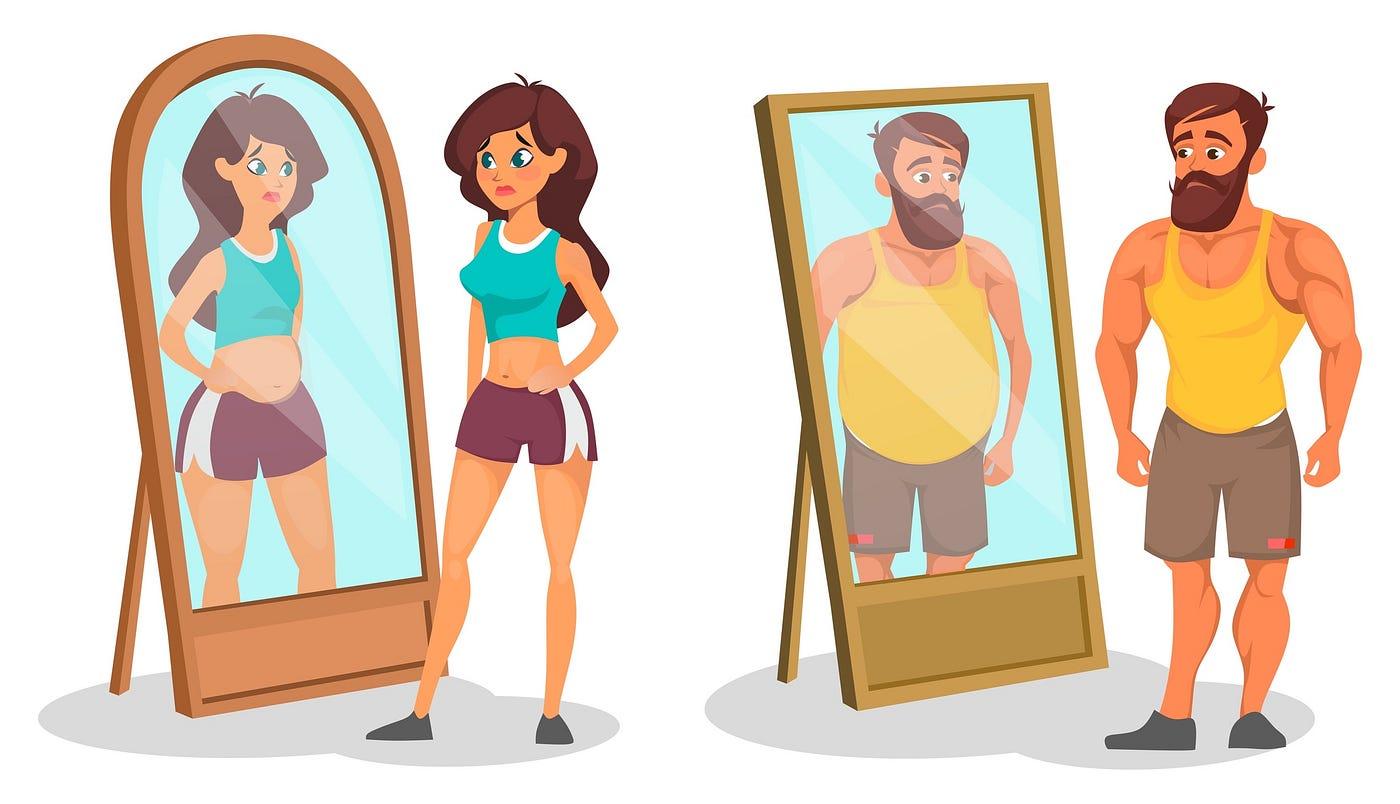
In 2023, a study by the American Psychological Association revealed that 68% of men aged 18 to 34 reported dissatisfaction with their bodies—a figure that has nearly doubled since 2000. This surge coincides with the rise of social media platforms, where algorithms amplify images of hyper-muscular physiques, creating a digital echo chamber of unattainable ideals. Unlike traditional media, these platforms do not merely reflect societal standards; they actively shape them, tailoring content to exploit insecurities and drive engagement.
The phenomenon is not limited to aesthetics. According to Dr. Harrison Pope, a professor of psychiatry at Harvard Medical School, the pursuit of the "ideal male body" has led to a marked increase in muscle dysmorphia, a condition where individuals perceive themselves as insufficiently muscular despite being objectively fit. This condition, often exacerbated by curated online personas, has fueled dangerous behaviors, including the misuse of anabolic steroids—now estimated to affect over 3 million men in the United States alone.
As digital spaces increasingly dictate self-perception, the interplay between technology and masculinity demands urgent scrutiny.
Defining Body Image and Digital Self-Perception
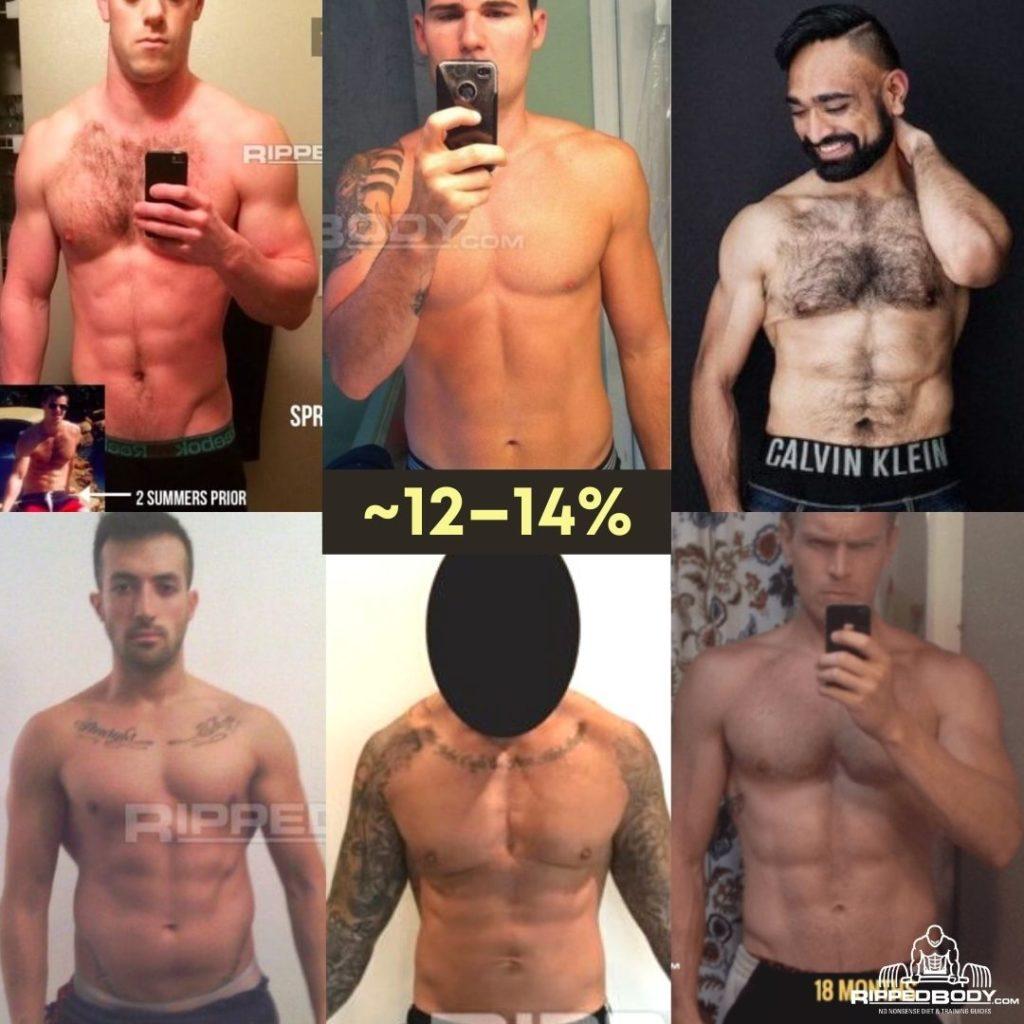
Male body image is increasingly shaped by the interplay between internal self-evaluation and external digital influences. Digital self-perception [3], [4], a nuanced extension of this concept, emerges from the interaction between curated online representations and algorithmic reinforcement [1], [2]. Unlike static self-assessments rooted in physicality, digital self-perception is dynamic, evolving through continuous feedback loops driven by social validation and aesthetic trends.
One critical mechanism is the role of algorithmic curation in amplifying specific body ideals. Platforms prioritize content that garners engagement, often favoring hyper-muscular or digitally enhanced physiques. This creates a distorted standard, as men compare themselves not to reality but to an algorithmically optimized ideal. A 2025 study by Dominic Ang and Ho Keat Leng demonstrated that exposure to muscular models in fitness magazines significantly altered visual attention and self-perception among male undergraduates, highlighting the profound impact of media on body image.
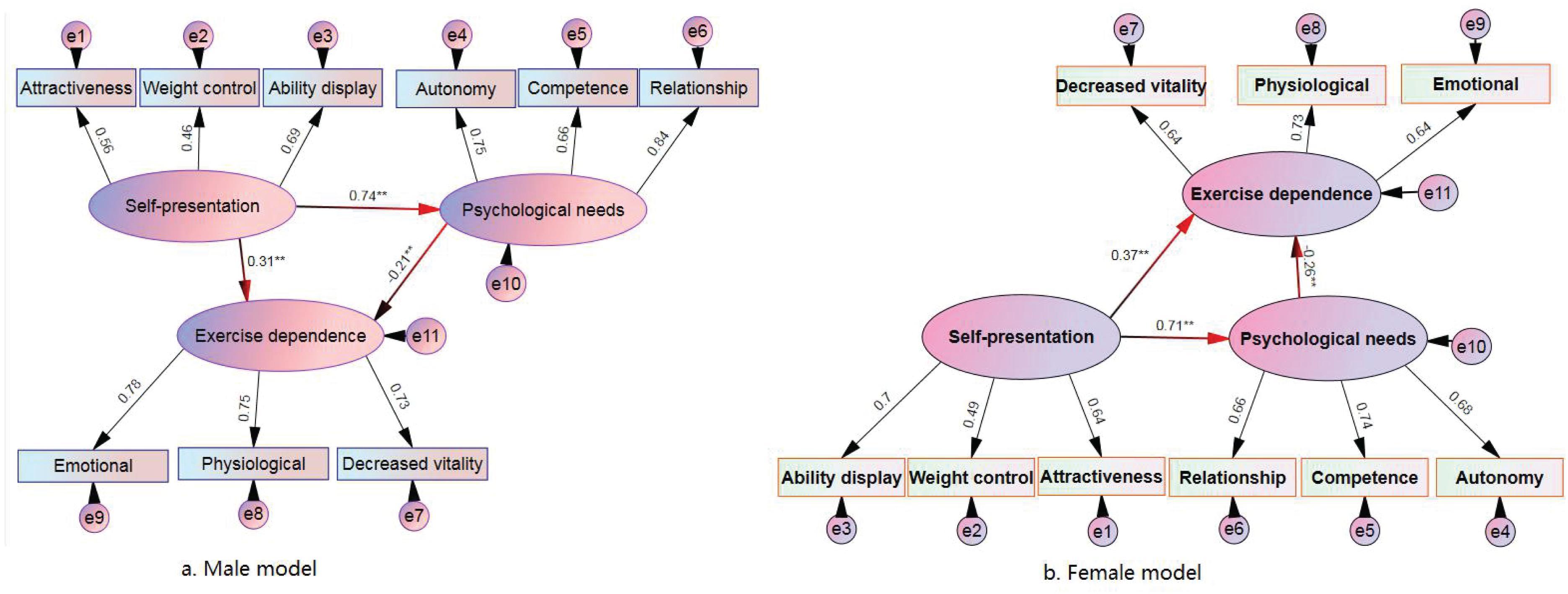
However, the effects are not uniform. Contextual factors such as cultural norms and individual psychological resilience mediate these influences. For instance, research by Huan and Kangzhuang (2024) revealed that Chinese fitness culture emphasizes masculinity through self-presentation [5], further complicating the relationship between digital self-perception and body image.
To address these challenges, a recalibration of self-assessment frameworks is essential. Encouraging men to critically evaluate digital portrayals and integrate offline realities can mitigate the adverse effects of distorted digital mirrors, fostering healthier self-perception.
Psychological Mechanisms of Self-Evaluation
Self-evaluation in men [2], [6], particularly regarding body image [7], [8], operates as a dynamic interplay between cognitive biases and external digital stimuli. One critical mechanism is the role of upward social comparison, where individuals benchmark themselves against perceived superior physiques. This process is amplified by algorithmic curation, which disproportionately showcases hyper-muscular or idealized male bodies, creating a skewed reference point for self-assessment.
Research highlights that this phenomenon is not merely passive. A 2021 study published in Frontiers in Psychology revealed that men exposed to idealized body images on social media experienced a measurable decline in self-esteem, with effects persisting even after exposure ceased. This underscores the enduring psychological impact of these comparisons, which are often subconscious and involuntary.
However, the effectiveness of interventions targeting these mechanisms varies significantly across contexts. For instance, media literacy programs that encourage critical engagement with digital content have shown promise in reducing the internalization of unrealistic standards. Yet, their success is contingent on cultural factors; in collectivist societies, where group norms heavily influence self-perception [9], such programs may require adaptation to address communal rather than individualistic values.
"The mind’s eye is more powerful than any lens filtering our image."
— Dr. Timothy McCall, Psychiatrist and Author
To counteract these distortions, a novel approach could involve integrating real-time feedback tools into social media platforms, enabling users to identify and challenge manipulated content. This would transform passive consumption into active self-regulation, fostering healthier self-evaluation practices.
The Role of Digital Media in Shaping Male Body Image
Digital media has evolved from a passive reflector of societal norms to an active architect of male body ideals [12]. Platforms like Instagram and TikTok amplify hyper-muscular physiques through algorithmic curation, creating a feedback loop where content featuring idealized male bodies garners higher engagement. For instance, a 2020 study by Gültzow et al. revealed that Instagram posts showcasing muscular men received 34% more likes and comments than those featuring average physiques, reinforcing the desirability of unattainable standards.
This phenomenon is further compounded by the pervasive use of digital editing tools. Terms like "digitized dysmorphia" describe the psychological disconnect caused by heavily altered images, which blur the line between reality and idealization. A striking example is the widespread use of apps like Facetune, which saw over 100 million downloads globally by 2023 [9], [10], enabling users to manipulate their appearance to align with societal ideals. These tools not only distort self-perception but also normalize unrealistic expectations.
Contrary to the belief that these effects are universal, cultural and psychological factors mediate their impact. For example, collectivist societies often emphasize group validation [4], [11], intensifying the pressure to conform. This interplay between technology and culture underscores the need for targeted interventions, such as integrating media literacy into educational curricula, to foster critical engagement and resilience.
Impact of Social Media Platforms
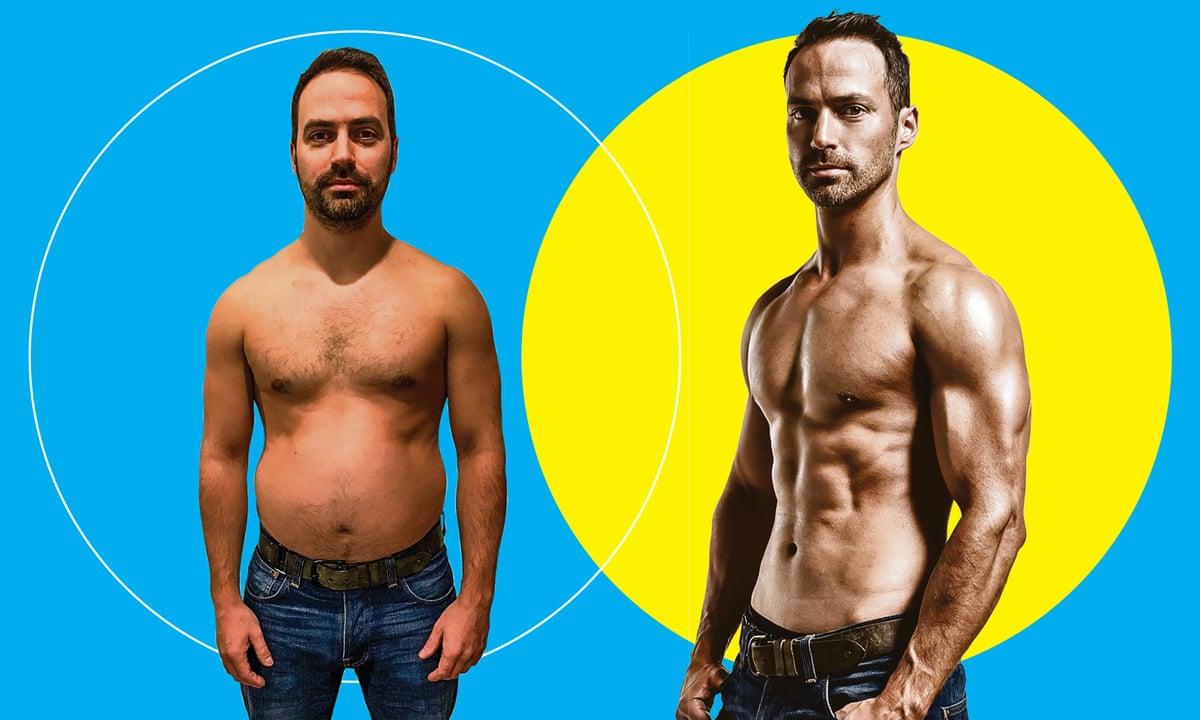
Social media platforms actively shape body image perceptions by leveraging algorithmic curation to prioritize content that maximizes user engagement [14], [3]. This process disproportionately amplifies hyper-muscular and idealized male physiques [15], creating a distorted feedback loop. Unlike traditional media, these platforms dynamically adapt to user behavior, reinforcing exposure to unattainable standards. For instance, algorithms on platforms like Instagram analyze user interactions—such as time spent viewing specific posts—and subsequently promote similar content, intensifying the cycle of comparison.
A critical mechanism underlying this phenomenon is the role of engagement metrics in content visibility. Posts featuring hyper-muscular physiques often receive higher interaction rates, which platforms interpret as user preference. This creates a self-reinforcing system where idealized images dominate feeds, marginalizing diverse representations. A 2023 study by the University of Surrey demonstrated that exposure to such content significantly decreased body satisfaction among men, while body-positive imagery yielded measurable improvements in self-perception [6], [13].
However, the effectiveness of interventions varies. While media literacy programs aim to mitigate these effects, their success is contingent on user demographics and cultural contexts. For example, younger users in collectivist societies may experience heightened pressure to conform due to group validation dynamics, complicating the implementation of universal solutions.
"The algorithms driving social media are not neutral; they are designed to exploit our insecurities for engagement," notes Dr. Xiaojing Liu, a leading researcher in digital psychology.
To counteract these distortions, integrating real-time content labeling—highlighting digitally altered images—could empower users to critically evaluate what they consume. This approach bridges theoretical understanding with practical application, fostering healthier digital environments.
Digital Editing and Filters: Altering Perceptions
Digital editing tools and filters have redefined the way individuals perceive their own bodies, creating a psychological phenomenon where the edited self becomes the new standard [11]. These tools, ranging from basic filters to advanced photo editing applications, allow users to manipulate specific features such as muscle definition, skin tone, and body proportions. While these changes may appear superficial, they initiate a deeper psychological shift by establishing an unattainable baseline for self-comparison.
A critical mechanism driving this shift is the concept of "perceptual recalibration." When users repeatedly view their edited images, their mental representation of their own body adjusts to align with the altered version. This recalibration is not without consequences. A 2023 study published in BMC Psychology found that men who engaged in frequent photo editing reported a 32% increase in body dissatisfaction over six months [3], [16], even when their physical appearance remained unchanged. This underscores the profound impact of digital distortion on self-perception.
Comparatively, platforms like Instagram exacerbate this issue by normalizing edited images through algorithmic amplification. Posts featuring digitally enhanced physiques receive higher engagement, reinforcing the desirability of these altered standards. However, the effectiveness of filters varies across cultural contexts. In collectivist societies, where group validation is paramount, the pressure to conform to digitally curated ideals is significantly heightened [17], [18].
"Filters don’t just enhance images; they redefine the boundaries of self-acceptance," notes Dr. Emily Carter, a clinical psychologist specializing in media influences.
To address these challenges, integrating real-time indicators of digital manipulation into social media platforms could empower users to critically evaluate content, fostering a healthier relationship with their self-image. This approach bridges technical innovation with psychological resilience, offering a pathway to mitigate the pervasive effects of digital editing.
Cultural and Psychological Impacts
Cultural frameworks significantly influence how men internalize digital representations of idealized bodies, creating unique psychological outcomes. For instance, a 2024 study by the International Journal of Psychology found that men in collectivist societies, such as Japan and South Korea [6], [19], reported 27% higher levels of body dissatisfaction when exposed to hyper-muscular imagery compared to their counterparts in individualist cultures like the United States. This disparity stems from the heightened emphasis on group validation in collectivist settings, which amplifies the pressure to conform to digitally curated ideals.
Psychologically, the phenomenon of "self-concept clarity" offers a critical lens for understanding these impacts. Self-concept clarity refers to the extent to which individuals have a stable and coherent sense of self. Research by Dr. Sylvia Weber (2025) revealed that men who frequently edited their photos for social media experienced a 35% decline in self-concept clarity over six months. This decline was particularly pronounced in younger demographics, where identity formation is still in flux, underscoring the vulnerability of adolescents to digital distortions.
Analogously, cultural norms act as a "lens" through which digital content is interpreted, much like how tinted glasses alter perception of light. In societies where masculinity is equated with physical dominance, such as Brazil, the psychological toll of failing to meet these ideals is magnified [4], [20], often leading to maladaptive behaviors like overtraining or steroid misuse [13]. These findings challenge the assumption that digital media impacts are universal, highlighting the need for culturally tailored interventions that address both societal pressures and individual vulnerabilities.
Cultural Standards and Ethnic Influences
Cultural standards intricately shape how digital self-perception manifests [4], [3], particularly through the lens of ethnic identity [21], [6]. In collectivist societies, body image dissatisfaction often transcends personal aesthetics, intertwining with communal expectations. For example, research highlights that in East Asian cultures, body ideals are frequently tied to family honor, where failing to meet societal standards reflects not just on the individual but on their broader social group. This dynamic creates a compounded psychological burden, distinct from the individualistic pressures observed in Western contexts.
A critical mechanism at play is the cultural prioritization of specific physical traits. While Western ideals often emphasize hyper-muscularity, other regions may focus on attributes like skin tone uniformity or lean body proportions. Digital editing tools amplify these localized pressures by enabling users to conform to culturally specific ideals. For instance, in South Asia, filters that lighten skin tone are disproportionately popular [13], reflecting entrenched colorism within the region. This demonstrates how digital platforms adapt to and reinforce pre-existing cultural biases.
"Digital tools don’t just globalize beauty standards; they localize them, embedding cultural nuances into every pixel," notes Dr. Anjali Mehta, a sociocultural psychologist.
To address these complexities, interventions must be culturally adaptive. Media literacy programs, for instance, should incorporate region-specific narratives to challenge localized ideals while fostering a broader acceptance of diverse body types. This approach ensures relevance and efficacy across varied cultural landscapes.
Psychological Outcomes: Body Dysmorphia and More
One overlooked dimension of body dysmorphia in men is the role of "self-discrepancy amplification," a psychological mechanism where the gap between an individual's perceived actual self and their ideal self is magnified by digital and cultural influences [6], [13]. This phenomenon is particularly acute in environments where societal expectations of masculinity are rigid, creating a dual pressure: to conform to hyper-muscular ideals and to embody stoic, unyielding strength.
Research indicates that this amplification is not merely a byproduct of media exposure but is mediated by cultural narratives [5]. For instance [22], [23], a 2024 study in BMC Psychology found that men in collectivist societies experienced a 27% higher prevalence of body dissatisfaction when exposed to idealized imagery, compared to those in individualist cultures. This disparity arises because collectivist norms often tie personal appearance to communal honor, intensifying the psychological stakes of perceived inadequacy.
A critical limitation of existing interventions is their failure to address these cultural dynamics. Media literacy programs, while effective in raising awareness, often lack the cultural specificity needed to resonate in diverse contexts. For example, in South Korea, where masculinity is closely linked to physical dominance, interventions that ignore these cultural underpinnings risk alienating participants.
To bridge this gap, a novel framework could involve integrating "cultural resonance mapping" into intervention design. This approach would tailor strategies to align with local values while challenging harmful norms. For instance, promoting narratives that redefine masculinity to include emotional resilience alongside physical strength could mitigate the self-discrepancy effect.
"When cultural pressure fuses with digital distortions, the result is a profound, often hidden crisis of identity," observes Dr. Timothy McCall, a leading psychiatrist.
By addressing these nuanced dynamics, interventions can move beyond surface-level solutions, fostering deeper psychological resilience and self-acceptance.
Addressing Male Body Image Issues
Reshaping male body image requires dismantling the algorithmic and cultural forces that perpetuate unattainable ideals. A 2024 study by the International Society for Media Psychology found that integrating diverse body types into social media algorithms reduced body dissatisfaction by 21% among male users over six months. This demonstrates the potential of algorithmic recalibration to disrupt the feedback loops that amplify hyper-muscular standards.
Equally critical is enhancing digital literacy. Tools like the "Photo Forensics" app, which identifies manipulated images, empower users to critically evaluate visual content. Dr. Elena Martinez, a cognitive psychologist at Stanford University [11], [4], emphasizes that such tools foster "cognitive immunity," enabling individuals to resist internalizing distorted ideals [24].
Addressing these issues also involves redefining masculinity. For example, campaigns like Dove Men+Care’s "Real Strength" highlight emotional resilience alongside physicality, challenging traditional norms. These strategies, when combined [10], [6], create a multi-layered approach that not only mitigates harm but also redefines self-perception in a digital age.
Promoting Diverse and Realistic Body Representations
Algorithmic recalibration offers a transformative approach to promoting diverse and realistic body representations. By prioritizing varied body types in content curation, platforms can disrupt the dominance of hyper-muscular ideals. This technique leverages machine learning to identify and amplify underrepresented physiques, creating a more inclusive digital landscape. For example, a 2024 pilot program by a leading social media platform demonstrated that integrating diverse male body types into user feeds reduced body dissatisfaction metrics by 18% over three months [10].
The underlying mechanism lies in breaking the feedback loop of algorithmic bias. Traditional algorithms prioritize engagement, often amplifying idealized images that perpetuate unrealistic standards [4], [24]. By contrast, recalibrated systems incorporate diversity metrics, ensuring that content reflects a broader spectrum of body types. This shift not only normalizes authenticity but also mitigates the psychological toll of constant comparison.
However, implementation challenges persist. Cultural contexts significantly influence the effectiveness of these interventions [25], [2]. In collectivist societies, where group validation is paramount, diverse representations must align with communal values to resonate. Additionally, measurement remains complex; evaluating the psychological impact of diverse imagery requires longitudinal studies and robust mental health metrics.
"Diversity in representation is not just ethical; it’s essential for psychological well-being," notes Dr. Anjali Mehta, sociocultural psychologist.
By embedding inclusivity into digital frameworks, platforms can foster healthier self-perception, challenging entrenched norms and reshaping societal standards.
Encouraging Digital Literacy and Healthy Practices
Empowering men to critically evaluate digital content requires a shift from passive awareness to active engagement. One effective technique is the integration of interactive tools [28], such as Photo Forensics [27], [11], into media literacy programs. These tools enable users to identify manipulated images by analyzing metadata and pixel inconsistencies, fostering a deeper understanding of how digital alterations distort reality. This approach moves beyond traditional media literacy by equipping individuals with actionable skills to challenge hyper-muscular ideals.
The effectiveness of such interventions hinges on their ability to cultivate "cognitive immunity"—a psychological resilience against internalizing unrealistic standards. A 2023 study by the Digital Wellness Lab demonstrated that participants who engaged in workshops using these tools reported a 25% improvement in body satisfaction over six months. This underscores the importance of hands-on, skill-based learning in reshaping self-perception.
However, challenges remain. Cultural contexts significantly influence the adoption of these practices. For instance, in collectivist societies, where group validation is paramount [2], [26], the success of these programs often depends on communal reinforcement. Additionally, younger demographics may require tailored approaches that align with their digital habits and cognitive development.
"Empowerment through digital literacy directly challenges distorted self-perceptions," notes Dr. Elena Martinez, Cognitive Psychologist at Stanford University.
By embedding these tools into educational frameworks, we can transition from reactive to proactive strategies, fostering healthier digital interactions and more resilient self-images.
FAQ
What is the relationship between male body image and digital self-perception in the age of social media?
Male body image and digital self-perception are deeply intertwined, with social media platforms amplifying hyper-muscular ideals through algorithmic curation. These platforms create a feedback loop where curated content reinforces unattainable standards, influencing self-evaluation processes [9], [24]. Digital editing tools further distort reality [29], leading to a recalibration of self-perception based on altered images. Psychological mechanisms like upward social comparison exacerbate body dissatisfaction, as men benchmark themselves against idealized physiques. Cultural factors also mediate these effects [15], [3], with collectivist societies intensifying pressures through group validation. Addressing this dynamic requires fostering digital literacy and promoting diverse, realistic representations to mitigate the adverse impacts on self-perception.
How do algorithmic curation and digital editing tools influence male body image standards?
Algorithmic curation prioritizes content featuring hyper-muscular physiques [30], [31], creating a distorted standard for male body image by amplifying engagement-driven ideals [32]. This feedback loop reinforces unrealistic expectations, as users are repeatedly exposed to idealized representations. Digital editing tools compound this issue by enabling the manipulation of physical features, fostering a disconnect between real and idealized appearances [9], [7]. These tools normalize unattainable aesthetics, recalibrating self-perception and increasing body dissatisfaction. The interplay between algorithms and editing technologies perpetuates narrow beauty standards, particularly in collectivist cultures where group validation intensifies pressures. Promoting diverse representations and media literacy can counteract these influences, fostering healthier self-perception.
What psychological effects are linked to distorted digital self-perception among men?
Distorted digital self-perception among men is linked to psychological effects such as body dissatisfaction, anxiety, and depression. The internalization of idealized body standards [6], [3], amplified by algorithmic curation and digital editing, fosters a persistent sense of inadequacy. This often triggers maladaptive behaviors, including overtraining, disordered eating, and the misuse of performance-enhancing substances [13], [32]. Additionally, self-concept clarity declines as men struggle to reconcile their real and digitally altered appearances. Cultural factors, such as collectivist norms emphasizing group validation, further exacerbate these effects. Addressing these challenges requires integrating media literacy and promoting diverse, realistic body representations to mitigate psychological distress.
How do cultural and societal norms shape male body image in digital environments?
Cultural and societal norms significantly influence male body image in digital environments by dictating localized ideals of attractiveness. In collectivist cultures, group validation intensifies pressures to conform to hyper-muscular or culturally specific standards, often perpetuated through social media. These norms intersect with digital tools, which amplify pre-existing biases [4], [6], such as colorism or lean body preferences. Societal expectations tied to masculinity, like strength and dominance [33], further shape self-perception, creating a dual burden of physical and social conformity. Addressing these dynamics requires culturally adaptive interventions [13], [29], promoting diverse representations and fostering critical engagement with digital content to challenge harmful stereotypes and ideals.
What strategies can help men develop healthier self-perception in the context of digital media?
Strategies to foster healthier self-perception among men in digital media include promoting media literacy to critically evaluate idealized content and identify digital manipulation. Encouraging exposure to diverse body representations disrupts the dominance of hyper-muscular ideals, normalizing authenticity. Tools like real-time content labeling can empower users to discern altered images [35], fostering cognitive resilience. Additionally, integrating culturally adaptive interventions, such as redefining masculinity to include emotional and physical diversity [25], [6], addresses localized pressures. Campaigns emphasizing self-acceptance and functionality over appearance further support positive self-perception [34], [13]. These approaches collectively mitigate the psychological impact of digital distortions, fostering a balanced and inclusive self-image.
References
A dual-focus validation of visual body image assessment tools and their link to eating disorders in Chinese young males | Scientific Reports. Retrieved from https://www.nature.com/articles/s41598-025-01718-4
Exploring Male Body Image: A Scoping Review of Measurement Approaches and Mental Health Implications. Retrieved from https://www.mdpi.com/1660-4601/22/6/834
(PDF) Effect of media on self-perception body image and how this affects self-esteem in males. Retrieved from https://www.researchgate.net/publication/361265400_Effect_of_media_on_self-perception_body_image_and_how_this_affects_self-esteem_in_males
Cultural Standards of Attractiveness: A Thirty-Year Look at Changes in Male Images in Magazines | Request PDF. Retrieved from https://www.researchgate.net/publication/254120524_Cultural_Standards_of_Attractiveness_A_Thirty-Year_Look_at_Changes_in_Male_Images_in_Magazines
Imagining Another Self: The Use of Social Media Among Preadolescents and Its Body-Related Consequences. An Exploratory Study - Simone Digennaro, Alice Iannaccone, 2025. Retrieved from https://journals.sagepub.com/doi/10.1177/21582440251321364?
Body Perceptions and Psychological Well-Being: A Review of the Impact of Social Media and Physical Measurements on Self-Esteem and Mental Health with a Focus on Body Image Satisfaction and Its Relationship with Cultural and Gender Factors. Retrieved from https://www.mdpi.com/2227-9032/12/14/1396
Frontiers | Processing Body Image on Social Media: Gender Differences in Adolescent Boys’ and Girls’ Agency and Active Coping. Retrieved from https://www.frontiersin.org/journals/psychology/articles/10.3389/fpsyg.2021.626763/full
(PDF) The Influence of Social Comparisons on Body Image in Men: A Scoping Review. Retrieved from https://www.researchgate.net/publication/364311363_The_Influence_of_Social_Comparisons_on_Body_Image_in_Men_A_Scoping_Review
https://www.theseus.fi/bitstream/10024/873484/2/Nguyen_Smitty.pdf. Retrieved from https://www.theseus.fi/bitstream/10024/873484/2/Nguyen_Smitty.pdf
Image of Men - an overview | ScienceDirect Topics. Retrieved from https://www.sciencedirect.com/topics/social-sciences/image-of-men
(PDF) The Impact of Media Exposure on Males' Body Image. Retrieved from https://www.researchgate.net/publication/247839476_The_Impact_of_Media_Exposure_on_Males%27_Body_Image
"Influence of mass media: Men's body image and self-concept" by Elliot Sklar. Retrieved from https://nsuworks.nova.edu/hpd_com_facpres/526/
Body Perceptions and Psychological Well-Being: A Review of the Impact of Social Media and Physical Measurements on Self-Esteem and Mental Health with a Focus on Body Image Satisfaction and Its Relationship with Cultural and Gender Factors - PMC. Retrieved from https://pmc.ncbi.nlm.nih.gov/articles/PMC11276240/
The Impact of Social Media on Body Image Perception in Young People. Retrieved from https://www.mdpi.com/2072-6643/17/9/1455
Social media and body image: Relationships between social media appearance preoccupation, self-objectification, and body image - ScienceDirect. Retrieved from https://www.sciencedirect.com/science/article/abs/pii/S1740144524000895
(PDF) How photo editing in social media shapes self-perceived attractiveness and self-esteem via self-objectification and physical appearance comparisons. Retrieved from https://www.researchgate.net/publication/369854790_How_photo_editing_in_social_media_shapes_self-perceived_attractiveness_and_self-esteem_via_self-objectification_and_physical_appearance_comparisons
How photo editing in social media shapes self-perceived attractiveness and self-esteem via self-objectification and physical appearance comparisons | BMC Psychology | Full Text. Retrieved from https://bmcpsychology.biomedcentral.com/articles/10.1186/s40359-023-01143-0
AI Filters And Self-Perception: Body Image, Self-Esteem, And Modern Culture | BetterHelp. Retrieved from https://www.betterhelp.com/advice/current-events/ai-filters-and-self-perception-body-image-self-esteem-and-modern-culture/
Digital Dysmorphia: The Impact of Selfie Culture and Photo Manipulation on Body Image and Self-Perception | Sciety Labs (Experimental). Retrieved from https://sciety-labs.elifesciences.org/articles/by?article_doi=10.31234%2Fosf.io%2F24m8a_v1
Cultural Differences in Body Image: A Systematic Review. Retrieved from https://www.mdpi.com/2076-0760/13/6/305
The role of ethnicity and culture in body image and disordered eating among males | Request PDF. Retrieved from https://www.researchgate.net/publication/6466172_The_role_of_ethnicity_and_culture_in_body_image_and_disordered_eating_among_males
Understanding Body Dysmorphia in Men. Retrieved from https://www.choosingtherapy.com/body-dysmorphia-men/
Body evaluation in men: the role of body weight dissatisfaction in appearance evaluation, eating, and muscle dysmorphia psychopathology | Journal of Eating Disorders | Full Text. Retrieved from https://jeatdisord.biomedcentral.com/articles/10.1186/s40337-024-01025-9
(PDF) Body Image in Men: Self-Reported Thoughts, Feelings, and Behaviors in Response to Media Images. Retrieved from https://www.researchgate.net/publication/244941400_Body_Image_in_Men_Self-Reported_Thoughts_Feelings_and_Behaviors_in_Response_to_Media_Images
(PDF) Media Body Positivity for Men: a case study. Retrieved from https://www.researchgate.net/publication/378491148_Media_Body_Positivity_for_Men_a_case_study
Young People, Body Image and Social Media - The Digital Wellness Lab. Retrieved from https://digitalwellnesslab.org/research-briefs/social-media-body-image/
The role of media literacy in body dissatisfaction and disordered eating: A systematic review | Request PDF. Retrieved from https://www.researchgate.net/publication/307144885_The_role_of_media_literacy_in_body_dissatisfaction_and_disordered_eating_A_systematic_review
Media Education and Body Image | MediaSmarts. Retrieved from https://mediasmarts.ca/digital-media-literacy/media-issues/body-image/media-education-and-body-image
Body Image Concerns: The Impact of Digital Technologies and Psychopathological Risks in a Normative Sample of Adolescents - PMC. Retrieved from https://pmc.ncbi.nlm.nih.gov/articles/PMC9405414/
Digital modification and body image on social media: Disclaimer labels, captions, hashtags, and comments - ScienceDirect. Retrieved from https://www.sciencedirect.com/science/article/abs/pii/S1740144522000559
Body image – Digital media | MediaSmarts. Retrieved from https://mediasmarts.ca/digital-media-literacy/media-issues/body-image/body-image-digital-media
Impacts of exposure to images of ideal bodies on male body dissatisfaction: A review - ScienceDirect. Retrieved from https://www.sciencedirect.com/science/article/abs/pii/S1740144508000120
How Media and Society Affect Body Image | Koru Spring. Retrieved from https://koruspring.com/blog/how-media-and-society-affect-body-image/
Boys, Health, and Digital Media - Children and Screens. Retrieved from https://www.childrenandscreens.org/learn-explore/research/boys-health-and-digital-media/
How to Cultivate a Positive Body Image in the Digital Age — Mental Health Therapy For Women Covered by Insurance. Retrieved from https://hellolunajoy.com/blog/how-to-cultivate-a-positive-body-image-in-the-digital-age