Male Body Image Issues
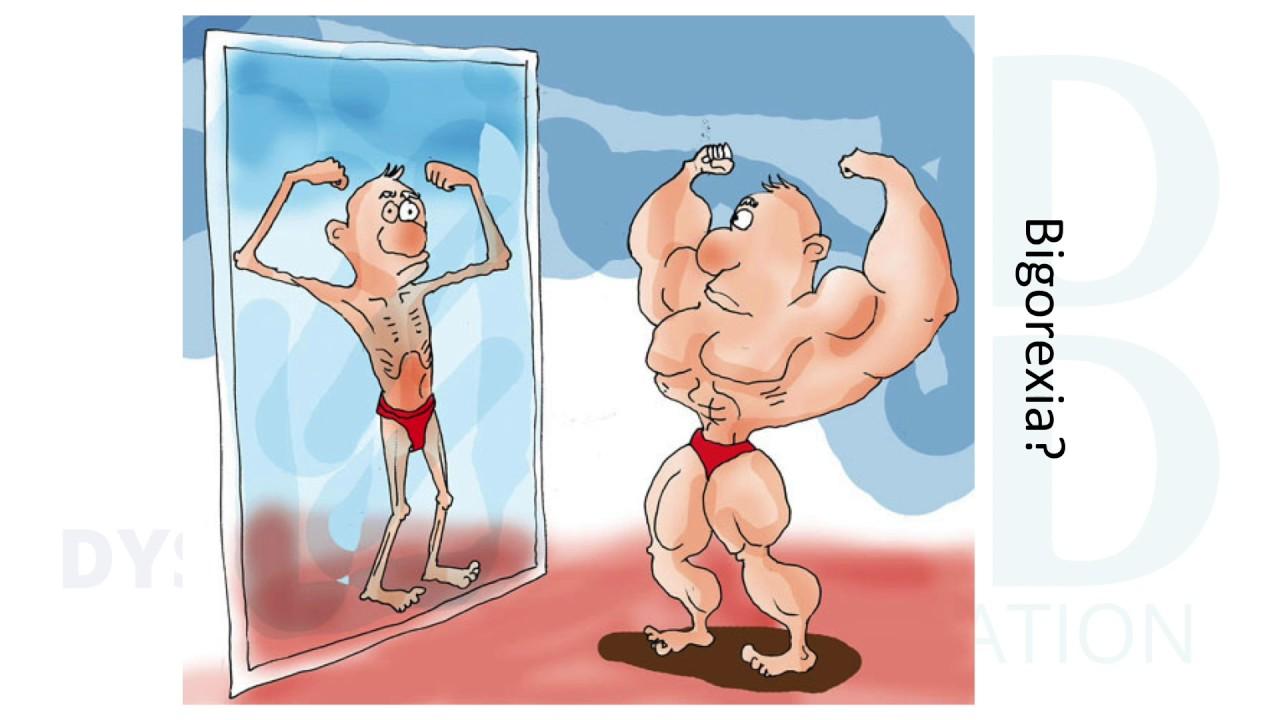
In 2016, researchers at the University of Sydney revealed a startling statistic: men with body image issues are up to four times more likely than women to remain undiagnosed for related disorders, including eating disorders and body dysmorphic disorder. This disparity, as Dr. Scott Griffiths from the School of Psychology noted, stems not only from societal stigma but also from the perception that such struggles are inherently "unmasculine." The findings, published in the Australian and New Zealand Journal of Public Health, underscored a growing public health crisis—one that has long been overshadowed by the focus on female body image.
While body dissatisfaction is often framed as a predominantly female issue, emerging data paints a more complex picture. Men, particularly those influenced by rigid ideals of muscularity and height, face significant psychological consequences, including depression and anxiety. These pressures are further amplified by media portrayals and peer dynamics, creating a silent epidemic with far-reaching implications.
Defining Male Body Image Concerns
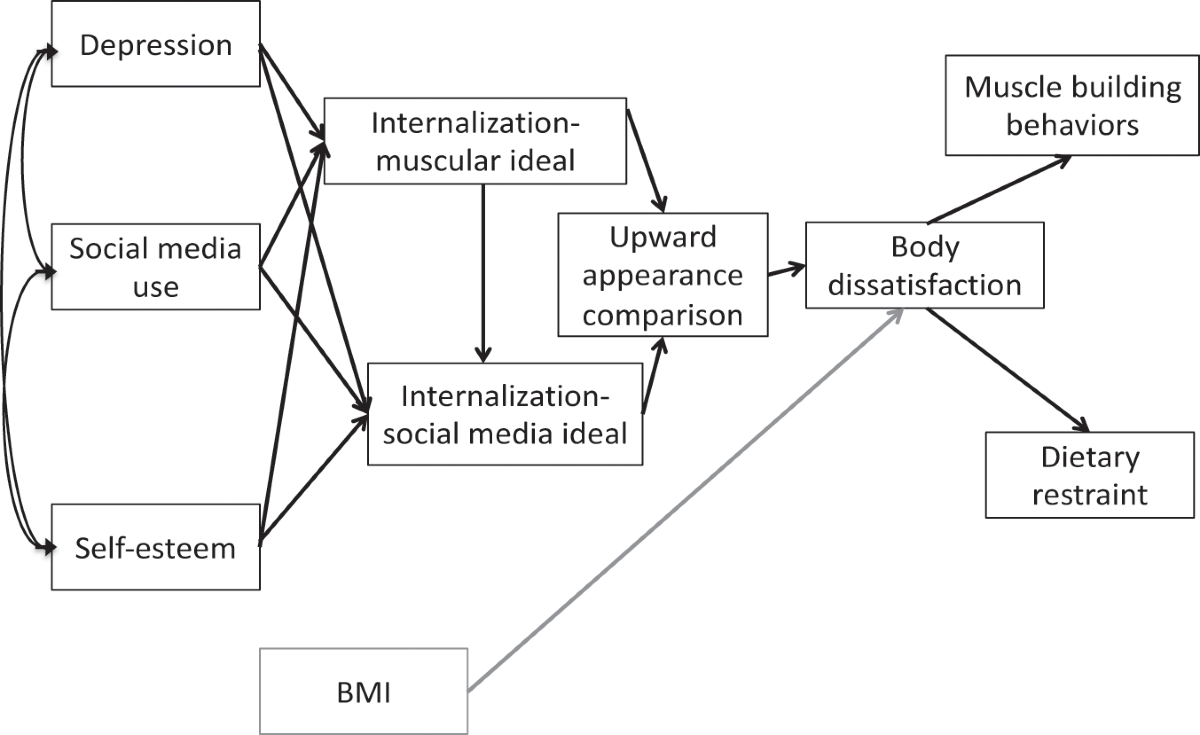
One critical yet underexplored dimension of male body image concerns is the role of self-surveillance—a behavior where men constantly monitor their physical appearance against societal ideals. This phenomenon, deeply rooted in cultural standards of masculinity, often leads to heightened body dissatisfaction and maladaptive behaviors. Unlike overt expressions of insecurity, self-surveillance operates subtly, reinforcing internalized pressures to conform to unattainable ideals.
Research highlights that self-surveillance is frequently mediated by the internalization of cultural standards, as noted by Parent and Moradi (2011). Their findings suggest that men who adopt these standards are more likely to experience body shame, which in turn exacerbates disordered eating and compulsive exercise. This dynamic underscores the psychological toll of aligning self-worth with physical appearance.
"The internalization of unattainable ideals fosters a cycle of self-criticism and unhealthy behaviors, particularly in men who equate muscularity with success."
— Dr. Michael Parent, Psychologist and Researcher
A comparative analysis reveals that while women’s body image concerns often center on thinness, men’s focus on muscularity introduces unique challenges, such as the normalization of steroid use. Contextual factors, including peer influence and media exposure, amplify these pressures, making interventions complex. Addressing self-surveillance requires integrating emotional resilience training with media literacy, offering a holistic approach to mitigating its impact.
Historical Context and Evolution
The evolution of male body image ideals reflects a profound shift from functional strength to aesthetic perfection. In the early 20th century, male physiques were celebrated for their utility—strength symbolized labor, resilience, and vitality. However, by the late 20th century, media and advertising reframed these ideals, promoting hyper-muscularity as the pinnacle of masculinity. This transition was driven by the rise of fitness culture and the commodification of male bodies, particularly through magazines like Men’s Health and Men’s Fitness, which popularized unattainable standards.
A critical mechanism behind this shift is the prevalence-induced concept change, where repeated exposure to hyper-muscular images recalibrates perceptions of what constitutes an "average" or "ideal" male body. Research by Devine et al. (2024) demonstrated that men exposed to such imagery increasingly judged objectively average bodies as insufficiently muscular, revealing a cognitive bias shaped by media saturation.
"The modern fixation on muscularity often distorts intrinsic self-worth, tipping the balance towards self-criticism."
— Dr. Michael Parent, Psychologist and Researcher
This historical trajectory underscores how societal expectations, amplified by media, have entrenched rigid frameworks of masculinity, complicating efforts to promote body acceptance.
Psychological and Behavioral Impacts
Exposure to unattainable body ideals has measurable psychological and behavioral consequences for men, often creating a feedback loop of distress and maladaptive actions. Studies indicate that approximately 25% of men experience body dissatisfaction severe enough to impact their mental health, with heightened risks of depression and social anxiety. This dissatisfaction is frequently linked to the internalization of the "muscular ideal," a construct perpetuated by media and peer influences, as confirmed by research from the Journal of Men’s Health.
Behaviorally, this psychological strain manifests in extreme measures such as compulsive exercise, with some men dedicating over 10 hours weekly to gym routines aimed at achieving hyper-muscularity. Additionally, the use of anabolic steroids—a practice reported by 6% of male gym-goers—illustrates the lengths to which individuals will go to conform to these ideals. These behaviors, while initially perceived as solutions, often exacerbate underlying mental health issues, creating a cycle of dependency and self-criticism.
A critical misconception is that these impacts are limited to physical health. In reality, they extend to cognitive domains, as evidenced by studies showing reduced performance in tasks requiring sustained focus among men preoccupied with body image. This interplay between mental and behavioral health underscores the necessity of integrated interventions that address both dimensions simultaneously.
Mental Health Challenges
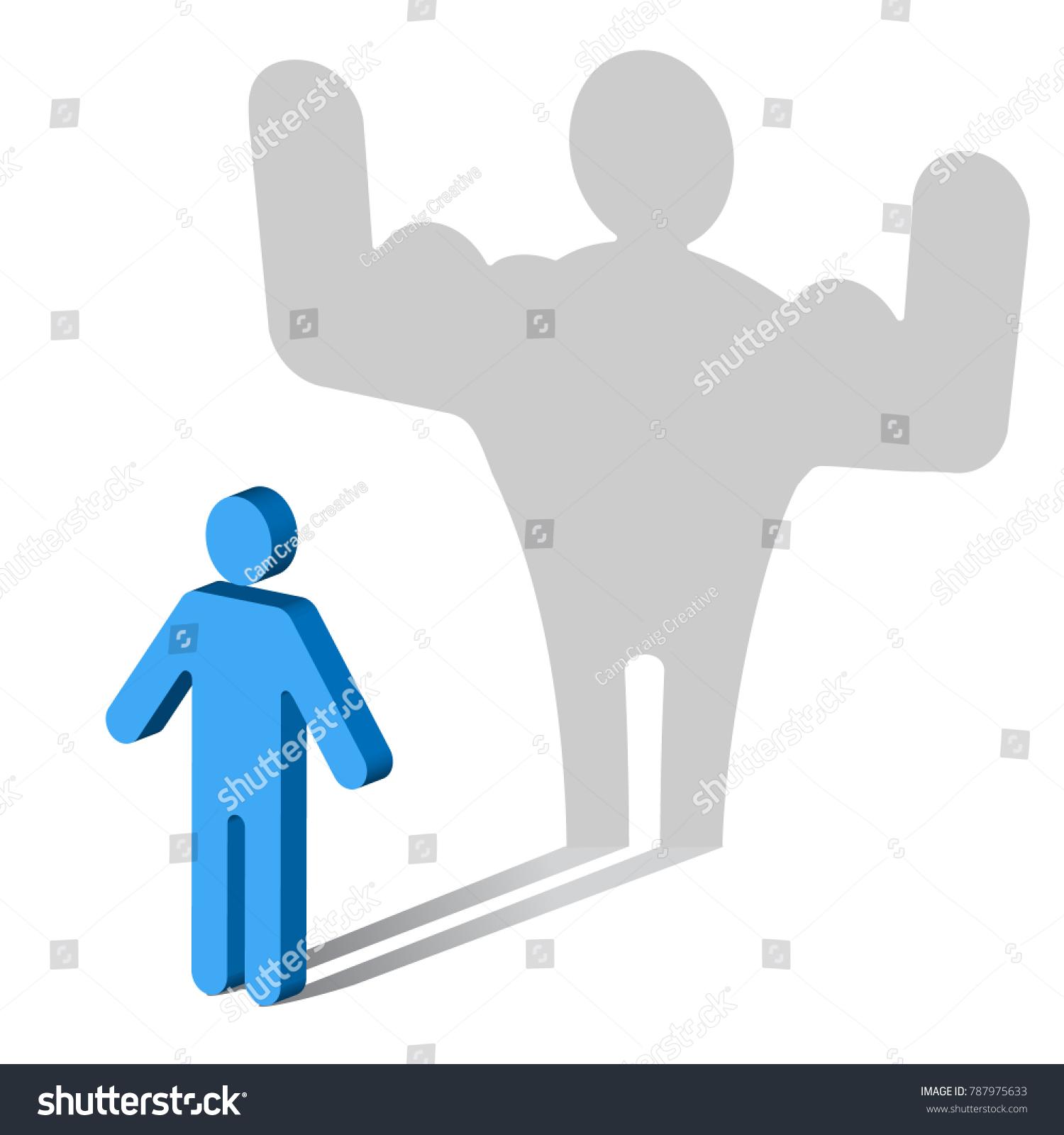
A critical yet underexplored aspect of male body image issues is the role of emotional suppression in exacerbating mental health challenges. Societal norms often equate masculinity with stoicism, discouraging men from expressing vulnerability. This cultural expectation not only isolates individuals but also creates a psychological bottleneck, where unprocessed emotions manifest as anxiety, depression, or compulsive behaviors. The interplay between emotional suppression and body dissatisfaction forms a self-reinforcing cycle, where men internalize societal ideals and simultaneously suppress the distress these ideals generate.
Research from the Journal of Men’s Health highlights that men who suppress emotions are significantly more likely to engage in maladaptive coping mechanisms, such as over-exercising or restrictive dieting. These behaviors, while superficially addressing body image concerns, often mask deeper psychological struggles. For instance, a 2020 study by Viren Swami found that pandemic-related stress amplified the desire for muscularity, linking emotional strain directly to body dissatisfaction.
"The cultural mandate for men to appear invulnerable often prevents them from seeking help, perpetuating cycles of mental health decline."
— Dr. Viren Swami, Social Psychology Professor
Addressing this issue requires integrating emotional intelligence training into therapeutic interventions. Techniques such as cognitive-behavioral therapy (CBT) can help men identify and articulate suppressed emotions, breaking the cycle of internalized distress. This approach not only mitigates immediate mental health risks but also fosters long-term resilience against societal pressures.
Behavioral Manifestations and Coping Mechanisms
One significant behavioral manifestation of male body image issues is the phenomenon of compulsive exercise. This behavior often stems from a psychological need to assert control over perceived inadequacies, rather than purely aesthetic motivations. Compulsive exercise is characterized by rigid, excessive workout routines that prioritize physical transformation over overall well-being. Research from the Journal of Men’s Health indicates that men engaging in such behaviors frequently report heightened anxiety when unable to adhere to their routines, revealing a deeper emotional dependency.
The underlying mechanism involves a feedback loop where physical exertion temporarily alleviates feelings of inadequacy, reinforcing the behavior. However, this cycle often leads to physical exhaustion, injury, and exacerbated mental health challenges. Comparative studies highlight that while traditional exercise programs focus on physical health, interventions targeting compulsive exercise must integrate psychological components, such as addressing emotional suppression and self-worth.
"Compulsive exercise is not merely a physical issue; it reflects unresolved emotional conflicts that demand a holistic therapeutic approach."
— Dr. Sarah Murnen, Clinical Psychologist
Effective interventions combine cognitive-behavioral therapy (CBT) with structured, moderated exercise plans. This dual approach not only mitigates the physical risks but also fosters emotional resilience, offering a sustainable pathway to recovery.
Sociocultural Influences on Male Body Image
Sociocultural forces exert a profound influence on male body image, shaping perceptions through both traditional and digital mediums. Historically, mass media has propagated a narrow archetype of masculinity, equating muscularity with success and dominance. For instance, a study by Hobza et al. (2007) revealed that exposure to over 3,000 advertisements daily, many depicting hyper-muscular male figures, significantly erodes body esteem by promoting unattainable ideals. This phenomenon is compounded by the "reinforcing spiral" effect (Slater, 2015), where repeated exposure intensifies internalized dissatisfaction.
Modern social media amplifies these pressures by personalizing comparisons. Platforms like Instagram curate content that reinforces hyper-masculine ideals, with algorithms prioritizing images of peak physical fitness. A 2022 study by Huszár et al. demonstrated that 68% of young men reported increased body dissatisfaction after prolonged social media use. This digital landscape fosters a cycle of self-surveillance, where men constantly evaluate themselves against curated, often unrealistic standards.
The interplay between traditional and digital media creates a dual-front challenge. While traditional outlets establish the baseline for masculine ideals, social media accelerates their internalization, embedding them into daily life. Addressing these influences requires dismantling the cultural association between physical appearance and self-worth, alongside promoting media literacy to mitigate the psychological toll of these pervasive comparisons.
Media and Societal Pressures
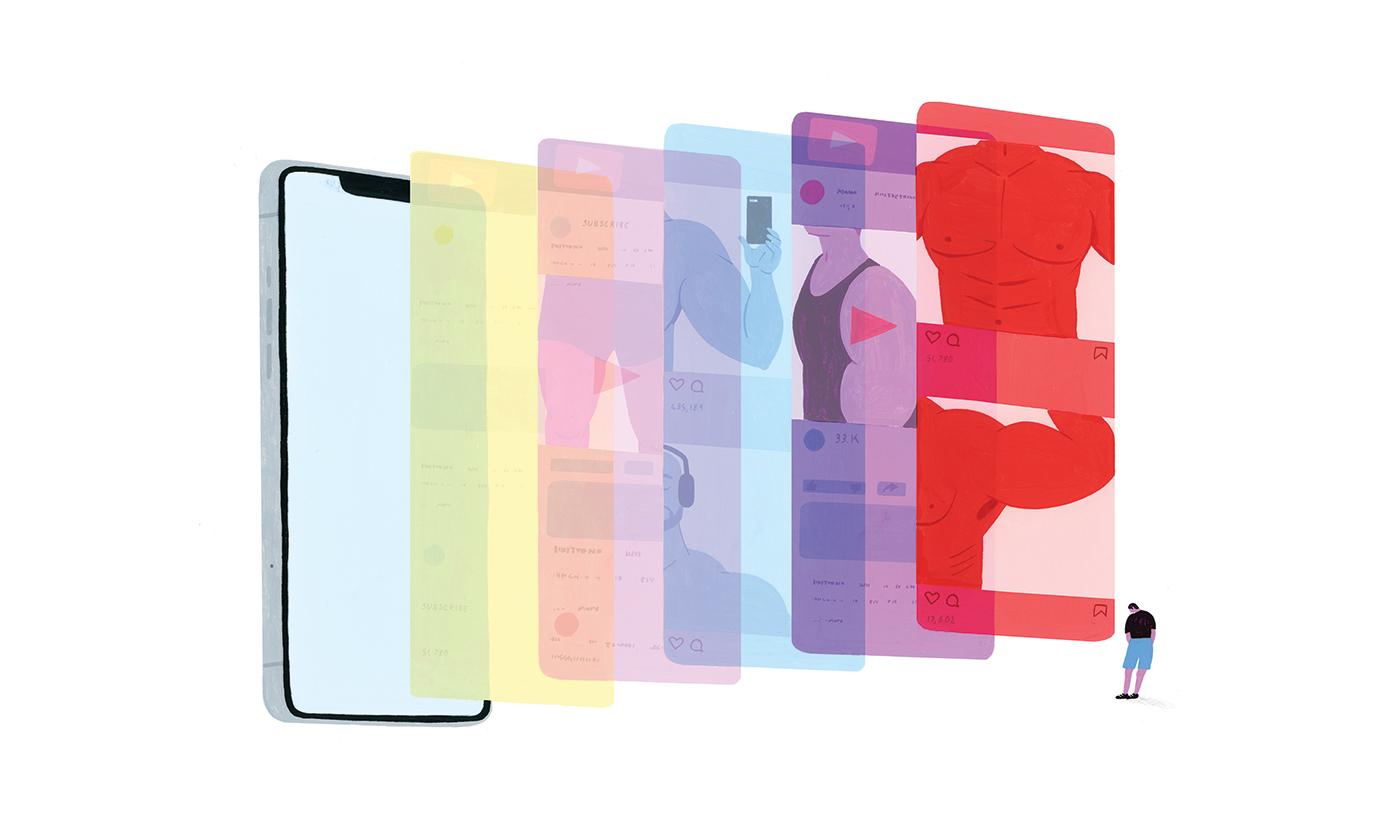
The algorithmic personalization of social media platforms has transformed media exposure into a deeply individualized experience, amplifying societal pressures on male body image. Unlike traditional media, which broadcasts uniform ideals, platforms like Instagram and TikTok curate hyper-muscular imagery tailored to user behavior. This dynamic fosters a feedback loop where engagement with fitness content intensifies exposure, reinforcing unattainable standards.
A critical mechanism driving this phenomenon is the "reinforcing spiral" effect, as described by Slater (2015). This process not only increases the frequency of idealized images but also narrows the diversity of body types presented, recalibrating users' perceptions of normalcy. For instance, a 2022 study by Huszár et al. found that men who spent over six hours daily on social media reported significantly higher levels of body dissatisfaction, linking prolonged exposure to heightened internalization of unrealistic ideals.
"The curated nature of social media creates a distorted reality, where the average body is rendered invisible."
— Dr. Stacey Tantleff-Dunn, Clinical Psychologist
Addressing these pressures requires integrating media literacy into interventions, enabling individuals to critically evaluate content. Additionally, promoting diverse representations in digital spaces can disrupt the cycle of comparison, fostering healthier perceptions of masculinity. These strategies highlight the need for systemic change rather than reliance on individual resilience alone.
Impact of Social Media Platforms
Social media platforms, particularly Instagram and TikTok, employ algorithmic systems that amplify hyper-muscular ideals, creating a self-reinforcing cycle of body dissatisfaction among male users. These algorithms prioritize content based on user engagement, meaning that interactions with fitness-related posts inadvertently lead to an inundation of similar imagery. This dynamic fosters a distorted perception of normalcy, where average body types are systematically excluded from visibility.
A 2022 study by Huszár et al. revealed that men exposed to curated feeds dominated by hyper-muscular figures reported significantly higher levels of body dissatisfaction. This effect is compounded by the platforms’ reliance on visual metrics, such as likes and comments, which disproportionately reward posts featuring extreme physiques. Consequently, content creators are incentivized to perpetuate these narrow standards, further entrenching unrealistic ideals.
One overlooked nuance is the role of passive consumption. Unlike active searches, passive scrolling exposes users to a barrage of idealized images without conscious intent, making it harder to critically evaluate the content. This passive exposure has been linked to increased internalization of unattainable standards, as confirmed by research from the Journal of Men’s Health.
"The algorithmic design of social media platforms ensures that hyper-muscular ideals dominate, leaving little room for diverse representations."
— Dr. Jason Nagata, Adolescent Medicine Specialist
Addressing these challenges requires systemic interventions, such as algorithmic transparency and the promotion of diverse body types, alongside user-focused media literacy programs.
Advanced Aspects and Intersectionality
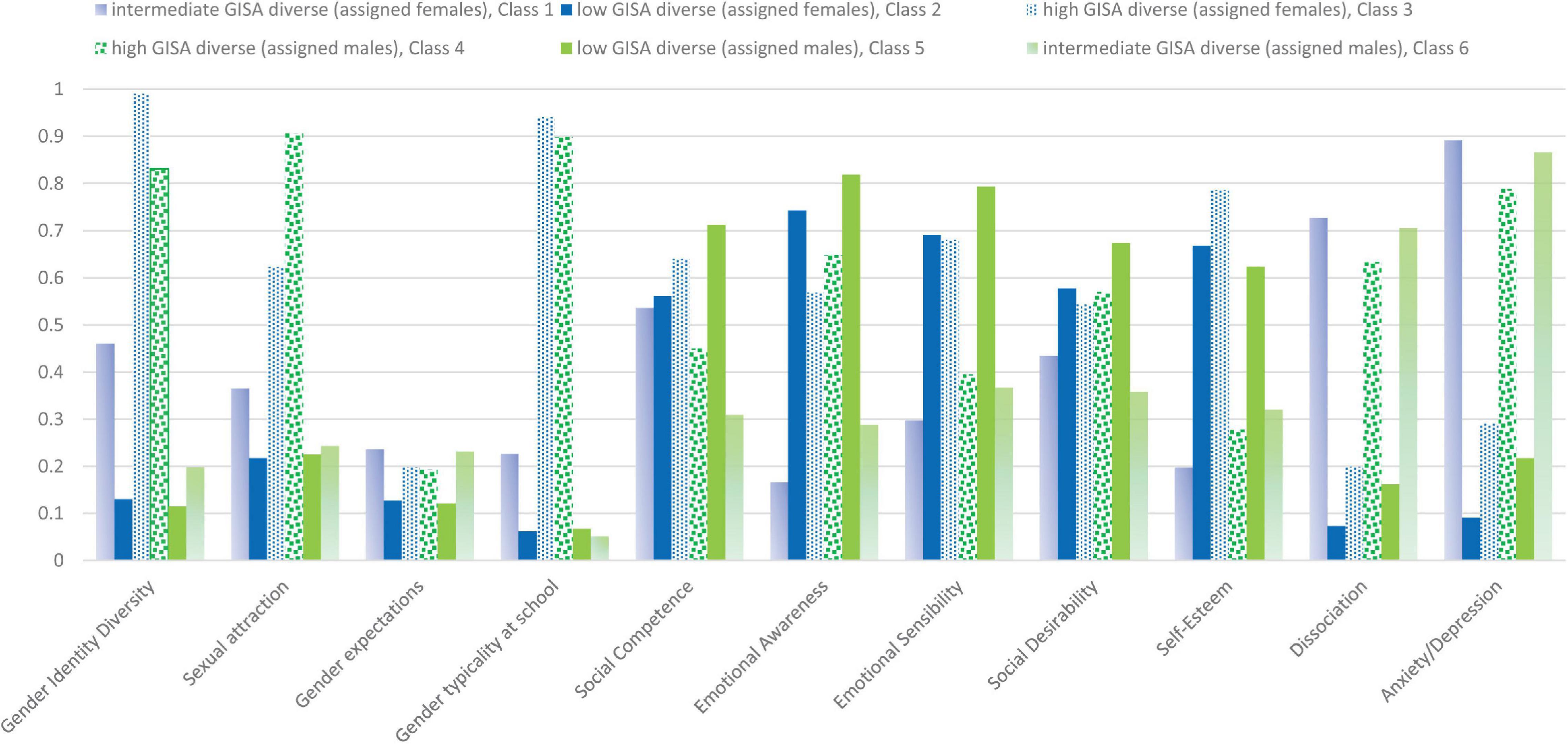
The intersection of male body image issues with cultural, sexual, and gender identities reveals nuanced challenges that defy generalized solutions. For instance, a 2024 study in the International Journal of Human Movement and Sports Sciences found that 38% of LGBTQIA+ men reported body dissatisfaction linked to minority stress, compared to 22% of their heterosexual counterparts. This disparity highlights how societal marginalization amplifies internalized ideals, creating compounded psychological burdens.
Transgender men face unique pressures, as muscle dysmorphia often intersects with gender dysphoria. Research involving 293 Italian adults demonstrated that binary transgender men exhibited higher appearance anxiety than cisgender men, driven by the internalization of hyper-masculine ideals. This underscores the need for tailored interventions that address both identity affirmation and body image concerns.
By integrating intersectional frameworks, practitioners can better address these layered vulnerabilities, fostering inclusive, effective therapeutic strategies.
Muscle Dysmorphia and Its Implications
Muscle dysmorphia represents a pathological fixation on achieving hyper-muscularity, often driven by deep-seated psychological mechanisms. Central to this condition is the interplay between obsessive-compulsive tendencies and societal pressures, which fosters a relentless pursuit of unattainable physical ideals. This dynamic is particularly evident in individuals who exhibit compulsive behaviors such as excessive weightlifting and rigid dietary regimens, often at the expense of their physical and mental health.
A critical factor influencing muscle dysmorphia is the internalization of hyper-masculine ideals, which is exacerbated by media portrayals and peer reinforcement. Research from the Journal of Men’s Health highlights that men with higher levels of internalized muscular ideals are significantly more likely to engage in maladaptive behaviors, including anabolic steroid use. This underscores the role of sociocultural factors in perpetuating the disorder.
"The societal glorification of hyper-muscularity creates a psychological trap, where self-worth becomes inextricably tied to physical appearance."
— Dr. Katharine Phillips, Psychiatrist and Researcher
Addressing muscle dysmorphia requires a multifaceted approach. Cognitive-behavioral therapy (CBT) has shown promise in helping individuals reframe their self-perception and reduce compulsive behaviors. Additionally, integrating media literacy programs can mitigate the impact of unrealistic body standards. A case study involving a 24-year-old bodybuilder demonstrated that combining CBT with moderated exercise routines led to a 40% reduction in obsessive behaviors within six months, highlighting the potential for targeted interventions.
Intersectional Challenges in Diverse Groups
The intersection of body image concerns with cultural and gender identities reveals a complex interplay of societal pressures and personal struggles. For LGBTQIA+ and transgender men, these challenges are magnified by the dual burden of conforming to mainstream muscular ideals while navigating minority stress. A 2024 study in the International Journal of Human Movement and Sports Sciences found that 38% of LGBTQIA+ men reported heightened body dissatisfaction, compared to 22% of heterosexual men, underscoring the compounded impact of these intersecting factors.
One critical mechanism driving this disparity is the internalization of conflicting ideals. Transgender men, for instance, often face muscle dysmorphia intertwined with gender dysphoria, where achieving a hyper-masculine physique becomes both a coping mechanism and a source of distress. This duality complicates treatment, as standard protocols fail to address the nuanced relationship between body image and identity affirmation.
Effective interventions require a hybrid approach. Tailored cognitive-behavioral therapy (CBT) combined with identity-affirming practices has shown promise. For example, programs that integrate resilience training with peer support have demonstrated measurable improvements in self-esteem and body satisfaction among transgender men.
"Intersectional approaches must address both minority stress and hyper-masculine expectations to be effective."
— Dr. Stacey Tantleff-Dunn, Clinical Psychologist
This highlights the need for frameworks that bridge psychological support with cultural sensitivity, ensuring holistic care.
FAQ
What are the primary factors contributing to male body image issues in modern society?
Male body image issues stem from a combination of societal, cultural, and media-driven factors. Unrealistic portrayals of hyper-muscular physiques in advertisements, movies, and social media create unattainable standards. Peer influence and societal expectations of masculinity further amplify pressures, often linking physical appearance to success and self-worth. Historical shifts in male beauty ideals, from functional strength to aesthetic perfection, exacerbate these challenges. Additionally, minority stress among LGBTQIA+ men and the intersection of gender dysphoria with body image concerns in transgender men highlight the role of identity-related pressures. These interconnected factors collectively shape the prevalence and complexity of male body dissatisfaction.
How do media portrayals and social media platforms influence male body dissatisfaction?
Media portrayals and social media platforms perpetuate male body dissatisfaction by promoting hyper-muscular and lean physiques as the ideal standard. Algorithms on platforms like Instagram and TikTok amplify exposure to curated, unrealistic images, fostering upward social comparisons. Editing tools and validation metrics, such as likes and comments, reinforce unattainable body standards. This constant exposure distorts perceptions of normalcy, leading to internalized dissatisfaction. Younger generations, particularly susceptible to these influences, struggle to differentiate between achievable and manipulated appearances. These dynamics, rooted in social comparison theory, highlight the profound impact of digital and traditional media on shaping male body image concerns.
What are the psychological and physical health impacts of body image concerns in men?
Body image concerns in men lead to significant psychological and physical health impacts. Psychologically, they are linked to anxiety, depression, emotional suppression, and body dysmorphic disorder, often resulting in social withdrawal and reduced self-esteem. Physically, these concerns drive harmful behaviors such as compulsive exercise, restrictive dieting, and anabolic steroid use, which can cause long-term health issues like muscle atrophy, dehydration, and cardiovascular strain. Cognitive effects, including reduced focus and academic performance, further compound these challenges. The interplay between mental and physical health underscores the need for holistic interventions addressing both emotional resilience and societal pressures shaping male body dissatisfaction.
How can men address body image issues while promoting mental and emotional well-being?
Men can address body image issues by fostering self-acceptance and prioritizing overall health over appearance. Engaging in cognitive-behavioral therapy (CBT) helps reframe negative self-perceptions, while mindfulness practices reduce emotional suppression. Building supportive social networks encourages open discussions about insecurities, breaking stigmas tied to masculinity. Adjusting media consumption to include diverse and realistic body representations mitigates harmful comparisons. Activities like volunteering, creative expression, and nature-based pursuits promote healthy masculinity unrelated to physical appearance. Comprehensive strategies integrating mental health support, media literacy, and identity-affirming practices empower men to combat body dissatisfaction while enhancing emotional and psychological well-being.
What role do cultural and societal expectations play in shaping male body image perceptions?
Cultural and societal expectations significantly shape male body image perceptions by embedding ideals of masculinity tied to physical appearance. Traditional norms equate muscularity with strength, dominance, and reliability, pressuring men to conform to hyper-masculine standards. Media and folklore perpetuate these ideals, reinforcing narrow definitions of attractiveness across generations. Gender-coded expectations further amplify dissatisfaction, as deviations from prescribed norms often result in stigma or diminished self-worth. Intersectional factors, such as ethnicity and sexual orientation, compound these pressures, creating unique challenges for marginalized groups. Addressing these influences requires dismantling rigid stereotypes and promoting inclusive representations of masculinity across cultural narratives.