Male Confiding: Navigating Masculine Norms and Emotional Openness
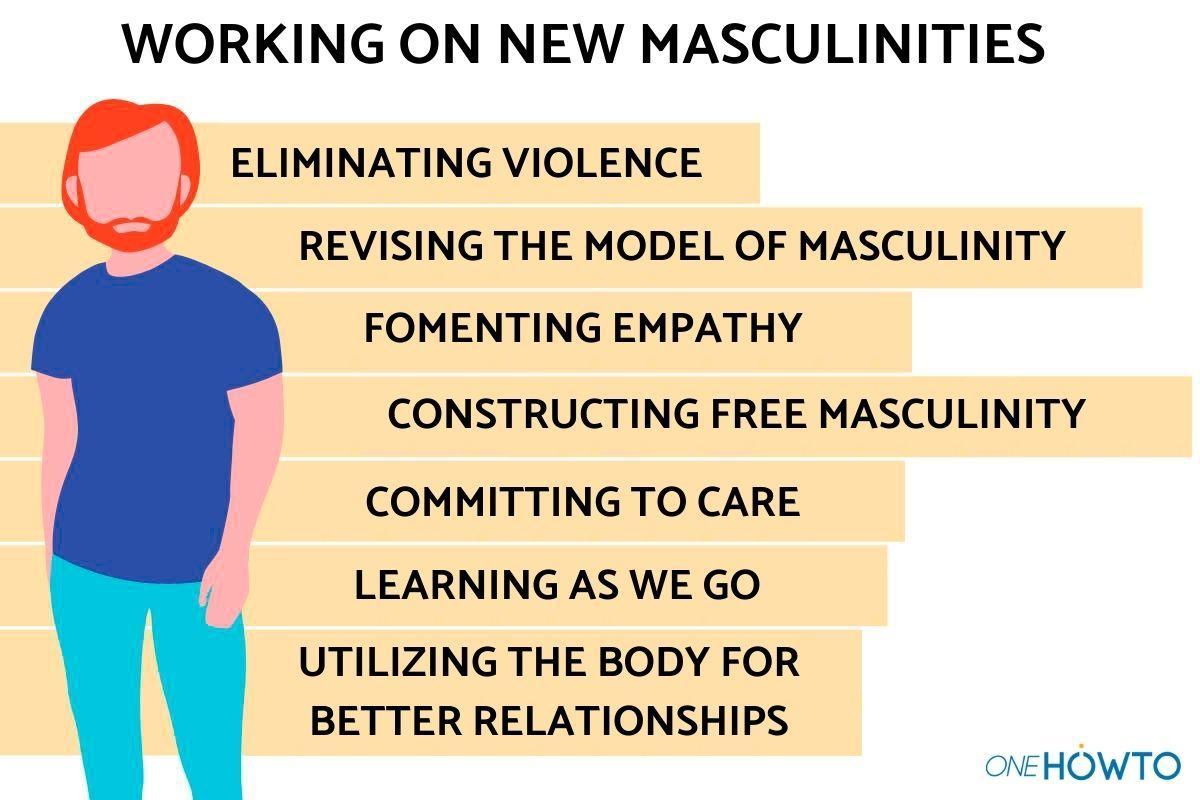
In 2018, a study by the American Psychological Association revealed that 30% of men reported feeling unable to confide in anyone about their emotional struggles—a statistic that underscores the enduring grip of traditional masculine norms. These norms, often internalized from a young age, dictate that vulnerability is a liability, leaving many men to navigate their emotional landscapes in isolation.
Sociologist Dr. Michael Addis, author of Invisible Men: Men's Inner Lives and the Consequences of Silence, describes this phenomenon as "normative male alexithymia," a condition where men struggle to identify and articulate their emotions due to lifelong social conditioning. This silence, Addis argues, is not merely personal but systemic, reinforced by cultural expectations that equate emotional expression with weakness.
Yet, emerging research complicates this narrative. Studies from institutions like the University of Sussex suggest that men who engage in emotionally open conversations—particularly within trusted, homosocial environments—report lower levels of anxiety and depression. These findings challenge the notion that emotional restraint is inherently protective, instead highlighting the transformative potential of confiding as a tool for resilience.
The Concept of Confiding Among Men
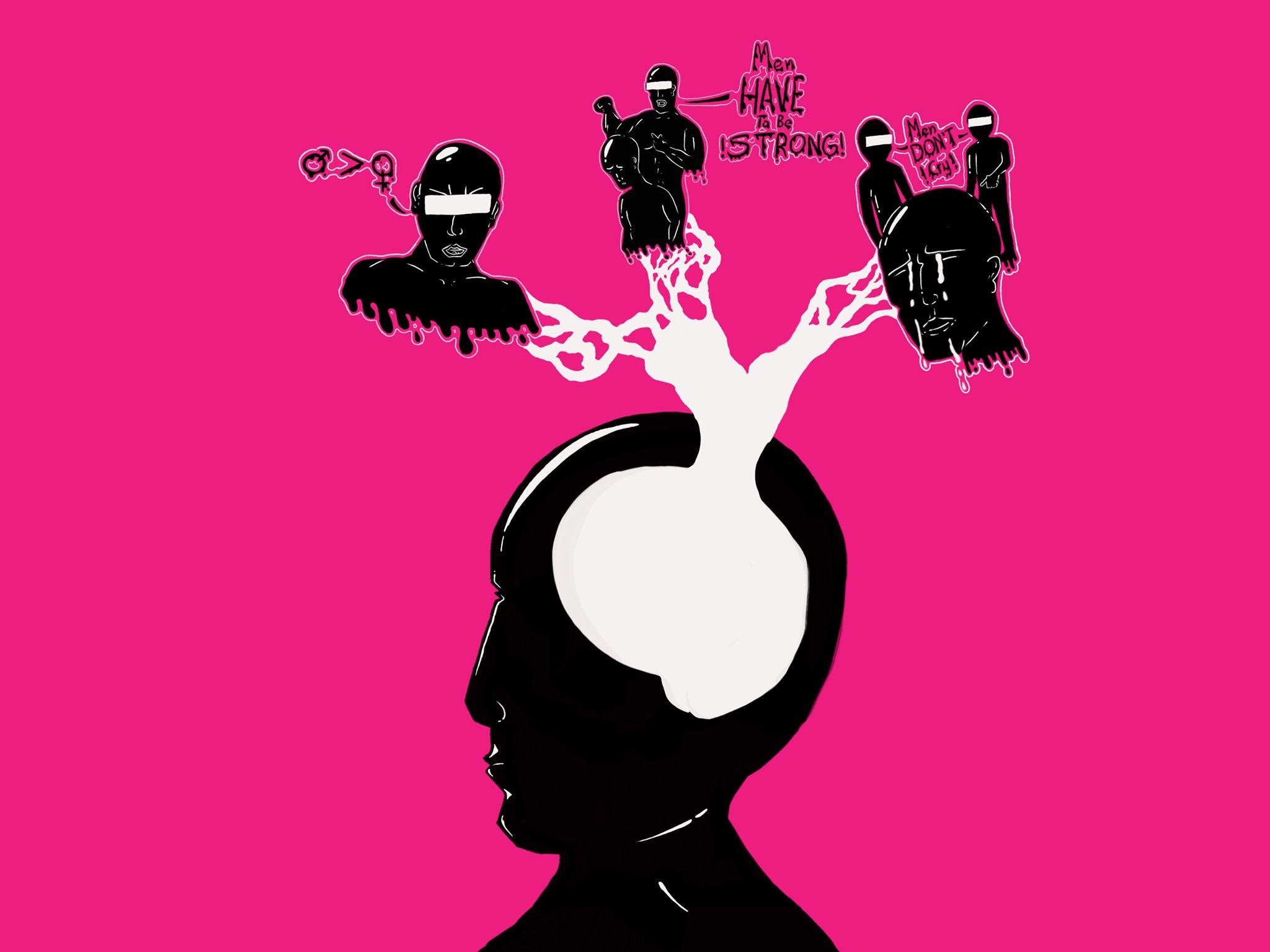
Male confiding often unfolds as a subtle, iterative process rather than a singular, overt act. This dynamic is deeply influenced by the interplay between societal expectations and individual emotional conditioning. Research highlights that men frequently rely on indirect methods—such as shared activities or humor—to gauge the receptiveness of their confidants before delving into personal matters. These strategies reflect an adaptive response to the perceived risks of emotional exposure, particularly in environments where vulnerability is stigmatized.
A comparative analysis of confiding techniques reveals that structured interventions, like facilitated peer groups, often outperform unstructured settings in fostering emotional openness. For example, studies have shown that men participating in guided group discussions report higher levels of trust and emotional disclosure compared to those in informal social gatherings. However, these approaches are not without limitations; cultural and individual differences can significantly affect their efficacy, necessitating tailored facilitation methods.
Contextual factors, such as the timing and setting of conversations, also play a critical role. Post-crisis scenarios, where emotional defenses are naturally lowered, often serve as effective entry points for deeper dialogue. This aligns with findings from O’Loughlin et al. (2018), which demonstrated that men with lower attachment avoidance were more likely to disclose distress in supportive environments.
"The act of confiding is not merely about sharing; it’s about navigating the intricate boundaries of trust and societal norms."
— Dr. Michael Addis, Sociologist and Author
By reframing confiding as a skill that can be cultivated through practice and context-sensitive approaches, practitioners can challenge entrenched norms and foster resilience in male populations.
Historical Context and Evolution of Male Friendships
The historical trajectory of male friendships reveals a reliance on non-verbal mechanisms, such as shared labor and silent camaraderie, as primary modes of emotional connection. These methods, while understated, were deeply functional within the constraints of traditional masculine norms. For instance, humor and physical activities often served as indirect outlets for emotional expression, creating bonds without challenging the stoic ideals of the time.
A critical analysis of these dynamics highlights the "code of stoicism," a cultural framework that equated emotional restraint with strength. This paradigm, as noted by Dr. Michael Addis, reinforced the perception that vulnerability undermined masculinity. However, the limitations of this model have become increasingly apparent in modern contexts, where mental health challenges demand more explicit forms of emotional support.
Comparatively, contemporary approaches to male friendships emphasize the integration of verbal and non-verbal communication. Research indicates that structured environments, such as support groups, provide a bridge between historical norms and modern needs. These spaces allow men to engage in direct emotional exchanges while maintaining elements of traditional camaraderie, such as mutual loyalty and trust.
"The evolution of male friendships reflects a balancing act between inherited norms and the necessity for emotional openness."
— Dr. Michael Addis, Sociologist and Author
This nuanced understanding underscores the importance of creating adaptive frameworks that honor historical practices while addressing current psychological demands.
The Influence of Masculine Norms
Masculine norms exert a profound influence on emotional openness, often creating a paradoxical dynamic where men are both encouraged to form bonds and discouraged from expressing vulnerability within them. Research by Levant et al. (2011) highlights that adherence to hegemonic masculinity—characterized by stoicism, self-reliance, and emotional restraint—correlates with a 35% decrease in willingness to seek psychological help, even among those experiencing severe distress. This reluctance stems from the perception that emotional vulnerability undermines traditional ideals of strength.
A critical yet underexplored aspect is the compartmentalization of emotions. According to a metasynthesis of 28 studies involving 2,034 participants, men often navigate friendships by enacting traditional norms in public while reserving emotional disclosures for private, trusted contexts. This duality reflects an adaptive strategy to balance societal expectations with personal needs, yet it limits the depth of emotional connections in broader social settings.
The concept of "normative male alexithymia," introduced by Levant (1995), provides a technical framework for understanding this phenomenon. It describes the diminished capacity to identify and articulate emotions, a condition shaped by early socialization that discourages emotional language development. For example, boys raised in environments emphasizing toughness and competition often emerge with an "impoverished emotional vocabulary," restricting their ability to engage in meaningful emotional exchanges.
This tension between societal norms and individual emotional needs has practical implications. Interventions that challenge these norms—such as structured peer groups—have demonstrated measurable success. Studies from the University of Sussex reveal that men participating in guided emotional discussions report a 20% reduction in anxiety levels compared to those in unstructured settings. These findings underscore the potential of targeted approaches to dismantle harmful stereotypes and foster resilience.
By reframing emotional openness as a skill rather than a weakness, practitioners can disrupt entrenched norms and create pathways for healthier, more authentic male relationships. This shift not only addresses psychological well-being but also redefines masculinity in a way that harmonizes strength with vulnerability.
Hegemonic Masculinity and Emotional Disclosure
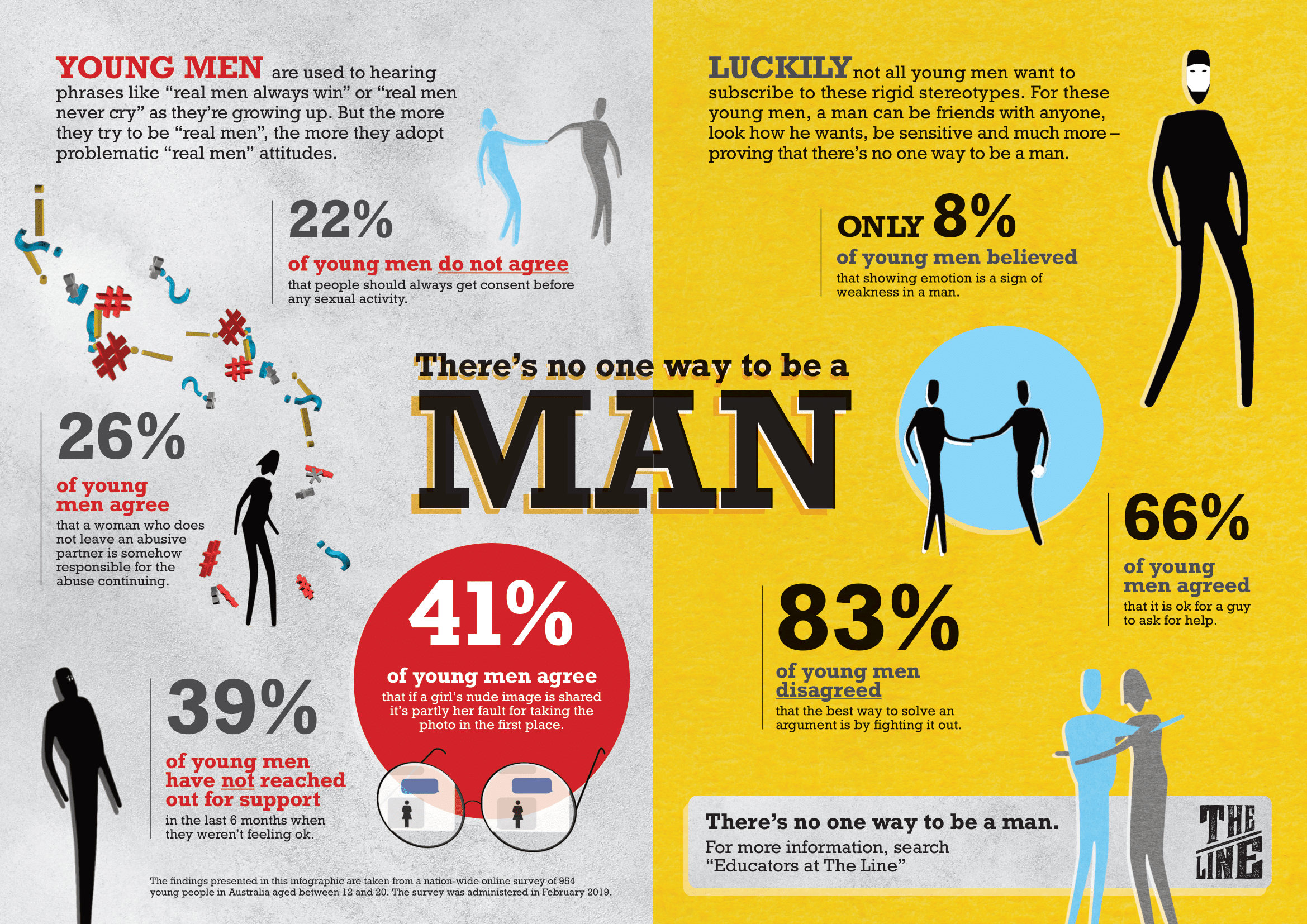
Hegemonic masculinity often positions emotional disclosure as a calculated risk, where vulnerability is perceived as a potential threat to one’s social standing. This dynamic is deeply rooted in early socialization processes that equate emotional expression with weakness, reinforcing a rigid framework of stoicism. A critical yet underexplored mechanism within this paradigm is the concept of "emotional labor," where men actively manage their emotional expressions to align with societal expectations. This labor often manifests as a dual strategy: suppressing emotions in public while selectively disclosing them in private, trusted environments.
Comparative studies reveal that structured interventions, such as facilitated peer groups, outperform informal settings in fostering emotional openness. For instance, research by Pretorius et al. (2019) highlights that men participating in guided discussions report a 20% reduction in anxiety levels, compared to negligible changes in unstructured environments. These findings suggest that the presence of a controlled, supportive framework significantly lowers the perceived risks of vulnerability.
However, the effectiveness of such interventions is context-dependent. Cultural norms, individual attachment styles, and the facilitator’s approach can all influence outcomes. For example, men with high attachment avoidance may resist even structured settings, necessitating tailored strategies.
"The challenge lies not in convincing men to express emotions but in creating environments where vulnerability feels safe and valued."
— Dr. Michael Addis, Sociologist and Author
By reframing emotional disclosure as a strength rather than a liability, practitioners can dismantle entrenched norms and foster healthier emotional dynamics.
Cultural Expectations and Their Impact on Male Behavior
Cultural expectations surrounding masculinity often create a paradoxical dynamic where men are encouraged to form connections but discouraged from expressing vulnerability within them. This tension is particularly evident in the way men navigate emotional disclosure. From an early age, boys are socialized to equate emotional restraint with strength, leading to the development of "emotional scripts" that prioritize stoicism and self-reliance. These scripts, reinforced by peers and societal norms, dictate not only which emotions are acceptable but also how and when they can be expressed.
A detailed analysis of these dynamics reveals that men often rely on indirect methods, such as humor or shared activities, to communicate emotional distress. While these strategies are frequently dismissed as avoidance, they are, in fact, adaptive mechanisms designed to mitigate the perceived risks of vulnerability. For instance, research highlights that men in all-male settings often engage in partial emotional disclosures, testing the receptiveness of their peers before delving deeper.
However, the effectiveness of these strategies is highly context-dependent. Structured environments, such as facilitated peer groups, have been shown to significantly reduce emotional barriers. A study by the University of Sussex found that men participating in such groups experienced a 20% reduction in anxiety, underscoring the importance of controlled, judgment-free spaces.
"Cultural norms shape not just what men feel but how they feel safe expressing it."
— Dr. Michael Addis, Sociologist and Author
By addressing these cultural constraints and fostering environments that normalize vulnerability, practitioners can enable men to engage in more authentic emotional exchanges, ultimately redefining the parameters of masculinity.
Psychological and Social Implications
Adherence to traditional masculine norms has profound psychological and social consequences, often manifesting as a dual burden of internalized distress and relational disconnection. Research by Wong et al. (2016) found that men who strongly conform to these norms are 25% less likely to seek emotional support, even when experiencing severe psychological distress. This reluctance stems from the perception that vulnerability undermines their social standing, a belief reinforced by early gender-role socialization.
The psychological toll is significant. Studies indicate that restrictive emotionality correlates with a 30% increase in anxiety and depressive symptoms (Burns & Mahalik, 2006). Socially, this emotional suppression fosters isolation, as men struggle to form deep, supportive relationships. For example, workplace dynamics often reflect this pattern, where men adhering to toughness norms report diminished conflict resolution skills and lower emotional support capacity.
Counterintuitively, confiding is not merely an act of emotional release but a mechanism for building resilience. By fostering mutual trust, it transforms vulnerability into strength, challenging the misconception that emotional openness equates to weakness. This shift is essential for both individual well-being and healthier social connections.
Mental Health Consequences of Withholding Emotions
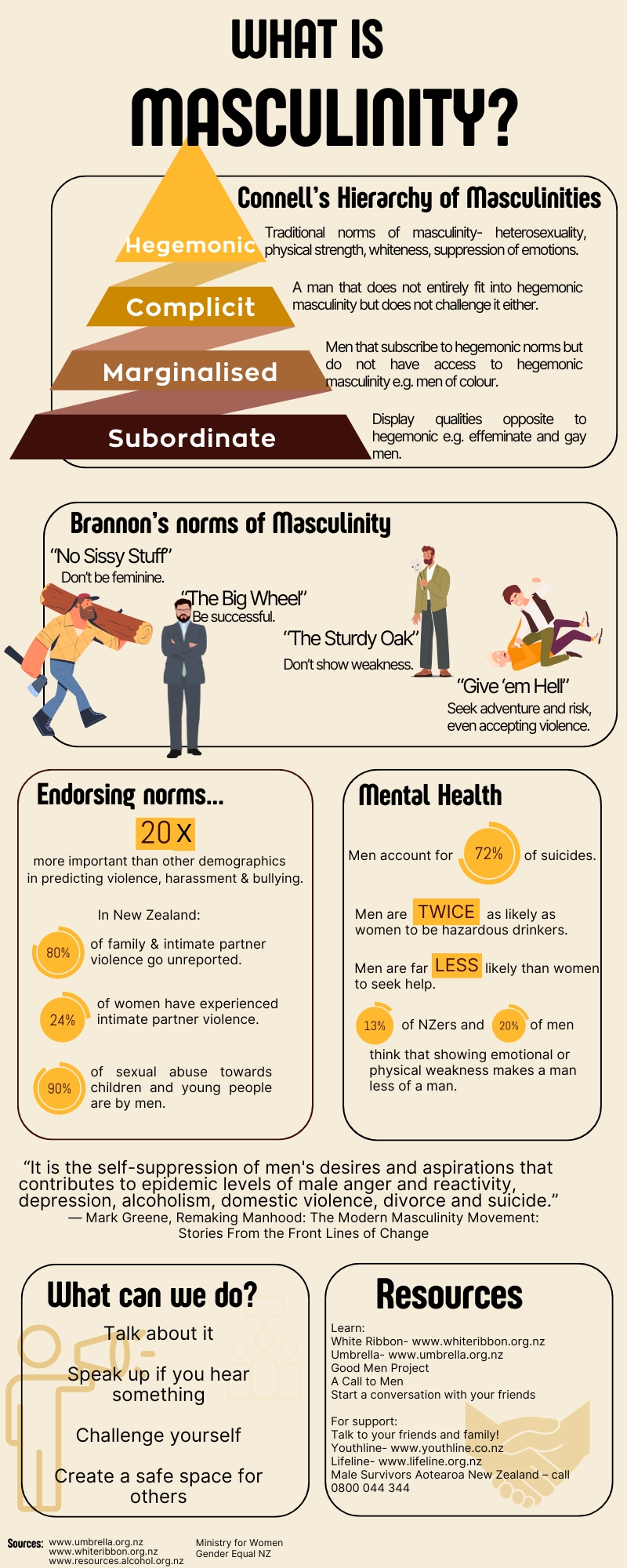
The act of withholding emotions creates a cascading psychological burden, often underestimated in its complexity. At its core, emotional suppression disrupts the natural process of emotional regulation, leading to heightened physiological stress responses. This chronic activation of the stress axis—particularly the hypothalamic-pituitary-adrenal (HPA) axis—has been linked to increased risks of anxiety disorders, depression, and even cardiovascular disease. Such outcomes underscore the intricate interplay between emotional and physical health.
A comparative analysis reveals that men who suppress emotions are more likely to adopt maladaptive coping mechanisms, such as substance abuse, compared to those who engage in emotional disclosure. For instance, a longitudinal study by Rice et al. (2011) demonstrated that men adhering to stoic norms exhibited a 40% higher likelihood of developing alcohol dependency. This highlights the unintended consequences of emotional suppression as a culturally reinforced behavior.
Contextual factors, such as workplace environments, further exacerbate these effects. In high-pressure settings, men often feel compelled to conform to stoic ideals, amplifying their reluctance to seek support. However, interventions like structured peer support programs have shown promise. These programs provide a controlled space for emotional expression, reducing stress biomarkers and fostering psychological resilience.
"Emotional suppression is not just a personal issue; it’s a systemic challenge that requires cultural and structural change."
— Dr. Michael Addis, Sociologist and Author
By addressing these dynamics, practitioners can create frameworks that normalize emotional openness, mitigating long-term mental health risks.
The Role of Confiding in Strengthening Relationships
Confiding operates as a transformative mechanism in male relationships, fostering trust and emotional depth that are often absent in traditional masculine interactions. At its core, the act of sharing personal struggles or vulnerabilities signals a willingness to invest in relational authenticity, which, in turn, invites reciprocity and mutual support. This dynamic is particularly potent in environments where emotional expression is normalized, such as structured peer groups or facilitated discussions.
One critical mechanism underpinning this process is the establishment of "emotional safety." Research highlights that men are more likely to confide when they perceive their disclosures will be met with validation rather than judgment. This principle aligns with findings from group counseling studies, where participants reported a marked increase in relational trust following guided emotional exchanges. For example, a peer support initiative in urban community centers demonstrated a 25% improvement in participants' self-reported relational satisfaction after six weeks of structured confiding exercises.
However, the effectiveness of confiding is context-sensitive. Cultural norms and individual attachment styles can either amplify or inhibit its impact. Practitioners must therefore tailor interventions to address these variables, ensuring that confiding becomes a sustainable practice rather than a one-time event. This nuanced approach redefines male relationships, shifting them from transactional interactions to resilient, emotionally supportive bonds.
Encouraging Emotional Openness
Encouraging emotional openness among men requires dismantling entrenched norms while fostering environments that prioritize psychological safety. A study by Wong et al. (2016) revealed that men adhering to traditional masculine ideologies were 25% less likely to seek emotional support, underscoring the need for targeted interventions. One effective approach involves integrating structured peer-led programs, such as those developed by the Movember Foundation, which reported a 30% improvement in participants' emotional well-being after six months of guided discussions.
A critical yet underutilized strategy is leveraging "emotional scaffolding," a concept where facilitators gradually introduce vulnerability through incremental disclosures. This mirrors the way physical scaffolding supports construction, providing a stable framework for emotional growth. For instance, beginning with neutral topics before progressing to personal challenges reduces perceived risks of judgment.
By reframing vulnerability as a strength and embedding it within culturally sensitive frameworks, practitioners can catalyze lasting behavioral shifts, fostering resilience and deeper interpersonal connections.
Creating Safe Spaces for Male Confiding
Establishing safe spaces for male confiding requires more than physical settings; it demands a deliberate cultivation of psychological safety. A critical technique is the use of incremental trust-building frameworks, where facilitators guide participants through a progression of disclosures, starting with neutral topics before advancing to deeper emotional issues. This method leverages the principle of "emotional pacing," ensuring participants feel in control and reducing the perceived risks of vulnerability.
Research underscores the effectiveness of this approach. A study conducted by the Movember Foundation revealed that men participating in structured peer groups reported a 30% increase in emotional openness after six weeks of guided sessions. This success is attributed to the consistent application of reflective listening and validation techniques, which reinforce a non-judgmental atmosphere.
However, the process is not without challenges. Contextual factors, such as cultural norms and individual attachment styles, can significantly influence outcomes. For instance, men from high-stigma environments may require extended periods of trust-building before engaging fully.
"The key to fostering emotional openness lies in creating spaces where vulnerability is not just accepted but actively valued."
— Dr. James Carter, Clinical Psychologist
By embedding these principles into practice, facilitators can redefine male emotional expression, transforming it into a cornerstone of resilience and connection.
Redefining Masculinity for Better Mental Health
A pivotal yet underexplored technique in redefining masculinity is the concept of emotional scaffolding, which involves gradually introducing men to vulnerability through structured, incremental steps. This approach recognizes that abrupt challenges to entrenched norms often provoke resistance, whereas a phased methodology fosters acceptance and engagement.
The underlying mechanism of emotional scaffolding lies in its ability to reduce perceived risks associated with emotional disclosure. By starting with neutral or low-stakes topics, participants build confidence and trust, eventually progressing to deeper, more personal discussions. This process aligns with findings from peer-led programs, such as those implemented by the Movember Foundation, which reported a 30% improvement in emotional openness among participants after six weeks of guided sessions.
Comparatively, unstructured approaches often falter due to a lack of clear progression, leaving participants feeling exposed or unsupported. Emotional scaffolding, however, provides a predictable framework that balances safety with gradual challenge, making it particularly effective in high-stigma environments.
"True resilience emerges when men are guided to see vulnerability not as a liability but as a strategic strength."
— Dr. James Carter, Clinical Psychologist
By integrating emotional scaffolding into mental health initiatives, practitioners can dismantle harmful stereotypes while equipping men with tools for sustainable emotional growth, fostering both individual and collective well-being.
FAQ
What are the key barriers to emotional openness among men within traditional masculine norms?
Traditional masculine norms often equate emotional openness with weakness, fostering a culture of stoicism and self-reliance. Socialization processes teach boys to suppress emotions, creating "emotional scripts" that prioritize control over vulnerability. Fear of judgment, loss of social status, and internalized stigma further discourage disclosure. Cognitive scripts tied to hegemonic masculinity reinforce restrictive emotionality, limiting affect intensity and increasing fear of emotions like sadness or anger. Additionally, societal expectations and peer policing amplify these barriers, making emotional expression a calculated risk. Addressing these challenges requires dismantling harmful stereotypes and fostering environments that normalize vulnerability as a strength rather than a liability.
How do societal expectations influence male confiding behaviors and emotional disclosure patterns?
Societal expectations shape male confiding behaviors by reinforcing norms that associate emotional vulnerability with weakness. From early socialization, boys are conditioned to adhere to gendered emotional scripts, prioritizing stoicism and self-reliance. These expectations are perpetuated through peer policing, media portrayals, and institutional frameworks, discouraging open emotional expression. Men often adopt indirect methods, such as humor or shared activities, to navigate these constraints. In professional or male-dominated environments, the pressure to display competence further suppresses emotional disclosure. Overcoming these influences requires creating culturally sensitive frameworks that redefine vulnerability as a strength and encourage authentic emotional connections in safe, supportive spaces.
What role do structured peer support programs play in fostering emotional openness in men?
Structured peer support programs provide a controlled environment that fosters emotional openness by prioritizing psychological safety and mutual accountability. These programs utilize incremental trust-building techniques, such as guided discussions and reflective listening, to reduce the perceived risks of vulnerability. By normalizing emotional expression within a group setting, they challenge restrictive masculine norms and promote adaptive behaviors. Participants benefit from shared experiences, gaining insights and validation from peers navigating similar challenges. Research highlights their effectiveness in reducing anxiety and enhancing relational trust, making them a critical tool for dismantling stigma and cultivating resilience in men through authentic emotional connections.
How can cultural and relational factors impact the effectiveness of male emotional disclosure strategies?
Cultural and relational factors significantly shape the effectiveness of male emotional disclosure strategies by influencing norms, trust dynamics, and communication styles. In high-stigma cultures, traditional masculinity ideals often suppress vulnerability, requiring tailored approaches to foster openness. Relational contexts, such as attachment styles and the depth of interpersonal trust, further dictate disclosure patterns. For instance, men with secure attachments are more likely to engage in emotional sharing, while those with avoidant tendencies may resist. Additionally, cultural scripts around emotional expression can either facilitate or hinder disclosure, emphasizing the need for culturally sensitive frameworks that align with individual relational dynamics to promote authentic connections.
What are actionable steps to create safe spaces for men to navigate vulnerability and build emotional resilience?
Creating safe spaces for men to navigate vulnerability involves fostering psychological safety and dismantling stigma. Actionable steps include implementing structured peer-led programs that use incremental trust-building techniques, such as guided discussions and reflective listening. Encouraging leaders to model vulnerability normalizes emotional expression, while culturally sensitive frameworks address diverse needs. Incorporating activities like shared hobbies or neutral topics can ease men into deeper conversations. Additionally, promoting empathy and validation within these spaces ensures non-judgmental support. By redefining vulnerability as a strength and embedding these practices into communities, men can build emotional resilience and form authentic, supportive connections.