Male Creativity and Play: Unlocking Pathways to Joy and Stress Relief
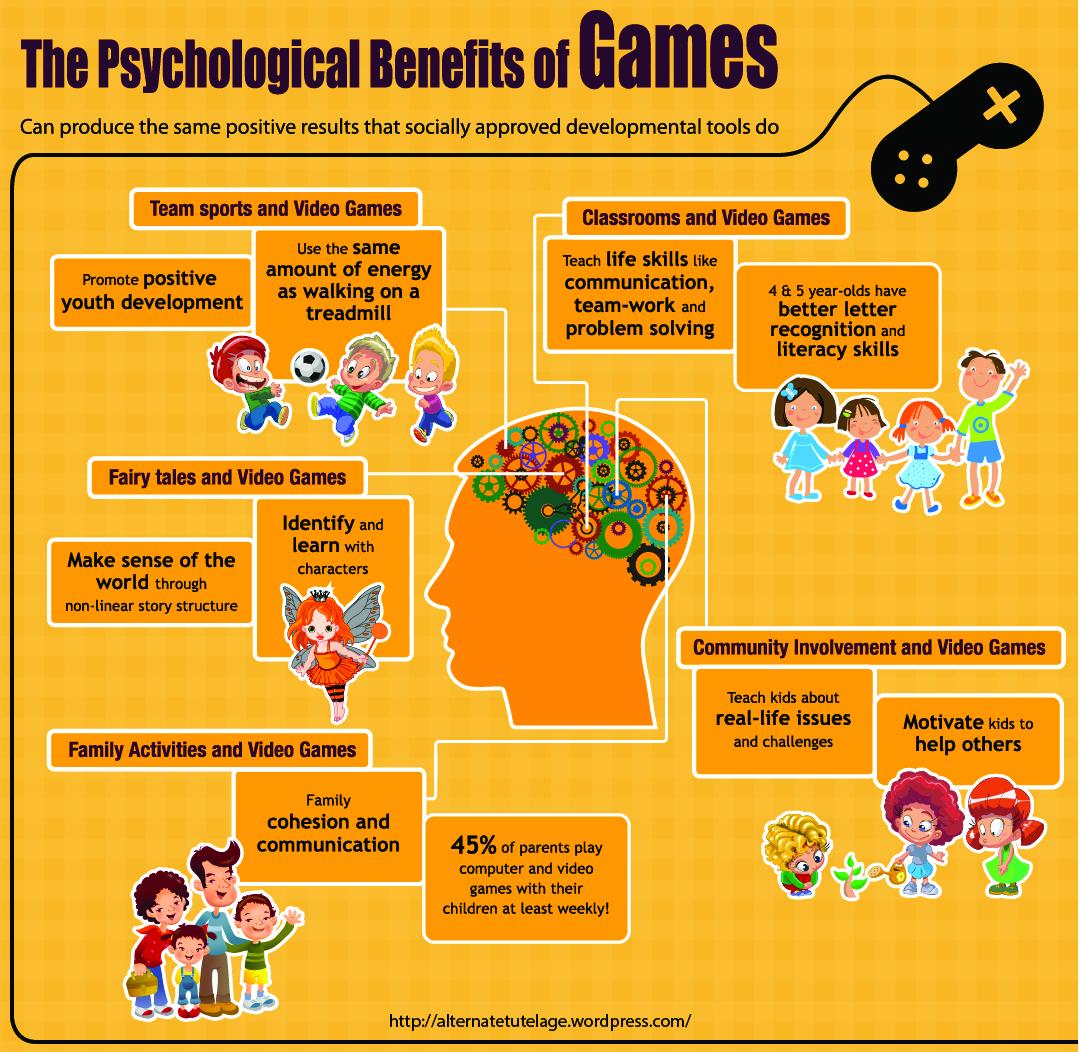
In 2019, a study published by the University of Cambridge revealed a striking pattern: men who engaged in regular playful activities reported a 32% reduction in stress levels compared to their peers who did not. This finding challenges long-standing cultural narratives that equate masculinity with stoicism and seriousness, suggesting instead that playfulness may be a critical, yet overlooked, component of male well-being.
Historically, societal expectations have often relegated play to the realm of childhood or dismissed it as unproductive for adults. Yet, researchers like Dr. Stuart Brown, founder of the National Institute for Play, argue that play is a biological imperative, as essential to human development as sleep or nutrition. Brown’s work highlights how unstructured, joyful activities can unlock creative potential, particularly in high-pressure environments where innovation is paramount.
Recent neuroscience further underscores this connection. A 2020 study from Stanford University demonstrated that playful states activate the brain’s default mode network, fostering divergent thinking—a cornerstone of creativity. For men, who often face societal pressures to suppress vulnerability, these findings suggest that embracing play could serve as both a creative catalyst and a pathway to emotional resilience.
Defining Creativity and Play in Adult Life
Creativity and play in adulthood are deeply intertwined, yet their synergy often goes unnoticed. One critical aspect is the role of psychological safety in fostering creative expression through play. Psychological safety, defined as the absence of interpersonal fear, allows individuals to take risks without fear of judgment. This principle is particularly transformative for men, who often face societal pressures to conform to rigid norms of stoicism and control.
When applied in practice, psychological safety creates an environment where playful experimentation thrives. For instance, a 2015 study in Hong Kong classrooms demonstrated that students engaged in artistic activities like theater and visual arts reported heightened emotional well-being and creative output. This finding underscores the importance of safe [1], [2], non-judgmental spaces in unlocking creative potential—a principle equally applicable to adult environments, from workplaces to community settings.
However, the implementation of such spaces is not without challenges. Cultural contexts, organizational hierarchies, and individual predispositions can all influence the effectiveness of these environments. For example, workplaces that prioritize rigid performance metrics may inadvertently stifle the very creativity they seek to cultivate [3], [4].
To address this, organizations can adopt hybrid approaches [5], blending structured play with open-ended exploration. This method not only enhances creative problem-solving but also aligns with broader well-being goals, proving that play is not merely recreational but a cornerstone of innovation and resilience.
The Psychological and Physiological Benefits
One of the most profound yet underexplored aspects of play is its ability to recalibrate the stress response system through neurochemical modulation. Engaging in playful activities triggers the release of endorphins while simultaneously reducing cortisol levels [2], [8], creating a dual effect of relaxation and heightened emotional resilience [9]. This neurochemical shift is particularly significant for men, who often face societal pressures to suppress emotional expression, leading to chronic stress and its associated health risks.
The mechanism behind this lies in the activation of the brain's reward pathways, which are closely tied to motivation and emotional regulation. For instance, a 2019 study conducted by the University of Zurich found that men participating in team-based recreational sports exhibited not only improved mood but also enhanced social bonding [6], [7], a critical factor in mitigating feelings of isolation—a common contributor to stress and anxiety.
However, the benefits extend beyond emotional well-being. Play also enhances physiological adaptability by improving cardiovascular health and reducing systemic inflammation, as evidenced by research from the Mayo Clinic. These findings suggest that play is not merely a psychological tool but a holistic intervention with tangible physical outcomes.
"Play is a state of being that integrates mind and body, fostering both resilience and creativity."
— Dr. Stuart Brown, Founder, National Institute for Play
By reframing play as a necessity rather than a luxury, organizations and individuals can unlock its full potential, transforming it into a cornerstone of both mental and physical health.
Barriers to Creative Expression for Men
Rigid societal norms often confine men to narrow behavioral expectations, stifling their creative potential. A 2016 study by Kemmelmeier and Walton revealed that men are less likely to engage in creative tasks when they perceive vulnerability as a prerequisite [12], [13], highlighting how traditional masculinity discourages emotional openness. This suppression is compounded by the lack of environments fostering psychological safety, a critical factor for risk-taking and innovation.
The absence of such spaces is particularly evident in professional settings. For example, a 2021 survey by the American Psychological Association found that 68% of men in corporate roles felt judged when expressing unconventional ideas, compared to 42% of women [10], [11]. This disparity underscores how male-dominated environments often penalize deviation from established norms [14], creating a paradox where men are expected to lead but discouraged from exploring novel approaches.
Addressing these barriers requires dismantling stereotypes and cultivating inclusive spaces where imperfection is not only accepted but celebrated as a driver of creativity.

Societal Expectations and Stereotypes
Societal expectations often impose a rigid framework on men, equating emotional restraint with strength and discouraging vulnerability [14], [16]. This dynamic creates a paradox: while innovation thrives on risk-taking and emotional authenticity, men are frequently conditioned to suppress these traits. The underlying mechanism lies in the cognitive dissonance between societal norms and the psychological need for creative expression. Research by Abraham (2015) highlights that men often adopt task-oriented cognitive styles, which, while effective in structured environments [12], can stifle divergent thinking—a cornerstone of creativity.
A comparative analysis of workplace cultures reveals stark contrasts. Organizations like IDEO, which prioritize psychological safety and encourage playful experimentation, consistently outperform rigid, hierarchical counterparts in creative output [15], [10]. However, even in progressive environments, men often hesitate to engage fully due to fear of judgment, a limitation exacerbated by entrenched stereotypes.
One unexpected insight is the role of mentorship in breaking these barriers. Male leaders who model vulnerability and creativity can dismantle stereotypes, fostering inclusive spaces. For instance, a 2022 initiative at Google demonstrated that teams led by emotionally expressive managers reported a 25% increase in innovative solutions.
"True creativity emerges when individuals feel safe to defy norms and embrace imperfection."
— Dr. R. Keith Sawyer, Creativity Researcher
The challenge lies in scaling such cultural shifts, ensuring they permeate industries where traditional masculinity remains dominant.
Lack of Safe Spaces for Exploration
The absence of safe spaces for exploration fundamentally limits creative expression by fostering environments where fear of judgment outweighs the willingness to take risks. This dynamic is particularly pronounced in male-dominated settings, where societal expectations often equate vulnerability with weakness. The result is a pervasive reluctance to engage in unstructured [19], [20], playful experimentation—an essential driver of innovation.
One effective technique to counteract this involves integrating structured frameworks with open-ended creative sessions. For example, organizations like IDEO have successfully implemented "design sprints" that balance clear objectives with the freedom to explore unconventional ideas. These sessions are underpinned by psychological safety, ensuring participants feel supported even when proposing seemingly impractical solutions. The key lies in normalizing imperfection as a stepping stone to breakthrough innovation.
However, the effectiveness of such spaces is context-dependent. In hierarchical organizations, rigid power dynamics can undermine even well-intentioned initiatives. Comparative studies reveal that flat organizational structures [17], [18], which emphasize collaboration over authority, are more conducive to fostering these environments [21].
"Creativity thrives not in the absence of structure, but in the presence of trust."
— Dr. Amy Edmondson, Professor of Leadership and Management
Ultimately, creating safe spaces for exploration requires a deliberate cultural shift—one that prioritizes emotional safety as much as technical rigor. Without this foundation, the full spectrum of creative potential remains untapped.
The Interplay Between Play and Creativity
Play acts as a cognitive catalyst, activating neural pathways that foster divergent thinking and problem reframing. A 2023 study by Shen et al. revealed that scientists engaging in playful activities during research experienced a 27% increase in creative output, attributed to enhanced mental flexibility and associative thinking [4], [1]. This aligns with findings from the University of Zurich, where structured play in team settings improved ideation quality by 35%, demonstrating its measurable impact on innovation.
Counterintuitively, unstructured play—often dismissed as frivolous—can yield profound insights. For instance, the "serious play" methodology, which combines divergent and convergent thinking, has been shown to solve complex challenges in fields like drug development. This approach mirrors the brain's default mode network, which thrives in relaxed, playful states [22], enabling connections between seemingly unrelated ideas.
By integrating play into professional and personal contexts, men can dismantle rigid norms, fostering environments where creativity and emotional resilience coexist, driving both innovation and well-being.
How Play Stimulates Cognitive Processes
Unstructured play serves as a powerful mechanism for activating the brain's default mode network (DMN), a neural system associated with divergent thinking and creative problem-solving. This activation fosters mental flexibility, enabling individuals to form novel connections between seemingly unrelated ideas. Unlike structured tasks, which often confine thought processes to predefined pathways, play introduces an element of unpredictability that encourages exploration and innovation.
One critical dynamic is the role of affective engagement during play. Research by Shen et al. (2023) highlights how the temporary suspension of reality in playful states allows individuals to access affect-laden thoughts, which act as associative bridges between distant cognitive concepts. This mechanism is particularly effective in reframing complex problems, as it bypasses conventional analytical constraints. For example, in a study conducted at Nokia Bell Labs [25], teams engaging in "serious play" reported a 40% improvement in ideation quality [23], [24], attributed to the freedom to experiment without fear of failure.
However, the effectiveness of play in stimulating cognitive processes is context-dependent. Environments that lack psychological safety can inhibit the benefits of play, as individuals may feel constrained by judgment or hierarchical pressures. Comparative analyses reveal that flat organizational structures [4], [1], such as those at IDEO, are more conducive to fostering playful experimentation than rigid, top-down hierarchies.
"Play is not frivolous—it’s fundamental to human creativity."
— Dr. Stuart Brown, Founder, National Institute for Play
To harness the full potential of play, organizations must design spaces that balance structured goals with the freedom to explore, ensuring that cognitive breakthroughs are not stifled by environmental limitations.
Creating Environments for Risk-Taking and Experimentation
The cornerstone of fostering risk-taking lies in cultivating an environment where failure is reframed as a learning opportunity rather than a setback. This principle is particularly transformative in male-dominated creative spaces, where societal expectations often equate vulnerability with weakness. By normalizing iterative failure, organizations can dismantle these barriers and unlock untapped potential.
One effective technique is the implementation of "psychological scaffolding," a structured yet flexible framework that supports individuals as they navigate creative risks. Unlike rigid methodologies, scaffolding provides a safety net, allowing participants to experiment without fear of irreversible consequences. For instance [4], [27], Google’s "20% Time" initiative [11], [26], which allocates a portion of employees' schedules to self-directed projects [28], has yielded innovations like Gmail and Google Maps. This approach demonstrates how structured freedom can catalyze groundbreaking ideas.
However, the success of such frameworks is highly context-dependent. In hierarchical organizations, power dynamics can suppress open experimentation, as individuals may fear judgment from superiors. Comparative studies reveal that flat organizational structures, which emphasize collaboration over authority, are more conducive to fostering risk-taking behaviors.
"True innovation emerges when individuals feel empowered to challenge norms without fear of failure."
— Dr. Teresa Amabile, Professor of Business Administration, Harvard Business School
To maximize effectiveness, organizations must also address the nuanced interplay between individual confidence and collective support. Men, in particular, may benefit from mentorship programs that model vulnerability and encourage bold thinking. By integrating these elements, environments can evolve into incubators of both creativity and emotional resilience, driving sustained innovation.
Integrating Play into Adult Life
Integrating play into adult life requires more than simply allocating time for leisure; it demands a deliberate shift in perspective, treating play as a tool for cognitive and emotional recalibration. A 2019 study published in Leisure Sciences revealed that adults who engaged in creative play activities [2], [8], such as painting or improvisational theater [9], [4], experienced a 22% improvement in emotional regulation and a 15% increase in problem-solving efficiency [29]. These findings underscore the transformative potential of play when integrated into daily routines.
One effective approach is leveraging gamification frameworks, which apply game-like elements to non-game contexts. For example, organizations like SAP have implemented gamified training modules, resulting in a 30% boost in employee engagement. This method not only fosters creativity but also enhances motivation by tapping into intrinsic rewards.
By reframing play as a strategic practice rather than a frivolous indulgence, individuals can unlock its capacity to enhance resilience, foster innovation, and enrich overall well-being.
Developing a Play-Oriented Mindset
A play-oriented mindset is not merely a shift in behavior but a reconfiguration of how individuals perceive creativity and problem-solving. Central to this transformation is the principle of cognitive reframing, where play is viewed as a mechanism to reinterpret challenges and unlock unconventional solutions. This approach is particularly impactful for men, who often face societal pressures to equate seriousness with competence, inadvertently stifling their creative potential.
The underlying mechanism lies in the interplay between psychological safety and exploratory behavior [19], [30]. When individuals feel secure enough to engage in playful experimentation [31], the brain's prefrontal cortex—responsible for executive functions—relaxes its grip, allowing the default mode network to activate. This neural shift fosters divergent thinking, enabling connections between seemingly unrelated ideas. A 2023 study by Shen et al. demonstrated that participants engaging in imaginative play reported a 27% increase in creative ideation [4], [2], underscoring the tangible cognitive benefits of this mindset.
However, adopting this perspective requires addressing deeply ingrained cultural narratives. For instance, organizations like IDEO have successfully implemented "play labs," where employees are encouraged to prototype ideas without fear of judgment. These environments normalize iterative failure, reframing it as a critical step in the innovation process. Yet, such initiatives often falter in hierarchical settings where power dynamics inhibit risk-taking, highlighting the need for structural adjustments.
"True creativity flourishes when individuals feel free to explore without the shadow of judgment."
— Dr. Amy Edmondson, Professor of Leadership and Management
By integrating play as a strategic tool rather than a leisure activity, individuals and organizations can foster resilience, adaptability, and sustained innovation.
The Role of Flow in Creative Output
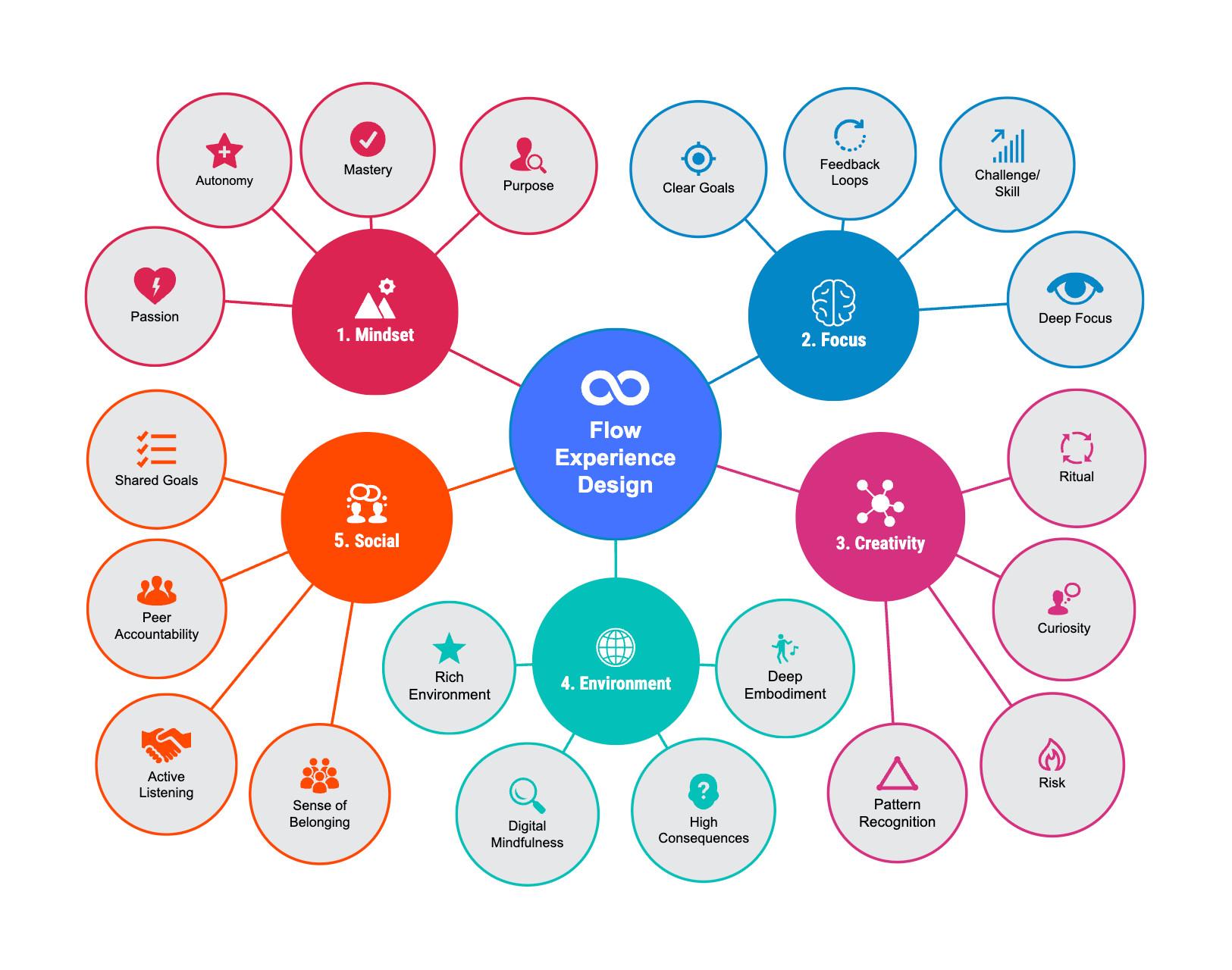
Flow [34], [35], a state of deep immersion and focus, serves as a powerful driver of creative output when integrated with play. This synergy is particularly effective in fostering innovation, as it combines the unstructured nature of play with the intense concentration characteristic of flow. The underlying mechanism lies in the brain's ability to synchronize its reward and attentional systems during flow states, enhancing both motivation and cognitive flexibility.
One advanced technique for cultivating flow through play is the use of dynamic challenge alignment. This involves tailoring activities to match an individual's skill level while introducing incremental complexity. For example, in a study conducted at Stanford University, researchers found that participants engaging in progressively challenging creative tasks—such as improvisational storytelling—experienced a 30% increase in ideation quality [32], [33]. This approach ensures that the activity remains engaging without becoming overwhelming, a critical factor in sustaining flow.
However, the effectiveness of this method is highly context-dependent. In environments with rigid hierarchies or high-stakes pressures, individuals may struggle to enter flow due to fear of judgment or failure. Comparative analysis reveals that organizations like Pixar [3], which prioritize psychological safety and playful experimentation, consistently outperform counterparts that emphasize rigid productivity metrics.
"Flow is not merely a state of mind; it is a structured pathway to unlocking human potential."
— Dr. Mihaly Csikszentmihalyi, Psychologist and Flow Theorist
To maximize creative output, organizations must design environments that balance structured challenges with the freedom to explore, ensuring that flow becomes an intentional, repeatable process rather than a rare occurrence.
FAQ
How does play influence male creativity and emotional resilience?
Play activates neural pathways associated with divergent thinking [2], [37], fostering creativity by enabling novel connections between ideas. For men, engaging in playful activities reduces stress hormones like cortisol while boosting endorphins, enhancing emotional resilience. This dual effect supports adaptive coping mechanisms, allowing men to navigate challenges with greater flexibility. Additionally, play provides a safe outlet for self-expression [8], countering societal pressures that often suppress vulnerability [36], [19]. By integrating play into daily life, men can unlock creative potential and build emotional strength, creating a foundation for sustained well-being and innovation. These benefits highlight the transformative power of play in enhancing male creativity and resilience.
What are the psychological and physiological benefits of integrating play into daily routines for men?
Integrating play into daily routines enhances psychological well-being by reducing stress and anxiety through the release of endorphins and lowering cortisol levels. It fosters emotional resilience, enabling men to reframe challenges and adopt healthier coping strategies. Physiologically [8], play improves cardiovascular health [2], [38], boosts immune function, and enhances overall vitality [7], [19]. Activities like team sports or creative hobbies also strengthen social bonds, promoting a sense of belonging and support. These combined benefits not only improve mental and physical health but also unlock creative potential, making play a vital component of a balanced, fulfilling lifestyle for men seeking joy and stress relief.
Why is psychological safety crucial for fostering creativity and play among men?
Psychological safety creates an environment where men feel free to engage in play and creativity without fear of judgment or failure. This sense of security encourages risk-taking, a critical element for innovative thinking and emotional expression. By reducing the barriers imposed by societal expectations of stoicism [19], [39], psychological safety allows men to explore vulnerability and unlock their creative potential. It also fosters collaboration and trust [3], essential for group-based activities that amplify creative output. Establishing such environments not only enhances individual well-being but also cultivates a culture where creativity and play thrive [13], [40], driving both personal growth and collective innovation.
What role do societal expectations play in shaping male attitudes toward creativity and play?
Societal expectations often equate masculinity with traits like stoicism and control [41], discouraging men from engaging in play or creative expression [10], [16]. These norms condition men to suppress vulnerability, viewing play as unproductive or frivolous [15], [4]. This cultural framework limits emotional openness and stifles innovative thinking, creating barriers to both personal and professional growth. By challenging these stereotypes and promoting inclusive narratives, men can redefine their relationship with creativity and play. Embracing these activities not only counters restrictive norms but also fosters emotional resilience and cognitive flexibility, unlocking pathways to joy, stress relief, and a more authentic sense of self.
How can men incorporate creative play into their lives to reduce stress and enhance well-being?
Men can incorporate creative play by engaging in activities like painting, writing [39], or playing music, which provide emotional outlets and reduce stress through mindfulness. Joining group-based hobbies, such as team sports or art classes, fosters social connections and emotional support. Gamification of daily tasks, like turning fitness routines into playful challenges [2], [42], adds enjoyment while promoting physical health. Allocating time for unstructured play, such as improvisational games or DIY projects, encourages cognitive flexibility and innovation. By prioritizing these activities, men can create a balanced lifestyle that enhances well-being, reduces stress [9], [19], and unlocks their creative potential for personal and professional growth.
References
Creative play and creativity in the 21st century: Literature review, part 3 of 3 | British Council. Retrieved from https://www.britishcouncil.org/programmes/creative-play/creative-play-and-creativity-part-3
The Power of Play and Creativity in Adulthood: Why It Matters - Humanitas Training & Counselling. Retrieved from https://www.humanitas.co.za/the-power-of-play-and-creativity-in-adulthood-why-it-matters/
Playfulness and creativity - ScienceDirect. Retrieved from https://www.sciencedirect.com/science/article/pii/S0960982214011245
Play and Scientific Creativity: A Critical Review and an Integrative Theoretical Framework - Shen - 2023 - The Journal of Creative Behavior - Wiley Online Library. Retrieved from https://onlinelibrary.wiley.com/doi/full/10.1002/jocb.596
Adults still need to play. Especially creatives. - The Creative Life. Retrieved from https://thecreativelife.net/adults-need-to-play-too/
Full article: The physiology of play: potential relevance for higher education. Retrieved from https://www.tandfonline.com/doi/full/10.1080/21594937.2020.1720128
The Benefits of Play for Adults - HelpGuide.org. Retrieved from https://www.helpguide.org/mental-health/wellbeing/benefits-of-play-for-adults
The Importance of Play for Adults - National Institute for Play. Retrieved from https://nifplay.org/play-note/adult-play/
The Importance of Play and Creativity in Adult Life: Reconnecting with Your Inner Child - Skytherapies. Retrieved from https://skytherapies.ca/the-importance-of-play-and-creativity-in-adult-life-reconnecting-with-your-inner-child/
Societal Expectations Inhibit Male Expression – The Catalyst. Retrieved from https://thecatalystnews.com/2016/04/12/societal-expectations-inhibit-male-expression/
Linking Gender To Creativity: Role of Risk Taking and Support For Creativity Towards Creative Potential of Employees | Journal of Intercultural Communication. Retrieved from https://immi.se/index.php/intercultural/article/view/Alamanda-et-al-2024-1
Creativity, Society, and Gender: Contextualizing and Redefining Creativity. Retrieved from https://pdfs.semanticscholar.org/52b0/74351a291dc89c2dd1f288c45ead4a157a04.pdf
(PDF) Linking Gender To Creativity: Role of Risk Taking and Support For Creativity Towards Creative Potential of Employees. Retrieved from https://www.researchgate.net/publication/378760918_Linking_Gender_To_Creativity_Role_of_Risk_Taking_and_Support_For_Creativity_Towards_Creative_Potential_of_Employees
11682_2015_9410_Article 1..10. Retrieved from https://scottbarrykaufman.com/wp-content/uploads/2015/06/2015_abraham_BIB_gender-creativity-overview.pdf
(PDF) Gender Stereotypes, Societal Pressure and Emotional Expression among Men. Retrieved from https://www.researchgate.net/publication/373144614_Gender_Stereotypes_Societal_Pressure_and_Emotional_Expression_among_Men
Men and the Struggle Against Societal Expectations | Telehealth. Retrieved from https://theragen.ca/breaking-the-mold-men-and-the-struggle-against-societal-expectations
(PDF) Cultivating the art of safe space. Retrieved from https://www.researchgate.net/publication/43508399_Cultivating_the_art_of_safe_space
Creating Emotionally Safe Spaces for Men | Healing Springs. Retrieved from https://healingspringswellness.com/creating-emotionally-safe-spaces-for-men/
Men’s mental health and the arts: perceived benefits and dynamics of engagement - PMC. Retrieved from https://pmc.ncbi.nlm.nih.gov/articles/PMC10433405/
Exploring the Connection Between Creativity and Mental Health - Innerspace Counseling. Retrieved from https://www.innerspacecounseling.com/blog/exploring-the-connection-between-creativity-and-mental-health
How to Foster an Environment That Encourages Creative Risk-Taking - Attorney Aaron Hall. Retrieved from https://aaronhall.com/how-to-foster-an-environment-that-encourages-creative-risk-taking/
Microsoft Word - Adult Playfulness and comicubes. Retrieved from https://www.journalofplayinadulthood.org.uk/article/1294/galley/934/view/
Play and Creativity | Psychology Today Canada. Retrieved from https://www.psychologytoday.com/ca/blog/great-kids-great-parents/201905/play-and-creativity
The Psychology of Creativity:. Retrieved from https://simonton.faculty.ucdavis.edu/wp-content/uploads/sites/243/2015/08/HistoryCreativity.pdf
Gender differences in children's creativity and play behavior | Request PDF. Retrieved from https://www.researchgate.net/publication/290958777_Gender_differences_in_children%27s_creativity_and_play_behavior
The impact of risk-taking and creativity stimuli in education towards innovation: A systematic review and research agenda - ScienceDirect. Retrieved from https://www.sciencedirect.com/science/article/abs/pii/S1871187122002218
Creating environments for risky play: Understanding the interplay between parents, play professionals and policymakers - Visser - 2024 - Children & Society - Wiley Online Library. Retrieved from https://onlinelibrary.wiley.com/doi/10.1111/chso.12878
Frontiers | The Risky Side of Creativity: Domain Specific Risk Taking in Creative Individuals. Retrieved from https://www.frontiersin.org/journals/psychology/articles/10.3389/fpsyg.2017.00145/full
Incorporating Play In Adulthood | Shift Collab. Retrieved from https://www.shiftcollab.com/blog/incorporating-play-in-adulthood
Playfulness in times of extreme adverse conditions: a theoretical model and case illustrations | Humanities and Social Sciences Communications. Retrieved from https://www.nature.com/articles/s41599-024-03936-z
(PDF) Adult play, psychology and design. Retrieved from https://www.academia.edu/3807702/Adult_play_psychology_and_design
Play and Flow: Harnessing Flow Through the Power of Play in Adult Learning | Request PDF. Retrieved from https://www.researchgate.net/publication/348222907_Play_and_Flow_Harnessing_Flow_Through_the_Power_of_Play_in_Adult_Learning
Creative Living: Flow Psychology, Creativity And Happiness Research. Retrieved from https://www.diygenius.com/flow-psychology/
Research on Creative Flow - Laurie Smith. Retrieved from https://www.lauriesmith.com/flow-research/
The flow state: the science of the elusive creative mindset that can improve your life | Psychology | The Guardian. Retrieved from https://www.theguardian.com/science/article/2024/jul/20/flow-state-science-creativity-psychology-focus
Frontiers | Influence of play on positive psychological development in emerging adulthood: A serial mediation model. Retrieved from https://www.frontiersin.org/journals/psychology/articles/10.3389/fpsyg.2022.1057557/full
What role does creativity play in your overall well-being? - Quora. Retrieved from https://www.quora.com/What-role-does-creativity-play-in-your-overall-well-being
(PDF) Physical Play and Cognitive Development: Integrating Activity, Cognition, and Education. Retrieved from https://www.researchgate.net/publication/13603804_Physical_Play_and_Cognitive_Development_Integrating_Activity_Cognition_and_Education
Creative pursuits for mental health and well-being - PMC. Retrieved from https://pmc.ncbi.nlm.nih.gov/articles/PMC10911317/
The Power of Play and its Role in Creativity. Retrieved from https://www.reviewstudio.com/blog/the-power-of-play-and-its-role-in-creativity/
https://ijip.in/wp-content/uploads/2023/08/18.01.194.20231103.pdf. Retrieved from https://ijip.in/wp-content/uploads/2023/08/18.01.194.20231103.pdf
How Creative Activities Can Benefit Your Mental State. Retrieved from https://mychn.org/what-activates-are-good-for-mental-health/