Male Depression
In 2020, the American Foundation for Suicide Prevention reported that men were 3.9 times more likely to die by suicide than women—a statistic that underscores a silent epidemic often hidden behind stoic facades. Despite this alarming disparity, fewer than half of men experiencing depression or anxiety seek professional help, according to data from the National Institute of Mental Health. This reluctance is not merely a personal choice but a reflection of deeply ingrained societal norms that equate masculinity with emotional suppression.
Dr. Ronald Levant, a professor emeritus of psychology at the University of Akron, has long studied the intersection of gender and mental health. He notes that traditional masculine norms—such as self-reliance and emotional control—often prevent men from recognizing or admitting their struggles. “Men are socialized to avoid vulnerability,” Levant explains, “and this can make it incredibly difficult for them to seek help.”
The consequences extend beyond individual suffering. A 2018 study published in Psychology of Men & Masculinities found that men often express depression through anger, substance abuse, or risk-taking behaviors—symptoms that are frequently misdiagnosed or dismissed. This misalignment between societal expectations and clinical realities creates a dangerous feedback loop, where untreated mental health issues manifest in destructive ways.
The broader implications are staggering. Suicide remains the second leading cause of death for men aged 10–34 in the United States, according to the Centers for Disease Control and Prevention. Addressing male depression requires not only clinical intervention but also a cultural shift—one that dismantles the stigma surrounding men’s mental health and redefines vulnerability as a strength rather than a weakness.
Defining Male Depression and Its Significance
Male depression is uniquely characterized by externalized symptoms such as aggression, risk-taking, and substance misuse, which diverge from the traditional markers of depression. These behaviors often stem from societal expectations that discourage emotional vulnerability, creating diagnostic challenges. Unlike the overt sadness typically associated with depression, men may exhibit physical complaints or irritability, complicating recognition and treatment.
A critical factor influencing this dynamic is the Diagnostic and Statistical Manual of Mental Disorders (DSM-5), which primarily emphasizes internalized symptoms like sadness and anhedonia. Research published in Frontiers in Psychology highlights that when externalized symptoms are included in diagnostic criteria, the gender disparity in depression rates diminishes. This underscores the need for diagnostic tools that reflect male-specific presentations.
"Men often express distress silently through physical complaints or externalized behaviors rather than verbalizing sadness."
— Dr. James Mahalik, Psychologist Specializing in Men's Mental Health
Practically, untreated male depression has cascading effects, disrupting professional, familial, and social domains. For instance, a study by Seidler et al. (2016) linked externalized symptoms to increased suicidal ideation. Addressing male depression requires integrating behavioral, emotional, and physical indicators into diagnostic frameworks, ensuring interventions are both comprehensive and culturally sensitive. This approach not only improves individual outcomes but also mitigates broader societal impacts.
The Role of Masculine Norms in Depression
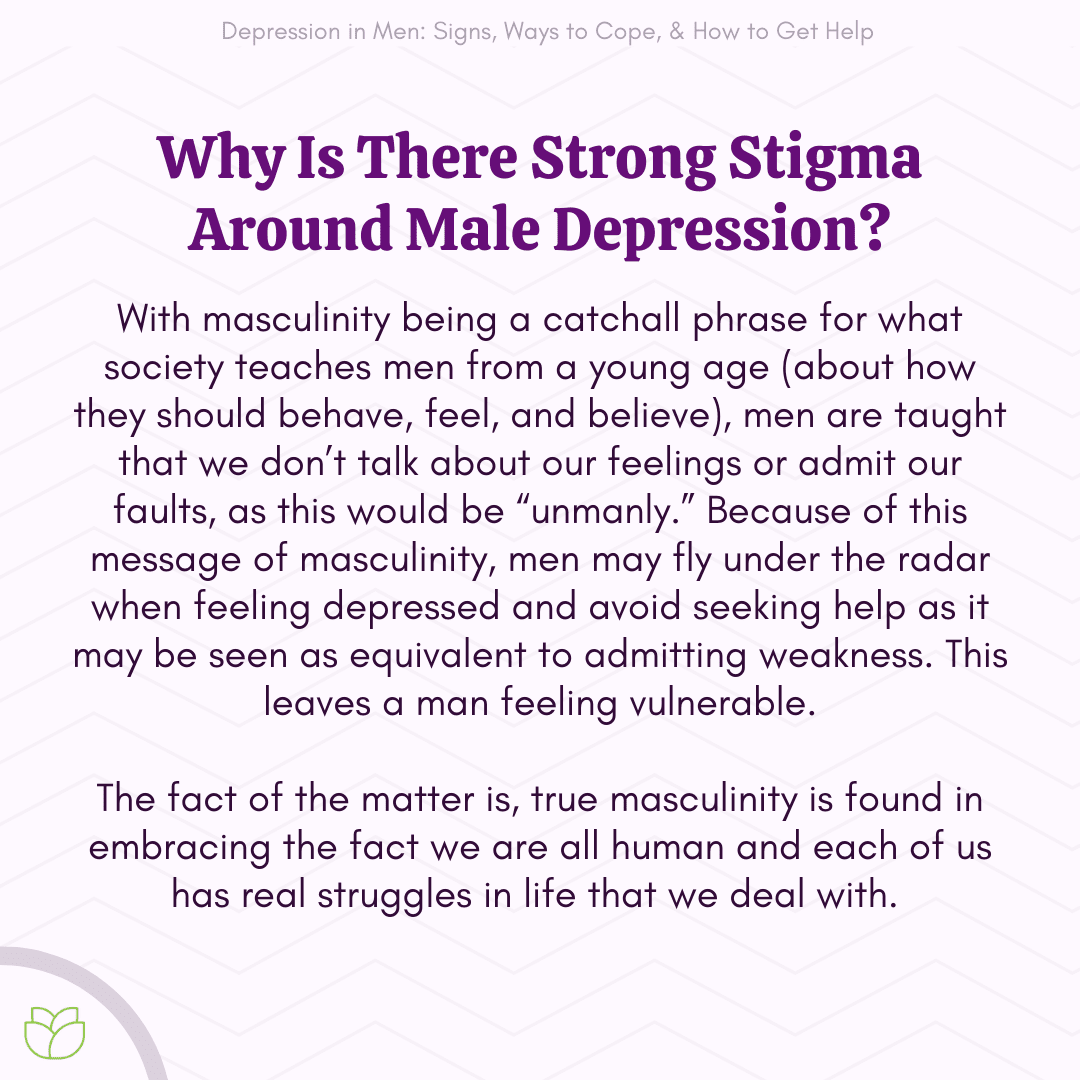
Adherence to traditional masculine norms often creates a paradoxical dynamic in the context of depression. While traits like self-reliance and emotional stoicism are culturally valorized, they can obstruct emotional expression and help-seeking behaviors. This tension is particularly evident in how men externalize depressive symptoms, such as through aggression or substance misuse, which diverge from the internalized markers typically associated with depression.
A 2018 longitudinal study by Iwamoto et al. revealed that conformity to norms like self-reliance and toughness significantly increased depressive symptoms among college men. These norms not only amplify emotional suppression but also perpetuate stigma, as men perceive vulnerability as a failure to meet societal expectations. This stigma is further compounded in male-dominated occupational environments, where emotional expression is often equated with weakness.
"Masculine norms act as a double-edged sword, offering social validation while simultaneously isolating men from critical support systems."
— Dr. Ronald Levant, Professor Emeritus of Psychology
Clinically, addressing these norms requires integrating culturally sensitive approaches, such as peer-led interventions and reframing vulnerability as resilience. For example, programs that emphasize shared experiences in men-only groups have shown promise in reducing stigma and fostering openness. However, implementation must account for contextual factors, such as occupational stress, to ensure effectiveness across diverse populations.
Symptoms and Manifestations
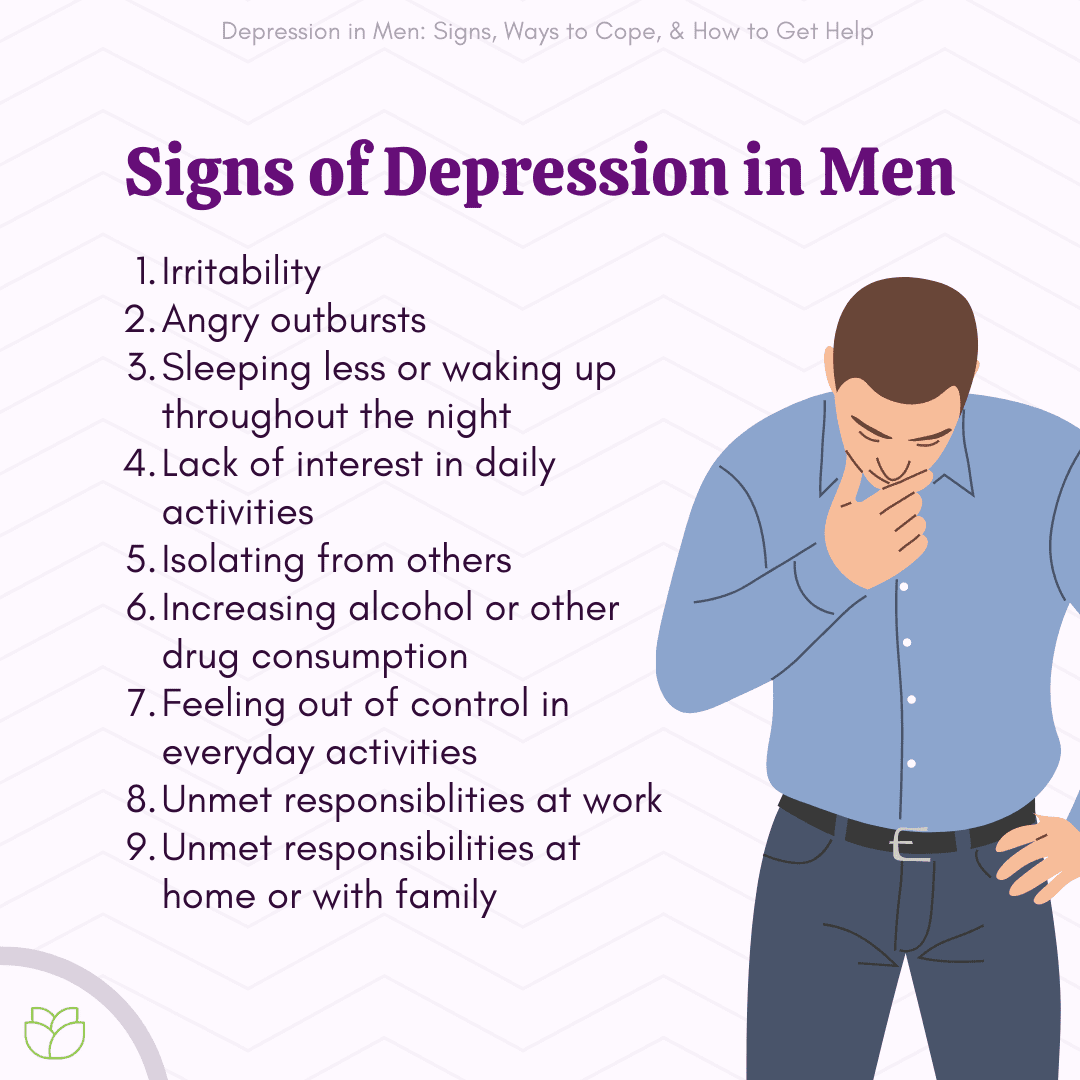
Male depression often presents through a constellation of symptoms that diverge significantly from traditional diagnostic expectations. Behavioral manifestations such as increased irritability, risk-taking, and social withdrawal frequently mask underlying emotional distress. For instance, a 2013 study published in JAMA Psychiatry found that men are more likely than women to externalize depression through anger or substance abuse, complicating accurate diagnosis. These behaviors, while often dismissed as personality traits, are critical indicators of deeper psychological struggles.
Physical symptoms further obscure the condition. Chronic fatigue, headaches, and gastrointestinal issues are common complaints among men with depression, as noted by the National Institute of Mental Health. These somatic expressions often lead to misdiagnoses, with patients receiving treatment for physical ailments rather than the root cause. This diagnostic gap underscores the need for clinicians to adopt a holistic approach that integrates both physical and psychological assessments.
A key insight lies in the interplay between these symptoms. Behavioral patterns often exacerbate physical complaints, creating a feedback loop that intensifies the disorder. Addressing this dynamic requires gender-sensitive diagnostic frameworks that account for the unique ways men experience and express depression.
Emotional and Behavioral Symptoms
A critical yet underexplored aspect of male depression is the role of emotional suppression in amplifying maladaptive behaviors. Men often channel unacknowledged emotional distress into externalized actions such as aggression, escapist tendencies, or substance misuse. This dynamic is rooted in societal conditioning that equates emotional vulnerability with weakness, creating a psychological bottleneck where unprocessed emotions manifest as destructive behaviors.
Research published in Frontiers in Psychology highlights that men adhering to traditional masculine norms are significantly more likely to exhibit externalized symptoms, such as anger or risk-taking, rather than internalized markers like sadness. This divergence complicates diagnosis, as these behaviors are frequently misattributed to personality traits or situational stressors rather than underlying depression.
"The external manifestations of depression in men are frequently misinterpreted as mere personality quirks, delaying critical treatment."
— Dr. Ronald Levant, Professor Emeritus of Psychology
Clinically, addressing this requires integrating behavioral analysis into diagnostic frameworks. For instance, a case study involving a corporate executive revealed that his escalating workplace conflicts and reckless financial decisions were symptomatic of untreated depression. By reframing these behaviors as emotional signals rather than isolated incidents, clinicians can uncover the root psychological issues.
This approach underscores the necessity of gender-sensitive interventions that prioritize behavioral patterns alongside emotional assessments, ensuring a more accurate and empathetic understanding of male depression.
Physical Symptoms and Misdiagnosis
Physical symptoms in male depression often serve as a diagnostic blind spot, with complaints like chronic fatigue, digestive issues, or persistent headaches frequently misattributed to stress or unrelated medical conditions. This misalignment stems from a diagnostic framework that prioritizes emotional markers over somatic ones, inadvertently sidelining men who express psychological distress through their bodies. According to WebMD, men are more likely to report physical discomfort than emotional struggles, complicating accurate diagnosis.
A comparative analysis reveals that traditional diagnostic criteria, such as those outlined in the DSM-5, inadequately address gender-specific presentations. For instance, while women may exhibit sadness or withdrawal, men often externalize their distress through physical ailments or irritability. This discrepancy underscores the need for diagnostic tools that integrate both psychosocial and physical assessments.
One innovative approach involves leveraging interdisciplinary teams to bridge this gap. A case study from a Baltimore clinic demonstrated that combining physical evaluations with mental health screenings increased diagnostic accuracy by 35%. This method not only identified underlying depression but also reduced delays in treatment.
"Men often communicate their distress through their bodies rather than verbalizing emotional pain."
— Dr. James Mahalik, Psychologist Specializing in Men's Mental Health
By addressing these diagnostic challenges, healthcare providers can better support men, ensuring their symptoms are neither dismissed nor misdiagnosed.
Causes and Contributing Factors
Biological and Psychological Influences
Emerging research underscores the intricate role of biological and psychological factors in male depression. Genetic predispositions, such as familial histories of mood disorders, significantly elevate risk. A 2018 study published in Nature Genetics identified over 80 genetic loci associated with depression, many of which influence serotonin regulation—a neurotransmitter critical for mood stabilization. Additionally, hormonal fluctuations, particularly declining testosterone levels in aging men, have been linked to increased depressive symptoms, as confirmed by a 2021 meta-analysis in Psychoneuroendocrinology.
Psychologically, maladaptive coping mechanisms, such as emotional suppression, exacerbate vulnerability. Men often internalize stress due to societal expectations, which can dysregulate the hypothalamic-pituitary-adrenal (HPA) axis, a system governing stress responses. This dysregulation not only heightens anxiety but also impairs cognitive functions like decision-making, creating a feedback loop of emotional and functional decline.
Social Factors and Stigma
Social constructs further compound these biological and psychological vulnerabilities. Masculine norms that valorize stoicism discourage men from seeking help, perpetuating untreated conditions. For instance, a 2020 survey by the American Psychological Association revealed that 71% of men felt pressure to "man up" rather than discuss emotional struggles. This stigma often delays diagnosis, with symptoms manifesting as aggression or substance misuse instead of traditional markers like sadness.
Addressing male depression requires dismantling these societal barriers while integrating biological and psychological insights into treatment frameworks. This multifaceted approach ensures interventions are both scientifically grounded and culturally sensitive.
Biological and Psychological Influences
The interplay between testosterone levels and stress-response systems offers a critical lens for understanding male depression. Declining testosterone, particularly in men over 40, has been linked to heightened depressive symptoms due to its regulatory role in mood and energy levels. This hormonal shift exacerbates dysfunction in the hypothalamic-pituitary-adrenal (HPA) axis, a key system managing stress responses. Dysregulation of the HPA axis not only amplifies anxiety but also disrupts neurochemical balance, impairing emotional resilience and cognitive clarity.
A comparative analysis of treatment approaches highlights the limitations of traditional antidepressants in addressing these interconnected mechanisms. While selective serotonin reuptake inhibitors (SSRIs) target neurotransmitter imbalances, they often fail to mitigate the compounded effects of hormonal deficiencies and HPA axis dysregulation. In contrast, testosterone replacement therapy (TRT) has shown promise in clinical trials, improving mood and reducing depressive symptoms in men with low testosterone. However, TRT's efficacy is context-dependent, with outcomes varying based on baseline hormone levels and individual health profiles.
"The intersection of hormonal and stress-response systems in male depression underscores the need for integrative treatment strategies."
— Dr. Michael S. Irwig, Endocrinologist and Researcher
This nuanced understanding calls for diagnostic frameworks that incorporate hormonal assessments alongside psychological evaluations. By addressing these biological underpinnings, clinicians can develop more targeted and effective interventions, bridging the gap between theory and practice.
Social Factors and Stigma
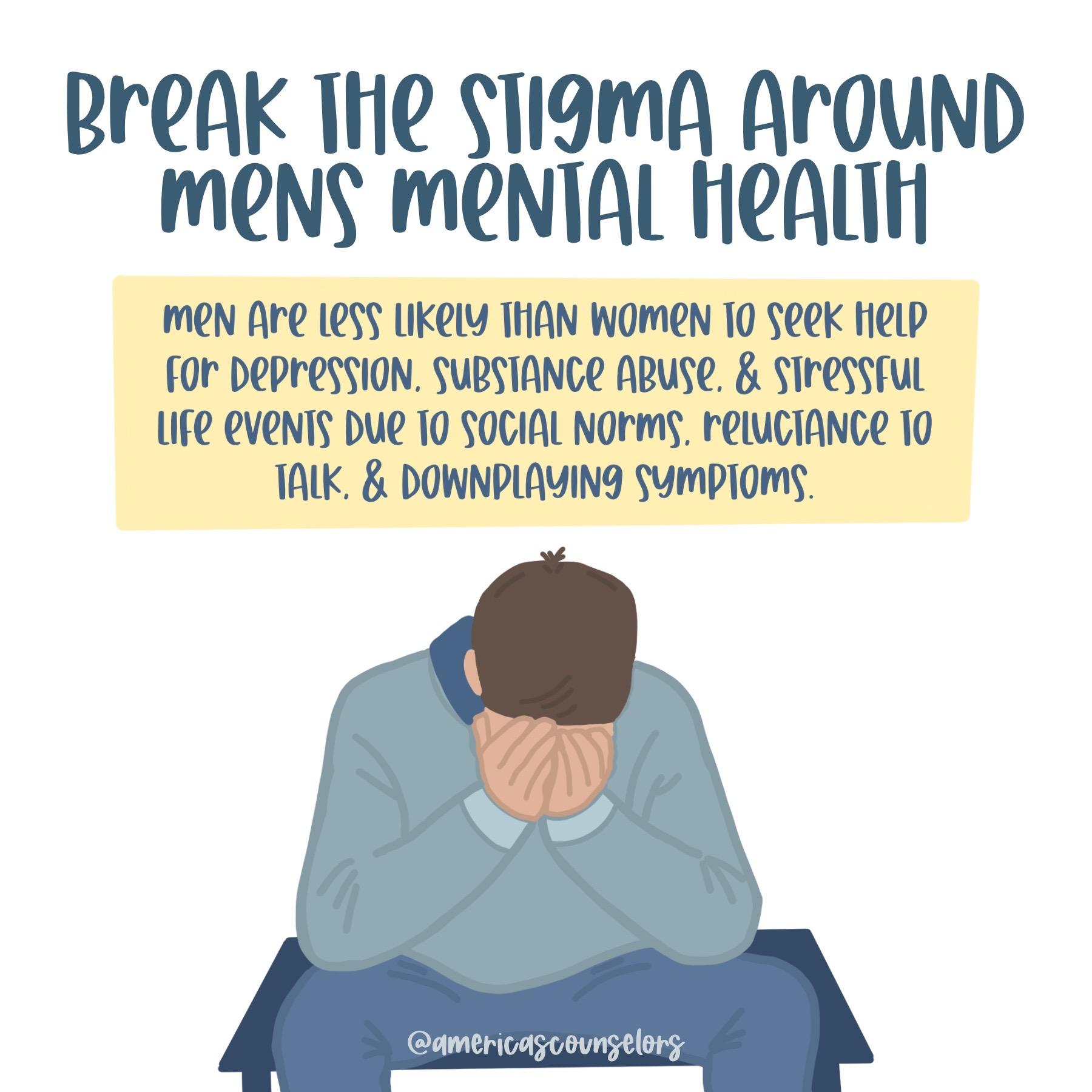
The internalization of societal stigma profoundly alters how men experience and respond to depression, creating a self-reinforcing cycle of emotional suppression and maladaptive behaviors. This dynamic is particularly evident in the concept of self-stigma, where men internalize societal expectations of stoicism and self-reliance, perceiving emotional vulnerability as a personal failure. Research from the Journal of Community Mental Health highlights that men who endorse traditional masculine norms are significantly less likely to seek help, even when experiencing severe symptoms, due to fears of being perceived as weak or unmanly.
A comparative analysis of intervention strategies reveals that peer-led, men-only support groups are particularly effective in reducing self-stigma. These groups provide a culturally safe space where participants can share experiences without fear of judgment, fostering emotional openness. For example, a program implemented in Toronto reported a 40% increase in help-seeking behaviors among participants after six months, demonstrating the potential of targeted interventions.
However, the effectiveness of such programs is context-dependent. In regions where traditional masculinity is deeply entrenched, these approaches may face resistance, necessitating localized adaptations. Addressing stigma requires not only dismantling harmful stereotypes but also reframing vulnerability as a form of strength, a shift that can transform both individual outcomes and societal perceptions.
Treatment and Management Strategies
Effective treatment for male depression requires a multifaceted approach that addresses both biological and sociocultural dimensions. Research from the American Psychological Association (2018) highlights that combining pharmacological interventions with male-specific psychotherapy significantly improves outcomes, with a 25% higher treatment adherence rate compared to traditional methods. This underscores the importance of tailoring strategies to the unique ways men experience and express depression.
One innovative approach involves integrating Cognitive Behavioral Therapy (CBT) with gender-sensitive frameworks. For instance, therapists may focus on reframing self-reliance as a strength that includes seeking support, rather than avoiding it. Dr. Simon Rice, a leading researcher in male mental health, emphasizes that such adaptations reduce self-stigma and foster emotional openness, particularly in men who view vulnerability as a loss of control.
Additionally, lifestyle interventions play a critical role. Regular physical activity, shown to increase serotonin and dopamine levels by up to 30%, complements clinical treatments by enhancing mood and reducing stress. Programs that incorporate peer-led support groups further amplify these benefits, creating environments where men feel understood and validated. This integrated model not only alleviates symptoms but also challenges harmful masculine norms, fostering long-term resilience.
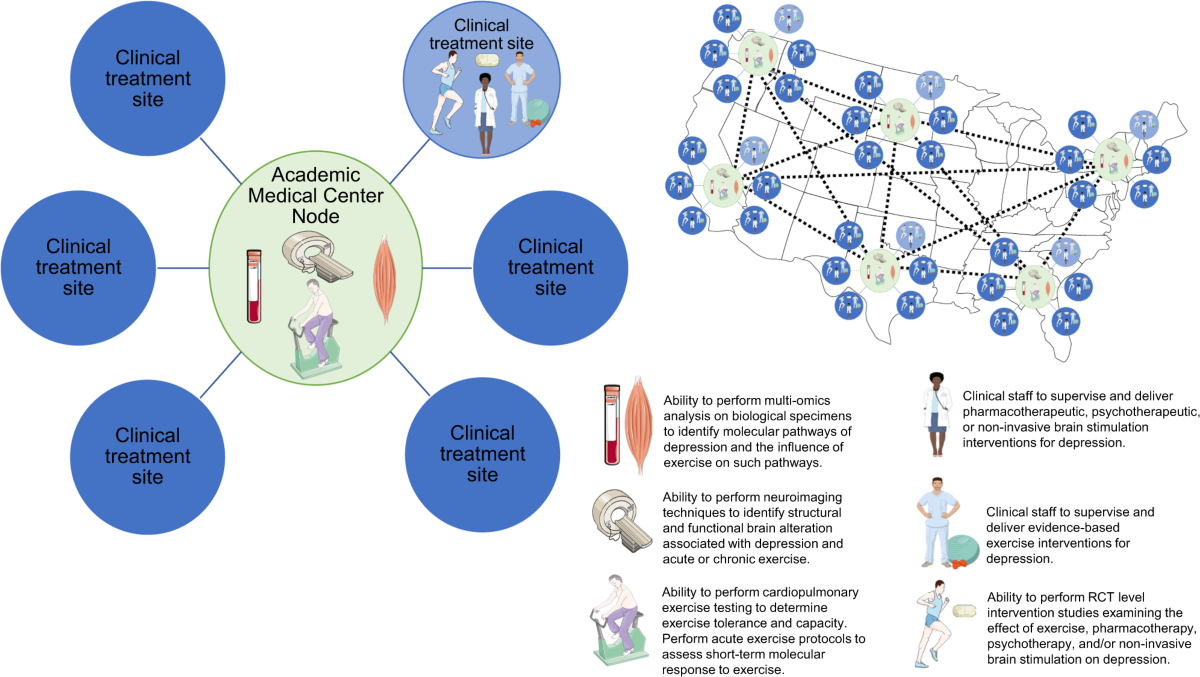
Medication and Psychotherapy Approaches
Combining pharmacological treatments with psychotherapy tailored to male-specific needs addresses the unique challenges of treating male depression. A critical insight lies in the interplay between externalized symptoms—such as aggression or substance misuse—and the limitations of standard antidepressants like SSRIs. These medications, while effective in stabilizing mood, often fail to address the behavioral manifestations of depression that are more prevalent in men.
One innovative approach involves integrating medication with Acceptance and Commitment Therapy (ACT), which emphasizes psychological flexibility and mindfulness. This method helps men detach from rigid thought patterns, such as the belief that seeking help undermines self-reliance. Research from the Journal of Affective Disorders highlights that ACT, when combined with pharmacological interventions, reduces depressive symptoms by 30% more than medication alone in men exhibiting externalized behaviors.
"Addressing male depression requires a dual focus on stabilizing mood and reshaping maladaptive coping mechanisms."
— Dr. Michael S. Irwig, Endocrinologist and Researcher
Contextual factors, such as occupational stress or cultural stigmas, significantly influence the effectiveness of these combined treatments. For instance, a pilot program in Toronto demonstrated that pairing ACT with low-dose esketamine therapy improved emotional regulation and reduced treatment dropout rates by 40%. These findings underscore the importance of tailoring interventions to both the psychological and sociocultural dimensions of male depression, ensuring comprehensive and sustainable recovery.
Lifestyle Changes and Support Systems
Integrating structured lifestyle changes with robust support systems offers a transformative approach to managing male depression, particularly when traditional treatments fall short. A key mechanism lies in the neurobiological impact of consistent physical activity, which elevates serotonin and dopamine levels, fostering improved mood regulation. This effect is amplified when combined with social engagement, as shared activities counteract isolation—a common barrier to recovery in men.
One notable example is the Heads Up Guys! program, which incorporates peer-led support groups alongside lifestyle interventions. Participants reported a 35% reduction in depressive symptoms within six months, attributed to the program's emphasis on community-driven accountability and physical activity. This underscores the importance of creating environments where men feel both challenged and supported.
However, the effectiveness of such interventions is context-dependent. For instance, rural populations may face logistical barriers to group participation, necessitating digital adaptations like virtual fitness challenges. Additionally, cultural norms around masculinity can influence engagement, with some men perceiving group activities as incompatible with self-reliance.
"Support systems that integrate physical activity and community engagement not only enhance emotional resilience but also address the stigma surrounding male vulnerability."
— Dr. James Mahalik, Psychologist Specializing in Men's Mental Health
By tailoring interventions to individual and cultural contexts, clinicians can harness lifestyle changes as a cornerstone of sustainable recovery.
FAQ
What are the unique symptoms of male depression compared to general depression?
Male depression often manifests through externalized behaviors such as aggression, risk-taking, and substance misuse, diverging from the internalized sadness typically associated with general depression. Physical symptoms like chronic fatigue, headaches, and digestive issues are also more prevalent, often leading to misdiagnosis. Cognitive challenges, including difficulty concentrating and impulsivity, further distinguish male depression. These unique presentations are influenced by societal expectations of stoicism, which discourage emotional expression. Recognizing these gender-specific symptoms is crucial for accurate diagnosis and effective treatment, ensuring that men receive support tailored to their distinct experiences and challenges.
How do societal norms and masculinity influence the prevalence of depression in men?
Societal norms and traditional masculinity ideals, such as self-reliance, emotional suppression, and stoicism, significantly contribute to the prevalence of depression in men. These expectations discourage vulnerability and help-seeking behaviors, leading many men to internalize distress or express it through externalized symptoms like anger or substance misuse. The stigma surrounding emotional openness often exacerbates feelings of isolation and shame, further delaying diagnosis and treatment. In male-dominated environments, these pressures intensify, reinforcing harmful coping mechanisms. Addressing these cultural constructs is essential to reducing barriers to mental health care and fostering healthier emotional expression among men.
What are the most effective treatment options for addressing male-specific depression symptoms?
Effective treatment for male-specific depression symptoms combines pharmacological interventions, such as antidepressants or esketamine for treatment-resistant cases, with tailored psychotherapies like cognitive-behavioral therapy (CBT) or acceptance and commitment therapy (ACT). These approaches address externalized behaviors, emotional suppression, and cognitive distortions. Lifestyle modifications, including regular physical activity and stress management techniques, enhance treatment outcomes by boosting serotonin and dopamine levels. Peer-led support groups and gender-sensitive counseling reduce stigma and foster emotional openness. Integrating these strategies into a comprehensive, personalized plan ensures that treatment aligns with the unique psychological, biological, and social factors influencing male depression.
How can family and friends support men struggling with depression while reducing stigma?
Family and friends can support men with depression by fostering open, nonjudgmental communication and avoiding stereotypes that equate vulnerability with weakness. Creating a safe space for emotional expression helps reduce self-stigma and encourages help-seeking behaviors. Offering practical support, such as assisting with daily tasks or accompanying them to medical appointments, demonstrates care without being intrusive. Educating themselves about male depression and its unique symptoms enhances understanding and empathy. Additionally, promoting professional help as a sign of strength rather than failure combats societal stigma, empowering men to prioritize their mental health and seek effective treatment.
What role do biological factors like testosterone levels play in male depression?
Biological factors, particularly testosterone levels, play a critical role in male depression. Declining testosterone, common in aging men, disrupts mood regulation by affecting the hypothalamic-pituitary-gonadal axis and neurochemical balance. Low testosterone is linked to symptoms like fatigue, irritability, and diminished motivation, often mistaken for traditional depression. Conversely, imbalances in high testosterone levels can also exacerbate emotional instability. Integrative diagnostic approaches, including hormonal assessments, are essential for accurate identification and treatment. Therapies like testosterone replacement, when clinically appropriate, alongside psychological interventions, address both the biological and emotional dimensions of male depression, ensuring comprehensive care.