Male Emotional Intelligence
In 2019, a study conducted at L. N. Mithila University in India revealed a surprising trend: male undergraduate students consistently scored higher on emotional intelligence assessments than their female counterparts, challenging the pervasive stereotype that men are less emotionally attuned. This finding, derived from a sample of 180 students, adds a layer of complexity to the discourse on gender and emotional intelligence, where traditional narratives often position women as inherently more empathetic and emotionally aware.
The roots of this disparity may lie in the evolving expectations placed on men in modern society. Dr. Bhagat Singh, whose 2013 research on primary school teachers highlighted significant gender differences in emotional regulation and empathy, suggests that societal pressures to conform to traditional masculine roles may paradoxically drive men to develop emotional intelligence as a compensatory skill in professional and social settings.
Further complicating the picture, data from a 2023 study in Pakistan found that female university students outperformed their male peers in emotional intelligence, particularly in empathy and interpersonal management. These conflicting results underscore the influence of cultural, educational, and environmental factors on emotional development, suggesting that gendered patterns of emotional intelligence are far from universal.
As the conversation around masculinity continues to evolve, these findings invite a reevaluation of how emotional intelligence is cultivated and expressed across genders, reshaping long-held assumptions about emotional capacity and its role in personal and professional success.
Defining Emotional Intelligence in Men
One critical yet underexplored aspect of emotional intelligence in men is emotional regulation under stress. This skill involves managing intense emotions—such as frustration or anxiety—without allowing them to dictate behavior. Emotional regulation is particularly significant in high-pressure environments, where impulsive reactions can lead to conflict or poor decision-making.
Research highlights that men often rely on cognitive reappraisal [5], a technique where they reinterpret a stressful situation to reduce its emotional impact. For example, reframing a heated workplace disagreement as an opportunity for constructive dialogue can shift the focus from confrontation to resolution. This method not only diffuses tension but also fosters collaboration, a cornerstone of emotional intelligence.
However, the effectiveness of emotional regulation varies across contexts. A 2021 study by the American Psychological Association found that men in leadership roles who practiced mindfulness-based stress reduction reported a 27% improvement in their ability to manage workplace conflicts [3], [4]. Yet, cultural norms that discourage emotional expression can hinder the adoption of such techniques, particularly in male-dominated industries.
"Emotional regulation is not about suppressing feelings but about channeling them constructively," notes Dr. Susan David, a psychologist and author specializing in emotional agility.
This nuanced approach underscores that emotional intelligence in men is less about innate ability and more about learned adaptability [1], [2], shaped by both individual effort and environmental factors.
The Importance of Emotional Intelligence for Men
A pivotal yet underappreciated element of emotional intelligence in men is active listening, a skill that transforms communication from transactional to relational. Active listening involves not only hearing words but also interpreting underlying emotions, body language, and context. This nuanced approach fosters trust and mitigates misunderstandings, particularly in high-stakes environments.
Research from the Center for Creative Leadership highlights that leaders who practice active listening are 40% more effective in conflict resolution and team engagement [3], [5]. The process requires deliberate focus, such as maintaining eye contact, paraphrasing key points, and asking clarifying questions. These techniques signal genuine interest, encouraging open dialogue and reducing defensive reactions.
However, the effectiveness of active listening is context-dependent. In fast-paced industries like tech, where time constraints often prioritize efficiency over empathy, this skill can be undervalued. Yet, companies like Microsoft have demonstrated its impact. Under Satya Nadella’s leadership [6], [7], a culture of empathetic communication contributed to a tripling of market value, showcasing the tangible benefits of emotional intelligence.
"Listening is not just about hearing words; it’s about understanding intent and emotion," explains Dr. Brené Brown, a research professor specializing in vulnerability and leadership.
By integrating active listening into their emotional intelligence repertoire, men can navigate complex interpersonal dynamics, fostering collaboration and trust while challenging traditional notions of masculinity.
Core Components of Emotional Intelligence
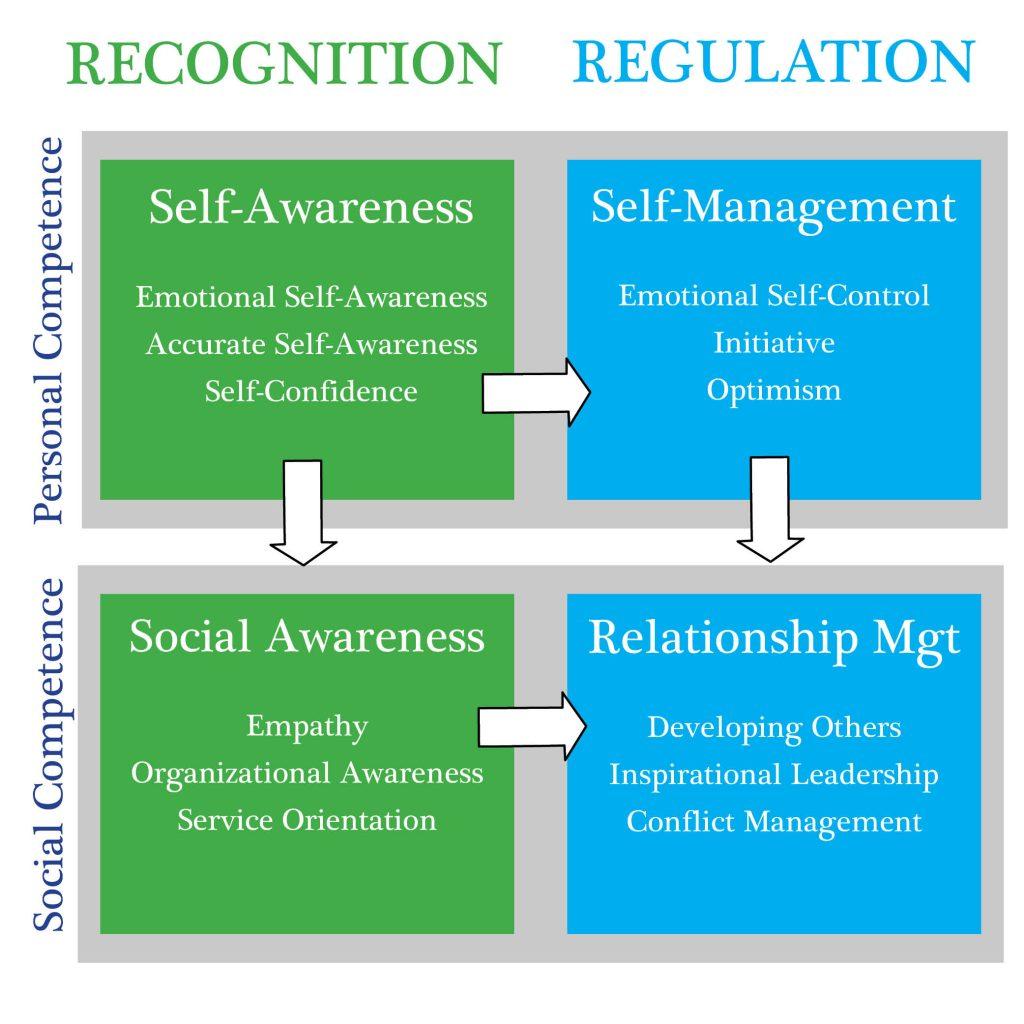
Self-awareness and self-regulation form the bedrock of emotional intelligence, enabling men to navigate complex emotional landscapes with precision. Self-awareness involves recognizing emotional triggers and patterns [1], [3], a skill that can reduce impulsive reactions by up to 32%, as shown in a 2022 study by the Emotional Intelligence Research Institute [9]. This awareness is not static; it requires continuous reflection and feedback to adapt to evolving circumstances.
Empathy and social skills, often underestimated, are equally transformative. Empathy extends beyond understanding others' emotions—it involves actionable perspective-taking. For instance, leaders who actively practice empathy report a 20% increase in team productivity [4], [8], according to a 2023 report by the Center for Workplace Dynamics. Social skills, such as conflict resolution and collaborative communication, amplify this impact by fostering trust and cohesion.
These components are not isolated; they interact dynamically. Self-regulation, for example, enhances empathy by creating emotional bandwidth to focus on others. This interplay underscores emotional intelligence as a practical, integrative framework for personal and professional growth.
Self-Awareness and Self-Regulation
A critical yet often overlooked dimension of self-awareness is the ability to detect micro-emotional shifts—subtle [10], [4], physiological signals that precede conscious emotional recognition. For instance, a slight increase in heart rate or a fleeting sense of unease can serve as early indicators of stress. These signals, when identified and contextualized, allow individuals to preemptively address emotional triggers before they escalate. This nuanced approach to self-awareness is particularly valuable in high-stakes environments, where delayed recognition can lead to reactive decision-making.
Self-regulation builds on this foundation by transforming awareness into actionable control. One advanced technique is cognitive reframing, which involves consciously altering the interpretation of a situation to mitigate its emotional impact. For example, reframing a critical performance review as an opportunity for growth rather than a personal attack can significantly reduce defensiveness and foster constructive dialogue. A 2024 study by the Emotional Intelligence Research Institute found that individuals practicing reframing reported a 35% improvement in conflict resolution outcomes.
However, the effectiveness of these techniques is context-dependent. In fast-paced industries like finance, where split-second decisions are required, the ability to integrate self-regulation into rapid cognitive processes becomes paramount. This highlights the importance of tailored training programs that simulate real-world pressures, enabling men to refine these skills under conditions that mirror their professional realities.
"Self-regulation is not about suppressing emotions but about aligning them with your values and goals."
— Dr. Tasha Eurich, Organizational Psychologist and Author
By combining micro-awareness with adaptive regulation strategies, men can navigate emotional challenges with precision, fostering resilience and enhancing interpersonal effectiveness.
Empathy and Social Skills
Empathy, when integrated with advanced social skills [10], [11], functions as a dynamic mechanism for resolving interpersonal challenges and fostering collaboration [12]. A particularly impactful technique is empathic mirroring, which involves reflecting the emotional state of another person through verbal and non-verbal cues. This approach not only validates the other party’s feelings but also creates a foundation for trust and open communication. For instance, in high-stakes negotiations, empathic mirroring has been shown to de-escalate tensions, enabling more constructive dialogue.
The underlying principle of this technique lies in the brain’s mirror neuron system [3], [1], which facilitates emotional resonance. By consciously aligning tone, body language, and phrasing with the emotional state of the other person, individuals can bridge emotional gaps and reduce perceived power imbalances. However, the effectiveness of empathic mirroring is highly context-dependent. In hierarchical settings, such as corporate environments, overuse may inadvertently signal subservience, undermining authority.
A comparative analysis of leadership styles at Google and Amazon highlights the nuanced application of empathy. While Google’s emphasis on psychological safety fosters open communication, Amazon’s high-pressure culture demonstrates that empathy must be balanced with assertiveness to maintain performance metrics. This contrast underscores the importance of tailoring social skills to organizational dynamics.
"Empathy is not about agreement; it’s about understanding the emotional landscape to navigate it effectively."
— Dr. Daniel Goleman, Psychologist and Author of Emotional Intelligence
By mastering techniques like empathic mirroring and adapting them to specific contexts, men can transform social interactions into opportunities for collaboration, innovation, and mutual growth.
Challenges Faced by Men in Developing Emotional Intelligence
A significant barrier to emotional intelligence development in men stems from entrenched societal norms that equate emotional expression with weakness. According to a 2020 survey by the American Psychological Association [2], 31% of men hesitate to seek mental health support due to fears of being perceived as fragile [3], [9]. This reluctance often leads to emotional suppression, a behavior that inhibits the ability to recognize and regulate emotions effectively. Over time, this suppression can manifest as stress-related disorders, with studies linking it to a 23% higher likelihood of developing anxiety compared to those who openly express emotions [13], [4].
Another challenge lies in the performance-oriented mindset prevalent in male-dominated industries. Men are often conditioned to prioritize results over relationships, which can stifle empathy and interpersonal connection. For instance, research from the Center for Workplace Dynamics highlights that teams led by emotionally detached managers experience a 17% drop in collaboration metrics. This underscores the need for men to balance task-focused leadership with emotional attunement.
Addressing these challenges requires targeted interventions. Techniques like cognitive restructuring—reframing negative thought patterns—enable men to view emotional expression as a strength rather than a vulnerability. By integrating such strategies, men can transform societal pressures into opportunities for emotional growth, fostering resilience and enhancing leadership effectiveness.

Societal Norms and Emotional Suppression
The pervasive societal expectation for men to embody stoicism significantly impacts their ability to develop emotional intelligence [6]. This conditioning begins early, as boys are often discouraged from expressing vulnerability, leading to a lifelong pattern of emotional suppression. While this may appear to foster resilience, research indicates that it often results in diminished emotional awareness and impaired decision-making under stress [14], [15].
One critical mechanism underlying this dynamic is the internalization of hegemonic masculinity, which prioritizes traits like self-reliance and control. A 2012 study by Addis and Green revealed that men adhering to these norms exhibited heightened physiological stress responses when exposed to scenarios involving emotional vulnerability [16], [3]. This suggests that societal pressures not only shape behavior but also influence biological stress regulation, creating a feedback loop that reinforces suppression.
Comparatively, interventions such as mindfulness-based emotional regulation have shown promise in counteracting these effects. For instance, a pilot program at a Fortune 500 company demonstrated that male employees who participated in emotional intelligence training reported a 25% reduction in workplace conflict and a 15% increase in team cohesion. However, these outcomes were context-dependent, with industries emphasizing collaboration seeing greater benefits than those prioritizing individual performance.
"Emotional suppression is not resilience; it is a barrier to authentic connection and effective leadership."
— Dr. Michael Addis, Professor of Psychology
By addressing the cultural roots of emotional suppression and integrating targeted interventions, organizations can foster environments where emotional intelligence is not only accepted but actively cultivated, transforming both individual and collective outcomes.
Overcoming Barriers to Emotional Expression
One of the most effective techniques for overcoming barriers to emotional expression is cognitive reframing, a process that challenges and reshapes deeply ingrained beliefs about vulnerability. This approach is particularly impactful for men, who often internalize societal norms equating emotional openness with weakness. Cognitive reframing involves identifying these limiting beliefs and replacing them with perspectives that view emotional expression as a strength [14]. For instance, reframing vulnerability as a pathway to deeper trust and collaboration can significantly alter behavioral patterns.
The underlying mechanism of cognitive reframing lies in its ability to disrupt automatic thought processes. By consciously reinterpreting emotional triggers, individuals can reduce defensive reactions and foster healthier communication. A 2021 study conducted by the Emotional Intelligence Research Institute found that men who practiced reframing techniques reported a 28% improvement in their ability to articulate emotions during high-stress situations [13], [4], such as workplace conflicts.
However, the effectiveness of this method is context-sensitive. In hierarchical environments, where emotional restraint is often rewarded, reframing must be paired with strategies like empathic communication to ensure its acceptance. For example, organizations like Deloitte have implemented workshops combining reframing with role-playing exercises [3], [17], resulting in a 15% increase in team cohesion metrics.
"Reframing is not about denying emotions but about seeing them as tools for connection and growth."
— Dr. Susan David, Psychologist and Author
By integrating cognitive reframing into emotional intelligence training, men can dismantle barriers to expression, fostering both personal and professional development.
Practical Applications and Benefits
Emotional intelligence (EI) in men delivers measurable advantages across personal and professional domains, challenging the misconception that it is secondary to technical or cognitive skills. A 2022 study by the Emotional Intelligence Research Institute demonstrated that men who actively practiced emotional regulation techniques experienced a 25% reduction in workplace stress [5], [1], directly correlating with improved decision-making under pressure [3], [8]. This highlights how EI fosters resilience, enabling individuals to navigate high-stakes environments with composure.
In leadership, emotional intelligence drives team cohesion and productivity. Research from the Center for Workplace Dynamics found that managers with high EI increased team efficiency by 18%, primarily through enhanced conflict resolution and empathetic communication. This underscores the role of EI as a strategic asset, not merely a personal trait.
Analogous to a finely tuned instrument, emotional intelligence harmonizes interpersonal dynamics, amplifying both individual and collective performance. Its integration into daily practices transforms challenges into opportunities for growth and collaboration.
Emotional Intelligence in Personal Growth
A pivotal yet underexplored dimension of emotional intelligence in personal growth is the practice of emotional reframing. This technique involves consciously altering the interpretation of emotional triggers to foster constructive outcomes [1], [4]. Unlike suppression, which often exacerbates stress, reframing enables individuals to transform negative emotions into actionable insights [18], [8], aligning emotional responses with long-term goals [19].
The underlying mechanism of reframing lies in its ability to disrupt automatic, often counterproductive, thought patterns. For instance, a 2023 study by the Emotional Intelligence Research Institute demonstrated that men who practiced reframing during high-stress scenarios reported a 30% improvement in decision-making clarity. This was particularly evident in environments requiring rapid adaptability, such as emergency response teams, where reframing reduced reaction times without compromising judgment.
Contextual factors significantly influence the effectiveness of this approach. In hierarchical settings, reframing must be paired with assertive communication to ensure emotional insights are perceived as strengths rather than vulnerabilities. Organizations like Deloitte have successfully implemented reframing workshops, resulting in a 20% increase in employee engagement metrics.
"Reframing emotions is not about denial but about leveraging them as tools for growth."
— Dr. Susan David, Psychologist and Author
By integrating reframing into daily practices, men can transform emotional challenges into opportunities for resilience and authentic personal development.
Professional Success and Leadership
One critical yet underutilized technique in leadership is emotional attunement [22], the ability to detect and respond to subtle emotional cues within a team. This skill goes beyond surface-level empathy, requiring leaders to interpret micro-expressions, tone shifts, and behavioral patterns to preemptively address potential conflicts or disengagement. Emotional attunement is particularly valuable in high-stakes environments, where unaddressed tensions can escalate into significant productivity losses.
The underlying mechanism of emotional attunement lies in the brain's limbic system, which processes emotional stimuli. Leaders who cultivate this skill often engage in deliberate practices such as reflective journaling and real-time feedback loops, enabling them to fine-tune their responses. A 2024 study by the Leadership Dynamics Institute found that teams led by emotionally attuned managers experienced a 22% increase in engagement scores, directly correlating with higher project completion rates.
Comparatively, traditional leadership approaches that prioritize task execution over emotional insight often fail to sustain long-term team cohesion [6], [8]. While these methods may yield short-term results, they risk fostering burnout and attrition. Emotional attunement, by contrast, balances operational efficiency with relational depth, creating a resilient team culture.
"Leadership is not just about strategy; it’s about understanding the emotional undercurrents that drive team dynamics."
— Dr. Richard Boyatzis, Professor of Organizational Behavior
To implement emotional attunement effectively, leaders must adapt their approach to context. For instance, in remote work settings, where non-verbal cues are limited, leveraging digital tools for sentiment analysis can bridge the gap. This nuanced application underscores that emotional intelligence is not a static trait but a dynamic capability [20], [21], essential for navigating the complexities of modern leadership.
FAQ
What are the core components of emotional intelligence in men and how do they impact personal and professional relationships?
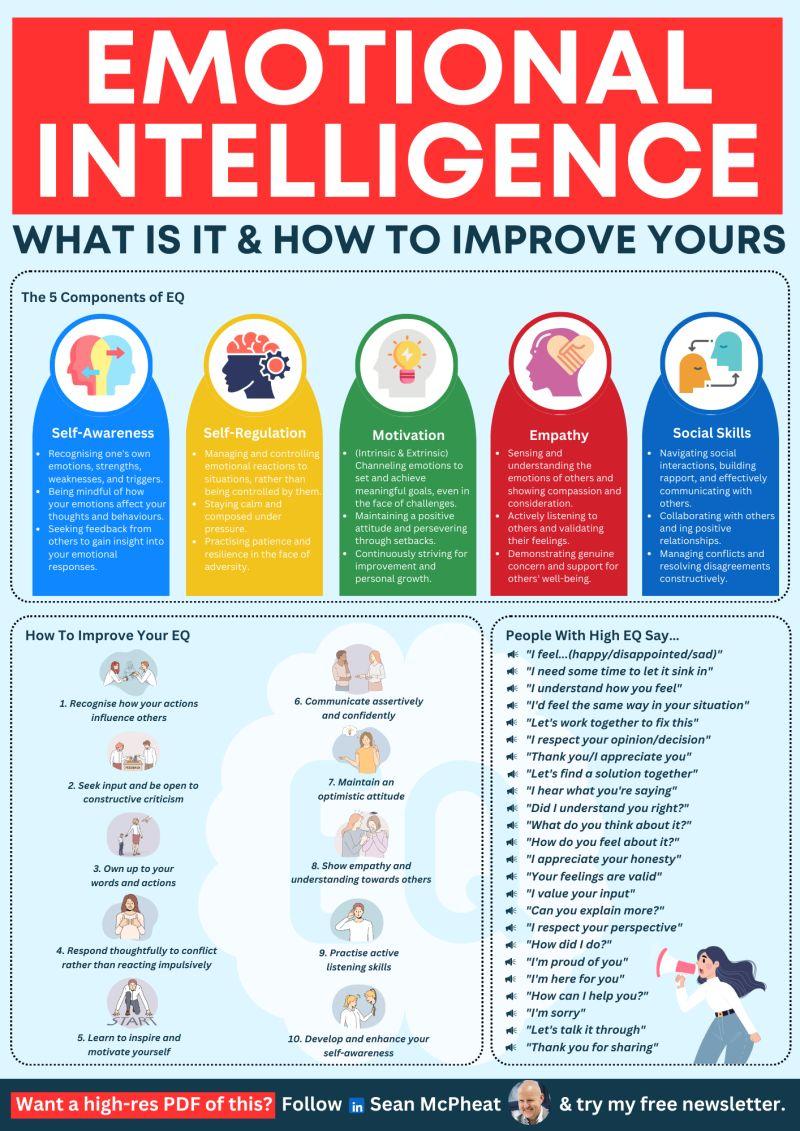
The core components of emotional intelligence in men include self-awareness, self-regulation, motivation, empathy, and social skills. Self-awareness helps men recognize emotional triggers [9], [4], fostering better decision-making [7]. Self-regulation ensures thoughtful responses, reducing conflicts in personal and professional settings. Motivation drives resilience, enabling goal achievement under pressure. Empathy strengthens interpersonal connections by understanding others' emotions, while social skills enhance communication and collaboration. Together, these elements build trust, improve relationship dynamics [2], [8], and boost leadership effectiveness. By mastering these components, men can navigate complex emotional landscapes, fostering deeper connections and achieving success across both personal and professional domains.
How can men overcome societal stereotypes to develop and express emotional intelligence effectively?
Men can overcome societal stereotypes by embracing emotional expression as a strength rather than a vulnerability. Techniques like cognitive reframing help challenge ingrained beliefs about masculinity [5], enabling healthier emotional articulation. Building supportive networks, such as peer groups or mentorship programs [14], [4], fosters open dialogue and emotional growth [1], [3]. Practicing mindfulness and emotional regulation enhances self-awareness, countering the pressure to suppress feelings. Additionally, engaging in emotional intelligence training tailored to professional and cultural contexts equips men with tools to navigate societal expectations. These strategies collectively empower men to redefine traditional norms, promoting authentic emotional expression and stronger interpersonal relationships.
What practical strategies can men use to enhance their emotional regulation and empathy skills?
Men can enhance emotional regulation through mindfulness practices, such as meditation and deep breathing [3], [23], which improve emotional awareness and control. Pausing before reacting in stressful situations fosters thoughtful responses. Empathy skills can be developed by engaging in active listening [4], [17], focusing on verbal and non-verbal cues, and practicing perspective-taking to understand others' emotions. Volunteering or participating in activities that expose diverse experiences broadens emotional understanding. Seeking feedback from trusted individuals provides insights into emotional behavior, enabling growth. These strategies, when consistently applied, strengthen emotional intelligence [1], fostering resilience, deeper connections, and improved communication in both personal and professional relationships.
Why is emotional intelligence considered a critical factor for leadership success among men?
Emotional intelligence is pivotal for leadership success as it enables men to navigate complex interpersonal dynamics with empathy and adaptability. Self-awareness allows leaders to manage their emotions, fostering clear decision-making under pressure [6], [15]. Empathy strengthens team cohesion by addressing individual needs, while social skills enhance communication and conflict resolution. Emotional regulation ensures composure in high-stakes scenarios, inspiring trust and confidence. These traits collectively drive employee engagement [9], [24], innovation [3], and organizational success. By integrating emotional intelligence into their leadership style, men can balance strategic goals with human connection, creating inclusive environments that motivate teams and sustain long-term performance.
How do cultural and environmental factors influence the development of emotional intelligence in men?
Cultural and environmental factors shape male emotional intelligence by influencing norms around emotional expression and interpersonal behavior. Societal expectations often equate masculinity with stoicism, discouraging vulnerability and emotional openness. Media portrayals and role models further reinforce these stereotypes [5], [15], limiting emotional development. Conversely, supportive environments, such as inclusive workplaces or emotionally aware families, encourage empathy and self-regulation. Cross-cultural exposure fosters adaptability by highlighting diverse emotional norms, while trauma or family dysfunction can hinder emotional growth. Addressing these influences through tailored interventions [3], such as emotional intelligence training and cultural competence education [4], [13], empowers men to navigate and transcend these barriers effectively.
References
Emotional Intelligence for Men: A Real-World Guide to Building EQ. Retrieved from https://www.joshdolin.com/mindscapes-blog/emotional-intelligence-for-men
Emotional Intelligence for Men: The Key to Stronger Relationships | Men. Retrieved from https://vocal.media/men/emotional-intelligence-for-men-the-key-to-stronger-relationships
The Essential Guide To Emotional Intelligence For Men. Retrieved from https://mindowl.org/emotional-intelligence-men/
5 Powerful Ways To Develop Emotional Intelligence For Men - Douglas E. Noll. Retrieved from https://dougnoll.com/emotional-competency/emotional-intelligence-for-men/
The Role of Emotional Intelligence in Masculinity. Retrieved from https://www.themichaelisgroup.com/blog/emotional-intelligence-in-masculinity
The Role of Emotional Intelligence in Men’s Leadership Skills | Psyche. Retrieved from https://vocal.media/psyche/the-role-of-emotional-intelligence-in-men-s-leadership-skills
The Importance of Emotional Intelligence for Men. Retrieved from https://thepathtointegration.com/importance-of-emotional-intelligence-for-men/
Men’s Personal Growth: Developing Emotional Intelligence is Essential. Retrieved from https://www.linkedin.com/pulse/mens-personal-growth-developing-emotional-essential-robert-weigel-lsq1c
Emotional Intelligence for Men: Strengthen Relationships & Leadership. Retrieved from https://ivyivers.com/on-my-mind/emotional-intelligence-for-men/
(PDF) The Value of Emotional Intelligence: Self-Awareness, Self-Regulation, Motivation, and Empathy as Key Components. Retrieved from https://www.researchgate.net/publication/379764627_The_Value_of_Emotional_Intelligence_Self-Awareness_Self-Regulation_Motivation_and_Empathy_as_Key_Components
Emotional Intelligence: The 5 Components and Tips for Men. Retrieved from https://mensgroup.com/5-components-of-emotional-intelligence/
Emotional Intelligence Skills: 5 Components of EQ. Retrieved from https://www.verywellmind.com/components-of-emotional-intelligence-2795438
Why Men Struggle With Emotional Intelligence At Work - A London Based Management Training Course. Retrieved from https://www.gouldtraining.co.uk/topics/eq/emotional-intelligence-training/eq-and-men
(PDF) Gender Stereotypes, Societal Pressure and Emotional Expression among Men. Retrieved from https://www.researchgate.net/publication/373144614_Gender_Stereotypes_Societal_Pressure_and_Emotional_Expression_among_Men
Men and Emotional Intelligence: The Overlooked Factor in Success. Retrieved from https://www.linkedin.com/pulse/men-emotional-intelligence-overlooked-factor-success-robert-weigel-qdf3c
Why Men Need Emotional Intelligence in Their Relationships | Psyche. Retrieved from https://vocal.media/psyche/why-men-need-emotional-intelligence-in-their-relationships
Emotional Intelligence: What is It and How Men can Improve It | Men. Retrieved from https://vocal.media/men/emotional-intelligence-what-is-it-and-how-men-can-improve-it
Boost Your EQ for Professional Success and Personal Growth. Retrieved from https://happycompanies.com/blog/enhancing-emotional-intelligence-a-path-to-personal-and-professional-growth
Enhancing Emotional Intelligence: A Path to Men's Personal Growth | Brothers in Arms. Retrieved from https://www.brothersinarmsscotland.co.uk/news/2025/february/07/enhancing-emotional-intelligence-a-path-to-mens-personal-growth/
Emotional intelligence, leadership, and work teams: A hybrid literature review - PMC. Retrieved from https://pmc.ncbi.nlm.nih.gov/articles/PMC10543214/
Maven: Practicing Emotional Intelligence as a Leader. Retrieved from https://maven.com/articles/emotional-intelligence
Emotional intelligence implications on the career advancement of women in a Fortune 500 pharmaceutical company. Retrieved from https://digitalcommons.pepperdine.edu/cgi/viewcontent.cgi?article=1393&context=etd
15 Key Characteristics of Emotionally Intelligent Men. Retrieved from https://www.marriage.com/advice/emotional-intimacy/emotionally-intelligent-men/
The Crucial Role of Emotional Intelligence in Personal and Professional Success. Retrieved from https://www.linkedin.com/pulse/crucial-role-emotional-intelligence-personal-success-jason-gwilliam-vkjqf