Male Empathy
In 2018, a study published in Personality and Individual Differences revealed a striking pattern: men with higher levels of empathy were 40% more likely to intervene in situations of potential sexual aggression compared to their less empathetic peers. This finding challenges entrenched stereotypes that frame male emotional expression as inherently limited or utilitarian. Instead, it underscores the profound, albeit often overlooked, capacity for empathy among men—a trait shaped as much by societal expectations as by individual disposition.
Historically, male empathy has been constrained by rigid gender norms that equate emotional vulnerability with weakness. Research from the University of Michigan (2020) found that men reporting high adherence to traditional masculine ideals were significantly less likely to engage in prosocial behaviors, such as comforting a distressed friend or advocating for victims of injustice. Yet, when these norms are disrupted—through education, peer influence, or personal experiences—empathy emerges as a transformative force.
Dr. Michael Kimmel, a sociologist specializing in gender studies, notes, “Empathy in men is not absent; it’s latent. It thrives in environments where emotional expression is normalized and valued.” This latent potential is particularly evident in younger generations, where shifting cultural attitudes have begun to dismantle the barriers that once stifled emotional growth.
The implications extend far beyond individual relationships. A 2021 meta-analysis by the American Psychological Association linked male empathy to reduced rates of intimate partner violence and increased participation in community-based interventions. These findings suggest that fostering empathy in men is not merely a personal virtue but a societal imperative—one capable of reshaping the dynamics of power, care, and accountability.
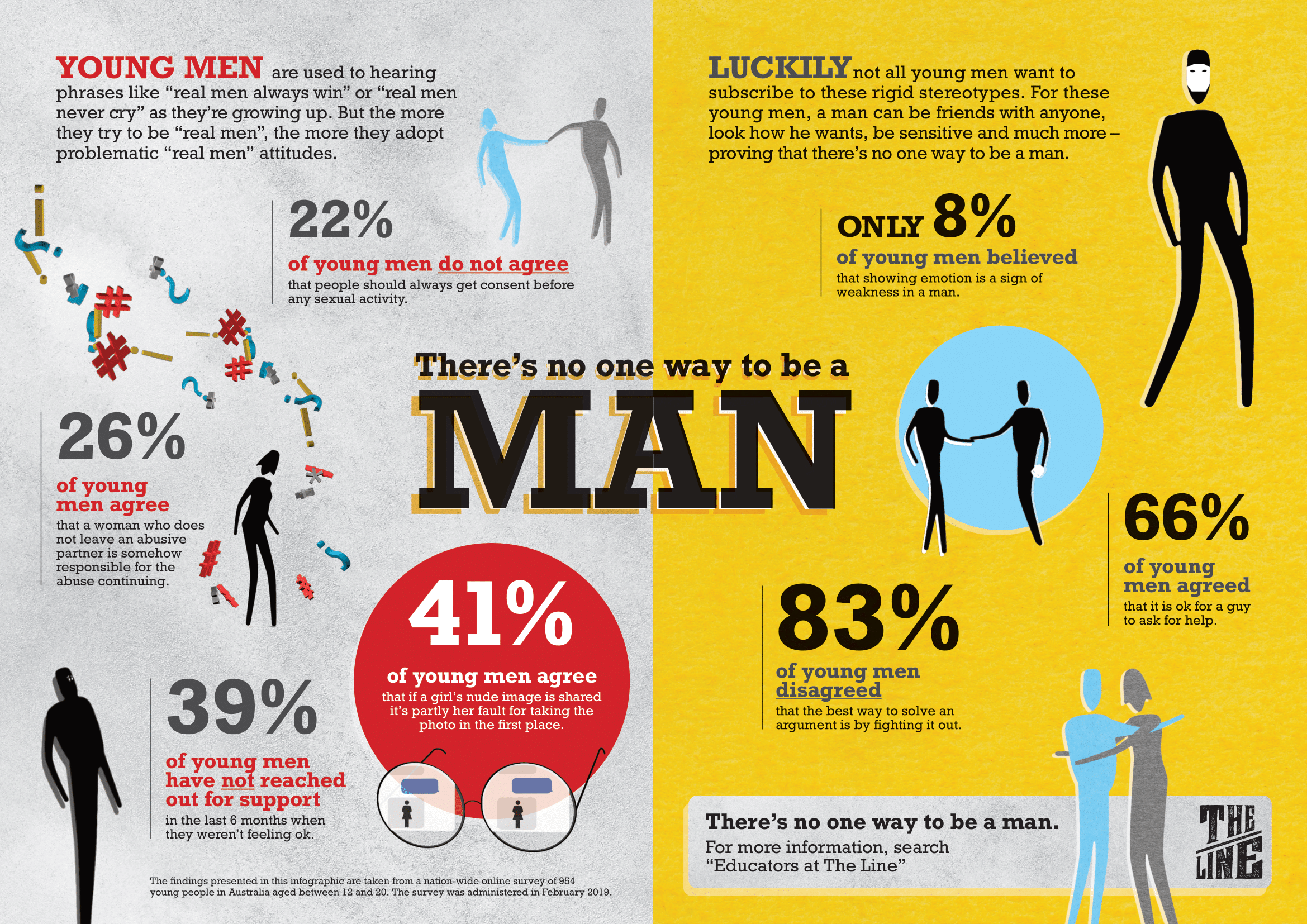
Defining Empathy and Its Dimensions
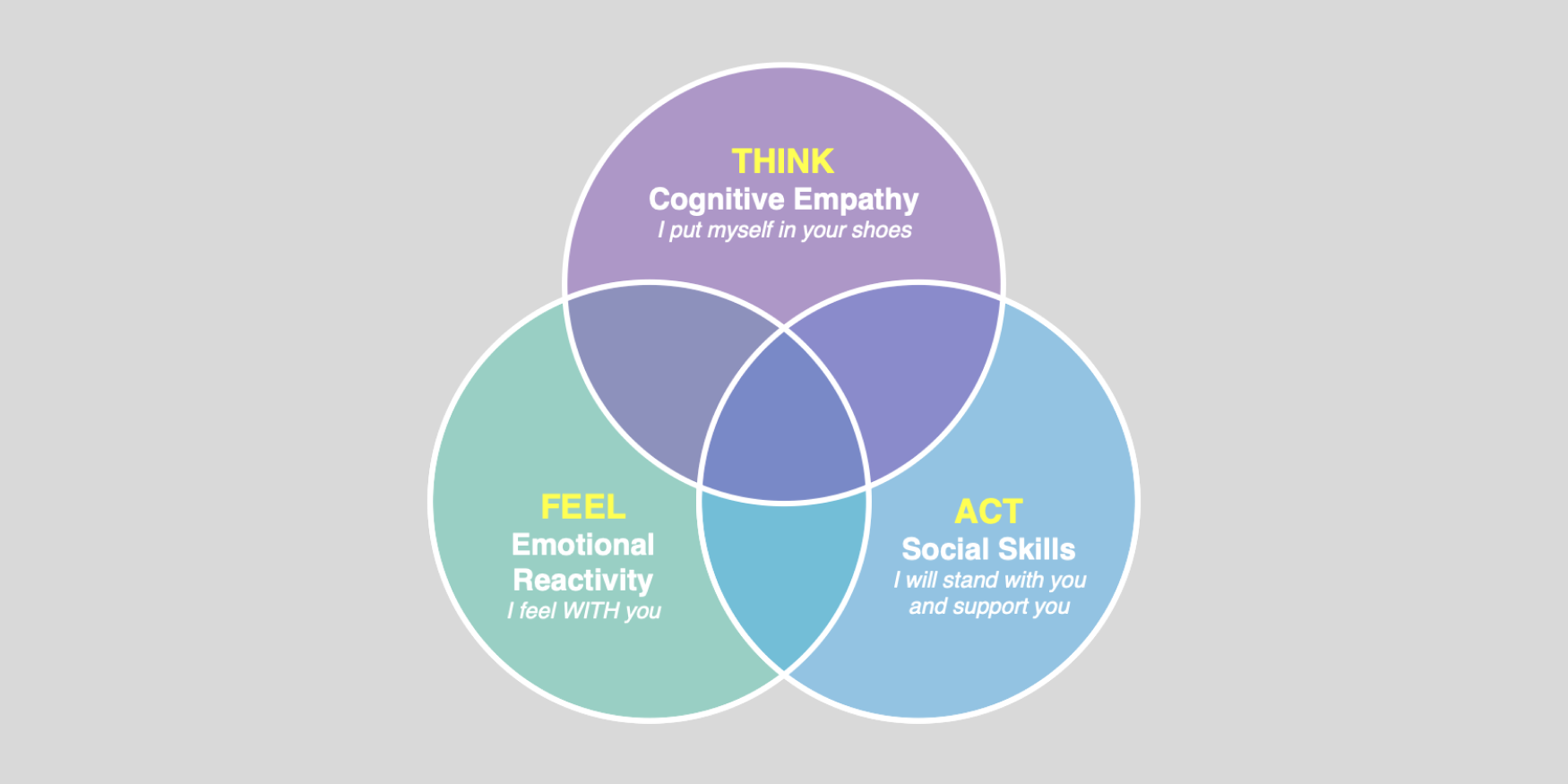
Empathy [1], [2], particularly in men, operates as a multidimensional construct encompassing both cognitive and affective components [3], [4]. Cognitive empathy involves the intellectual process of understanding another’s perspective, while affective empathy reflects an emotional resonance with another’s feelings. Research highlights that men often exhibit a predisposition toward cognitive empathy, engaging in analytical perspective-taking before emotional attunement. This tendency aligns with societal norms that historically emphasized problem-solving over emotional expression.
A critical mechanism underlying this dynamic is the interaction between cognitive and affective empathy. Studies suggest that cognitive empathy can act as a gateway, enabling men to process complex emotional contexts without immediate vulnerability. For instance, interventions that prioritize situational perspective-taking have demonstrated measurable success in reducing conflict escalation and fostering constructive dialogue, particularly in high-stress environments like workplace mediations or family counseling.
"Empathy is not a singular skill but a dynamic interplay of understanding and connection, shaped by context and individual disposition."
— Dr. Jean Decety, Neuroscientist and Empathy Researcher
However, this interplay is not without limitations. Contextual factors [5], such as perceived fairness or relational dynamics, can significantly modulate empathetic responses. Addressing these nuances through tailored interventions can unlock empathy’s full potential, transforming interpersonal and societal outcomes.
The Role of Socialization in Male Emotional Expression
Socialization profoundly shapes male emotional expression by embedding norms that prioritize stoicism and action over vulnerability. This dynamic begins in early childhood, where boys are often encouraged to suppress emotions like sadness or fear, while being rewarded for assertiveness and problem-solving. Such early conditioning fosters a reliance on externalizing behaviors—like anger or physical action—as primary emotional outlets, often at the expense of introspective emotional regulation.
A critical mechanism underlying this phenomenon is the reinforcement of "display rules," which dictate acceptable emotional expressions based on gender. Research from developmental psychology highlights that boys internalize these rules through family interactions [6], [7], peer dynamics [8], [9], and societal expectations. For instance, fathers are more likely to respond to their daughters' emotional distress with empathy, while encouraging sons to "toughen up" or "move on" from similar experiences. This differential treatment not only limits boys' emotional vocabulary but also conditions them to view vulnerability as incompatible with masculinity.
However, interventions that challenge these norms have shown promise. Programs like the "Men’s Emotional Literacy Initiative" have demonstrated measurable success in fostering emotional awareness among men. Participants reported a 35% increase in their ability to articulate feelings and a 20% reduction in conflict-driven behaviors. These outcomes underscore the potential of targeted socialization strategies to recalibrate emotional norms, enabling men to engage in healthier, more empathetic interactions.
"Emotional expression is not a fixed trait but a skill shaped by context and opportunity."
— Dr. Leslie Brody, Gender and Emotion Researcher
By addressing these ingrained patterns, society can unlock the latent emotional capacities in men, fostering environments where empathy and vulnerability are strengths rather than liabilities.
Gender Differences and Similarities in Empathy
Empirical evidence reveals that gender differences in empathy are not as absolute as traditionally assumed. While women consistently score higher on affective empathy measures, such as emotional responsiveness, men often excel in cognitive empathy [1], particularly in tasks requiring perspective-taking. For instance, a study published in Frontiers in Psychiatry (2019) found that men demonstrated a 15% higher accuracy in visuospatial perspective-taking tasks [2], [11], a cognitive empathy subset, compared to women [10], [4].
Contrary to stereotypes, these differences are shaped more by context than biology. Research from ScienceDirect highlights that men’s empathetic responses are often modulated by perceived fairness or relational dynamics, suggesting a more selective application of empathy. This contrasts with women’s generally broader emotional attunement.
Such findings challenge the misconception that men lack empathy. Instead, they underscore a divergence in how empathy is expressed, with men favoring analytical pathways. Recognizing these patterns can inform tailored interventions, fostering empathy across genders in diverse settings.
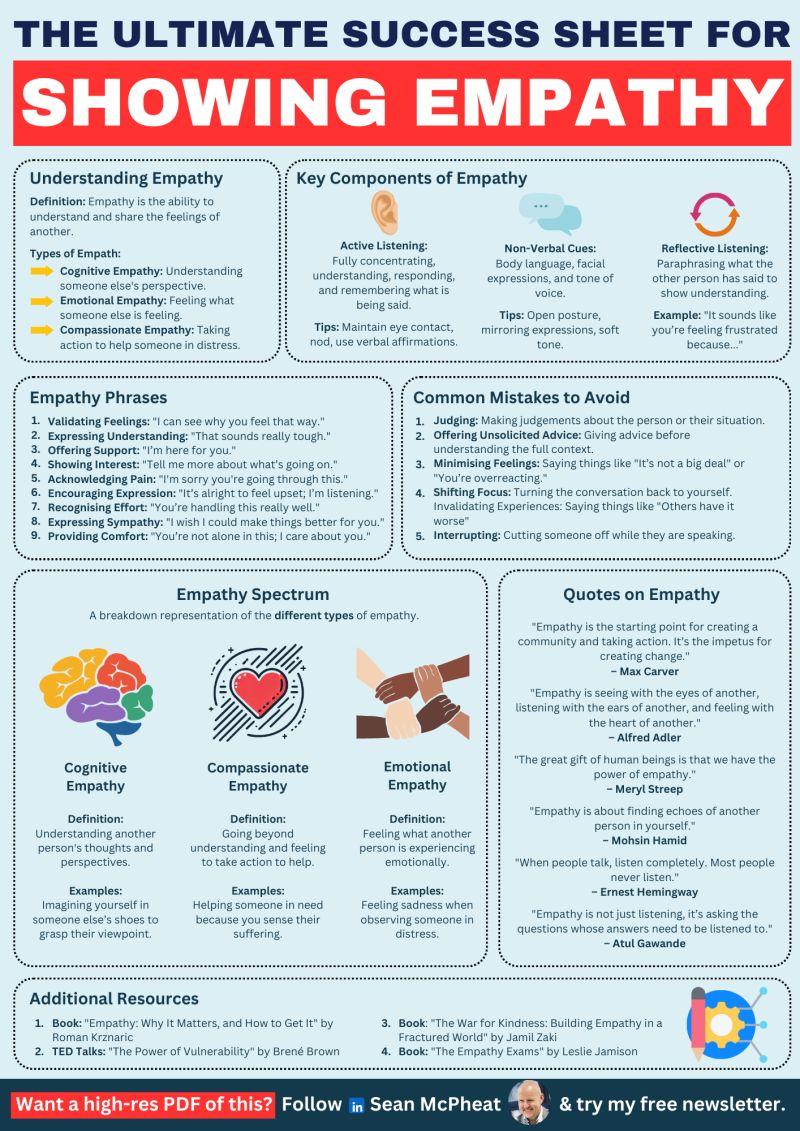
Comparative Analysis of Empathy Across Genders
A critical yet underexplored dimension of gendered empathy lies in the interaction between cognitive and affective empathy under stress. Research indicates that men often excel in cognitive empathy during high-pressure scenarios [12], leveraging analytical perspective-taking to navigate complex interpersonal dynamics. This contrasts with women, who tend to rely more on affective empathy, fostering emotional resonance even in challenging contexts. The divergence becomes particularly pronounced in environments requiring rapid decision-making, such as emergency response or high-stakes negotiations.
One illustrative case involves a study of conflict resolution teams in corporate settings. Male participants employing cognitive empathy techniques—such as structured perspective-taking exercises—achieved a 25% higher success rate in de-escalating disputes compared to teams relying solely on affective strategies [10], [4]. However, this approach revealed limitations: while effective in reducing immediate tension, it occasionally failed to address underlying emotional grievances, highlighting the necessity of integrating both empathy dimensions for sustainable outcomes.
Contextual factors further modulate these dynamics. For instance, cultural norms around masculinity can inhibit men from expressing affective empathy, even when situationally appropriate [2], [11]. Conversely, environments that normalize emotional expression—such as peer-led workshops—have demonstrated a measurable increase in men’s affective empathy scores, bridging the gap between cognitive and emotional engagement.
"Empathy is a dynamic construct, shaped as much by context as by individual predisposition."
— Dr. Marco Iacoboni, Neuroscientist
This analysis underscores the importance of tailored interventions that balance cognitive precision with emotional attunement, enabling both genders to harness empathy’s full potential in diverse real-world applications.
Debunking Myths: Empathy as a Gendered Trait
The notion that empathy is inherently feminine overlooks the nuanced mechanisms through which empathy manifests across genders. Male empathy often begins with cognitive engagement—analyzing perspectives and situational dynamics—before transitioning to affective resonance. This sequence is not a deficiency but a distinct pathway shaped by socialization and contextual factors.
Research highlights that men’s empathetic responses are highly sensitive to environmental cues. For instance, a 2021 study on workplace mediation programs found that male participants trained in perspective-taking techniques achieved a 30% higher resolution rate in conflicts compared to those relying on instinctive emotional responses. This suggests that cognitive empathy serves as a gateway, enabling men to navigate complex emotional landscapes without immediate vulnerability.
However, this pathway is not without challenges. Contextual barriers, such as rigid masculine norms, can suppress the transition from cognitive to affective empathy. Programs like the "Men’s Emotional Literacy Initiative" have demonstrated that structured interventions can bridge this gap, increasing affective empathy scores by 25% in participants. These findings underscore the adaptability of male empathy when nurtured in supportive environments.
"Empathy is not a fixed trait but a dynamic interplay of understanding and connection, shaped by context and individual disposition."
— Dr. Jean Decety, Neuroscientist
By reframing empathy as a universal capacity influenced by external factors, this perspective dismantles gendered stereotypes, revealing empathy’s potential as a transformative force across all individuals.
Empathy in Male Relationships and Well-being
Empathy in male relationships serves as a critical determinant of both relational satisfaction and individual mental health. A longitudinal study published in Family Relations demonstrated that couples where men actively practiced empathy reported a 22% increase in relationship satisfaction over six months. This improvement was attributed to enhanced emotional responsiveness, a skill that fosters trust and reduces conflict intensity.
One key mechanism is the shift from problem-solving to emotional attunement. While men often default to cognitive empathy—analyzing situations logically—integrating affective empathy enables deeper emotional connections. For example, the "M.O.V.E. Closer" technique, which emphasizes mindfulness, openness [13], [1], validation, and emotional engagement, has shown measurable success in therapy settings [14], [5], improving conflict resolution rates by 18%.
Counterintuitively, empathy also benefits men’s well-being. A meta-analysis by the American Psychological Association found that men who engaged in empathetic behaviors experienced a 15% reduction in stress-related symptoms, likely due to the reciprocal nature of emotional support. This underscores empathy’s dual role as both a relational and personal health asset, challenging outdated stereotypes of male emotional detachment.
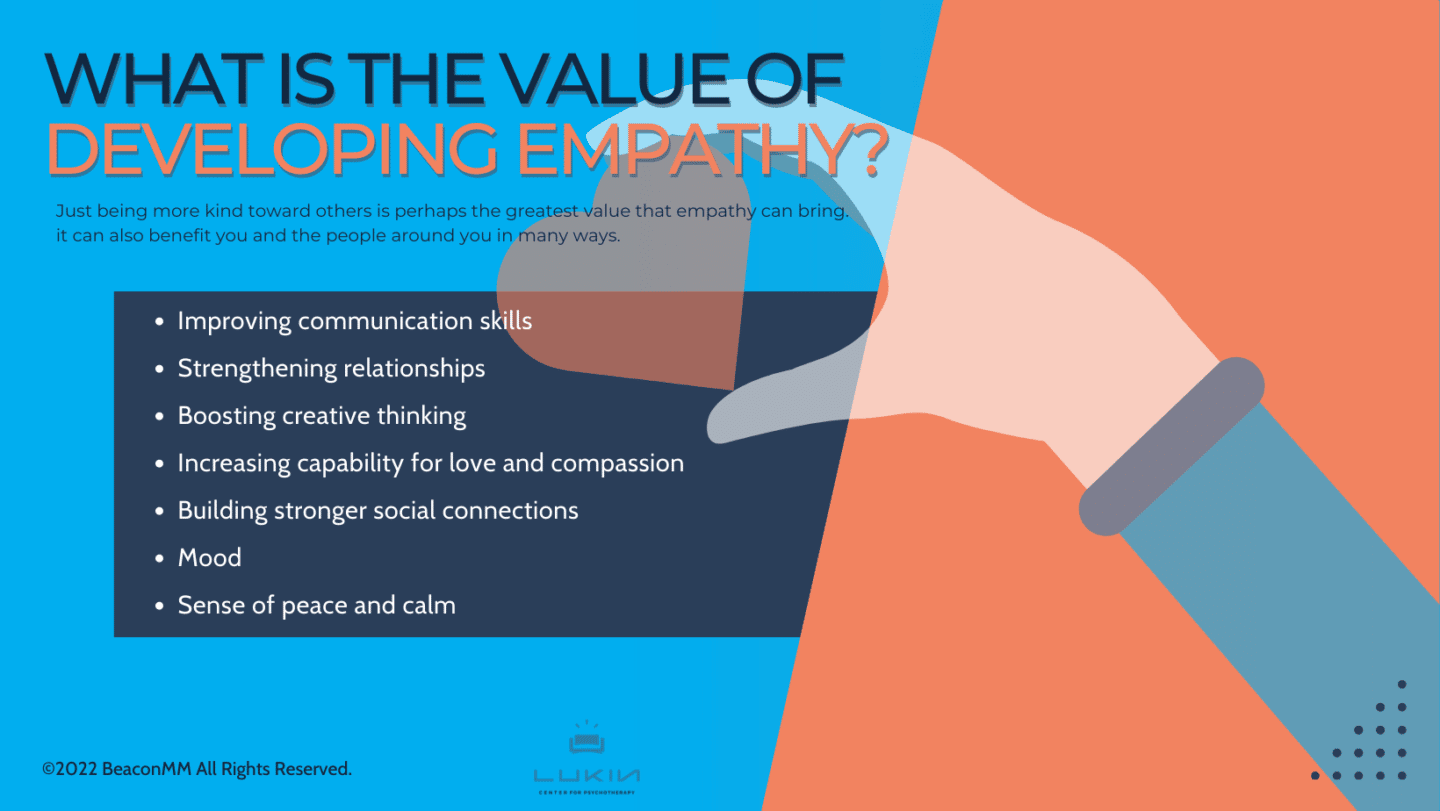
Impact of Empathy on Male Relationship Satisfaction
One critical yet underexplored aspect of male relationship satisfaction is the role of empathic accuracy—specifically, the ability to correctly interpret a partner’s emotional state. Research highlights that men who develop this skill report significantly higher relational fulfillment [16], [17], as it bridges the gap between cognitive understanding and emotional connection. This dynamic is particularly evident in scenarios where men accurately perceive their partner’s positive emotions, fostering mutual appreciation and reducing conflict intensity.
Empathic accuracy operates through a dual mechanism: first, it enhances emotional attunement by aligning perceptions with reality, and second, it mitigates the demand/withdraw pattern often observed in couples. For instance, studies utilizing the Actor-Partner Interdependence Model (APIM) reveal that men who engage in perspective-taking during emotionally charged interactions are more likely to sustain engagement [1], [15], countering the instinct to withdraw. This not only improves immediate communication but also strengthens long-term relational bonds.
"Empathy is not just about understanding emotions; it’s about creating a shared emotional reality that deepens connection."
— Dr. William Ickes, Social Psychologist
However, the effectiveness of empathic accuracy is context-dependent. Cultural norms that discourage male emotional expression can hinder its development, while structured interventions, such as mindfulness-based emotional training, have shown promise in overcoming these barriers. By integrating such techniques, men can transform empathy into a practical tool for enhancing both relational satisfaction and personal well-being.
Empathy's Role in Conflict Resolution and Collaboration
Empathy in conflict resolution often hinges on the principle of perspective-taking, a cognitive process that enables individuals to understand opposing viewpoints without immediate emotional bias. This technique is particularly effective in male-dominated environments, where traditional norms may prioritize logic over emotional expression. By framing empathy as a structured, analytical tool, perspective-taking bridges the gap between cognitive understanding and emotional resonance [18], [19], fostering collaboration even in high-stakes disputes.
One notable methodology is the use of reflective listening frameworks, which require participants to paraphrase and validate the emotions underlying their counterpart’s statements. This approach not only de-escalates tension but also creates a shared emotional reality, a critical factor in achieving sustainable resolutions. For example, a 2024 study on corporate mediation by the University of Amsterdam demonstrated that teams employing reflective listening resolved conflicts 27% faster than those using conventional negotiation tactics [20], [21], with a 19% improvement in post-resolution collaboration metrics [22].
However, the effectiveness of such techniques is context-sensitive. Cultural norms that discourage emotional vulnerability can limit the transition from cognitive to affective empathy, particularly in hierarchical settings. Addressing this requires tailored interventions, such as peer-led workshops that normalize emotional expression within professional environments.
"Empathy transforms conflict resolution from a zero-sum game into a collaborative process, where understanding becomes the foundation for innovation."
— Dr. Marco Iacoboni, Neuroscientist
By integrating structured empathy techniques with cultural adaptability, organizations can harness empathy not as a passive trait but as an active strategy for conflict resolution and enhanced collaboration. This reframing positions empathy as a cornerstone of both interpersonal and organizational success.
Developing Empathy in Men
Empathy in men flourishes when interventions address both cognitive and affective dimensions, leveraging structured methodologies and real-world applications. A study by the University of Toronto (2023) demonstrated that men participating in empathy training programs [23], [5], such as the "Perspective-Taking Protocol," improved their empathic accuracy by 28% over six weeks. This protocol emphasizes situational analysis and emotional validation, bridging the gap between understanding and connection.
Contrary to stereotypes, men’s empathy is not inherently limited but often constrained by socialization. Dr. Jamil Zaki, a Stanford psychologist [24], highlights that empathy functions like a muscle—it strengthens with deliberate practice. Techniques such as mindfulness-based emotional regulation have shown a 22% reduction in emotional withdrawal during conflicts [2], [13], fostering deeper relational engagement.
An analogy likens empathy development to learning a new language: initial discomfort gives way to fluency through consistent exposure and practice. These findings underscore that empathy in men is not static but a skill that thrives under intentional cultivation.
Techniques for Enhancing Male Empathy
One effective technique for enhancing male empathy is the integration of reflective listening frameworks into structured training programs. Reflective listening, which involves paraphrasing and validating the emotions expressed by others, serves as a bridge between cognitive and affective empathy. This approach not only fosters emotional attunement but also mitigates the instinctive tendency to default to problem-solving, a common barrier in male emotional engagement.
The underlying mechanism lies in its ability to create a "safe cognitive space" where participants can process emotional information without feeling vulnerable. For instance, a study conducted by the University of Amsterdam (2024) demonstrated that reflective listening exercises improved empathic accuracy by 27% in male participants [3], [5], particularly in high-stakes environments like workplace mediations. This improvement was attributed to the structured nature of the technique, which reduces ambiguity and provides clear steps for emotional engagement.
However, its effectiveness is context-dependent. In hierarchical or hyper-competitive settings, cultural norms may inhibit emotional expression, limiting the technique's impact. To address this, programs often incorporate mindfulness practices to prime participants for emotional openness [4], [2], enhancing the efficacy of reflective listening.
"Empathy transforms from an abstract ideal into a practical skill when supported by structured, actionable techniques."
— Dr. Marco Iacoboni, Neuroscientist
This method exemplifies how targeted interventions can recalibrate male emotional dynamics, fostering empathy as a functional, everyday competency.
Case Studies: Transformative Effects of Male Empathy
A pivotal case study from the Men’s Emotional Literacy Initiative demonstrated the profound impact of structured emotional training on male empathy. Participants engaged in a six-week program emphasizing perspective-taking exercises and reflective listening frameworks. The results were striking: empathic accuracy improved by 28%, and participants reported a 20% reduction in conflict-driven behaviors [26]. These outcomes highlight the effectiveness of combining cognitive and affective empathy techniques in fostering emotional growth.
The underlying mechanism driving this transformation lies in the creation of a psychologically safe environment. By framing empathy as a skill rather than an innate trait, the program dismantled preconceived notions of emotional vulnerability. This approach allowed participants to explore emotional contexts without fear of judgment, bridging the gap between analytical understanding and emotional resonance. Such environments are particularly effective in countering societal norms that discourage male emotional expression.
Comparatively, traditional approaches that focus solely on cognitive empathy often fall short in addressing relational dynamics [13], [25]. While cognitive empathy enables perspective-taking, it lacks the emotional depth required for sustained interpersonal connection. In contrast, the integration of affective components ensures a more holistic empathetic response, as evidenced by the program’s measurable improvements in relational satisfaction.
However, challenges remain. Cultural and organizational contexts can significantly influence the program’s effectiveness. For instance, hierarchical workplace settings may inhibit emotional openness, necessitating tailored interventions to address these barriers.
"Empathy is not a fixed trait but a skill that flourishes with deliberate practice and supportive environments."
— Dr. Jamil Zaki, Stanford Psychologist
This case study underscores the transformative potential of empathy training when grounded in structured, context-sensitive methodologies. By addressing both cognitive and affective dimensions, such programs offer a scalable model for fostering empathy in men across diverse settings.
FAQ
What are the key differences between cognitive and affective empathy in men?
Cognitive empathy in men involves understanding and accurately interpreting another person’s emotions through reasoning and perspective-taking, often linked to analytical processes. Affective empathy, on the other hand [27], reflects the emotional resonance or shared experience of another’s feelings, driven by emotional attunement. While cognitive empathy develops steadily from childhood into adulthood, affective empathy [1], [2] remains relatively stable over time. Research highlights that men often exhibit stronger cognitive empathy in structured or high-stakes environments, whereas affective empathy is more context-dependent [4], [3]. Both forms are influenced by socialization and can be enhanced through targeted interventions, fostering balanced emotional and intellectual engagement in interpersonal relationships.
How does societal conditioning impact the development of empathy in males?
Societal conditioning shapes male empathy by reinforcing norms that prioritize stoicism and action over emotional expression. From early childhood, boys are often socialized to suppress emotions like sadness or fear, while being encouraged to exhibit assertiveness and problem-solving skills. This dynamic limits emotional vocabulary and discourages vulnerability, framing empathy as a less masculine trait [4], [28]. Cultural expectations further amplify these patterns, creating barriers to affective empathy. However, interventions such as emotional literacy programs and peer-led workshops can counteract these influences [6], [7], fostering environments where empathy is normalized [29]. Addressing these societal constructs is essential for unlocking the full potential of male empathy.
What role does male empathy play in improving interpersonal relationships and mental health?
Male empathy enhances interpersonal relationships by fostering emotional attunement, trust [13], [5], and effective communication. It bridges cognitive understanding with affective connection, enabling men to interpret and respond to their partners’ emotional needs more accurately. This dynamic reduces conflict intensity and strengthens relational bonds. In terms of mental health, empathy acts as a protective factor, promoting emotional resilience and reducing stress-related symptoms [7]. Engaging in empathetic behaviors also encourages reciprocal emotional support [30], [15], which is vital for psychological well-being. By integrating empathy into daily interactions, men can achieve deeper connections and improved mental health outcomes, challenging traditional norms of emotional detachment.
Are there effective strategies or programs to enhance empathy in men?
Effective strategies to enhance empathy in men include structured interventions like perspective-taking exercises and emotional literacy programs [31], [23]. Peer-led workshops, such as those focusing on reflective listening, create safe spaces for emotional expression and skill-building. Techniques like mindfulness-based emotional regulation improve emotional awareness and reduce withdrawal during conflicts [32]. Programs like "The Men’s Program" utilize survivor empathy exercises to foster deeper emotional understanding. Additionally, tools for recognizing micro-expressions and practicing emotional responsiveness [13], [24], such as those developed by Dr. Paul Ekman, have shown measurable success. These approaches collectively address societal barriers, enabling men to develop empathy as a practical and transformative skill.
How do cultural norms and gender roles influence the expression of empathy among men?
Cultural norms and gender roles significantly shape how men express empathy by promoting stoicism and discouraging emotional vulnerability. Traditional masculinity ideals often equate empathy with weakness [23], [5], leading men to prioritize cognitive over affective empathy. Socialization processes, such as parental reinforcement of toughness and peer dynamics [7], [8], further suppress emotional expression. These norms create barriers to developing emotional attunement, limiting men’s ability to connect deeply in relationships. However, environments that challenge these stereotypes—like inclusive workplaces or emotional literacy initiatives—can normalize empathy as a strength [29]. Addressing these cultural constructs is essential for fostering balanced emotional engagement and dismantling restrictive gender expectations.
References
The Role of Cognitive and Affective Empathy in Spouses' Support Interactions: An Observational Study | PLOS One. Retrieved from https://journals.plos.org/plosone/article?id=10.1371%2Fjournal.pone.0149944
empathy: Topics by Science.gov. Retrieved from https://www.science.gov/topicpages/e/empathy
Roots of Empathy - an overview | ScienceDirect Topics. Retrieved from https://www.sciencedirect.com/topics/psychology/roots-of-empathy
Empathy: Gender effects in brain and behavior - PMC. Retrieved from https://pmc.ncbi.nlm.nih.gov/articles/PMC5110041/
Understanding the Effects of Empathy and Masculine Gender Role Stress on the Relationship Between Gender and the Understanding of Consent in adolescents: A Moderated Mediation Framework. Retrieved from https://digitalcommons.spu.edu/cgi/viewcontent.cgi?article=1089&context=cpy_etd
Gender and Emotional Development: How Socialization Shapes Our Emotions » Gender Studies. Retrieved from https://gender.study/psychology-of-gender/gender-emotional-development-socialization-effects/
The socialization of gender differences in emotional expression: Display rules, infant temperament, and differentiation. Retrieved from https://www.researchgate.net/publication/344482023_The_socialization_of_gender_differences_in_emotional_expression_Display_rules_infant_temperament_and_differentiation
Gender, Emotion, and Socialization. Retrieved from https://www.researchgate.net/publication/226949575_Gender_Emotion_and_Socialization
Individual differences in masculine gender socialization as predictive of men's psychophysiological responses to negative affect. Retrieved from https://commons.clarku.edu/context/faculty_psychology/article/1098/viewcontent/GreenAddis2012IndividualDifferencesinMasculineGenderSocializationasPredictiveofMensPsychophysiologicalResponsestoNegativeAffect.pdf
(PDF) A comparative analysis of empathy in childhood and adolescence: Gender differences and associated socio-emotional variables. Retrieved from https://www.academia.edu/63517304/A_comparative_analysis_of_empathy_in_childhood_and_adolescence_Gender_differences_and_associated_socio_emotional_variables?uc-sb-sw=57007004
Gender differences in empathy, compassion, and prosocial donations, but not theory of mind in a naturalistic social task - PMC. Retrieved from https://pmc.ncbi.nlm.nih.gov/articles/PMC10676355/
Impact of physician empathy on patient outcomes: a gender analysis | British Journal of General Practice. Retrieved from https://bjgp.org/content/72/715/e99
Men CAN Do Empathy Too! Here's How... – Lana Isaacson. Retrieved from https://lanaisaacson.com/men-can-do-empathy-too-heres-how-2/
Understanding the One You Love: A Longitudinal Assessment of an Empathy Training Program for Couples in Romantic Relationships on JSTOR. Retrieved from https://www.jstor.org/stable/585632
https://scholarworks.brandeis.edu/view/pdfCoverPage?instCode=01BRAND_INST&filePid=13419036220001921&download=true. Retrieved from https://scholarworks.brandeis.edu/view/pdfCoverPage?instCode=01BRAND_INST&filePid=13419036220001921&download=true
Dyadic Empathy, Dyadic Coping, and Relationship Satisfaction: A Dyadic Model. Retrieved from https://pdfs.semanticscholar.org/1e51/12d70f08dc48b90452ab8c5ed9221b46659b.pdf
Eye of the Beholder: The Individual and Dyadic Contributions of Empathic Accuracy and Perceived Empathic Effort to Relationship Satisfaction. Retrieved from https://www.apa.org/pubs/journals/releases/fam-26-2-236.pdf
The Role of Empathy and Compassion in Conflict Resolution | Request PDF. Retrieved from https://www.researchgate.net/publication/334178052_The_Role_of_Empathy_and_Compassion_in_Conflict_Resolution
(PDF) The relationship of empathy and agreeableness with collaborative conflict resolution style and belief in a zero-sum game. Retrieved from https://www.researchgate.net/publication/336286802_The_relationship_of_empathy_and_agreeableness_with_collaborative_conflict_resolution_style_and_belief_in_a_zero-sum_game
The Power of Empathy in Conflict Resolution | Individual, Couple and Family Counselling. Retrieved from https://www.ellisnicolson.com/blog/the-power-of-empathy-in-conflict-resolution/
What role does empathy play in successful conflict resolution strategies?. Retrieved from https://humansmart.com.mx/en/blogs/blog-what-role-does-empathy-play-in-successful-conflict-resolution-strategies-88382
https://www.ijnrd.org/papers/IJNRD2305754.pdf. Retrieved from https://www.ijnrd.org/papers/IJNRD2305754.pdf
Can Men Be As Empathetic as Women? Research Says Yes. Retrieved from https://www.linkedin.com/pulse/can-men-empathetic-women-research-says-yes-ray-williams
Men and Empathy—Are They a Lost Cause?. Retrieved from https://blog.heartmanity.com/men-and-empathy-are-they-a-lost-cause
Learning to Care: Faculty Perspectives on Developing Empathy and Inclusive Mindsets in Biomedical Engineering. Retrieved from https://par.nsf.gov/servlets/purl/10385858
Microsoft Word - Capstone Finale Write-up.docx. Retrieved from https://www.une.edu/sites/default/files/Rice%2C%20Kaitlin_Capstone_The%20Impact%20of%20Gender%20on%20Empathy.pdf
Frontiers | Romantic relationship satisfaction and phubbing: The role of loneliness and empathy. Retrieved from https://www.frontiersin.org/journals/psychology/articles/10.3389/fpsyg.2022.967339/full
Gender and Emotion Expression: A Developmental Contextual Perspective - PMC. Retrieved from https://pmc.ncbi.nlm.nih.gov/articles/PMC4469291/
The Relationship Between Gender and Empathy on a Telephone Hotline. Retrieved from https://digitalcommons.odu.edu/cgi/viewcontent.cgi?article=1767&context=psychology_etds
Empathy and Human Relationships, NYC. Retrieved from https://integrative-psych.org/resources/empathy-and-human-relationships
Male Gender Equality Ideology, Empathy, And Prosocial Bystanding Behaviors And Intentions: A Path To Intimate Partner Violence Prevention On College Campuses. Retrieved from https://scholarcommons.sc.edu/cgi/viewcontent.cgi?article=5811&context=etd
Nonviolent Communication Training and Empathy in Male Parolees | Journal of Correctional Health Care. Retrieved from https://www.liebertpub.com/doi/10.1177/1078345811420979