Male Gambling Issues

In 2023, a study by the National Council on Problem Gambling revealed that 75% of male gamblers in the United States reported their first gambling experience before the age of 21—a statistic that underscores the early entrenchment of gambling behaviors among men. This phenomenon is not merely a matter of youthful experimentation; it reflects a deeper cultural narrative where risk-taking is often equated with masculinity.
Dr. Mark Griffiths, a professor of behavioral addiction at Nottingham Trent University, notes that gambling for many men is "less about financial gain and more about proving competence, control, and courage." High-stakes environments, such as sports betting and poker, are particularly appealing, offering a stage to demonstrate these traits.
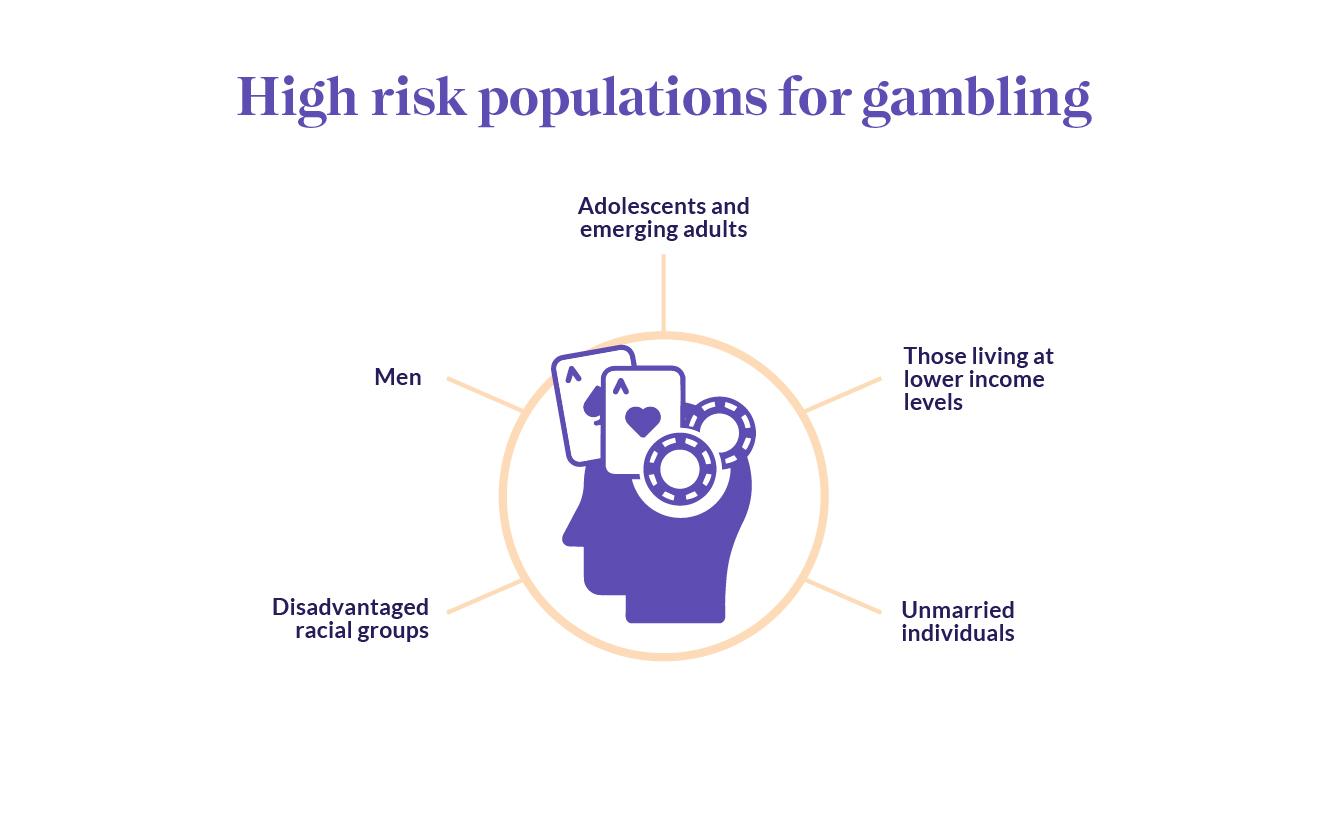
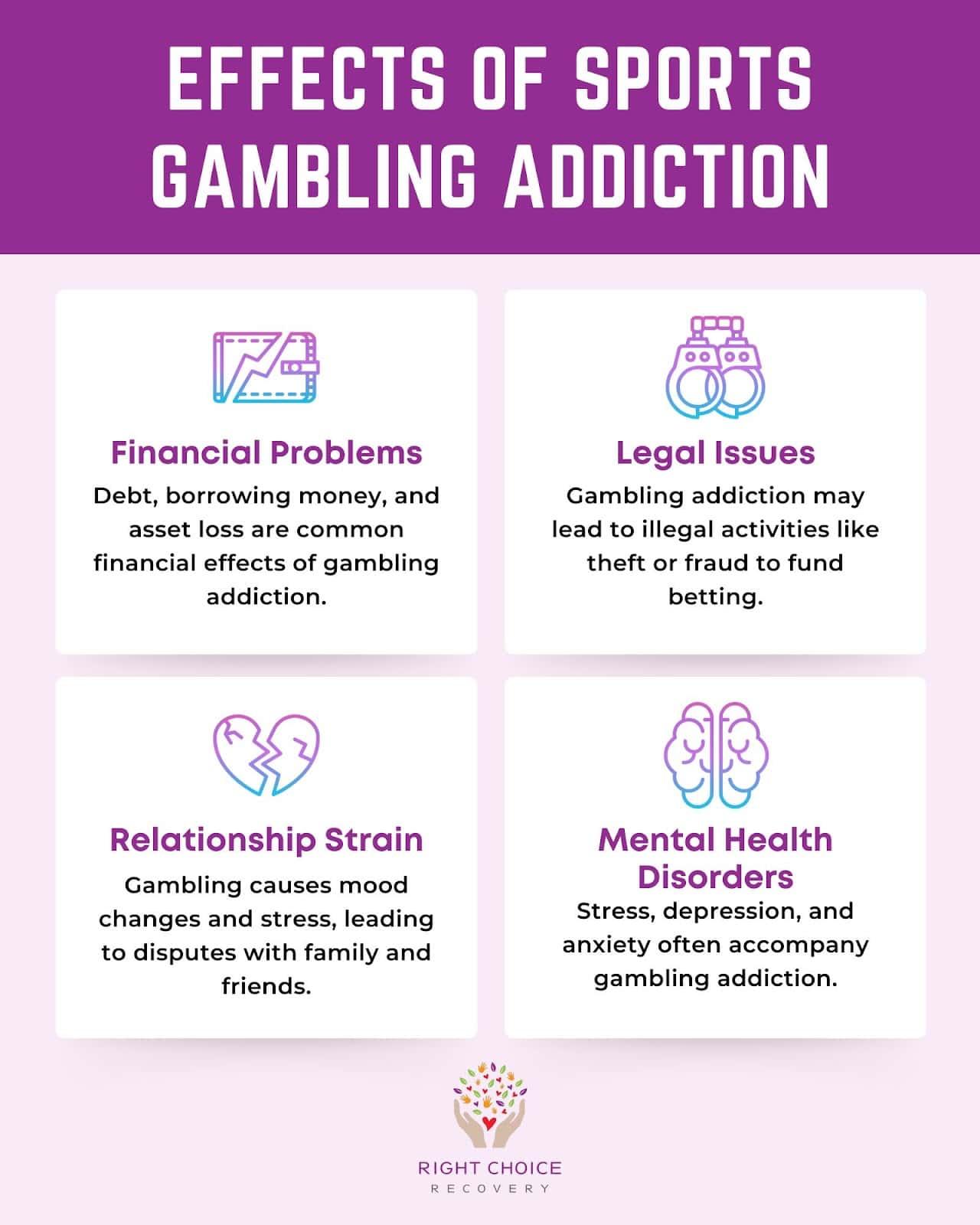
However, the consequences are stark. Data from the Hong Kong Polytechnic University (2017) shows that married men are disproportionately represented among problem gamblers, suggesting that the pressures of adult responsibilities may exacerbate risky behaviors.
This interplay of societal expectations, personal identity, and financial risk creates a uniquely male landscape of gambling issues—one that demands nuanced understanding and targeted intervention.
Defining Gambling Disorder
Gambling disorder in men is intricately tied to cognitive distortions, particularly the illusion of control. This psychological mechanism leads individuals to overestimate their ability to influence outcomes in games of chance, fostering a compulsive cycle of betting. Unlike casual gambling, where risk is calculated, disordered gambling often involves a relentless pursuit of perceived mastery over uncontrollable variables. This distinction is critical for understanding the disorder's progression and its resistance to conventional interventions.
Research highlights that men are more likely to engage in high-stakes gambling, driven by a need to assert dominance or competence. A study published in Frontiers in Sociology revealed that male gamblers frequently exhibit heightened impulsivity and a stronger tendency to "chase losses," a behavior where individuals continue gambling to recover previous losses, despite mounting financial and emotional costs. This behavior is compounded by societal pressures that equate risk-taking with masculinity, further entrenching harmful patterns.
"The illusion of control is a defining feature of gambling disorder, particularly among men, where it intersects with deeply ingrained cultural norms," notes Dr. Marc Potenza, a leading expert in behavioral addictions.
Addressing these dynamics requires tailored interventions that challenge cognitive biases while considering the broader social and psychological context influencing male gambling behavior.
Psychological and Behavioral Factors
The concept of diversified ratio reinforcement offers a profound lens through which to understand male gambling behavior. This psychological mechanism, rooted in behavioral psychology, explains how the unpredictability of rewards in gambling sustains engagement. Unlike fixed reinforcement schedules, where outcomes are predictable, diversified ratios create a dynamic where gamblers are compelled to continue due to the uncertainty of the next win. This unpredictability is particularly potent for men, who often associate risk-taking with personal competence and control.
The allure of this mechanism is amplified by environmental and contextual factors. For instance, casinos strategically employ sensory stimuli—such as flashing lights and celebratory sounds—to heighten the emotional impact of wins, no matter how small. These elements reinforce the gambler's belief in their ability to "beat the system," even in games of pure chance. Studies, such as those by Ladouceur et al., have demonstrated that these cognitive distortions are more pronounced in men, who are statistically more likely to engage in strategic gambling activities.
"Diversified ratio reinforcement exploits the human tendency to overvalue intermittent rewards, creating a cycle of compulsive behavior," explains Dr. Henrietta Bowden-Jones, a leading expert in gambling addiction.
Addressing this requires interventions that dismantle the illusion of control while incorporating psychoeducation on statistical independence. Tailored cognitive-behavioral strategies can recalibrate perceptions, offering a pathway to disrupt the reinforcement loop and reduce harm.
Social and Cultural Influences on Male Gambling
Cultural norms and social structures significantly shape male gambling behaviors, embedding them within broader frameworks of identity and status. Research by Hunt and Gonsalkorale (2018) highlights how adherence to traditional masculine norms—such as dominance, competitiveness, and risk-taking—drives men toward gambling activities that emphasize skill and strategy. For instance, strategic games like poker and sports betting are often perceived as arenas to demonstrate competence and control, reinforcing societal expectations of masculinity.
Quantitative data further underscores these dynamics. A 2020 study found that 68% of male gamblers cited social bonding as a primary motivator, with peer groups often normalizing high-stakes gambling as a shared activity. This social reinforcement is particularly potent in environments like sports bars or betting shops, where gambling is intertwined with camaraderie and collective rituals.
Counterintuitively, while gambling is often framed as an individual pursuit, its social dimensions amplify its appeal. The concept of symbolic capital, as defined by Miller (2014), explains how gambling can elevate social status within male peer groups, creating a feedback loop that perpetuates risky behaviors. Addressing these influences requires interventions that challenge not only individual behaviors but also the cultural narratives that sustain them.
Masculinity Norms and Risk-Taking
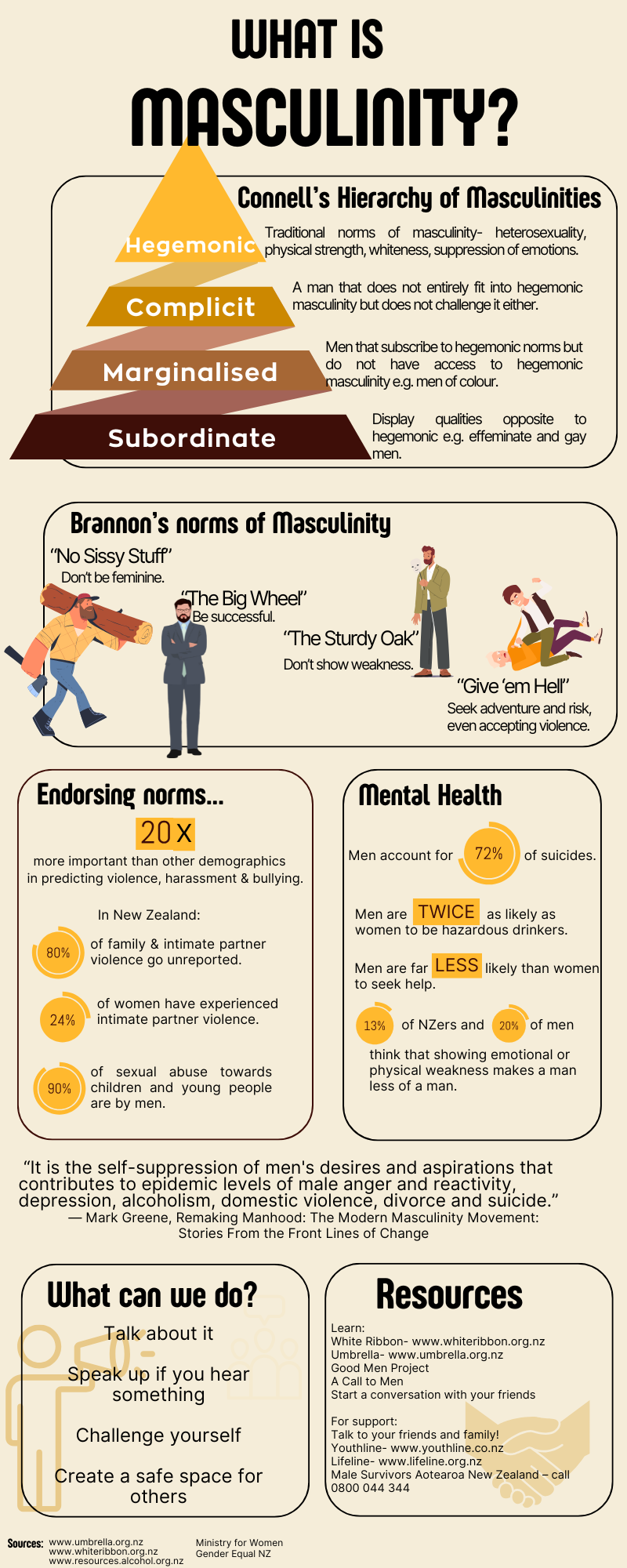
Risk-taking in gambling is deeply intertwined with the performance of masculinity, where the act of wagering transcends financial stakes to become a symbolic assertion of identity. This dynamic is particularly evident in environments that emphasize public displays of skill, such as poker tournaments or sports betting events. Here, risk is not merely a calculated decision but a deliberate performance of courage and competence, aligning with societal expectations of male behavior.
A critical mechanism driving this behavior is the concept of precarious manhood, which posits that masculinity must be continually proven through socially recognized acts. Gambling offers a unique platform for this validation, as the uncertainty of outcomes amplifies the perceived bravery of participants. According to a 2024 study published in Frontiers in Sociology, men engaging in high-stakes gambling often report a heightened sense of self-worth tied to their ability to navigate risk, even when outcomes are unfavorable.
"The act of taking risks in gambling is less about the financial outcome and more about affirming one's place within a social hierarchy," explains Dr. Joseph Vandello, a leading researcher on gender dynamics.
To address these patterns, interventions must integrate discussions on masculinity, reframing risk-taking as a strength when channeled into constructive pursuits. Peer-led programs that deconstruct traditional norms have shown promise in reducing harmful gambling behaviors while fostering healthier expressions of identity.
Peer Pressure and Socialization
Peer pressure operates as a potent mechanism in shaping gambling behaviors, particularly among men, where socialization processes embed gambling into identity formation. Unlike solitary activities, gambling in male peer groups often serves as a ritualized act of belonging. This dynamic is especially pronounced in environments where risk-taking is equated with social status, creating a framework where participation becomes a measure of masculinity.
The underlying mechanism involves a feedback loop of social reinforcement. Wins, even minor ones, are celebrated collectively, amplifying the perceived rewards of gambling. Conversely, losses are often reframed or minimized within the group, reducing their emotional impact and encouraging continued participation. This dynamic aligns with findings by Donati et al. (2013), which highlight that adolescents with gambling peers are significantly more likely to develop problematic gambling behaviors.
"The social context of gambling transforms it from an individual choice into a collective performance, where risk-taking validates identity," explains Dr. Henrietta Bowden-Jones, a leading expert in gambling addiction.
Addressing these dynamics requires interventions that target group norms, emphasizing alternative forms of social validation and dismantling the cultural association between risk-taking and masculinity.
The Impact of Online Gambling and Sports Betting
The digital transformation of gambling has redefined risk exposure, particularly for men, by combining accessibility with psychologically potent features. Online platforms enable continuous engagement, with studies showing that 70% of young male gamblers access betting apps daily, often placing multiple bets within minutes. This immediacy fosters impulsive decision-making, exacerbating the cognitive distortions already prevalent in gambling behaviors.
Sports betting, in particular, amplifies these risks by blending chance with the illusion of skill. According to research by Estévez et al. (2017), online sports bettors incur financial losses 30% faster than their offline counterparts, driven by features like in-play betting. These platforms exploit variable ratio reinforcement, a psychological mechanism where unpredictable rewards sustain compulsive behavior, mirroring patterns seen in substance addiction.
A counterintuitive finding is that higher education and income levels, often protective factors in other contexts, correlate with increased sports betting risks. This may stem from overconfidence in strategic abilities, aligning with masculine ideals of control and competence. Addressing these dynamics requires interventions that dismantle these illusions while promoting financial literacy and self-regulation.
Accessibility and Rapid Betting Cycles
The immediacy of online gambling platforms fundamentally reshapes decision-making processes, particularly through rapid betting cycles. These cycles, characterized by minimal intervals between bets, exploit cognitive impulsivity by reducing the time available for reflection. This dynamic is especially impactful for male gamblers, who often associate quick wins with personal competence and control, reinforcing a compulsive feedback loop.
One critical mechanism at play is the integration of micro-betting, where users wager on granular, real-time events such as the next play in a sports match. This format not only accelerates the betting pace but also amplifies the illusion of skill, as gamblers perceive these micro-decisions as opportunities to demonstrate expertise. However, studies indicate that such formats disproportionately increase financial losses, as the rapid succession of bets diminishes the gambler's ability to evaluate outcomes rationally.
"The rapid pace of online betting bypasses the brain’s typical cooling-off period, making it easier for individuals to fall into a compulsive cycle," explains Dr. Marc Potenza, a leading expert in behavioral addictions.
To counteract these effects, some platforms have experimented with enforced pauses or "cooling-off" features, which temporarily disable betting after a series of rapid wagers. While promising, these measures face resistance from both users and operators, highlighting the tension between harm reduction and commercial interests. Addressing this requires regulatory frameworks that prioritize user well-being without stifling innovation.
Prevalence of Problem Gambling in Sports Betting
The prevalence of problem gambling in sports betting is intricately linked to the psychological mechanism of cognitive distortions, particularly the belief in skill over chance. This distortion is amplified in sports betting due to the perceived strategic element, where bettors often overestimate their ability to predict outcomes based on prior knowledge or analysis. This misperception fosters a cycle of overconfidence and repeated betting, which can escalate into problematic behavior.
A critical factor influencing this dynamic is the role of in-play betting, which allows wagers to be placed during live events. This format not only accelerates decision-making but also reinforces impulsivity, as bettors are drawn into rapid cycles of risk and reward. Research highlights that individuals engaging in in-play betting are significantly more likely to exhibit problem gambling behaviors compared to those who bet pre-match. The immediacy of these bets reduces the opportunity for reflection, compounding financial and emotional risks.
"In-play betting creates a high-stakes environment where impulsivity overrides rational decision-making, increasing the likelihood of harm," explains Dr. Henrietta Bowden-Jones, a leading expert in gambling addiction.
Addressing this issue requires targeted interventions, such as limiting in-play betting options and implementing mandatory reflection periods, to disrupt the compulsive feedback loop and mitigate harm.
Addressing Male Gambling Issues
Effective strategies for addressing male gambling issues must dismantle the cultural and psychological frameworks that sustain harmful behaviors. Research from the Gambling Research Exchange Ontario (2017) highlights that cognitive distortions, such as the illusion of control, are more pronounced in men, often leading to compulsive gambling cycles. Tailored interventions, such as cognitive restructuring, have demonstrated a 30% reduction in gambling severity within three months of implementation, according to a meta-analysis by Cowlishaw et al. (2012).
A critical yet underexplored approach involves integrating motivational interviewing with psychoeducation. This method not only addresses ambivalence but also reframes risk-taking as a constructive trait. For example, programs that channel competitive instincts into skill-based activities, like financial literacy workshops, have shown promising outcomes in reducing relapse rates.
By targeting both societal norms and individual cognitive patterns, these interventions create a dual pathway for sustainable behavioral change, offering a model for broader public health applications.
Interventions and Responsible Gambling Initiatives
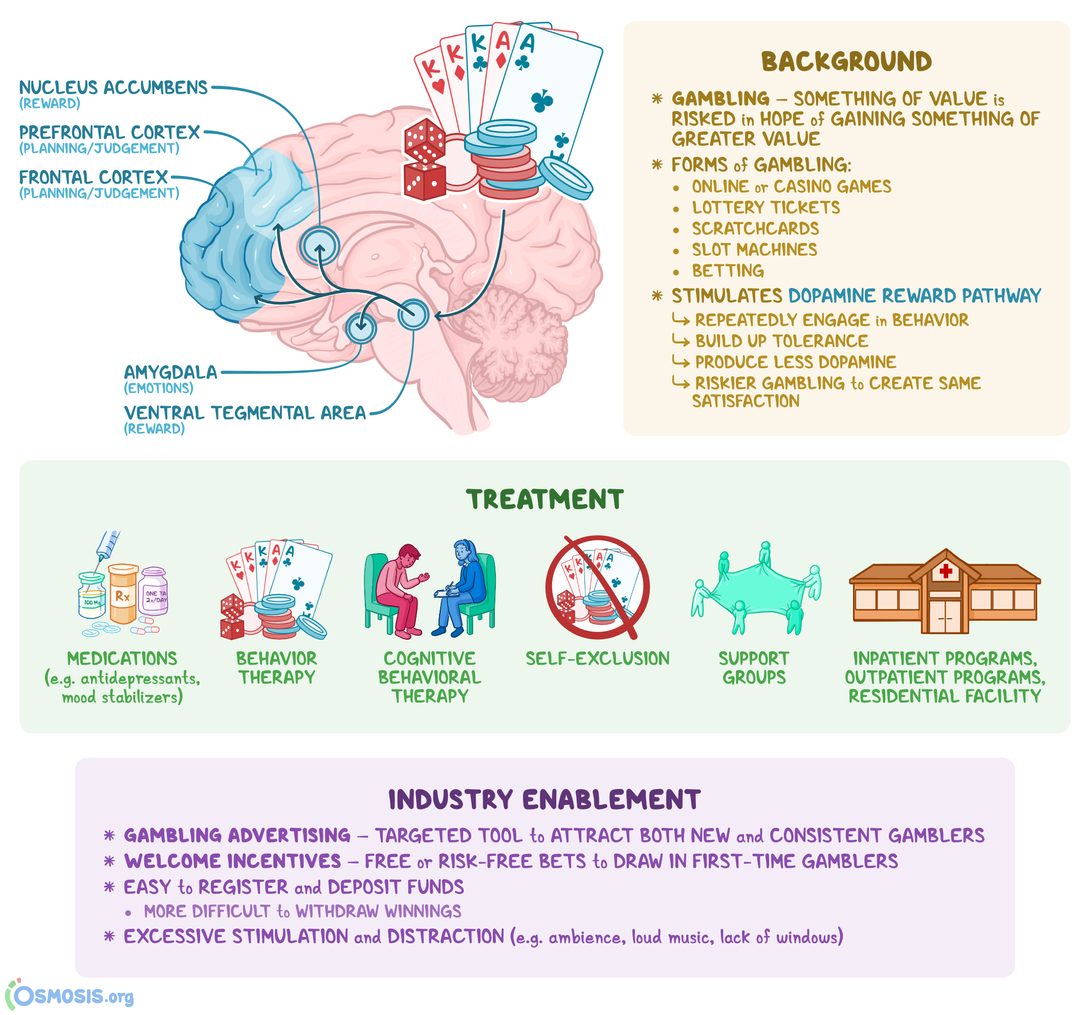
A pivotal technique in responsible gambling initiatives is the integration of personalized feedback interventions (PFIs) with motivational interviewing (MI). This approach leverages real-time behavioral data to confront cognitive distortions, such as the illusion of control, while fostering self-awareness. PFIs are particularly effective because they provide gamblers with tailored insights into their betting patterns, financial losses, and time spent gambling, creating a foundation for meaningful behavioral change.
The success of PFIs lies in their ability to disrupt automatic gambling behaviors. For instance, a study conducted by the Gambling Research Exchange Ontario demonstrated that gamblers who received personalized feedback reduced their gambling frequency by 25% within three months. This reduction was attributed to the intervention's capacity to highlight discrepancies between perceived and actual outcomes, challenging gamblers' overconfidence in their skills.
"Personalized feedback interventions empower individuals to confront their gambling behaviors without judgment, fostering a sense of agency,"
— Dr. Henrietta Bowden-Jones, Director, National Problem Gambling Clinic.
However, the effectiveness of PFIs is context-dependent. In environments with high accessibility to gambling, such as online platforms, their impact may be diminished without complementary measures like enforced "cooling-off" periods. Combining PFIs with these structural safeguards offers a robust framework for reducing harm while promoting sustainable gambling practices.
Tailored Approaches for Male Gamblers
A critical yet underutilized strategy for addressing male gambling issues is the integration of gender-specific psychoeducation with motivational interviewing (MI). This approach directly targets the intersection of masculinity norms and gambling behaviors, offering a nuanced framework that standard interventions often overlook.
Male gamblers frequently associate risk-taking with self-worth, making it essential to address these cognitive and cultural drivers. By combining MI with psychoeducation tailored to challenge the illusion of control, practitioners can recalibrate perceptions of risk. For example, presenting data on statistical independence in gambling outcomes has been shown to reduce overconfidence in skill-based games. This method not only confronts cognitive distortions but also aligns with male gamblers' preference for structured, skill-oriented interventions.
"Tailored psychoeducation empowers men to reframe risk-taking as a constructive trait, fostering healthier decision-making,"
— Dr. Henrietta Bowden-Jones, Director, National Problem Gambling Clinic.
Programs that channel competitiveness into skill-building activities, such as financial planning workshops, have demonstrated measurable success. These initiatives transform gambling from a compulsive behavior into an opportunity for personal growth, addressing both psychological and cultural dimensions effectively.
FAQ
What are the primary psychological factors contributing to gambling issues among men?
Psychological factors influencing gambling issues in men include impulsivity, sensation-seeking behaviors, and cognitive distortions like the illusion of control. Men often gamble to cope with negative emotions such as anxiety or depression, using it as an escape mechanism. Co-occurring mental health disorders, including substance abuse and ADHD, further exacerbate vulnerability. Social learning from peers or family normalizes gambling, while environmental triggers amplify risk. Additionally, personality traits like low conscientiousness and high neuroticism increase susceptibility. These interconnected factors highlight the need for targeted interventions addressing both individual psychological drivers and broader social influences to mitigate gambling-related harm effectively.
How do societal norms and masculinity influence male gambling behaviors?
Societal norms and masculinity shape male gambling behaviors by associating risk-taking, competitiveness, and skill with traditional masculine ideals. Gambling activities like sports betting and poker are often perceived as arenas to demonstrate competence, courage, and dominance. Cultural expectations reinforce these behaviors, positioning gambling as a socially acceptable way to assert identity and gain peer approval. Additionally, the stigma around vulnerability discourages men from seeking help, perpetuating harmful patterns. These dynamics create a feedback loop where gambling becomes both a performance of masculinity and a coping mechanism, underscoring the need for interventions that challenge these entrenched cultural narratives.
What are the most effective interventions for addressing gambling addiction in men?
Effective interventions for addressing gambling addiction in men include cognitive-behavioral therapy (CBT), which targets cognitive distortions like the illusion of control, and motivational interviewing (MI) to address ambivalence and enhance commitment to change. Gender-specific psychoeducation helps reframe risk-taking behaviors, aligning them with constructive pursuits. Rehabilitation programs incorporating medication, such as mood stabilizers or opioid antagonists, address co-occurring mental health issues. Group therapy fosters peer support, while family therapy rebuilds strained relationships. Preventative strategies, including financial literacy workshops and self-help groups like Gamblers Anonymous, further support recovery. Tailored approaches addressing masculinity norms and social pressures are critical for long-term success.
How does online gambling exacerbate problem gambling among male demographics?
Online gambling exacerbates problem gambling among male demographics by offering constant accessibility, rapid betting cycles, and features like in-play betting, which amplify impulsivity. The anonymity of online platforms reduces social accountability, while gamified elements, such as leaderboards and rewards, heighten engagement. Men are particularly drawn to skill-based illusions in sports betting, fostering overconfidence and repeated losses. Social media and targeted advertising further normalize gambling behaviors, creating a seamless integration into daily routines. These factors, combined with financial stress and peer influence, intensify addiction risks, highlighting the need for stricter regulations and tailored interventions to mitigate harm in online environments.
What role do peer pressure and social environments play in male gambling habits?
Peer pressure and social environments significantly influence male gambling habits by normalizing risk-taking as a form of social bonding and status assertion. Male peer groups often celebrate gambling wins collectively, reinforcing participation, while minimizing losses reduces their perceived impact. Social settings like sports bars and betting shops amplify these dynamics, embedding gambling into group rituals. Additionally, symbolic capital gained through gambling success elevates social standing within male circles. These environments create a feedback loop where gambling validates identity and belonging, underscoring the importance of interventions that address group norms and promote alternative, healthier forms of social validation.