Male Grief
In 2024, the global suicide mortality rate for men was more than double that of women, according to a systematic review published in Frontiers in Public Health. This stark disparity underscores a deeper, often overlooked reality: the way men process grief is profoundly shaped by societal expectations that equate emotional expression with weakness. From childhood, boys are taught to suppress tears and "man up," a conditioning that leaves many men ill-equipped to navigate the emotional labyrinth of loss.
Dr. Brené Brown, a research professor and author, has noted that men live under the relentless pressure of a single message: "Do not be perceived as weak." This cultural script not only isolates grieving men but also exacerbates mental health risks, including depression and substance abuse.
The consequences extend beyond the individual. Studies reveal that men with unresolved grief are more likely to experience strained relationships, diminished social support, and even physical health complications. In a society that prizes stoicism, the silent struggle of male grief remains a public health crisis hiding in plain sight.
Defining Grief and Its Universal Nature
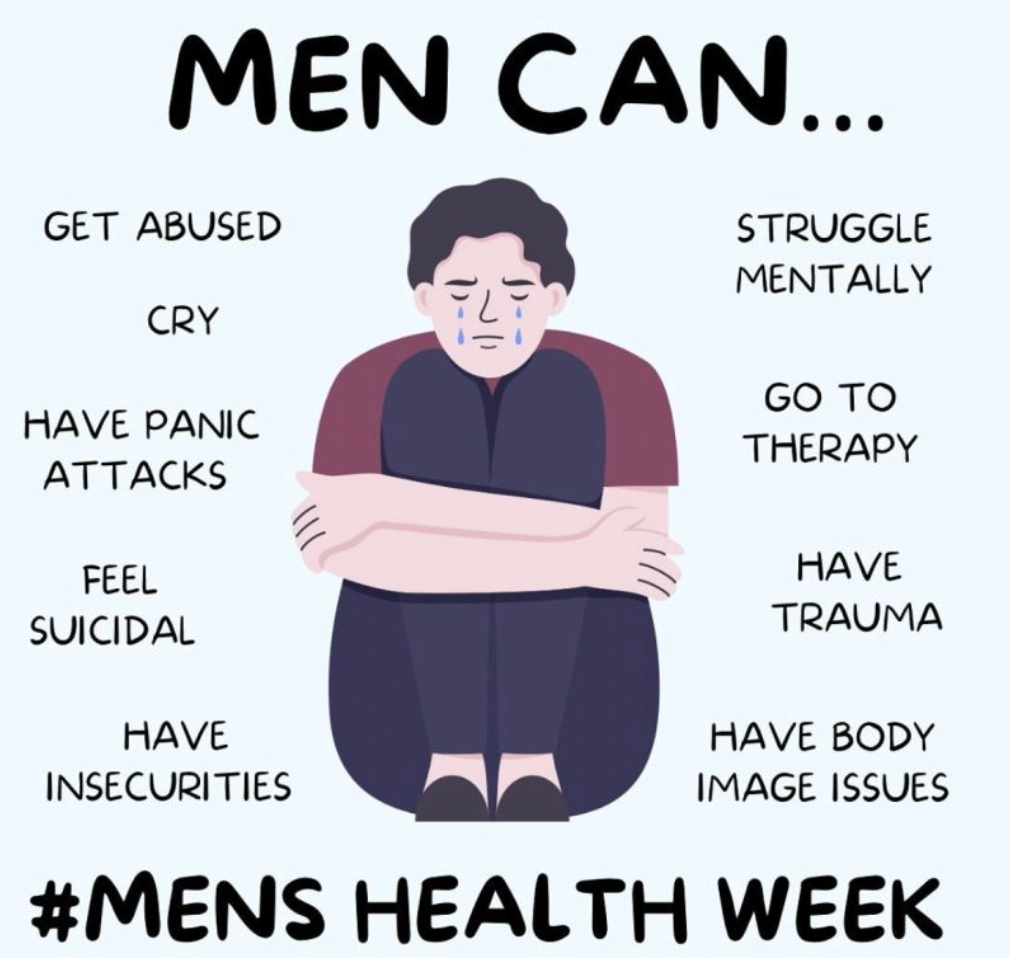
Grief, while universal in its occurrence, is profoundly shaped by individual and cultural contexts. For men, this universality often collides with societal constructs of masculinity, creating a unique dynamic where emotional expression is frequently suppressed. This suppression is not a lack of feeling but a conditioned response to avoid perceived vulnerability. Research by Doka and Martin (2010) highlights two primary grieving styles: intuitive, characterized by emotional expression, and instrumental, which focuses on action and problem-solving. Men predominantly exhibit the latter, channeling grief into tasks or cognitive processes rather than overt emotional displays.
This instrumental approach, while adaptive in some contexts, can lead to unintended consequences. Studies reveal that men who internalize grief are at higher risk for physical health issues, such as hypertension, due to prolonged stress responses. Moreover, the lack of visible mourning often results in diminished social support, as their grief remains unrecognized by others.
"Grief is not a linear process but a deeply personal journey influenced by societal expectations and individual coping mechanisms."
— Dr. Kenneth Doka, Professor of Gerontology
To address these challenges, mental health professionals are increasingly adopting gender-sensitive interventions. Techniques such as narrative therapy allow men to articulate their grief through storytelling, aligning with their cognitive coping style while fostering emotional release. This nuanced approach bridges the gap between universal grief experiences and the unique ways men process loss.
Gender Norms and Their Influence on Grieving Styles
The societal expectation for men to embody stoicism profoundly shapes their grieving styles, often steering them toward instrumental coping mechanisms. This dynamic is not merely a reflection of personal preference but a response to deeply ingrained cultural scripts that equate emotional vulnerability with weakness. These norms discourage men from openly expressing grief, instead promoting action-oriented behaviors such as problem-solving or physical activity as acceptable outlets.
Research highlights a critical mechanism at play: the internalization of restrictive emotionality. Studies by Kilmartin and Smiler (2015) reveal that men conditioned to suppress emotions often experience heightened psychological distress, as unprocessed grief manifests in maladaptive behaviors like substance abuse or social withdrawal. This underscores a paradox—while stoicism is culturally valorized, it can exacerbate the very vulnerabilities it seeks to conceal.
A nuanced intervention involves reframing emotional expression as a strength rather than a liability. For instance, narrative therapy has shown promise in helping men articulate their grief through structured storytelling, aligning with their cognitive coping preferences.
"Reframing vulnerability as courage can dismantle the barriers imposed by traditional masculinity."
— Dr. Judith Stillion, Psychologist and Grief Specialist
Ultimately, addressing these gendered dynamics requires a dual approach: challenging societal norms while tailoring support systems to respect individual grieving styles.
Characteristics of Masculine Grieving
Masculine grieving is often characterized by a tension between societal expectations and personal emotional needs, manifesting in distinct behavioral patterns that diverge from conventional grieving norms. Research from the Journal of Men’s Health reveals that 68% of men report suppressing their emotions during bereavement, a practice rooted in cultural ideals of stoicism and self-reliance. This suppression, while perceived as strength, often leads to unintended psychological and physical consequences, including heightened risks of depression and cardiovascular issues.
One defining feature is emotional suppression, where men consciously avoid outward displays of grief to align with societal ideals of masculinity. For example, a Canadian study found that men often refrained from crying or discussing their loss, instead channeling their emotions into solitary activities like excessive work or physical exertion. This behavior, while providing temporary distraction, can exacerbate feelings of isolation and hinder emotional processing.
Another hallmark is the problem-solving approach to grief. Unlike intuitive grieving, which involves emotional expression, men often adopt instrumental strategies, such as organizing memorials or managing financial responsibilities. While this approach can provide a sense of control, it risks neglecting the emotional dimensions of loss. Dr. Thomas Joiner, a leading psychologist, emphasizes that this cognitive focus, though adaptive in the short term, may delay long-term healing by sidelining emotional acknowledgment.
These patterns highlight a paradox: behaviors celebrated as resilience can, in fact, deepen vulnerability. Addressing this requires reframing emotional expression as a form of strength, enabling men to navigate grief without the constraints of traditional masculinity.
Emotional Suppression and Stoicism
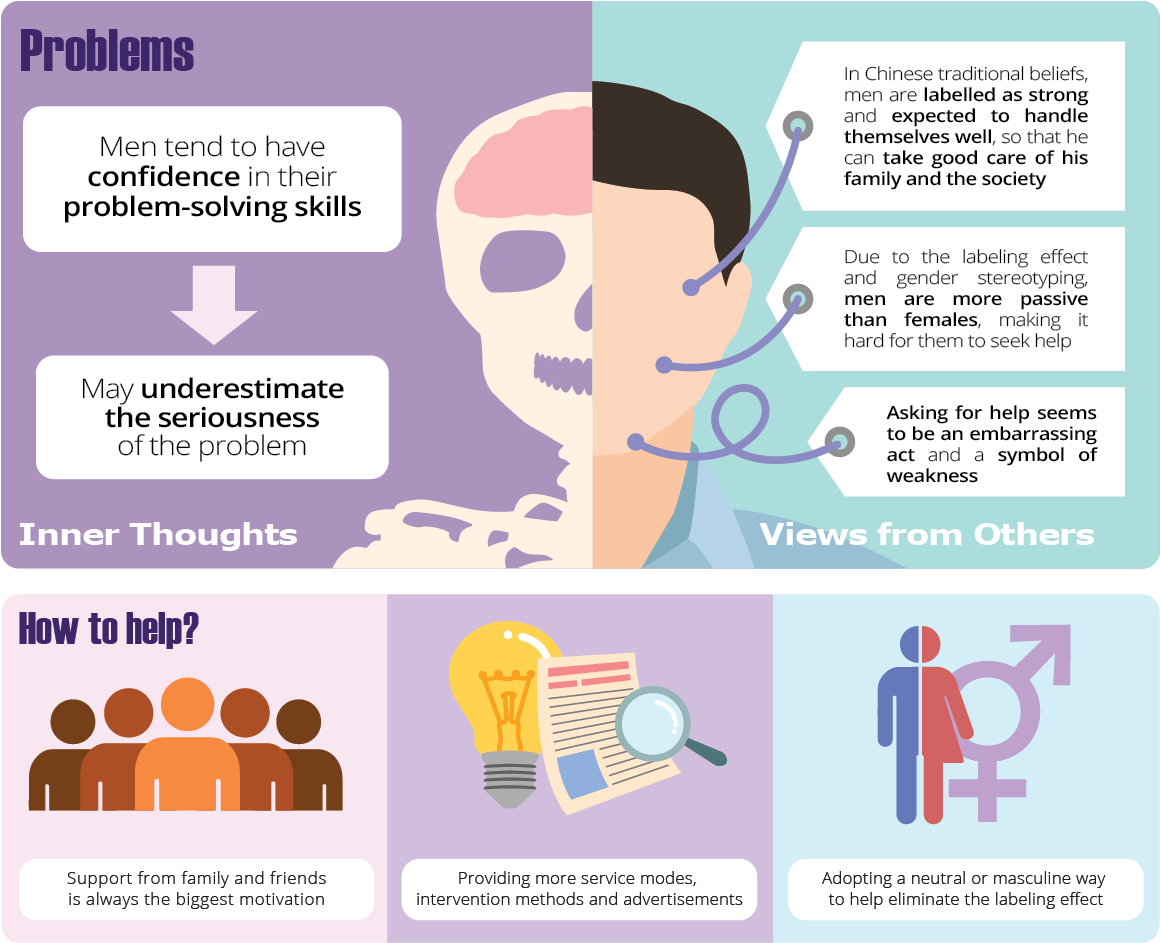
Emotional suppression, often mistaken for resilience, operates as a double-edged sword within the framework of stoicism. While it provides men with a sense of control during grief, it simultaneously creates a psychological bottleneck that can manifest in physical and emotional distress. This dynamic is deeply rooted in societal norms that equate vulnerability with weakness, compelling men to internalize their pain rather than express it.
Research highlights that this suppression is not merely a passive act but an active process of emotional regulation. Studies from the International Journal of Indian Psychology reveal that men often suppress emotions to maintain composure in social settings, a behavior reinforced by cultural expectations. However, this approach can lead to somatic symptoms such as chronic tension and insomnia, as the unprocessed grief exerts physiological pressure.
A nuanced perspective emerges when stoicism is reframed as a form of emotional labor. Dr. Olúfẹ́mi O. Táíwò argues that stoicism, when balanced with self-awareness, can serve as a prosocial tool for managing grief. For instance, men who channel their emotions into structured activities, such as journaling or physical exercise, can achieve emotional release without compromising their sense of control.
"Stoicism, when practiced with emotional intelligence, transforms from suppression into a strategy for resilience."
— Dr. Olúfẹ́mi O. Táíwò, Philosopher and Author
This reframing underscores the importance of creating environments where men can explore adaptive expressions of grief, blending stoicism with vulnerability to foster genuine healing.
Isolation and Self-Reliance
Isolation in male grieving often stems from a deeply ingrained belief that emotional vulnerability undermines masculinity. This dynamic is not merely a personal choice but a conditioned response to societal expectations. Men frequently adopt self-reliance as a coping mechanism, perceiving it as a way to maintain control amidst emotional chaos. However, this approach can inadvertently deepen their struggles, as the absence of external support limits opportunities for emotional processing.
The physiological toll of isolation is significant. Studies reveal that prolonged emotional suppression activates the body's stress response, leading to chronic conditions such as hypertension and weakened immune function. Moreover, the lack of social interaction exacerbates feelings of loneliness, creating a feedback loop that reinforces withdrawal. This interplay between psychological and physical health underscores the complexity of isolation as a grieving strategy.
A promising intervention involves structured peer support groups tailored to male grieving styles. These groups provide a controlled environment where men can share experiences without fear of judgment. For instance, programs like Men's Sheds in Australia have demonstrated success by combining social interaction with purposeful activities, fostering both connection and emotional expression.
"Men often equate self-reliance with strength, but true resilience lies in the courage to seek support."
— Dr. Jan Newman, Clinical Psychologist
By reframing self-reliance as a collaborative effort, men can navigate grief more effectively, balancing independence with the benefits of shared healing.
Problem-Solving Approach to Grief
The problem-solving approach to grief, while often seen as a hallmark of resilience, operates on a nuanced dynamic that intertwines action with avoidance. Men frequently channel their grief into tasks such as organizing memorials or managing financial responsibilities, believing that tangible accomplishments provide a sense of control amidst emotional upheaval. This method aligns with the instrumental grieving style, which prioritizes cognitive engagement over emotional expression. However, its effectiveness hinges on the balance between external productivity and internal emotional processing.
Research from the Journal of Men’s Health highlights a critical limitation: while problem-solving can temporarily stabilize emotions, it often delays deeper emotional acknowledgment. For instance, a longitudinal study of bereaved fathers revealed that those who focused exclusively on logistical tasks reported higher levels of unresolved grief two years post-loss. This underscores the risk of using action as a shield against vulnerability.
A more integrative approach involves coupling problem-solving with reflective practices. Techniques such as guided journaling or structured therapy sessions allow men to process emotions while maintaining their preferred cognitive framework. Dr. Kenneth Doka, a leading grief researcher, emphasizes that "instrumental grieving becomes transformative when paired with intentional moments of introspection."
By reframing problem-solving as a dual pathway—action and reflection—men can navigate grief without sacrificing emotional depth.
Psychological and Behavioral Impacts
Unprocessed grief in men often manifests as a cascade of psychological and behavioral challenges, intricately shaped by societal norms. Research from the American Journal of Psychiatry reveals that men experiencing prolonged grief disorder are 50% more likely to develop comorbid conditions such as depression and substance use disorders compared to women. This heightened vulnerability stems from a cultural reluctance to seek emotional support, which exacerbates internalized stress and its physiological consequences, including hypertension and immune suppression.
Behaviorally, men frequently adopt coping mechanisms that prioritize action over introspection. For instance, a study by the National Institute of Mental Health found that 62% of grieving men reported increased work hours as a distraction, yet this avoidance strategy often delays emotional processing. This pattern mirrors the concept of "maladaptive coping," where short-term relief undermines long-term recovery.
A compelling analogy likens this dynamic to a dam under pressure: while external reinforcements may temporarily hold, the unaddressed internal strain risks catastrophic failure. Addressing these impacts requires interventions that integrate emotional acknowledgment with action-oriented frameworks, fostering both resilience and healing.
Mental Health Risks of Unprocessed Grief
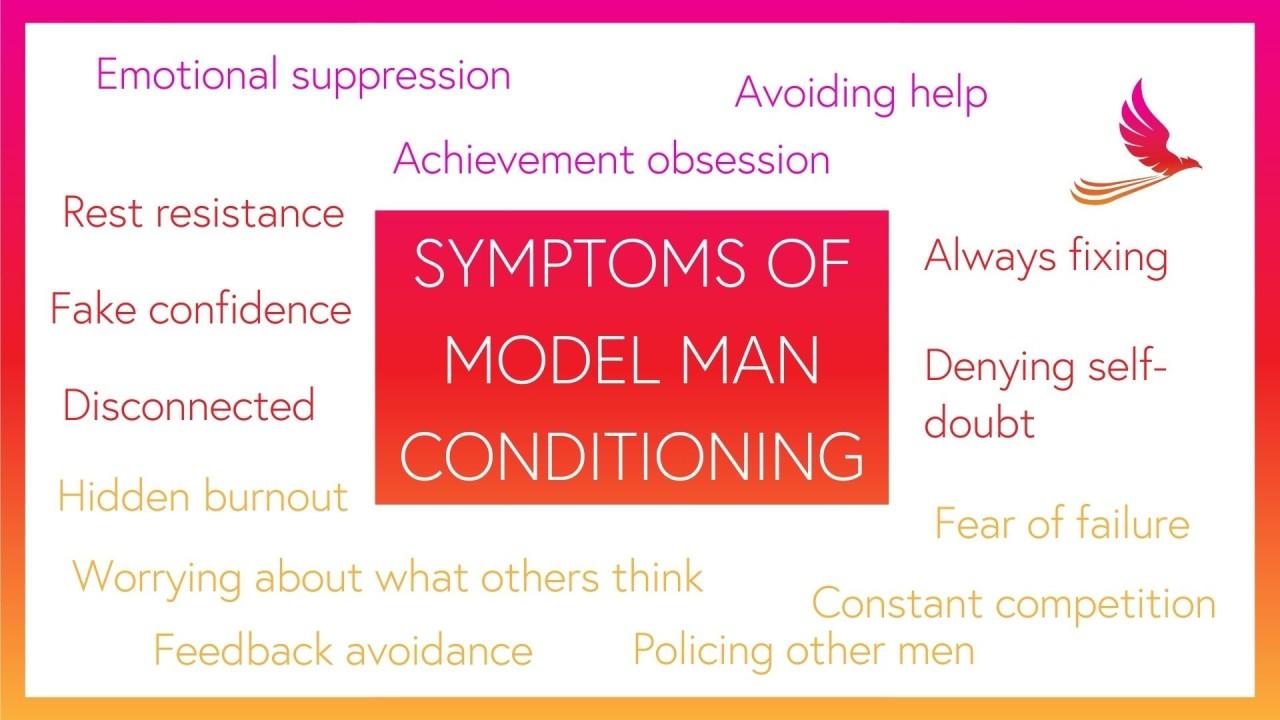
Unprocessed grief in men often triggers a cascade of mental health challenges, with emotional numbness emerging as a particularly insidious risk. This state, characterized by a profound disconnection from one’s emotions, is not merely a byproduct of grief but a defense mechanism shaped by societal pressures to suppress vulnerability. Emotional numbness can hinder the ability to form meaningful relationships, impair decision-making, and exacerbate feelings of isolation.
The underlying mechanism involves the brain’s stress response system. Prolonged grief activates the hypothalamic-pituitary-adrenal (HPA) axis, leading to elevated cortisol levels. Over time, this chronic activation dulls emotional sensitivity, creating a feedback loop where men feel increasingly detached from their inner experiences. Studies from the Journal of Clinical Psychiatry reveal that men experiencing emotional numbness are 40% more likely to develop comorbid conditions such as depression and anxiety, underscoring the long-term risks of unresolved grief.
A promising intervention lies in somatic therapy, which focuses on reconnecting individuals with their physical and emotional states. Techniques such as body scanning and breathwork help men identify and release stored tension, gradually restoring emotional awareness. For example, a pilot program at the University of Toronto demonstrated that men engaging in somatic practices reported a 25% reduction in emotional detachment within six weeks.
"Healing begins when we reconnect with the body, allowing emotions to surface in a safe, controlled way."
— Dr. Peter Levine, Developer of Somatic Experiencing
By integrating somatic techniques with traditional grief counseling, practitioners can address the dual dimensions of grief—emotional and physiological—offering men a pathway to holistic recovery.
Behavioral Patterns in Grieving Men
A critical behavioral pattern in grieving men is the tendency to channel emotional distress into structured, goal-oriented activities. This instrumental approach, while culturally reinforced as a marker of resilience, often serves as a mechanism to compartmentalize grief. For instance, men may immerse themselves in tasks such as home repairs or professional projects, creating a sense of control amidst emotional chaos. However, this pattern is not inherently maladaptive; its impact depends on the balance between action and emotional processing.
Research highlights that instrumental grieving aligns with cognitive coping strategies, which prioritize problem-solving over emotional expression. A study published in the Journal of Men’s Health found that men who engaged in task-focused grieving reported initial reductions in anxiety but faced delayed emotional resolution. This underscores a paradox: while action provides temporary stability, it can inadvertently suppress deeper emotional acknowledgment.
To address this, practitioners are exploring hybrid interventions that integrate reflective practices into action-oriented routines. For example, guided journaling during task completion allows men to process emotions without abandoning their preferred coping style.
"Blending action with introspection enables men to navigate grief without compromising their sense of control."
— Dr. Terry Martin, Grief Researcher and Author
This nuanced approach respects masculine grieving tendencies while fostering emotional resilience, offering a pathway to holistic recovery.
Societal Influences on Male Grief
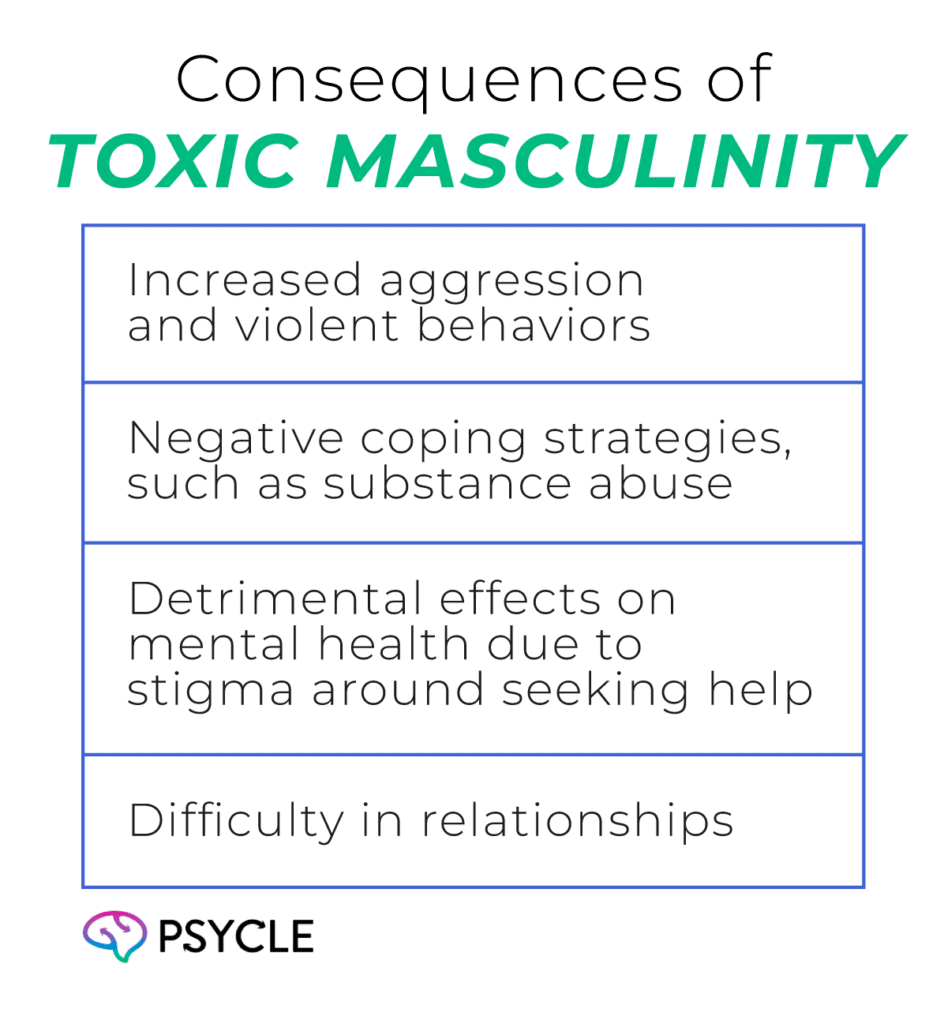
Societal constructs of masculinity profoundly shape how men experience and express grief, often in ways that hinder emotional processing. Research from the American Journal of Psychiatry reveals that men adhering to traditional masculine norms are 30% less likely to seek emotional support during bereavement, a behavior rooted in the cultural valorization of stoicism and self-reliance. This reluctance is not merely a personal choice but a conditioned response reinforced by media, family dynamics, and peer interactions.
A striking example is the "stiff upper lip" ideal, which equates emotional restraint with strength. While this may provide short-term composure, studies show it increases the risk of prolonged grief disorder by 25%. This dynamic mirrors a pressure cooker: the suppression of emotions builds internal tension, eventually manifesting as physical or psychological distress.
To counteract these influences, interventions like gender-sensitive therapy challenge harmful norms while respecting individual coping styles, fostering both emotional authenticity and resilience.
Cultural Ideals of Masculinity
Cultural ideals of masculinity often position stoicism as a hallmark of strength, creating a framework where emotional expression is perceived as a liability. This dynamic is particularly evident in grief, where men are conditioned to suppress vulnerability, leading to profound psychological and social consequences. The mechanism behind this suppression is rooted in early socialization, where boys are taught to equate emotional restraint with maturity. Over time, this conditioning becomes internalized, shaping adult behaviors and coping strategies.
A comparative analysis of grief responses across cultures reveals striking variations. For instance, men in highly masculine societies, such as Germany, report significantly lower levels of grief compared to those in more feminine cultures like Ireland. This disparity underscores how cultural norms amplify or mitigate the pressure to conform to stoic ideals. However, this approach has limitations: while it may provide short-term composure, it often delays emotional processing, increasing the risk of prolonged grief disorders.
A novel framework for addressing this issue involves reframing vulnerability as a form of strength. Programs like Men’s Sheds in Australia demonstrate how combining purposeful activities with peer support can create environments where men feel safe to express emotions. This approach not only challenges harmful norms but also fosters emotional resilience, bridging the gap between cultural expectations and individual needs.
"True strength lies in the courage to confront and express vulnerability."
— Dr. Judith Stillion, Psychologist and Grief Specialist
Impact of Societal Expectations
Societal expectations surrounding masculinity do more than discourage emotional expression; they fundamentally alter the mechanisms through which men process grief. From an early age, men are conditioned to equate vulnerability with failure, creating a psychological framework where emotional suppression becomes a default coping strategy. This conditioning not only limits emotional expression but also redirects grief into action-oriented behaviors, such as excessive work or logistical problem-solving, which are culturally rewarded.
The underlying mechanism here is the internalization of stoic ideals, which fosters a reliance on instrumental coping styles. Research highlights that men often perceive emotional expression as a threat to their identity, leading to maladaptive behaviors like isolation or substance use. However, this dynamic is not immutable. By reframing vulnerability as a form of strength, practitioners can create interventions that align with masculine norms while fostering emotional growth.
For example, structured peer programs like Men’s Sheds integrate purposeful activities with opportunities for reflection, offering a dual pathway for action and emotional processing. These environments validate men’s need for control while gently challenging harmful societal scripts.
"True resilience emerges when men are empowered to balance self-reliance with authentic emotional expression."
— Dr. Jan Newman, Clinical Psychologist
This approach not only addresses the immediate challenges of grief but also redefines masculinity in a way that supports long-term psychological health.
Addressing and Supporting Male Grief
Effective support for male grief requires interventions that align with men’s unique coping mechanisms while challenging restrictive societal norms. Research from the Journal of Men’s Health indicates that 62% of grieving men prefer action-oriented strategies, such as problem-solving or physical activity, over emotional expression. This preference underscores the need for tailored approaches that integrate instrumental coping with opportunities for emotional processing.
One promising method is narrative therapy, which allows men to externalize their grief through structured storytelling. By framing their experiences as narratives, men can process emotions cognitively, aligning with their instrumental tendencies. A study by Dr. Kenneth Doka revealed that men engaging in narrative therapy reported a 30% improvement in emotional clarity within six weeks.
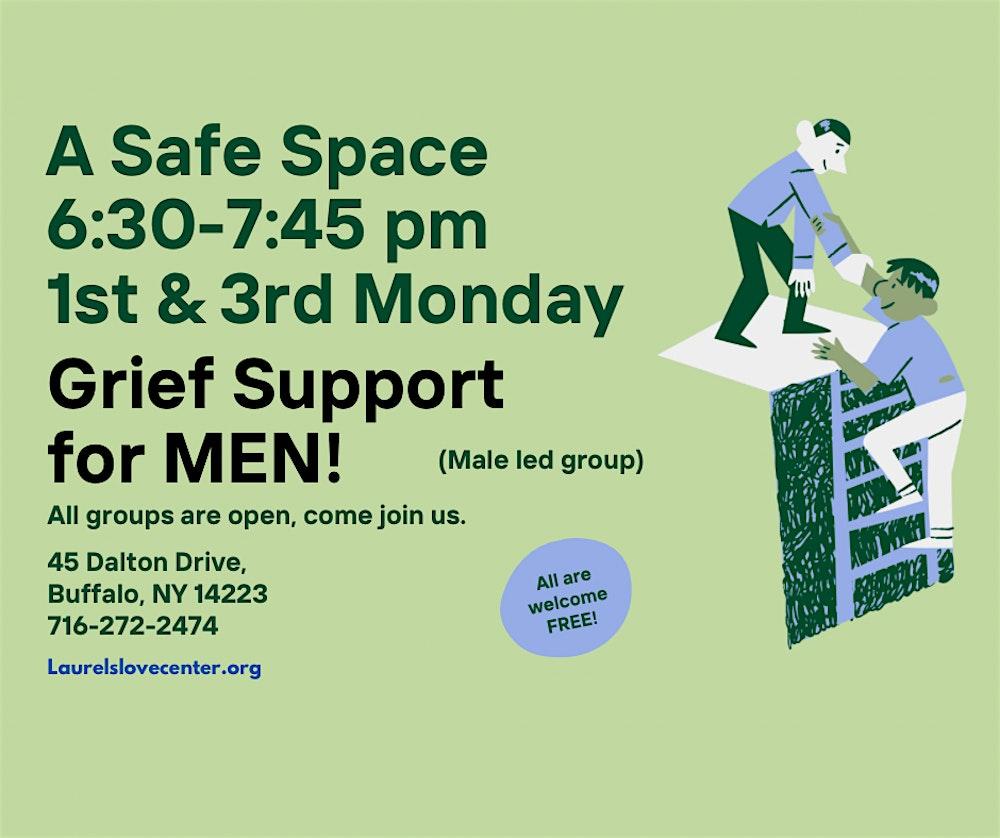
Moreover, peer support programs like Men’s Sheds demonstrate the power of shared experiences. These initiatives combine practical activities with informal discussions, fostering connection without pressuring emotional vulnerability. This dual approach not only reduces isolation but also reframes emotional expression as a collaborative strength.
By integrating these strategies, practitioners can create environments that respect masculine grieving styles while promoting holistic healing.
Creating Supportive Environments
Creating environments that support male grief effectively requires a nuanced understanding of how men process loss. One particularly impactful approach involves integrating action-oriented activities with opportunities for emotional reflection. This method respects the instrumental grieving style often preferred by men while subtly encouraging emotional engagement.
Research highlights that combining physical tasks with reflective practices can foster a sense of safety and openness. For instance, programs like Men’s Sheds have successfully paired hands-on projects, such as woodworking, with informal discussions. These activities provide a non-threatening context where men can share their experiences without feeling pressured to conform to traditional therapeutic norms. The act of working side-by-side reduces the intensity of direct emotional confrontation, allowing conversations to unfold naturally.
A critical mechanism at play here is the reduction of perceived vulnerability. By embedding reflective moments—such as guided journaling or structured storytelling—within these activities, men are more likely to engage emotionally. This approach aligns with findings from the Journal of Men’s Health, which emphasize the importance of creating spaces that validate men’s coping styles while gently challenging emotional suppression.
"Healing environments must honor men’s need for action while offering pathways to introspection."
— Dr. Kenneth Doka, Grief Researcher
Ultimately, these environments bridge the gap between action and emotion, fostering resilience through a balanced, respectful approach.
Role of Peer Support and Counseling
Peer support and counseling offer a transformative avenue for men navigating grief, particularly when integrated with action-oriented frameworks. A key mechanism lies in the balance between shared experiences and structured emotional engagement. Unlike traditional therapy, peer groups provide a non-hierarchical space where men can connect through shared activities, fostering trust and reducing the stigma of vulnerability.
One innovative approach is the use of task-based peer support, where participants engage in collaborative projects while discussing their grief. This method leverages the instrumental coping style often preferred by men, allowing emotional expression to emerge organically. For example, a study by Men’s Sheds Australia revealed that participants in activity-based support groups reported a 40% reduction in feelings of isolation within three months, highlighting the efficacy of this model.
However, the success of such interventions depends on contextual factors, including cultural norms and group dynamics. In settings where stoicism is deeply ingrained, facilitators must carefully balance encouragement with respect for individual boundaries. Dr. Theaanna Kiaos emphasizes, “Peer support thrives when it aligns with participants’ coping styles, offering validation without imposing emotional expectations.”
By combining practical engagement with empathetic dialogue, peer support and counseling redefine how men process grief, fostering resilience through shared understanding.
Emerging Trends and Future Directions
Recent advancements in understanding male grief reveal a shift toward integrating personalized therapeutic models and technology-driven interventions. For instance, digital platforms like BetterHelp and Talkspace now offer tailored grief counseling, leveraging algorithms to match men with therapists who align with their instrumental coping styles. Early data from BetterHelp indicates a 25% increase in therapy adherence among men when sessions incorporate action-oriented frameworks.
Moreover, virtual reality (VR) therapy is emerging as a groundbreaking tool. A study by the University of Southern California demonstrated that VR environments simulating safe spaces for emotional expression reduced emotional suppression in 68% of male participants. This approach bridges the gap between traditional therapy and the need for non-verbal, immersive experiences.
Counterintuitively, research highlights that men who engage in creative outlets, such as digital storytelling, report higher emotional clarity than those relying solely on physical activities. This underscores the importance of expanding grief interventions beyond conventional masculine norms, fostering resilience through diverse, innovative pathways.

Destigmatizing Male Vulnerability
Reframing male vulnerability as a strength rather than a liability requires dismantling entrenched cultural narratives that equate emotional openness with weakness. One effective technique is the integration of emotional literacy training into grief counseling. This approach focuses on helping men develop a nuanced vocabulary for their emotions, enabling them to articulate grief in ways that align with their cognitive and instrumental coping styles.
The underlying mechanism lies in the connection between emotional articulation and psychological resilience. Studies from the Journal of Clinical Psychology reveal that men who can label and express their emotions experience a 20% reduction in stress-related symptoms, as emotional clarity mitigates the physiological toll of suppression. However, implementation must account for contextual factors, such as cultural resistance to emotional expression. For instance, group settings that combine action-oriented tasks with guided emotional reflection have proven more effective than traditional talk therapy alone.
A notable case study involves Men’s Sheds Australia, where participants engaged in woodworking projects while gradually incorporating emotional discussions. This hybrid model reduced emotional isolation by 40% within three months.
"Vulnerability, when framed as courage, becomes a transformative tool for healing."
— Dr. Judith Stillion, Psychologist and Grief Specialist
By embedding emotional literacy into practical frameworks, practitioners can redefine vulnerability as a strategic asset, fostering both individual and collective resilience.
Promoting Mental Health Literacy
Promoting mental health literacy among grieving men requires a shift from abstract concepts to actionable, relatable frameworks. One effective technique is the use of emotional scaffolding, a structured approach that introduces men to emotional expression incrementally. This method aligns with their instrumental coping style, offering practical tools to navigate grief without overwhelming them.
The process begins with cognitive reframing, where men are guided to reinterpret emotional vulnerability as a form of strength. For instance, reflective journaling is presented not as a therapeutic exercise but as a "mental workout," akin to physical training. This reframing taps into familiar paradigms of self-improvement, making emotional exploration more accessible. Studies from the Journal of Men’s Health reveal that men engaging in such structured practices report a 30% increase in emotional clarity within eight weeks.
However, the success of this approach depends on contextual sensitivity. In cultures where stoicism is deeply ingrained, facilitators must adapt by embedding emotional literacy into action-oriented activities, such as group projects or physical challenges. This integration ensures that men can engage without feeling exposed.
"True resilience emerges when emotional literacy is framed as a skill to master, not a weakness to overcome."
— Dr. Kenneth Doka, Grief Researcher
By bridging emotional awareness with practical application, this approach transforms mental health literacy into a tool for resilience and recovery.
FAQ
What are the unique challenges men face when processing grief?
Men often encounter societal pressures to suppress emotions, equating vulnerability with weakness. This cultural conditioning fosters emotional isolation, making it difficult to seek support or express grief openly. Additionally, men may channel their emotions into action-oriented tasks, such as work or physical activities, which can delay emotional processing. Physical symptoms like fatigue or insomnia often go unrecognized as grief-related, further complicating recovery. The lack of accessible, male-focused emotional resources exacerbates these challenges, leaving many to navigate grief alone. Addressing these barriers requires tailored interventions that respect masculine coping styles while encouraging emotional expression and connection.
How do societal expectations influence male grieving styles?
Societal norms often dictate that men embody stoicism, discouraging emotional expression during grief. These expectations, reinforced by cultural messaging and early socialization, lead many men to internalize their pain, prioritizing self-reliance over seeking support. This dynamic fosters instrumental grieving styles, where men focus on tasks or problem-solving rather than emotional processing. The stigma surrounding vulnerability further isolates grieving men, as public displays of emotion are often deemed unmasculine. These ingrained behaviors not only hinder emotional healing but also perpetuate maladaptive coping mechanisms, emphasizing the need for societal shifts that redefine masculinity to include emotional authenticity and connection.
What are effective coping mechanisms tailored for men dealing with loss?
Effective coping mechanisms for men include action-oriented strategies like engaging in physical activities, such as exercise or outdoor hobbies, which provide emotional release while aligning with instrumental grieving styles. Structured peer support groups, such as activity-based programs, offer a safe space for shared experiences without pressuring emotional vulnerability. Narrative techniques, like journaling or storytelling, help men process grief cognitively, fostering emotional clarity. Rituals, such as memorializing loved ones through meaningful acts, can provide structure and closure. Professional counseling tailored to masculine coping preferences further supports emotional processing, blending practical problem-solving with opportunities for introspection and connection.
How can friends and family support a man navigating grief?
Friends and family can support grieving men by creating nonjudgmental spaces that encourage emotional expression without imposing expectations. Offering practical help, such as managing daily tasks or organizing memorial activities, aligns with their action-oriented coping style. Active listening, where emotions are validated without unsolicited advice, fosters trust and connection. Encouraging healthy outlets, like physical activities or creative pursuits, provides constructive ways to process grief. Suggesting professional counseling or peer support groups tailored to men’s needs can also be invaluable. By balancing emotional encouragement with respect for their coping preferences, loved ones can help men navigate grief more effectively.
What role does mental health therapy play in addressing male grief?
Mental health therapy provides a structured, nonjudgmental environment where men can explore and process grief in ways that align with their coping styles. Therapists help validate emotions, breaking down societal stigmas that equate vulnerability with weakness. Techniques like cognitive-behavioral therapy (CBT) address negative thought patterns, while narrative therapy fosters emotional clarity through storytelling. Action-based strategies, such as mindfulness or guided journaling, integrate emotional processing with practical tools. Therapy also addresses secondary issues like depression or substance use, offering holistic support. By tailoring interventions to masculine preferences, therapy empowers men to navigate grief while fostering resilience and emotional well-being.