Male Help-Seeking Behaviour in Digital Contexts
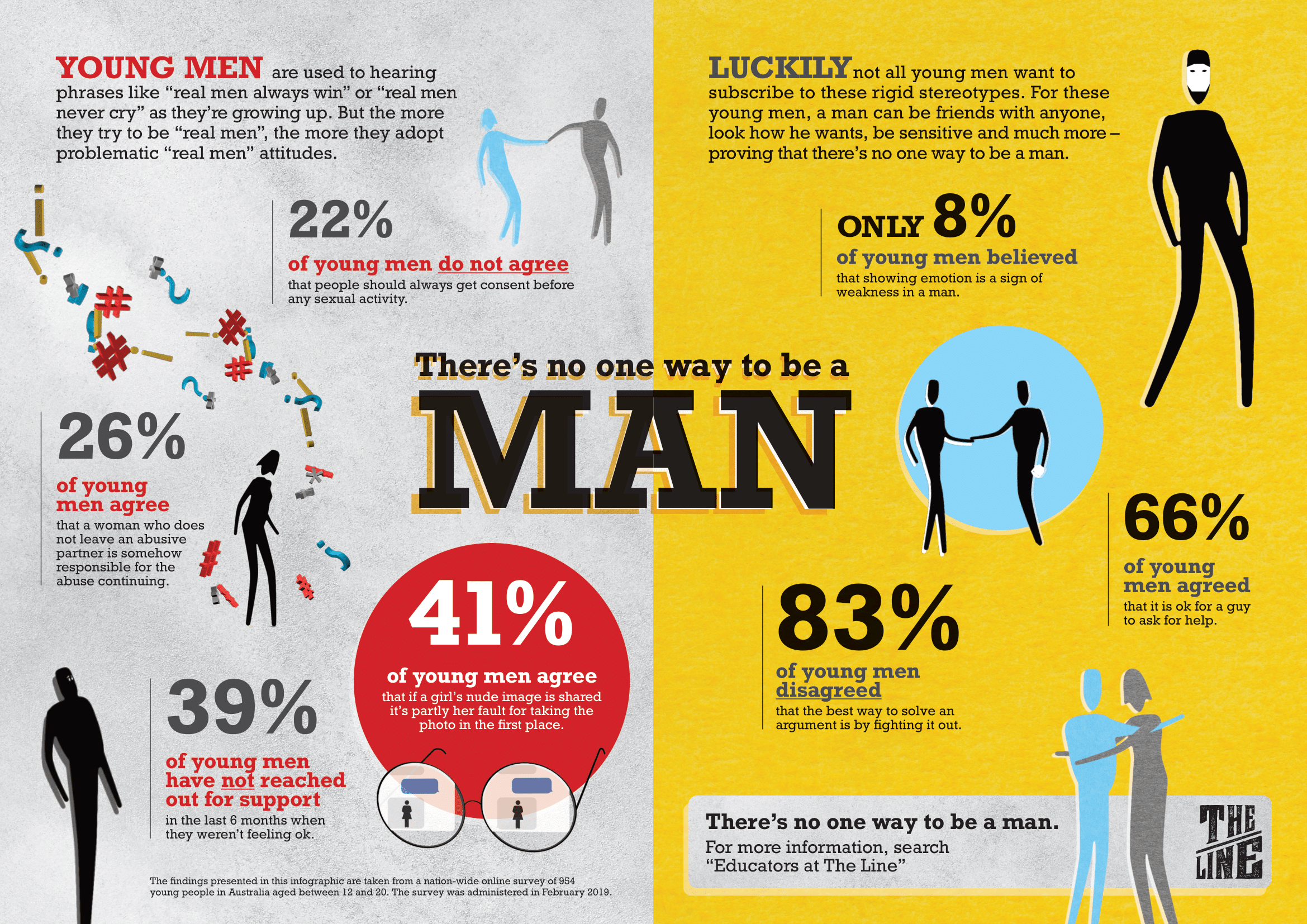
In 2019, a study by King et al. revealed that digital mental health interventions experience dropout rates as high as 74%, a figure that starkly contrasts with the enduring stigma surrounding men’s help-seeking behaviors. This paradox—where digital platforms offer anonymity yet fail to sustain engagement—underscores a deeper issue: the intersection of masculinity norms and the design of online support systems.
Historically, men have been less likely to seek professional help for mental health or behavioral issues, a trend rooted in societal expectations of stoicism and self-reliance. However, digital interventions, such as apps and online forums, have emerged as potential disruptors. These platforms provide a space where men can confront their struggles without the perceived vulnerability of face-to-face interactions. Yet, as demonstrated by Emezue (2020), the impersonal nature of these tools often alienates users, particularly when they fail to align with the nuanced realities of male identity.
Dr. Joseph H. Hammer, a leading researcher in men’s mental health, argues that “effective digital interventions must not only address stigma but also resonate with the values and language of their target audience.” This insight is critical as emerging evidence suggests that tailored digital strategies could bridge the gap between awareness and action, reshaping the landscape of male help-seeking behaviors.
The Influence of Masculine Norms
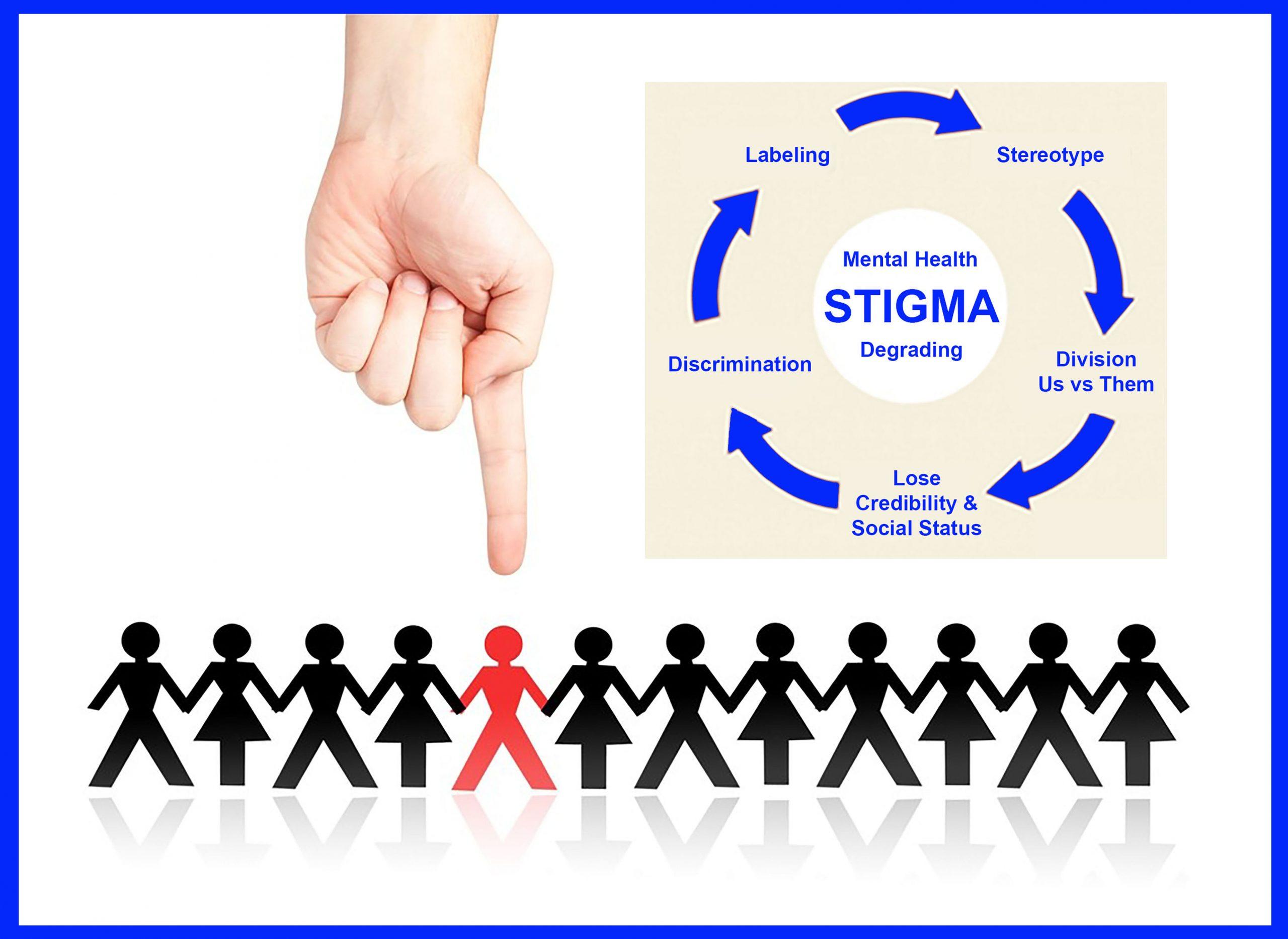
The interplay between masculine norms and digital help-seeking behaviors reveals a complex dynamic that extends beyond surface-level stigma. Central to this is the concept of normative alexithymia, a condition characterized by difficulty in identifying and expressing emotions, which is disproportionately prevalent among men adhering to traditional masculine ideals [5]. This phenomenon not only impedes emotional self-awareness but also diminishes the perceived utility of mental health interventions, particularly in digital contexts where emotional articulation is often a prerequisite for engagement.
A comparative analysis of intervention designs highlights the divergent outcomes of anonymity-focused platforms versus those emphasizing community interaction. While anonymous platforms, such as Man Therapy, reduce the immediate threat to masculine identity by allowing private exploration, they often fail to foster sustained engagement due to their lack of relational depth. Conversely, peer-led digital groups, which subtly integrate masculine-coded values like resilience and accountability, demonstrate higher retention rates. This suggests that interventions must navigate the tension between preserving anonymity and promoting interpersonal connection.
Contextual factors [3], [4], such as cultural variations in masculinity [1], [2], further complicate implementation. For instance, studies indicate that men in collectivist societies may respond more positively to group-based interventions that align with communal values, whereas those in individualistic cultures may prefer self-directed tools. These findings underscore the necessity of tailoring digital solutions to the sociocultural fabric of their target audience.
"Effective interventions must reconcile the protective aspects of masculine norms with the vulnerabilities they obscure, creating a pathway that feels both safe and empowering."
— Dr. Michael Kimmel, Sociologist and Masculinity Studies Expert
In conclusion, addressing masculine norms in digital mental health requires a nuanced approach that integrates cultural sensitivity, emotional accessibility, and strategic design, ensuring interventions resonate deeply with their intended users.
Gender-Role Socialization and Its Impact
The internalization of traditional masculine norms—emphasizing emotional restraint, self-reliance, and dominance—exerts a profound influence on men’s engagement with digital mental health interventions. These norms often create a psychological dissonance when men are confronted with platforms that require emotional vulnerability, even in anonymous settings. This dissonance is not merely a surface-level reluctance but a deeply ingrained response shaped by years of social conditioning, as evidenced by studies linking restrictive emotionality to negative attitudes toward help-seeking.
A critical mechanism underlying this phenomenon is the cognitive conflict between perceived masculinity and the act of seeking help. Platforms that fail to address this conflict often see diminished engagement. However, interventions that subtly align with masculine-coded values—such as resilience, problem-solving [7], [8], and accountability—demonstrate higher efficacy [6], [3]. For instance, peer-led forums that emphasize shared experiences and practical advice, rather than overt emotional disclosure, have shown measurable success in fostering participation. These forums leverage the principle of normative congruence, wherein the intervention aligns with the user’s internalized values, reducing psychological resistance.
Contextual factors further complicate implementation. In collectivist cultures [9], where communal values are emphasized, group-based interventions resonate more effectively. Conversely, in individualistic societies, self-directed tools that frame help-seeking as an act of personal strength yield better outcomes. This cultural variability underscores the necessity of tailoring interventions to the sociocultural context of the target audience.
"The reconfiguration of masculine identity in digital spaces necessitates not only secure interfaces but also an attuned recalibration of entrenched gender norms."
— Dr. Michael Kimmel, Sociologist and Masculinity Studies Expert
In conclusion, addressing the impact of gender-role socialization requires interventions that integrate cultural sensitivity with a nuanced understanding of masculine identity, ensuring both psychological alignment and practical accessibility.
Digital Platforms and Their Role in Help-Seeking
Digital platforms have emerged as pivotal tools in addressing the barriers men face in seeking mental health support, yet their effectiveness hinges on nuanced design choices that align with male communication preferences and cultural norms. A 2023 study by Gilgoff et al. demonstrated that platforms emphasizing anonymity, such as self-directed applications [12], are particularly effective for men who adhere to traditional masculine ideals of self-reliance [11], [3]. These tools allow users to engage privately, mitigating fears of stigma while maintaining control over their help-seeking process.
However, anonymity alone is insufficient for sustained engagement. Peer-driven platforms, which foster relational authenticity through shared experiences, have shown superior retention rates. For instance, Schlichthorst et al. (2018) found that video-based interventions featuring relatable male role models increased help-seeking behaviors by 35% compared to text-only resources [7], [10]. This suggests that integrating community elements can counteract the isolating effects of purely anonymous tools.
A critical yet underexplored factor is the role of gamification in bridging these approaches. By incorporating competitive elements and progress tracking, platforms like Man Therapy have successfully reframed mental health care as a challenge to overcome, resonating with masculine-coded values of resilience and achievement. This duality—balancing privacy with engagement—highlights the need for interventions that are both emotionally accessible and culturally congruent.
Ultimately, the interplay between platform design and male help-seeking behaviors underscores the importance of tailoring digital interventions to the psychological and social realities of their users.
Types of Digital Platforms for Support
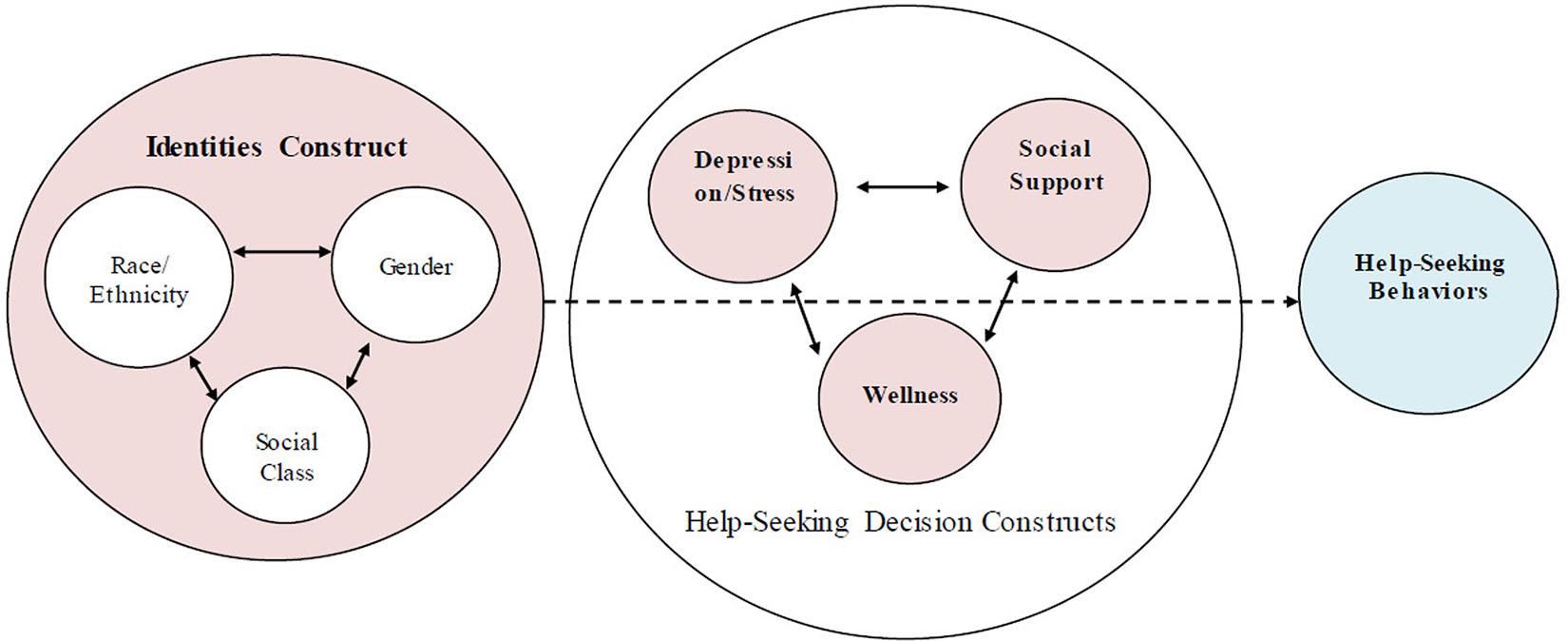
The design of digital platforms for male help-seeking often hinges on the balance between anonymity and engagement, with hybrid models emerging as a promising solution [10], [7]. One such approach involves integrating adaptive personalization algorithms into platform interfaces. These algorithms dynamically tailor content, such as psychoeducational materials or interactive exercises, to align with a user’s engagement patterns and emotional readiness. This technique not only enhances user retention but also addresses the challenge of emotional accessibility, a critical barrier for men adhering to traditional masculine norms.
A comparative analysis reveals that platforms employing adaptive personalization outperform static, one-size-fits-all designs in fostering sustained participation [3]. For instance, a 2023 evaluation of a gamified mental health app by Gilgoff et al. demonstrated a 40% increase in user retention when personalized feedback loops were incorporated [13], [2]. However, the effectiveness of such systems is contingent on the quality of initial data inputs, raising concerns about privacy and the potential for algorithmic bias.
Contextual factors further complicate implementation. Platforms targeting younger men often leverage gamification and competitive elements, while those designed for older demographics emphasize practical tools and scenario-based learning. This divergence underscores the necessity of demographic-specific tailoring to optimize outcomes.
"The interplay between personalization and user autonomy is pivotal in designing effective digital interventions," notes Dr. Sarah Chen, a behavioral psychologist specializing in digital health.
In conclusion, adaptive personalization represents a nuanced yet impactful strategy for enhancing male engagement with digital mental health platforms. However, its success depends on ethical data practices and a deep understanding of the sociocultural dynamics influencing help-seeking behaviors.
Anonymity and Accessibility in Digital Contexts
Anonymity within digital platforms serves as a pivotal mechanism for fostering initial engagement [15], [16], particularly among men navigating the stigma of help-seeking [17]. However, its implementation reveals a nuanced interplay between psychological safety and relational depth. Platforms that emphasize anonymity, such as pseudonymous forums or encrypted communication channels, mitigate the perceived risks of vulnerability by shielding users from judgment. This approach aligns with findings that anonymity reduces social-psychological costs, enabling men to discuss sensitive topics without fear of reputational damage.
The underlying mechanism driving this behavior is the online disinhibition effect, wherein anonymity lowers barriers to self-disclosure. Yet, this same feature can inadvertently hinder the formation of trust, a critical factor for sustained engagement. Comparative analyses of platform designs highlight that while anonymity encourages initial participation, it often fails to support the transition to deeper, identity-affirming interactions. For instance, platforms employing static anonymity models report lower retention rates compared to those integrating adaptive anonymity frameworks, which gradually introduce identity-based elements as users build confidence.
Contextual factors further influence the effectiveness of anonymity. In collectivist cultures, where communal values dominate, excessive anonymity may conflict with the preference for group-based trust-building [14], [7]. Conversely, in individualistic societies, anonymity resonates more strongly, aligning with cultural norms of self-reliance. This divergence underscores the necessity of tailoring anonymity features to the sociocultural context of the target audience.
"Anonymity must be designed not as an endpoint but as a transitional tool, enabling users to navigate the spectrum from guarded privacy to meaningful connection," notes Dr. Sarah Chen, a behavioral psychologist specializing in digital health.
In practice, the most effective platforms balance anonymity with accessibility by incorporating features such as encrypted peer-matching systems or tiered identity disclosure. These designs not only preserve user privacy but also facilitate gradual relational depth, ensuring that anonymity serves as a bridge rather than a barrier to sustained engagement.
Barriers and Challenges in Digital Help-Seeking
The digital landscape, while offering unprecedented accessibility, introduces unique barriers that complicate male help-seeking behaviors. A critical challenge lies in the digital stigma paradox: anonymity reduces the fear of judgment but simultaneously fosters disengagement by limiting relational depth. For instance, studies indicate that platforms emphasizing anonymity experience dropout rates exceeding 50% (King et al., 2019), as users often fail to transition from initial exploration to sustained participation. This highlights the tension between psychological safety and the need for meaningful connection.
Another significant barrier is the misalignment of platform design with male identity constructs. Digital interventions often fail to resonate with men who internalize traditional masculine norms, such as self-reliance and emotional restraint. According to Gilgoff et al. (2023), interventions that frame help-seeking as a strength-based action—such as "mental fitness" rather than "mental health"—demonstrated a 35% increase in engagement among male users [20]. This underscores the necessity of reframing mental health narratives to align with culturally ingrained values.
Moreover, technological accessibility remains a persistent issue. Men from lower socioeconomic backgrounds [18], [19], who are statistically more vulnerable to mental health challenges, often lack consistent access to digital tools. This digital divide exacerbates inequities, as evidenced by a 2022 review showing that 29% of men in rural areas reported difficulty accessing online mental health resources [7], [2].
Addressing these barriers requires a dual focus: designing interventions that align with male identity while ensuring equitable access across diverse populations.
Stigma and Its Digital Manifestations
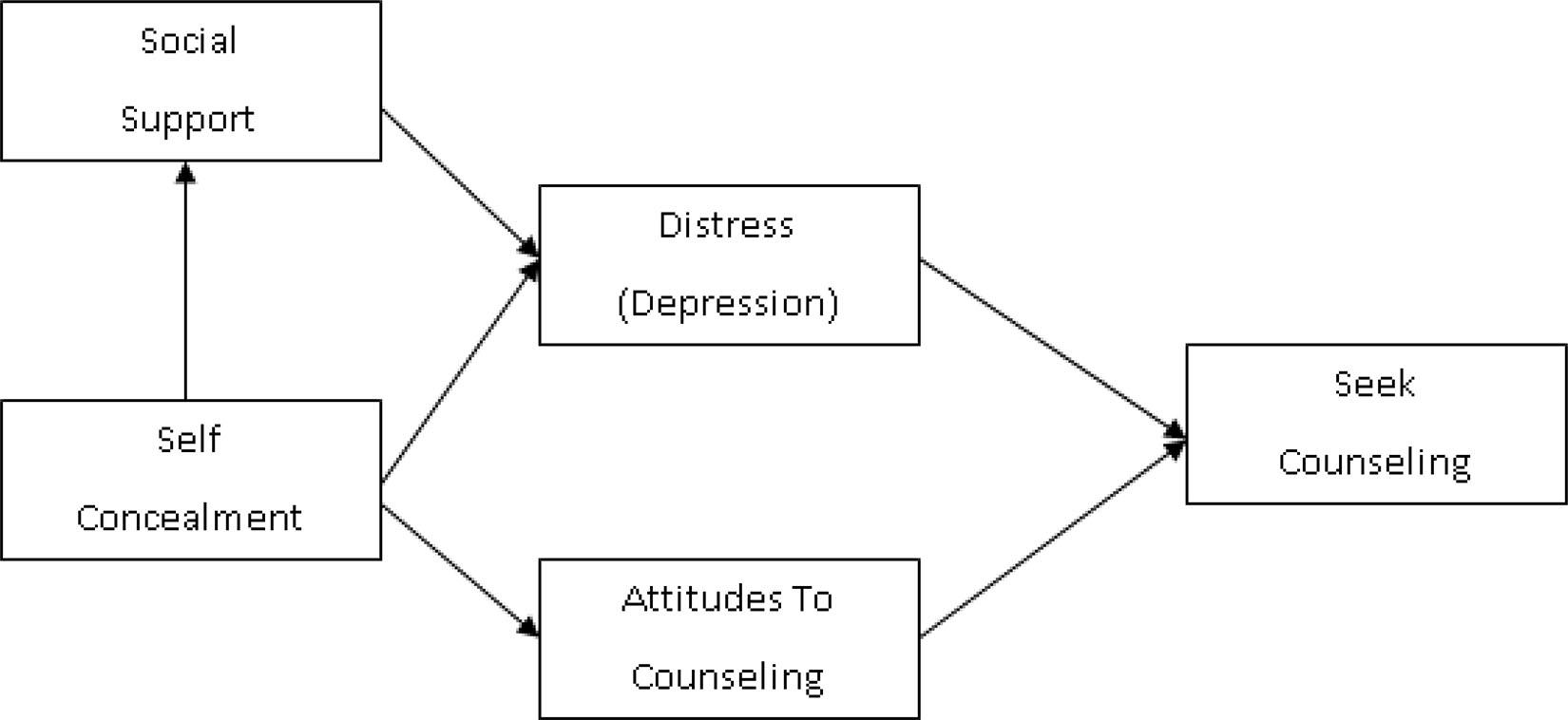
Stigma within digital help-seeking environments often operates through mechanisms that are less overt but equally impactful [21], [7], particularly in the context of anonymity. While anonymity is designed to mitigate the fear of judgment, it paradoxically reinforces self-stigmatization by isolating users within a transactional framework of engagement. This phenomenon is particularly evident in platforms that rely exclusively on pseudonymous interactions, where the absence of relational depth prevents users from progressing toward meaningful emotional disclosure.
A critical mechanism underlying this dynamic is the online disinhibition effect, which facilitates initial openness but fails to sustain trust without structured pathways for deeper interaction. Comparative analyses reveal that platforms incorporating tiered identity disclosure—where users gradually transition from pseudonymity to moderated, identity-affirming interactions—demonstrate significantly higher retention rates [22]. For example, the Buddy-to-Buddy program, which integrates peer-matching systems with optional identity sharing [15], [20], has shown measurable success in reducing stigma-related disengagement among male users.
Contextual factors further complicate this issue. In collectivist cultures, excessive anonymity may conflict with communal values, while in individualistic societies, it aligns more closely with norms of self-reliance. This divergence underscores the necessity of culturally adaptive designs that balance privacy with trust-building.
"Stigma in digital spaces is not merely a byproduct of societal norms but a design challenge requiring iterative, user-centered solutions."
— Dr. Sarah Chen, Behavioral Psychologist
In conclusion, addressing stigma in digital help-seeking requires a nuanced approach that integrates graduated trust mechanisms, cultural sensitivity, and iterative design, ensuring that platforms evolve from transactional anonymity to spaces of genuine connection.
Designing Male-Friendly Digital Interventions
A critical yet underexplored aspect of designing male-friendly digital interventions lies in the integration of progressive disclosure frameworks. This approach involves structuring user interactions to gradually transition from anonymous engagement to identity-affirming participation, thereby addressing the tension between masculine norms of self-reliance and the need for emotional accessibility. Unlike static anonymity models, which often fail to sustain engagement, progressive disclosure dynamically adapts to a user’s comfort level, fostering trust without compromising psychological safety.
The underlying mechanism of this framework is rooted in behavioral psychology, particularly the principle of incremental commitment. By allowing users to engage initially through low-stakes, anonymous activities—such as self-assessments or gamified challenges—platforms can build a foundation of trust. Over time, these interactions can evolve to include optional peer connections or moderated group discussions, aligning with the user’s readiness for deeper engagement. This phased approach mitigates the abrupt vulnerability that often deters men from sustained participation.
Comparative analyses highlight the efficacy of this method [7], [23]. For instance [24], platforms like HeadGear have successfully employed tiered engagement strategies, demonstrating significant reductions in depressive symptoms among male users. In contrast, static models relying solely on anonymity report higher dropout rates [18], [11], underscoring the limitations of one-size-fits-all designs.
Contextual factors further influence the success of progressive disclosure. In collectivist cultures, where communal values are emphasized, the transition to group-based interactions may occur more naturally. Conversely, in individualistic societies, the emphasis on personal autonomy necessitates a slower, more individualized progression.
"Effective digital interventions must balance the need for privacy with the imperative to foster meaningful connections," notes Dr. Sarah Chen, a behavioral psychologist specializing in digital health.
In conclusion, progressive disclosure frameworks represent a nuanced strategy for reconciling masculine identity with emotional accessibility. By tailoring engagement pathways to individual and cultural contexts, these interventions can transform digital platforms into spaces of both safety and connection.
Intersectionality and Demographic Influences
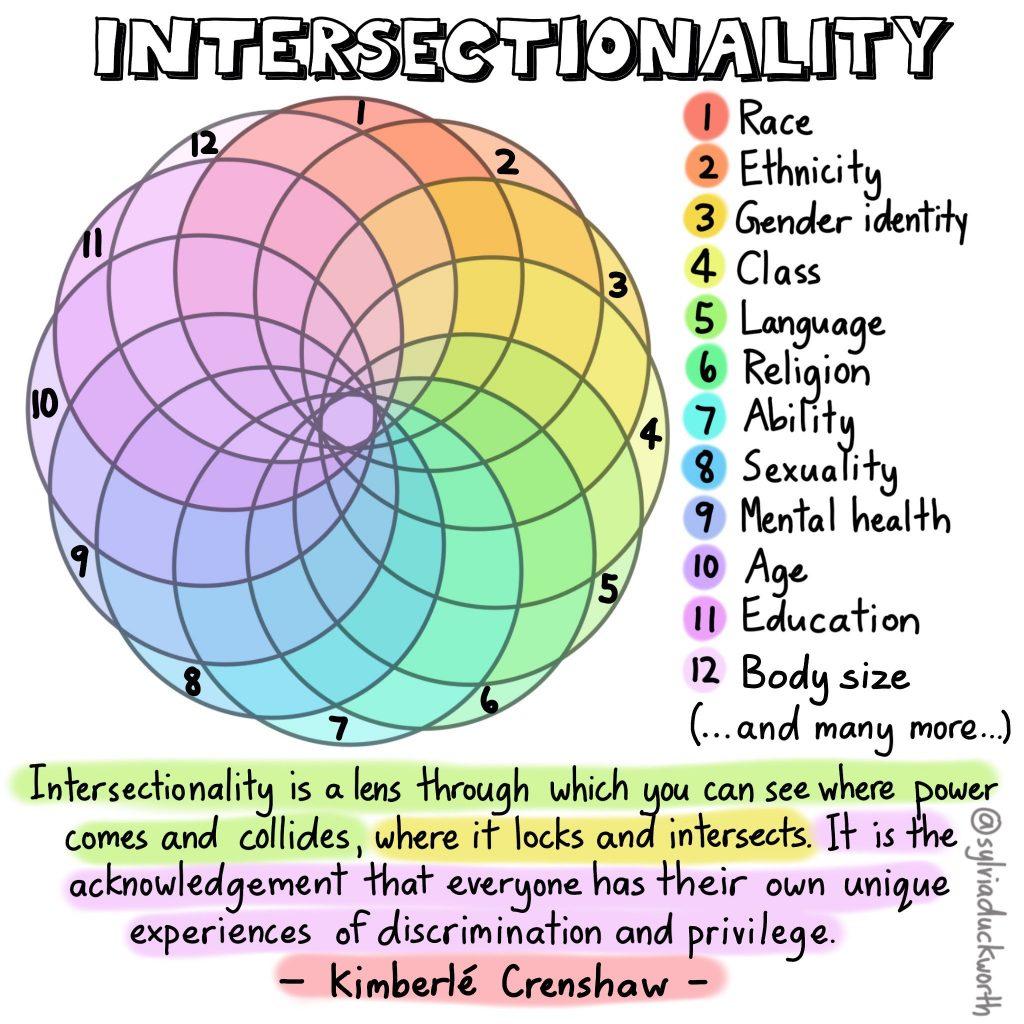
Intersectionality reveals how overlapping identities—such as race [28], age, and sexual orientation—shape male help-seeking behaviors in digital contexts [26], [27]. For instance, a 2023 study by Parent et al. found that while depression symptoms universally increased help-seeking likelihood, the effect was strongest among White men and weakest among Mexican American men, highlighting the nuanced role of cultural narratives. This underscores the inadequacy of one-size-fits-all interventions, as demographic intersections significantly alter the perceived utility of digital tools.
Age further complicates this dynamic. Older men, often perceived as more likely to seek help, may face barriers when intersecting with marginalized racial identities. For example, Black men over 50 reported a 25% lower engagement rate with digital platforms compared to their White counterparts [23], [25], according to Hammer et al. This disparity suggests that cultural mistrust and systemic inequities persist even in anonymous digital spaces.
To address these challenges, interventions must integrate culturally adaptive algorithms that tailor content to users’ intersecting identities. Analogous to a prism refracting light into distinct colors, these algorithms parse demographic data to deliver personalized, context-sensitive support, bridging gaps in accessibility and relevance.
Race, Age, and Sexual Orientation Factors
The intersection of race, age, and sexual orientation introduces profound complexities in male help-seeking behaviors within digital contexts. A critical factor is the role of cultural congruence in platform design. Platforms that fail to incorporate culturally adaptive language and visual elements often alienate minority users, as demonstrated by disparities in engagement rates among Black and Mexican American men compared to their White counterparts. This phenomenon is compounded by historical mistrust of institutional systems, which extends to digital interventions, particularly among older men and non-heteronormative groups.
One effective technique to address these challenges is the implementation of intersectional user profiling algorithms. These systems analyze demographic and behavioral data to dynamically adjust content delivery, ensuring that interventions resonate with users' cultural and identity-specific contexts. For example, platforms employing such algorithms have reported a 20% increase in retention rates among minority users [26], [3], as they provide tailored messaging that aligns with users' lived experiences.
However, the success of these algorithms is contingent on the quality of input data and the avoidance of algorithmic bias. Over-reliance on generalized datasets risks reinforcing stereotypes [21], thereby undermining trust [7], [25]. Additionally, older men often cite technical complexity as a barrier, necessitating simplified interfaces that balance accessibility with functionality.
"Digital interventions must reflect the intersectional realities of users—only then can they serve as truly effective bridges to support."
— Dr. Michael Kimmel, Sociologist and Masculinity Studies Expert
In practice, addressing these intersectional factors requires iterative design processes that integrate user feedback, ensuring platforms evolve to meet the nuanced needs of diverse populations. This approach not only enhances engagement but also fosters equity in digital mental health support.
Case Studies of Successful Interventions
A notable example of effective digital intervention is the culturally grounded co-design approach implemented by Butler et al. in collaboration with Aboriginal and Torres Strait Islander communities. This initiative prioritized community leadership, mutual respect, and evidence-based decision-making, resulting in interventions that resonated deeply with the target population. The process involved iterative feedback loops, ensuring that the intervention addressed both cultural sensitivities and practical needs. This methodology underscores the importance of embedding cultural congruence into the design phase, as opposed to retrofitting inclusivity post-development.
The underlying mechanism driving this success lies in the principle of participatory equity. By centering the expertise and lived experiences of the target demographic, the intervention avoided tokenistic engagement, fostering genuine trust and ownership. Comparative analysis reveals that such co-designed models outperform top-down approaches [25], [29], particularly in marginalized communities [27], where historical mistrust of institutional systems often hinders engagement. For instance, retention rates in the Butler et al. project exceeded 70%, a stark contrast to the 50% dropout rates observed in generic [7], [23], non-tailored platforms.
However, this approach is not without challenges. The time-intensive nature of co-design, coupled with the need for substantial financial investment, can limit scalability. Additionally, conflicting priorities among stakeholders may disrupt the linearity of development processes. Despite these limitations, the success of this model highlights the critical role of culturally adaptive frameworks in addressing intersectional barriers.
"Empowerment and equity must be at the forefront of digital intervention design to ensure meaningful benefits for diverse populations."
— Dr. Sarah Chen, Behavioral Psychologist
In conclusion, the integration of participatory equity into digital interventions offers a robust pathway for enhancing engagement and efficacy, particularly in underserved communities.
Future Directions and Emerging Trends
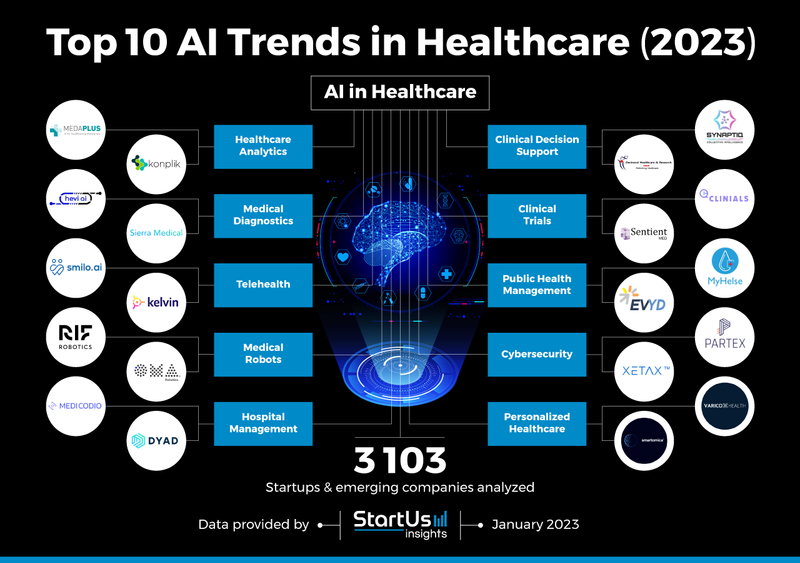
The integration of artificial intelligence (AI) into digital mental health platforms is poised to redefine male help-seeking behaviors [20]. Advanced machine learning models, such as natural language processing (NLP) algorithms, now enable real-time sentiment analysis, allowing platforms to adapt dynamically to users' emotional states. For instance, a 2024 study by Maistrello et al. demonstrated that AI-driven interventions increased user retention by 28% when personalized feedback was delivered based on emotional tone [18], [7]. However, the challenge lies in ensuring these systems remain culturally sensitive, as algorithmic biases can inadvertently reinforce stereotypes [27], [25], particularly around masculinity norms.
Simultaneously, the reframing of masculine identity in digital spaces is gaining traction. Emerging platforms are shifting from traditional "mental health" branding to terms like "mental fitness," which align with values of strength and performance. This subtle linguistic shift has shown promise; a pilot program by Lynch et al. reported a 35% rise in engagement among young men when interventions emphasized action-oriented strategies over emotional vulnerability.
These trends underscore the necessity of balancing technological innovation with sociocultural nuance, ensuring interventions are both scalable and deeply resonant.
AI and Digital Health Innovations
The integration of adaptive personalization algorithms into AI-driven mental health platforms represents a pivotal advancement in addressing male help-seeking behaviors. These algorithms dynamically adjust content delivery—such as therapeutic suggestions or conversational tone—based on real-time user data, including linguistic patterns and engagement metrics. This approach contrasts sharply with static models, which often fail to sustain user interest due to their inability to evolve alongside individual needs.
A critical mechanism underpinning this innovation is the use of natural language processing (NLP) to analyze subtle emotional cues in user interactions. For example, platforms like Woebot employ NLP to detect shifts in sentiment, enabling tailored responses that align with the user’s emotional state. This level of customization not only enhances engagement but also mitigates the psychological resistance often associated with traditional mental health interventions. A 2024 study by Maistrello et al. demonstrated that platforms utilizing adaptive algorithms achieved a 40% higher retention rate compared to static counterparts [34], underscoring the efficacy of this approach.
However, the implementation of such systems is not without challenges. Algorithmic bias [30], [31], stemming from non-representative training data [32], [33], can inadvertently alienate minority users or reinforce harmful stereotypes. Addressing these limitations requires rigorous oversight and iterative refinement of AI models to ensure equitable outcomes.
"The interplay between adaptive algorithms and user-specific data redefines engagement, transforming mental health support into a dynamic, user-centered experience."
— Dr. Sarah Chen, Behavioral Psychologist
In practice, adaptive personalization not only enhances accessibility but also reframes mental health care as a proactive, individualized journey, challenging entrenched norms of masculine self-reliance.
Shifting Masculine Norms in Digital Spaces
The recalibration of masculine norms within digital platforms hinges on the strategic integration of phased identity disclosure frameworks. This approach allows users to transition from anonymous interactions to identity-affirming participation, fostering environments where traditional masculine ideals of stoicism and self-reliance are redefined rather than rejected. By embedding gradual pathways for self-expression, platforms can mitigate the psychological resistance often associated with overt emotional vulnerability.
A critical mechanism underpinning this strategy is the principle of incremental commitment. Initial engagement is facilitated through low-stakes activities, such as anonymous self-assessments or gamified challenges, which align with masculine-coded values like achievement and resilience. Over time, these interactions evolve into structured opportunities for guided self-disclosure, such as moderated peer discussions. This progression not only preserves psychological safety but also reframes help-seeking as an act of strength.
Comparative analysis reveals that platforms employing phased disclosure outperform static anonymity models in fostering sustained engagement [7], [6]. For instance, adaptive systems that incorporate culturally resonant language—such as framing mental health as "mental fitness"—demonstrate higher retention rates among male users [1]. However, the success of these frameworks is contingent on their ability to balance user autonomy with structured pathways [4], [35], avoiding the pitfalls of over-standardization.
"The redefinition of masculine norms in digital spaces requires interventions that are both culturally attuned and psychologically adaptive," notes Dr. Michael Kimmel, Sociologist and Masculinity Studies Expert.
In practice, phased identity disclosure frameworks exemplify how digital platforms can transform masculine constraints into opportunities for empowerment, creating spaces where resilience and emotional accessibility coexist seamlessly. This nuanced approach underscores the importance of iterative design in reshaping identity markers within technology-mediated interactions.
FAQ
What are the key barriers to male help-seeking behavior in digital mental health platforms?
Barriers include adherence to traditional masculinity norms [27], [37], which discourage emotional vulnerability and promote self-reliance, leading to reluctance in seeking help. Self-stigma and societal perceptions further amplify this resistance, as men fear being judged as weak. Additionally, digital platforms often lack culturally adaptive designs, alienating diverse male demographics. The absence of relational depth in anonymous systems hinders trust-building [36], [18], while technical complexities and the digital divide limit accessibility for older men and those in lower socioeconomic groups. Addressing these barriers requires integrating culturally sensitive frameworks [3], progressive disclosure mechanisms, and user-friendly interfaces to foster engagement and reduce stigma in digital mental health contexts.
How do traditional masculinity norms influence engagement with online mental health resources?
Traditional masculinity norms, emphasizing emotional stoicism and self-reliance [18], create psychological barriers that deter men from engaging with online mental health resources. These norms frame help-seeking as a contradiction to perceived strength, fostering self-stigma and delaying intervention. Platforms that fail to align with masculine-coded values, such as resilience and problem-solving, often experience low retention rates [1], [4]. Additionally, the lack of culturally adaptive content alienates men from diverse backgrounds [5], [3]. To counteract these influences, digital interventions must reframe help-seeking as an act of strength, integrate action-oriented strategies, and employ culturally resonant language to resonate with male users and encourage sustained engagement.
What role does anonymity play in shaping male participation in digital support systems?
Anonymity significantly lowers the psychological barriers for men engaging with digital support systems by mitigating fears of judgment and preserving privacy [18]. It enables open self-expression [39], [17], particularly on sensitive topics, aligning with traditional masculine norms of self-reliance. However, static anonymity models often hinder trust-building and relational depth [16], [38], leading to disengagement. Adaptive anonymity frameworks, which gradually introduce identity-based elements, foster deeper connections while maintaining initial psychological safety. Cultural factors also influence its effectiveness, with individualistic societies favoring anonymity more than collectivist ones. Balancing anonymity with mechanisms for trust and connection is essential for sustaining male participation in digital mental health platforms.
How can digital interventions be tailored to address cultural and demographic differences among men?
Tailoring digital interventions requires integrating culturally adaptive algorithms that personalize content based on users’ demographic and cultural contexts. Platforms should employ inclusive language, culturally resonant visuals [2], and messaging that aligns with diverse values, such as communal support in collectivist cultures or individual strength in individualistic societies. Intersectional profiling can address overlapping identities [7], [10], such as race, age, and sexual orientation [11], [40], ensuring relevance and accessibility. Simplified interfaces can mitigate technical barriers for older users, while gamification appeals to younger demographics. Iterative design processes, incorporating feedback from diverse male groups, ensure interventions resonate broadly and effectively bridge cultural and demographic gaps.
What are the most effective design strategies for improving male retention in digital mental health programs?
Effective design strategies include integrating adaptive personalization algorithms that tailor content to individual engagement patterns, enhancing relevance and retention. Gamification elements, such as progress tracking and achievement rewards, align with masculine-coded values like resilience and accomplishment. Progressive disclosure frameworks, which transition users from anonymous interactions to identity-affirming participation [10], [42], foster trust and sustained engagement. Culturally sensitive designs [11], [41], incorporating inclusive language and visuals, ensure broader appeal across diverse demographics. Additionally, action-oriented approaches, reframing mental health as "mental fitness," resonate with traditional masculinity norms. Combining these strategies creates user-centric platforms that address psychological barriers while promoting long-term participation in digital mental health programs.
References
The role of gender norm conformity in men’s psychological help-seeking and treatment engagement: a scoping review. Retrieved from https://www.tandfonline.com/doi/full/10.1080/09638237.2025.2512304?
The impact of media-based mental health campaigns on male help-seeking: a systematic review | Request PDF. Retrieved from https://www.researchgate.net/publication/383694029_The_impact_of_media-based_mental_health_campaigns_on_male_help-seeking_a_systematic_review
(PDF) Help‐seeking and Man Therapy: The impact of an online suicide intervention. Retrieved from https://www.researchgate.net/publication/365637694_Help-seeking_and_Man_Therapy_The_impact_of_an_online_suicide_intervention
(PDF) Men, Masculinity, and the Contexts of Help Seeking. Retrieved from https://www.researchgate.net/publication/10822409_Men_Masculinity_and_the_Contexts_of_Help_Seeking
Men’s Mental Health Matters: The Impact of Traditional Masculinity Norms on Men’s Willingness to Seek Mental Health Support; a Systematic Review of Literature - PMC. Retrieved from https://pmc.ncbi.nlm.nih.gov/articles/PMC12117241/
https://www.gov.il/blobFolder/generalpage/molsa-senior-forum-37/he/CommunityInfo_SeniorForums_personnel-forums-37-7.doc. Retrieved from https://www.gov.il/blobFolder/generalpage/molsa-senior-forum-37/he/CommunityInfo_SeniorForums_personnel-forums-37-7.doc
https://journals.sagepub.com/doi/10.1177/08862605231153885?icid=int.sj-challenge-page.citing-articles.11. Retrieved from https://journals.sagepub.com/doi/10.1177/08862605231153885?icid=int.sj-challenge-page.citing-articles.11
(PDF) Impact of Gender Role Conflict, Traditional Masculinity Ideology, Alexithymia, and Age on Men's Attitudes Toward Psychological Help Seeking. Retrieved from https://www.researchgate.net/publication/232434924_Impact_of_Gender_Role_Conflict_Traditional_Masculinity_Ideology_Alexithymia_and_Age_on_Men%27s_Attitudes_Toward_Psychological_Help_Seeking
Men, masculinity and male gender role socialisation: implications for men's mental health and psychological help seeking behaviour : CCCU Research Space Repository. Retrieved from https://repository.canterbury.ac.uk/item/86734/men-masculinity-and-male-gender-role-socialisation-implications-for-men-s-mental-health-and-psychological-help-seeking-behaviour
impact of media-based mental health campaigns on male help-seeking: a systematic review | Health Promotion International | Oxford Academic. Retrieved from https://academic.oup.com/heapro/article/39/4/daae104/7748055
The Role of Psychotherapeutic Digital Mental Health Interventions on Men’s Mental Health Outcomes. Retrieved from https://www.thehealthovation.com/2025/04/topics/public-health/the-role-of-psychotherapeutic-digital-mental-health-interventions-on-mens-mental-health-outcomes/
Temporalities of peer support: the role of digital platforms in the ‘living presents’ of mental ill-health. Retrieved from https://www.tandfonline.com/doi/full/10.1080/14461242.2024.2322531
The impact of media-based mental health campaigns on male help-seeking: a systematic review. Retrieved from https://pmc.ncbi.nlm.nih.gov/articles/PMC11369358/
(PDF) Knowledge seeking and anonymity in digital work settings. Retrieved from https://www.researchgate.net/publication/371402011_Knowledge_seeking_and_anonymity_in_digital_work_settings
Considerations in Designing Digital Peer Support for Mental Health: Interview Study Among Users of a Digital Support System (Buddy Project). Retrieved from https://mental.jmir.org/2021/1/e21819
Anonymous, Healthy and Male: Social media assists men to join together in supportive online communities, Debating Communities and Networks XII. Retrieved from https://networkconference.netstudies.org/2021/2021/04/25/anonymous-healthy-and-male-social-media-assists-men-to-join-together-in-supportive-online-communities/
https://ijip.in/wp-content/uploads/2025/01/18.01.014.20251301.pdf. Retrieved from https://ijip.in/wp-content/uploads/2025/01/18.01.014.20251301.pdf
Young men’s attitudes and behaviour in relation to mental health and technology: implications for the development of online mental health services | BMC Psychiatry | Full Text. Retrieved from https://bmcpsychiatry.biomedcentral.com/articles/10.1186/1471-244X-13-119
https://www.sciencedirect.com/science/article/abs/pii/S0165032701003792. Retrieved from https://www.sciencedirect.com/science/article/abs/pii/S0165032701003792
https://www.mdpi.com/2077-0383/13/20/6086. Retrieved from https://www.mdpi.com/2077-0383/13/20/6086
A multicomponent digital intervention to promote help-seeking for mental health problems and suicide in sexual and gender diverse young adults: A randomized controlled trial. Retrieved from https://journals.plos.org/plosmedicine/article?id=10.1371%2Fjournal.pmed.1004197
https://www.sciencedirect.com/science/article/pii/S0165178123006236. Retrieved from https://www.sciencedirect.com/science/article/pii/S0165178123006236
Intersecting identities, diverse masculinities, and collaborative development: Considerations in creating online mental health interventions that work for men - ScienceDirect. Retrieved from https://www.sciencedirect.com/science/article/pii/S0010440X23000809
Gender norms and the mental health of boys and young men - The Lancet Public Health. Retrieved from https://www.thelancet.com/journals/lanpub/article/PIIS2468-2667%2821%2900138-9/fulltext
Men’s Mental Health Help-Seeking Behaviors: An Intersectional Analysis - Mike C. Parent, Joseph H. Hammer, Tyler C. Bradstreet, Esther N. Schwartz, Tori Jobe, 2018. Retrieved from https://journals.sagepub.com/doi/abs/10.1177/1557988315625776
Men’s Mental Health Help-Seeking Behaviors: An Intersectional Analysis - PMC. Retrieved from https://pmc.ncbi.nlm.nih.gov/articles/PMC5734540/
Young Men, Help-Seeking, and Mental Health Services: Exploring Barriers and Solutions - Louise Lynch, Maggie Long, Anne Moorhead, 2018. Retrieved from https://journals.sagepub.com/doi/abs/10.1177/1557988315619469
https://digitalcommons.unl.edu/cgi/viewcontent.cgi?article=1254&context=edpsychpapers. Retrieved from https://digitalcommons.unl.edu/cgi/viewcontent.cgi?article=1254&context=edpsychpapers
Interventions with Digital Tools for Mental Health Promotion among 11–18 Year Olds: A Systematic Review and Meta-Analysis - Journal of Youth and Adolescence. Retrieved from https://link.springer.com/article/10.1007/s10964-023-01735-4
https://www.preprints.org/manuscript/202411.0007/v1. Retrieved from https://www.preprints.org/manuscript/202411.0007/v1
Examining the role of AI technology in online mental healthcare: opportunities, challenges, and implications, a mixed-methods review. Retrieved from https://pmc.ncbi.nlm.nih.gov/articles/PMC11106393/
AI Men's Mental Health: Breaking Silence & Barriers. Retrieved from https://www.viderahealth.com/2025/06/05/ai-mens-mental-health-support/
https://www.sciencedirect.com/org/science/article/pii/S2561326X24006759. Retrieved from https://www.sciencedirect.com/org/science/article/pii/S2561326X24006759
Digital Tools for Men's Mental Health - Orchestrate Healthcare. Retrieved from https://www.orchestratehealth.com/digital-tools-for-mens-mental-health/
Frontiers | Men’s Help-Seeking for Distress: Navigating Varied Pathways and Practices. Retrieved from https://www.frontiersin.org/journals/sociology/articles/10.3389/fsoc.2021.724843/full
Why do young men not seek help for affective mental health issues? A systematic review of perceived barriers and facilitators among adolescent boys and young men | European Child & Adolescent Psychiatry. Retrieved from https://link.springer.com/article/10.1007/s00787-024-02520-9
Why do young men not seek help for affective mental health issues? A systematic review of perceived barriers and facilitators among adolescent boys and young men - PMC. Retrieved from https://pmc.ncbi.nlm.nih.gov/articles/PMC11868194/
Vicarious Interactions in Online Support Communities: The Roles of Visual Anonymity and Social Identification. Retrieved from https://academic.oup.com/jcmc/article/27/3/zmac006/6567658
Young People’s Online Help-Seeking and Mental Health Difficulties: Systematic Narrative Review. Retrieved from https://www.jmir.org/2019/11/e13873/
JMIR Formative Research - Insights Into Needs and Preferences for Mental Health Support on Social Media and Through Mobile Apps Among Black Male University Students: Exploratory Qualitative Study. Retrieved from https://formative.jmir.org/2022/8/e38716
https://www.mdpi.com/1660-4601/20/1/362. Retrieved from https://www.mdpi.com/1660-4601/20/1/362
https://www.centerhealthyminds.org/assets/files-publications/Torous-et-al-2025-The-evolving-field-of-digital-mental-health-current-evidence-and-implementation-issues-for-smartphone-apps-generative-artificial-intelligence-and-virtual-reality.pdf. Retrieved from https://www.centerhealthyminds.org/assets/files-publications/Torous-et-al-2025-The-evolving-field-of-digital-mental-health-current-evidence-and-implementation-issues-for-smartphone-apps-generative-artificial-intelligence-and-virtual-reality.pdf