Male Influencers, Role Models, and Mental Health Impact on Gen Z Men
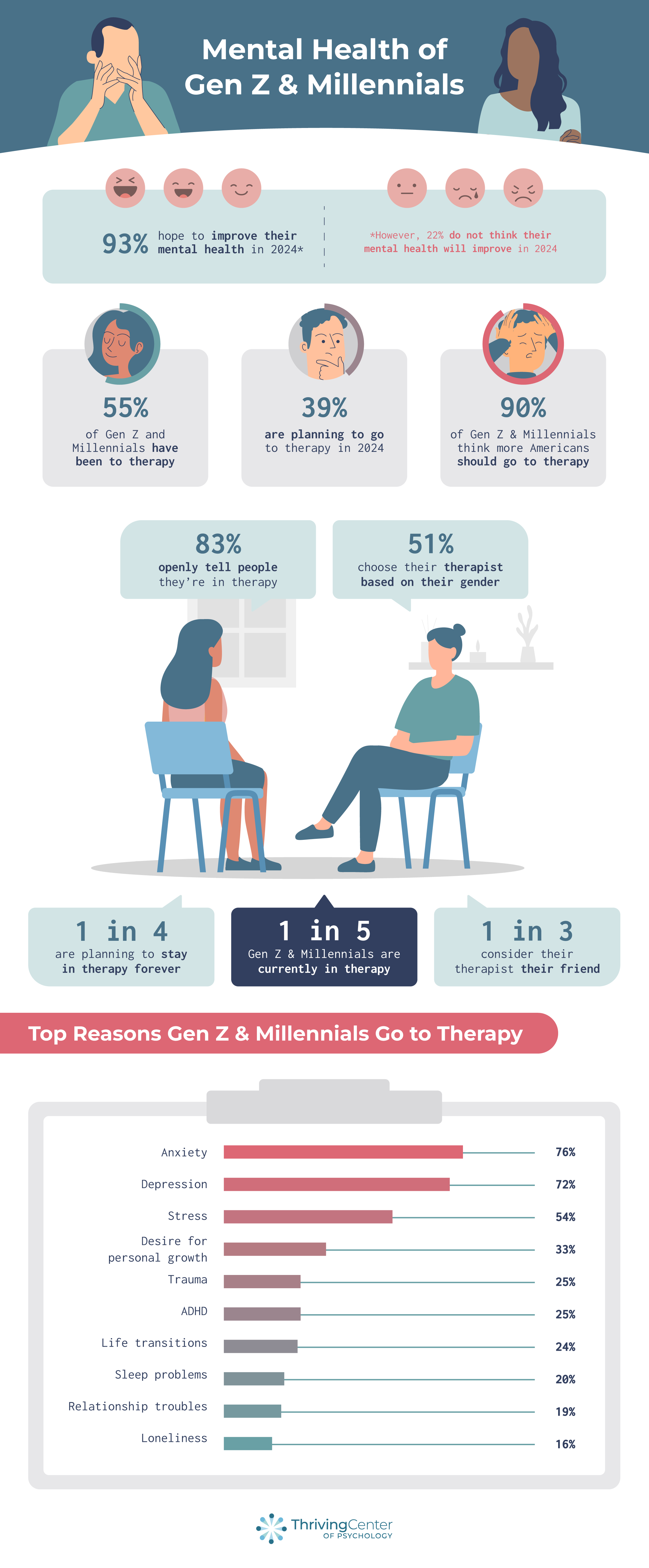
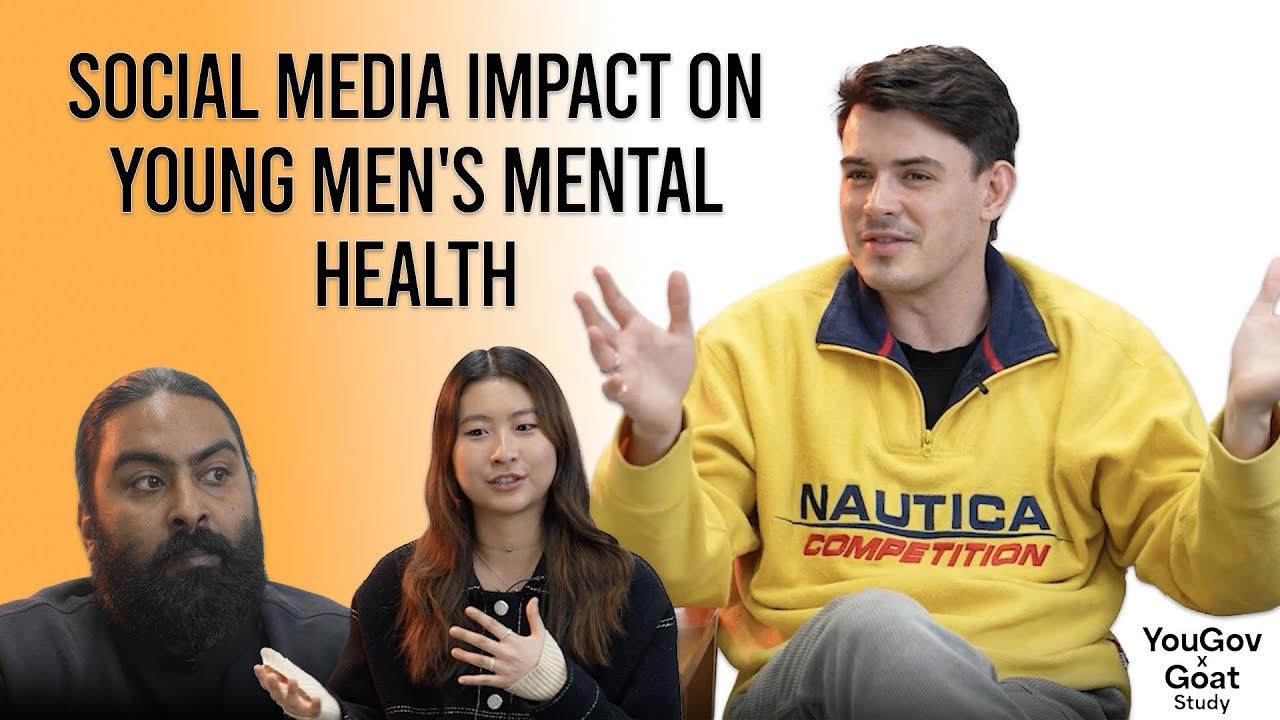
In 2024, a survey by the Goat Agency revealed that 70% of young men expressed concern about social media’s impact on their mental health, with 53% of those aged 18-24 actively seeking influencers who promote positive masculinity. This shift comes amidst a digital landscape dominated by figures like Andrew Tate, whose promotion of dominance and emotional suppression has drawn both massive followings and widespread criticism. Yet, the allure of such influencers is not merely a reflection of their content but a symptom of deeper societal currents shaping Gen Z’s understanding of masculinity.
Dr. Y. Joel Wong, a leading researcher in the psychology of men, highlights that rigid adherence to traditional masculine norms—such as emotional stoicism and control—correlates with increased psychological distress. His findings, published in Psychology of Men & Masculinity, underscore the mental health toll of these ideals, particularly when amplified by social media.
As platforms like TikTok and Instagram redefine role models, the question isn’t just who young men follow, but how these figures reshape their identities in an era of unprecedented digital influence.
Defining Masculinity in the Digital Age
The digital age has redefined masculinity by introducing a dynamic interplay between vulnerability and strength, challenging the rigid archetypes of the past. This evolution is particularly evident in how male influencers craft their narratives, blending personal struggles with aspirational messaging. Such an approach resonates deeply with Gen Z, a demographic that values authenticity over perfection.
One critical mechanism driving this shift is the strategic use of storytelling. Influencers like Jordan Stephens, known for his candid discussions on mental health, employ narrative arcs that juxtapose moments of vulnerability with resilience. This technique not only humanizes their experiences but also reframes vulnerability as a form of strength. However, the effectiveness of this approach hinges on the influencer’s perceived authenticity. Research highlights that audiences are quick to dismiss content that feels overly curated or insincere [3], [4], underscoring the importance of genuine engagement.
Comparatively [1], [2], traditional portrayals of masculinity often emphasize dominance and emotional suppression, which can alienate younger audiences. By contrast, influencers who embrace a hybrid model—balancing assertiveness with empathy—are more likely to foster meaningful connections. Yet, this approach is not without limitations. For instance, the oversimplification of complex issues like mental health risks trivializing the challenges faced by their audience.
"Rigid masculinity isn't resilience; it's a precursor to emotional isolation."
— Dr. Y. Joel Wong, Psychology of Men & Masculinity
Ultimately, redefining masculinity in the digital age requires influencers to embody a nuanced balance, demonstrating that strength and vulnerability are not mutually exclusive but complementary forces.
The Role of Social Media in Shaping Perceptions
Social media’s algorithmic design fundamentally reshapes perceptions of masculinity by prioritizing content that evokes emotional resonance and engagement [8]. Unlike traditional media, platforms like TikTok and Instagram leverage personalized feeds to amplify narratives that align with users’ evolving values, such as authenticity and emotional openness. This dynamic creates a feedback loop where influencers who embody these traits gain visibility, further normalizing modern masculinity ideals.
A critical mechanism at play is the algorithmic emphasis on relatability. Influencers who share unfiltered moments—whether discussing mental health struggles or personal failures—achieve higher engagement rates compared to those presenting hyper-curated personas [5], [2]. This phenomenon underscores the shift from aspirational to attainable role models [6], [7], as audiences increasingly value imperfection as a marker of trustworthiness. However, this reliance on algorithms introduces a paradox: while promoting relatability, it can also marginalize nuanced discussions that lack immediate emotional appeal.
For instance, creators like MrBeast, whose philanthropic content blends vulnerability with success, exemplify how social media fosters a hybrid masculinity model. Yet, the platform’s metrics-driven nature often pressures influencers to oversimplify complex issues, risking superficial engagement with critical topics like mental health.
"Social media doesn’t just reflect masculinity—it actively constructs it through algorithms that reward emotional connection."
— Dr. Zac Seidler, Clinical Psychologist and Researcher
Ultimately, the challenge lies in balancing algorithmic incentives with the need for depth, ensuring that digital role models inspire meaningful, sustainable change.
The Dual Nature of Influencer Impact
The influence of male social media figures on Gen Z men is a double-edged sword, simultaneously fostering progressive ideals and reinforcing harmful stereotypes. A 2024 study by the Goat Agency revealed that 53% of young men aged 18-24 actively seek influencers who promote positive masculinity [9], [3], yet the same platforms often amplify content that glorifies dominance and emotional suppression. This dichotomy underscores the complex interplay between constructive and destructive narratives in the digital space.
One critical factor is the algorithmic prioritization of engagement over nuance. Influencers who share emotionally charged or polarizing content often achieve higher visibility, creating a feedback loop that rewards extreme portrayals of masculinity. For instance, while creators like Dr. Alex George use their platforms to normalize vulnerability, others exploit sensationalism, perpetuating ideals that alienate young men from emotional expression. This tension highlights the need for a recalibration of platform incentives to favor depth and authenticity.
The concept of social proof—where individuals model their behavior on perceived norms—further complicates this dynamic. When influencers with millions of followers endorse toxic behaviors [1], [2], their actions gain unwarranted legitimacy. Addressing this requires a systemic shift: integrating media literacy into education and fostering partnerships with influencers who embody balanced, empathetic masculinity.
Positive Influences: Promoting Healthy Masculinity
One transformative technique in promoting healthy masculinity is the integration of narrative authenticity—a deliberate strategy where influencers share unfiltered, personal experiences to challenge traditional norms [10], [4]. This approach not only redefines masculinity but also fosters a deeper emotional connection with audiences, particularly Gen Z, who value transparency over perfection.
The underlying mechanism lies in the psychological principle of parasocial interaction, where audiences form one-sided emotional bonds with influencers [11]. When influencers like Roman Kemp openly discuss their mental health struggles, they create a sense of relatability that dismantles the stigma surrounding vulnerability. This dynamic is amplified by social media algorithms, which prioritize content that evokes emotional resonance, further increasing the reach of such narratives.
However, the effectiveness of this approach depends on the influencer’s ability to balance vulnerability with aspirational qualities. A comparative analysis reveals that while hyper-curated personas may attract initial attention, they often fail to sustain long-term engagement due to perceived inauthenticity. In contrast, influencers who embrace imperfection—such as sharing setbacks or moments of doubt—are more likely to cultivate trust and loyalty [2], [3].
"Authenticity isn’t just a strategy; it’s the foundation of meaningful influence in the digital age."
— Dr. Zac Seidler, Clinical Psychologist and Masculinity Researcher
Despite its promise, this method faces limitations. Overemphasis on vulnerability without actionable guidance risks alienating audiences seeking solutions. To address this, influencers must pair emotional openness with practical advice, such as coping strategies or mental health resources, ensuring their content inspires both empathy and empowerment. This nuanced approach redefines masculinity as a spectrum of strength and sensitivity, paving the way for a healthier cultural narrative.
Negative Influences: The Rise of Toxic Masculinity
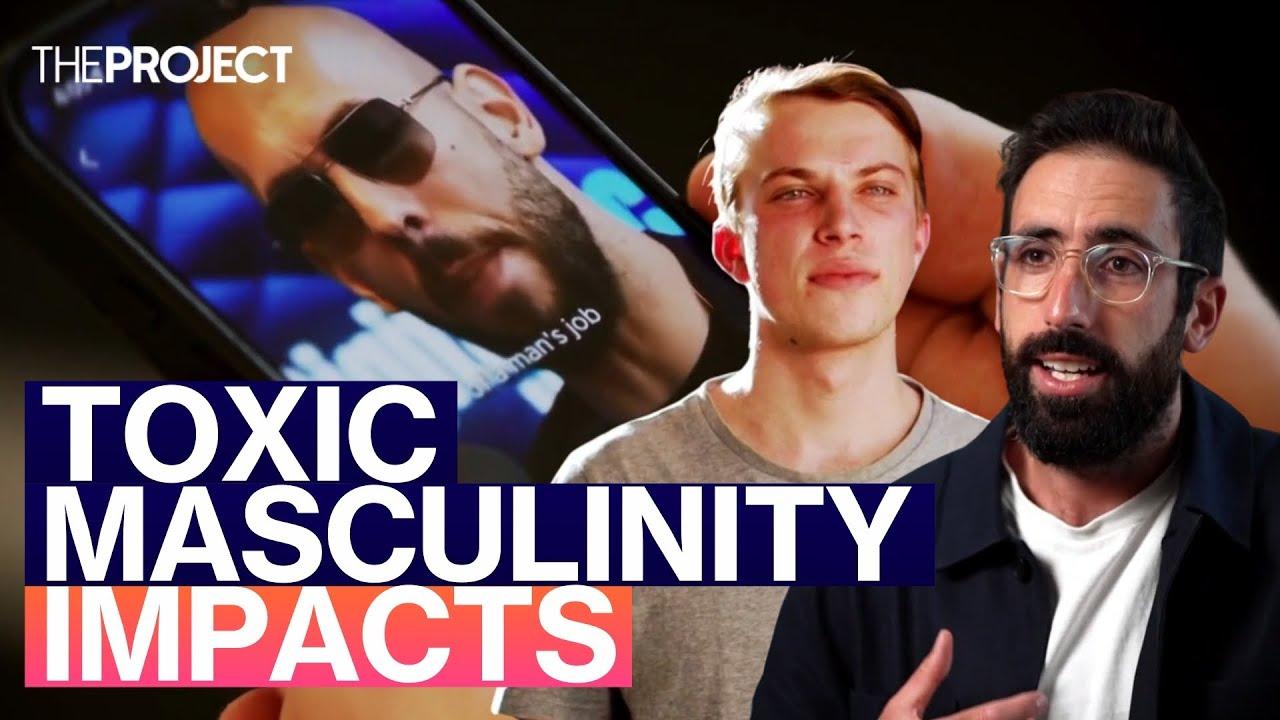
Toxic masculinity within influencer culture often thrives on a calculated exploitation of emotional suppression as a marker of strength [10], [12]. This phenomenon is not merely a byproduct of individual behavior but a systemic issue amplified by social media algorithms that reward polarizing content. Influencers who embody hyper-masculine ideals—emphasizing dominance, aggression, and emotional detachment—create a distorted template of manhood that resonates with young men seeking validation in a rapidly changing world.
The underlying mechanism here is the emotional resonance paradox. While these influencers project an image of invulnerability, their content often taps into insecurities about identity and belonging. This duality creates a feedback loop: followers are drawn to the perceived strength but are simultaneously alienated by the unattainable standards it sets. For example, Andrew Tate’s content, which glorifies control and dominance [2], [7], has been shown to attract millions of views while perpetuating harmful stereotypes that discourage emotional expression [13].
Comparatively, this approach contrasts sharply with models of healthy masculinity, which integrate vulnerability and empathy. However, the allure of toxic narratives lies in their simplicity—they offer a clear, albeit flawed, roadmap to perceived success. This oversimplification neglects the complexities of mental health, leaving followers ill-prepared to navigate emotional challenges.
"Rigid masculinity isn't resilience; it's a precursor to emotional isolation."
— Dr. Y. Joel Wong, Psychology of Men & Masculinity
To counteract these narratives, a paradigm shift is essential. Platforms must recalibrate algorithms to prioritize nuanced, constructive content. Simultaneously, educators and mental health advocates should emphasize media literacy, equipping young men to critically evaluate the messages they consume. Only by addressing both systemic and individual factors can we dismantle the pervasive influence of toxic masculinity in digital spaces.
Mental Health Challenges Faced by Gen Z Men
Gen Z men face a unique convergence of pressures, where traditional masculine ideals intersect with the relentless demands of digital culture. A 2024 study by the Goat Agency revealed that 70% of young men are deeply concerned about social media’s impact on their mental health, with 50% reporting feelings of inadequacy due to unattainable portrayals of fitness [2], [9], wealth [4], and success [14], [3]. These findings highlight a critical issue: the digital world amplifies insecurities by presenting hyper-curated versions of masculinity as the norm.
One overlooked factor is the algorithmic reinforcement loop. Social media platforms, designed to maximize engagement, often push content that exploits vulnerabilities such as loneliness or low self-esteem. Research by Regehr et al. (2024) found that young men searching for mental health resources are frequently directed to misogynistic or hyper-masculine influencers, perpetuating harmful stereotypes. This creates a paradox where the very platforms intended for connection exacerbate isolation.
The solution lies in fostering media literacy and promoting influencers who model balanced masculinity. Without systemic change, these challenges will continue to undermine Gen Z men’s mental well-being.
Unique Stressors and Pressures
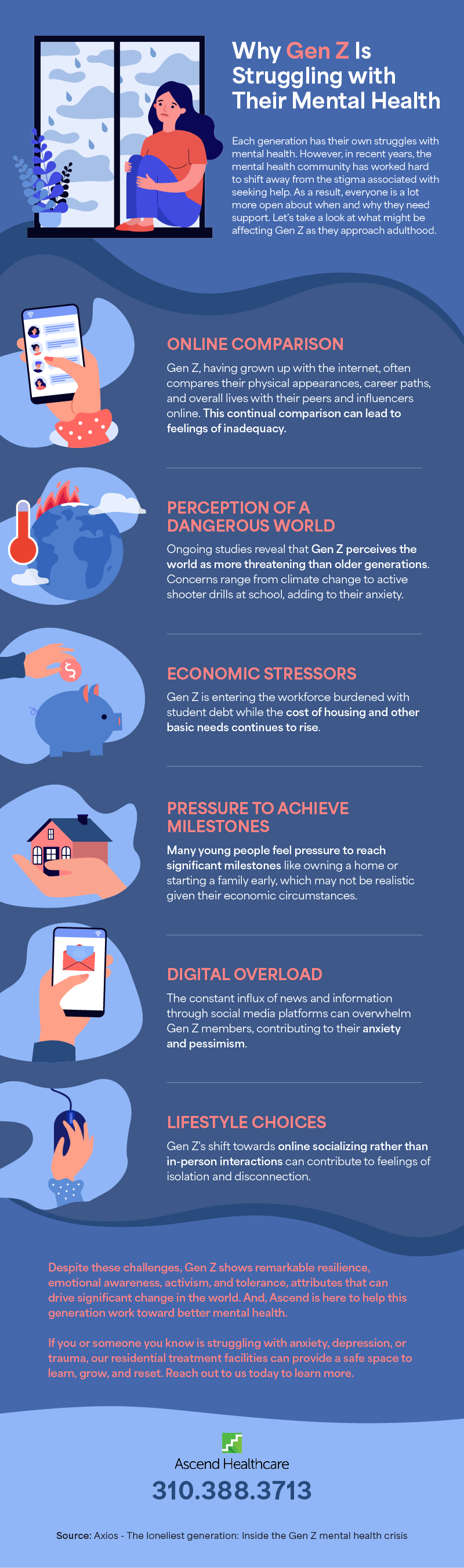
The pervasive influence of algorithmic curation on social media creates a unique psychological environment for Gen Z men, amplifying stressors that are both subtle and systemic. Unlike traditional media, these platforms operate on a feedback loop that prioritizes engagement, often at the expense of mental well-being. This dynamic fosters a culture of relentless comparison, where curated perfection becomes the benchmark for self-worth.
One critical mechanism is the dopamine-driven reward system embedded in social media interactions. Each like [16], [9], comment [15], [14], or share triggers a neurological response, reinforcing behaviors that align with platform algorithms. Over time, this creates a dependency on external validation, leaving young men vulnerable to feelings of inadequacy when their content fails to meet these artificial standards. A study by Saxena and Vidani (2023) highlights how this cycle exacerbates anxiety and depression [3], particularly among those already predisposed to low self-esteem.
However, addressing these pressures requires more than individual resilience. Platforms must recalibrate their algorithms to prioritize content that promotes mental health and authentic engagement. For example, initiatives like Instagram’s experiment with hiding likes have shown promise in reducing the pressure of public validation.
"The digital landscape demands more resilience today than ever before."
— Dr. Zac Seidler, Clinical Psychologist and Masculinity Researcher
Ultimately, fostering critical media literacy and advocating for systemic changes can transform these stressors into opportunities for growth, enabling Gen Z men to navigate digital spaces with greater confidence and autonomy.
Seeking Support and Positive Role Models
The concept of parasocial relationships—one-sided emotional bonds formed with influencers—plays a pivotal role in how Gen Z men seek support and identify role models. Unlike traditional mentorship, these relationships thrive on perceived authenticity, where influencers share personal struggles and triumphs, creating a sense of relatability. This dynamic fosters a safe space for young men to explore vulnerabilities, a critical step in addressing mental health challenges.
A key mechanism driving this phenomenon is the integration of narrative authenticity. Influencers who combine personal anecdotes with actionable advice—such as coping strategies or mental health resources—bridge the gap between abstract awareness and practical application. For instance, Roman Kemp’s candid discussions about mental health resonate deeply because they normalize emotional expression while offering tangible steps for support. This dual approach not only humanizes the influencer but also empowers followers to take proactive measures.
However, the effectiveness of this model is influenced by platform algorithms [2], [17], which often prioritize sensational content over nuanced discussions. This creates a paradox: while influencers who promote vulnerability gain trust, their reach may be limited by systems favoring superficial engagement. Addressing this requires recalibrating algorithms to reward depth and authenticity.
"Authenticity in public figures is a catalyst for real-world change—it bridges the gap between perception and personal reality."
— Dr. Zac Seidler, Clinical Psychologist and Masculinity Researcher
Ultimately, fostering environments where influencers model balanced masculinity—integrating empathy, resilience, and actionable guidance—can transform parasocial relationships into powerful tools for mental health advocacy. This nuanced approach redefines support, making it both accessible and impactful.
Strategies for Promoting Positive Role Models
Promoting positive role models requires a deliberate focus on narrative authenticity and systemic recalibration of media incentives. Research from the Goat Agency (2024) highlights that 67% of young men feel positive male role models are overlooked by mainstream media [19], underscoring the need for targeted interventions [2], [3]. This gap can be addressed by amplifying influencers who embody balanced masculinity—a synthesis of vulnerability and resilience.
One effective strategy is integrating media literacy education into school curriculums. By teaching young men to critically evaluate influencer content, educators can dismantle the allure of toxic portrayals. For instance, analyzing how algorithms prioritize sensationalism over depth reveals the structural biases shaping online narratives [18], [9].
Additionally, brands must prioritize partnerships with influencers who align with values like empathy and inclusivity. Campaigns that showcase real-life struggles and triumphs—such as Dr. Alex George’s mental health advocacy—demonstrate that strength lies in emotional openness, not suppression. This approach fosters a cultural shift toward healthier masculinity ideals.
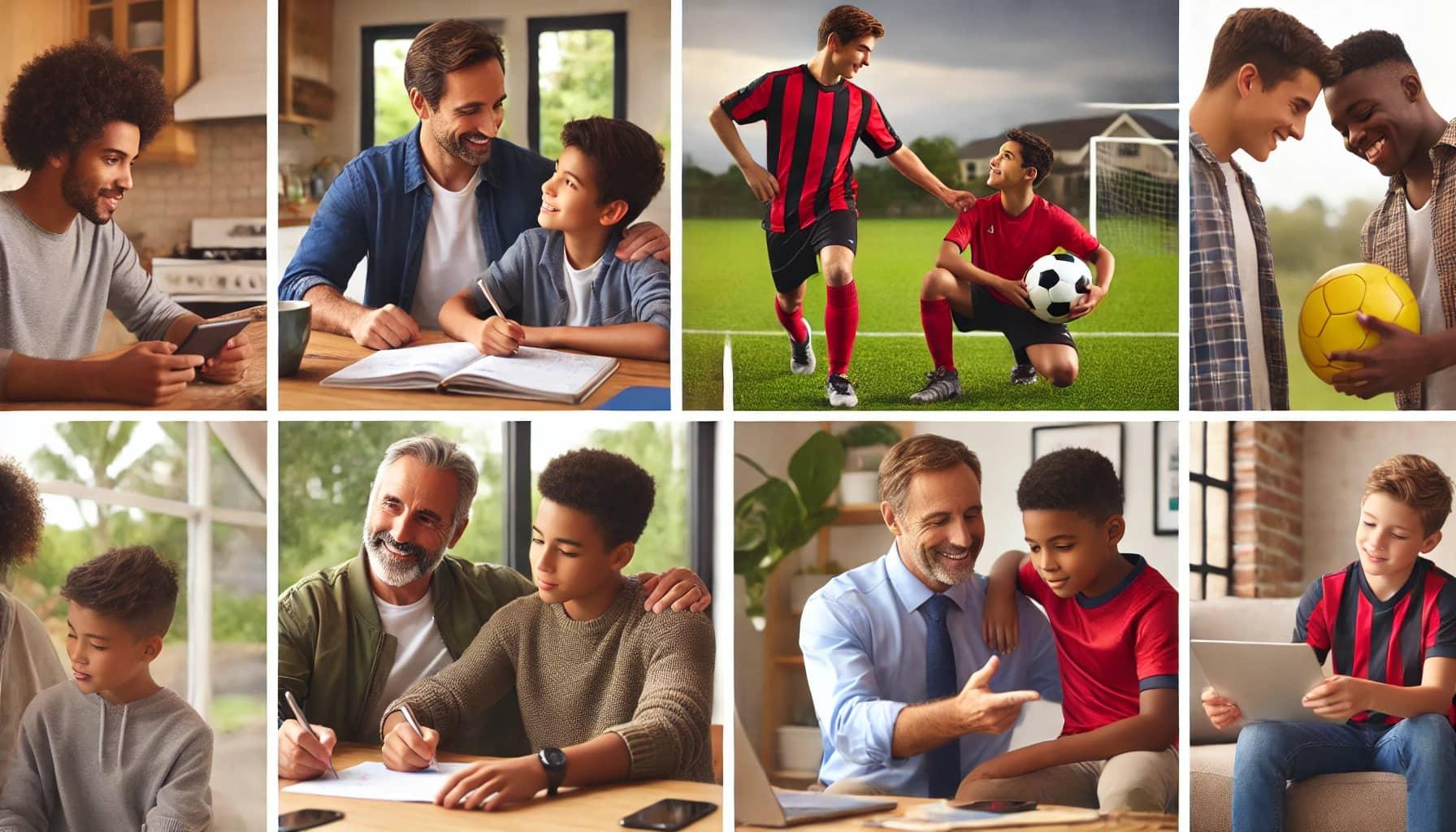
Encouraging Empathy and Vulnerability
Empathy and vulnerability in male influencers are most effectively fostered through intentional narrative design. This approach goes beyond merely sharing personal struggles; it involves crafting stories that integrate emotional depth with relatable experiences, creating a bridge between the influencer and their audience. The key lies in balancing vulnerability with actionable insights [9], [20], ensuring that emotional openness is not perceived as performative but as a genuine invitation for connection.
One critical mechanism is the emotional resonance loop, where influencers share unfiltered moments that evoke shared experiences among their followers. For example, Roman Kemp’s candid discussions about mental health, paired with practical advice on checking in with friends, exemplify how vulnerability can be both relatable and empowering. This method not only normalizes emotional expression but also provides a framework for followers to emulate in their own lives [2], [3].
However, the effectiveness of this strategy is influenced by platform dynamics. Algorithms often prioritize sensational content, which can overshadow nuanced discussions. To counteract this, influencers must strategically pair vulnerability with aspirational elements, such as resilience or personal growth, to maintain engagement while fostering meaningful dialogue.
"Empathy is not a weakness; it’s a transformative force that redefines connection in the digital age."
— Dr. Zac Seidler, Clinical Psychologist and Masculinity Researcher
Ultimately, the integration of empathy and vulnerability into influencer narratives requires a deliberate balance, ensuring that these qualities inspire both trust and actionable change.
The Role of Brands and Media in Shaping Narratives
Brands and media wield significant influence in redefining masculinity by leveraging narrative authenticity—a strategy that prioritizes genuine, emotionally resonant storytelling over aspirational but unattainable ideals [21]. This approach is particularly effective in engaging Gen Z, who value transparency and inclusivity [2], [3]. By aligning campaigns with influencers who embody vulnerability and empathy, brands can challenge outdated norms and foster healthier perceptions of masculinity.
A critical mechanism driving this shift is the integration of empathy-driven content frameworks. These frameworks combine personal storytelling with actionable insights [18], [9], creating a dual impact: emotional connection and practical value. For example, a campaign by a leading mental health organization paired an influencer’s candid account of overcoming anxiety with resources for seeking professional help. This not only humanized the influencer but also empowered audiences to take proactive steps toward mental well-being.
However, the effectiveness of such campaigns depends on their ability to navigate the authenticity paradox. While audiences demand sincerity, overly curated narratives risk being perceived as disingenuous. To mitigate this, brands must adopt iterative feedback loops, using audience engagement metrics to refine their messaging in real time.
"Empathy is not a weakness; it’s a transformative force that redefines connection in the digital age."
— Dr. Zac Seidler, Clinical Psychologist and Masculinity Researcher
Ultimately, brands that embrace authenticity and depth can reshape cultural narratives, making masculinity more inclusive and emotionally balanced.
FAQ
What role do male influencers play in shaping Gen Z men's perceptions of masculinity and mental health?
Male influencers significantly shape Gen Z men's understanding of masculinity and mental health by acting as both role models and content creators. Their platforms amplify ideals, whether promoting empathy and vulnerability or reinforcing traditional norms like dominance and emotional suppression. Influencers who share authentic narratives about mental health struggles foster relatability and encourage emotional openness [2], [3]. However, algorithmic prioritization of polarizing content often elevates harmful stereotypes, complicating the landscape. By critically engaging with influencers who embody balanced masculinity—integrating strength with emotional awareness—Gen Z men can redefine societal expectations, fostering healthier self-perceptions and mental well-being in a digitally driven world.
How can positive male role models on social media impact the mental well-being of Gen Z men?
Positive male role models on social media enhance the mental well-being of Gen Z men by promoting values like empathy [2], [3], vulnerability [18], [22], and self-awareness. Through authentic storytelling, these influencers normalize emotional expression and challenge harmful stereotypes tied to traditional masculinity. By sharing personal experiences and actionable mental health strategies, they create relatable content that fosters resilience and self-compassion. Additionally [9], their advocacy for balanced masculinity helps counteract the negative effects of algorithm-driven exposure to toxic ideals. This shift encourages Gen Z men to embrace healthier self-perceptions, seek support when needed, and build stronger emotional connections in their personal and social lives.
What are the key traits of male influencers who successfully promote healthy masculinity?
Male influencers who successfully promote healthy masculinity exhibit traits such as authenticity [2], [3], empathy [5], [4], and vulnerability. They openly discuss mental health challenges, breaking stigmas around emotional expression and encouraging self-awareness. By integrating relatable personal stories with actionable advice, they foster trust and inspire positive change. These influencers prioritize inclusivity, rejecting rigid gender norms while advocating for balanced masculinity that values emotional resilience alongside strength. Their content often emphasizes community-building and mental well-being, countering the harmful stereotypes perpetuated by traditional ideals. Through consistent, genuine engagement, they create a supportive digital environment that resonates deeply with Gen Z men seeking healthier role models.
How do social media algorithms influence the visibility of male influencers advocating for mental health awareness?
Social media algorithms influence the visibility of male influencers advocating for mental health awareness by prioritizing content that drives engagement, often favoring emotionally resonant or polarizing material. Influencers who share authentic [2], [3], relatable stories about mental health struggles can achieve higher reach due to their ability to connect with audiences. However, the same algorithms may marginalize nuanced discussions in favor of sensationalized content, limiting the exposure of balanced, constructive narratives [9], [13]. To counteract this, platforms must recalibrate their systems to reward depth and authenticity, ensuring that influencers promoting mental health awareness gain the visibility needed to inspire meaningful [4], positive change among Gen Z men.
What strategies can Gen Z men use to critically evaluate the content of male influencers and avoid harmful stereotypes?
Gen Z men can critically evaluate male influencers' content by developing media literacy skills, enabling them to identify harmful stereotypes and biased narratives [9], [4]. They should analyze the authenticity of influencers' messages [2], [3], questioning whether content promotes balanced masculinity or reinforces toxic ideals. Engaging with diverse perspectives and seeking influencers who prioritize empathy, inclusivity, and mental health advocacy can provide healthier role models. Additionally, understanding algorithmic biases helps them recognize how sensational content may distort reality. By fostering critical thinking and prioritizing influencers who align with positive values, Gen Z men can navigate social media responsibly and avoid perpetuating harmful stereotypes.
References
“It's really hard to strike a balance”: The role of digital influencers in shaping youth mental health - PMC. Retrieved from https://pmc.ncbi.nlm.nih.gov/articles/PMC11490978/
How social media influencers impact men's mental health and masculinity. Retrieved from https://www.voiceboxcic.com/post/social-media-and-men-s-mental-health-the-impact-of-influencers-on-boys-and-men
What Young Men in the UK and US Think About Male Influencers. Retrieved from https://goatagency.com/blog/influencer-marketing/male-influencers/
https://antibullyingcentre.ie/wp-content/uploads/2024/11/DCU-Influencer-Resource.pdf. Retrieved from https://antibullyingcentre.ie/wp-content/uploads/2024/11/DCU-Influencer-Resource.pdf
Crisis of masculinity: Young men looking to TV, film and internet for role models. Retrieved from https://san.com/cc/crisis-of-masculinity-young-men-looking-to-tv-film-and-internet-for-role-models/
(PDF) What are Gen Z’s and Millennials’ opinions on Masculinity in Advertising: a Qualitative Research Study. Retrieved from https://www.researchgate.net/publication/363705690_What_are_Gen_Z%27s_and_Millennials%27_opinions_on_Masculinity_in_Advertising_a_Qualitative_Research_Study
From 'himfluencers' to toxic masculinity: How social media is shaping young men | SBS News. Retrieved from https://www.sbs.com.au/news/article/from-himfluencers-to-toxic-masculinity-how-social-media-is-shaping-young-men/23wwkketj
The Goodmanosphere: Building a New Model of Masculinity for Gen Z | by Daniel Zahler | Medium. Retrieved from https://medium.com/%40danielzahler/the-goodmanosphere-building-a-new-model-of-masculinity-for-gen-z-cd93a722705a
Gen Z Influencers and Mental Health: Their Impact -. Retrieved from https://izea.com/resources/gen-z-influencers-and-mental-health/
How Gen Z is Redefining Masculinity & Emotional Expression | by The Curious Voice By----- Krish Maran | Medium. Retrieved from https://medium.com/%40krishmaran/how-gen-z-is-redefining-masculinity-emotional-expression-998cf32ff64f
Beyond ‘Manning Up’: The Impact Of Hegemonic Masculinity & Gender Norms On Mental Health Help-Seeking Among College Men. Retrieved from https://scholarworks.sjsu.edu/cgi/viewcontent.cgi?article=9041&context=etd_theses
Meet the male influencers fighting back against Andrew Tate and toxic masculinity | British GQ. Retrieved from https://www.gq-magazine.co.uk/article/anti-toxic-masculinity-movement
Gen Z's 'lost men' falling victim to anti-women influencers - Central News. Retrieved from https://centralnews.com.au/2025/05/23/gen-zs-lost-men-falling-victim-to-anti-women-influencers/
Generation Z’s Mental Health Issues - The Annie E. Casey Foundation. Retrieved from https://www.aecf.org/blog/generation-z-and-mental-health
Internal and external factors influencing Gen Z wellbeing - PMC. Retrieved from https://pmc.ncbi.nlm.nih.gov/articles/PMC12042498/
(PDF) A Comparative Study on Social Media’s Positive and Negative Effects on Gen Z. Retrieved from https://www.researchgate.net/publication/380733063_A_Comparative_Study_on_Social_Media%27s_Positive_and_Negative_Effects_on_Gen_Z
Adolescent and Young Adult Male Mental Health: Transforming System Failures Into Proactive Models of Engagement - ScienceDirect. Retrieved from https://www.sciencedirect.com/science/article/pii/S1054139X1730407X
How positive male role models are detoxifying the social media ‘manosphere’ | Social media | The Guardian. Retrieved from https://www.theguardian.com/media/2024/mar/02/positive-male-role-models-detoxifying-social-media-manosphere
International Men s Day 2024 Focus on Positive Male Role Models. Retrieved from https://www.thinkwithniche.com/blogs/details/international-men-s-day-2024-focus-on-positive-male-role-models
How to Help Gen Z Develop Empathy in Personal Relationships - Growing Leaders. Retrieved from https://growingleaders.com/how-to-help-gen-z-develop-empathy-in-personal-relationships/
The shifting sands of gender and brand responsibility. Retrieved from https://www.creativebrief.com/bite/voices/shifting-sands-of-gender-and-brand-responsibility
The Impact of Positive Male Role Models in Recovery and Mental Health. Retrieved from https://www.sobermansestate.com/blog/the-impact-of-positive-male-role-models-in-recovery-and-mental-health