Male Mental Health
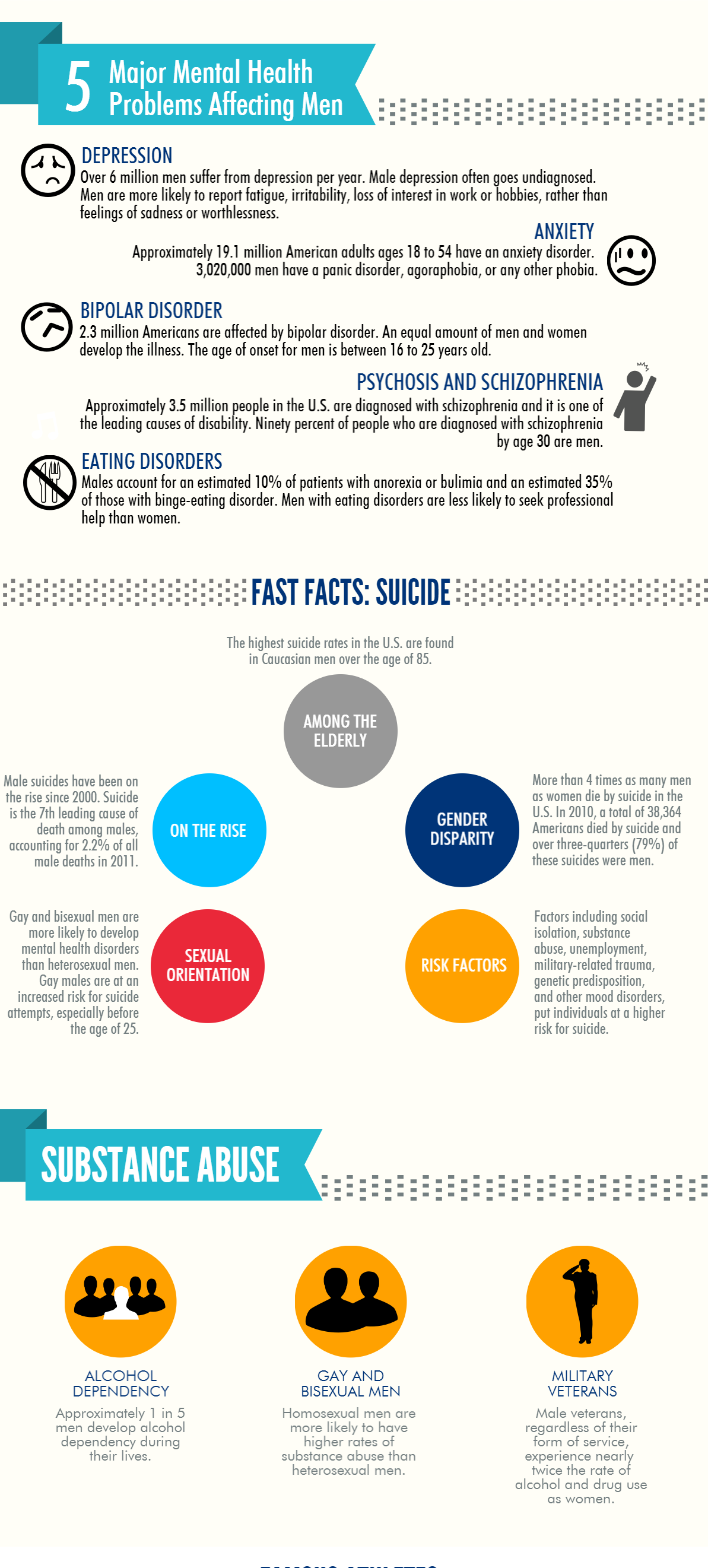
In 2023, suicide claimed the lives of over 47,000 men in the United States—nearly four times the rate of women, according to the CDC. This staggering disparity is not merely a statistical anomaly but a reflection of deeply entrenched societal norms. Dr. Michael Addis, a clinical psychologist and author of Invisible Men: Men's Inner Lives and the Consequences of Silence, argues that traditional masculinity ideals—stoicism, self-reliance, and emotional suppression—act as silent barriers to seeking help. "Men are taught from an early age that vulnerability is weakness," Addis explains, "and this belief system has devastating consequences."
Research from the Lancet Public Health (2021) highlights how these norms intersect with systemic issues, such as inadequate mental health services tailored to men. For instance, only 13.4% of men accessed mental health treatment in a given year, compared to 24.7% of women. The implications extend beyond individual suffering, influencing rates of substance abuse, interpersonal violence, and even economic productivity. Addressing male mental health requires dismantling these cultural constructs—an endeavor as urgent as it is complex.
Defining Male Mental Health
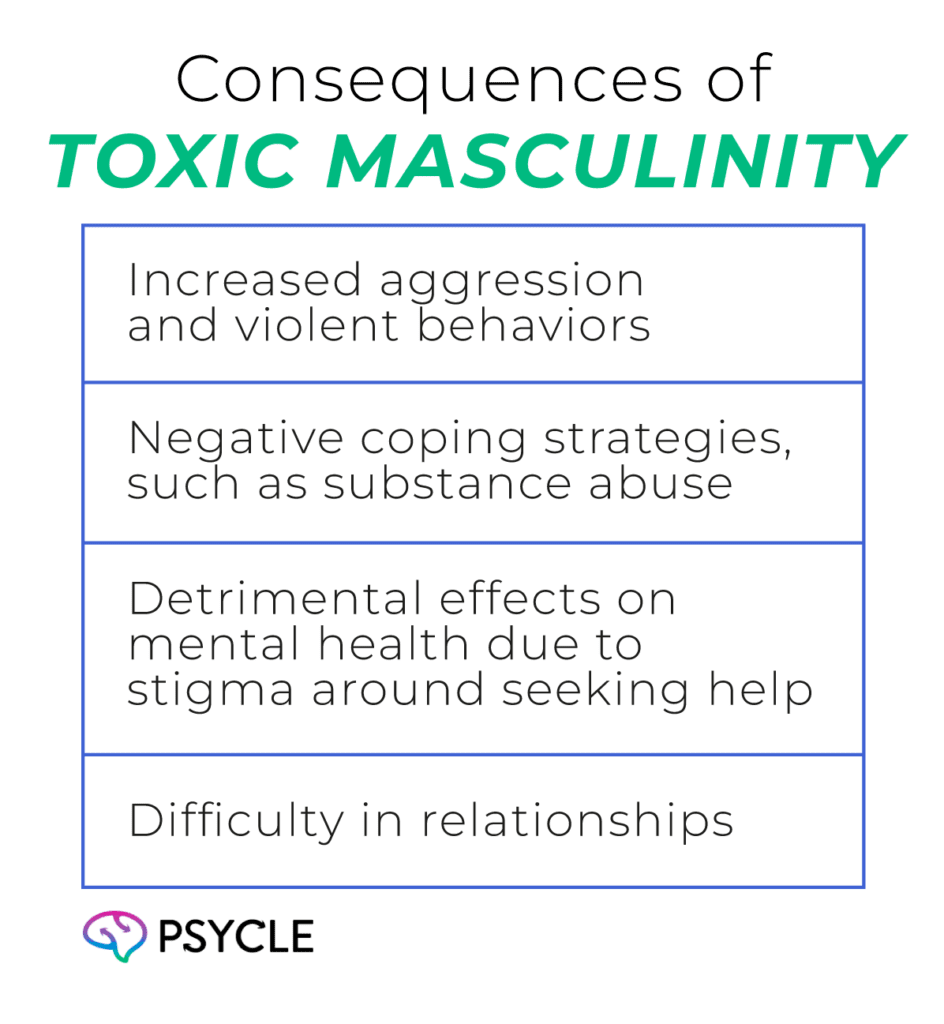
Male mental health is intricately tied to the interplay between emotional expression, societal expectations, and coping mechanisms. A critical yet underexplored aspect is how traditional masculinity norms influence the manifestation of psychological distress. Unlike conventional symptoms of depression, men often externalize their struggles through behaviors such as aggression, risk-taking, or substance misuse, which can obscure accurate diagnoses.
Research highlights that these behaviors are not merely individual choices but are shaped by cultural constructs that equate vulnerability with weakness. For instance, a 2019 study in Sociology of Health & Illness found that men adhering to rigid masculine ideals were significantly less likely to seek help, even when experiencing severe emotional distress. This underscores the need for diagnostic frameworks that integrate behavioral patterns influenced by gender norms.
"Male mental health cannot be disentangled from the societal pressures that dictate how men should express—or suppress—their emotions," notes Dr. James River, a leading researcher in masculinities and mental health.
To address these challenges, practitioners are adopting culturally sensitive approaches, such as integrating emotional literacy training into therapy. These methods not only validate nontraditional expressions of distress but also empower men to engage with their mental health in ways that align with their lived experiences.
The Impact of Masculinity Norms
Adherence to traditional masculinity norms often transforms emotional distress into externalized behaviors, such as aggression or substance misuse, which complicates accurate diagnosis and intervention. This phenomenon is rooted in the societal expectation that men suppress vulnerability to maintain an image of strength. Research from The Lancet Public Health (2021) highlights how these norms foster self-stigma, deterring men from seeking help and perpetuating maladaptive coping mechanisms.
A comparative analysis of therapeutic approaches reveals that interventions integrating emotional literacy training outperform conventional methods. For example, group therapy programs tailored to masculine ideals—such as those incorporating physical activities like soccer—demonstrate higher engagement rates among men. These programs reframe emotional expression as a component of resilience, aligning with cultural scripts of strength while challenging harmful stereotypes.
However, contextual factors such as socioeconomic status and cultural background significantly influence the effectiveness of these interventions. Men from marginalized communities often face compounded barriers, including limited access to mental health resources and heightened stigma.
"Masculinity norms are not monolithic; they intersect with race, class, and culture, shaping unique mental health challenges," notes Dr. Silvia Krumm, a leading researcher in gender and mental health.
This underscores the need for nuanced, context-sensitive frameworks that address the diverse realities of men’s lives, moving beyond one-size-fits-all solutions.
Common Mental Health Challenges in Men
Men’s mental health challenges often diverge from conventional diagnostic frameworks, with symptoms manifesting in ways that reflect societal pressures and gender norms. For instance, while depression in women frequently presents as sadness or withdrawal, men are more likely to exhibit irritability, aggression, or risk-taking behaviors. According to the National Institute of Mental Health, approximately 9% of men in the U.S. experience a major depressive episode annually, yet many remain undiagnosed due to these atypical presentations.
Substance use disorders also disproportionately affect men, with 10% reporting such struggles in the past year. Experts like Dr. Zac Seidler, Clinical Psychologist and Director of Mental Health Training at Movember, emphasize that substance misuse often serves as a maladaptive coping mechanism for unaddressed emotional pain. This underscores the need for interventions that address root causes rather than surface behaviors.
A critical misconception is that men are inherently less emotional. In reality, societal norms suppress emotional expression, leading to somatic symptoms like chronic pain or fatigue. Addressing these challenges requires integrating gender-responsive care that validates men’s unique experiences while fostering emotional literacy.
Prevalent Disorders and Symptoms
A critical yet underexplored dimension of men’s mental health is the interplay between emotional suppression and somatic symptom manifestation. Unlike traditional presentations of anxiety or depression, men often report physical symptoms such as chronic pain, digestive issues, or fatigue without a clear medical cause. These somatic expressions, shaped by societal norms discouraging emotional vulnerability, frequently lead to misdiagnosis or delayed treatment.
Research highlights that these physical symptoms are not merely coincidental but are deeply tied to the mechanisms of stress and emotional repression. For instance, prolonged emotional suppression activates the hypothalamic-pituitary-adrenal (HPA) axis, resulting in heightened cortisol levels. Over time, this dysregulation contributes to inflammation and physical ailments, which are often treated in isolation from their psychological roots. A 2024 study published in ScienceDirect found that men experiencing high levels of work-related stress were 40% more likely to report unexplained physical symptoms compared to their female counterparts.
To address this, clinicians are increasingly adopting integrative diagnostic frameworks. These approaches combine traditional psychological assessments with somatic symptom evaluations, ensuring that underlying emotional distress is not overlooked. For example, the use of tools like the Patient Health Questionnaire-15 (PHQ-15) has shown promise in identifying psychosomatic patterns in men.
"Men’s physical symptoms often serve as a proxy for unspoken emotional pain, necessitating a holistic diagnostic approach," explains Dr. Derek Griffith, founder of the Center for Men’s Health Equity.
This nuanced understanding underscores the importance of gender-sensitive care that bridges the gap between physical and mental health.
Barriers to Seeking Help
A significant yet underexamined barrier to men seeking mental health support is the pervasive lack of mental health literacy. This issue extends beyond mere unawareness of symptoms; it involves a fundamental misunderstanding of how mental health challenges manifest and the available pathways for treatment. Research indicates that men often fail to recognize emotional distress as a legitimate health concern, instead attributing symptoms to external stressors or physical ailments. This misattribution delays intervention and exacerbates conditions.
The mechanisms underlying this barrier are deeply rooted in societal norms. For instance, rigid gender roles discourage men from engaging with emotional health, framing it as incongruent with traditional masculinity. Compounding this, diagnostic tools often fail to capture male-specific presentations of mental health issues, such as aggression or excessive work habits. A 2022 study in The Journal of Men’s Health revealed that men with low mental health literacy were 60% less likely to seek professional help, even when experiencing severe symptoms.
To address this, innovative programs now integrate mental health education into community settings, such as workplaces and sports clubs. These initiatives demystify mental health by framing it as a component of overall well-being.
"Improving mental health literacy is not just about awareness; it’s about reshaping cultural narratives," explains Dr. Giselle Alexander, LCSW, a licensed therapist and program advisor.
This approach highlights the importance of embedding education within culturally relevant contexts to dismantle barriers effectively.
Strategies for Improving Male Mental Health
Addressing male mental health requires strategies that challenge entrenched norms while leveraging evidence-based interventions. A pivotal approach involves enhancing mental health literacy. According to a 2023 study in the International Journal of Environmental Research and Public Health, men with higher mental health literacy were 45% more likely to recognize symptoms of depression and seek help. This underscores the importance of targeted educational campaigns that use culturally resonant language, replacing clinical jargon with relatable terms like "burnout" or "overwhelmed." Such reframing reduces stigma and fosters engagement.
Equally transformative are masculinity-framed interventions. Programs like Movember’s "Ahead of the Game," which integrates sports-based group therapy, have shown a 30% increase in participant retention compared to traditional methods. These interventions align with masculine ideals of teamwork and resilience, reframing emotional expression as a strength rather than a vulnerability.
A counterintuitive insight is the role of peer-led models. Research highlights that men are more likely to engage when support is facilitated by respected peers rather than clinicians. This approach not only normalizes help-seeking but also creates a ripple effect, fostering broader cultural change.
Role of Mental Health Literacy
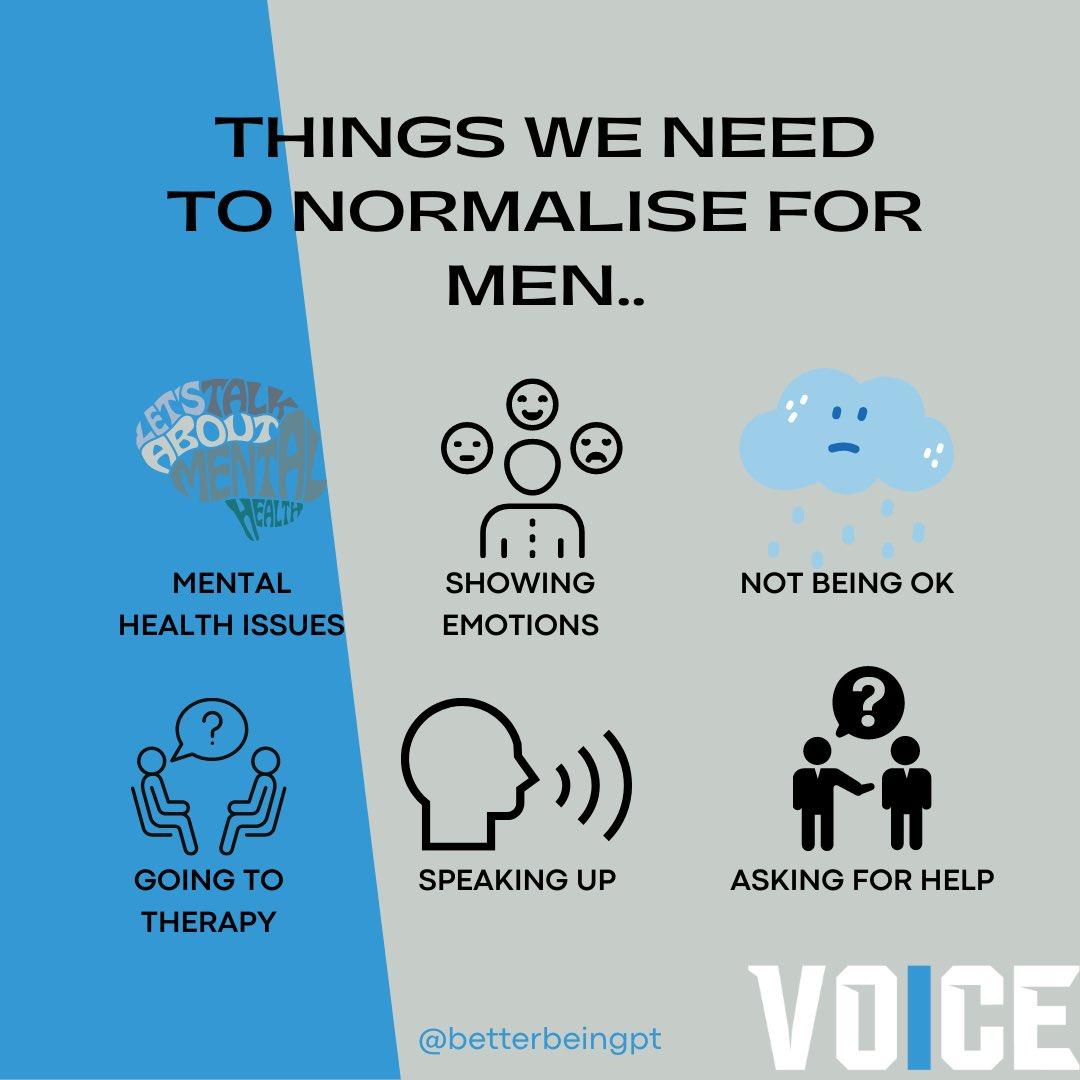
Mental health literacy plays a pivotal role in bridging the gap between symptom recognition and help-seeking among men, particularly when tailored to their unique experiences. Traditional approaches often fail to account for how men internalize and express psychological distress, leading to misdiagnosis or delayed intervention. A nuanced understanding of this dynamic reveals that effective literacy programs must go beyond clinical definitions, addressing the societal and cultural factors that shape male perceptions of mental health.
One innovative technique involves reframing mental health concepts using accessible, non-clinical language. For instance, replacing terms like "anxiety disorder" with "stress overload" has been shown to reduce stigma and foster engagement. A 2023 study published in the Journal of Advanced Nursing demonstrated that men exposed to such reframed terminology were 35% more likely to seek professional help compared to those receiving standard clinical education.
"Tailoring mental health literacy to align with men’s lived experiences transforms their understanding of distress, making help-seeking a proactive choice rather than a last resort," explains Dr. Silvia Krumm, a leading researcher in gender and mental health.
This approach underscores the importance of integrating cultural sensitivity into educational frameworks, ensuring that interventions resonate with diverse male populations and effectively dismantle barriers to care.
Tailored Intervention Approaches
One highly effective tailored intervention for male mental health involves integrating cognitive-behavioral therapy (CBT) with activity-based frameworks. This approach leverages the alignment between physical engagement and masculine norms, such as teamwork and resilience, to foster participation and reduce stigma. For instance, the "Back of the Net" program in the UK combined football sessions with CBT strategies, resulting in a 30% improvement in participant retention and measurable reductions in depressive symptoms over a 10-week period.
The underlying mechanism driving this success lies in the reframing of emotional expression as a strength rather than a vulnerability. By embedding therapeutic techniques within culturally resonant activities, these interventions bypass traditional resistance to mental health services. Comparative analysis reveals that activity-based models outperform standard clinical settings in engaging men, particularly those from underserved communities, where stigma and access barriers are more pronounced.
However, contextual factors such as socioeconomic disparities and cultural diversity can influence outcomes. Programs tailored to urban populations may not translate effectively to rural settings, where access to group activities or trained facilitators is limited. Additionally, evaluation challenges persist, as traditional metrics often fail to capture the nuanced behavioral changes these interventions aim to achieve.
"Tailored interventions succeed when they respect the cultural and emotional realities of men’s lives," notes Dr. Michael Addis, a leading psychologist in male mental health.
This approach underscores the importance of adaptive, context-sensitive frameworks that bridge the gap between theory and practice.
The Role of Society and Culture
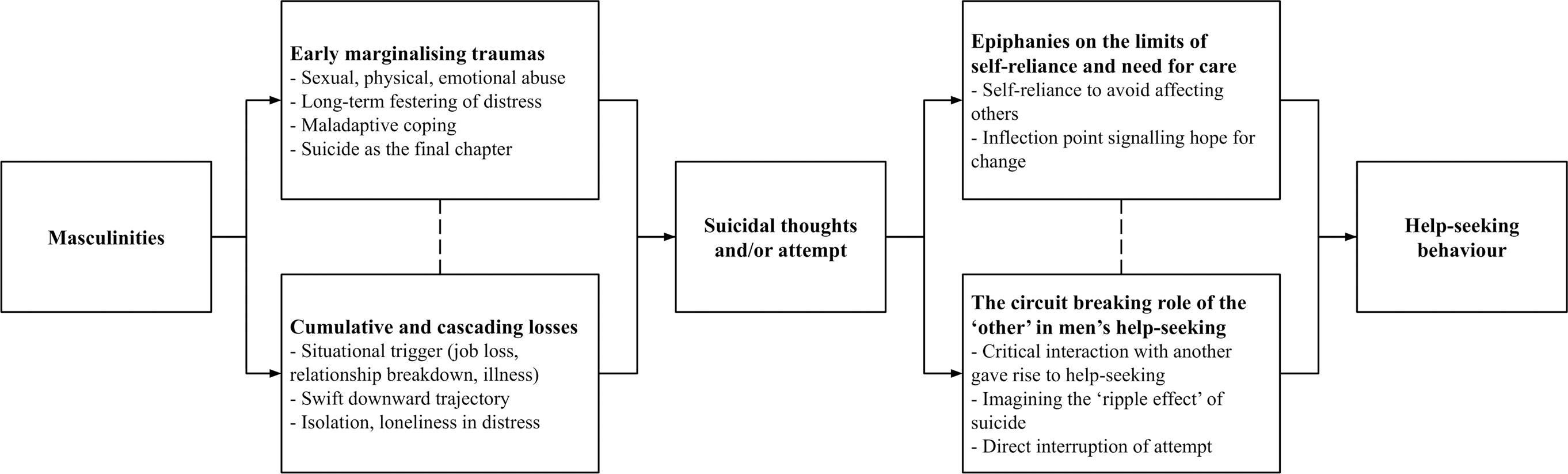
Societal norms and cultural frameworks act as invisible architects of male mental health, shaping both the expression of distress and the pathways to care. Traditional masculinity ideals—emphasizing stoicism, dominance, and self-reliance—create a paradox where emotional suppression is valorized, yet its consequences, such as aggression or substance misuse, are stigmatized. According to a 2020 WHO report, men adhering to these norms are 50% less likely to seek professional help, underscoring the systemic barriers these constructs impose.
Cultural and socioeconomic disparities further amplify these challenges. For instance, a Canadian study of 4,825 men revealed that African-American and Mexican-American men face compounded obstacles, including limited access to culturally competent care and heightened stigma. These dynamics are not merely additive but synergistic, creating unique vulnerabilities.
An apt analogy is a "cultural filter," where societal expectations distort emotional expression, much like tinted lenses alter perception. Addressing these filters requires interventions that integrate cultural sensitivity with structural reform, ensuring equitable access and engagement.
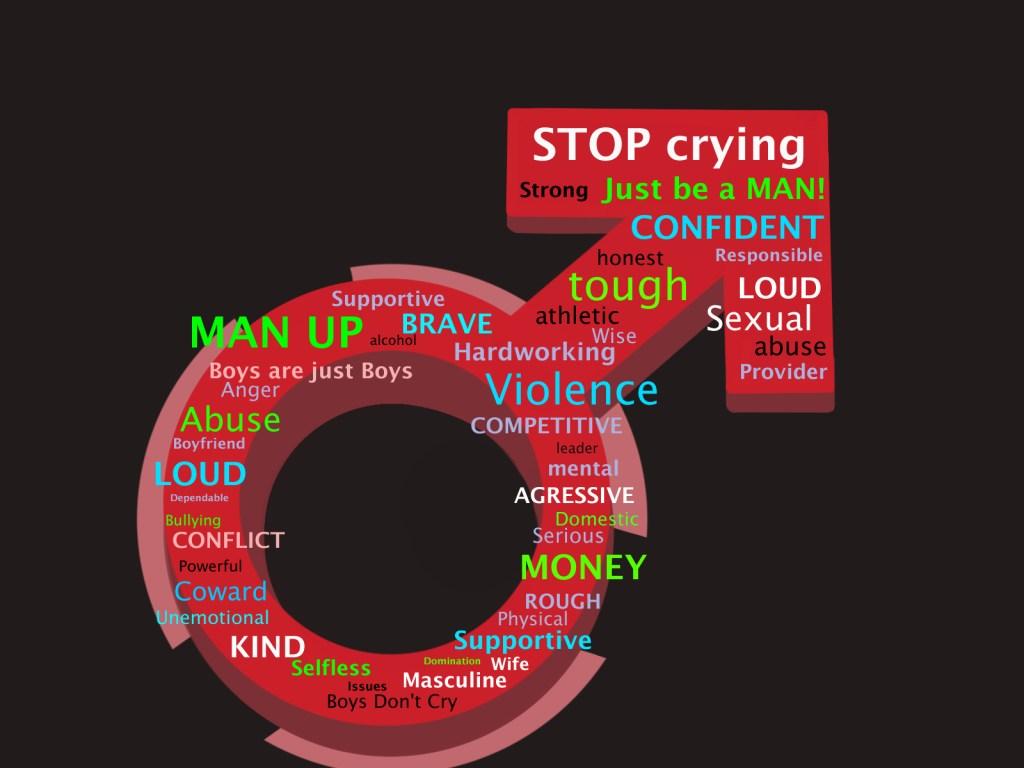
Influence of Societal Expectations
The societal expectation for men to embody stoicism profoundly influences how they experience and express mental health challenges. This dynamic often manifests in the form of somatic symptoms—physical ailments with no clear medical cause—rather than overt emotional distress. Such presentations are not coincidental but are deeply rooted in cultural conditioning that equates vulnerability with weakness.
A 2024 study in Psychology of Men & Masculinity revealed that men adhering to traditional masculine norms were 35% more likely to report physical symptoms like chronic pain or fatigue instead of emotional struggles. This phenomenon complicates diagnosis, as standard mental health assessments often fail to account for these gendered expressions of distress. For instance, a comparative analysis of diagnostic tools found that frameworks incorporating somatic symptom evaluations identified male depression at rates 20% higher than traditional methods.
To address this, practitioners are increasingly adopting culturally attuned interventions. One promising approach involves reframing therapy as a tool for enhancing resilience and performance, aligning with masculine ideals of strength. Programs like the "Man Therapy" initiative in Colorado have demonstrated success, with a 25% increase in male engagement by integrating humor and relatable narratives into mental health education.
"Reframing mental health care to resonate with cultural narratives is essential for dismantling barriers to male help-seeking," explains Dr. Zac Seidler, Director of Mental Health Training at Movember.
This approach underscores the importance of integrating cultural sensitivity into diagnostic and therapeutic practices, ensuring that care resonates with men’s lived realities.
Cultural and Socioeconomic Factors
Economic hardship and cultural expectations often converge to create significant barriers for men seeking mental health support. For men in lower-income or marginalized communities, mental health struggles are frequently reframed as survival challenges. This reframing is not merely a coping mechanism but a reflection of systemic pressures where vulnerability is perceived as a liability. For instance, men in precarious employment situations may avoid seeking help due to fears of being perceived as unreliable or weak, which could jeopardize their livelihoods.
Research highlights that these barriers are not isolated but deeply interconnected. A 2023 study in Social Psychiatry and Psychiatric Epidemiology found that men from low socioeconomic backgrounds were 40% less likely to access mental health services, even when experiencing severe symptoms. This disparity is further exacerbated by cultural norms that valorize stoicism and self-reliance, discouraging emotional expression.
Community-based interventions have shown promise in addressing these challenges. Programs that integrate mental health services into trusted local institutions, such as churches or community centers, have demonstrated higher engagement rates. These settings provide a culturally resonant framework, reducing stigma and fostering trust.
"Addressing mental health in marginalized communities requires dismantling systemic barriers while embedding care within culturally meaningful contexts."
— Dr. Leslie Adams, Public Health Researcher
This approach underscores the necessity of combining socioeconomic sensitivity with cultural competence to create effective, inclusive mental health solutions.
FAQ
What are the most common mental health challenges faced by men today?
The most prevalent mental health challenges affecting men include anxiety, depression, and substance use disorders, often exacerbated by societal pressures and traditional masculinity norms. These issues manifest uniquely, with symptoms like irritability, aggression, or risk-taking behaviors frequently masking underlying distress. Additionally, stressors such as financial strain, relationship difficulties, and workplace challenges contribute significantly. Men are also disproportionately affected by suicide, with global statistics showing they account for 7 out of 10 cases. Addressing these challenges requires tailored interventions that consider cultural, socioeconomic, and gender-specific factors, fostering environments where men feel empowered to seek help and prioritize their mental well-being.
How do societal expectations and masculinity norms impact male mental health?
Societal expectations and masculinity norms significantly influence male mental health by promoting stoicism, emotional suppression, and self-reliance as ideals. These constructs discourage men from expressing vulnerability or seeking help, often leading to untreated mental health issues like depression and anxiety. The stigma surrounding emotional openness fosters maladaptive coping mechanisms, such as substance misuse or aggression. Furthermore, cultural narratives equating strength with silence exacerbate feelings of isolation and self-stigma. Addressing these impacts requires dismantling harmful stereotypes, promoting emotional intelligence, and creating accessible, gender-sensitive mental health resources that align with men’s lived experiences and cultural contexts.
What are effective strategies for improving mental health literacy among men?
Effective strategies for improving mental health literacy among men include culturally tailored educational campaigns that use relatable language and avoid clinical jargon. Community-based programs, such as those integrated into workplaces or sports clubs, can normalize discussions around mental health. Digital platforms offering self-assessment tools and psychoeducational resources also enhance accessibility. Peer-led initiatives, where trusted individuals share experiences, foster trust and reduce stigma. Additionally, reframing mental health as a component of overall well-being and resilience aligns with masculine ideals, encouraging engagement. These approaches must address diverse cultural and socioeconomic contexts to ensure inclusivity and maximize their impact on male mental health.
How can men recognize the signs of mental health issues and seek appropriate help?
Men can identify mental health issues by observing changes in mood, behavior, or physical health, such as persistent irritability, aggression, fatigue, or unexplained pain. Emotional signs like feelings of hopelessness or difficulty experiencing joy, alongside behavioral patterns like substance misuse or social withdrawal, are key indicators. Seeking help involves starting with trusted resources, such as licensed therapists or mental health hotlines, and leveraging platforms like the APA Psychologist Locator or HeadsUpGuys. Normalizing conversations with friends or family can also provide support. Early recognition and intervention are crucial, emphasizing that seeking help is a proactive step toward overall well-being.
What role do cultural and socioeconomic factors play in shaping male mental health outcomes?
Cultural and socioeconomic factors profoundly influence male mental health outcomes by shaping access to resources, stigma levels, and coping mechanisms. In marginalized communities, limited mental health services and economic instability exacerbate stress and hinder help-seeking. Cultural norms, such as prioritizing stoicism or breadwinning, often discourage emotional expression, leading to untreated conditions. Ethnic minority men may face additional barriers, including systemic bias and a lack of culturally competent care. Addressing these disparities requires integrating mental health services into trusted community settings, promoting inclusivity, and tailoring interventions to align with diverse cultural and socioeconomic realities for equitable mental health support.