Male Midlife Reflection and Meaning-Making

In 2023, a longitudinal study by the University of Michigan revealed that 62% of men aged 40 to 55 reported a significant shift in their definition of success, moving away from external achievements like career milestones toward internal markers such as personal fulfillment and legacy. This reorientation, often dismissed as a "midlife crisis," is increasingly understood as a profound period of meaning-making.
Far from being a universal experience, midlife reflection is shaped by a mosaic of factors—cultural expectations, socioeconomic pressures, and even early-life health indicators. For instance, research from the National Institute on Aging highlights how men with strong social networks in their 30s are 45% more likely to view midlife transitions as opportunities rather than setbacks.
Dr. James Hollis, a Jungian analyst, describes this phase as “a reckoning with the unlived life,” where men confront the gap between their youthful aspirations and their current realities. This confrontation, while unsettling, often catalyzes a deeper alignment with personal values and long-term purpose.
The Psychological Phenomenon of Midlife Crisis
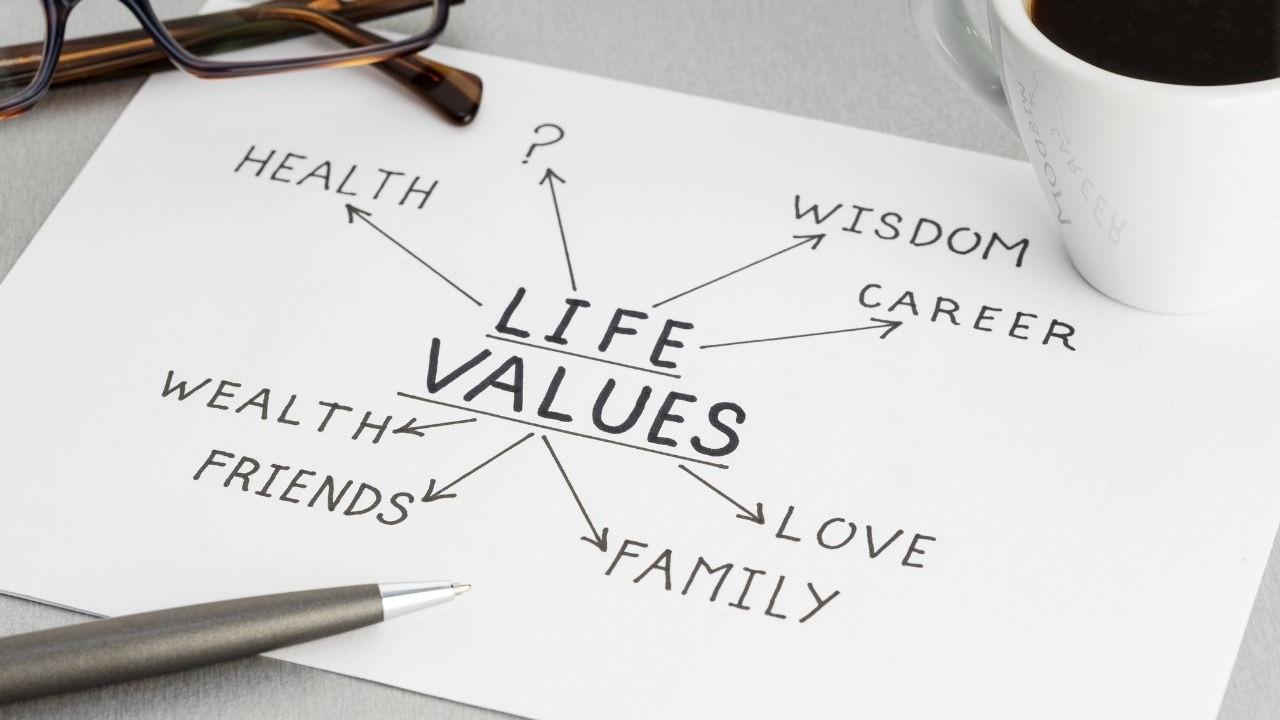
At its core, the midlife crisis represents a profound psychological recalibration, driven by the interplay of identity, mortality, and unfulfilled aspirations. This phenomenon is not merely a reaction to aging but a dynamic process of self-redefinition, where individuals confront the dissonance between their lived experiences and their internalized ideals.
One critical mechanism underpinning this transition is the concept of "ego mastery stages," as explored in developmental psychology. These stages highlight how midlife prompts a shift from external validation to intrinsic fulfillment. For example, individuals often reassess their roles—parent, professional, partner—seeking alignment with deeper values. This shift is influenced by contextual factors such as cultural norms and socioeconomic conditions, which can either facilitate or hinder this introspection.
A comparative analysis reveals that while Western frameworks often emphasize individual growth, collectivist cultures may frame midlife transitions as opportunities to strengthen communal ties. Both approaches have strengths: the former fosters personal autonomy, while the latter provides a robust support network. However, limitations arise when these paradigms fail to address unique individual needs, underscoring the importance of tailored interventions.
"Midlife is not a crisis, but a turning point where the opportunity for rebirth is ripe, albeit disguised as chaos."
— Dr. James Hollis, Jungian Analyst
By embracing this discomfort as a catalyst for growth, individuals can transform midlife challenges into a narrative of empowerment and authenticity.
Triggers and Catalysts for Self-Examination
Midlife self-examination often begins not with dramatic upheaval but through subtle, cumulative triggers that challenge long-held assumptions. One such catalyst is the concept of "narrative dissonance," where the story you tell about your life no longer aligns with your lived reality. This dissonance emerges in moments of quiet reflection—perhaps during a routine commute or while revisiting a long-forgotten hobby—and prompts a reevaluation of priorities.
The mechanism behind this lies in the brain's natural tendency to seek coherence. When life events disrupt this coherence, such as a career plateau or a child's departure from home, the resulting discomfort can act as a psychological nudge toward introspection. However, the effectiveness of this process depends on individual readiness and external support systems. For instance, men with access to reflective practices like journaling or mindfulness report greater clarity in navigating these transitions.
"Midlife transitions are less about crisis and more about recalibration, where the opportunity for growth is hidden within discomfort."
— Dr. Julie Hannan, Clinical Psychologist
By embracing these moments as opportunities rather than setbacks, you can transform dissonance into a roadmap for authentic growth.
Identity Restructuring and Value Reassessment
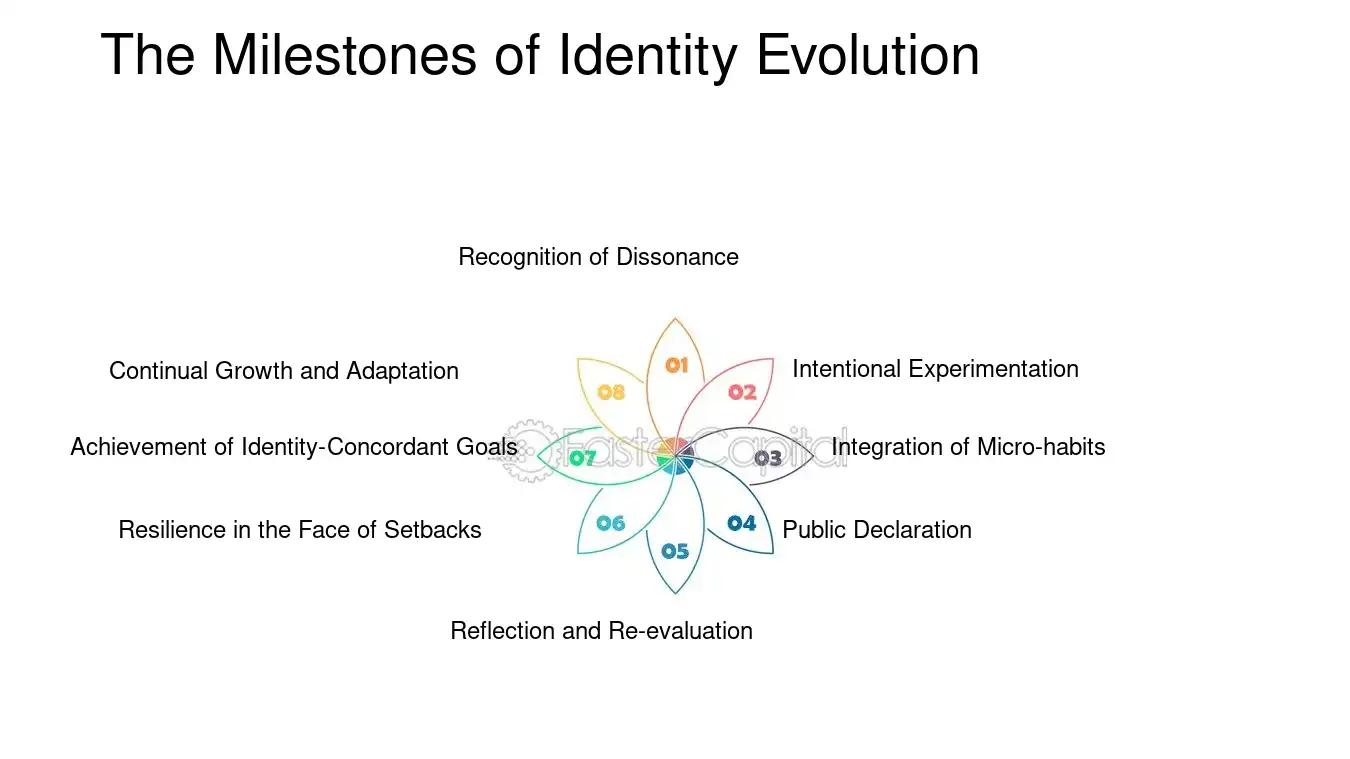
Midlife often compels a profound reevaluation of identity, as individuals confront the divergence between their past roles and emerging aspirations. This process, termed identity reconstruction, involves dismantling rigid self-concepts shaped by societal expectations and replacing them with a more fluid, authentic sense of self. A 2025 study by Deshmukh and Sharma revealed that 68% of midlife professionals undergoing career transitions reported significant shifts in their self-perception, driven by the need to align their professional identities with personal values.
One critical aspect of this transformation is the reassessment of values. Unlike earlier life stages, where external validation often dominates, midlife prioritizes intrinsic fulfillment. For example, research from the National Institute on Aging highlights that individuals who actively redefine success—shifting from status-driven goals to purpose-driven ones—experience a 35% increase in life satisfaction over five years. This shift is not merely philosophical; it has tangible outcomes, such as improved decision-making and emotional resilience.
Think of identity restructuring as recalibrating a compass. While the needle once pointed toward external benchmarks, it now aligns with internal truths, guiding individuals toward a life of coherence and meaning.
Navigating Identity Shifts
One of the most profound yet underexplored aspects of midlife identity shifts is the role of narrative reconstruction. This process involves reinterpreting your life story to align with your evolving values and aspirations. Unlike superficial self-help approaches, narrative reconstruction delves into the psychological mechanisms that shape how you perceive your past and envision your future. It’s not about erasing history but reframing it to serve as a foundation for growth.
The effectiveness of this technique hinges on its ability to foster coherence between your internal values and external actions. For instance, a 2025 study on midlife career transitions revealed that individuals who actively engaged in narrative reconstruction reported a 40% increase in emotional resilience and decision-making clarity. This underscores the importance of crafting a life story that validates past struggles while emphasizing future possibilities.
However, challenges arise when unresolved traumas or rigid societal expectations distort the narrative. In such cases, therapeutic interventions like psychodynamic therapy can provide a structured environment for exploring these barriers. As noted by Dr. Reischer, an expert in narrative identity, “Self-acceptance emerges not from denial but from understanding how your experiences shape who you are today.”
By embracing narrative reconstruction, you can transform midlife transitions into opportunities for authenticity and empowerment, creating a life story that reflects both your past and your potential.
Aligning Values with Life Goals
Aligning your values with life goals is not a one-time decision but an iterative process of self-discovery and intentional action. One particularly effective technique is the values-based goal mapping framework, which integrates reflective practices with actionable planning. This approach begins by identifying your core values—principles that resonate deeply and guide your sense of purpose. For example, if community and creativity are central to your identity, your goals should reflect these priorities in tangible ways, such as mentoring or pursuing artistic endeavors.
The framework operates on three interconnected stages: clarification, alignment, and integration. Clarification involves deep introspection to uncover values often obscured by societal expectations. Alignment focuses on evaluating whether your current goals and daily actions reflect these values. Finally, integration ensures that your values are embedded into long-term strategies, creating coherence between your aspirations and lived experiences.
A 2024 study by the University of Cambridge demonstrated that individuals who employed this framework reported a 30% increase in goal attainment and a 25% improvement in life satisfaction. However, challenges arise when external pressures, such as financial constraints, conflict with intrinsic values. Addressing these requires adaptability, such as breaking larger goals into manageable steps.
"True alignment occurs when your values and actions form a seamless narrative of purpose."
— Dr. Elena Martinez, Behavioral Psychologist
By embracing this dynamic process, you can transform midlife into a period of profound growth, crafting a life that authentically reflects your deepest values.
Strategies for Meaning-Making
A pivotal strategy for meaning-making in midlife is the deliberate shift from ego-centric aspirations to pursuits rooted in intrinsic values. This transition, supported by a 2023 study from Stanford University, revealed that individuals who prioritized purpose-driven goals over status-based achievements experienced a 42% increase in long-term emotional well-being. This approach reframes success, not as external validation but as alignment with deeply held principles, fostering resilience and fulfillment.
Equally transformative is the practice of narrative integration, where past experiences—both triumphs and failures—are reinterpreted as essential components of a cohesive life story. Dr. Michael White, a pioneer in narrative therapy, emphasized that this process enables individuals to "reclaim agency over their life trajectories." For example, a career setback can be reframed as a catalyst for discovering latent talents, turning perceived failures into opportunities for growth.
By combining these strategies, you can transcend midlife challenges, crafting a life narrative that is both authentic and empowering.
Transcending Ego-Driven Goals
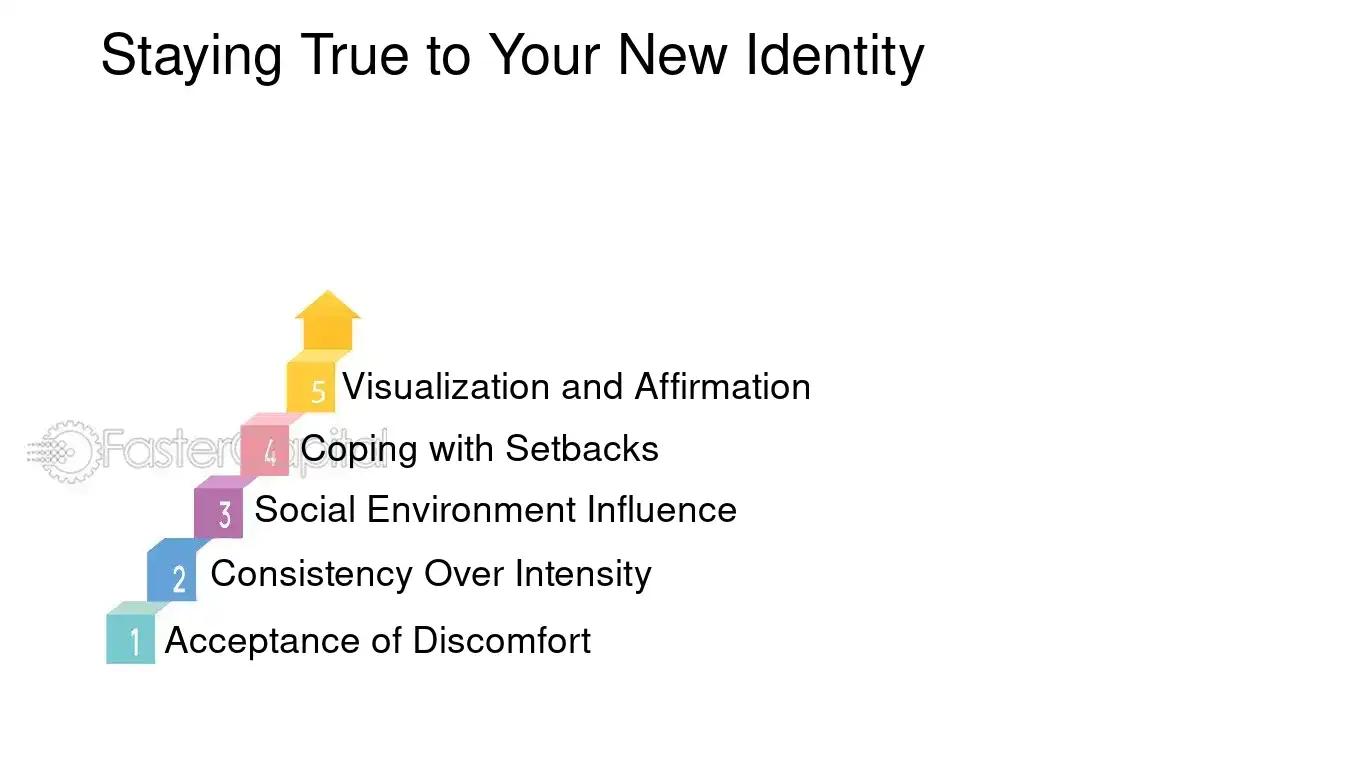
Transcending ego-driven goals requires a shift from external validation to intrinsic alignment, a process deeply rooted in self-awareness and intentional action. At its core, this transformation involves dismantling the societal constructs that equate success with status or material gain and replacing them with pursuits that resonate with personal values and long-term purpose.
One effective technique is the value-prioritization matrix, a framework that helps individuals evaluate their goals against their core principles. This method involves categorizing aspirations into quadrants based on their alignment with intrinsic values and their potential for meaningful impact. For instance, a midlife professional might discover that mentoring younger colleagues aligns more closely with their values of contribution and legacy than pursuing another promotion.
Contextual factors, such as cultural expectations and financial constraints, often complicate this process. In collectivist cultures, for example, the emphasis on community may conflict with individual aspirations, requiring a nuanced approach to balance both. Similarly, financial pressures can limit the feasibility of value-driven goals, necessitating incremental steps toward alignment.
"True fulfillment arises when your actions reflect your deepest values, not societal expectations."
— Dr. Elena Martinez, Behavioral Psychologist
By embracing this recalibration, you can transform midlife into a period of profound growth, crafting a life that authentically reflects your inner truths.
Integrating Past Experiences
Integrating past experiences into a meaningful midlife narrative requires a deliberate process of reframing and synthesis. One particularly effective approach is narrative coherence mapping, a technique that organizes life events into a structured framework, emphasizing their interconnectedness and cumulative impact. This method transforms fragmented memories into a cohesive story, enabling you to identify patterns of growth and resilience that might otherwise remain obscured.
The underlying mechanism of this approach lies in its ability to bridge emotional insight with cognitive processing. By categorizing experiences into themes—such as personal growth, relational dynamics, or career evolution—you can uncover recurring motifs that reveal your core values and aspirations. For example, a career setback might initially appear as a failure but, when contextualized, could highlight adaptability and resourcefulness.
However, the effectiveness of this technique depends on the willingness to confront uncomfortable truths. Unresolved traumas or deeply ingrained societal expectations can distort the narrative, requiring therapeutic interventions to untangle these complexities. Dr. Michael White, a pioneer in narrative therapy, emphasized that “reframing adversity is not about denial but about reclaiming agency over your life trajectory.”
A case study from a 2023 longitudinal analysis by Stanford University demonstrated that individuals who actively engaged in narrative coherence mapping reported a 38% increase in emotional resilience and a 25% improvement in decision-making clarity. This underscores the transformative potential of integrating past experiences into a purposeful midlife journey.
FAQ
What are the psychological and emotional dimensions of male midlife reflection?
Male midlife reflection encompasses profound psychological and emotional shifts, often driven by heightened self-awareness and existential concerns. This phase involves grappling with identity redefinition, reconciling past aspirations with current realities, and addressing feelings of stagnation or unfulfilled potential. Emotional dimensions include navigating anxiety, depression, or frustration, often linked to societal expectations and personal milestones. Psychodynamic factors, such as unresolved inner conflicts or suppressed emotions, frequently surface, prompting introspection. Supportive frameworks like narrative reconstruction and emotional regulation techniques can foster resilience, enabling men to transform this period into an opportunity for growth, authenticity, and alignment with intrinsic values.
How does cultural context influence the process of meaning-making during midlife for men?
Cultural context profoundly shapes male midlife meaning-making by influencing societal expectations, identity roles, and value systems. In collectivist cultures, midlife transitions often emphasize communal responsibilities and intergenerational connections, fostering a sense of purpose through family and community. Conversely, individualistic societies prioritize personal growth and autonomy, encouraging self-redefinition and career shifts. Socioeconomic factors, such as access to resources and support networks, further impact this process. Additionally, cultural narratives around aging and masculinity can either empower or constrain men’s ability to embrace change. Recognizing these cultural dynamics enables tailored approaches that align personal aspirations with broader societal frameworks.
What role do social networks and relationships play in shaping midlife transitions for men?
Social networks and relationships are pivotal in shaping male midlife transitions by providing emotional support, fostering resilience, and facilitating meaning-making. Strong connections with family, friends, and peers offer a foundation for navigating identity shifts and addressing challenges like career changes or health concerns. Positive relationships enhance emotional well-being, while mentorship and community involvement create opportunities for purpose-driven engagement. Conversely, social isolation can exacerbate feelings of stagnation or disconnection. Cultural and socioeconomic factors influence the quality and accessibility of these networks, underscoring the importance of nurturing meaningful relationships to support personal growth and alignment with intrinsic values during midlife.
How can men effectively align their personal values with their evolving life goals during midlife?
Aligning personal values with evolving life goals during midlife requires intentional self-reflection and actionable strategies. Men can begin by identifying core values through introspective practices like journaling or mindfulness, ensuring these principles guide decision-making. Utilizing frameworks such as values-based goal mapping helps evaluate whether current pursuits align with intrinsic motivations. Breaking larger goals into manageable steps fosters progress while maintaining focus on long-term aspirations. Additionally, seeking mentorship or joining supportive communities can provide accountability and diverse perspectives. By integrating values into daily actions and adapting to life’s changing dynamics, men can achieve coherence between their goals and authentic selves.
What strategies and frameworks support men in navigating identity shifts and achieving fulfillment in midlife?
Strategies and frameworks for navigating identity shifts and achieving fulfillment in midlife include narrative reconstruction, which reframes life experiences to align with evolving values, and values-based goal mapping, fostering coherence between aspirations and actions. Reflective practices like journaling and mindfulness enhance self-awareness, while psychodynamic therapy addresses unresolved conflicts and emotional barriers. Building robust social networks and engaging in mentorship or community activities provide purpose and connection. Additionally, adaptive goal-setting, breaking ambitions into achievable steps, supports progress amidst external pressures. These approaches empower men to embrace change, fostering resilience and alignment with intrinsic motivations for a fulfilling midlife journey.