Male Narrative Identity
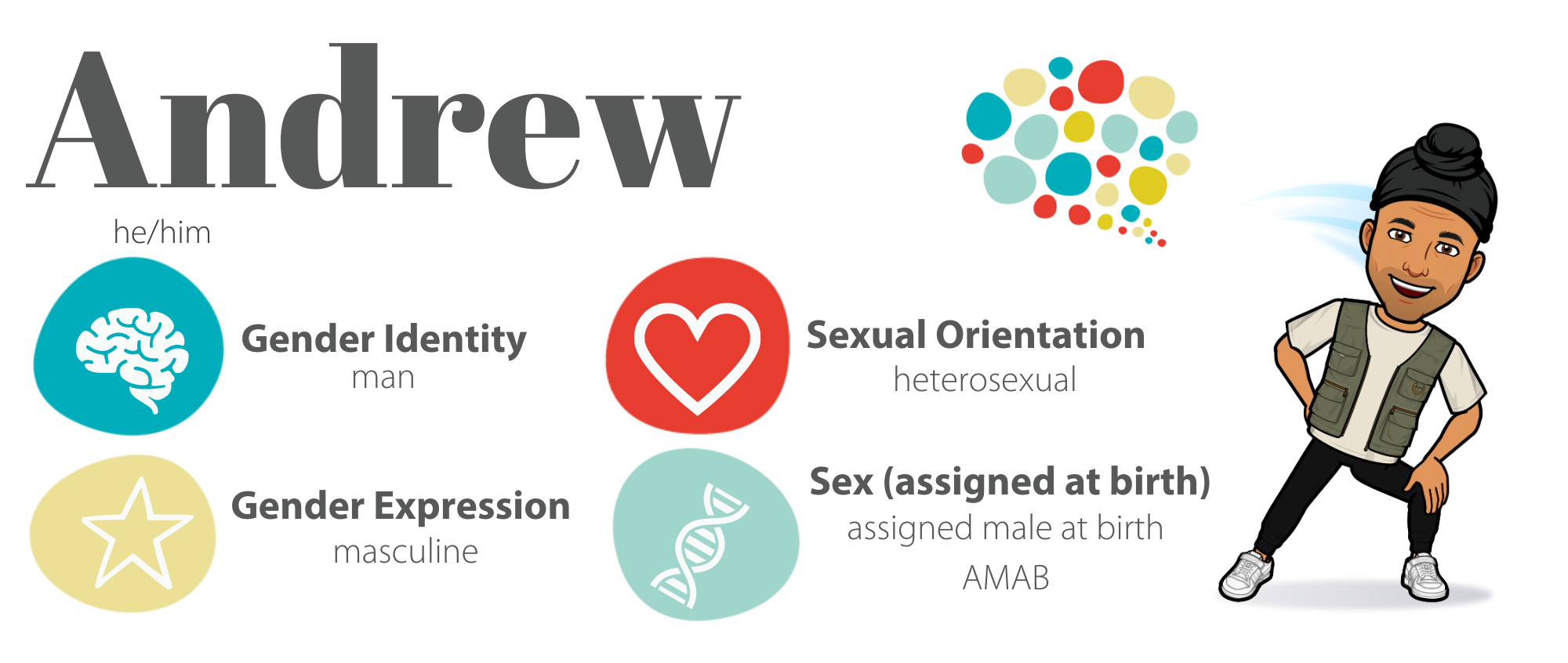
In 2008, researchers Joseph Vandello and Jennifer Bosson published a groundbreaking study revealing that manhood is perceived as a precarious state—one that must be earned and constantly defended through social validation. Unlike womanhood, which is often seen as biologically inherent, manhood is fragile, vulnerable to threats, and easily revoked. This insight reframed decades of gender research, exposing the psychological toll of societal expectations on men.
The concept of male narrative identity emerges from this tension, where personal stories are shaped by the relentless demand to prove masculinity. Kenneth Gergen, a leading voice in psychosocial studies, argues that these narratives are not static but are constructed through cultural scripts and individual agency. For many men, this means navigating a labyrinth of conflicting roles—provider, protector, competitor—while suppressing emotions that might betray vulnerability.
Recent studies, such as those by Michael Addis and James Mahalik, highlight how these pressures manifest in mental health disparities. Men are less likely to seek help for psychological distress, a behavior rooted in the fear of appearing weak. Yet, when given the tools to reframe their stories, men often find a path to resilience. This evolving understanding of male identity challenges the notion of masculinity as monolithic, revealing it instead as a dynamic interplay of societal forces and personal agency.
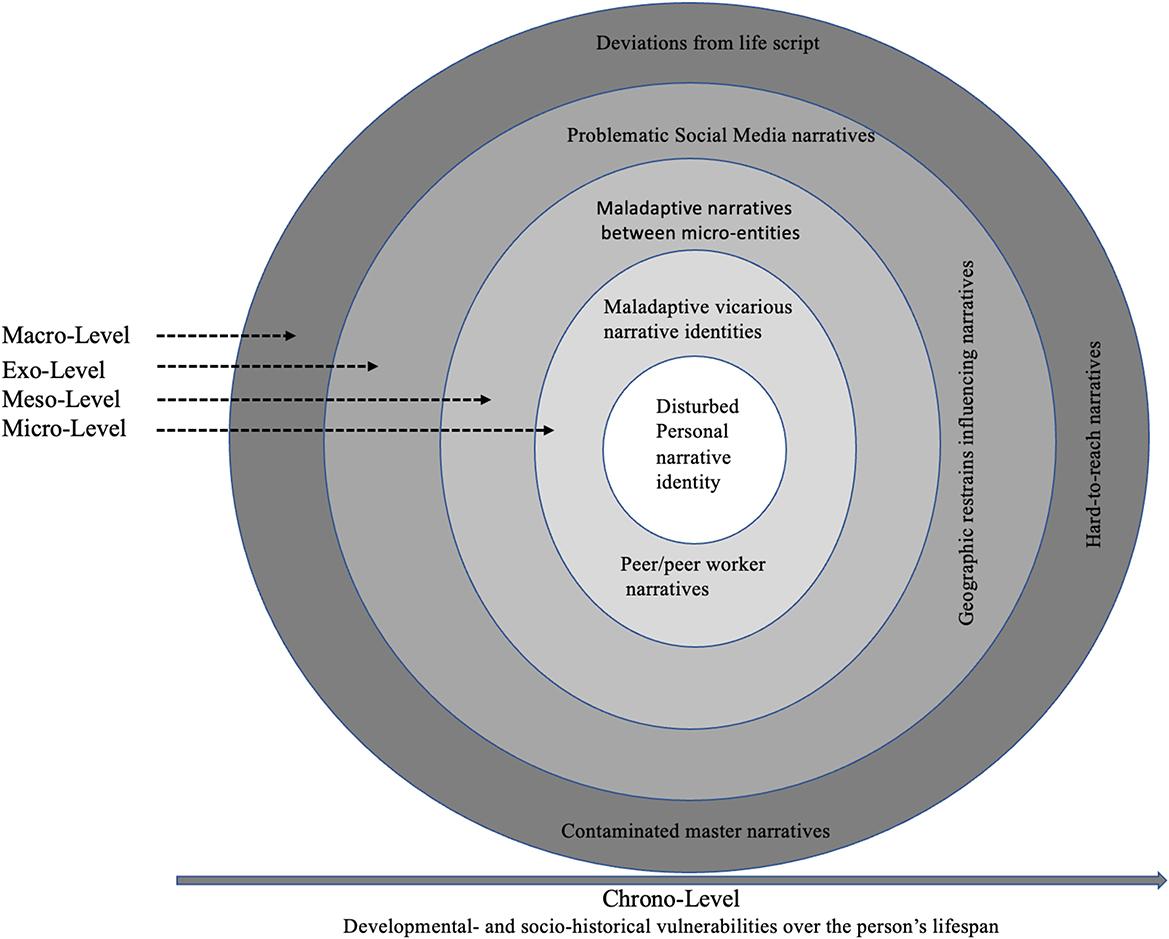
The Concept of Narrative Identity
Narrative identity operates as a dynamic framework where men construct coherence in their lives by integrating personal experiences with cultural expectations. A critical yet underexplored mechanism within this process is the role of self-event connections. These connections allow individuals to reinterpret past events, aligning them with their evolving sense of self. For men, this often involves reconciling moments of perceived failure or vulnerability with societal ideals of strength and resilience.
Research by McAdams and McLean (2013) highlights how these connections are not merely reflective but transformative. For instance, a man who once viewed a career setback as a personal inadequacy might, through narrative reframing, see it as a pivotal moment of growth. This reframing is particularly potent in contexts where traditional masculine scripts—such as the "provider" role—are challenged by modern realities.
"Narrative identity is not a static story but a living dialogue between the self and society."
— Dr. Dan P. McAdams, Professor of Psychology
However, the process is not without limitations. Cultural scripts often impose rigid boundaries, making it difficult for men to fully embrace alternative narratives. This underscores the need for therapeutic and societal interventions that encourage flexibility in identity construction, fostering resilience through authentic self-expression.
Cultural Contexts of Masculinity
Cultural contexts shape masculinity by embedding it within a web of societal norms, rituals, and expectations that vary across regions and communities. One particularly intricate mechanism is the interplay between cultural scripts and individual agency. These scripts act as preordained narratives, prescribing behaviors and values that men are expected to embody. For instance, in collectivist societies, masculinity often emphasizes familial duty and communal harmony, while individualistic cultures may prioritize personal achievement and independence.
The effectiveness of these scripts, however, is contingent on their alignment with lived realities. A study by Michael S. Kimmel highlights how deviations from these norms—such as men in traditionally patriarchal societies pursuing caregiving roles—can provoke social backlash, reinforcing the rigidity of these constructs. Yet, this rigidity is not absolute. Emerging research demonstrates that men who actively reinterpret these scripts through self-event connections—linking personal experiences to broader cultural narratives—can foster resilience and authenticity.
"Masculinity is not a monolith; it is a mosaic shaped by cultural, historical, and personal forces."
— Dr. Tim Edwards, Sociologist
This nuanced understanding underscores the need for culturally sensitive interventions. By integrating localized narratives into therapeutic practices, practitioners can help men navigate the tension between societal expectations and personal identity, enabling transformative self-expression.
Developmental Aspects of Male Identity
The developmental trajectory of male identity is profoundly shaped by the interplay between cultural expectations and individual experiences. Research by Habermas and Bluck (2000) demonstrates that the ability to construct coherent life narratives emerges during adolescence, a period marked by heightened sensitivity to societal norms. For boys, this often coincides with the internalization of rigid masculine ideals, such as emotional stoicism and dominance, which can constrain their narrative flexibility. A 2016 study found that 78% of adolescent males reported feeling pressure to conform to traditional gender roles, underscoring the pervasive influence of these cultural scripts.
One critical yet underappreciated mechanism in this process is autobiographical reasoning, where individuals derive meaning from past events to shape their identity. For instance, a young man who experiences failure in a competitive setting may initially view it as a personal shortcoming. However, through narrative reframing, he might reinterpret this event as a catalyst for growth, aligning with broader cultural ideals of resilience and perseverance.
Counterintuitively, deviations from traditional masculine scripts can foster identity development. A longitudinal study by Simpson (2005) revealed that men who pursued non-traditional roles, such as caregiving, reported higher levels of life satisfaction and narrative coherence. This suggests that breaking from prescribed norms can enrich identity construction, offering a pathway to authenticity.
The implications are profound: fostering environments that encourage narrative flexibility and challenge rigid gender norms can empower men to construct identities that are both resilient and authentic. This developmental perspective not only deepens our understanding of male identity but also highlights the transformative potential of narrative reframing.
Autobiographical Reasoning in Adolescence
Autobiographical reasoning in adolescence serves as a pivotal mechanism for identity formation, particularly for young men navigating the complexities of societal expectations. This process involves creating self-event connections—linking personal experiences to evolving self-concepts. For adolescent boys, these connections often hinge on reconciling moments of perceived failure with cultural ideals of resilience and strength.
A critical challenge lies in the tendency of boys to suppress emotional reflection, a behavior reinforced by traditional masculine norms. This avoidance can hinder the development of coherent narratives, as they may fail to integrate negative experiences into a broader framework of growth. Research by Pasupathi and Weeks (2010) highlights that self-event connections become more nuanced with age, but their effectiveness depends on the willingness to engage in reflective insight. For instance, a boy who views a public failure as a permanent flaw may struggle to reframe it as a stepping stone toward personal development.
Comparatively, interventions that encourage narrative reframing—such as guided journaling or therapeutic storytelling—have shown promise. These techniques help adolescents articulate emotions and reinterpret events, fostering a sense of agency. However, cultural context significantly influences outcomes; in collectivist societies, the emphasis on communal values may shape narratives differently than in individualistic cultures.
"Autobiographical reasoning transforms isolated events into meaningful chapters of identity."
— Dr. Kate McLean, Narrative Identity Researcher
By fostering environments that prioritize emotional expression and narrative flexibility, practitioners can empower young men to construct identities that balance vulnerability with resilience.
Gender-Specific Meaning-Making Processes
One critical yet underexplored aspect of gender-specific meaning-making is the role of emotional suppression in shaping male narratives. This phenomenon often begins in early childhood, where boys are subtly conditioned to equate emotional expression with weakness. Over time, this conditioning creates a fragmented narrative identity, as key emotional experiences are excluded from their self-concept. The result is a disjointed sense of self, where resilience is overemphasized at the expense of vulnerability.
A detailed analysis reveals that this suppression operates through two primary mechanisms: cultural reinforcement and peer validation. Cultural norms, such as the valorization of stoicism, discourage boys from engaging in reflective practices that integrate emotional events into their identity. Simultaneously, peer dynamics often reward conformity to these norms, further entrenching emotional avoidance. For instance, a study by Reigeluth and Addis (2016) demonstrated that boys who deviated from traditional masculine behaviors faced heightened social disapproval, reinforcing their reluctance to explore emotional depth.
However, interventions like narrative therapy have shown promise in counteracting these effects. By encouraging men to revisit suppressed memories and reinterpret them through a lens of growth, practitioners can help reconstruct a cohesive identity. This approach not only fosters emotional resilience but also challenges the rigid scripts that constrain male meaning-making.
"True strength lies in the courage to confront vulnerability."
— Dr. Michael Addis, Clinical Psychologist
This nuanced understanding underscores the importance of creating spaces where men can safely explore and integrate their emotional histories, paving the way for more authentic and balanced narratives.
Narrative Coherence and Psychological Well-Being
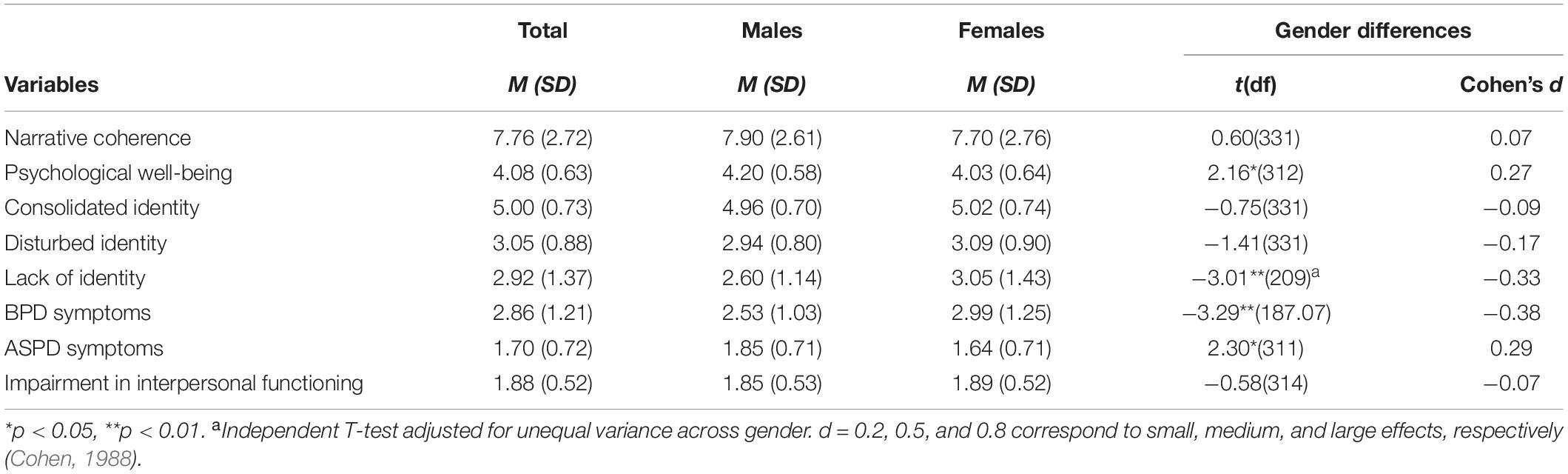
The ability to construct coherent narratives is not merely a cognitive exercise; it is a profound determinant of psychological well-being. Research by Baerger and McAdams (1999) revealed that individuals who narrate their life stories with high coherence report 23% lower levels of depression and 18% higher life satisfaction compared to those with fragmented narratives. This underscores the transformative power of narrative coherence in fostering emotional stability and a sense of purpose.
At its core, narrative coherence integrates three dimensions: chronology, context, and theme. These elements work in tandem to create a structured account of personal experiences, enabling individuals to derive meaning from adversity. For example, a man who reframes a job loss as a catalyst for personal growth aligns his narrative with cultural ideals of resilience, thereby mitigating feelings of failure.
Counterintuitively, incoherent narratives focused on identity can exacerbate psychological distress. A 2015 study found that such narratives were linked to a 35% increase in internalizing symptoms among emerging adults. This highlights the necessity of therapeutic interventions, such as narrative therapy, which guide individuals in reconstructing fragmented stories into cohesive, empowering frameworks.
The implications are clear: fostering narrative coherence is not just a therapeutic goal but a pathway to enduring psychological resilience.
The Role of Narrative Agency
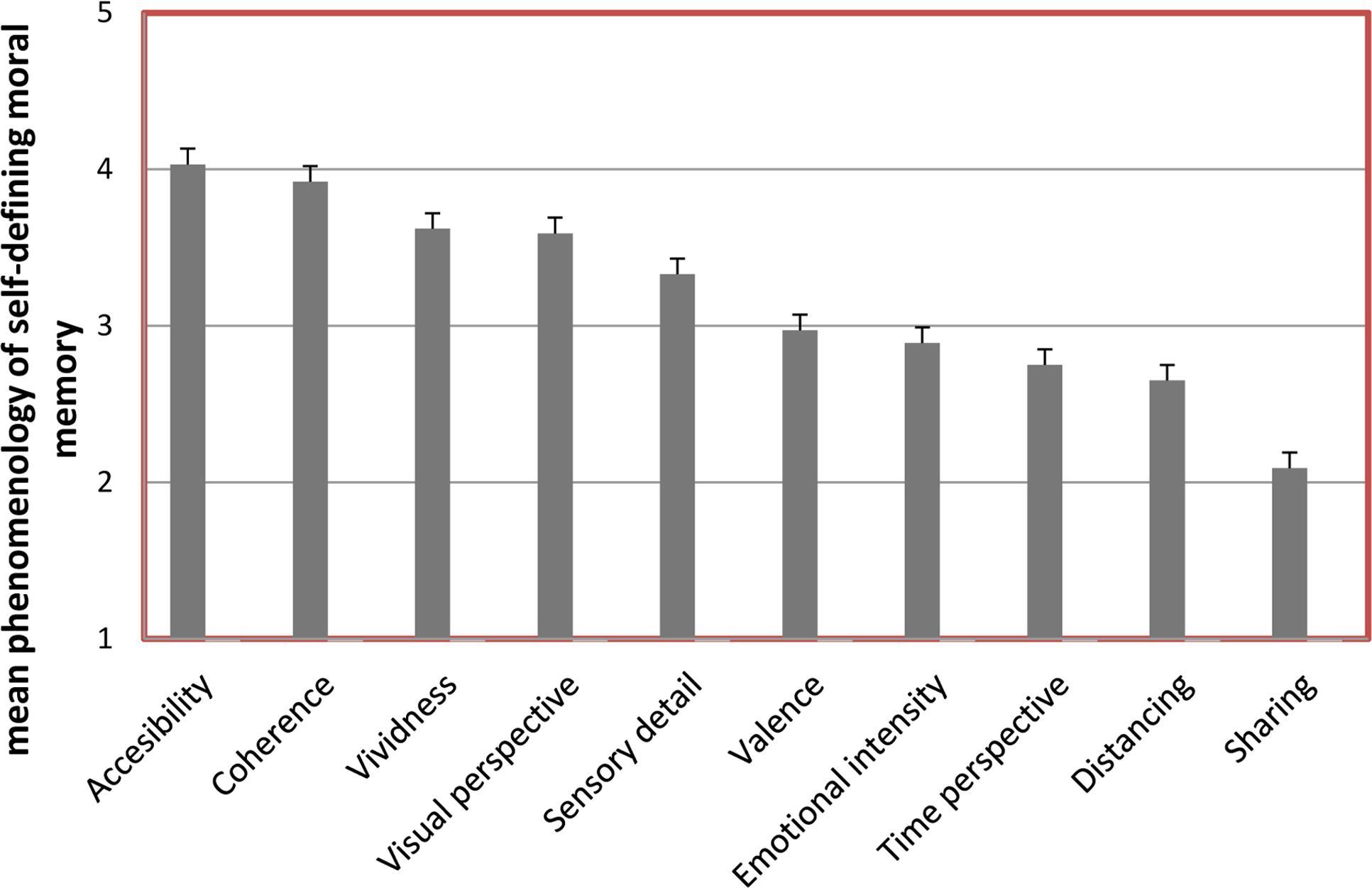
Narrative agency, the capacity to actively shape one’s life story, operates as a transformative mechanism in psychological well-being. At its core, it empowers individuals to reinterpret past events, not as immutable failures but as pivotal moments of growth. This process is particularly impactful for men, whose narratives often grapple with societal expectations of stoicism and dominance. By reclaiming agency, they can construct stories that integrate vulnerability as a source of strength.
A critical technique in fostering narrative agency is guided self-authorship, where individuals are encouraged to reframe their experiences through structured reflection. For instance, a longitudinal study by Adler (2012) demonstrated that participants who increased agency in their narratives during therapy sessions reported significant mental health improvements. This suggests that agency is not merely a byproduct of recovery but a precursor to it, reshaping the trajectory of personal growth.
However, the effectiveness of narrative agency is context-dependent. In collectivist cultures, where communal values dominate, the emphasis on individual agency may clash with societal norms, requiring culturally adaptive approaches. Additionally, the process is not without challenges; individuals may resist revisiting painful memories, underscoring the need for sensitive facilitation.
"Agency transforms passive recollection into active reconstruction, enabling individuals to live into their stories with purpose."
— Dr. Jonathan Adler, Psychologist
By embedding narrative agency into therapeutic practices, practitioners can unlock pathways to resilience, fostering identities that are both coherent and empowering.
Therapeutic Approaches to Narrative Reconstruction
One transformative technique in narrative reconstruction is externalizing the problem, a cornerstone of narrative therapy that separates an individual’s identity from their challenges. This approach is particularly effective for men, who often internalize societal expectations of stoicism, leading to fragmented self-concepts. By externalizing, the problem becomes an entity to be examined and addressed, rather than a personal failing.
The process involves guiding clients to personify their struggles—such as naming anxiety or self-doubt—and exploring its influence on their lives. This reframing fosters a sense of control and reduces self-blame. For example, a man grappling with career setbacks might reframe his experience by viewing "Failure" as an external force that shaped his resilience, rather than a reflection of his worth. This aligns with research emphasizing the role of narrative coherence in psychological well-being, where integrating adversity into a meaningful story enhances emotional resilience.
However, the success of this method hinges on cultural sensitivity. In collectivist societies, externalizing may need to incorporate communal narratives, emphasizing shared struggles and collective growth. Additionally, practitioners must navigate resistance, as some clients may initially struggle to detach their identity from deeply ingrained issues.
"Narrative reconstruction transforms the way individuals relate to their challenges, fostering empowerment and clarity."
— Dr. Michael White, Co-founder of Narrative Therapy
By leveraging externalization, therapists enable men to reclaim agency, crafting narratives that balance vulnerability with strength.
FAQ
What is male narrative identity and how does it shape personal development?
Male narrative identity refers to the dynamic process through which men construct their sense of self by integrating personal experiences with societal expectations of masculinity. This identity is shaped by cultural scripts, such as the roles of provider or protector, and evolves through self-event connections that reinterpret past experiences. By aligning these narratives with ideals of resilience and growth, men can navigate challenges while fostering personal development. This framework not only influences emotional well-being but also impacts decision-making, relationships, and life satisfaction, highlighting the interplay between individual agency and cultural norms in shaping male identity.
How do societal expectations influence the construction of male narrative identity?
Societal expectations shape male narrative identity by embedding cultural norms and gender roles into personal storytelling. These expectations often emphasize traits like toughness, self-reliance, and achievement, steering men to align their identities with traditional masculinity ideals. Socialization processes, such as familial influence and peer validation, reinforce these norms, creating a framework for how men perceive success and failure. Deviation from these roles can lead to social penalties, further solidifying adherence to prescribed scripts. By internalizing these societal constructs, men navigate their identities within a cultural context, balancing personal agency with the pressures of conforming to collective ideals.
What role does autobiographical reasoning play in male identity formation?
Autobiographical reasoning is pivotal in male identity formation as it enables men to create self-event connections, linking personal experiences to their evolving sense of self. This process involves interpreting past events, such as successes or failures, to derive meaning and align them with cultural ideals of masculinity. By establishing causal links between experiences and personal growth, men can reframe challenges as opportunities for resilience. This reasoning fosters narrative coherence, helping men integrate vulnerability and strength into their identity. As a dynamic mechanism, it bridges individual agency with societal expectations, shaping a more authentic and adaptive male narrative identity.
How can narrative therapy help men redefine their sense of masculinity?
Narrative therapy helps men redefine their sense of masculinity by deconstructing dominant cultural narratives that enforce rigid gender roles. Through techniques like externalizing problems and reauthoring personal stories, men can challenge oppressive scripts and explore alternative, empowering identities. This therapeutic approach fosters self-awareness, enabling men to integrate vulnerability and emotional depth into their narratives without compromising resilience. By aligning personal experiences with values-based frameworks, narrative therapy promotes authenticity and psychological well-being. It also provides a collaborative space for men to reconstruct their identities, balancing societal expectations with individual agency to create a more nuanced understanding of masculinity.
What are the psychological benefits of achieving coherence in male narrative identity?
Achieving coherence in male narrative identity offers significant psychological benefits, including enhanced emotional regulation, reduced internalizing symptoms, and improved mental health. Coherent narratives allow men to integrate life events into a structured framework, fostering a sense of control and purpose. This alignment between personal experiences and cultural ideals of resilience mitigates feelings of failure and promotes self-acceptance. Additionally, coherence strengthens identity functioning, enabling men to navigate societal expectations with greater authenticity. By constructing meaningful, organized life stories, men experience heightened well-being, deeper social connections, and a more stable sense of self, reinforcing their overall psychological resilience.