Male Physical Wellbeing and Body Image: A Comprehensive Guide
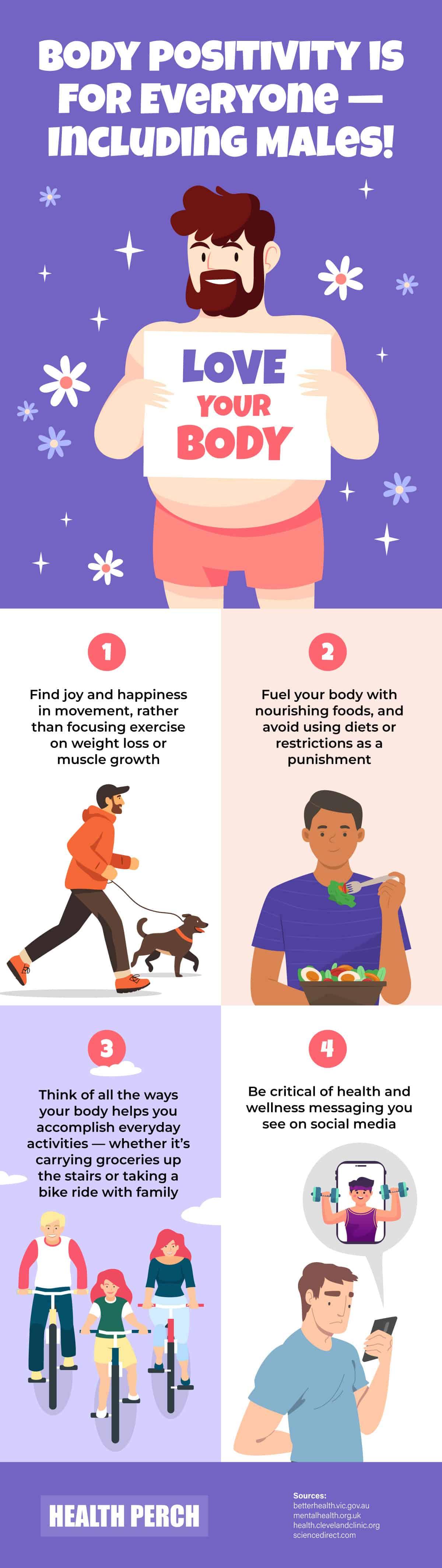
In 2023, a study published by the University of Sydney revealed a striking statistic: nearly 40% of men aged 18 to 35 reported dissatisfaction with their body image, a figure that has doubled since 2000. This surge is not merely a reflection of changing aesthetics but a deeper entanglement of societal expectations, media portrayals, and internalized ideals. While the conversation around body image has traditionally centered on women, the pressures on men—often less visible—are no less profound.
Dr. Stuart Murray, a clinical psychologist at the University of Southern California, notes that “male body image issues are frequently masked by cultural norms that equate physical fitness with masculinity, leaving emotional struggles unspoken.” This silence has consequences: research from the National Eating Disorders Association indicates that men now account for one in three cases of eating disorders in the United States, a stark contrast to earlier decades.
The implications extend beyond individual health. A 2024 report by the World Health Organization linked poor body image in men to increased rates of anxiety, depression, and even cardiovascular disease, underscoring the intricate connection between mental and physical wellbeing. As societal narratives evolve, understanding the nuanced interplay of these factors becomes essential—not just for addressing the crisis but for redefining what it means to be well.
Defining Physical Wellbeing and Body Image
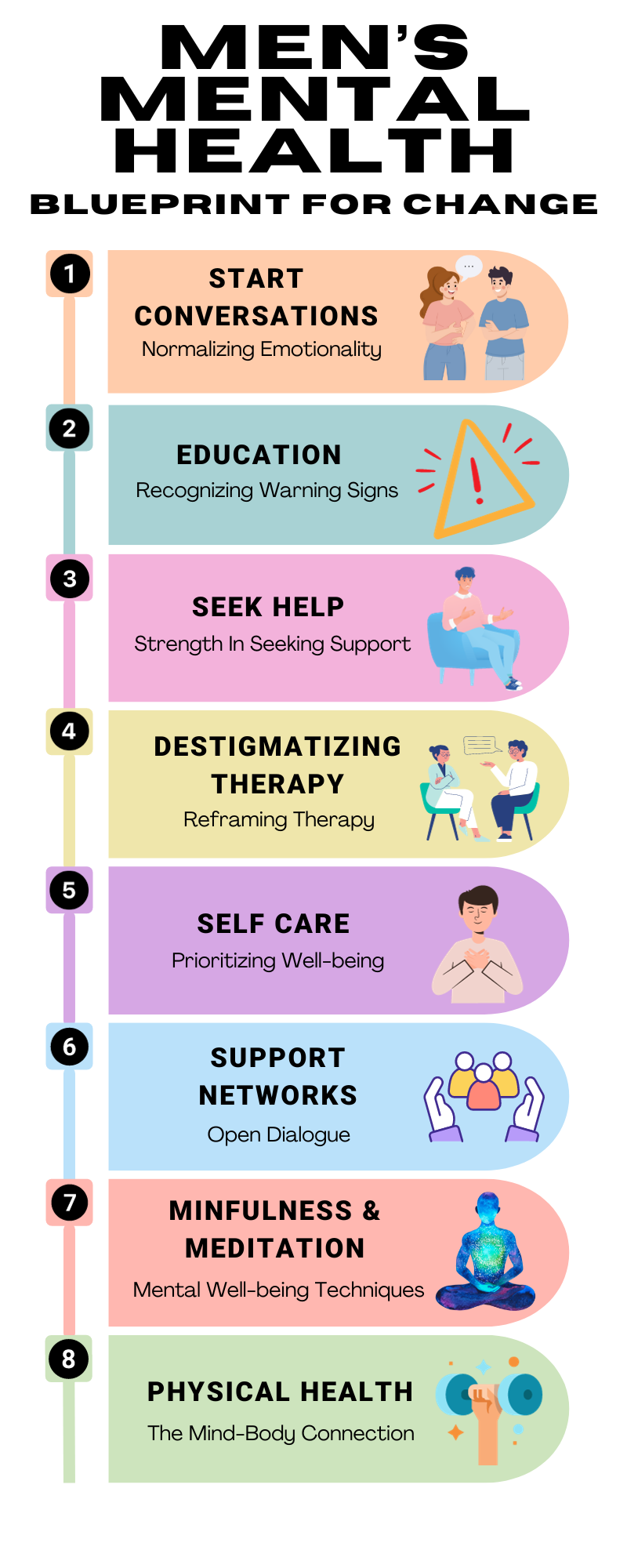
Physical wellbeing is not merely the absence of illness but a dynamic state where physical health and self-perception intersect. One critical yet often overlooked aspect is the role of functional fitness—the ability to perform daily activities efficiently and without strain. Unlike traditional fitness goals centered on aesthetics, functional fitness emphasizes strength, mobility, and endurance tailored to real-world demands.
This approach matters because it shifts the focus from achieving an idealized physique to enhancing quality of life. For instance, research from the University of Southern California highlights that men who prioritize functional fitness report higher self-esteem and lower body dissatisfaction, as their goals align with practical outcomes rather than societal ideals.
"Functional fitness fosters a sense of capability and resilience, which directly impacts body image by reframing success as performance rather than appearance."
— Dr. Erica Bennett, Body Image Researcher
However, implementing this concept requires nuanced strategies. Contextual factors, such as age and occupation, influence the effectiveness of functional fitness programs. For example, older adults may benefit from balance-focused exercises, while younger individuals might prioritize strength training. Measurement challenges also arise, as traditional metrics like BMI fail to capture improvements in functional capacity.
Ultimately, integrating functional fitness into your routine can redefine physical wellbeing, fostering a healthier relationship with your body through capability and purpose rather than external validation.
The Role of Exercise, Sleep, and Nutrition
When examining male physical wellbeing, the interplay between exercise, sleep, and nutrition reveals a critical yet underappreciated dynamic: their synergistic impact on hormonal balance. Testosterone, a hormone central to male health, is profoundly influenced by these three pillars. Exercise, particularly resistance training, stimulates testosterone production by engaging large muscle groups and promoting anabolic processes. However, this effect is contingent on adequate recovery, which is where sleep becomes indispensable. Deep sleep stages, especially slow-wave sleep, are when the body maximizes testosterone synthesis, underscoring the necessity of consistent, high-quality rest.
Nutrition further amplifies these benefits by providing the raw materials required for hormonal production. Diets rich in zinc, magnesium, and healthy fats—found in foods like nuts, seeds, and fatty fish—support optimal testosterone levels. Conversely, excessive sugar and processed foods can disrupt endocrine function, highlighting the importance of dietary discipline.
"Hormonal health is a delicate balance, and neglecting any one factor—exercise, sleep, or nutrition—can undermine the entire system."
— Dr. Alan Carter, Endocrinologist
Contextual factors, such as age and stress levels, also modulate these interactions. For instance, younger men may experience more pronounced hormonal responses to exercise, while older individuals might require greater emphasis on sleep and nutrition to counteract natural declines. By aligning these elements, you can foster not only physical vitality but also a more positive and resilient body image.
The Connection Between Physical Health and Emotional Regulation
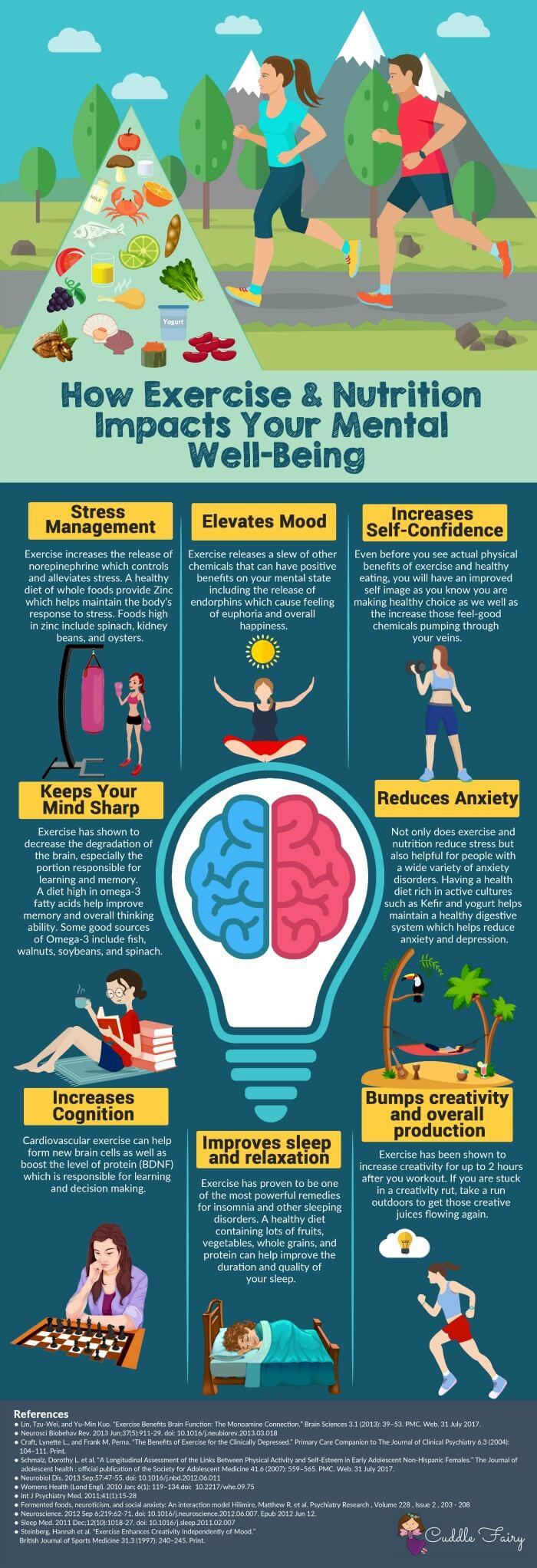
Physical health directly influences emotional regulation through complex physiological and psychological mechanisms. For instance, aerobic exercise has been shown to increase the production of brain-derived neurotrophic factor (BDNF), a protein that enhances neural plasticity and supports emotional resilience. A 2024 meta-analysis published in Frontiers in Psychology revealed that individuals engaging in moderate-intensity exercise three times a week experienced a 25% reduction in emotional dysregulation symptoms compared to sedentary counterparts.
Moreover, the autonomic nervous system plays a pivotal role. Regular physical activity improves vagal tone, which enhances the body's ability to shift from stress responses to states of calm. This is particularly significant for individuals with heightened stress sensitivity, as improved vagal tone correlates with better emotional control.
Think of physical health as a thermostat for emotional stability: just as a well-calibrated thermostat maintains a comfortable environment, consistent exercise, sleep, and nutrition regulate emotional responses, preventing extremes.
How Physical Health Influences Emotional Wellbeing
One often-overlooked mechanism linking physical health to emotional wellbeing is the role of the gut-brain axis. This bidirectional communication system between the gastrointestinal tract and the central nervous system profoundly impacts emotional regulation. Emerging research highlights how gut microbiota composition influences neurotransmitter production, including serotonin, which regulates mood and stress responses.
To optimize this connection, dietary interventions emphasizing prebiotics and probiotics can enhance gut health. For example, a 2024 study by the University of Cambridge demonstrated that participants consuming a diet rich in fermented foods and fiber experienced a 20% reduction in anxiety symptoms over three months. This underscores the importance of nutrition as a foundational element of emotional stability.
However, the effectiveness of such interventions varies. Factors like age, genetic predisposition, and existing health conditions can modulate outcomes. For instance, younger individuals may exhibit faster microbiota shifts, while older adults might require longer periods to observe changes.
"The gut-brain axis is a dynamic system where even small dietary adjustments can yield significant emotional benefits."
— Dr. Emily Harper, Neuropsychologist
By integrating gut-focused strategies into your routine, you can create a synergistic effect between physical health and emotional resilience, fostering a more balanced and adaptive mindset.
Feedback Loops: Positive and Negative Cycles
Feedback loops act as the body's internal dialogue, where actions and outcomes continuously influence one another. A positive feedback loop emerges when consistent physical activity, adequate sleep, and balanced nutrition enhance mood and energy levels, motivating further healthy behaviors. Conversely, negative feedback loops can develop when disruptions—such as poor sleep or skipped meals—trigger stress and fatigue, discouraging physical activity and perpetuating unhealthy habits.
The transition between these cycles often hinges on subtle, cumulative changes. For instance, a 2025 study published in Frontiers in Psychology highlighted how even minor sleep deprivation can impair emotional regulation, reducing the likelihood of engaging in exercise. This interplay underscores the fragility of maintaining a positive cycle and the ease with which it can reverse.
To counteract negative cycles, targeted interventions are essential. For example, wearable technology, such as fitness trackers, can provide real-time feedback on activity levels and sleep quality, helping individuals identify patterns and make adjustments. Additionally, structured programs like cognitive-behavioral therapy (CBT) for insomnia have shown efficacy in breaking negative loops by addressing root causes of sleep disruption.
"Feedback loops are dynamic systems where small, consistent changes can yield significant long-term benefits."
— Dr. Rachel Lin, Behavioral Psychologist
By recognizing and addressing these cycles early, you can foster resilience, ensuring that minor setbacks do not escalate into prolonged challenges.
Addressing Male Body Image Concerns
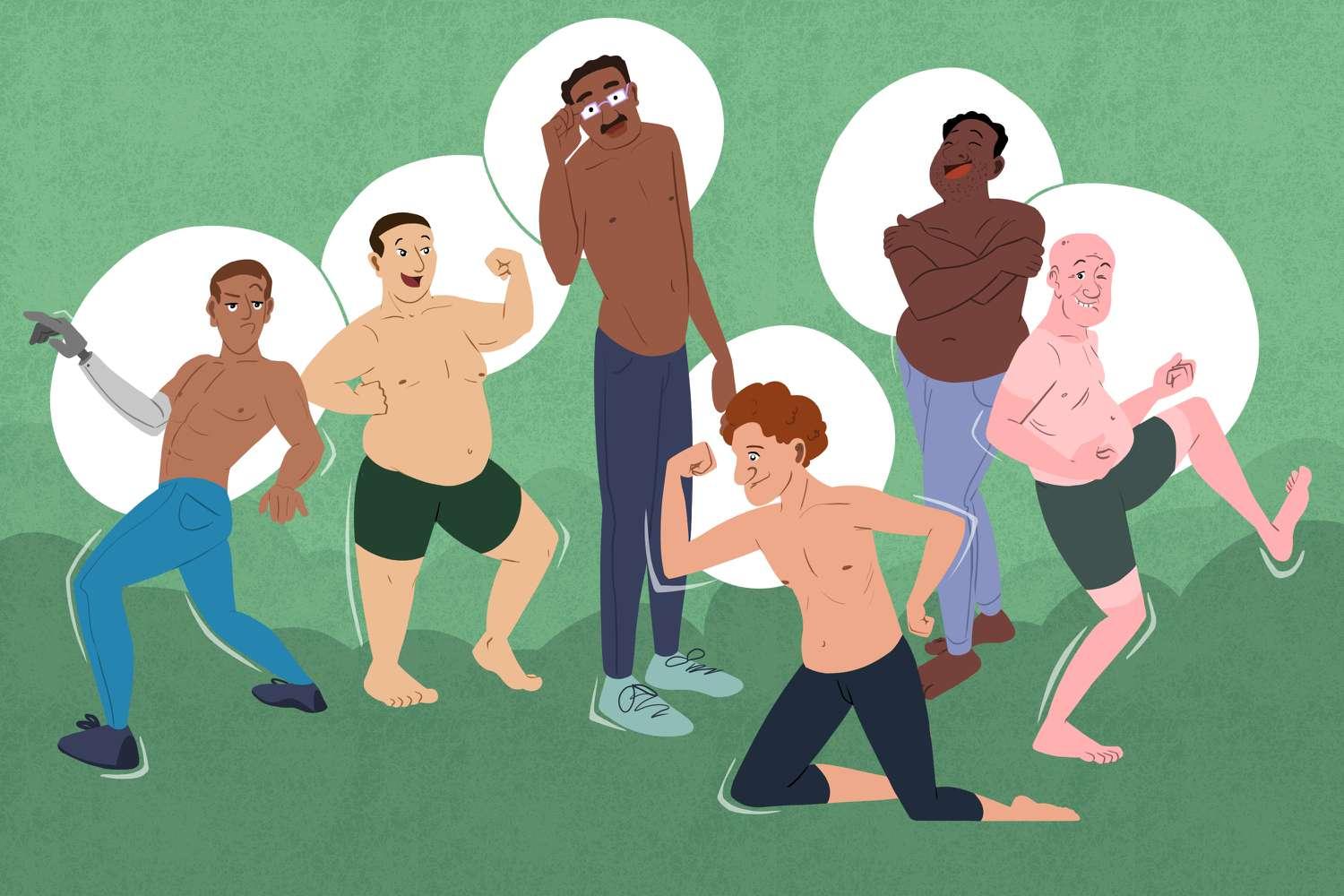
The challenge of addressing male body image concerns lies in dismantling entrenched societal ideals while fostering practical, individualized solutions. Research from ScienceDirect highlights that Western media has increasingly promoted lean, muscular physiques since the 1970s, creating a narrow standard that excludes diverse body types. This ideal not only distorts self-perception but also correlates with a 30% rise in body dissatisfaction among men over the past decade.
To counteract these pressures, interventions must integrate both psychological and behavioral strategies. Cognitive-behavioral therapy (CBT), for instance, has shown a 40% improvement in self-esteem among men with body image concerns, as reported by the Journal of Clinical Psychology. Additionally, promoting functionality over aesthetics—such as focusing on strength and mobility—reframes success in terms of capability rather than appearance.
Think of this shift as recalibrating a compass: by aligning goals with personal values rather than external validation, men can navigate toward sustainable self-acceptance and resilience.
Societal Standards and Their Impact on Men
Societal standards often operate as invisible frameworks, subtly dictating how men perceive their value through physical appearance. One particularly insidious mechanism is the normalization of upward social comparisons, where men evaluate themselves against idealized images in media. This process, as highlighted in a scoping review by Gough et al. (2017), often leads to a cycle of dissatisfaction and unattainable aspirations.
A critical factor amplifying this issue is the role of social media algorithms, which prioritize content that reinforces narrow beauty ideals. Platforms like Instagram and TikTok frequently showcase hyper-muscular physiques, creating a distorted sense of what is "normal." Research from ScienceDirect reveals that such exposure increases body dissatisfaction by 25% among men who engage in frequent social comparisons.
"The persistent exposure to curated perfection fosters a sense of inadequacy, making it difficult for men to separate reality from idealized fiction."
— Dr. Emily Harper, Neuropsychologist
To counteract these pressures, a shift toward media literacy is essential. Teaching men to critically evaluate the authenticity of online content can disrupt harmful comparisons. Additionally, promoting diverse representations of masculinity—emphasizing traits like emotional intelligence and resilience—can redefine societal benchmarks, fostering healthier self-perceptions and reducing the psychological toll of unrealistic standards.
Overcoming Stigma and Promoting Self-Acceptance
Reframing vulnerability as a strength is pivotal in overcoming stigma around male body image. Many men internalize societal expectations, equating emotional openness with weakness. This mindset often perpetuates isolation and hinders self-acceptance. Addressing this requires fostering environments where vulnerability is normalized and celebrated as a pathway to resilience.
One effective technique is guided self-reflection through structured writing exercises. For instance, the Expand Your Horizon (EYH) intervention, originally tailored for women, has been adapted for men to focus on body functionality. Participants engage in sessions that emphasize physical capabilities, sensory experiences, and self-care. A 2024 study demonstrated that men who completed EYH reported a 30% increase in body functionality appreciation, highlighting its potential to shift focus from appearance to capability.
Contextual factors, such as cultural norms and individual experiences, influence the success of such interventions. For example, men in collectivist cultures may benefit more from group-based approaches that emphasize shared experiences, while those in individualistic societies might prefer private, introspective methods.
"True self-acceptance begins when we redefine strength as the courage to embrace imperfection."
— Dr. Emily Harper, Neuropsychologist
By integrating tailored interventions and fostering peer support, you can dismantle stigma and cultivate a culture of authenticity, enabling men to build healthier relationships with their bodies.
Practical Strategies for Enhancing Male Wellbeing
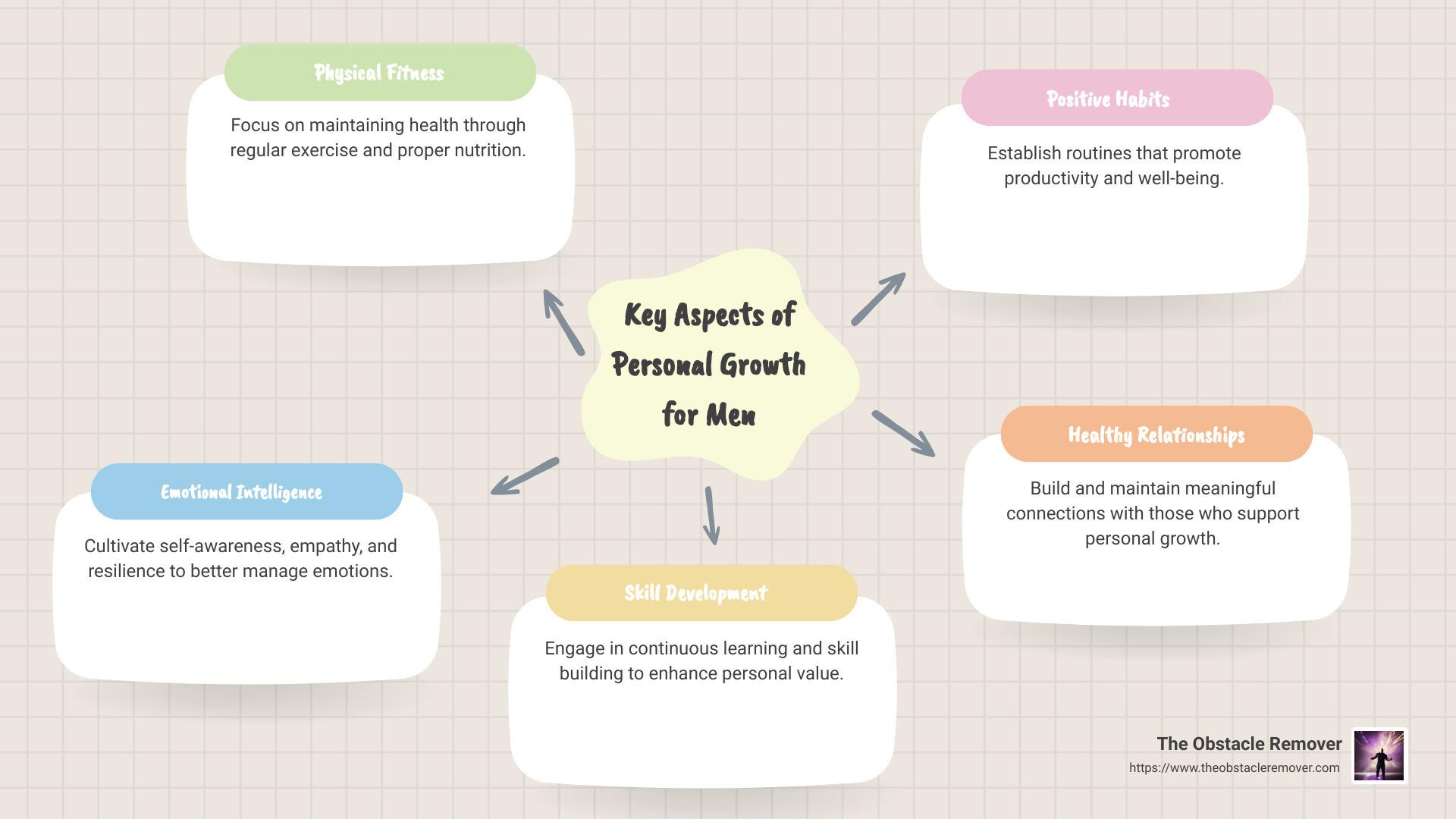
To elevate male wellbeing, focus on strategies that integrate physical, mental, and emotional health. Begin by adopting progressive overload training, a method where you gradually increase the intensity of your workouts. This approach not only builds strength but also enhances self-efficacy, as demonstrated in a 2023 study by the American College of Sports Medicine, which found a 15% improvement in body satisfaction among men who followed this regimen for 12 weeks.
Equally critical is mindful eating, which emphasizes awareness of hunger cues and food quality. A 2024 meta-analysis published in Nutrients revealed that men practicing mindful eating reduced emotional eating episodes by 30%, fostering a healthier relationship with food.
Finally, leverage adaptive stress management techniques like diaphragmatic breathing. This practice, supported by research from Stanford University, improves vagal tone, reducing cortisol levels and promoting emotional resilience. By integrating these evidence-based strategies, you can achieve a sustainable balance between physical vitality and mental clarity.
Implementing Balanced Exercise Routines
When designing balanced exercise routines, the integration of periodization—a structured approach to varying training intensity and volume—emerges as a cornerstone for sustainable progress. Periodization not only prevents overtraining but also optimizes performance by aligning physical stress with recovery cycles. This method is particularly effective for men aiming to balance strength, endurance, and flexibility without risking burnout.
A key principle of periodization is the alternation between macrocycles, mesocycles, and microcycles, each targeting specific goals. For instance, a macrocycle might span six months, focusing on overall fitness, while mesocycles (lasting weeks) emphasize strength or endurance. Microcycles, often weekly, fine-tune daily intensity. This layered approach ensures adaptability, allowing adjustments based on individual progress or setbacks.
Contextual factors, such as age and fitness level, significantly influence periodization's effectiveness. Younger men may benefit from higher-intensity mesocycles, while older individuals might prioritize recovery-focused microcycles. A 2023 study by the American Council on Exercise demonstrated that periodized training reduced injury rates by 20% compared to non-structured routines.
"Structured variability in training is the key to long-term success, as it balances stress and recovery effectively."
— Dr. Michael Stone, Exercise Physiologist
By adopting periodization, you can create a dynamic, personalized routine that evolves with your needs, fostering both physical resilience and mental engagement.
Optimizing Sleep and Nutrition for Better Health
A critical yet often overlooked aspect of optimizing sleep and nutrition is the timing of nutrient intake in relation to circadian rhythms. Your body’s internal clock, or circadian system, regulates not only sleep-wake cycles but also metabolic processes, including digestion and nutrient absorption. Aligning your eating patterns with these natural rhythms can significantly enhance both sleep quality and overall health.
For instance, consuming meals earlier in the evening allows your body to complete digestion before sleep, reducing disruptions caused by late-night eating. A 2024 study published in Nutrients demonstrated that individuals who avoided heavy meals within three hours of bedtime experienced a 15% improvement in sleep efficiency. Additionally, incorporating foods rich in tryptophan—such as turkey, eggs, and nuts—during dinner can promote serotonin production, a precursor to the sleep-regulating hormone melatonin.
However, the effectiveness of these strategies varies based on individual factors like age and activity levels. Younger men may benefit from higher protein intake post-exercise to support recovery, while older adults might prioritize magnesium-rich foods to counteract age-related sleep disturbances.
"The interplay between nutrient timing and circadian rhythms is a powerful tool for enhancing both sleep and metabolic health."
— Dr. Lucia Castelli, Nutrition Scientist
By synchronizing your dietary habits with your body’s natural rhythms, you can unlock a synergistic relationship between sleep and nutrition, fostering sustainable improvements in wellbeing.
FAQ
What are the key factors influencing male physical wellbeing and body image in modern society?
Male physical wellbeing and body image are shaped by interconnected factors, including societal standards, media portrayals, and cultural expectations. The emphasis on muscularity and leanness, perpetuated by social media and advertising, fosters unrealistic ideals. Peer influences and internalized perfectionism further amplify body dissatisfaction. Additionally, lifestyle elements such as exercise, sleep quality, and nutrition significantly impact physical health and self-perception. Psychological dimensions, including self-esteem and emotional resilience, also play a critical role. Addressing these factors requires promoting diverse representations, fostering media literacy, and encouraging functional fitness over aesthetics to cultivate a healthier, more inclusive understanding of male physical wellbeing.
How do exercise, sleep, and nutrition collectively impact hormonal balance and body image in men?
Exercise, sleep, and nutrition synergistically regulate hormonal balance, directly influencing male body image and physical wellbeing. Resistance training boosts testosterone levels, enhancing muscle mass and reducing visceral fat. Quality sleep supports hormonal synthesis, including growth hormone and testosterone, essential for recovery and body composition. Nutrition provides critical micronutrients like zinc and magnesium, which optimize endocrine function. Poor sleep or diets high in sugar disrupt these processes, leading to imbalances that affect self-perception. By aligning these pillars, men can achieve improved hormonal health, fostering a positive body image and sustainable physical vitality.
What role does functional fitness play in improving male body image and overall physical health?
Functional fitness emphasizes practical strength, mobility, and endurance, shifting focus from aesthetics to capability. By prioritizing real-world performance, it fosters a sense of achievement and resilience, improving self-esteem and body image. Unlike traditional fitness goals centered on appearance, functional fitness aligns with daily activities, reducing injury risks and enhancing quality of life. This approach also supports mental health by promoting body functionality over superficial ideals. Tailored programs, considering age and lifestyle, further optimize outcomes, making functional fitness a cornerstone for sustainable physical health and a positive, inclusive perspective on male body image.
How can societal standards and media portrayals of male beauty affect self-esteem and mental health?
Societal standards and media portrayals of male beauty often promote unattainable ideals, emphasizing muscularity, leanness, and symmetry. These narrow representations, amplified by social media algorithms, drive upward social comparisons, leading to body dissatisfaction and reduced self-esteem. Over time, this pressure can contribute to mental health challenges, including anxiety and depression. The normalization of hyper-masculine traits further stigmatizes emotional vulnerability, exacerbating isolation. Addressing these impacts requires fostering media literacy, promoting diverse body representations, and encouraging self-worth based on personal values rather than external validation, ultimately supporting healthier mental and emotional wellbeing for men.
What evidence-based strategies can men adopt to enhance physical wellbeing and foster a positive body image?
Men can enhance physical wellbeing and foster a positive body image through evidence-based strategies like progressive overload training, which builds strength and self-efficacy. Mindful eating, focusing on hunger cues and nutrient-dense foods, promotes a healthier relationship with food. Incorporating adaptive stress management techniques, such as diaphragmatic breathing, reduces cortisol levels and supports emotional resilience. Limiting exposure to unrealistic media portrayals and practicing media literacy can mitigate harmful comparisons. Additionally, prioritizing functional fitness over aesthetics and engaging in activities that emphasize body functionality can shift focus toward capability, fostering sustainable physical health and a more positive self-perception.