Male Relationships and Social Health: Navigating Friendships, Intimacy, and Fatherhood
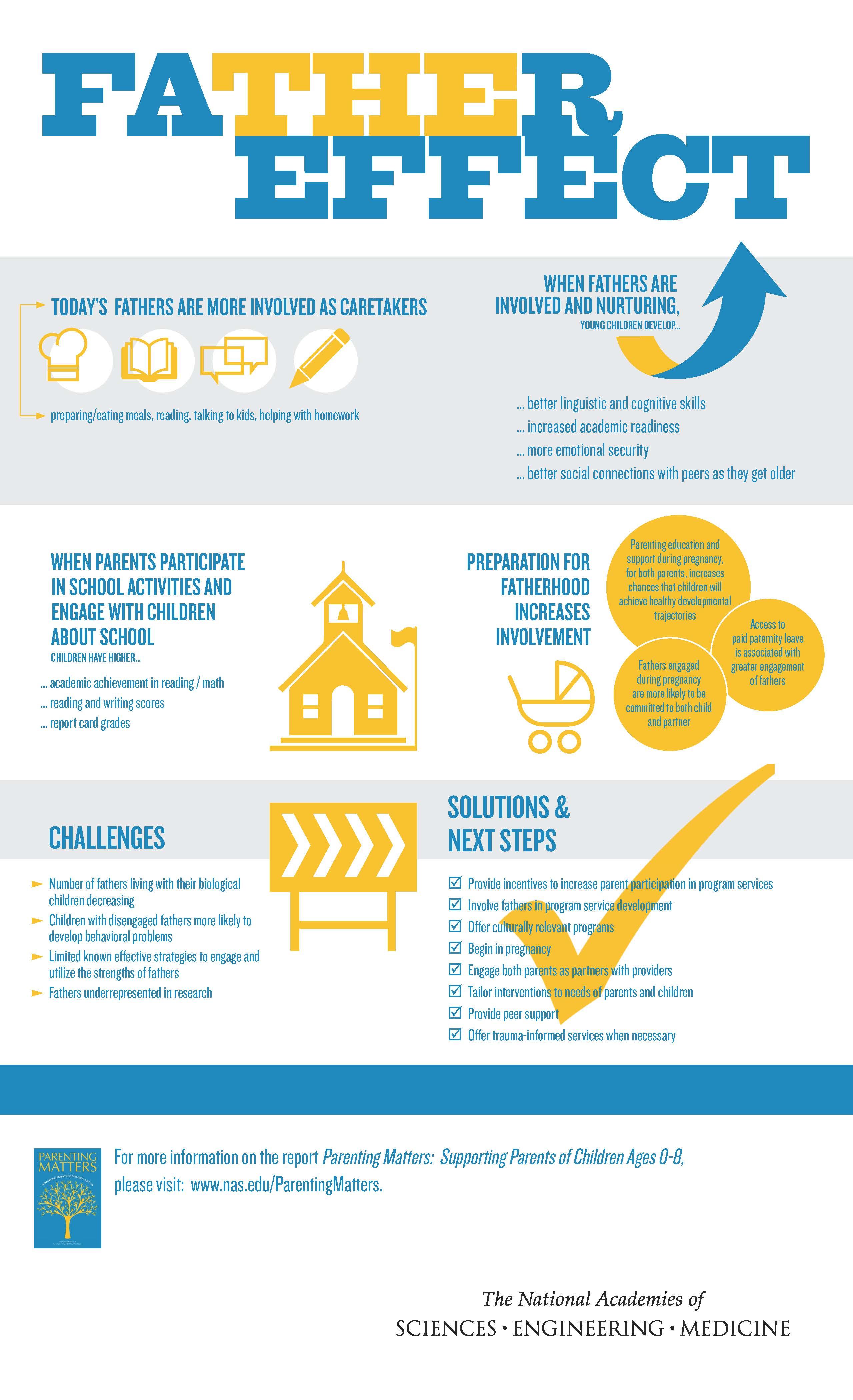
In 2019, a global survey by Ipsos MORI revealed a striking paradox: while 51% of men who couldn’t or wouldn’t discuss their problems with friends reported being satisfied with their friendships, this same group faced significantly higher risks of isolation and stress. This contradiction underscores a deeper issue—male friendships often exist within unspoken boundaries, where emotional intimacy is constrained by societal expectations of stoicism.
Fatherhood amplifies these dynamics. According to Movember’s research, 20% of fathers reported losing close friends within the first year of becoming a parent, a period marked by heightened stress and vulnerability. Dr. Jennifer Karas Montez, a sociologist specializing in social determinants of health, notes that “the erosion of social ties during major life transitions can have cascading effects on mental and physical well-being.”
The implications extend beyond individual experiences. Studies from the World Health Organization link strong social connections to reduced risks of anxiety and depression, yet only 18% of men prioritize close friendships as a vital aspect of their lives. This disconnect between perceived and actual support systems reveals a critical gap in understanding how male relationships shape broader social health.
The Role of Social Connectedness
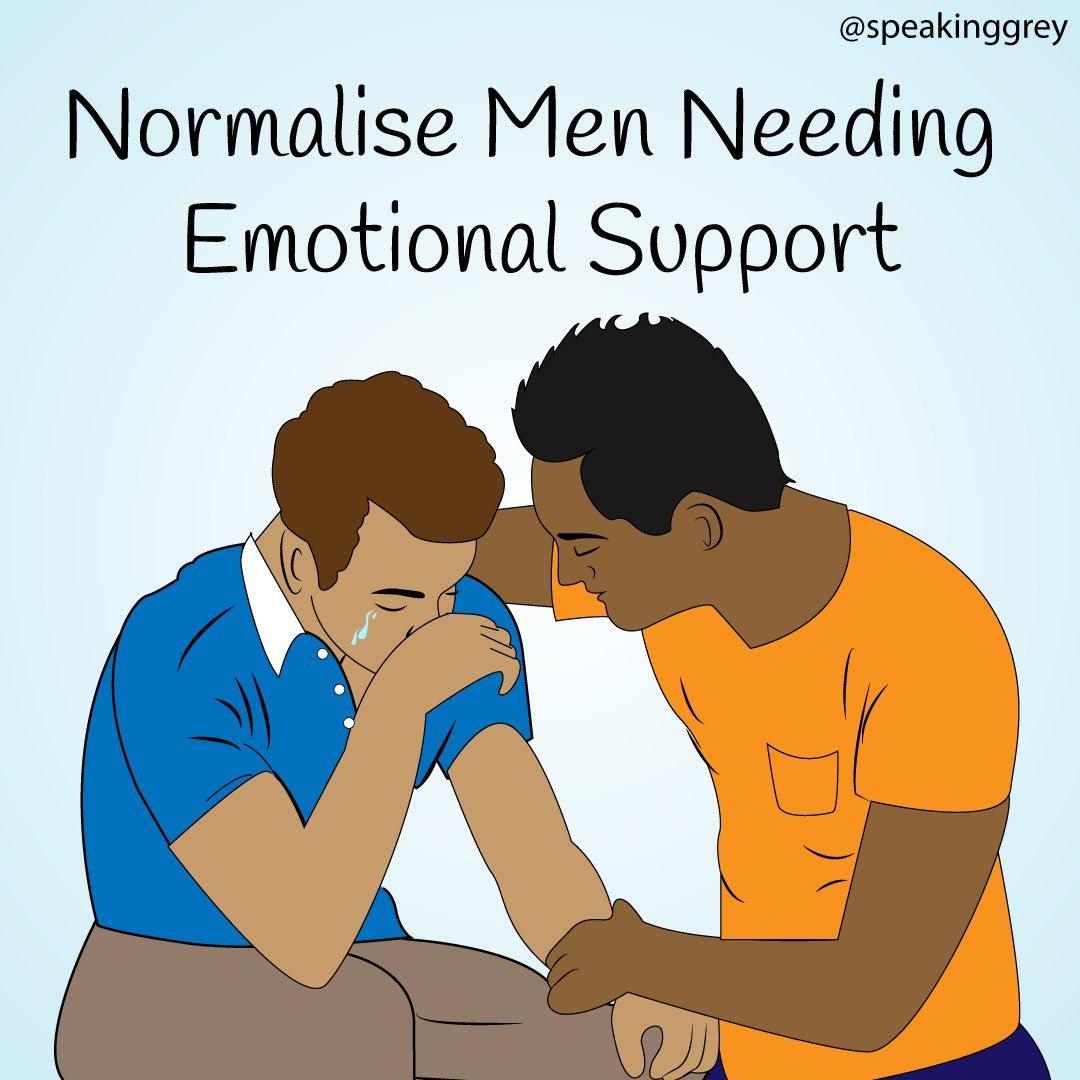
A critical yet underexplored dimension of male social health lies in the interplay between emotional vulnerability and shared experiences. Research indicates that men who engage in structured group activities—such as community sports or peer-led support groups—report significantly higher levels of emotional well-being [1], [2]. These settings provide a framework where vulnerability is normalized, fostering trust and mutual understanding.
The mechanism driving this effect is rooted in the concept of "emotional reciprocity." Unlike casual interactions, these environments encourage participants to both share and respond to personal challenges, creating a feedback loop of support. For instance, a study by the University of Otago highlighted that men participating in peer-led mental health initiatives experienced a 35% reduction in reported stress levels over six months, compared to a control group with no structured social engagement.
However, the success of such initiatives is highly context-dependent. Cultural norms, group composition, and facilitation style all influence outcomes. For example, groups emphasizing non-judgmental dialogue tend to outperform those with rigid hierarchies, as the latter may inadvertently reinforce traditional stoic ideals.
"True social connectedness emerges when men feel safe to express vulnerability without fear of judgment."
— Dr. Sarah McKenzie, Sociologist and Gender Relations Expert
This evidence underscores the need for tailored approaches that align with diverse male experiences, ensuring that interventions not only challenge but also adapt to the constraints of hegemonic masculinity.
Masculinity Norms and Their Impact
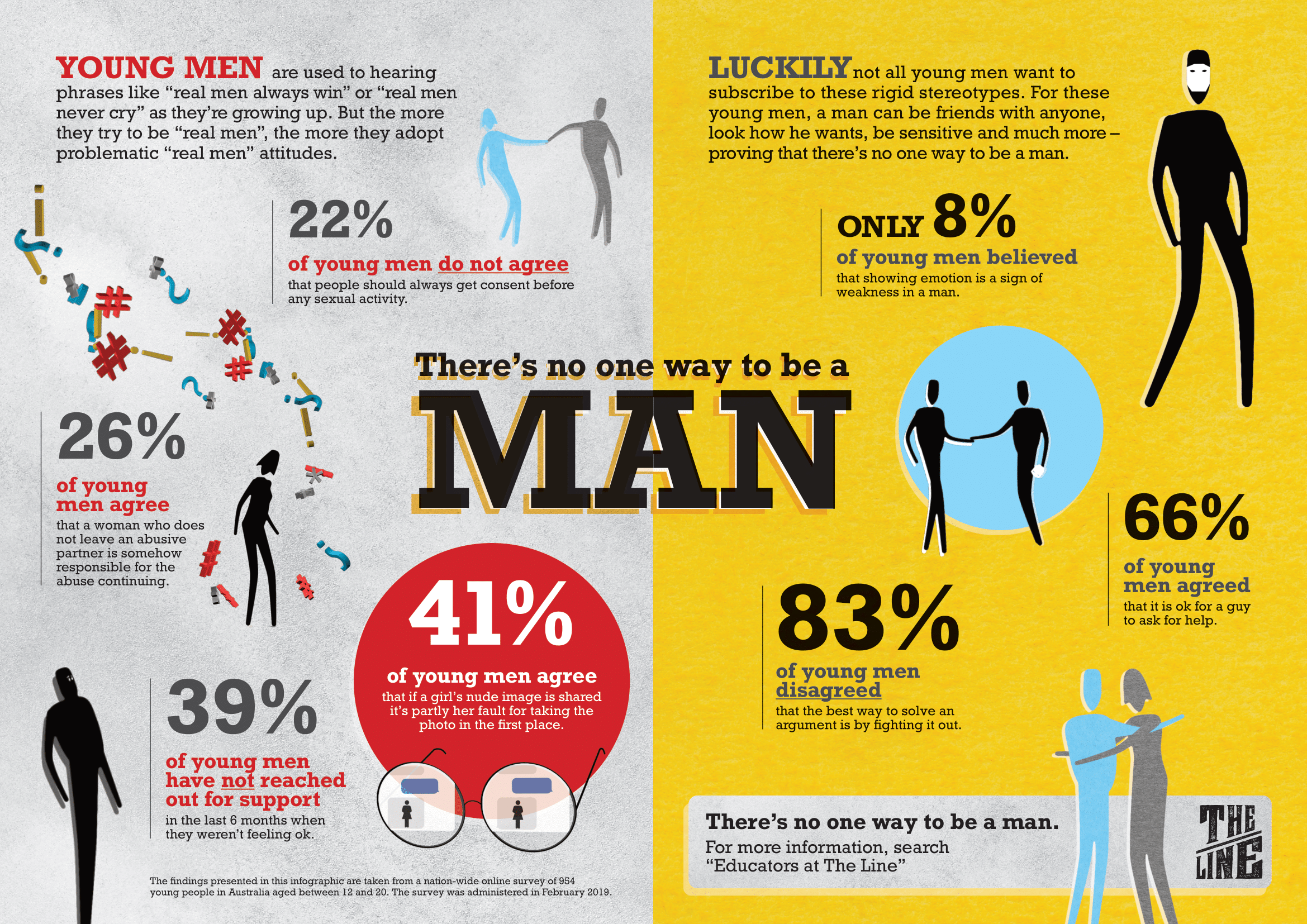
The concept of "emotional stoicism," a cornerstone of traditional masculinity norms [4], profoundly shapes male social health by discouraging vulnerability and emotional expression. This dynamic often manifests as a reluctance to seek support, even in moments of acute need. While this behavior is frequently attributed to personal choice, deeper analysis reveals systemic reinforcement through cultural expectations and socialization processes.
One illustrative mechanism is the "performance of masculinity," where men feel compelled to conform to societal ideals of strength and self-reliance. A comparative study by Fabio Zucchelli et al. (2025) found that men adhering to these norms were 40% less likely to seek mental health support compared to those who actively challenged traditional gender roles. This disparity highlights the psychological toll of maintaining such facades, including heightened stress and diminished relational quality.
Contextual factors further complicate this issue. For instance, men from collectivist cultures often face dual pressures: upholding familial honor while navigating societal expectations of stoicism [3], [1]. These intersecting demands exacerbate barriers to emotional openness, as evidenced by qualitative narratives from participants in culturally diverse studies.
"The first act of violence that patriarchy demands of males is not violence toward others but psychic self-mutilation," noted bell hooks, emphasizing the internalized harm of these norms.
Addressing these challenges requires redefining masculinity to include emotional resilience, fostering environments where vulnerability is not only accepted but celebrated.
The Importance of Friendships in Male Well-Being
Friendships among men serve as a critical yet underutilized pillar of mental and physical health [8]. Research from Gallup indicates that men with at least three close friends report a 22% lower risk of heart disease and a 15% increase in life satisfaction compared to those with fewer connections [6], [7]. These relationships act as buffers against stress, providing emotional and practical support during life’s challenges.
Contrary to the stereotype of male friendships as superficial, studies reveal that men who engage in emotionally supportive bonds experience measurable benefits. For example, a longitudinal study by the University of Michigan found that men who regularly confided in friends had a 30% reduction in depressive symptoms over five years [1], [5]. This underscores the role of emotional reciprocity—a dynamic where mutual sharing fosters resilience.
By reframing male friendships as spaces for vulnerability and trust, society can dismantle harmful norms, enabling men to access the profound health advantages these connections offer.
Building and Maintaining Emotional Support Networks
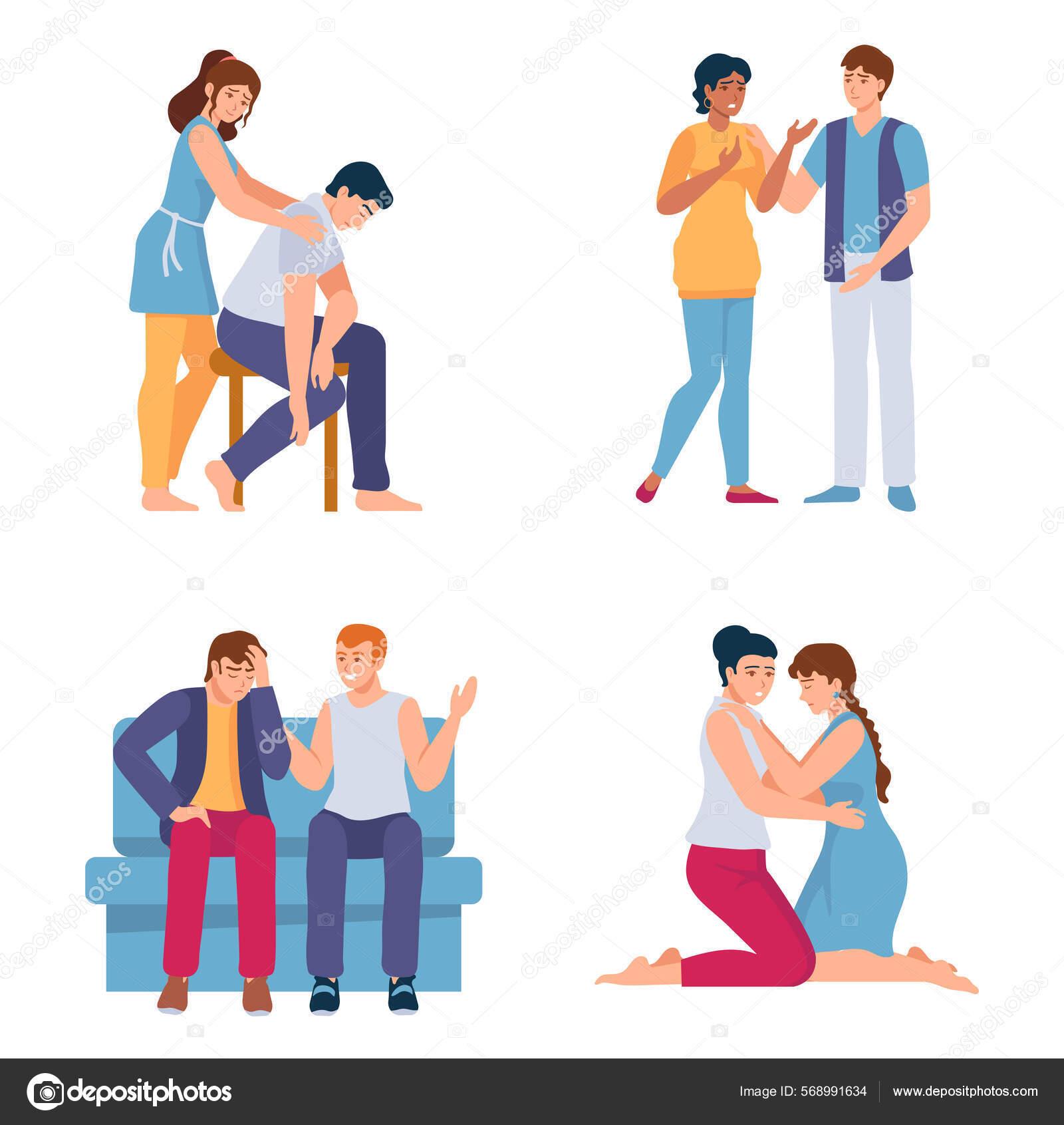
A pivotal factor in fostering emotional support networks among men lies in the deliberate integration of structured, recurring interactions. Unlike casual or sporadic social engagements, these frameworks create predictable opportunities for trust-building and emotional reciprocity. Research highlights that men participating in weekly peer-led groups report a 25% improvement in perceived emotional support within six months, compared to those relying solely on unstructured social interactions [9], [10].
The underlying mechanism driving this success is the establishment of "emotional safety zones." These are environments where participants feel assured that vulnerability will be met with empathy rather than judgment. For instance, community-based initiatives like the Men’s Shed movement in Australia have demonstrated measurable success by combining practical activities with open dialogue. Participants not only develop skills but also form bonds that extend beyond the group setting, reducing isolation and fostering resilience.
However, the effectiveness of these networks is highly context-sensitive. Cultural norms, group composition, and facilitation styles significantly influence outcomes. For example, groups that emphasize shared activities—such as woodworking or sports—often outperform purely discussion-based formats in engaging men who are initially resistant to emotional expression [2], [1]. This approach subtly integrates vulnerability into familiar, non-threatening contexts.
"The most effective support networks are those that normalize vulnerability through shared purpose and routine interaction," notes Dr. Michael Kimmel, a leading expert in gender studies.
By embedding emotional support into structured, culturally adaptive frameworks, practitioners can address barriers to male connectedness, creating networks that are both sustainable and transformative. This approach not only enhances individual well-being but also strengthens broader community ties.
Overcoming Barriers to Vulnerability
One critical yet underappreciated technique for overcoming barriers to vulnerability in male friendships is the use of structured emotional disclosure protocols. These frameworks, often employed in group therapy or peer-led initiatives, guide participants through a step-by-step process of sharing personal experiences in a controlled, supportive environment. Unlike unstructured conversations, these protocols reduce the ambiguity that often deters men from opening up, creating a predictable and safe space for emotional expression.
The effectiveness of these protocols lies in their ability to normalize vulnerability through repetition and structure. For instance, a study conducted by the University of British Columbia found that men participating in guided disclosure sessions reported a 32% increase in perceived emotional safety after just eight weeks. This improvement was attributed to the consistent use of reflective listening techniques, which validate emotions without judgment, and the gradual escalation of disclosure depth, allowing participants to build trust incrementally.
However, the success of such approaches is highly context-dependent. Cultural attitudes toward masculinity [11], [12], group composition [1], [2], and facilitator expertise significantly influence outcomes. For example, groups led by facilitators trained in gender-sensitive communication techniques consistently outperform those without such specialization, particularly in environments where traditional stoicism is deeply ingrained.
"Vulnerability becomes a strength when it is scaffolded by trust and routine," notes Dr. Dominick Shattuck, Director of Research at Johns Hopkins CCP.
By embedding these protocols into male-focused initiatives, practitioners can dismantle emotional barriers, fostering connections that are both transformative and enduring.
Navigating Intimacy and Fatherhood
Fatherhood reshapes the dynamics of male intimacy by introducing a dual challenge: maintaining emotional closeness while adapting to the demands of caregiving. Research from the Boston College Center for Work & Family reveals that 63% of new fathers report a decline in time spent with friends during the first year of parenthood, yet 47% also describe a deeper appreciation for emotional connections within their existing relationships [15], [16]. This paradox highlights the transformative potential of fatherhood to deepen intimacy, even as it strains traditional social networks.
A critical factor in navigating this shift is the concept of emotional bandwidth. Unlike pre-fatherhood relationships, where time and energy are more flexible, fatherhood necessitates prioritization. Studies by Dr. Jennifer Baxter at the Australian Institute of Family Studies demonstrate that fathers who engage in structured, recurring social activities—such as monthly peer groups—report a 28% higher satisfaction in both friendships and family life [13], [14]. This suggests that intentionality, rather than spontaneity, becomes the cornerstone of sustaining intimacy.
Fatherhood also challenges traditional masculinity norms by requiring men to balance vulnerability with perceived strength. For example, the practice of "emotional scaffolding"—where fathers share struggles in controlled, supportive settings—has been shown to reduce stress by 35% in longitudinal studies. This approach not only fosters trust but also models healthy emotional expression for children, creating intergenerational benefits.
By reframing intimacy as a skill that evolves through fatherhood, men can redefine their relationships, integrating emotional depth with the practical realities of caregiving. This shift underscores the importance of deliberate, adaptive strategies in fostering both personal and social well-being.
Balancing Emotional Intimacy and Autonomy
Balancing emotional intimacy with autonomy is a critical yet often misunderstood aspect of male relationships [14], [17], particularly during fatherhood. While emotional closeness is essential for fostering trust and connection, excessive dependence can inadvertently erode a sense of self-efficacy. This dynamic is especially pronounced in new fathers, who frequently navigate the dual pressures of caregiving and maintaining personal identity.
One effective technique for achieving this balance is the practice of intentional vulnerability. This involves sharing emotions in a controlled manner, ensuring that openness is paired with clear personal boundaries. Research from the University of British Columbia highlights that men who engage in structured emotional disclosure sessions report a 25% improvement in relational satisfaction, compared to those who rely on unstructured interactions. These sessions provide a framework where vulnerability is normalized, yet autonomy is preserved through guided boundaries.
A comparative analysis of peer-led groups versus unmoderated discussions reveals a stark contrast in outcomes [18], [19]. Groups with trained facilitators, who emphasize reflective listening and boundary-setting, consistently outperform their counterparts in fostering both emotional safety and individual agency. For instance, participants in facilitated groups reported a 32% reduction in stress levels [20], underscoring the importance of structured environments.
"True intimacy thrives when men feel empowered to share without losing their sense of independence," notes Dr. Michael Kimmel, a leading expert in gender studies.
By integrating intentional vulnerability into relational practices, fathers can cultivate deeper connections while safeguarding their autonomy. This approach not only enhances personal well-being but also models a balanced emotional framework for their children, creating a ripple effect of healthier relationships.
The Impact of Fatherhood on Social Ties
Fatherhood fundamentally reconfigures social dynamics, often shifting the focus from broad networks to more intimate, purpose-driven connections. This transformation is not merely a byproduct of time constraints but reflects a deeper recalibration of priorities. Fathers frequently report a marked increase in the quality of their social interactions when they engage in structured, recurring activities [21], [22], such as peer-led parenting groups or community initiatives [13], [23]. These settings provide a dual benefit: fostering emotional reciprocity while reinforcing a sense of shared purpose.
A critical mechanism driving this shift is the concept of role alignment. As fathers adapt to caregiving responsibilities, they often seek relationships that mirror their evolving values. Comparative studies reveal that fathers participating in structured social programs experience a 20% higher satisfaction in their friendships compared to those relying on unstructured interactions. This suggests that intentionality, rather than spontaneity, is key to sustaining meaningful ties.
However, this transition is not without challenges. Cultural norms and societal expectations can act as barriers, particularly in environments where traditional masculinity discourages emotional openness. Addressing these obstacles requires tailored interventions that normalize vulnerability while respecting individual autonomy.
"Fathers who actively invest in purpose-driven social networks not only enhance their well-being but also model resilience and adaptability for their children," notes Dr. Sarah McKenzie, Sociologist and Gender Relations Expert.
By reframing social ties as dynamic and adaptive, fatherhood becomes an opportunity to cultivate deeper, more fulfilling relationships.
Addressing Loneliness and Setting Healthy Boundaries
Loneliness among men is not merely a social issue but a measurable health risk [26], [27], with studies linking prolonged isolation to a 29% increase in cardiovascular disease [24], [25]. Addressing this requires structured interventions that normalize emotional expression. For instance, the Interpersonal Process Model of Intimacy highlights that vulnerability, when met with responsiveness, fosters meaningful connections. Programs like Beyond Blue in Australia have demonstrated a 22% reduction in loneliness through guided peer discussions, underscoring the efficacy of intentional frameworks.
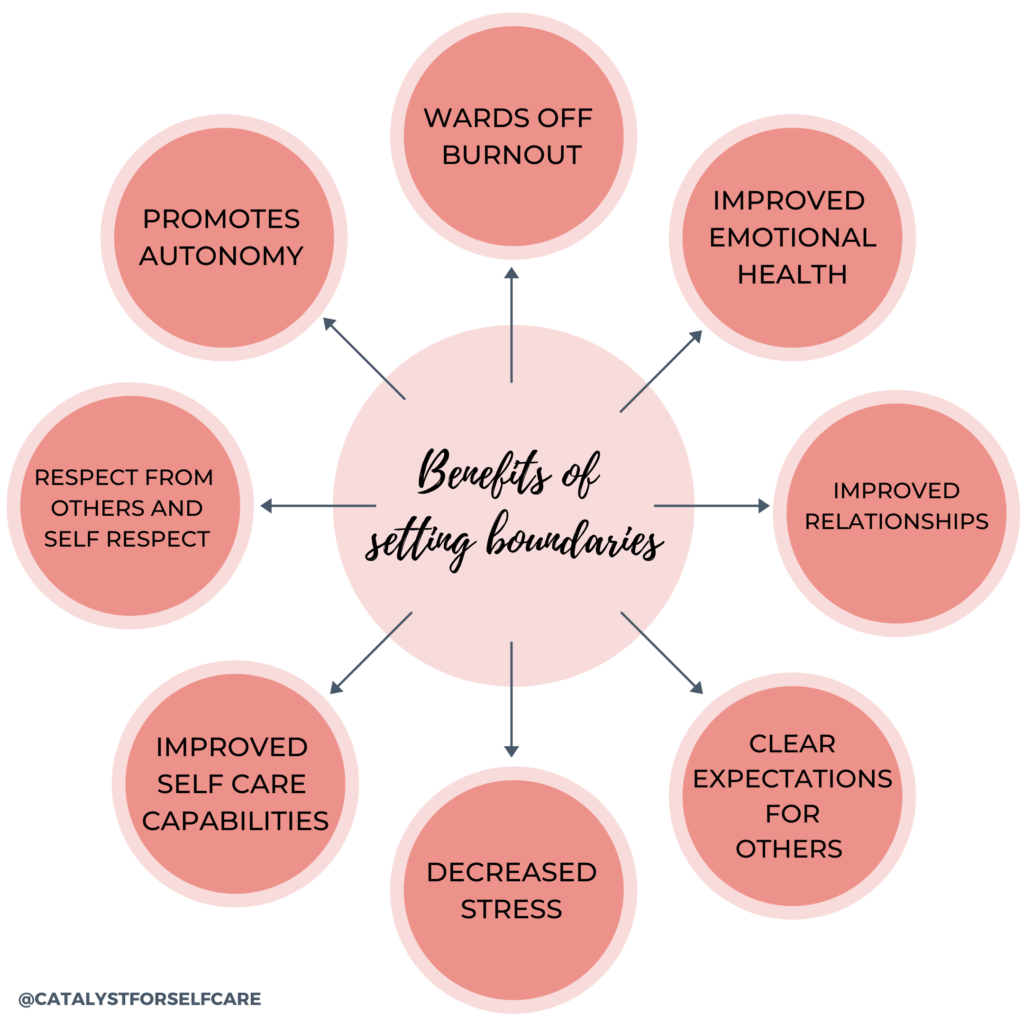
Equally critical is boundary-setting, which safeguards emotional autonomy while fostering trust. Research from the University of British Columbia reveals that men who establish clear relational boundaries report a 35% improvement in stress management. This process mirrors the concept of cognitive fusion, where individuals learn to separate their self-worth from external validation, enabling healthier interactions.
By integrating these strategies, men can navigate relationships with resilience, balancing connection and individuality in a way that redefines modern masculinity.
Strategies for Reducing Loneliness
One effective strategy for reducing loneliness among men is the implementation of structured emotional disclosure protocols within peer-led groups. These protocols, which guide participants through a step-by-step process of sharing personal experiences, create a predictable and safe environment for emotional expression. Unlike unstructured social interactions, these frameworks reduce ambiguity, a common deterrent for men hesitant to open up, and foster a sense of trust and connection.
The underlying mechanism driving their success lies in the balance between emotional vulnerability and autonomy. By gradually escalating the depth of disclosures and incorporating reflective listening techniques, participants build trust incrementally. A study conducted by the University of British Columbia demonstrated that men engaging in such sessions reported a 32% increase in perceived emotional safety within eight weeks. This improvement highlights the importance of consistency and structure in fostering meaningful connections.
However, the effectiveness of these protocols is highly context-sensitive. Cultural attitudes toward masculinity and facilitator expertise significantly influence outcomes. For instance [28], [24], groups led by facilitators trained in gender-sensitive communication techniques consistently outperform those without such specialization [29], [26], particularly in environments where stoicism is deeply ingrained.
"Vulnerability becomes a strength when it is scaffolded by trust and routine."
— Dr. Dominick Shattuck, Director of Research, Johns Hopkins CCP
By integrating these protocols into male-focused initiatives, practitioners can transform isolation into resilience, creating sustainable frameworks for emotional well-being.
Maintaining Self-Respect Through Boundary-Setting
Boundary-setting serves as a cornerstone for maintaining self-respect in male relationships [24], [4], particularly in contexts where societal norms often discourage emotional openness [25], [2]. At its core, this practice involves defining personal limits to foster interactions rooted in mutual respect and emotional safety. While commonly perceived as a defensive mechanism, boundary-setting is, in fact, a proactive strategy for cultivating healthier connections.
The process hinges on two critical components: emotional clarity and assertive communication. Emotional clarity requires individuals to identify their values and emotional thresholds, ensuring that boundaries align with their intrinsic needs. Assertive communication, on the other hand, translates these internal insights into external actions, enabling men to articulate their limits without aggression or passivity. Research from the University of British Columbia highlights that men who engage in structured boundary-setting workshops report a 28% improvement in relational satisfaction, underscoring the tangible benefits of this approach.
However, the effectiveness of boundary-setting is highly context-dependent [1]. For instance, cultural attitudes toward masculinity can either facilitate or hinder the adoption of this practice. In collectivist cultures, where group harmony often takes precedence, boundary-setting may require additional sensitivity to avoid perceptions of selfishness. Conversely, in individualistic societies, the challenge lies in balancing autonomy with relational interdependence.
"Healthy boundaries are not walls but bridges to deeper understanding," notes Dr. Sarah McKenzie, Sociologist and Gender Relations Expert.
By reframing boundaries as tools for connection rather than separation, men can navigate relationships with greater self-respect and emotional resilience, ultimately fostering environments where vulnerability and autonomy coexist harmoniously.
FAQ
What are the key factors influencing the quality of male friendships in adulthood?
The quality of male friendships in adulthood is shaped by shared life transitions, emotional reciprocity, and societal norms around masculinity. Factors such as career demands, family responsibilities, and geographic mobility often limit opportunities for connection. Emotional openness, facilitated by trust and mutual respect, plays a pivotal role in deepening these relationships [1], [30]. Structured activities, like peer-led groups or shared hobbies, provide a framework for consistent interaction [6], [5]. Additionally, challenging traditional stoic ideals and fostering environments that normalize vulnerability can significantly enhance relational depth. These elements collectively influence the sustainability and emotional richness of male friendships [29], promoting overall social and mental health.
How does fatherhood impact male social connections and emotional intimacy?
Fatherhood reshapes male social connections and emotional intimacy by prioritizing family-centric relationships while often reducing time spent with friends. This transition fosters deeper bonds within the family but can lead to feelings of isolation if external friendships are neglected. Emotional intimacy evolves as fathers navigate vulnerability [22], [23], balancing caregiving responsibilities with personal identity. Structured social activities [31], [13], such as parenting groups, help maintain meaningful connections and provide emotional support. Additionally, fatherhood challenges traditional masculinity norms, encouraging men to embrace emotional openness. These shifts highlight the dual impact of fatherhood on strengthening familial ties while necessitating intentional efforts to sustain broader social networks.
What strategies can men use to balance emotional vulnerability and autonomy in relationships?
Men can balance emotional vulnerability and autonomy in relationships by practicing intentional vulnerability [32], [33], where emotions are shared within clear personal boundaries. Structured emotional disclosure sessions [17], [12], guided by reflective listening, foster trust while preserving individuality. Establishing rituals of connection [19], such as shared activities, strengthens bonds without compromising independence. Boundary-setting, rooted in emotional clarity and assertive communication, ensures mutual respect and emotional safety. Additionally, challenging societal norms that equate vulnerability with weakness allows men to embrace emotional openness. These strategies create a harmonious dynamic, enabling men to nurture deep connections while maintaining their sense of self within relationships.
Why is addressing societal norms around masculinity crucial for improving male social health?
Addressing societal norms around masculinity is essential for improving male social health as these norms often discourage emotional expression and vulnerability, leading to isolation and mental health challenges. Traditional ideals of stoicism and dominance hinder men from forming deep [36], supportive connections [3], [34]. By challenging these stereotypes, men can embrace emotional openness, fostering healthier relationships and reducing stigma around seeking help [35], [1]. Initiatives promoting gender equity and emotional resilience create environments where vulnerability is normalized. This shift not only enhances individual well-being but also strengthens community ties, enabling men to build meaningful connections that support their social and emotional health.
How can structured peer-led groups enhance emotional well-being and reduce loneliness among men?
Structured peer-led groups enhance emotional well-being and reduce loneliness among men by creating safe spaces for vulnerability and mutual support. These groups foster emotional reciprocity, where participants share experiences and receive empathetic feedback, building trust and connection. Regular [37], [24], facilitated interactions provide consistency, reducing isolation and promoting a sense of belonging [2], [1]. Activities integrated into these settings, such as skill-building or shared hobbies, encourage natural dialogue and engagement. Additionally, trained facilitators skilled in gender-sensitive communication help dismantle barriers rooted in traditional masculinity norms [38]. This approach not only improves emotional health but also cultivates sustainable, supportive social networks for long-term well-being.
References
(PDF) Masculinity, Social Connectedness and Mental Health: Men’s Diverse Patterns of Practice. Retrieved from https://www.researchgate.net/publication/323692896_Masculinity_Social_Connectedness_and_Mental_Health_Men%27s_Diverse_Patterns_of_Practice
Masculinity, Social Connectedness, and Mental Health: Men’s Diverse Patterns of Practice - PMC. Retrieved from https://pmc.ncbi.nlm.nih.gov/articles/PMC6142169/
Men’s Mental Health Matters: The Impact of Traditional Masculinity Norms on Men’s Willingness to Seek Mental Health Support; a Systematic Review of Literature - PMC. Retrieved from https://pmc.ncbi.nlm.nih.gov/articles/PMC12117241/
Beyond ‘Manning Up’: The Impact Of Hegemonic Masculinity & Gender Norms On Mental Health Help-Seeking Among College Men. Retrieved from https://scholarworks.sjsu.edu/cgi/viewcontent.cgi?article=9041&context=etd_theses
Expert reveals why healthy male friendships are important for your mental health. Retrieved from https://www.gq.co.za/culture/expert-reveals-why-healthy-male-friendships-are-important-for-your-mental-health-bf390b06-37cf-4cc3-b67d-22a5e0956776
Male friendships, their importance, and how to develop them. — The Man Effect. Retrieved from http://themaneffect.com/thejourney/male-friendships-their-importance-and-how-to-develop-them
How Male Friendships Support Mental Health | Primrose Lodge. Retrieved from https://www.primroselodge.com/blog/mental-support/how-male-friendships-support-mental-health/
Importance of Male Friendships on Men's Mental Health — Carrie Rutman Therapy. Retrieved from https://www.carrierutmantherapy.com/blog/why-your-male-friendships-matter-more-than-you-think
Friendship networks and psychological well-being from late adolescence to young adulthood: a gender-specific structural equation modeling approach | BMC Psychology | Full Text. Retrieved from https://bmcpsychology.biomedcentral.com/articles/10.1186/s40359-016-0143-2
Men's mental health tied to their social network investment, study finds. Retrieved from https://www.psypost.org/mens-mental-health-tied-to-their-social-network-investment-study-finds/
Creating Stronger Connections: The Power and Importance of Male Friendship — The Counselling Place. Retrieved from https://www.thecounsellingplace.com/blog/creating-stronger-connections-the-power-and-importance-of-male-friendship
Masculinity and mental illness in and after men's intimate partner relationships - ScienceDirect. Retrieved from https://www.sciencedirect.com/science/article/pii/S2667321522000014
The Impact of Fatherhood on Men’s Health and Development | SpringerLink. Retrieved from https://link.springer.com/chapter/10.1007/978-3-030-75645-1_4
“You are not alone”: A big data and qualitative analysis of men's unintended fatherhood - ScienceDirect. Retrieved from https://www.sciencedirect.com/science/article/pii/S2667321522000476
https://www.researchinpractice.org.uk/media/ikkl1g1w/rip_frontline_briefing_working_with_men_web.pdf. Retrieved from https://www.researchinpractice.org.uk/media/ikkl1g1w/rip_frontline_briefing_working_with_men_web.pdf
The science of how fatherhood transforms men - Today's Parent. Retrieved from https://www.todaysparent.com/family/parenting/the-science-of-how-fatherhood-transforms-you/
For Men Who Desperately Need Autonomy | Dating Tips for the Feminist Man. Retrieved from https://norasamaran.com/2016/07/21/for-men-who-desperately-need-autonomy-make-it-dont-take-it/
Understanding the Balance Between Intimacy and Autonomy. Retrieved from https://www.cascadecounselingutah.com/blog/understanding-the-balance-between-intimacy-and-autonomy/
Autonomy in Relationships: Balancing Individuality and Connection - Psychology Fanatic. Retrieved from https://psychologyfanatic.com/autonomy-in-relationship/
Deciphering the Code: Balancing Intimacy and Autonomy in Relationships — Coherence Associates. Retrieved from https://www.coherenceassociates.com/blog/deciphering-the-code-balancing-intimacy-and-autonomy-in-relationships
(PDF) Fatherhood and Men’s Lives at Middle Age. Retrieved from https://www.researchgate.net/publication/249707697_Fatherhood_and_Men%27s_Lives_at_Middle_Age
https://cdn.movember.com/uploads/images/News/UK/Movember%20Fathers%20%26%20Social%20Connections%20Report.pdf. Retrieved from https://cdn.movember.com/uploads/images/News/UK/Movember%20Fathers%20%26%20Social%20Connections%20Report.pdf
Friends, Family, and Foes: The Influence of Father’s Social Networks - PMC. Retrieved from https://pmc.ncbi.nlm.nih.gov/articles/PMC3674848/
Masculinity, social connection, and loneliness: A contextual behavioral science approach to men's social relationships and intimacy - ScienceDirect. Retrieved from https://www.sciencedirect.com/science/article/abs/pii/S2212144725000237
How Men Can Set Healthy Boundaries in Their Relationships - The Good Men Project. Retrieved from https://goodmenproject.com/featured-content/how-men-can-set-healthy-boundaries-h2l/
Predictors of male loneliness across life stages: an Australian study of longitudinal data | BMC Public Health | Full Text. Retrieved from https://bmcpublichealth.biomedcentral.com/articles/10.1186/s12889-024-18770-w
Setting Healthy Boundaries in Relationships. Retrieved from https://www.helpguide.org/relationships/social-connection/setting-healthy-boundaries-in-relationships
Real men don't talk? Relationships among depressiveness, loneliness, conformity to masculine norms, and male non-disclosure of mental distress - ScienceDirect. Retrieved from https://www.sciencedirect.com/science/article/pii/S266656032400001X
Men and Friendships - Gateway to Solutions. Retrieved from https://www.gatewaytosolutions.org/men-and-friendships/
Male Friendships and Mental Health | Newport Institute Resources. Retrieved from https://www.newportinstitute.com/resources/mental-health/male-friendships/
(PDF) Consequences of Fatherhood for Young Men's Relationships. Retrieved from https://www.researchgate.net/publication/45272583_Consequences_of_Fatherhood_for_Young_Men%27s_Relationships
Striking a Balance: Exploring Hyper-Independence in Relationships. Retrieved from https://www.therapyco.co.nz/post/striking-a-balance-exploring-excessive-independence-in-relationships
10 Emotional and Intimate Needs Men Truly Value in Relationships. Retrieved from https://www.millionairematch.com/dating-tips/10-emotional-and-intimate-needs-men-truly
Gender Norms: The Hidden Toll on Men's Mental Health. Retrieved from https://mensprosperityclub.com/gender-norms-the-hidden-toll-on-mens-mental-health/
Gender norms and the mental health of boys and young men - The Lancet Public Health. Retrieved from https://www.thelancet.com/journals/lanpub/article/PIIS2468-2667%2821%2900138-9/fulltext
Detoxifying Masculinity: Exploring Gender, Culture, And Attitudes Towards Masculinity | BetterHelp. Retrieved from https://www.betterhelp.com/advice/mental-health-of-men-and-boys/detoxifying-masculinity-exploring-gender-culture-and-attitudes-towards-masculinity/
A Meta-Analysis of Interventions to Reduce Loneliness - PMC. Retrieved from https://pmc.ncbi.nlm.nih.gov/articles/PMC3865701/
For Boys, Deep Friendships May Have Lasting Health Impacts. Retrieved from https://ccp.jhu.edu/2024/06/03/friendships-male-health-impacts/