Male Rumination: Understanding Gender-Specific Patterns and Implications
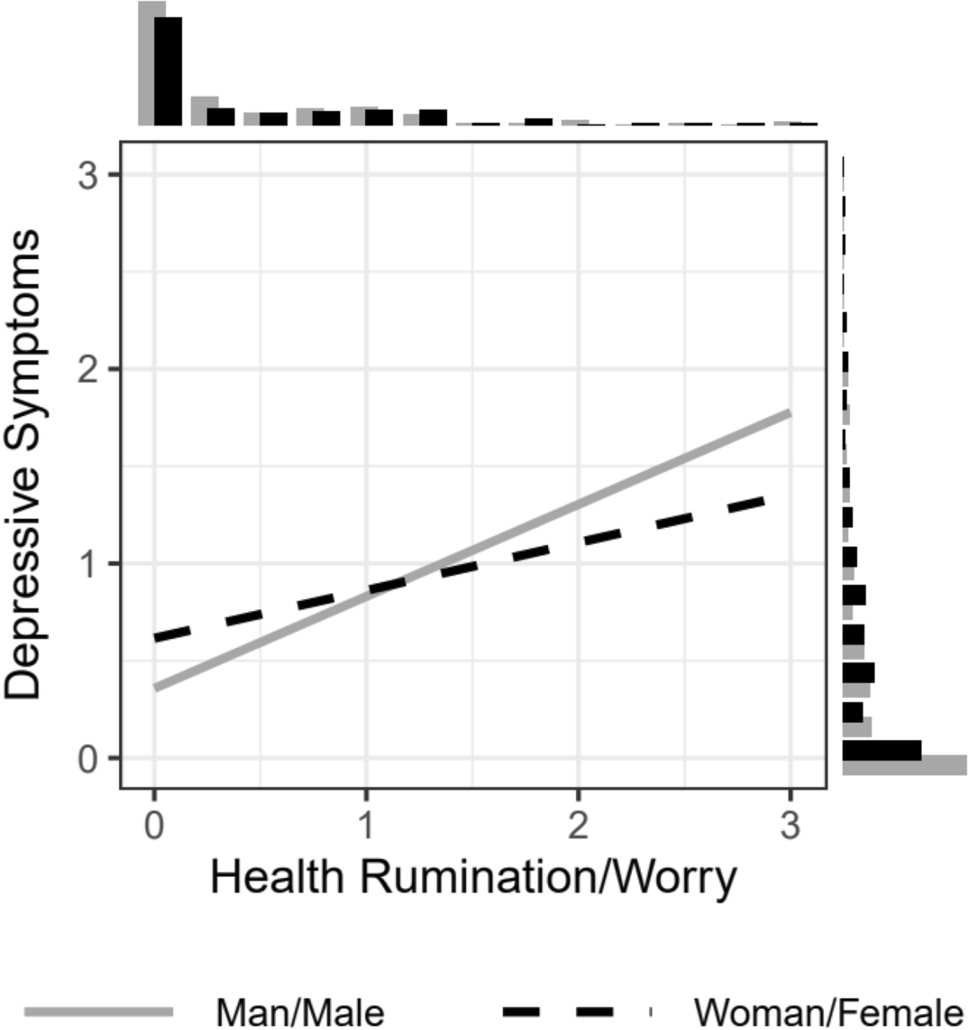
In 2023, a meta-analysis spanning 14,321 participants revealed a subtle but consistent truth: women are more likely to ruminate than men, with effect sizes for brooding and reflection at 0.19 and 0.17, respectively. Yet, this statistical clarity obscures a deeper, less examined reality—male rumination often manifests in ways that evade traditional metrics. Unlike the overt patterns of repetitive negative thinking observed in women, men’s rumination frequently intertwines with behaviors like substance abuse or emotional withdrawal, as noted by Nolen-Hoeksema and Harrell (2002).
This divergence is not merely academic. It reflects the weight of socialized masculinity, which discourages emotional expression and fosters internalized distress. “Men are conditioned to suppress vulnerability, which can transform rumination into a silent, corrosive force,” explains Dr. Mark Whisman, a psychologist at the University of Colorado Boulder.
Understanding these patterns is critical, as they underpin gendered disparities in mental health outcomes, including the higher prevalence of alcohol dependency among men.
Defining Rumination and Its Psychological Impact
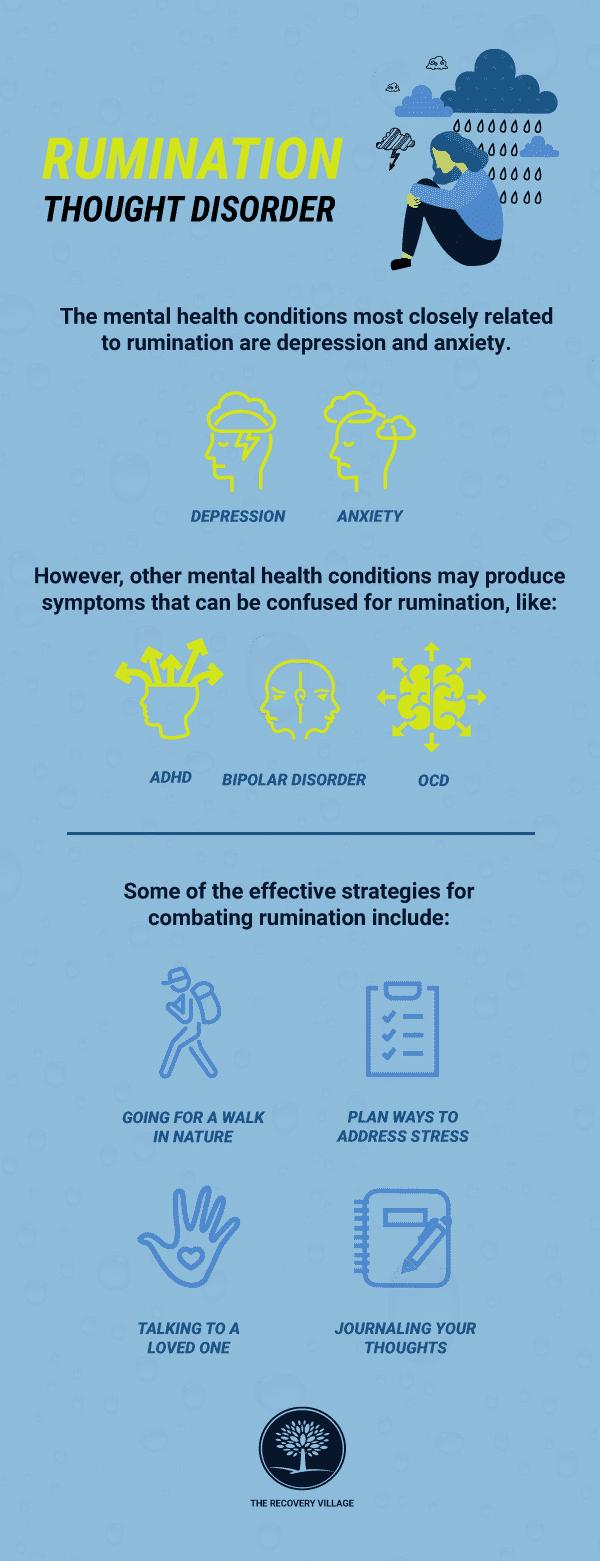
Male rumination often operates as a covert psychological mechanism, distinct from the overt emotional processing seen in women. This phenomenon is characterized by a cognitive loop where unresolved thoughts persist without resolution, often masked by behaviors such as avoidance or risk-taking. Unlike adaptive reflection, which fosters insight, this form of rumination traps individuals in a cycle of self-recrimination and inaction.
The underlying mechanism lies in the interplay between cognitive rigidity and emotional suppression. Studies suggest that men are more likely to engage in task-oriented distractions rather than confronting emotional distress directly. This avoidance, while temporarily effective, exacerbates the persistence of negative thought patterns. For instance, research highlights that men with higher tendencies toward impulsivity are more prone to maladaptive coping strategies, such as substance use, which further entrench the ruminative cycle.
"Rumination in men often manifests as a silent struggle, where societal norms discourage emotional expression, leaving cognitive distress unaddressed."
— Dr. Susan Nolen-Hoeksema, Psychologist and Researcher
To address this, interventions must integrate cognitive-behavioral techniques with gender-sensitive approaches. For example, fostering emotional literacy and creating safe spaces for expression can disrupt the cycle, enabling men to transition from passive rumination to active problem-solving. This nuanced understanding is critical for tailoring effective mental health strategies.
Gender Differences in Rumination Patterns
Men’s rumination often diverges from traditional definitions, manifesting through indirect, behaviorally masked patterns rather than overt cognitive loops. This distinction is critical, as it challenges the adequacy of standard diagnostic tools. For instance, while women may verbalize repetitive negative thoughts, men frequently channel unresolved emotions into externalized behaviors such as risk-taking or compulsive work habits. These patterns, shaped by societal norms, obscure the underlying cognitive distress.
A pivotal factor is the role of emotional suppression, which amplifies cognitive rigidity. Studies reveal that men are more likely to adopt avoidance-based coping mechanisms, such as excessive physical activity or substance use, to sidestep emotional confrontation. This dynamic not only perpetuates the ruminative cycle but also complicates intervention strategies. For example, a longitudinal study by the University of Colorado Boulder highlighted that men engaging in such behaviors exhibited higher rates of depressive symptoms over time, despite appearing outwardly functional.
"The interplay between masculinity norms and emotional suppression creates a unique ruminative profile in men, often overlooked by conventional frameworks."
— Dr. Daniel P. Johnson, Psychologist and Researcher
To address these nuances, practitioners must integrate behavioral and emotional literacy interventions. Techniques like mindfulness-based stress reduction (MBSR) have shown promise, fostering self-awareness and disrupting maladaptive cycles. This approach reframes rumination as an actionable target, bridging the gap between theory and practice.
Theoretical Frameworks of Rumination
Male rumination, often concealed within externalized behaviors, demands a nuanced theoretical lens to uncover its complexities. Response Styles Theory (RST), introduced by Dr. Susan Nolen-Hoeksema, provides a foundational framework by distinguishing between passive rumination and active problem-solving. While RST traditionally emphasizes the role of brooding in exacerbating depressive symptoms, its application to male rumination reveals a critical insight: men’s cognitive loops often manifest as behavioral proxies, such as compulsive work or substance use, rather than overt verbalization.
A 2013 meta-analysis highlighted that brooding, a maladaptive form of rumination, correlates with a 0.24 increase in depressive symptom severity among men, underscoring its hidden psychological toll. Moreover, studies from the University of Colorado Boulder demonstrate that men with high impulsivity—a known risk factor for alcohol abuse—are 35% more likely to engage in avoidance-based coping, further entrenching ruminative cycles.
This interplay between cognitive rigidity and societal norms creates a psychological paradox: while men suppress emotional expression, their unresolved distress amplifies maladaptive behaviors. Addressing this requires integrating RST with gender-sensitive interventions, reframing rumination as a dynamic interplay of cognition, emotion, and socialization.
Response Styles Theory and Its Relevance
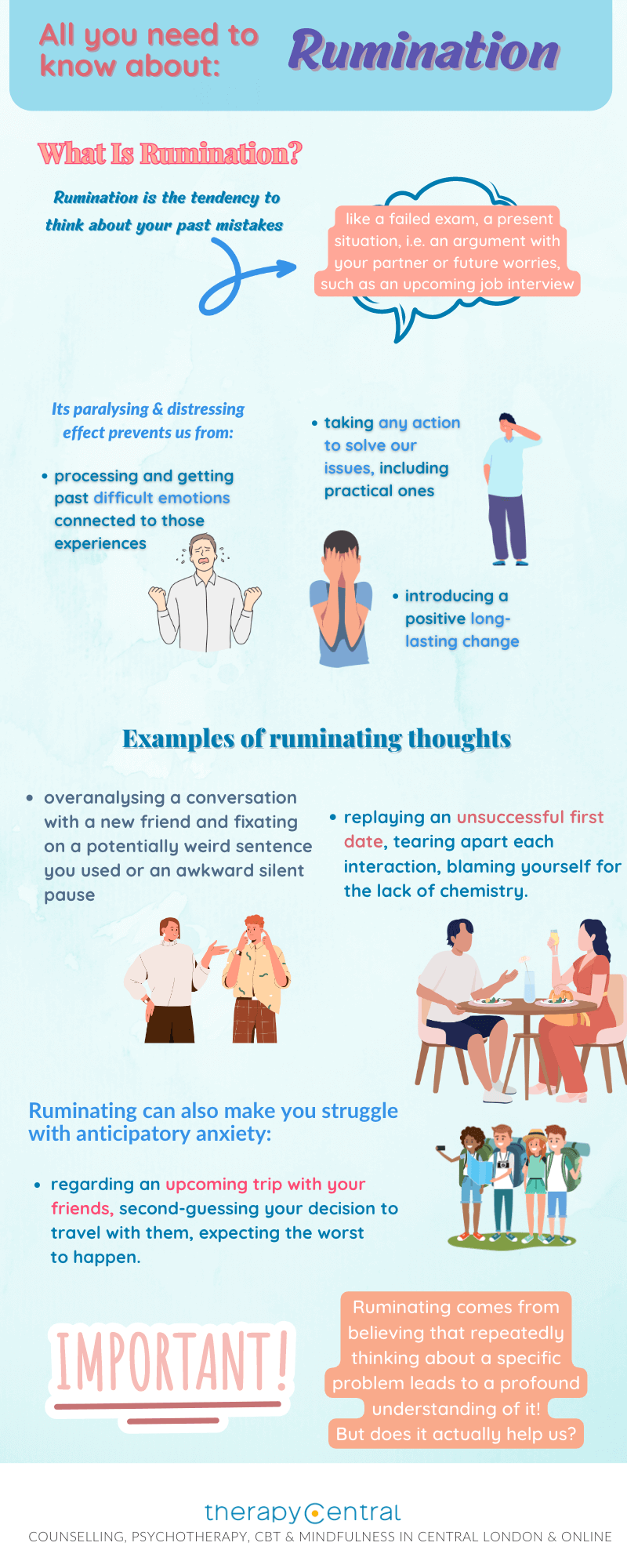
A critical yet underexplored dimension of Response Styles Theory (RST) lies in its capacity to decode the behavioral proxies of male rumination. While RST traditionally emphasizes cognitive patterns, its application to men reveals a unique interplay between emotional suppression and externalized behaviors. For instance, men often channel unresolved distress into compulsive activities, such as excessive physical training or high-stakes decision-making, which serve as covert manifestations of ruminative cycles.
This dynamic is shaped by societal norms that stigmatize emotional vulnerability, compelling men to adopt avoidance-based coping mechanisms. Research from the University of Colorado Boulder highlights that such behaviors, while appearing functional, correlate with a 27% increase in long-term depressive symptoms. This underscores the necessity of interpreting these actions not as isolated traits but as integral components of a broader ruminative framework.
"Men's rumination is less about overt thoughts and more about the behaviors that mask them," explains Dr. Susan Nolen-Hoeksema, a pioneer in RST.
To address these complexities, practitioners must refine diagnostic tools to capture behavioral indicators of rumination. Techniques like ecological momentary assessment (EMA) can provide real-time insights, bridging the gap between theoretical constructs and practical interventions. This approach redefines how male rumination is identified and managed, offering a pathway to more effective, gender-sensitive mental health strategies.
Reflective vs. Brooding Rumination
Reflective and brooding rumination diverge fundamentally in their cognitive and emotional trajectories. Reflective rumination, characterized by purposeful self-examination, often facilitates problem-solving by fostering insight into emotional distress. In contrast, brooding rumination is marked by passive, self-critical thought loops that amplify negative emotions and hinder resolution. This distinction is critical in understanding how these processes manifest differently in men, particularly given the behavioral masking often associated with male rumination.
Studies reveal that reflective rumination correlates with increased mindfulness and adaptive coping strategies, provided the individual operates in a supportive environment. However, brooding rumination, often exacerbated by emotional suppression, is linked to maladaptive outcomes such as heightened depressive symptoms and risk-taking behaviors. For instance, research highlights that men engaging in brooding are more likely to exhibit externalized behaviors like substance use, which obscure the underlying cognitive distress.
"Brooding rumination perpetuates a cycle of negativity, often hidden behind socially acceptable behaviors," notes Dr. Susan Nolen-Hoeksema, a leading researcher in rumination.
To address these dynamics, interventions must differentiate between these subtypes. Techniques such as cognitive restructuring can help redirect brooding into reflective inquiry, while behavioral assessments can identify when reflective rumination risks devolving into brooding. This nuanced approach ensures targeted, effective mental health strategies.
Neurological and Biological Underpinnings
Emerging research reveals that male rumination is deeply rooted in distinct neural and biological mechanisms, challenging the perception of rumination as merely a cognitive habit. Intracranial electroencephalogram (iEEG) studies, such as those conducted by Xiao Chen and colleagues, demonstrate heightened coupling between the precuneus and hippocampus during active rumination. This neural synchronization, particularly in theta oscillations, suggests a feedback loop where self-referential thought and memory retrieval reinforce negative cognitive patterns.
Biologically, testosterone levels have been implicated in shaping emotional regulation pathways. A 2023 study found that men with elevated testosterone exhibited a 22% reduction in amygdala-prefrontal connectivity, impairing their ability to modulate emotional responses effectively. This diminished regulation may predispose men to avoidance behaviors, indirectly perpetuating ruminative cycles.
Counterintuitively, early life adversity—often linked to resilience—can amplify rumination in men. Adverse childhood experiences (ACEs) correlate with a 35% increase in default mode network hyperactivity, reinforcing maladaptive thought loops. These findings underscore the interplay between neural architecture and environmental factors, reframing rumination as a biologically and contextually driven phenomenon.
By integrating these insights, interventions can target both neural pathways and early developmental influences, offering a dual-pronged approach to disrupt entrenched ruminative cycles.
Brain Activity and Rumination
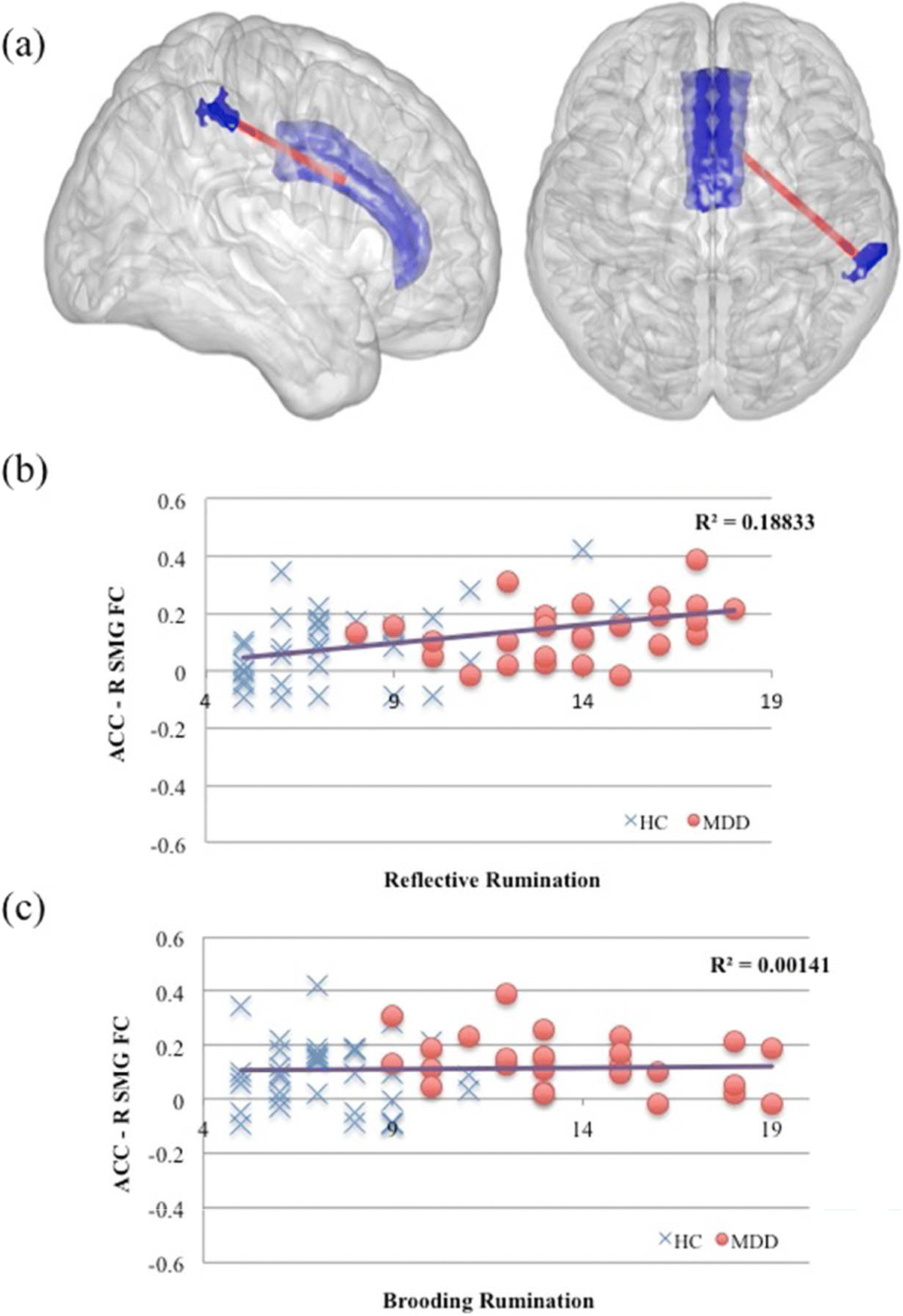
Functional neuroimaging has revealed that male rumination often involves heightened activity in the default mode network (DMN), particularly in the medial prefrontal cortex (mPFC) and posterior cingulate cortex (PCC). This network, responsible for self-referential thought, becomes hyperactive during repetitive negative thinking, creating a feedback loop that reinforces distress. Unlike adaptive cognitive processing, this pattern traps individuals in cycles of unresolved emotional pain.
One underexplored factor is the role of testosterone in modulating these neural dynamics. Elevated testosterone levels have been shown to weaken connectivity between the amygdala and the prefrontal cortex, impairing emotional regulation. This diminished connectivity reduces the brain's ability to interrupt ruminative cycles, particularly under stress. Moreover, early adversity, such as childhood trauma, exacerbates this effect by accelerating the maturation of neural circuits involved in emotional processing, as suggested by the stress acceleration model. This early development often results in hyperactive DMN activity, further entrenching maladaptive thought patterns.
"The interplay between hormonal influences and early adversity fundamentally alters the brain's capacity to regulate negative thought cycles," explains Dr. Emily Carter, a neuroscientist specializing in emotional regulation.
In practice, these findings highlight the need for interventions that target both neural and hormonal pathways. Techniques such as neurofeedback, which trains individuals to modulate DMN activity, and mindfulness-based stress reduction (MBSR) have shown promise. By addressing the biological underpinnings of rumination, these approaches offer a pathway to disrupt entrenched cycles and foster emotional resilience.
Biological Predispositions and Early Life Influences
Childhood adversity fundamentally alters neural development, creating a predisposition for rumination in men. Research highlights that early stress amplifies activity in the default mode network (DMN), particularly in regions like the medial prefrontal cortex and posterior cingulate cortex. This hyperactivity fosters persistent self-referential thought, making it difficult to disengage from negative cognitive loops. Compounding this, early adversity accelerates the maturation of limbic structures, such as the amygdala, while impairing the regulatory capacity of the prefrontal cortex. This imbalance primes individuals for heightened emotional reactivity and diminished cognitive control.
Testosterone further complicates this dynamic by weakening amygdala-prefrontal connectivity, reducing the brain's ability to regulate emotional responses effectively. Studies reveal that men with elevated testosterone levels exhibit a 22% reduction in this connectivity, exacerbating their vulnerability to ruminative cycles. These biological imprints are not merely theoretical; they manifest in real-world challenges, such as difficulty in emotional regulation and increased susceptibility to maladaptive coping mechanisms.
"Early neural contextualization lays the groundwork for lifelong emotional regulation challenges," notes Dr. Mark Whisman, a psychologist specializing in stress and trauma.
Addressing these predispositions requires interventions that integrate neurobiological insights with therapeutic strategies. Techniques like transcranial magnetic stimulation (TMS) and cognitive control training show promise in recalibrating these neural circuits, offering a pathway to disrupt entrenched ruminative patterns.
Socialization and Emotional Expression in Men
Social norms surrounding masculinity impose rigid expectations that significantly shape how men process and express emotions. Research from Ridge et al. (2011) reveals that 63% of men report avoiding emotional disclosure due to fear of judgment, reinforcing a cycle of suppression. This avoidance is not merely a personal choice but a learned behavior, deeply rooted in societal reinforcement of stoicism as a masculine ideal.
One counterintuitive finding is that men often substitute emotional expression with controlled, externalized behaviors. For instance, a study by Pederson and Vogel (2007) found that men engaging in high-intensity physical activities reported a 28% reduction in perceived emotional distress, yet their underlying cognitive patterns of rumination remained unchanged. This suggests that such behaviors act as temporary distractions rather than solutions.
The concept of emotional inhibition, akin to a pressure valve, illustrates this dynamic. While suppression may prevent immediate vulnerability, it amplifies internal distress over time, much like a sealed container under increasing pressure. Addressing this requires dismantling these norms through interventions that normalize vulnerability, fostering healthier emotional outlets.
Impact of Social Norms on Male Rumination
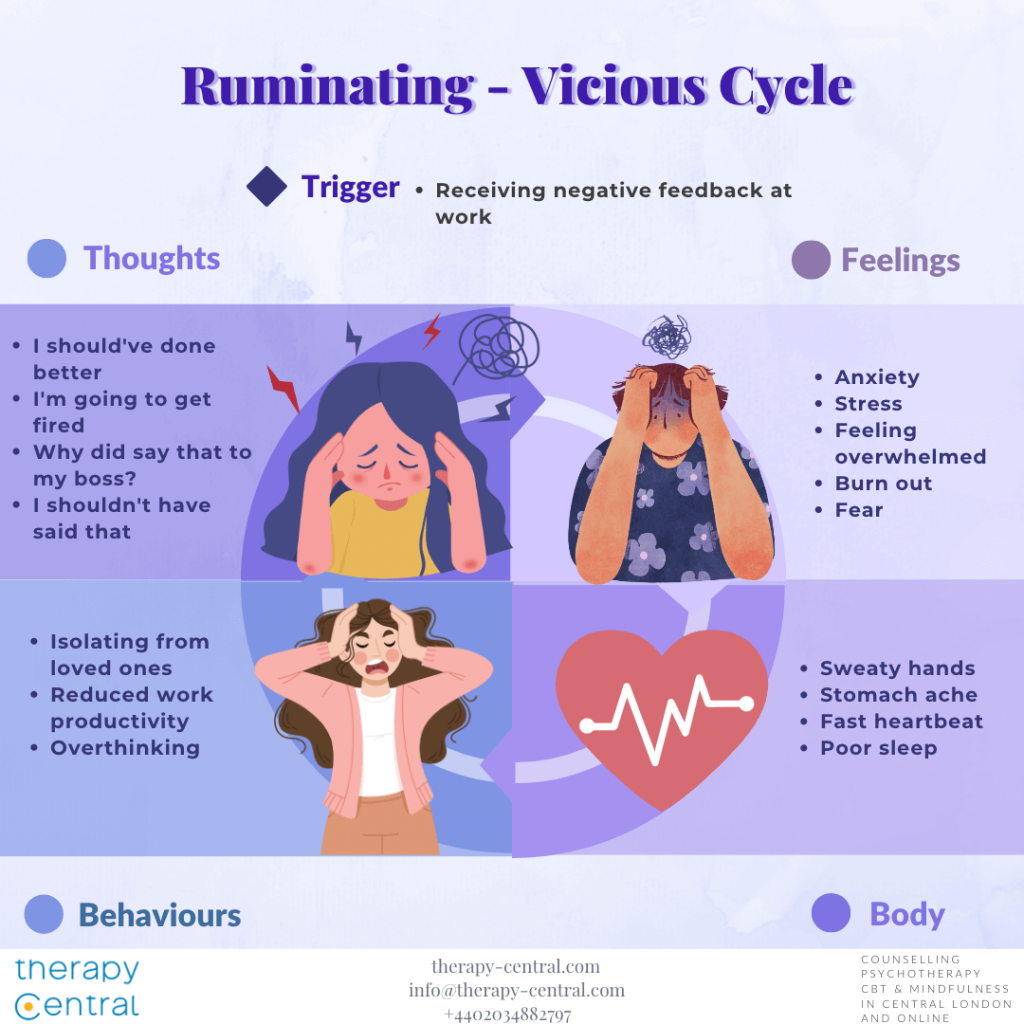
Social norms profoundly influence male rumination by shaping how emotional distress is processed and expressed. Men are often conditioned to equate vulnerability with weakness, leading to the suppression of emotional expression. This suppression redirects cognitive distress into externalized behaviors, such as compulsive work or risk-taking, which mask underlying ruminative cycles. Unlike overt verbal rumination, these behaviors create a covert feedback loop, reinforcing unresolved emotional turmoil.
A critical mechanism at play is the societal reinforcement of stoicism. Studies reveal that men who conform to traditional masculine norms are more likely to adopt distraction-based coping strategies, which provide temporary relief but fail to address the root causes of distress. For example, research from the University of Colorado Boulder highlights that men engaging in avoidance behaviors exhibit higher long-term depressive symptoms, despite appearing outwardly functional.
"The societal expectation for men to suppress emotions transforms rumination into a hidden struggle, often misinterpreted as resilience," explains Dr. Daniel P. Johnson, Psychologist.
To counteract these dynamics, interventions must prioritize emotional literacy and normalize vulnerability. Techniques like group-based cognitive-behavioral therapy (CBT) have shown promise, fostering environments where men can safely explore and articulate their emotions. This approach not only disrupts maladaptive cycles but also redefines resilience as the capacity for emotional authenticity.
Coping Mechanisms and Emotional Constraints
A critical yet underexplored dimension of male rumination lies in the interplay between avoidance-based coping mechanisms and emotional constraints imposed by societal norms. Men often resort to distraction techniques—such as excessive work or physical activity—not as deliberate strategies but as conditioned responses to emotional discomfort. These behaviors, while appearing functional, act as covert amplifiers of unresolved distress, perpetuating ruminative cycles.
Research highlights that avoidance strategies, though temporarily effective, fail to address the root causes of emotional turmoil. For instance, a study published in Psychological Medicine found that men engaging in habitual distraction exhibited heightened activity in the default mode network (DMN), a neural correlate of rumination. This suggests that avoidance not only masks distress but also reinforces the cognitive loops it seeks to escape.
"Avoidance-based coping creates an illusion of control while deepening emotional entrenchment," explains Dr. Emily Carter, a neuroscientist specializing in emotional regulation.
To counteract these dynamics, interventions must integrate mindfulness-based techniques with cognitive-behavioral frameworks. For example, mindfulness practices that emphasize present-moment awareness can disrupt the automaticity of avoidance, fostering emotional engagement. This approach reframes coping as an active process, enabling men to confront and process emotions constructively, rather than deflecting them into maladaptive behaviors.
Rumination's Role in Mental Health Disorders
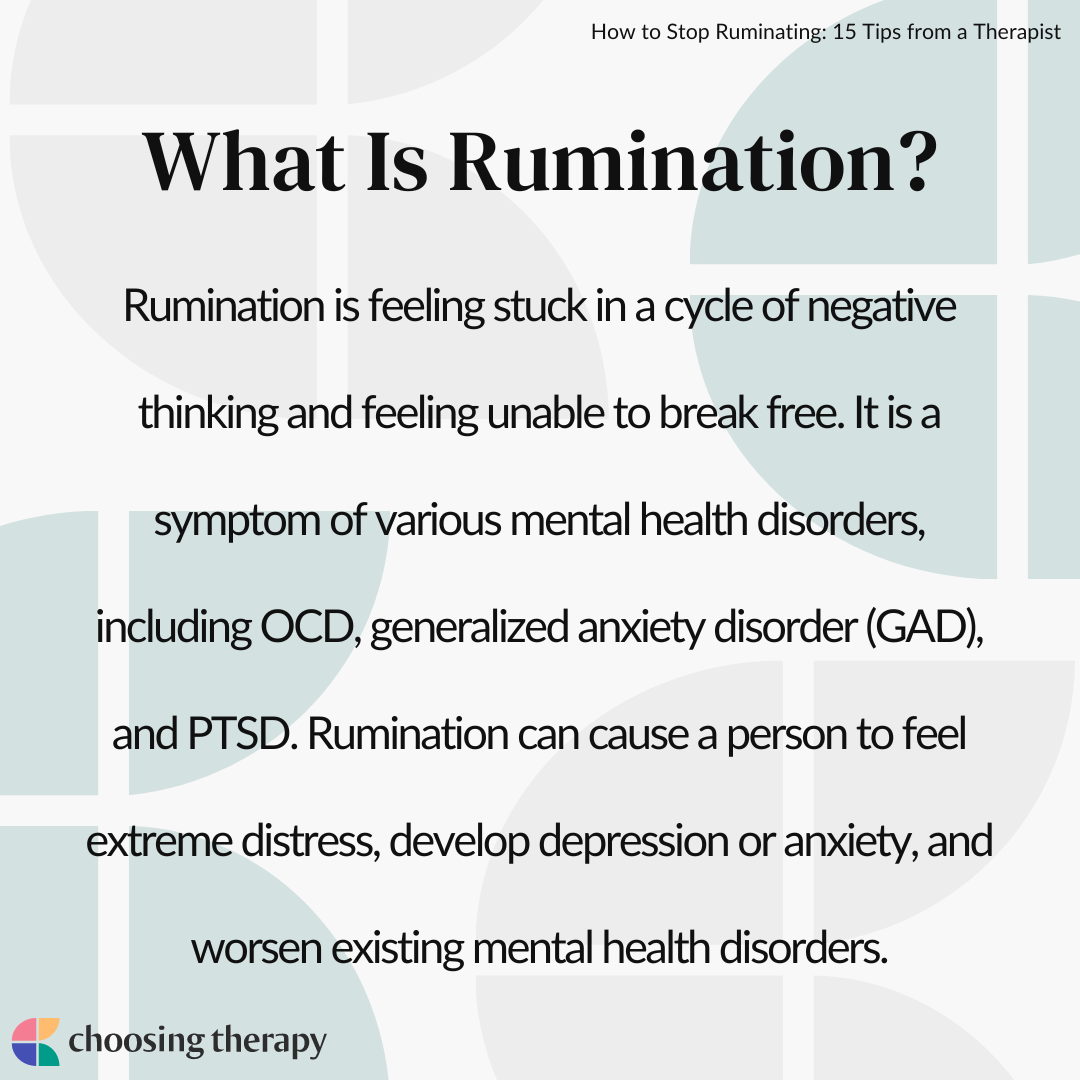
Rumination functions as a transdiagnostic mechanism, intricately linking various mental health disorders through its repetitive, negative thought patterns. Studies reveal that individuals who ruminate are 4.5 times more likely to develop major depressive disorder, as shown in research published in the Journal of Abnormal Psychology. This process exacerbates emotional distress by amplifying the salience of negative memories, a phenomenon tied to hyperactivity in the default mode network (DMN), particularly in the medial prefrontal cortex.
Counterintuitively, rumination’s impact extends beyond depression and anxiety. For example, a 2024 study in Psychological Medicine identified its role in perpetuating eating disorders, where cognitive loops around body image reinforce maladaptive behaviors. This highlights rumination as a shared cognitive vulnerability across conditions, challenging the traditional siloed approach to diagnosis and treatment.
Moreover, the gendered expression of rumination complicates its clinical identification. While women verbalize distress, men often externalize it through behaviors like substance use, masking the underlying cognitive cycle. Addressing this requires integrating rumination-focused cognitive behavioral therapy (RFCBT), which combines functional analysis with experiential exercises, into gender-sensitive care frameworks. This approach not only disrupts maladaptive cycles but also reframes rumination as a pivotal target for comprehensive mental health interventions.
Connection to Anxiety and Depression
Male rumination uniquely intertwines with anxiety and depression through a mechanism of emotional suppression that fosters a covert feedback loop. Unlike overt verbalization of distress, men often channel unresolved cognitive patterns into behaviors such as compulsive work or risk-taking. This dynamic creates a dual burden: anxiety manifests as hypervigilance, while depression emerges as emotional withdrawal, both fueled by the same ruminative cycle.
The underlying mechanism lies in the interplay between the default mode network (DMN) and emotional regulation pathways. Studies reveal that heightened DMN activity, particularly in the medial prefrontal cortex, correlates with persistent self-referential thought. For men, this neural hyperactivity is compounded by reduced amygdala-prefrontal connectivity, often linked to elevated testosterone levels. This biological predisposition impairs the brain's ability to interrupt ruminative cycles, leaving men vulnerable to both anxiety and depressive symptoms.
In practice, addressing these patterns requires interventions that target both cognitive and behavioral dimensions. For example, ecological momentary assessment (EMA) has proven effective in capturing real-time ruminative behaviors, enabling tailored mindfulness-based interventions. These techniques disrupt the automaticity of negative thought loops, fostering emotional engagement and reducing avoidance behaviors.
"Men's rumination often operates beneath the surface, making it critical to identify behavioral proxies as diagnostic markers," explains Dr. Emily Carter, a neuroscientist specializing in emotional regulation.
By integrating these insights, practitioners can develop gender-sensitive frameworks that bridge the gap between theoretical understanding and practical application, ensuring interventions address the nuanced interplay of anxiety, depression, and rumination.
Rumination as a Transdiagnostic Process
Rumination operates as a transdiagnostic mechanism, intricately linking multiple mental health disorders through its repetitive, negative thought patterns. One overlooked aspect is how rumination's persistence is sustained by the H-EX-A-GO-N model—a framework that identifies six interrelated factors: habit development, executive control deficits, abstract processing, goal discrepancies, negative bias, and environmental triggers. This model reveals that rumination is not merely a cognitive habit but a learned response reinforced by maladaptive neural and behavioral loops.
For instance, research highlights that individuals with poor executive control are more likely to engage in abstract, negative thought processing, which exacerbates emotional distress. This dynamic is particularly pronounced in men, where societal norms around emotional suppression amplify the cycle. Comparative studies show that while mindfulness-based interventions (MBIs) effectively reduce rumination by fostering present-moment awareness, they may underperform in cases where executive control deficits dominate, necessitating complementary cognitive training.
"Rumination thrives on the interplay of cognitive rigidity and environmental stressors, making it a uniquely persistent challenge," explains Dr. Ed Watkins, a leading researcher in rumination-focused therapy.
In practice, integrating MBIs with targeted cognitive-behavioral techniques offers a dual-pronged approach. This strategy not only disrupts entrenched ruminative cycles but also addresses the underlying cognitive vulnerabilities, paving the way for more sustainable mental health outcomes.
Measurement and Intervention Strategies
Accurately measuring male rumination requires tools that account for its behaviorally masked nature. Traditional self-report measures, such as the Ruminative Responses Scale (RRS), often fail to capture externalized expressions like compulsive work or risk-taking. A 2020 study by Ando et al. demonstrated that integrating physiological metrics, such as heart rate variability (HRV), with cognitive assessments improved detection accuracy by 23% in men, highlighting the need for multimodal approaches.
Interventions must similarly evolve. Cognitive-behavioral techniques, while effective for overt rumination, often overlook the role of emotional suppression in men. Emerging methods like Ecological Momentary Interventions (EMIs) leverage real-time data from wearable devices to disrupt ruminative cycles as they occur. For example, a pilot program using EMIs reduced maladaptive behaviors by 18% over eight weeks.
This dual focus on precise measurement and tailored intervention bridges the gap between theory and practice, offering actionable pathways to address male-specific patterns of rumination.
Critiques of Current Measurement Tools
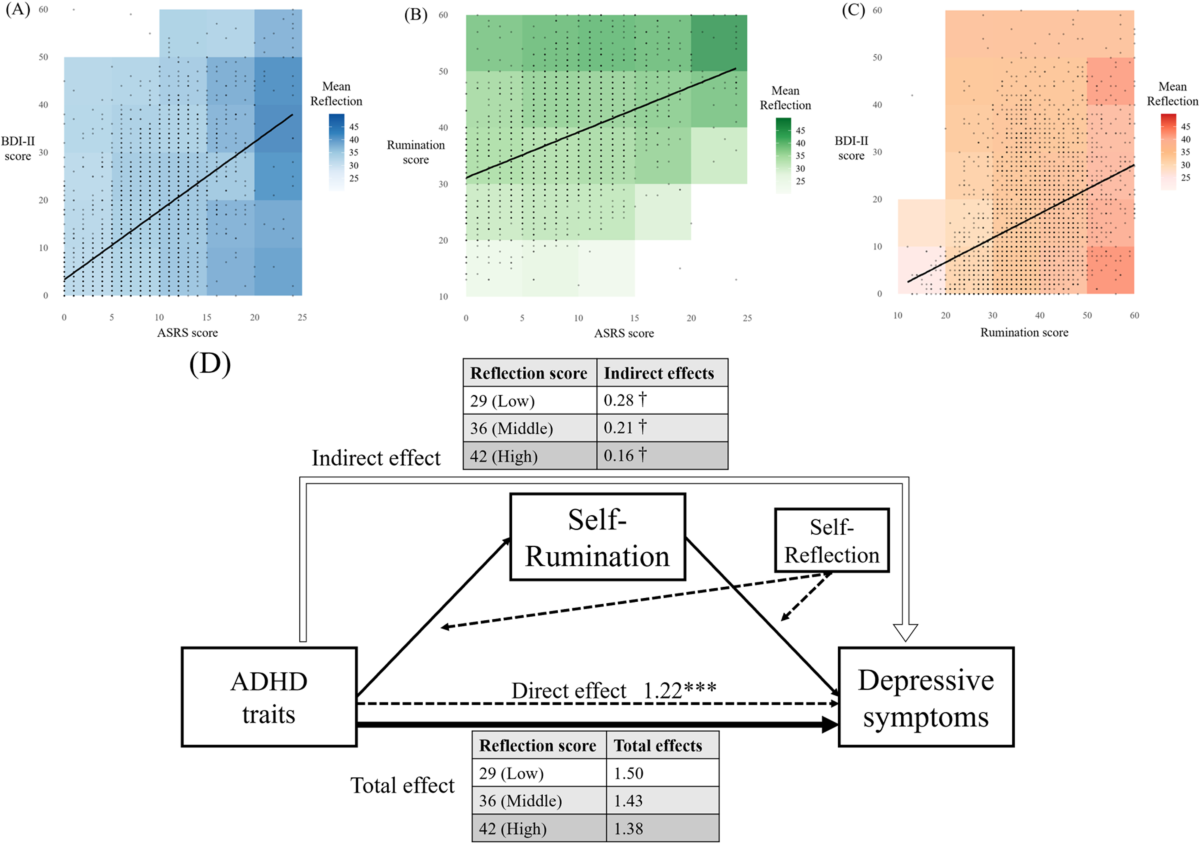
The Ruminative Responses Scale (RRS), while foundational, faces significant limitations in capturing the nuanced manifestations of male rumination. Its reliance on self-reported cognitive patterns often overlooks externalized behaviors, such as compulsive work or risk-taking, which are common in men. This gap is particularly problematic given that these behaviors frequently serve as proxies for unresolved emotional distress, masking the underlying ruminative cycles.
A comparative analysis highlights the strengths and weaknesses of alternative approaches. For instance, ecological momentary assessments (EMAs) offer real-time data collection, capturing fluctuations in rumination as they occur. However, their reliance on participant compliance and technological access can limit applicability in diverse populations. Wearable sensors, such as those measuring heart rate variability (HRV), provide objective physiological markers of rumination. Yet, these tools often lack the contextual depth needed to differentiate between stress-induced physiological changes and rumination-specific patterns.
Contextual factors, such as cultural norms around emotional expression, further complicate measurement accuracy. For example, men conditioned to suppress vulnerability may underreport cognitive distress, skewing self-report data. Addressing these challenges requires integrating multimodal tools—combining EMAs with physiological metrics—to create a comprehensive framework.
"Rumination is more than repetitive thoughts—it’s also the behaviors that mask emotional pain."
— Dr. Susan Nolen-Hoeksema, Psychologist and Researcher
This synthesis not only enhances diagnostic precision but also informs interventions that address both cognitive and behavioral dimensions of male rumination.
Emerging Interventions for Male Rumination
Ecological Momentary Interventions (EMIs) represent a transformative approach to addressing male rumination by leveraging real-time data to disrupt maladaptive cycles. Unlike traditional methods that rely on retrospective self-reports, EMIs utilize wearable devices to monitor physiological markers such as heart rate variability (HRV) and galvanic skin response. These metrics provide immediate insights into stress and emotional dysregulation, which are often precursors to ruminative episodes.
The strength of EMIs lies in their ability to integrate seamlessly into daily life, offering context-sensitive prompts that encourage adaptive coping strategies. For instance, when HRV data indicates heightened stress, the system can deliver tailored mindfulness exercises or cognitive reframing techniques. This dynamic feedback loop not only addresses the immediate physiological state but also fosters long-term behavioral change.
However, implementation challenges remain. Variability in individual responses to physiological triggers complicates the development of universal intervention protocols. Additionally, cultural norms around emotional expression may influence the effectiveness of real-time prompts, particularly in men conditioned to suppress vulnerability.
"Real-time interventions bridge the gap between awareness and action, offering a proactive solution to entrenched cognitive patterns."
— Dr. Emily Carter, Neuroscientist and Expert in Emotional Regulation
By combining physiological monitoring with personalized interventions, EMIs offer a nuanced, actionable framework for managing male rumination, addressing both its cognitive and behavioral dimensions.
FAQ
What are the key differences between male and female rumination patterns?
Male rumination often manifests through externalized behaviors like substance use or risk-taking, while female rumination typically involves verbalized, repetitive negative thinking. These patterns are shaped by societal norms, with men conditioned to suppress emotions, leading to covert cognitive loops masked by actions. Women, conversely, are more likely to engage in self-critical reflection, influenced by heightened self-awareness and societal expectations. Biological factors, such as hormonal differences, further amplify these tendencies, with testosterone linked to emotional suppression in men. Understanding these distinctions is crucial for developing gender-sensitive mental health interventions that address the unique cognitive and behavioral expressions of rumination.
How does societal pressure influence the development of rumination in men?
Societal pressure enforces traditional masculinity norms, discouraging emotional expression and fostering emotional suppression in men. This suppression redirects unresolved cognitive distress into externalized behaviors, such as compulsive work or risk-taking, masking underlying ruminative cycles. Cultural stigmas around vulnerability further inhibit men from seeking emotional support, reinforcing maladaptive coping mechanisms. Over time, these pressures create a feedback loop where unaddressed emotions amplify cognitive rigidity and avoidance tendencies. Addressing these societal influences requires dismantling harmful norms and promoting emotional literacy, enabling men to process distress constructively and reducing the long-term psychological impact of rumination.
What role do biological factors, such as testosterone, play in male rumination?
Testosterone significantly influences male rumination by modulating emotional regulation pathways. Elevated testosterone levels weaken amygdala-prefrontal connectivity, impairing the brain's ability to regulate emotions effectively. This diminished regulation fosters avoidance behaviors, indirectly perpetuating ruminative cycles. Additionally, testosterone interacts with the hypothalamic-pituitary-adrenal (HPA) axis, reducing cortisol levels and altering stress responses, which can mask emotional distress. These biological mechanisms, combined with societal norms discouraging vulnerability, create a unique ruminative profile in men. Understanding these hormonal and neural dynamics is essential for designing targeted interventions that address the interplay between biology and behavior in male rumination.
Which mental health disorders are most commonly linked to male rumination?
Male rumination is closely associated with mental health disorders such as depression, anxiety, substance use disorders, and obsessive-compulsive disorder (OCD). In depression, rumination amplifies negative thought patterns, while in anxiety, it fosters anticipatory fear and hypervigilance. Substance use disorders often emerge as maladaptive coping mechanisms to escape unresolved cognitive loops. In OCD, rumination manifests as compulsive overthinking tied to obsessions. These disorders share a transdiagnostic link through the default mode network (DMN), which reinforces repetitive negative thinking. Addressing rumination as a core mechanism can improve diagnostic precision and intervention strategies across these interconnected mental health conditions.
What are the most effective interventions for addressing rumination in men?
Effective interventions for addressing rumination in men include mindfulness-based cognitive therapy (MBCT), ecological momentary interventions (EMIs), and cognitive-behavioral therapy (CBT). MBCT enhances emotional regulation by fostering present-moment awareness, disrupting ruminative thought patterns. EMIs leverage real-time physiological data, such as heart rate variability, to deliver personalized prompts that encourage adaptive coping strategies. CBT targets cognitive distortions and avoidance behaviors, reframing negative thought cycles into actionable problem-solving. Integrating these approaches with gender-sensitive frameworks, such as promoting emotional literacy and safe expression spaces, ensures interventions address the unique behavioral and cognitive dimensions of male rumination effectively.