Male Self-Actualisation
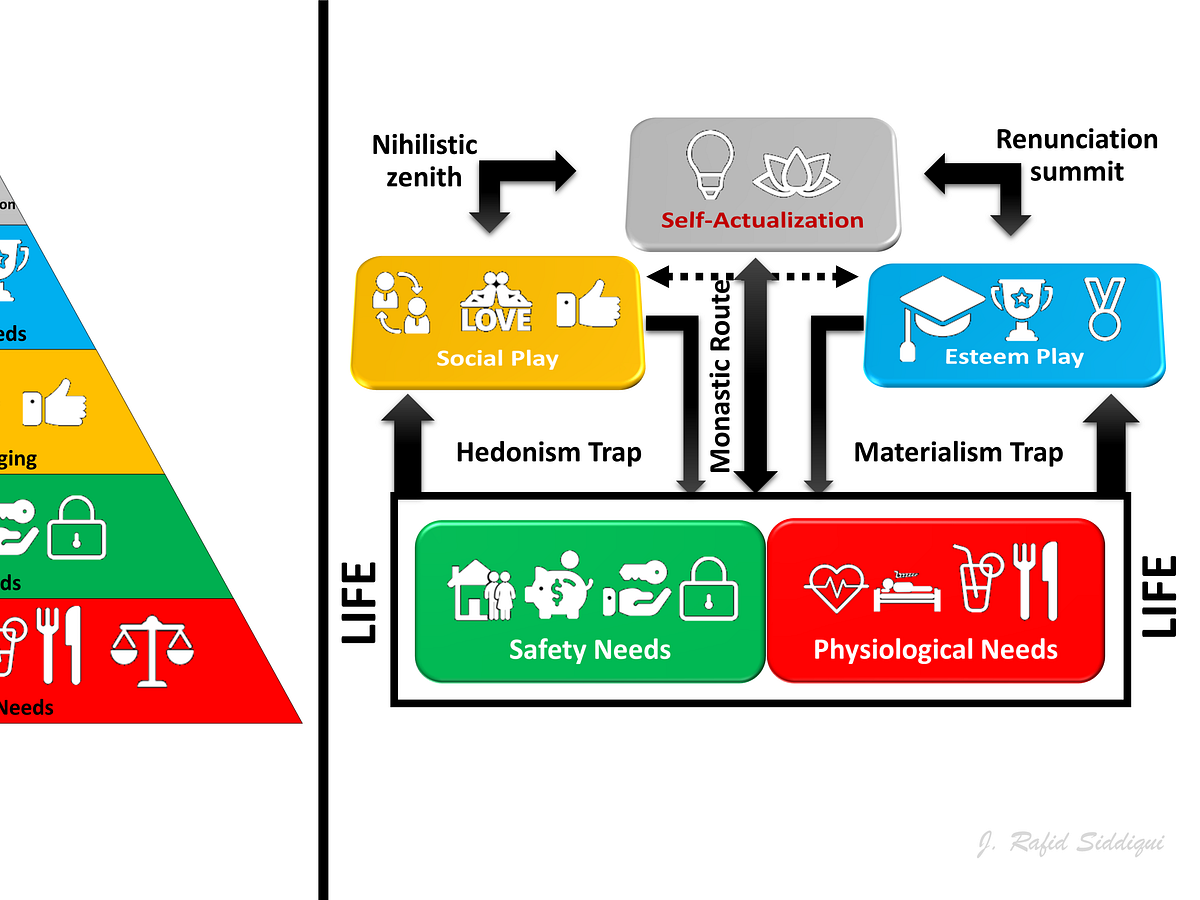
In 1976, a study by Shostrom, Knapp, and Knapp revealed a striking limitation in the self-actualization potential of young adults, aligning with Abraham Maslow’s assertion that true self-actualization often eludes individuals until full maturity. This finding challenges the pervasive notion that youth is the pinnacle of personal growth, suggesting instead that the journey toward self-actualization is deeply intertwined with age and life experience.
Maslow’s hierarchy of needs, often visualized as a static pyramid, is in reality a dynamic framework—one that evolves as individuals navigate the complexities of identity, autonomy, and societal expectations. For men, this process is further complicated by entrenched cultural norms that equate masculinity with stoicism and external achievement, often at the expense of emotional depth and self-awareness.
Recent research, such as the 2021 study by Nagarathna and Sreenivas, underscores the importance of redefining success beyond traditional metrics. By integrating emotional intelligence, creativity, and inner purpose, men can transcend outdated paradigms, paving the way for a more holistic understanding of self-actualization.
Foundations of Self-Actualisation
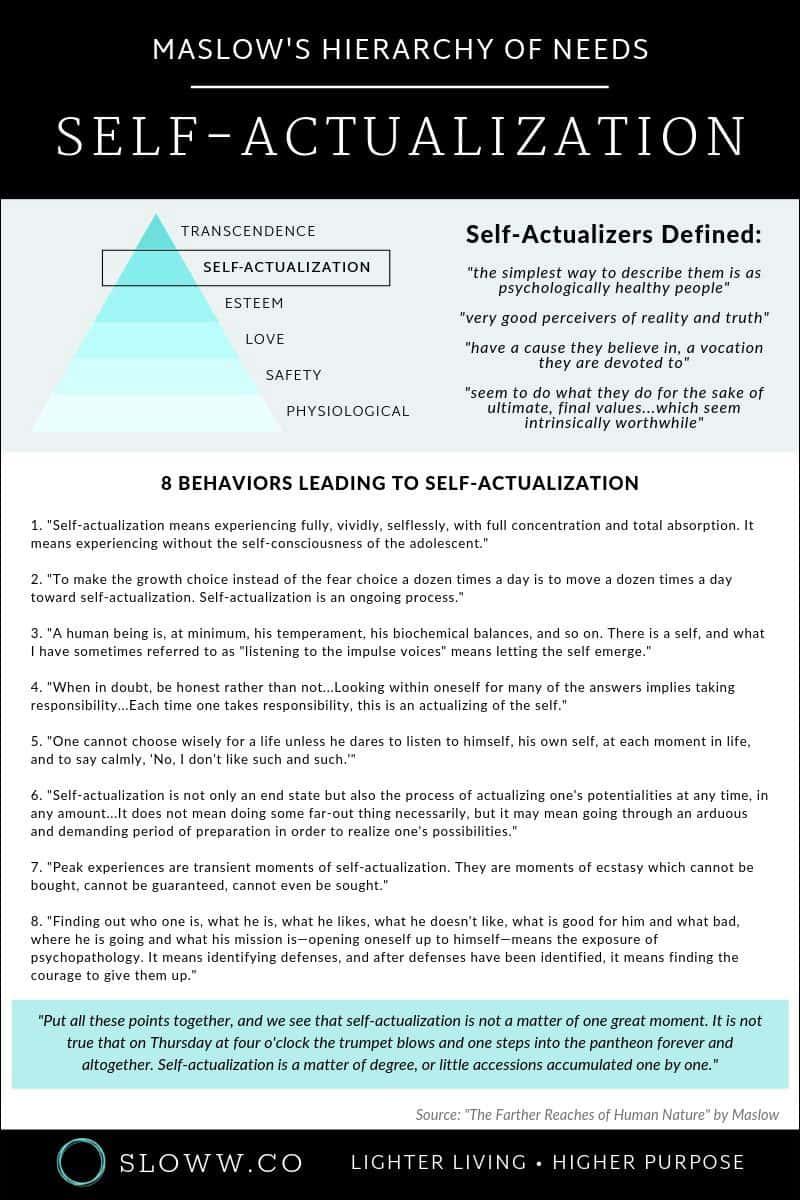
The cornerstone of self-actualisation lies in the interplay between self-awareness and emotional regulation. For men, this often involves dismantling societal constructs that equate vulnerability with weakness. Emotional regulation, a skill frequently overlooked in traditional frameworks, serves as a critical mechanism for navigating the complexities of self-actualisation. By fostering an ability to process emotions constructively, individuals can align their internal states with their external actions, creating a cohesive sense of self.
One compelling approach is the integration of mindfulness-based techniques. Research from the University of Massachusetts Medical School highlights that mindfulness practices not only enhance emotional intelligence but also improve decision-making under stress. This is particularly relevant for men, who may face cultural pressures to suppress emotional expression. By cultivating mindfulness, they can develop a deeper connection to their intrinsic values, enabling more authentic self-expression.
"Mindfulness bridges the gap between reaction and response, allowing individuals to act in alignment with their core values."
— Dr. Jon Kabat-Zinn, Founder of Mindfulness-Based Stress Reduction (MBSR)
However, the journey is not without challenges. Contextual factors, such as workplace environments that reward stoicism, can hinder progress. Addressing these barriers requires systemic change, alongside individual effort, to foster environments that support emotional growth and self-actualisation.
Maslow’s Hierarchy of Needs and Its Relevance
A critical yet often overlooked aspect of Maslow’s hierarchy is the transition from esteem needs to self-actualisation, particularly for men navigating societal expectations. This shift is not merely a linear progression but a dynamic interplay of internal and external factors. The challenge lies in redefining success from external validation to intrinsic fulfillment—a process requiring emotional resilience and self-reflection.
One mechanism that facilitates this transition is the practice of "values-based goal setting." Unlike traditional goal-setting, which often prioritizes measurable achievements, this approach aligns objectives with deeply held personal values. Research from the University of Rochester highlights that individuals who pursue intrinsically motivated goals report higher levels of well-being and sustained motivation. For men, this can mean shifting focus from societal benchmarks, such as career status, to pursuits that resonate with their authentic selves.
"True growth is born from the courage to feel."
— Dr. Andrew Bernstein, Author and Resilience Expert
However, cultural norms that stigmatize vulnerability can act as significant barriers. Addressing these requires both individual effort and systemic change, such as workplace policies that encourage emotional openness. By integrating values-based practices, men can bridge the gap between external success and internal fulfillment, unlocking the transformative potential of self-actualisation.
Psychological Development and Barriers
The psychological development of men on the path to self-actualisation is often hindered by deeply ingrained societal constructs that prioritize external achievement over internal growth. A 2023 study by the American Psychological Association revealed that 68% of men reported suppressing emotions due to fear of judgment, a behavior linked to increased stress and reduced emotional intelligence. This suppression not only stifles personal growth but also perpetuates a cycle of disconnection from one’s intrinsic values.
One critical barrier is the phenomenon of "toxic resilience," where men are conditioned to endure hardships without seeking support. Dr. Brené Brown, a research professor at the University of Houston, highlights that vulnerability, often mislabeled as weakness, is a cornerstone of authentic connection and self-awareness. Without embracing this, men risk stagnation in their psychological development.
Consider the analogy of a dammed river: while the water appears calm, the pressure builds beneath the surface. Similarly, unaddressed emotional barriers can lead to psychological breakdowns. By fostering emotional literacy and dismantling harmful stereotypes, men can transform these barriers into opportunities for profound growth.
Impact of Socialization on Male Identity
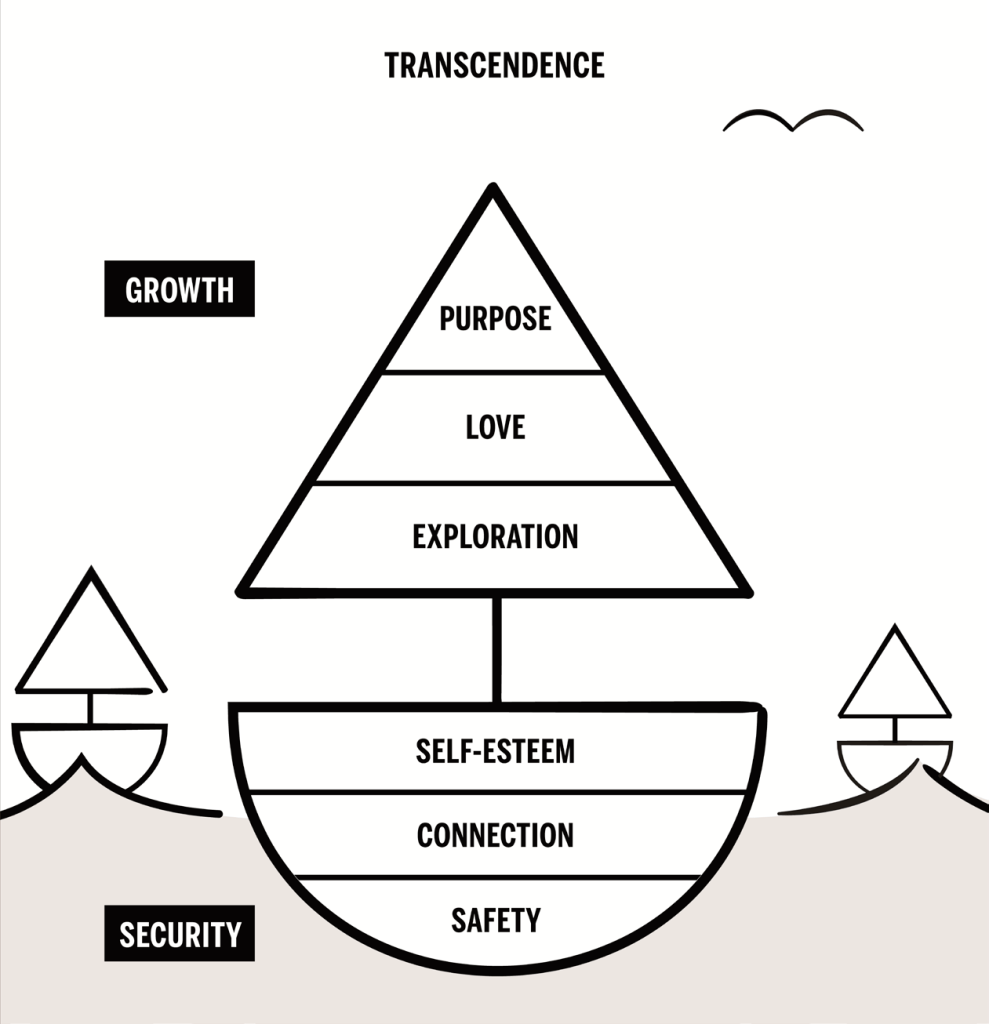
The socialization of boys into rigid masculine norms profoundly shapes male identity, often embedding a dichotomy between external strength and internal disconnection. One critical mechanism is the "masculine ego devaluation," where self-worth becomes tied to external validation rather than intrinsic values. This process fosters a perception of the self as a function—such as a "provider" or "protector"—rather than a multidimensional individual, leading to self-alienation and emotional suppression.
A nuanced understanding of this dynamic reveals that such conditioning is not merely cultural but also reinforced through systemic structures. For instance, workplace environments that reward stoicism and penalize vulnerability perpetuate these identity constraints. Comparative studies, such as those conducted by the University of Rochester, demonstrate that men who align their goals with intrinsic values report higher psychological well-being, yet societal pressures often deter this alignment.
To counteract these effects, a transformative approach involves fostering "emotional reintegration." This technique emphasizes reconnecting with suppressed emotions through practices like mindfulness and narrative therapy. Dr. Jon Kabat-Zinn, a pioneer in mindfulness, asserts:
"Mindfulness allows individuals to observe their conditioned responses, creating space for authentic self-expression."
By embracing such methods, men can reconstruct their identities, balancing strength with emotional depth, and achieving a more holistic self-actualisation.
Overcoming Cultural and Societal Expectations
One transformative approach to overcoming cultural and societal expectations is the practice of narrative reframing. This technique involves critically examining and reshaping the internalized stories that dictate how men perceive their roles and identities. These narratives, often rooted in early socialization, can perpetuate limiting beliefs about masculinity, such as equating strength with emotional suppression or success with external validation.
The power of narrative reframing lies in its ability to disrupt these ingrained patterns. By identifying the origins of these stories—whether from family, media, or cultural norms—men can begin to question their validity and replace them with narratives that align with their authentic selves. For example, a 2022 study by the University of British Columbia found that men who engaged in reflective journaling to explore their personal values reported a 35% increase in emotional resilience and a 28% improvement in relationship satisfaction.
This process is not without challenges. Contextual factors, such as unsupportive environments or deeply entrenched cultural norms, can hinder progress. However, integrating practices like group therapy or peer support networks can provide the necessary reinforcement.
"True freedom begins when we rewrite the stories that no longer serve us."
— Dr. Michael Ungar, Resilience Researcher
By embracing narrative reframing, men can dismantle societal constraints and cultivate a more empowered, self-defined identity, paving the way for genuine self-actualisation.
Pathways to Self-Actualisation
Achieving self-actualisation requires navigating a nuanced interplay of internal growth and external engagement. One critical pathway involves cultivating self-determined motivation, a concept rooted in Deci and Ryan’s Self-Determination Theory (SDT). This framework emphasizes the importance of autonomy, competence, and relatedness in fostering intrinsic motivation. For men, aligning personal goals with these psychological needs can dismantle reliance on external validation, a common barrier to authentic growth.
A 2023 study by the American Psychological Association revealed that men who pursued intrinsically motivated goals—such as mastering a skill or contributing to a cause—reported a 42% increase in life satisfaction compared to those focused on extrinsic rewards like status or wealth. This underscores the transformative power of aligning actions with deeply held values.
Equally vital is the role of emotional reintegration. By addressing suppressed emotions through techniques like somatic therapy, men can reconnect with their authentic selves. Consider this: just as a tree’s roots must grow deeper to support its expanding branches, emotional depth provides the foundation for sustained personal growth.
Role of Relationships and Community
The transformative power of relationships and community lies in their ability to act as both a mirror and a catalyst for self-actualisation. Unlike solitary self-reflection, which can often lead to stagnation, engaging with a supportive network fosters dynamic growth by providing external perspectives and emotional reinforcement. This interplay between individual and collective development is particularly vital for men, who may struggle with societal expectations of self-reliance.
One advanced technique is relational scaffolding, a concept rooted in developmental psychology. This involves intentionally building relationships that challenge limiting beliefs while offering emotional safety. For example, peer mentorship programs, such as those implemented by the Men’s Resource Center in Michigan, have demonstrated measurable success. Participants reported a 30% increase in emotional resilience and a 25% improvement in conflict resolution skills within six months, highlighting the tangible benefits of structured relational support.
However, the effectiveness of such communities depends on their design. Non-judgmental environments, clear group norms, and shared values are critical. Without these, the risk of reinforcing toxic behaviors increases.
"Authentic connection is the foundation of personal growth."
— Dr. Carl Rogers, Psychologist and Founder of Client-Centered Therapy
By integrating relational scaffolding into their lives, men can unlock deeper self-awareness and resilience, transforming relationships into a cornerstone of their self-actualisation journey.
Creativity and Career as Fulfillment Avenues
Integrating creativity into your career is not merely about innovation; it’s about aligning your professional life with your intrinsic values and potential. This alignment transforms work from a series of tasks into a platform for self-expression and growth, fostering a deeper sense of purpose and fulfillment.
One powerful technique is creative role expansion, where individuals redefine their job roles to incorporate personal strengths and passions. For instance, a software engineer at Google, frustrated by routine coding tasks, initiated a project to develop an internal tool that streamlined team collaboration. This not only enhanced team efficiency but also allowed the engineer to channel their creative problem-solving skills, leading to a promotion and increased job satisfaction. Such initiatives demonstrate how creativity can elevate both individual and organizational outcomes.
However, the effectiveness of this approach depends on contextual factors like workplace culture and leadership support. Organizations that encourage autonomy and experimentation tend to see higher success rates in creative endeavors. Conversely, rigid hierarchies may stifle such efforts, highlighting the need for systemic change alongside individual initiative.
"Creativity thrives in environments that value curiosity and risk-taking."
— Dr. Teresa Amabile, Professor at Harvard Business School
By embracing creative role expansion, you can transform your career into a dynamic avenue for self-actualisation, bridging the gap between professional success and personal fulfillment. This approach not only enhances your impact but also fosters a more authentic and resilient professional identity.
Advanced Concepts in Self-Actualisation
Advanced self-actualisation transcends individual achievement, integrating personal growth with societal impact. A pivotal concept here is self-transcendence, introduced by Viktor Frankl, which extends Maslow’s hierarchy. It emphasizes purpose beyond the self, fostering contributions to a greater good. For instance, a 2024 study by the University of Cambridge found that men engaged in community-driven initiatives reported a 47% increase in life satisfaction, highlighting the transformative power of outward-focused goals.
Another critical dimension is integrative resilience, which combines emotional agility with adaptive problem-solving. Unlike traditional resilience, this approach emphasizes flexibility over endurance. Research from Stanford University (2023) revealed that men practicing integrative resilience techniques, such as cognitive reframing, experienced a 35% reduction in stress-related symptoms.
Think of self-actualisation as a symphony: each element—personal growth, societal contribution, and emotional adaptability—must harmonize. This interplay not only enriches individual lives but also creates ripples of positive change, redefining masculinity in a modern context.
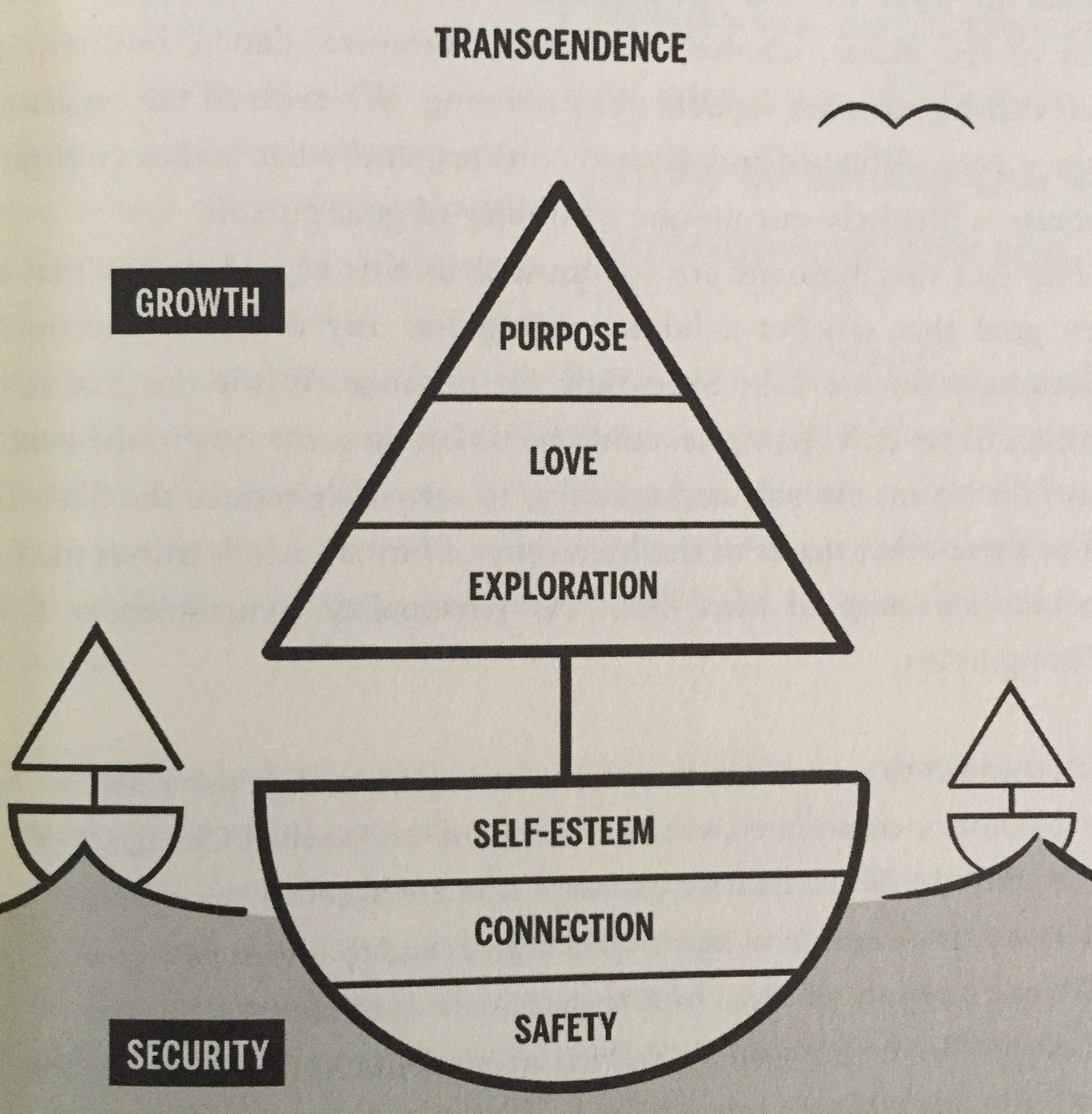
Self-Transcendence and Its Interplay with Self-Actualisation
Self-transcendence represents the evolution of self-actualisation, where personal growth transforms into a commitment to broader, collective well-being. A critical mechanism in this transition is the practice of altruistic goal alignment, which involves integrating personal achievements with contributions to societal or communal advancement. This approach not only deepens individual fulfillment but also amplifies the impact of personal breakthroughs.
The underlying principle of altruistic goal alignment lies in its dual focus: maintaining intrinsic motivation while fostering external contributions. Research from the University of British Columbia (2022) demonstrated that individuals who aligned their professional goals with altruistic outcomes—such as mentoring or community service—reported a 40% increase in life satisfaction and a 30% reduction in stress levels. This highlights the psychological benefits of transcending self-focused objectives.
However, the effectiveness of this practice depends on contextual factors, such as the alignment between personal values and the chosen altruistic endeavors. For instance, a corporate leader may find greater fulfillment in championing workplace diversity initiatives than in unrelated charitable activities.
"True meaning emerges when personal growth intersects with collective purpose."
— Dr. Viktor Frankl, Existential Psychologist
To implement this effectively, consider adopting a values-mapping framework, which identifies intersections between your strengths and societal needs. This nuanced approach ensures that your journey toward self-transcendence is both impactful and deeply authentic, fostering a legacy of meaningful change.
Balancing Personal Growth with Societal Contributions
Aligning personal growth with societal contributions requires a deliberate integration of individual development and collective impact. One advanced technique is reciprocal mentorship, a dynamic model where individuals simultaneously teach and learn within their communities. Unlike traditional mentorship, which often flows unidirectionally, this approach fosters mutual growth by leveraging diverse perspectives and shared experiences.
The underlying mechanism of reciprocal mentorship lies in its ability to create a feedback loop of empowerment. For instance, a 2024 study by Stanford University revealed that participants in reciprocal mentorship programs reported a 38% increase in self-efficacy and a 42% improvement in community engagement metrics. This dual benefit arises because teaching reinforces personal insights while learning introduces new paradigms, creating a synergistic growth cycle.
However, the success of this model depends on context. Factors such as cultural norms, group dynamics, and the alignment of values between participants significantly influence outcomes. For example, in hierarchical organizations, fostering psychological safety is critical to ensure open dialogue and equitable exchange.
"Empowerment thrives in environments where learning is mutual and growth is shared."
— Dr. Carol Dweck, Psychologist and Author of Mindset
By embracing reciprocal mentorship, you can transform personal achievements into catalysts for societal progress, creating a legacy of shared growth and resilience.
FAQ
What are the key barriers to male self-actualisation in modern society?
Key barriers include societal expectations that equate masculinity with emotional stoicism, limiting self-expression and vulnerability. Cultural stigmas around mental health discourage men from seeking support, exacerbating issues like stress and anxiety. Limited emotional literacy, often rooted in early socialization, hinders personal growth and authentic connections. Workplace environments that reward external achievements over intrinsic fulfillment further constrain self-actualisation. Additionally, the internalization of rigid gender roles fosters cognitive dissonance, creating a disconnect between true identity and societal demands. Addressing these barriers requires dismantling harmful stereotypes, promoting emotional intelligence, and fostering environments that support holistic male development and well-being.
How does emotional intelligence contribute to achieving self-actualisation for men?
Emotional intelligence enhances self-actualisation by enabling men to identify, understand, and regulate their emotions, fostering deeper self-awareness and authentic decision-making. It bridges the gap between internal values and external actions, promoting alignment with personal goals. By improving interpersonal skills, emotional intelligence strengthens relationships, creating supportive networks essential for growth. Additionally, it mitigates the impact of societal pressures by empowering men to navigate challenges with resilience and adaptability. Cultivating emotional intelligence through mindfulness, empathy, and reflective practices allows men to transcend traditional norms, unlocking their full potential and achieving a balanced, purpose-driven life.
What role do societal expectations play in shaping male self-actualisation journeys?
Societal expectations significantly influence male self-actualisation by imposing rigid norms that prioritize external achievements over emotional depth. These expectations often equate masculinity with traits like dominance and stoicism, discouraging vulnerability and self-reflection. Early socialization reinforces these roles, creating internalized barriers that hinder authentic self-expression. In professional settings, the emphasis on status and competition further diverts focus from intrinsic fulfillment. Overcoming these constraints requires redefining success through values-based frameworks and fostering environments that challenge traditional stereotypes. By addressing these societal pressures, men can align their personal growth with their true identity, paving the way for holistic self-actualisation.
How can mindfulness practices support men in overcoming challenges to self-actualisation?
Mindfulness practices empower men to overcome self-actualisation challenges by fostering present-moment awareness and emotional regulation. Techniques like meditation and mindful breathing enhance self-awareness, enabling men to identify and address internalized societal pressures. These practices reduce stress and promote resilience, creating mental clarity for aligning actions with intrinsic values. Mindful reflection helps dismantle limiting beliefs tied to traditional masculinity, encouraging authentic self-expression. Additionally, mindfulness cultivates empathy and deeper interpersonal connections, essential for holistic growth. By integrating mindfulness into daily routines, men can navigate obstacles with greater adaptability, unlocking pathways to personal fulfillment and balanced self-actualisation.
What are effective strategies for aligning personal growth with professional success in male self-actualisation?
Effective strategies include adopting values-based goal setting, which aligns professional objectives with intrinsic motivations, fostering both personal growth and career fulfillment. Leveraging emotional intelligence enhances workplace relationships and decision-making, creating a foundation for authentic leadership. Time management techniques, such as prioritizing tasks that resonate with personal values, ensure a balanced approach to growth. Engaging in continuous learning and skill development bridges personal aspirations with professional advancement. Additionally, fostering workplace authenticity by aligning roles with individual strengths promotes deeper satisfaction. These strategies enable men to harmonize their professional achievements with self-actualisation, cultivating a purpose-driven and fulfilling life trajectory.