Male Self Awareness

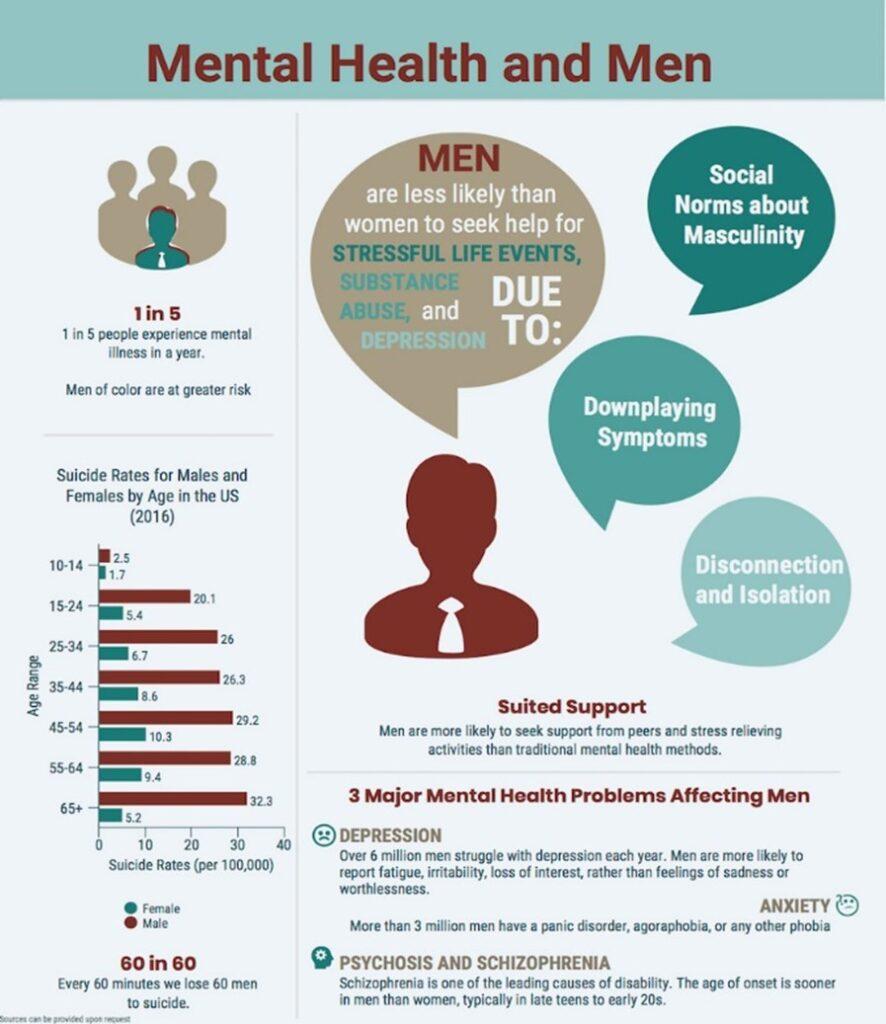
In 2019, a study by the American Psychological Association revealed that 67% of men reported difficulty identifying their emotions—a statistic that underscores a profound cultural and psychological challenge. For decades, societal norms have conditioned men to suppress emotional expression, equating vulnerability with weakness. This suppression, however, has not eradicated emotions; it has merely driven them underground, manifesting in stress-related illnesses, strained relationships, and unacknowledged mental health struggles.
Dr. Ronald Levant, a pioneer in the psychology of men and masculinity, describes this phenomenon as "normative male alexithymia," a condition where men struggle to articulate their feelings due to cultural conditioning. This is not a biological inevitability but a learned behavior, deeply rooted in generational expectations.
Recent research from Harvard University (2023) suggests that men who actively engage in emotional self-awareness practices—such as journaling or mindfulness—experience a 40% reduction in stress-related symptoms. These findings challenge entrenched stereotypes, revealing that emotional literacy is not a liability but a transformative strength.
Defining Self-Awareness in Men
Self-awareness in men is not merely about recognizing emotions but understanding the intricate interplay between personal history and present behavior. One critical yet often overlooked aspect is the role of emotional triggers—specific stimuli that provoke disproportionate reactions. These triggers are deeply rooted in past experiences, often tied to unresolved conflicts or societal conditioning.
To address this, men can adopt a technique known as "trigger mapping." This involves identifying recurring emotional responses, tracing them back to their origins, and reframing their significance. For instance, a professional athlete who consistently reacted with anger to criticism discovered through trigger mapping that his response stemmed from childhood experiences of harsh judgment. By reframing criticism as an opportunity for growth, he transformed his reactions into constructive engagement.
"Reflection gives the brain an opportunity to pause amidst the chaos, untangle and sort through observations and experiences, and create meaning."
— Jennifer Porter, Managing Partner, The Boda Group
However, the process is not without challenges. Over-identifying with triggers can lead to overthinking, while ignoring them perpetuates reactive patterns. The key lies in balancing awareness with actionable insights, enabling men to shift from reactive to intentional behavior. This nuanced approach fosters resilience, emotional regulation, and deeper interpersonal connections.
The Importance of Self-Awareness for Personal Growth
One transformative yet underexplored technique in self-awareness is the practice of "emotional granularity." This concept, rooted in psychological research, involves identifying and labeling emotions with precision rather than defaulting to broad terms like "angry" or "sad." Emotional granularity enhances cognitive clarity, enabling individuals to respond to challenges with greater nuance and control.
The underlying mechanism lies in the brain's ability to process emotions as distinct experiences. Studies from the University of North Carolina (2022) reveal that individuals with higher emotional granularity demonstrate improved stress management and decision-making. By distinguishing between "frustration" and "disappointment," for example, one can tailor responses more effectively, avoiding impulsive reactions.
Comparatively, traditional emotional regulation techniques often emphasize suppression or distraction, which can lead to unresolved tension. Emotional granularity, however, fosters deeper understanding and long-term emotional resilience. Its effectiveness is amplified in contexts requiring high-stakes decision-making, such as leadership or conflict resolution.
"The ability to name emotions precisely is not just a skill—it’s a gateway to emotional intelligence and personal growth."
— Dr. Lisa Feldman Barrett, Neuroscientist and Author
To implement this, journaling with a focus on emotional vocabulary can be a practical starting point. Over time, this practice cultivates a richer emotional lexicon, empowering individuals to navigate life's complexities with clarity and composure.
Core Components of Male Self-Awareness
Male self-awareness is a dynamic interplay of three core dimensions: emotional, behavioral, and social awareness. Each dimension builds upon the other, creating a holistic framework for personal growth and relational success.
Emotional Awareness: The Foundation
Emotional awareness begins with identifying and understanding your internal emotional states. Research from the University of California, Berkeley (2021) found that men who practiced emotional labeling experienced a 35% improvement in emotional regulation over six months. This process is akin to fine-tuning a musical instrument—each emotion, when clearly identified, contributes to a harmonious internal state. Techniques like mindfulness and structured journaling can help men decode complex emotions, transforming confusion into clarity.
Behavioral Awareness: Recognizing Patterns
Behavioral awareness involves observing how emotions influence actions. For example, a study by the American Psychological Association (2020) revealed that men who tracked their behavioral patterns reduced impulsive decisions by 28%. This dimension is not about self-criticism but about uncovering hidden habits. Think of it as mapping a river’s flow to understand its source and direction, enabling intentional course corrections.
Social Awareness: The Relational Lens
Social awareness ties these elements together by focusing on how actions impact others. Dr. Michael Gervais, a high-performance psychologist, emphasizes that understanding social cues enhances empathy and strengthens relationships. Practical applications include active listening and seeking feedback, which foster authentic connections and mutual respect.
By integrating these dimensions, men can achieve a transformative self-awareness that empowers both personal and interpersonal growth.
Emotional Self-Awareness: Recognizing and Managing Emotions
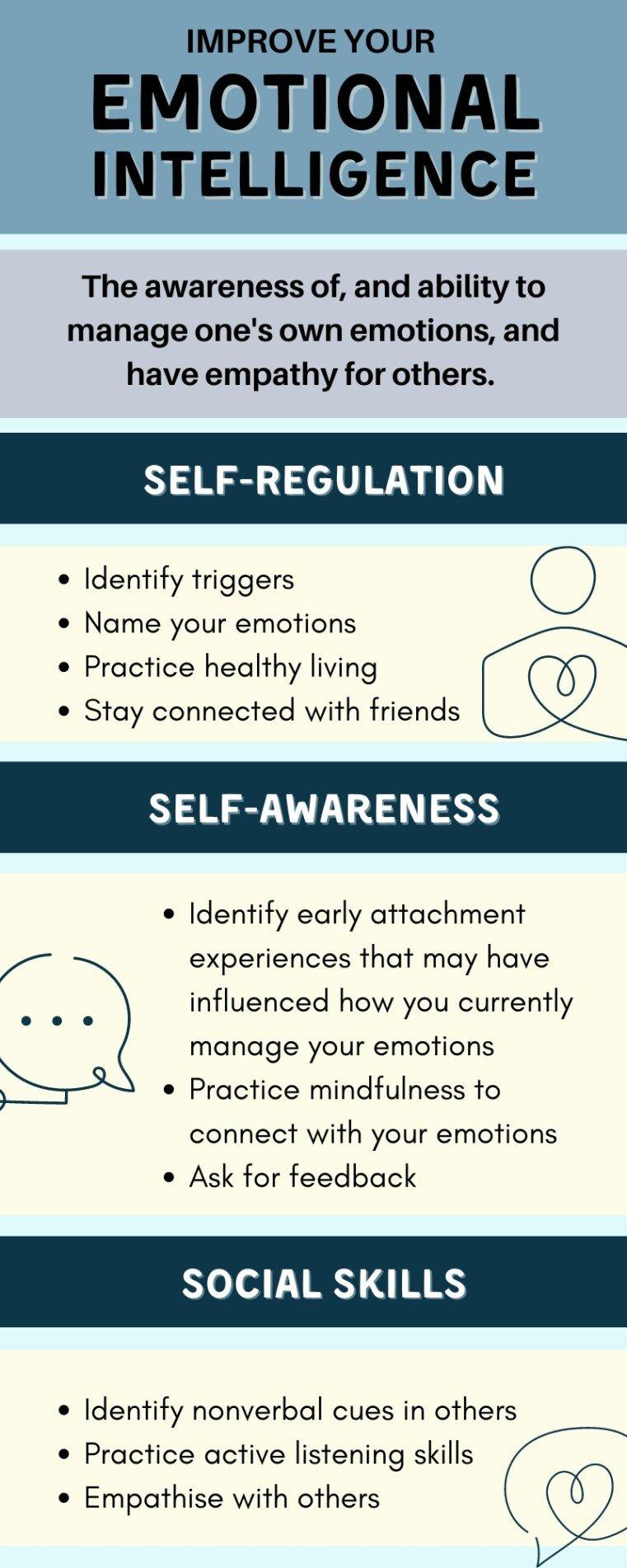
Recognizing and managing emotions requires more than surface-level acknowledgment; it demands a deliberate process of emotional calibration. This involves identifying not just the emotion itself but its intensity, origin, and potential impact. Emotional calibration is akin to fine-tuning an instrument—each adjustment brings clarity and balance, enabling you to respond rather than react.
One effective methodology is the "Emotion-Impact Matrix", a tool that categorizes emotions based on their intensity and influence on decision-making. For instance, high-intensity emotions like anger can cloud judgment, while low-intensity emotions such as mild unease may subtly guide better choices. By mapping emotions within this framework, individuals can prioritize which feelings require immediate attention and which can be observed without action.
A comparative analysis reveals that while mindfulness emphasizes non-judgmental observation, the Emotion-Impact Matrix focuses on actionable categorization. The former excels in fostering acceptance, while the latter provides a structured approach to decision-making. However, the matrix may falter in highly dynamic situations where emotions shift rapidly, underscoring the need for complementary techniques.
"Emotional awareness is not about controlling feelings but understanding their purpose and channeling them effectively."
— Dr. Marc Brackett, Director, Yale Center for Emotional Intelligence
By integrating tools like the Emotion-Impact Matrix with reflective practices, you can transform emotional turbulence into a source of clarity and strength, fostering resilience in both personal and professional spheres.
Behavioral Self-Awareness: Understanding Actions and Impacts
Behavioral self-awareness is not merely about observing your actions but decoding the intricate feedback loop between your internal state and external behavior. At its core lies the principle of causal tracing—a method of identifying the emotional and cognitive precursors to specific actions. This approach shifts the focus from surface-level behavior to the underlying mechanisms that drive it, enabling intentional change.
One advanced technique is behavioral journaling, where individuals document not just their actions but the context, emotions, and thoughts preceding them. This practice reveals patterns that are often invisible in the moment. For example, a study by the University of Michigan (2022) demonstrated that professionals who engaged in structured behavioral journaling reduced counterproductive workplace behaviors by 25% over six months. The key was not just recording actions but analyzing the triggers and emotional states that led to them.
Comparatively, traditional behavior modification techniques often emphasize external reinforcement, such as rewards or consequences. While effective in the short term, these methods can fail to address the root causes of behavior. Causal tracing, by contrast, fosters sustainable change by aligning actions with deeper self-awareness.
"Behavioral self-awareness is the bridge between intention and impact—it transforms unconscious habits into deliberate choices."
— Dr. Susan David, Psychologist and Author
By integrating causal tracing with reflective practices, you can recalibrate your actions to align with your values, creating a ripple effect of positive change in both personal and professional domains.
Social Self-Awareness: Perception and Interaction
Social self-awareness hinges on the ability to decode and adapt to the nuanced dynamics of interpersonal interactions. One critical yet underexplored technique is micro-cue analysis, which involves observing subtle, often unconscious signals such as shifts in tone, microexpressions, or posture. These cues provide a real-time barometer of how others perceive and respond to you, offering actionable insights into the effectiveness of your communication.
The underlying mechanism of micro-cue analysis lies in its reliance on mirror neurons, which enable individuals to intuitively sense and reflect the emotions of others. However, this process is not purely instinctual; it can be refined through deliberate practice. For instance, leaders at Google have implemented structured feedback loops where team members analyze recorded meetings to identify non-verbal patterns that either foster or hinder collaboration. This approach has led to measurable improvements in team cohesion and decision-making efficiency.
Comparatively, traditional methods like personality assessments focus on static traits, whereas micro-cue analysis emphasizes dynamic, situational awareness. While the former provides foundational self-knowledge, the latter equips individuals to navigate complex social environments with agility.
"Social self-awareness transforms relationships by bridging the gap between intention and perception."
— Dr. Amy Edmondson, Professor of Leadership, Harvard University
By mastering micro-cue analysis, you can align your actions with the unspoken needs of others, fostering trust and amplifying your influence in any setting.
Developing Self-Awareness in Men
The journey to self-awareness for men is not merely an introspective exercise; it is a transformative process that bridges emotional insight with actionable growth. Research from the University of Illinois (2022) highlights that men who engage in structured self-reflection practices, such as guided journaling, report a 32% improvement in emotional regulation within six months. This underscores the power of deliberate reflection in fostering emotional clarity and resilience.
One often-overlooked strategy is the integration of biofeedback technology. Devices like HeartMath’s Inner Balance sensor provide real-time data on physiological responses, such as heart rate variability, enabling men to connect emotional states with physical reactions. This tangible feedback demystifies abstract emotions, making self-awareness a measurable and actionable skill.
A common misconception is that self-awareness equates to overthinking. In reality, effective self-awareness involves targeted reflection—focusing on specific patterns or triggers rather than ruminating aimlessly. For example, a professional might use reflective prompts to analyze recurring workplace conflicts, uncovering underlying assumptions that drive reactive behaviors.
By combining introspection with evidence-based tools, men can transform self-awareness into a practical framework for personal and professional growth.
Techniques for Enhancing Self-Reflection
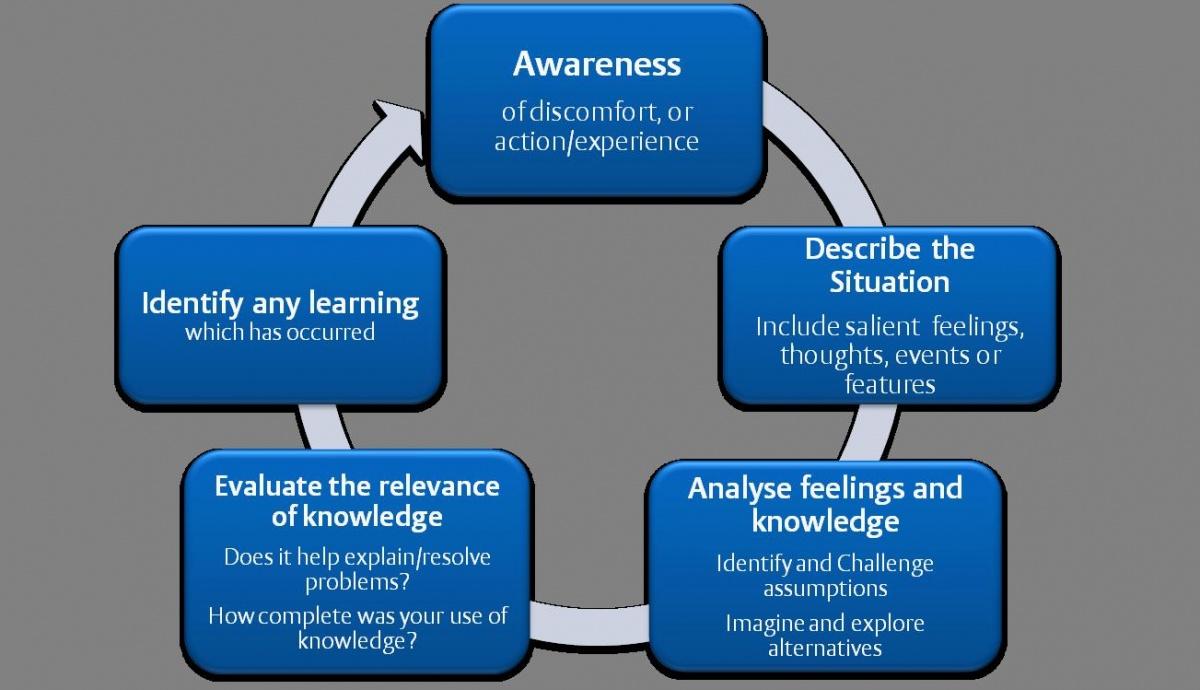
One transformative technique for enhancing self-reflection is guided visualization, a method that leverages the brain's capacity to simulate scenarios and explore emotional landscapes. Unlike traditional journaling or mindfulness, guided visualization creates a structured mental environment where you can confront challenges, clarify goals, and rehearse responses to emotionally charged situations.
The effectiveness of this technique lies in its neurological foundation. Visualization activates the brain's prefrontal cortex, which governs decision-making and emotional regulation, while simultaneously engaging the amygdala to process emotional intensity. This dual activation fosters a deeper connection between thought and feeling, enabling you to uncover hidden emotional drivers. For instance, visualizing a difficult conversation can reveal underlying fears or assumptions, allowing you to address them proactively.
Comparatively, while mindfulness emphasizes present-moment awareness, guided visualization focuses on future-oriented problem-solving. Its strength lies in its ability to simulate complex scenarios, though it may be less effective for individuals who struggle with abstract thinking. To mitigate this, pairing visualization with verbal prompts or physical cues can enhance its accessibility.
"Visualization is not just about imagining success; it’s about rehearsing the steps to achieve it."
— Dr. Barbara Fredrickson, Positive Psychology Researcher
By integrating guided visualization into your self-reflection practice, you can transform abstract emotions into actionable insights, bridging the gap between awareness and intentional growth.
The Role of Feedback and Self-Assessment Tools
Feedback and self-assessment tools serve as pivotal mechanisms for uncovering blind spots and fostering intentional growth. At their core, these tools operate by bridging the gap between self-perception and external reality, offering a dual lens for introspection and actionable change. One particularly effective approach is the integration of 360-degree feedback systems, which collect input from peers, subordinates, and supervisors to provide a comprehensive view of one’s behavioral patterns and interpersonal impact.
The transformative potential of these tools lies in their ability to highlight discrepancies between self-image and external perceptions. For instance, a study conducted by the Center for Creative Leadership revealed that leaders who actively engaged with 360-degree feedback improved their decision-making effectiveness by 25% over a year. This improvement stemmed from their ability to identify and address specific behavioral tendencies that hindered collaboration.
However, the success of such tools depends heavily on the context of their application. Feedback must be framed constructively, emphasizing growth rather than criticism. Additionally, self-assessment tools like the Situational Self-Awareness Scale can complement feedback by quantifying internal and external awareness, enabling individuals to track progress over time.
"Constructive feedback is not about judgment; it’s about creating a roadmap for growth."
— Dr. Tasha Eurich, Organizational Psychologist
By combining structured feedback with reflective self-assessment, you can transform raw insights into meaningful, sustained personal development.
FAQ
What are the key components of male self-awareness and how do they interconnect?
Male self-awareness encompasses emotional, behavioral, and social dimensions, each intricately linked. Emotional awareness involves recognizing and understanding personal emotions and their triggers, forming the foundation for introspection. Behavioral awareness focuses on identifying patterns in actions and their underlying motivations, bridging internal states with external behaviors. Social awareness emphasizes understanding interpersonal dynamics and the impact of one’s actions on others, fostering empathy and connection. These components interconnect by creating a feedback loop: emotional insights inform behavior, while social interactions refine emotional understanding. Together, they cultivate a holistic self-awareness, enabling men to navigate personal growth, relationships, and decision-making effectively.
How does emotional intelligence influence self-awareness in men and their relationships?
Emotional intelligence enhances male self-awareness by fostering the ability to identify, understand, and regulate emotions, which directly impacts personal and relational dynamics. Self-awareness, a core component of emotional intelligence, helps men recognize emotional triggers and patterns, enabling thoughtful responses rather than impulsive reactions. This clarity strengthens communication and empathy, essential for building trust and resolving conflicts in relationships. By aligning emotional insights with interpersonal interactions, men can navigate complex social cues and foster deeper connections. The synergy between emotional intelligence and self-awareness creates a foundation for healthier relationships, improved mental well-being, and more intentional personal growth.
What practical techniques can men use to enhance their self-awareness in daily life?
Men can enhance self-awareness through practical techniques like mindfulness, journaling, and seeking feedback. Mindfulness practices, such as meditation or focused breathing, improve present-moment awareness and emotional regulation. Journaling provides a structured way to document thoughts, emotions, and patterns, offering clarity and insight over time. Constructive feedback from trusted individuals highlights blind spots and fosters growth. Additionally, setting personal development goals and reflecting on daily experiences can align actions with values. These techniques, when integrated into daily routines, create a comprehensive framework for cultivating self-awareness, improving emotional intelligence, and fostering meaningful personal and professional relationships.
How does self-awareness impact professional growth and decision-making for men?
Self-awareness drives professional growth and decision-making by enabling men to recognize their strengths, weaknesses, and cognitive biases. This clarity fosters objective evaluation of opportunities and challenges, leading to more informed and strategic choices. By understanding emotional triggers, men can regulate reactions under pressure, enhancing leadership and collaboration. Self-awareness also aligns personal values with career goals, promoting authentic decision-making and sustained motivation. Furthermore, it improves adaptability by identifying areas for skill development and embracing constructive feedback. This integration of introspection and action empowers men to navigate complex professional landscapes with confidence and purpose, fostering long-term success and resilience.
What role do feedback and self-assessment tools play in developing male self-awareness?
Feedback and self-assessment tools are pivotal in developing male self-awareness by bridging internal perceptions with external realities. Constructive feedback from peers or mentors highlights blind spots, offering actionable insights into behaviors and their impact. Self-assessment tools, such as emotional intelligence tests or reflective prompts, quantify personal strengths and areas for growth, fostering introspection. Together, these methods create a dynamic feedback loop, enabling men to align their actions with values and goals. By integrating external perspectives with internal reflection, these tools enhance emotional intelligence, refine decision-making, and support continuous personal and professional development.