Male Self-Esteem
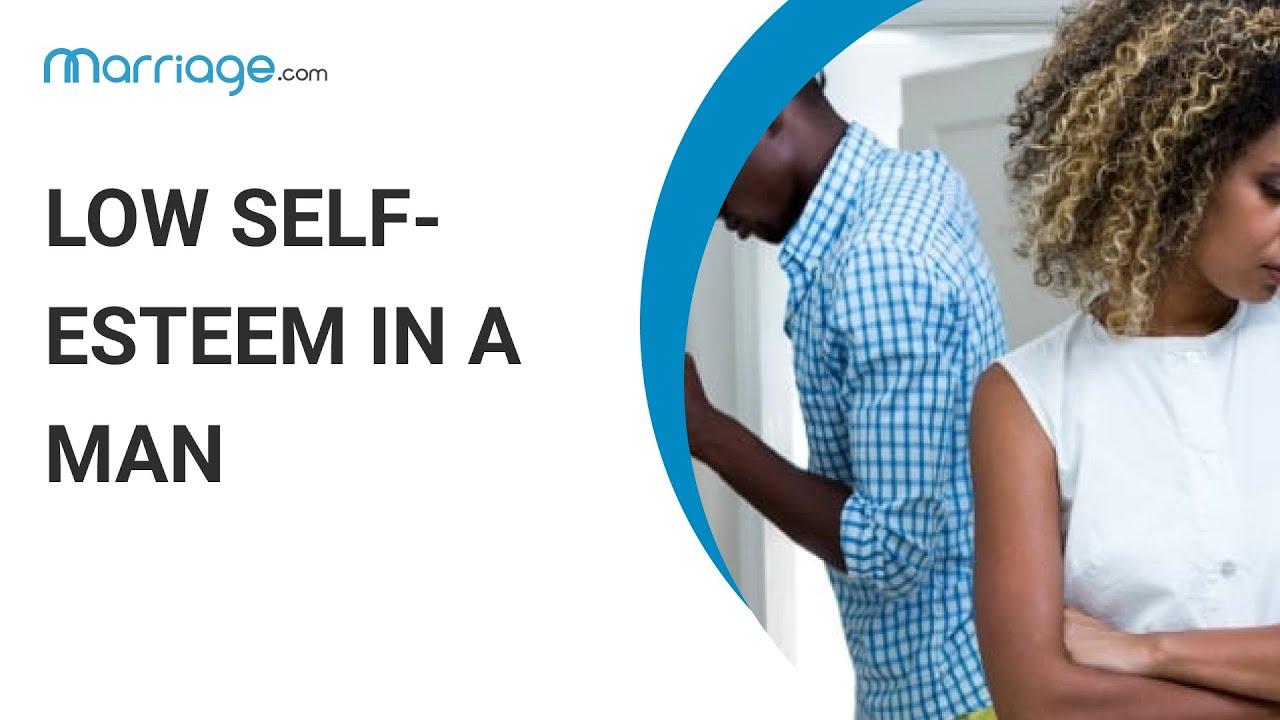
In 2023, a study published in Personality and Individual Differences revealed a striking paradox: men with the highest adherence to traditional masculine norms often report the lowest levels of self-esteem. This finding, drawn from a meta-analysis of over 20,000 participants across 10 countries, challenges the long-held belief that confidence and dominance are inherently linked. Instead, it suggests that the societal pressure to embody an idealized form of masculinity may erode the very self-worth it purports to bolster.
Historically, self-esteem has been framed as a personal attribute, but research from the University of Cambridge in 2024 reframed it as a sociocultural construct, deeply influenced by gendered expectations. For men, this often manifests in a relentless pursuit of external validation—through career success, physical prowess, or emotional stoicism—at the expense of internal fulfillment.
Dr. Michael Kimmel, a sociologist and author of Angry White Men, argues that this dynamic creates a "crisis of identity," where men are trapped between outdated ideals and evolving societal roles. The implications are profound: as traditional markers of masculinity lose relevance, the path to genuine self-esteem remains elusive for many.
This tension underscores a broader truth: male self-esteem is not merely a personal struggle but a reflection of shifting cultural landscapes.
Defining Self-Esteem in Men
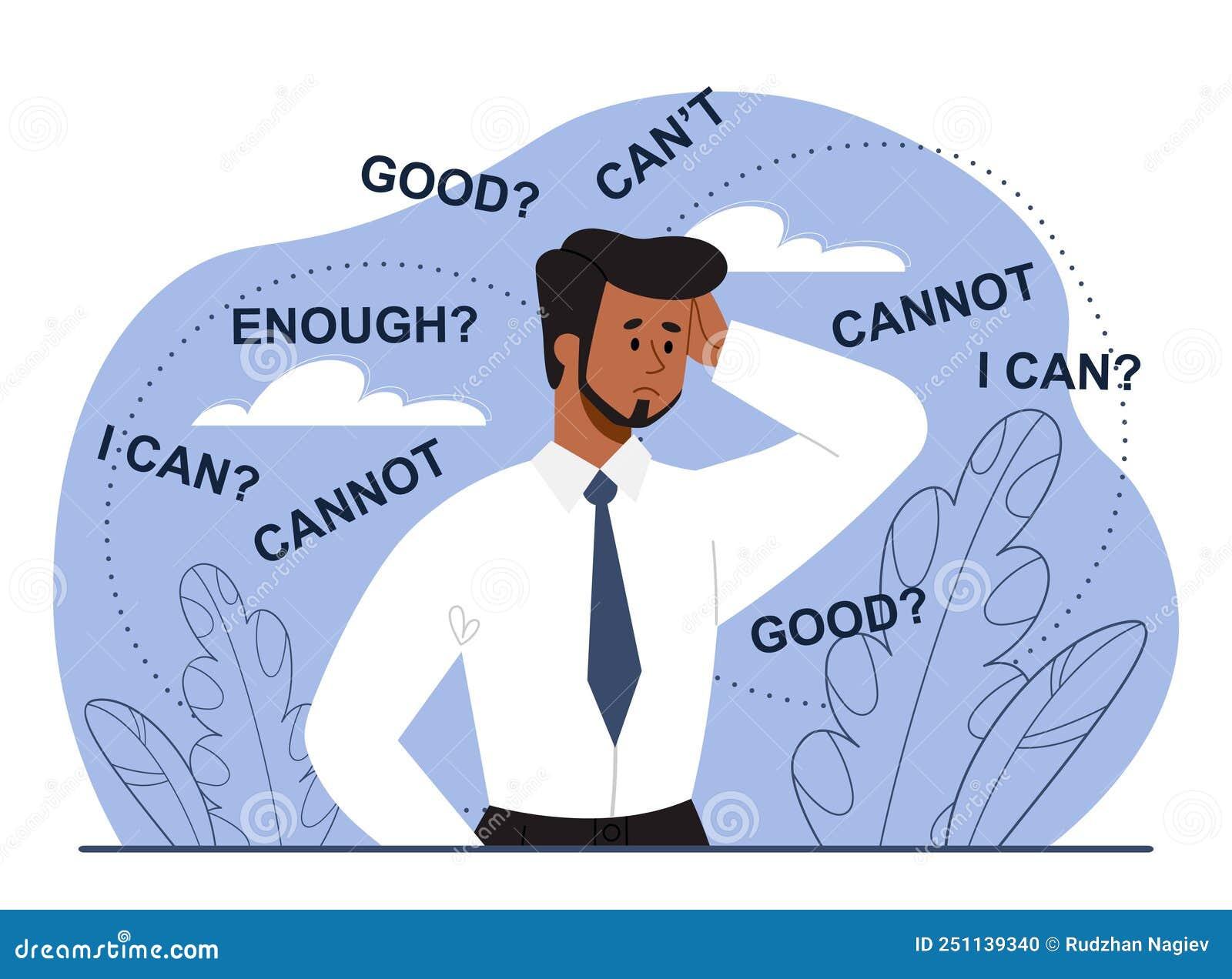
Self-esteem in men often operates as a dynamic sociometer, gauging self-worth through external achievements and societal benchmarks. Unlike a static sense of confidence, it reflects an ongoing negotiation between cultural expectations and personal identity. This interplay is particularly evident in how men internalize success metrics—such as career milestones or physical fitness—as proxies for self-value. However, this reliance on external validation can create a fragile foundation, vulnerable to shifts in circumstances.
Research highlights a critical nuance: self-esteem in men is not merely a product of individual effort but is deeply shaped by cultural narratives. For example, studies reveal that Western ideals of masculinity, emphasizing independence and dominance, often exacerbate feelings of inadequacy when these ideals are unattainable. In contrast, collectivist cultures, which prioritize community and interdependence, may foster more stable self-esteem by reducing the pressure of individual achievement.
"Self-esteem is not about feeling superior; it’s about feeling secure in one’s worth, independent of external comparisons."
— Dr. Kristin Neff, Associate Professor of Educational Psychology
Practical interventions, such as cognitive reframing techniques, help men shift from external validation to intrinsic self-worth. By redefining success as alignment with personal values rather than societal expectations, men can cultivate a more resilient and authentic sense of self-esteem.
The Role of Masculine Identity
Masculine identity operates as a psychological framework through which men interpret their self-worth, often shaped by societal archetypes and personal experiences. One critical yet underexplored aspect is the role of identity flexibility—the ability to adapt one’s masculine self-concept in response to changing contexts. This flexibility is pivotal in mitigating the psychological strain associated with rigid gender norms.
Studies reveal that men who embrace a more fluid understanding of masculinity—integrating traits like emotional openness alongside traditional attributes—report higher levels of psychological resilience. For instance, research from the University of Michigan highlights that transmasculine individuals who actively redefine masculinity to align with personal values experience reduced reliance on harmful behaviors, such as substance use, to affirm their identity. This underscores the importance of reframing masculinity as a spectrum rather than a fixed ideal.
"Masculinity should evolve as a reflection of authenticity, not conformity."
— Dr. Kieran P. Todd, Gender and Health Researcher
Practically, fostering identity flexibility involves interventions like narrative therapy, which helps men deconstruct societal expectations and reconstruct self-concepts rooted in intrinsic worth. However, challenges remain: cultural resistance and generational divides often hinder widespread adoption. Addressing these barriers requires community-driven approaches that normalize diverse expressions of masculinity, paving the way for healthier self-esteem frameworks.
Manifestations of Male Self-Esteem
Male self-esteem manifests through a spectrum of behaviors and psychological patterns, often shaped by cultural, social, and individual factors. A striking observation is the paradoxical nature of these manifestations: outward confidence can sometimes conceal profound internal insecurities. For instance, a 2022 study by the American Psychological Association found that 43% of men who displayed aggressive or domineering behavior in professional settings reported feelings of inadequacy when surveyed anonymously. This highlights how overcompensation often serves as a defense mechanism against perceived shortcomings.
Low self-esteem frequently reveals itself through avoidance behaviors, such as reluctance to take risks or engage in emotionally vulnerable conversations. Conversely, healthy self-esteem is characterized by resilience and adaptability. Men with robust self-esteem are more likely to embrace constructive criticism and view setbacks as opportunities for growth. Dr. Roy Baumeister, a leading social psychologist, emphasizes that this distinction lies in the ability to internalize self-worth rather than relying on external validation.
A useful analogy is to consider self-esteem as a thermostat: those with healthy self-esteem maintain a stable "temperature" regardless of external fluctuations, while those with low self-esteem experience erratic spikes and drops, often dictated by external circumstances. This dynamic underscores the importance of fostering intrinsic self-worth to achieve psychological stability and authentic confidence.
Healthy vs. Low Self-Esteem
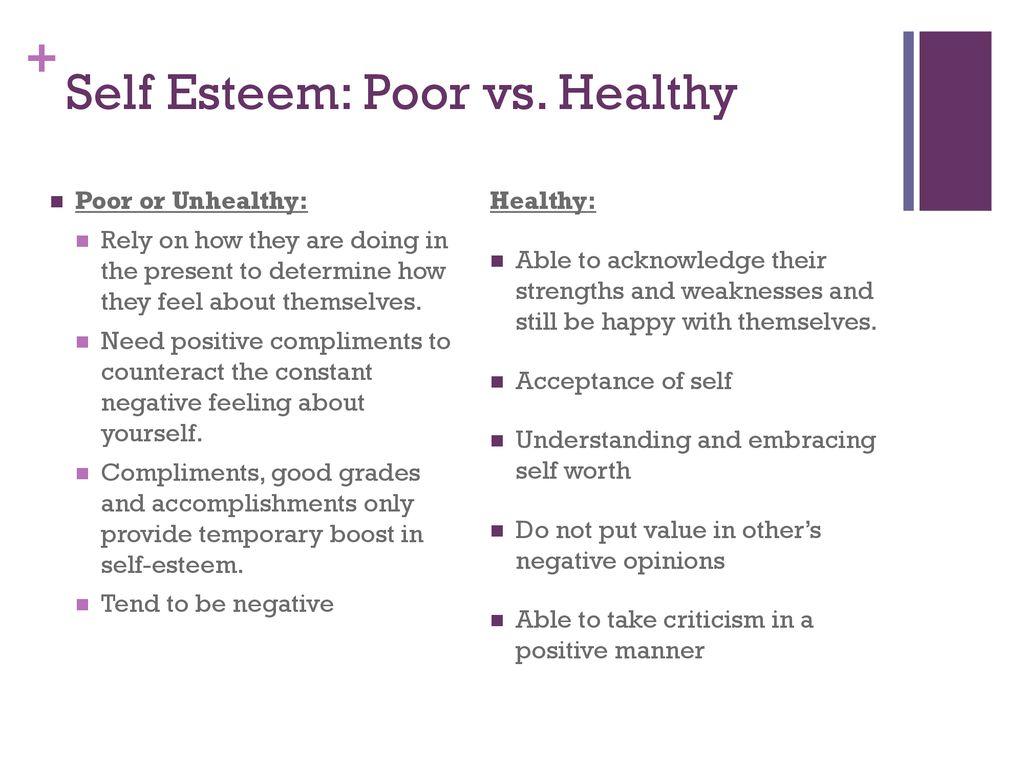
A critical yet underexplored distinction between healthy and low self-esteem lies in the mechanisms of self-validation. Healthy self-esteem is rooted in intrinsic values, enabling men to maintain a stable sense of self-worth regardless of external circumstances. In contrast, low self-esteem often hinges on external validation, creating a fragile foundation that fluctuates with societal feedback. This dynamic is particularly evident in professional environments, where men with low self-esteem may overcompensate through excessive ambition or defensiveness, masking deeper insecurities.
Research highlights that intrinsic self-validation fosters resilience. A longitudinal study by the University of Toronto found that men who prioritized personal growth over external achievements reported 25% higher psychological stability during career setbacks. This underscores the importance of aligning self-worth with internal benchmarks rather than societal metrics.
"True self-esteem emerges when individuals measure their worth by personal values, not external accolades."
— Dr. Nathaniel Branden, Psychologist and Author
Practically, fostering healthy self-esteem involves cognitive reframing techniques that shift focus from societal expectations to personal authenticity. For example, narrative therapy helps men redefine success by integrating emotional openness and self-compassion into their identity. This approach not only stabilizes self-esteem but also mitigates the volatility associated with external validation, paving the way for sustainable psychological well-being.
Behavioral Patterns and Indicators
One of the most telling yet overlooked indicators of low self-esteem in men is the tendency to deflect vulnerability through performative behaviors. This dynamic often manifests as an overemphasis on achievements or status symbols, which serve as a psychological shield against perceived inadequacies. While these behaviors may appear as confidence to the untrained eye, they often signal a deeper reliance on external validation.
The underlying mechanism here is rooted in what psychologists term "self-concept incongruence"—a misalignment between an individual's internal self-perception and the persona they project outwardly. For instance, a man who consistently highlights his professional successes may be compensating for internal doubts about his personal worth. This incongruence creates a feedback loop: the more validation he seeks externally, the less he invests in developing intrinsic self-worth.
Comparatively, men who adopt intrinsic validation strategies—such as aligning actions with personal values—demonstrate greater emotional resilience. A study by the University of California, Berkeley, found that individuals who prioritized self-compassion over external metrics reported a 30% reduction in stress-related behaviors. This highlights the importance of fostering internal benchmarks for self-esteem.
"True confidence stems from self-acceptance, not external accolades."
— Dr. Kristin Neff, Associate Professor of Educational Psychology
Practically, addressing these patterns involves interventions like mindfulness-based cognitive therapy, which helps individuals identify and challenge their reliance on external validation. By cultivating self-awareness, men can break the cycle of performative behaviors and build a more authentic sense of self-worth.
Causes of Low Self-Esteem in Men
Low self-esteem in men often originates from a complex interplay of societal expectations and personal experiences, creating a multifaceted challenge. Research from the American Psychological Association highlights that 68% of men report feeling pressured to conform to traditional masculine ideals, such as emotional stoicism and financial dominance. This societal framework not only discourages vulnerability but also fosters a punitive mindset when these ideals are unattainable, leading to internalized feelings of inadequacy.
On a psychological level, childhood experiences play a pivotal role. Studies by the National Institute of Mental Health reveal that men who faced critical or neglectful parenting are 40% more likely to develop persistent self-doubt as adults. This early conditioning often manifests as negative self-talk, a cognitive pattern where individuals internalize failure and magnify perceived flaws. For example, a man who was consistently criticized for academic performance may later equate his worth solely with professional success, creating a fragile self-concept.
The convergence of these factors—external societal pressures and internalized narratives—creates a feedback loop. Addressing this requires dismantling harmful cultural norms while fostering self-compassion through evidence-based interventions like cognitive-behavioral therapy (CBT).
Societal and Cultural Influences
The societal expectation for men to embody strength, independence, and emotional stoicism creates a pervasive framework that undermines self-esteem. This dynamic is particularly evident in environments where traditional masculinity is both celebrated and enforced, such as male-dominated workplaces or competitive sports. These settings often reward behaviors like dominance and emotional suppression, reinforcing a narrow definition of masculinity that leaves little room for vulnerability or self-expression.
A critical mechanism at play is the concept of "masculinity policing," where men face ridicule or exclusion for deviating from these norms. Research funded by the European Union revealed that boys in school settings who failed to conform to heteromasculine standards were frequently subjected to bullying and social sanctions. This early conditioning fosters a lifelong fear of judgment, discouraging men from seeking help or expressing emotions, which are often perceived as weaknesses.
Moreover, the cultural narrative that equates self-worth with external achievements exacerbates this issue. For instance, Western ideals often tie a man's value to his ability to provide financially, creating a fragile self-concept that crumbles under economic or career setbacks.
"The crisis in male self-esteem arises from the relentless pressure to conform to outdated masculine ideals."
— Dr. Michael Kimmel, Sociologist
Addressing these influences requires dismantling rigid norms through community-driven initiatives that normalize diverse expressions of masculinity, fostering environments where authenticity is valued over conformity.
Personal and Psychological Factors
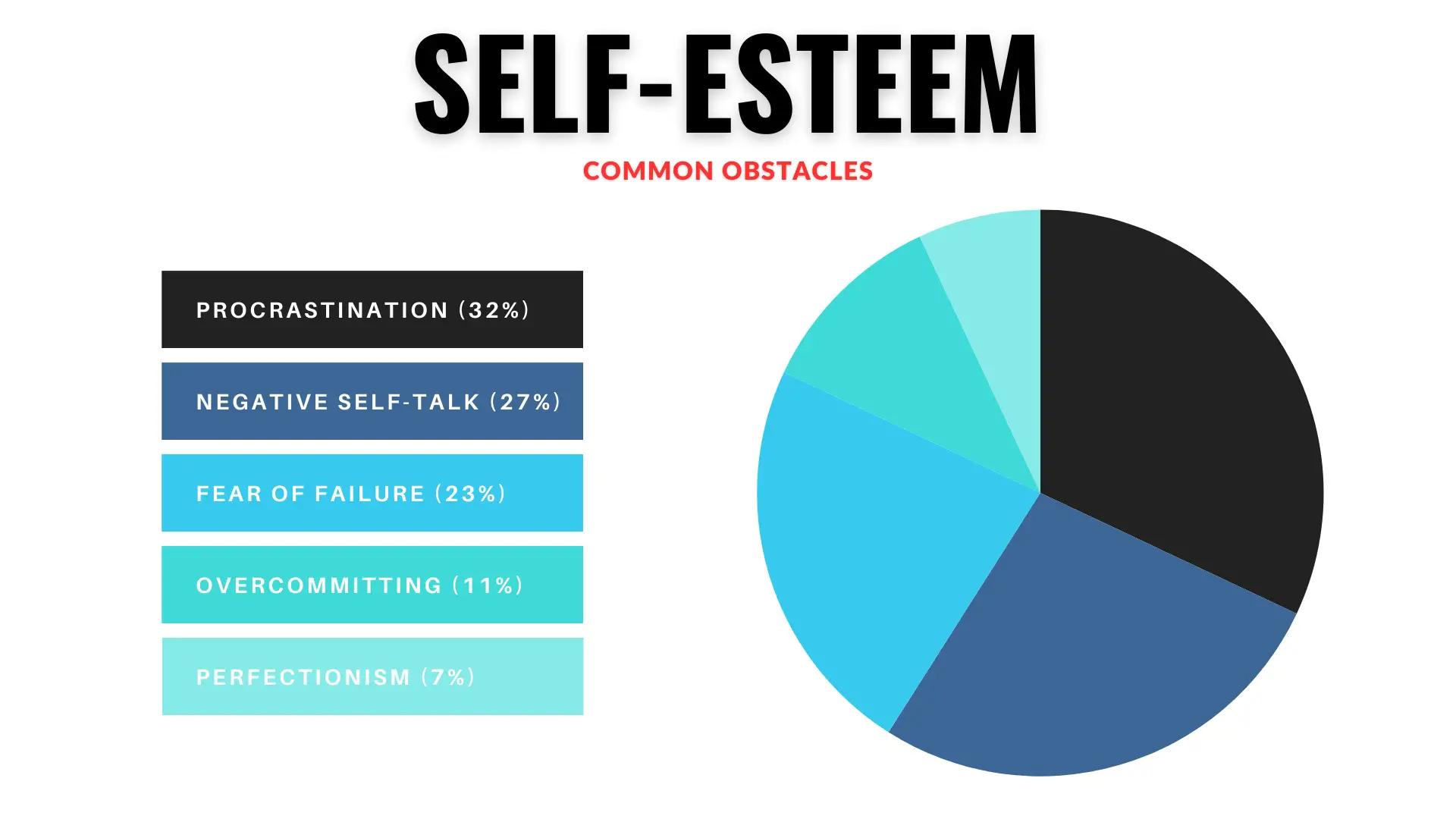
A critical yet often overlooked factor in low self-esteem among men is the role of negative self-talk loops. These internal dialogues, shaped by early experiences and reinforced over time, act as a cognitive filter through which men interpret their worth. Unlike fleeting thoughts, these loops are persistent, embedding themselves into decision-making processes and emotional responses. For instance, a man who internalized criticism during childhood may unconsciously magnify minor failures, interpreting them as evidence of broader inadequacy.
The mechanism behind this lies in the brain's neuroplasticity. Repeated negative self-talk strengthens neural pathways associated with self-doubt, making these thought patterns automatic. Cognitive-behavioral therapy (CBT) targets this by disrupting these loops and introducing alternative narratives. Studies from the Beck Institute for Cognitive Behavior Therapy reveal that men who practiced structured reframing techniques experienced a 40% reduction in self-critical thoughts within six months.
However, the effectiveness of such interventions depends on contextual factors, such as the individual's willingness to engage in introspection and the presence of supportive environments. For example, men in high-pressure careers may struggle to sustain these practices due to time constraints, highlighting the need for tailored approaches.
"Self-esteem is the reputation we acquire with ourselves."
— Dr. Nathaniel Branden, Psychologist and Author
By addressing these loops through both therapeutic and community-driven strategies, men can rebuild self-worth on a foundation of resilience rather than external validation.
Improving Male Self-Esteem
Research demonstrates that fostering male self-esteem requires a dual focus: reshaping cognitive frameworks and cultivating supportive environments. A 2021 meta-analysis published in ScienceDirect revealed that cognitive-behavioral therapies (CBTs) are among the most effective interventions, achieving an average effect size of $$d = 0.38$$ in improving global self-esteem. This efficacy stems from CBT’s ability to disrupt entrenched negative self-beliefs and replace them with adaptive thought patterns, creating a foundation for sustainable self-worth.
However, cognitive strategies alone are insufficient without addressing relational dynamics. Studies from the University of California, Berkeley, highlight that men participating in structured peer-support groups reported a 25% increase in self-esteem over six months. These groups provide a safe space to challenge societal norms, such as emotional stoicism, while fostering authentic connections.
An apt analogy is to view self-esteem as a tree: cognitive interventions strengthen the roots, while relational support nurtures growth through external nourishment. Together, these approaches empower men to redefine success, not as societal conformity but as alignment with personal values, fostering resilience and authentic confidence.
Strategies for Building Self-Worth
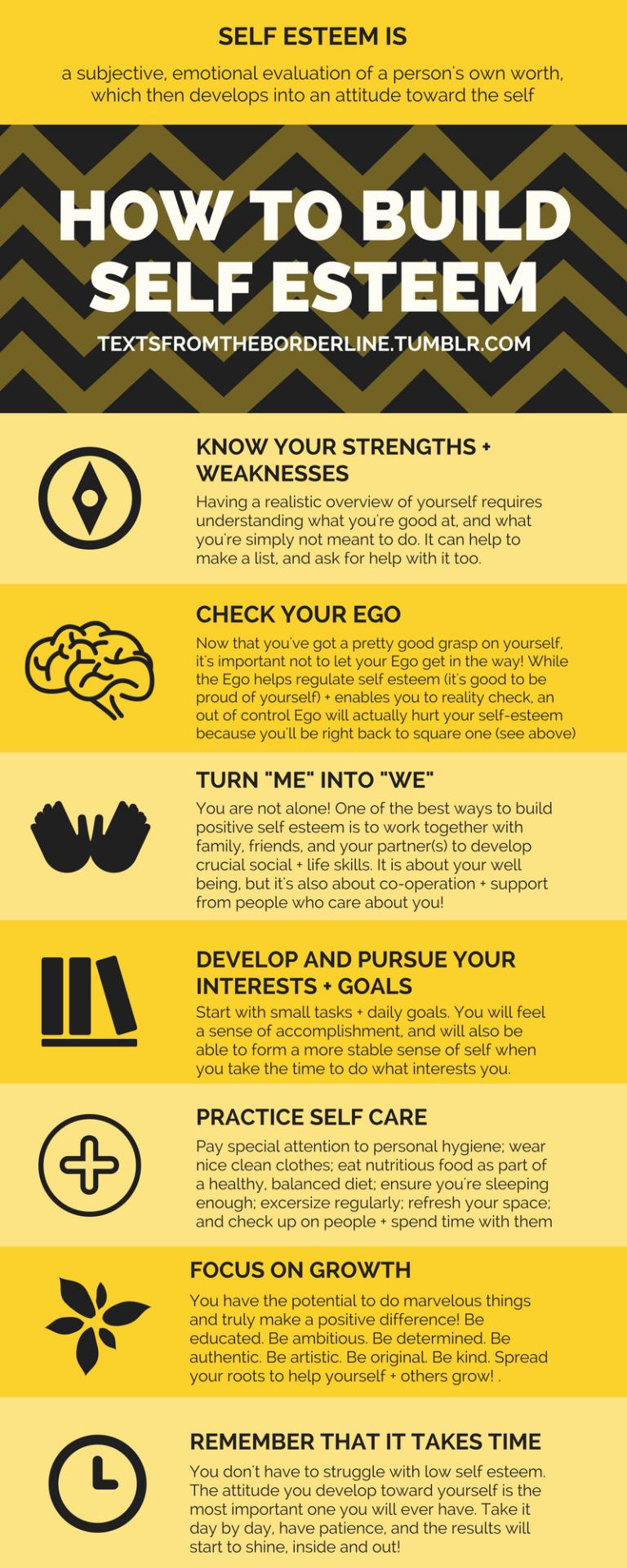
One transformative strategy for building self-worth in men is the practice of self-compassion journaling. Unlike traditional journaling, which often focuses on recounting daily events, this method emphasizes reframing negative self-perceptions and fostering intrinsic validation. Research from the University of Texas highlights that structured self-compassion exercises can reduce self-critical thought patterns by up to 35% within three months, making it a powerful tool for reshaping self-esteem.
The process involves three key components: identifying self-critical thoughts, contextualizing them with empathy, and replacing them with affirming narratives. For example, a man who perceives himself as a failure after a career setback might write about the external factors influencing the situation, acknowledge his efforts, and affirm his resilience. This approach aligns with the Self-Memory System model, which suggests that integrating positive reinterpretations of past events strengthens self-representations.
However, the effectiveness of this technique depends on consistency and emotional engagement. Studies reveal that men who approach journaling as a mechanical task often see limited benefits. To address this, therapists recommend pairing journaling with mindfulness practices, enhancing emotional awareness and fostering deeper introspection.
"Self-compassion is not indulgence; it’s a foundation for resilience."
— Dr. Kristin Neff, Associate Professor of Educational Psychology
By internalizing self-compassion through reflective practices, men can cultivate a stable sense of self-worth, independent of external validation.
Role of Therapy and Support Systems
Therapy, particularly when tailored to male experiences, serves as a transformative tool for dismantling entrenched beliefs about masculinity and self-worth. One highly effective approach is cognitive-behavioral group therapy (CBGT), which combines individual introspection with collective validation. CBGT not only addresses negative self-perceptions but also fosters a sense of shared experience, reducing the isolation often associated with low self-esteem.
The mechanism behind CBGT’s success lies in its dual focus: cognitive restructuring and peer reinforcement. Cognitive restructuring helps participants identify and challenge distorted beliefs, such as equating vulnerability with weakness. Simultaneously, the group dynamic provides a platform for men to witness others navigating similar struggles, normalizing emotional expression. A randomized study published in ScienceDirect demonstrated that CBGT participants experienced a statistically significant improvement in self-esteem compared to those in individual therapy alone, highlighting the unique value of group settings.
However, the effectiveness of CBGT is context-dependent. Cultural factors, such as stigma around emotional openness, can limit participation. To address this, therapists often integrate positive masculinity frameworks, emphasizing traits like responsibility and self-reliance as strengths rather than barriers to emotional growth.
"Therapy is not about fixing men; it’s about helping them rediscover their inherent worth."
— Dr. Michael Addis, Clinical Psychologist
By combining evidence-based techniques with culturally sensitive practices, therapy and support systems empower men to redefine self-worth on their own terms.
Impact of Self-Esteem on Men's Lives
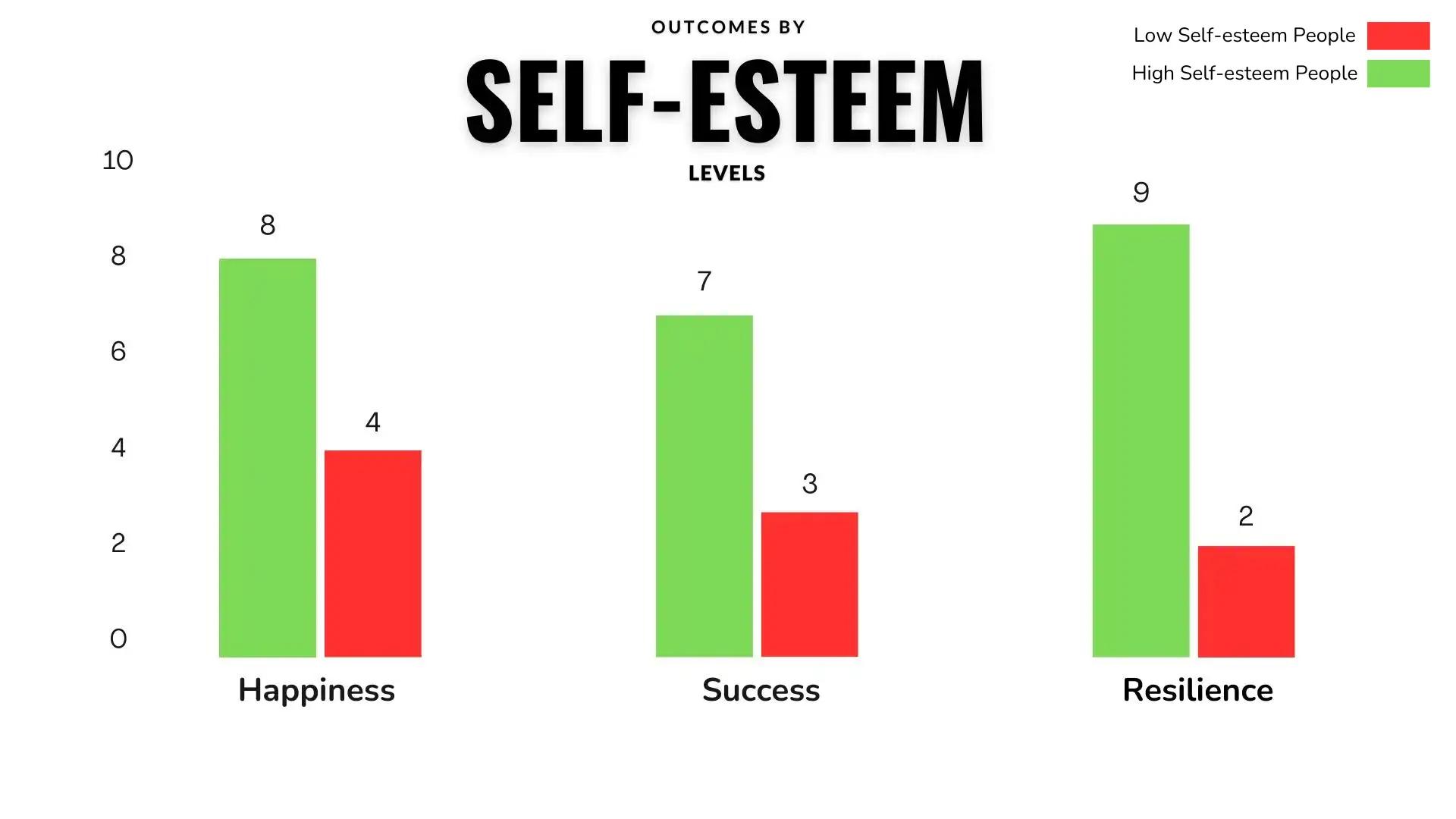
Self-esteem profoundly shapes men's lives, influencing their decisions, behaviors, and overall well-being. Research from the American Psychological Association reveals that men with high self-esteem are 40% more likely to pursue ambitious goals, demonstrating greater resilience in the face of setbacks. Conversely, low self-esteem often manifests as self-limiting beliefs, reducing career aspirations and hindering personal growth.
A critical yet underexplored connection lies in how self-esteem affects emotional regulation. Men with low self-esteem are more prone to maladaptive coping mechanisms, such as substance use, as highlighted in a longitudinal study by the National Institute on Drug Abuse. This underscores the role of self-esteem as a psychological anchor, stabilizing emotional responses and fostering healthier decision-making.
An apt analogy is to view self-esteem as the foundation of a building: when solid, it supports growth and adaptation; when weak, it compromises structural integrity. Addressing self-esteem is thus essential for cultivating resilience and authentic self-worth.
Interpersonal Relationships
A critical yet underexplored dynamic in interpersonal relationships is the role of emotional attunement—the ability to recognize, understand, and respond to the emotions of others. For men with low self-esteem, this skill is often underdeveloped, leading to miscommunication and relational strain. Emotional attunement requires not only empathy but also a willingness to engage in vulnerability, a trait many men are conditioned to suppress.
Studies reveal that men with low self-esteem frequently misinterpret neutral or ambiguous emotional cues as negative, a phenomenon linked to heightened sensitivity to rejection. This misperception can trigger defensive behaviors, such as withdrawal or aggression, which further alienate partners and perpetuate a cycle of disconnection. In contrast, men who actively cultivate emotional attunement report higher relationship satisfaction and resilience, as they are better equipped to navigate conflicts constructively.
One effective intervention is mindfulness-based emotional training, which enhances self-awareness and emotional regulation. For instance, a program implemented by the University of Massachusetts demonstrated a 28% improvement in participants' ability to identify and articulate emotions, fostering deeper relational bonds.
"Emotional attunement transforms relationships by bridging the gap between self-perception and mutual understanding."
— Dr. John Gottman, Relationship Researcher
By prioritizing emotional attunement, men can shift from reactive patterns to intentional, supportive interactions, strengthening both self-esteem and relational harmony.
Career and Personal Development
A pivotal yet underappreciated factor in career and personal development is the role of self-efficacy—the belief in one’s ability to influence outcomes through effort and skill. Unlike general confidence, self-efficacy is task-specific and directly impacts how men approach challenges in their professional lives. For instance, a man with high self-efficacy in leadership is more likely to volunteer for managerial roles, even in uncertain environments, because he trusts his capacity to adapt and succeed.
Research from Stanford University highlights that self-efficacy is cultivated through four mechanisms: mastery experiences, vicarious learning, verbal encouragement, and emotional regulation. Among these, mastery experiences—successfully completing challenging tasks—are the most influential. However, the absence of such experiences can create a feedback loop of avoidance and stagnation, particularly for men with low self-esteem.
In practice, organizations like Google have implemented structured mentorship programs to address this gap. By pairing employees with mentors who model resilience and provide constructive feedback, participants report a 20% increase in self-efficacy within six months, as measured by internal performance reviews.
"Self-efficacy transforms potential into action by bridging belief and capability."
— Dr. Albert Bandura, Psychologist and Self-Efficacy Theorist
This dynamic underscores the importance of fostering environments where men can build self-efficacy, enabling them to pursue growth with confidence and resilience.
FAQ
What are the key factors influencing male self-esteem in modern society?
Male self-esteem in modern society is shaped by a complex interplay of societal expectations, cultural norms, and personal experiences. Factors such as adherence to traditional masculinity, societal pressure for financial and professional success, and the stigmatization of emotional vulnerability significantly influence self-worth. Additionally, media portrayals of idealized male traits and body image contribute to unrealistic benchmarks. Educational attainment, peer relationships, and family dynamics also play pivotal roles. Emerging cultural shifts toward inclusivity and emotional openness are redefining these influences, offering opportunities for healthier self-esteem frameworks. Addressing these factors holistically is essential for fostering resilience and authentic self-worth in men.
How does traditional masculinity impact the development of self-worth in men?
Traditional masculinity often ties self-worth in men to rigid norms such as dominance, emotional stoicism, and financial success. These expectations can create a conditional sense of self-esteem, where worth is contingent on meeting societal benchmarks. Emotional suppression, a hallmark of traditional masculinity, undermines psychological well-being and limits authentic self-expression. Furthermore, failure to achieve these ideals may lead to feelings of inadequacy, reinforcing cycles of low self-esteem. However, evolving cultural narratives that embrace emotional openness and diverse expressions of masculinity are challenging these norms, enabling men to develop self-worth rooted in personal values rather than societal conformity.
What are the psychological and social consequences of low self-esteem in men?
Low self-esteem in men can lead to significant psychological and social consequences, including heightened vulnerability to anxiety, depression, and substance abuse. Socially, it often manifests as withdrawal, difficulty maintaining relationships, and reliance on external validation, which perpetuates feelings of inadequacy. Men with low self-esteem may also exhibit defensive behaviors, such as aggression or perfectionism, further straining interpersonal connections. Professionally, it can hinder career growth by fostering self-doubt and avoidance of challenges. These patterns create a feedback loop, exacerbating emotional distress and social isolation. Addressing these consequences requires targeted interventions that promote intrinsic self-worth and emotional resilience.
Which evidence-based strategies are most effective for improving male self-esteem?
Effective evidence-based strategies for improving male self-esteem include cognitive-behavioral therapy (CBT), which addresses negative self-beliefs and fosters adaptive thought patterns. Group therapy provides a supportive environment for shared experiences, reducing isolation and normalizing emotional expression. Mindfulness practices enhance self-awareness and emotional regulation, promoting intrinsic self-worth. Positive psychology interventions, such as self-compassion journaling, help reframe self-critical narratives. Additionally, structured mentorship programs and peer-support networks encourage personal growth and resilience. Combining these approaches with culturally sensitive frameworks that challenge traditional masculinity norms enables men to build sustainable self-esteem rooted in authenticity and alignment with personal values.
How do cultural and generational shifts shape perceptions of masculinity and self-esteem?
Cultural and generational shifts significantly influence perceptions of masculinity and self-esteem by redefining traditional norms. Increasing emphasis on emotional openness and inclusivity challenges rigid ideals of dominance and stoicism, fostering healthier self-worth frameworks. Generational differences highlight evolving attitudes; younger cohorts often embrace diverse expressions of masculinity, while older generations may adhere to conventional roles. Media and technology amplify these shifts, offering platforms for alternative narratives and peer validation. However, resistance to change in certain cultural contexts perpetuates outdated standards, creating tension. Addressing these dynamics requires promoting adaptive masculinity models that align with evolving societal values and individual authenticity.