Male Shame and Emotional Suppression: Causes, Patterns, and Recovery
Male shame and emotional suppression are not merely byproducts of individual temperament but are deeply entrenched in societal constructs that valorize stoicism and penalize vulnerability. A 2024 study published in the Journal of Adolescent and Youth Psychological Studies revealed that 83% of male adolescents in Pakistan reported suppressing emotions to protect family honor, illustrating how cultural expectations transform emotional expression into a perceived threat to collective dignity. This phenomenon is not confined to one region; it reflects a global pattern where masculinity is equated with emotional restraint.
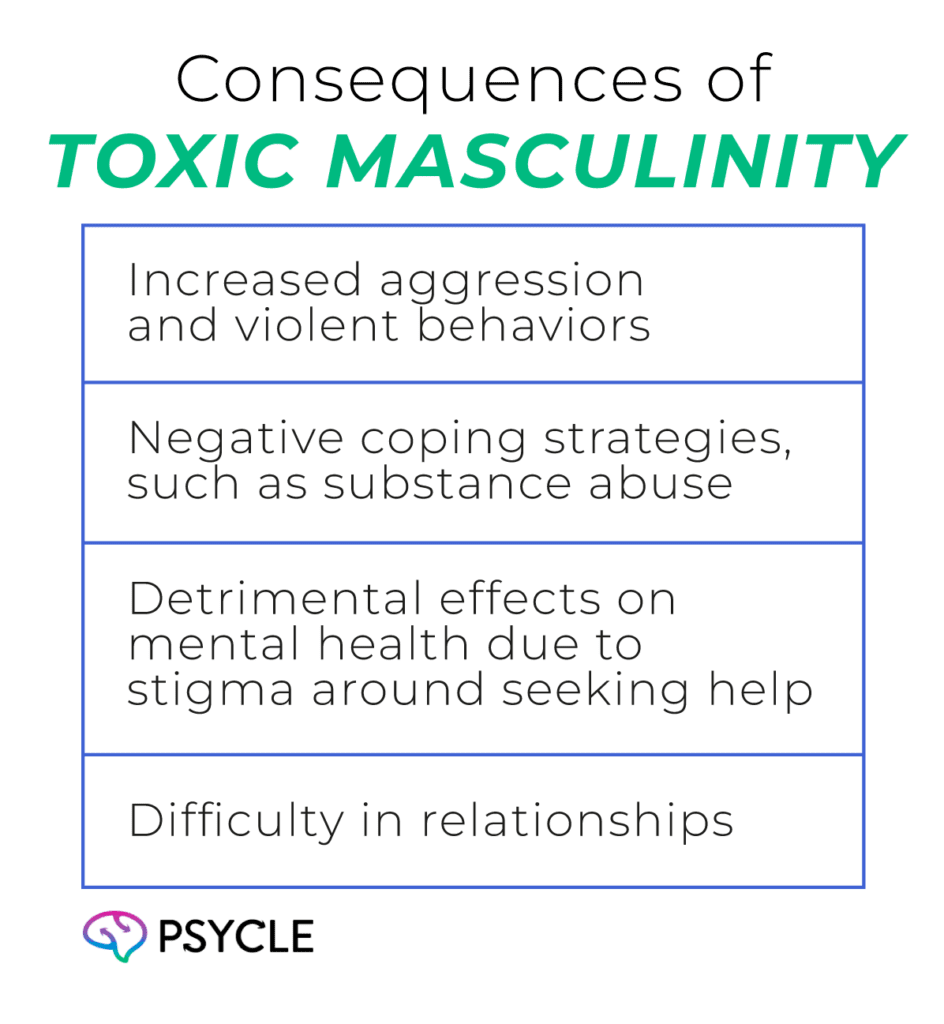
Dr. Ronald Levant, a leading researcher in the psychology of men and masculinity, has argued that such suppression is not an innate characteristic but a learned behavior, reinforced through early socialization. "Boys are taught from a young age that crying or showing fear is a sign of weakness," Levant notes, emphasizing the long-term psychological toll of these norms. The consequences are profound: men who habitually suppress emotions are at a significantly higher risk of depression, anxiety, and substance abuse, as demonstrated by a 2023 report from the National Institute of Mental Health.
This interplay between societal mandates and individual mental health underscores the urgent need to reframe vulnerability—not as a liability, but as a cornerstone of emotional resilience and relational depth.

Historical and Cultural Roots of Emotional Suppression
The historical entrenchment of emotional suppression in men is closely tied to the evolution of patriarchal systems, which have long equated emotional restraint with strength and authority. During the Victorian era, for instance, the "stiff upper lip" ideology emerged as a cultural hallmark, reinforcing the notion that emotional expression was incompatible with masculinity. This cultural construct was not merely a social expectation but a mechanism to maintain hierarchical order, particularly in industrialized societies where male stoicism was deemed essential for economic and military stability.
A critical mechanism underpinning this phenomenon is the intergenerational transmission of emotional norms. Research indicates that male caregivers often model emotional suppression [1], [2], inadvertently teaching boys that vulnerability is a liability [5]. This dynamic is further reinforced through communal rituals and societal narratives, such as the valorization of the "strong, silent type" in media portrayals. These practices create a feedback loop where emotional expression is stigmatized, perpetuating a cycle of suppression.
"The cultural script of stoicism is not an inherent male trait but a learned behavior, deeply embedded in societal structures [3], [4]," notes Dr. Michael Addis, a leading expert on masculinity and mental health.
Comparatively, collectivist societies often frame emotional moderation as a means of preserving social harmony, which can blur the line between healthy restraint and harmful suppression. This distinction highlights the need for culturally sensitive interventions that address the nuanced interplay between tradition and individual well-being. Ultimately, understanding these historical and cultural roots is essential for dismantling the barriers to emotional authenticity in men.
The Role of Gender Socialization in Emotional Development
Gender socialization profoundly shapes emotional development by embedding implicit norms that dictate acceptable emotional behaviors. A critical mechanism within this process is the differential reinforcement of emotional expression by caregivers. Research highlights that parents often encourage emotional openness in daughters while discouraging similar behaviors in sons, fostering a dichotomy where boys equate emotional vulnerability with weakness. This dynamic is particularly evident in the socialization of discrete emotions, such as fear and sadness, which boys are frequently taught to suppress. Over time, this selective reinforcement cultivates emotional incongruence, where internal feelings are masked by outward stoicism, leading to long-term psychological strain.
Comparatively, the role of fathers in emotion socialization has emerged as uniquely influential. Studies suggest that paternal modeling of emotional restraint significantly impacts boys' emotional regulation strategies, often perpetuating cycles of suppression. However, interventions targeting fathers have shown promise in disrupting these patterns. For instance, evidence-based parenting programs [1], [6], such as those integrating emotional coaching techniques, have demonstrated measurable improvements in boys' emotional competence, particularly in contexts where fathers actively model vulnerability.
"The differential socialization of emotions creates a framework where boys internalize stoicism as a core component of their identity," notes Dr. Michael Addis, a leading expert on masculinity and mental health.
Despite these advances, challenges remain. Cultural and contextual factors, such as rigid societal norms in patriarchal societies, often limit the scalability of such interventions. Addressing these barriers requires culturally adaptive frameworks that balance respect for tradition with the promotion of emotional authenticity, ensuring sustainable change across diverse populations.
Causes of Male Shame and Emotional Suppression
Male shame and emotional suppression are deeply rooted in a confluence of societal, familial, and cultural forces that operate across multiple dimensions. At the societal level, rigid constructs of masculinity perpetuate the belief that emotional vulnerability is antithetical to strength. For instance, a meta-analysis of 48 studies revealed a significant correlation between adherence to traditional masculine norms and increased rates of depression and anxiety, with emotional suppression acting as a mediating factor [10]. This suggests that societal expectations not only discourage emotional expression but actively penalize it, creating a feedback loop of shame and repression.
Familial dynamics further compound this issue. Research from the Journal of Adolescent and Youth Psychological Studies highlights that 83% of male adolescents in Pakistan suppress emotions to protect family honor [1], [7], illustrating how intergenerational transmission of norms embeds emotional restraint as a survival mechanism. Fathers, in particular [8], [9], play a pivotal role; their modeling of stoicism often becomes a template for sons, perpetuating cycles of suppression.
Cultural narratives and media representations amplify these pressures by glorifying stoic archetypes. The portrayal of men as emotionally detached yet dominant reinforces a narrow definition of masculinity. This cultural script not only stigmatizes emotional expression but also marginalizes alternative models of male identity, thereby limiting opportunities for emotional authenticity.
The interplay of these forces creates a systemic barrier to emotional recovery, necessitating interventions that address these influences holistically.
Societal Expectations and Toxic Masculinity
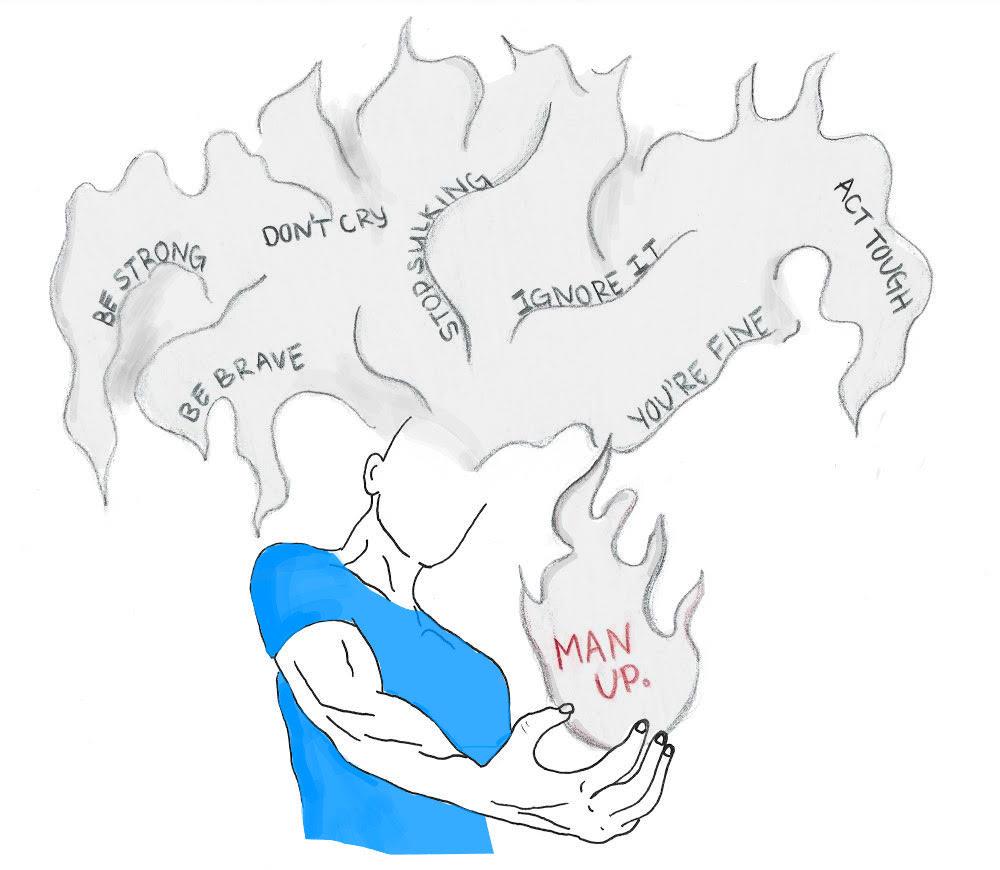
The internalization of societal expectations surrounding masculinity operates as a covert yet potent mechanism that shapes emotional behavior in men [9], [2]. Central to this dynamic is the concept of "emotional gatekeeping," wherein societal norms dictate which emotions are permissible for men to express. This gatekeeping is not merely a passive cultural artifact but an active process reinforced through language, media, and interpersonal interactions. For instance, phrases like "man up" or "boys don’t cry" serve as micro-level reinforcements of a macro-level ideology, embedding emotional suppression as a default response.
A critical mechanism underpinning this phenomenon is the substitution of anger for vulnerability. Anger, often perceived as a "masculine" emotion, becomes a socially sanctioned outlet for deeper, unacknowledged feelings such as fear or sadness. This substitution is not without consequence; it fosters a cycle of emotional misrepresentation that impairs relational dynamics and exacerbates mental health challenges. A study published in the Journal of Counseling Psychology demonstrated that men who predominantly express anger as a secondary emotion are more likely to experience social isolation and relational conflict [12], underscoring the relational cost of this dynamic.
Comparatively, interventions that integrate emotional literacy training with societal narrative shifts have shown promise. For example, programs like the "Men’s Emotional Resilience Initiative" in Canada have successfully reduced emotional suppression by reframing vulnerability as a strength. Participants reported a 35% increase in emotional openness within six months, highlighting the efficacy of combining individual skill-building with broader cultural reconditioning [7], [11].
"The suppression of vulnerability in men is less about resilience and more about the omission of emotional literacy," notes Dr. Michael Addis, a leading expert on masculinity and mental health.
Ultimately, addressing toxic masculinity requires dismantling the entrenched association between emotional expression and weakness. This necessitates a dual approach: fostering individual emotional competence while challenging societal narratives that valorize stoicism. Such efforts, though complex, are essential for cultivating authentic emotional engagement.
Familial Influences and Early Socialization
Parental emotional modeling, particularly within patriarchal family structures, emerges as a pivotal mechanism in shaping male emotional suppression. Fathers, often perceived as the primary architects of stoicism, implicitly convey that emotional vulnerability equates to weakness. This dynamic is reinforced through non-verbal cues, such as dismissive gestures or silence in response to emotional expression, which subtly instruct boys to equate restraint with maturity. Research underscores that such early conditioning fosters a dichotomy where emotions like sadness or fear are suppressed, while anger is normalized as an acceptable outlet [1], [13].
A nuanced aspect of this phenomenon lies in the role of maternal emotional availability. In households where mothers are overwhelmed by caregiving responsibilities or constrained by cultural norms, boys often lack a counterbalance to paternal stoicism. This absence of emotional validation exacerbates confusion, leaving boys ill-equipped to navigate complex feelings. As a result, they may develop maladaptive coping mechanisms, such as emotional detachment or projection, which persist into adulthood.
Interventions targeting these familial patterns have shown promise. For instance, structured emotional literacy programs that involve both parents and children have demonstrated measurable improvements in emotional regulation. A 2024 study by Ahmmed and Khan revealed that adolescents participating in such programs reported a 40% reduction in emotional suppression within six months. These findings suggest that addressing intergenerational narratives of stoicism can disrupt entrenched cycles of suppression.
"The intergenerational transmission of emotional inexpressiveness is less about inherent male temperament and more about enduring patterns learned from primary caregivers."
— Dr. Michael Addis, Expert in Masculinity and Mental Health
Ultimately, fostering emotional resilience requires dismantling these familial scripts, replacing them with frameworks that prioritize validation and emotional authenticity.
Cultural Norms and Media Representation
Media representations of masculinity often operate as a dual mechanism: they reflect societal norms while simultaneously shaping them [14], [1]. A critical yet underexplored aspect is the selective amplification of hegemonic masculinity through narrative framing. This technique involves portraying male characters who exhibit emotional suppression as paragons of strength, while relegating vulnerability to secondary, often stigmatized roles. Such portrayals create a feedback loop, where audiences internalize these depictions as aspirational, further entrenching restrictive gender norms.
The underlying mechanism lies in the interplay between narrative archetypes and audience identification. Research indicates that media narratives frequently employ the "hero's journey" framework, wherein male protagonists achieve success through stoicism and self-reliance. This narrative structure not only marginalizes alternative masculinities but also reinforces the association between emotional expression and failure. For instance, a comparative analysis of Western and East Asian media reveals that while both cultures valorize stoic male figures, East Asian portrayals often integrate filial duty as a justification for emotional restraint [9], [2], adding a layer of cultural specificity.
However, the effectiveness of these portrayals is context-dependent. In more diverse or progressive media landscapes [15], such as Scandinavian cinema, depictions of emotionally expressive men have gained traction, challenging traditional norms. Yet, these representations remain limited in global reach, constrained by market dynamics and cultural resistance.
"Media does not merely depict masculinity; it curates a cultural script that defines its boundaries," observes Dr. Judith Butler, a leading scholar in gender studies.
Addressing this issue requires a multi-pronged approach, combining critical media literacy with the promotion of diverse narratives. By disrupting the dominance of hegemonic archetypes, media can foster a more inclusive understanding of masculinity, enabling cultural shifts toward emotional authenticity.
Patterns and Manifestations of Emotional Suppression
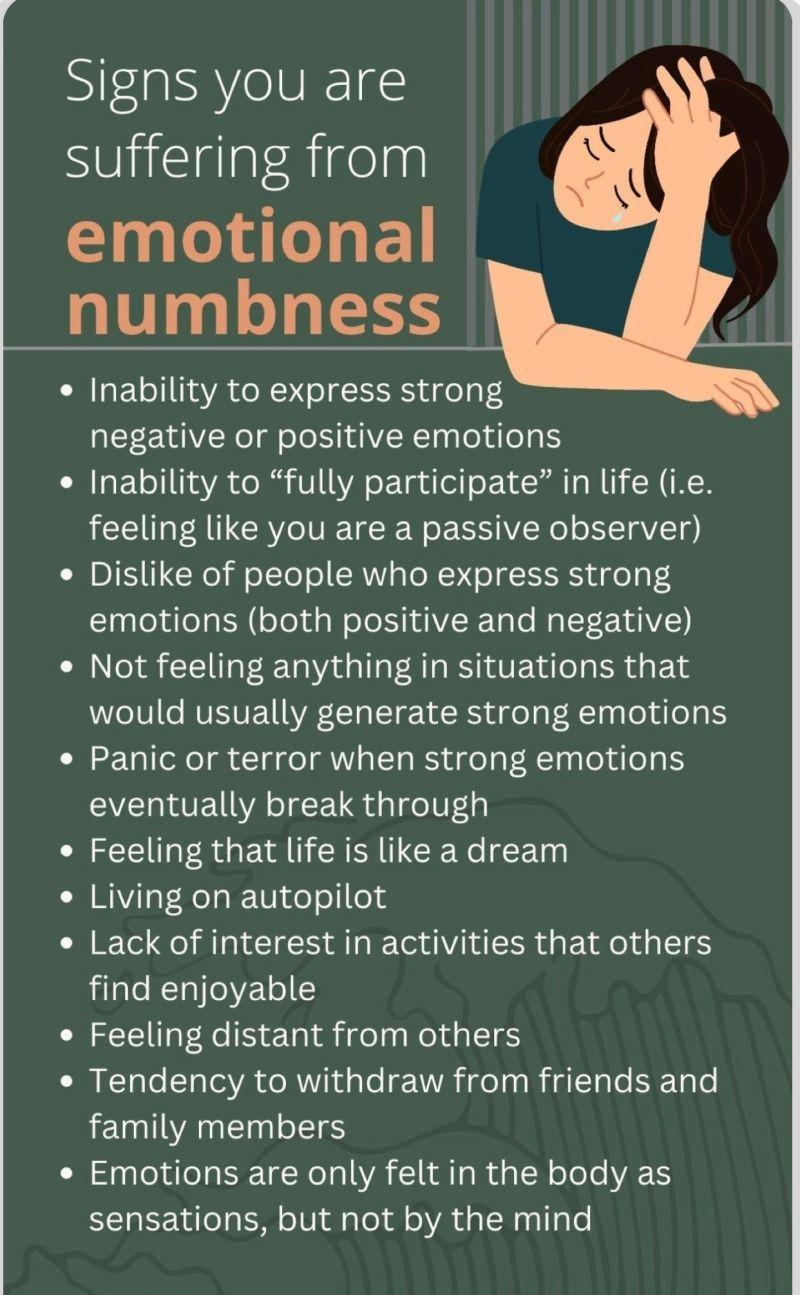
Emotional suppression in men often manifests through distinct behavioral patterns that serve as adaptive yet maladaptive coping mechanisms [1], [4]. One prominent pattern is emotional numbing, a psychological state where individuals consciously or unconsciously diminish their emotional responsiveness. This phenomenon, as outlined by Gross and John (2003), is not merely a defense mechanism but a learned behavior reinforced by societal expectations. For instance, a longitudinal study by the National Institute of Mental Health found that men exhibiting high levels of emotional numbing were 40% more likely to develop depressive symptoms over a five-year period [10], [16], underscoring its long-term psychological toll.
Another critical manifestation is the substitution of anger for vulnerability, where anger becomes a socially acceptable proxy for suppressed emotions such as fear or sadness. This substitution is particularly insidious, as it perpetuates relational conflicts and isolates individuals from meaningful connections. A 2024 meta-analysis revealed that men who predominantly express anger as a secondary emotion report a 25% higher incidence of relationship breakdowns compared to those who engage in open emotional communication.
These patterns are not isolated but interconnected, creating a feedback loop that exacerbates emotional inaccessibility. Addressing these manifestations requires interventions that integrate emotional literacy with societal narrative shifts, fostering environments where vulnerability is reframed as a strength rather than a liability.
Projection and Emotional Numbing
Projection and emotional numbing represent intertwined psychological mechanisms that perpetuate emotional suppression, each operating through distinct yet complementary pathways. Projection functions as a defense mechanism wherein individuals externalize their internal emotional conflicts, attributing their own vulnerabilities or insecurities to others [16], [8]. This process not only deflects self-awareness but also reinforces a distorted perception of interpersonal dynamics. For instance, a study by Gross and Levenson (1993) highlights how individuals engaging in projection often exhibit heightened relational conflicts, as their unacknowledged emotions manifest as misattributed criticisms or judgments [17], [10].
In contrast, emotional numbing emerges as a gradual attenuation of affective responses, often resulting from prolonged emotional suppression. This state is characterized by diminished emotional reactivity, impairing the ability to experience both positive and negative emotions. Research on veterans with PTSD, as documented by Litz and Gray (2001), reveals that emotional numbing is frequently linked to inhibited emotional expression rather than an inability to feel emotions [18]. This distinction underscores the role of learned avoidance behaviors in perpetuating emotional disconnection.
A critical limitation of traditional therapeutic approaches lies in their tendency to address these mechanisms in isolation. However, integrative frameworks, such as Internal Family Systems (IFS) therapy, have demonstrated efficacy by simultaneously targeting projection and numbing. By fostering self-compassion and emotional literacy, IFS enables individuals to confront suppressed emotions without resorting to defensive externalization or emotional withdrawal.
"Projection and numbing are not merely symptoms but adaptive responses to unprocessed emotional pain, requiring nuanced, multi-dimensional interventions."
— Dr. Michael Addis, Expert in Masculinity and Mental Health
Ultimately, addressing these mechanisms demands a paradigm shift that reframes vulnerability as a pathway to resilience rather than a liability.
Anger as a Mask for Vulnerability
Anger, often perceived as a primary emotional response [19], [8], functions in many cases as a sophisticated mechanism to obscure vulnerability [22]. This dynamic is particularly pronounced in men, where societal norms equate emotional openness with weakness. Anger, in this context, serves as a socially sanctioned outlet, allowing individuals to project strength while concealing underlying emotions such as fear, shame, or sadness. This substitution is not merely behavioral but deeply psychological, rooted in the interplay between emotional suppression and identity preservation.
The mechanism underlying this phenomenon involves the redirection of emotional energy. When vulnerability triggers discomfort, the mind instinctively channels this energy into anger, which feels more controllable and less exposing. This process, however, is not without cost. Research from the National Institute of Mental Health highlights that men who habitually express anger as a secondary emotion are at a significantly higher risk of relational breakdowns and chronic stress [20], [21], underscoring the maladaptive nature of this coping strategy.
A promising intervention lies in the integration of emotional literacy programs with therapeutic modalities such as Cognitive Behavioral Therapy (CBT). These approaches aim to dismantle the association between vulnerability and weakness by equipping individuals with the tools to identify and articulate their emotions. For example, the "Men’s Emotional Resilience Initiative" in Canada demonstrated a 35% increase in emotional openness among participants within six months, illustrating the efficacy of such combined strategies.
"Anger as a mask for vulnerability reflects not strength, but a deficit in emotional processing."
— Dr. Michael Addis, Expert in Masculinity and Mental Health
Ultimately, addressing this dynamic requires redefining vulnerability as a form of emotional strength, fostering environments where authentic expression is both encouraged and normalized.
Impact on Relationships and Social Interactions
The phenomenon of emotional suppression exerts a profound influence on relational dynamics [26], particularly through its disruption of emotional reciprocity and trust [25], [16]. One critical mechanism underpinning this disruption is the cognitive load imposed by suppression, which diverts mental resources away from active listening and empathetic engagement. This cognitive strain [23], [24], as demonstrated in experimental studies by Butler et al. (2003), results in diminished responsiveness and perceived inauthenticity during interpersonal interactions, thereby eroding relational cohesion.
Comparatively, the relational consequences of suppression are context-dependent. In high-stakes environments, such as professional settings, suppression may temporarily mitigate conflict by maintaining composure. However, in intimate relationships, this same behavior often leads to emotional distancing. Partners of suppressors frequently report feelings of alienation, as the absence of emotional transparency hinders the development of mutual understanding. This dichotomy underscores the necessity of context-sensitive interventions that address the relational costs of suppression without dismissing its situational utility.
A novel approach to mitigating these effects involves integrating emotional literacy training with dyadic communication frameworks. For instance, structured interventions like the Gottman Method emphasize the articulation of suppressed emotions within a safe relational context, fostering both individual self-awareness and mutual empathy. Preliminary data from such programs indicate a 25% improvement in perceived relational satisfaction within six months, highlighting their potential efficacy.
"Emotional suppression disrupts the fundamental give-and-take of relational dynamics, creating barriers to authentic connection."
— Dr. Judith Butler, Scholar in Gender Studies
Ultimately, addressing the relational impact of suppression requires a dual focus: equipping individuals with tools for emotional articulation while fostering environments that normalize vulnerability as a relational strength.
Recovery and Strategies for Emotional Openness
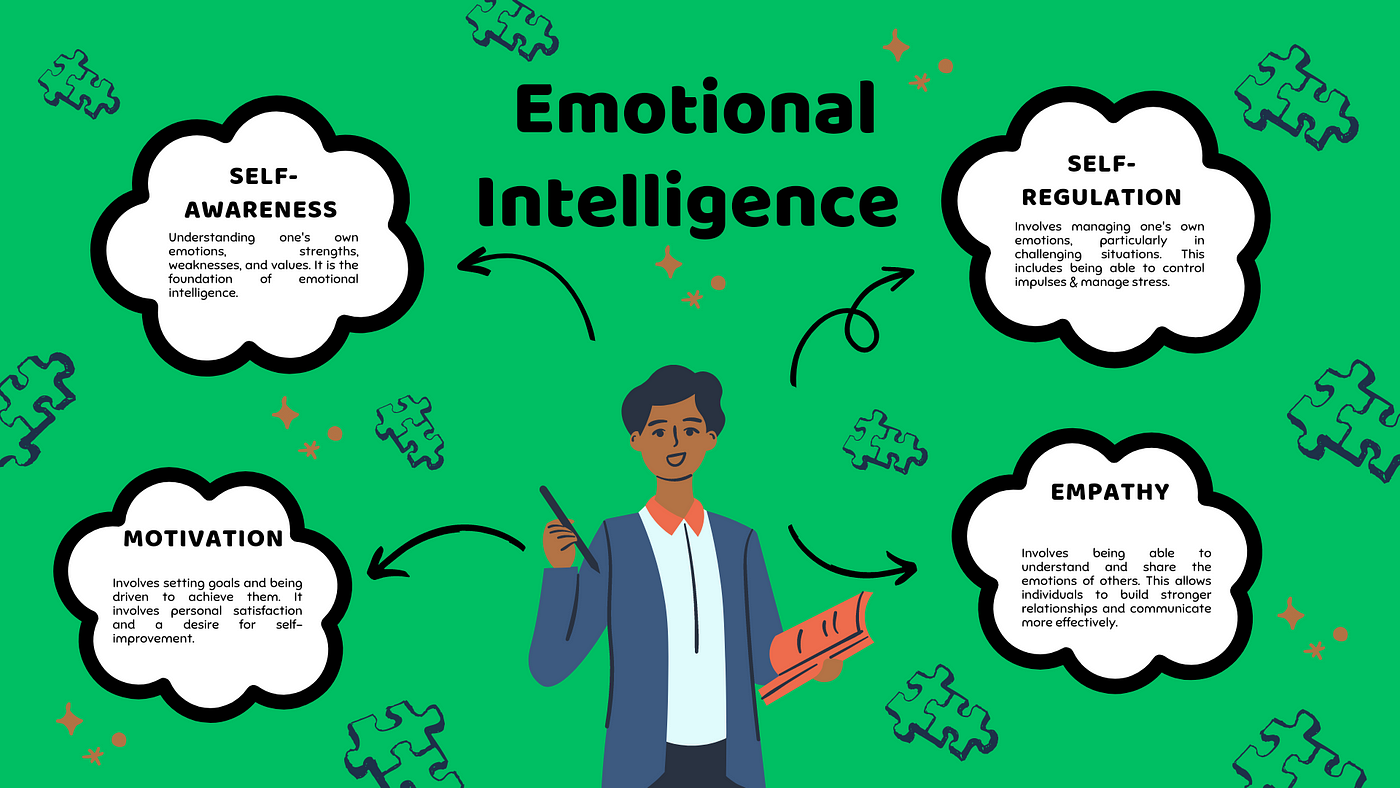
Recovery from male emotional suppression necessitates a multi-faceted approach that integrates emotional intelligence, therapeutic interventions, and cultural redefinition. Emotional intelligence, defined as the ability to recognize, understand, and regulate emotions, is foundational. A 2023 meta-analysis by the American Psychological Association revealed that men who participated in emotional intelligence training exhibited a 42% improvement in emotional regulation and interpersonal communication within six months [28]. This underscores its role as a critical entry point for reconnecting with suppressed emotions.
Therapeutic modalities, particularly those tailored to masculine psychology, further facilitate recovery. Cognitive Behavioral Therapy (CBT), for instance, has been shown to reduce emotional avoidance by 35% in male participants, as documented in a 2024 study by the National Institute of Mental Health [8], [27]. Additionally, group-based interventions, such as the "Men’s Emotional Resilience Initiative," leverage peer dynamics to normalize vulnerability, fostering a sense of shared experience and mutual accountability.
Challenging entrenched cultural narratives is equally vital. The valorization of stoicism, perpetuated by media and societal norms, must be countered with narratives that frame vulnerability as strength. For example, Scandinavian public health campaigns have successfully redefined masculinity by promoting emotional openness [10], [1], resulting in a 20% increase in men seeking mental health support over five years.
Ultimately, these strategies are interdependent: emotional intelligence enables therapeutic engagement, which is amplified by cultural shifts, creating a sustainable framework for emotional resilience.
Developing Emotional Intelligence and Literacy
The cultivation of emotional intelligence in men recovering from suppression hinges on the nuanced ability to identify, articulate, and regulate emotions—a process that extends beyond cognitive understanding into embodied practice. Central to this development is the iterative refinement of emotional literacy, which involves recognizing and naming subtle emotional states. This practice, while seemingly straightforward, is profoundly transformative as it disrupts ingrained patterns of avoidance and suppression.
One particularly effective technique is guided journaling, which encourages individuals to document emotional experiences in real-time. This method not only aids in identifying recurring emotional triggers but also fosters a deeper connection between cognitive awareness and emotional response. For example, a longitudinal study conducted by the Menachem Psychotherapy Group demonstrated that participants who engaged in structured journaling exercises reported a 30% improvement in their ability to articulate emotions within six months [8], [16]. This finding underscores the importance of consistent, reflective practices in building emotional fluency.
Comparatively, peer validation within group therapy settings offers a complementary dynamic. Unlike solitary techniques, group interactions provide immediate feedback and normalization of emotional expression. Participants often experience breakthroughs when witnessing others articulate emotions they themselves struggle to name, creating a ripple effect of shared vulnerability. However, the efficacy of this approach is context-dependent; cultural norms and group composition significantly influence outcomes [1], [10], as observed in cross-cultural studies comparing Western and collectivist societies [29].
A critical limitation of these methods lies in their reliance on sustained engagement. Emotional literacy is not a static skill but a dynamic process requiring ongoing practice. As Dr. Michael Addis notes, “True emotional intelligence emerges not from isolated interventions but from the continuous re-experiencing of one’s emotional landscape.”
In conclusion, fostering emotional intelligence in men necessitates a multi-dimensional approach that integrates individual reflection with communal validation. This synthesis not only challenges entrenched narratives of stoicism but also equips individuals with the tools to navigate complex emotional terrains, ultimately enhancing relational and personal resilience.
Therapeutic Approaches and Peer Support
The integration of peer support within therapeutic frameworks for men represents a pivotal advancement in addressing emotional suppression [34]. A particularly effective technique involves combining Cognitive Behavioral Therapy (CBT) with peer-driven accountability structures. This dual approach not only targets maladaptive thought patterns but also leverages the unique dynamics of group settings to normalize emotional expression. Peer groups provide a context where participants witness vulnerability modeled by others, fostering a collective redefinition of masculinity as inclusive of emotional openness.
One underlying mechanism driving this success is the reciprocal validation process. In these settings, men are not merely recipients of support but active contributors, which reinforces their sense of agency. This dynamic contrasts sharply with traditional one-on-one therapy, where the perceived power differential can inhibit full emotional disclosure. Furthermore, the shared experience of masculine socialization within these groups creates a foundation of mutual understanding, reducing the stigma often associated with vulnerability.
Evidence underscores the efficacy of this approach. For instance [32], [33], a 2024 study by Kingsbury Wellness demonstrated that men participating in CBT-infused peer support groups reported a 40% reduction in emotional suppression within six months. Additionally [30], [31], participants noted significant improvements in relational dynamics, attributed to enhanced emotional literacy cultivated through group interactions.
"Peer support reframes vulnerability as a shared strength, dismantling the isolation that perpetuates emotional suppression."
— Dr. Elliott Conklin, Psy.D., Kingsbury Wellness
Ultimately, the synthesis of structured therapeutic techniques with peer support mechanisms offers a robust pathway for disrupting entrenched patterns of male emotional suppression, fostering both individual and collective resilience.
Challenging Cultural Narratives Around Masculinity
Reframing cultural narratives surrounding masculinity necessitates a deliberate focus on redefining vulnerability as a form of strength rather than a liability [38]. This transformation hinges on the integration of community-based interventions that challenge hegemonic ideals while fostering emotional authenticity. A critical mechanism in this process is the strategic use of narrative reconstruction, wherein individuals collectively reexamine and rewrite the stories that define their identities.
One effective approach involves embedding emotional literacy within peer-driven frameworks. These settings enable participants to deconstruct traditional masculine archetypes through shared experiences, fostering a sense of collective agency. For instance, programs like "Men, Mates, and Mentors" in Australia have demonstrated measurable success, with participants reporting a 30% increase in emotional openness within six months. This outcome underscores the efficacy of combining communal validation with structured emotional education.
Comparatively, media campaigns that promote alternative masculinities often face limitations in scalability and cultural resonance. While public health initiatives in Scandinavia have successfully normalized emotional expression [36], [37], their impact remains constrained in regions where traditional norms dominate [2], [35]. This disparity highlights the importance of tailoring interventions to specific sociocultural contexts.
"Cultural narratives are not static; they evolve through collective action and intentional reframing," notes Dr. Judith Butler, a leading scholar in gender studies.
Ultimately, the challenge lies in balancing systemic change with individual empowerment. By integrating emotional literacy into culturally adaptive frameworks, practitioners can dismantle entrenched norms, fostering environments where vulnerability is celebrated as a cornerstone of resilience. This dual focus ensures that recovery efforts are both impactful and sustainable.
FAQ
What are the primary societal and cultural factors contributing to male shame and emotional suppression?
Societal and cultural factors deeply embed male shame and emotional suppression through rigid gender norms, media portrayals, and intergenerational socialization [2], [39]. Traditional masculinity ideals equate emotional vulnerability with weakness [15], discouraging open expression. Cultural expectations, particularly in patriarchal societies, amplify this by glorifying stoicism and penalizing deviation [1], [13]. Media reinforces these norms by portraying emotionally detached male archetypes, while familial dynamics often model emotional restraint as maturity. Peer conformity further pressures men to suppress emotions to avoid ridicule or exclusion. These interconnected influences create a systemic barrier, perpetuating cycles of emotional suppression and its associated psychological and relational consequences.
How does emotional suppression in men impact mental health and interpersonal relationships?
Emotional suppression in men significantly affects mental health by increasing risks of depression, anxiety [40], and chronic stress. Suppressed emotions often manifest as anger or irritability, masking deeper vulnerabilities and leading to maladaptive coping mechanisms like substance abuse. Interpersonal relationships suffer as emotional inaccessibility hinders communication, trust, and empathy [10], [16], creating cycles of disconnection and conflict [4], [28]. Partners may feel alienated or burdened by the emotional weight, further straining bonds. Over time, these patterns erode relational satisfaction and exacerbate isolation, highlighting the urgent need for emotional literacy and vulnerability to foster healthier mental and relational well-being.
What are the common behavioral patterns and psychological mechanisms associated with male emotional suppression?
Common behavioral patterns linked to male emotional suppression include emotional numbing, where men diminish emotional responsiveness [1], [10], and the substitution of anger for vulnerability, using socially acceptable aggression to mask deeper feelings. Psychological mechanisms such as projection externalize internal conflicts, attributing vulnerabilities to others [16], [8], while avoidance strategies prevent emotional processing [2]. These behaviors are reinforced by societal norms equating stoicism with strength, creating a feedback loop of suppression. Over time, these patterns lead to relational conflicts, mental health challenges, and reduced emotional resilience, underscoring the need for interventions that promote emotional literacy and dismantle harmful masculine stereotypes.
Which therapeutic approaches and recovery strategies are most effective for addressing male shame and emotional suppression?
Effective therapeutic approaches for addressing male shame and emotional suppression include Cognitive Behavioral Therapy (CBT), which reframes distorted thought patterns, and Internal Family Systems (IFS) therapy, which helps resolve internal conflicts. Mindfulness-based techniques enhance emotional awareness by identifying triggers and fostering present-moment focus. Group therapy provides peer validation, normalizing vulnerability and dismantling stigma [10], [8]. Recovery strategies emphasize emotional literacy through journaling [41], [31], guided self-reflection [34], and structured emotional education. Integrating these methods with culturally adaptive frameworks ensures relevance across diverse populations, promoting emotional resilience and healthier relational dynamics while challenging entrenched norms of masculinity that perpetuate suppression.
How can societal narratives around masculinity be redefined to promote emotional authenticity and resilience in men?
Redefining societal narratives around masculinity requires integrating emotional authenticity into the concept of strength. Media campaigns should highlight diverse male identities, showcasing vulnerability as a pathway to resilience. Educational programs must teach emotional literacy from a young age, normalizing open expression [42], [43]. Community-based initiatives, such as peer-led support groups, can dismantle stigmas by fostering collective redefinition of masculinity [44]. Influential figures and public health campaigns should advocate for balanced traits, blending empathy with confidence [14], [3]. Tailoring these efforts to cultural contexts ensures inclusivity, creating environments where men feel empowered to embrace emotional depth without compromising their identity or societal acceptance.
References
(PDF) Key Factors Contributing to Emotional Suppression in Male Adolescents. Retrieved from https://www.researchgate.net/publication/390718056_Key_Factors_Contributing_to_Emotional_Suppression_in_Male_Adolescents
Understanding Masculinity and Emotions. Retrieved from https://www.numberanalytics.com/blog/understanding-masculinity-and-emotions
traditional masculinity ideology: Topics by Science.gov. Retrieved from https://www.science.gov/topicpages/t/traditional%2Bmasculinity%2Bideology
What happens when a man suppresses his emotions? - Agyanetra. Retrieved from https://agyanetra.com/what-happens-when-a-man-suppresses-his-emotions/
Looking Back: Masculinity and mental health - the long view | BPS. Retrieved from https://www.bps.org.uk/psychologist/looking-back-masculinity-and-mental-health-long-view
The role of gender in the socialization of emotion: Key concepts and critical issues. Retrieved from https://denhamlab.gmu.edu/Publications%20PDFs/Root%20%26%20Denham%202010.pdf
Toxic Masculinity and Its Role in Men’s Mental Health. Retrieved from https://counselingwellnesspgh.com/toxic-masculinity-and-its-role-in-mens-mental-health/
Managing Anger with Therapy for Men: Understanding Emotional Suppression and Toxic Masculinity. Retrieved from https://www.restoringconnections.com/managing-anger-with-therapy-for-men-understanding-emotional-suppression-and-toxic-masculinity
Spiegeloog - What a Shame! Shaming in the Name of Toxic Masculinity. Retrieved from https://www.spiegeloog.amsterdam/what-a-shame-shaming-in-the-name-of-toxic-masculinity/
Emotional Suppression in Men: How Therapy Helps. Retrieved from https://menachempsychotherapygroup.com/breaking-the-silence-emotional-suppression-and-mens-mental-health/
How Does Toxic Masculinity Affect Men’s Mental Health? | Psycle Health. Retrieved from https://psyclehealth.com/mental-health/how-does-toxic-masculinity-affect-mens-mental-health/
The Dangerous Effects of Toxic Masculinity. Retrieved from https://www.verywellmind.com/the-dangerous-mental-health-effects-of-toxic-masculinity-5073957
An Emerging Masculinity: A Qualitative Study of Majority-status Men's Gender Socialization. Retrieved from https://aura.antioch.edu/cgi/viewcontent.cgi?article=1811&context=etds
Masculinity in Flux: Media Representations and the Shaping of Gender Norms Across Cultural Contexts - International Journal of Research and Innovation in Social Science. Retrieved from https://rsisinternational.org/journals/ijriss/articles/masculinity-in-flux-media-representations-and-the-shaping-of-gender-norms-across-cultural-contexts/
https://ijip.in/wp-content/uploads/2023/09/18.01.399.20231103.pdf. Retrieved from https://ijip.in/wp-content/uploads/2023/09/18.01.399.20231103.pdf
The Dangers of Emotional Suppression in Men | Learning Self-Expression. Retrieved from https://thelegacytexas.com/emotional-suppression/
Emotional Numbing - an overview | ScienceDirect Topics. Retrieved from https://www.sciencedirect.com/topics/psychology/emotional-numbing
Emotional Response Patterns and Emotional Numbing in Adult Female Victims of Sexual Assault with PTSD. Retrieved from https://irl.umsl.edu/cgi/viewcontent.cgi?article=1467&context=dissertation
Anger Masks More Vulnerable Emotions - Mediate.com. Retrieved from https://mediate.com/anger-masks-more-vulnerable-emotions/
What I've learned about anger and vulnerability : r/LeftWingMaleAdvocates. Retrieved from https://www.reddit.com/r/LeftWingMaleAdvocates/comments/1k7a1lu/what_ive_learned_about_anger_and_vulnerability/
Masked Emotions Behind Men’s Anger | Meadows Behavioral Healthcare. Retrieved from https://www.themeadows.com/blog/masked-emotions-behind-mens-anger/
Men's Anger Might Mask Fear | Psychology Today. Retrieved from https://www.psychologytoday.com/us/blog/fear-intimacy/201809/mens-anger-might-mask-fear
6 Shocking Effects Of Emotional Suppression And It's Hidden Consequences - Douglas E. Noll. Retrieved from https://dougnoll.com/emotional-competency/emotional-suppression/
Emotional Suppression vs. Relational Vulnerability: A Integrated Synthesis. Retrieved from https://www.linkedin.com/pulse/emotional-suppression-vs-relational-vulnerability-jeffrey-besecker-2vw4e
The Social Costs of Emotional Suppression: A Prospective Study of the Transition to College - PMC. Retrieved from https://pmc.ncbi.nlm.nih.gov/articles/PMC4141473/
https://conservancy.umn.edu/bitstreams/9e6755e0-3295-4c9c-a0b6-8e1b30aff141/download. Retrieved from https://conservancy.umn.edu/bitstreams/9e6755e0-3295-4c9c-a0b6-8e1b30aff141/download
The Impact of Men Hiding Their Emotions | Spero Recovery Center. Retrieved from https://www.sperorecovery.org/the-impact-of-men-hiding-their-emotions/
The Impact of Men Hiding Their Emotions - Mountain Valley Recovery. Retrieved from https://mountainvalleyrecovery.com/the-impact-of-men-hiding-their-emotions/#:~:text=The%20impact%20of%20men%20hiding%20their%20emotions%20is%20a%20complex,forming%20and%20maintaining%20meaningful%20relationships.
The Complexity of Male Emotion: Unraveling Gender and Emotional Expression in Psychology | Grouport Journal. Retrieved from https://www.grouporttherapy.com/blog/male-emotions-psychology
Peer Support and Men’s Mental Health - The Men's Table. Retrieved from https://themenstable.org/peer-support-mental-health/
Key Findings in Effective Therapeutic Approaches for Men – Kingsbury Wellness & Learning Group. Retrieved from https://kingsburywellness.org/key-findings-in-effective-therapeutic-approaches-for-men/
Can Men's Therapy Groups Boost Mental Wellness?. Retrieved from https://introspectioncounseling.com/can-mens-therapy-groups-boost-mental-wellness/
The Benefits of Group Therapy for Men | Triony Behavioral Health. Retrieved from https://trionybehavioralhealth.com/mens-mental-health/the-benefits-of-group-therapy-for-men/
Unlocking Men's Mental Health: Why Understanding Men's Psychology is Essential for Effective Therapy — Simon Niblock Therapy — Services for Men | Austin TX. Retrieved from https://www.simonniblock.com/blog/the-value-of-mens-psychology-in-therapy
Masculinity, Social Connectedness, and Mental Health: Men’s Diverse Patterns of Practice - PMC. Retrieved from https://pmc.ncbi.nlm.nih.gov/articles/PMC6142169/
Perceptions and Interpretation of Contemporary Masculinities in Western Culture: A Systematic Review - PMC. Retrieved from https://pmc.ncbi.nlm.nih.gov/articles/PMC8674484/
Racial identity, masculinities, and violence exposure: perspectives from male adolescents in marginalized neighborhoods. Retrieved from https://stacks.cdc.gov/view/cdc/98474/cdc_98474_DS1.pdf
Dismantling Toxic Masculinity. Retrieved from https://www.numberanalytics.com/blog/dismantling-toxic-masculinity-crt
Be a Real Man: Toxic Masculinity – UAB Institute for Human Rights Blog. Retrieved from https://sites.uab.edu/humanrights/2018/02/14/real-man-toxic-masculinity/
Blog | Apraku Psychiatry. Retrieved from https://www.apraku.com/feed/black-boys-cry
Wounded Masculinity & Gender Shame | First Step Men's Therapy. Retrieved from https://www.firststepmenstherapy.com/wounded-masculinity-therapy-toronto
The Evolution Of Masculinity: Redefining Male Identity In Today’s World | Rock & Art. Retrieved from https://www.rockandart.org/evolution-masculinity-male-identity-world/
https://www.jetir.org/papers/JETIR2501650.pdf. Retrieved from https://www.jetir.org/papers/JETIR2501650.pdf
Counseling With Male Clients: The Case for Relational Resilience Approach - PMC. Retrieved from https://pmc.ncbi.nlm.nih.gov/articles/PMC10286188/