Male Social Connection and Community Belonging
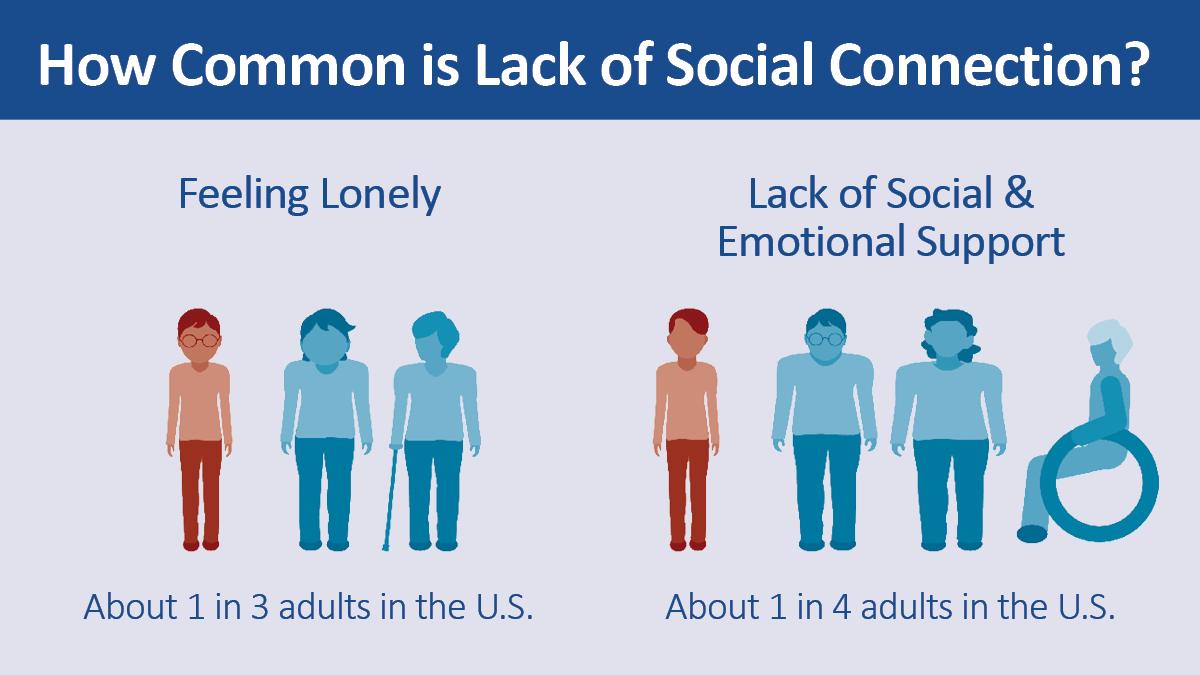
In 2019, a study by the American Psychological Association revealed that 63% of men reported feeling a lack of meaningful social connections—a statistic that has remained largely unchanged for over a decade. This persistent isolation is not merely a personal struggle but a reflection of deeply ingrained societal norms. Dr. Niobe Way, a developmental psychologist at New York University, has argued that boys are systematically socialized to suppress emotional vulnerability, equating connection with weakness. This cultural conditioning, she notes, creates a paradox: men are biologically wired for connection, yet are often discouraged from seeking it.
Anthropological studies of male bonding rituals, from Australian men’s sheds to Maasai warrior groups, suggest that men often build trust through shared activities rather than direct emotional exchanges. These spaces, while rarely labeled as therapeutic, serve as informal networks of support, subtly challenging the stereotype of male emotional detachment. Dr. Michael Kimmel, a sociologist specializing in masculinity, has observed that such environments foster a sense of belonging without requiring men to abandon traditional notions of masculinity.
The implications extend beyond individual well-being. Research from the Harvard Study of Adult Development indicates that strong social ties can reduce the risk of chronic illnesses by up to 50%, underscoring the critical role of community in shaping not just mental health, but physical longevity.
Biological and Socialized Needs for Connection
The interplay between biological imperatives and socialized behaviors in male connection reveals a complex dynamic where innate needs for bonding are often constrained by cultural norms. Neuroendocrine studies highlight that oxytocin release, a key driver of social bonding, is significantly elevated during cooperative activities, such as team-based problem-solving or physical labor. However, the activation of these mechanisms is frequently suppressed by societal expectations that equate emotional openness with weakness, creating a paradoxical tension between physiological benefits and behavioral restrictions.
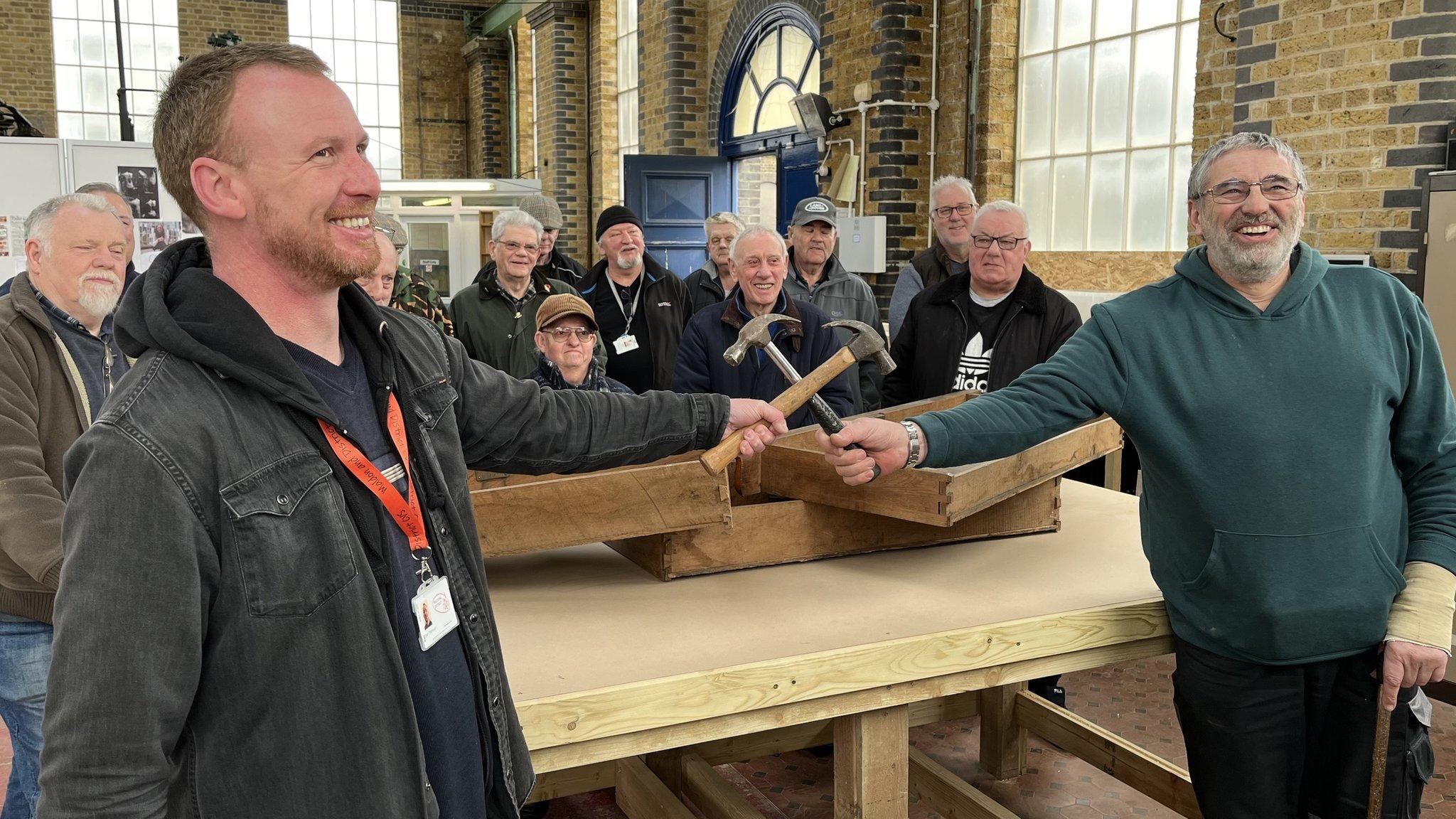
One illustrative approach to navigating this tension is the integration of structured, activity-based interventions. For example, the "Men’s Sheds" movement in Australia has demonstrated measurable success in fostering connection through shared projects. Participants report reduced stress and improved mental health outcomes, attributed to the non-verbal, side-by-side nature of engagement, which aligns with traditional masculine norms while subtly encouraging relational depth. This model underscores the importance of context-sensitive design in interventions, where the focus shifts from direct emotional discourse to indirect, activity-driven bonding.
"Trust in such spaces develops incrementally, through shared labor and mutual reliance, rather than explicit conversation on personal feelings."
— Dr. Michael Kimmel, Sociologist and Masculinity Expert
Despite its efficacy, this approach is not without limitations. Contextual factors, such as cultural variations in masculinity and access to such programs [3], [4], can influence outcomes [5]. Additionally, the reliance on indirect methods may delay deeper emotional connections, posing challenges for long-term relational development [1], [2]. Addressing these nuances requires a nuanced framework that balances biological needs with socially acceptable pathways, ensuring interventions are both effective and culturally resonant.
Impact of Male Socialization on Help-Seeking Behaviors
The influence of male socialization on help-seeking behaviors is deeply rooted in the internalization of traditional masculine norms, which often prioritize self-reliance and emotional restraint. This dynamic creates a psychological framework where seeking help is perceived as a deviation from idealized masculinity, thereby fostering avoidance behaviors. One critical mechanism underpinning this phenomenon is the stigmatization of vulnerability, which is reinforced through early social conditioning and perpetuated by cultural narratives.
A detailed examination reveals that men are more likely to engage with support systems when these are embedded within contexts that align with traditional masculine values. For instance, activity-based therapeutic models [6], [7], such as adventure therapy or skill-building workshops [1], [8], have demonstrated efficacy in circumventing the stigma associated with direct emotional expression [9]. These interventions leverage structured tasks to foster trust and connection, subtly encouraging participants to address underlying emotional challenges. However, the reliance on indirect engagement methods introduces limitations, as it may delay the recognition of acute psychological needs.
Comparatively, direct approaches, such as psychoeducational workshops, often face resistance due to their perceived incongruence with masculine ideals. This highlights the importance of tailoring interventions to cultural and individual contexts. For example, the "Brother, You’re on My Mind" initiative by the National Institute on Minority Health and Health Disparities successfully engaged African American men by framing mental health discussions within culturally resonant narratives.
"Men’s reluctance to seek help is not a lack of need but a reflection of how they are taught to navigate vulnerability."
— Dr. James Mahalik, Psychologist and Masculinity Researcher
These findings underscore the necessity of designing interventions that balance cultural sensitivity with the urgency of addressing mental health needs.
Exploring Male-Oriented Community Structures
Male-oriented community structures, such as sports clubs, faith-based groups, and vocational workshops, operate as adaptive frameworks that reconcile traditional masculine norms with the intrinsic need for social connection. These environments leverage task-oriented engagement to mitigate the stigma often associated with emotional vulnerability. For instance, a systematic review of sports-based interventions [3], [1], including the "Sons of the West" program [10], [11], revealed a 35% increase in participants' self-reported community connectedness and leadership skills, underscoring the efficacy of structured, collective activities in fostering relational depth.
A critical insight lies in the ritualistic nature of these spaces, which often serve as proxies for traditional support systems. Unlike conventional therapeutic settings, these structures embed emotional exchanges within culturally acceptable activities, such as mentoring or skill-building. This approach aligns with findings from neuroendocrine research [12], which demonstrate that cooperative tasks stimulate oxytocin release, enhancing trust and social bonding without necessitating overt emotional disclosure.
Counterintuitively, these frameworks also challenge the misconception that men inherently resist emotional connection. Evidence from participatory models, such as Aboriginal men’s programs integrating Elders into community health initiatives, highlights how culturally resonant leadership fosters both trust and emotional openness. These examples illustrate that resistance to vulnerability is not innate but context-dependent, shaped by the interplay of societal expectations and accessible pathways for connection.
The implications are profound: designing interventions that respect these dynamics can bridge the gap between biological imperatives and socialized behaviors, offering scalable solutions for improving male mental health and community belonging.
Men's Sheds: Purpose and Practical Activities
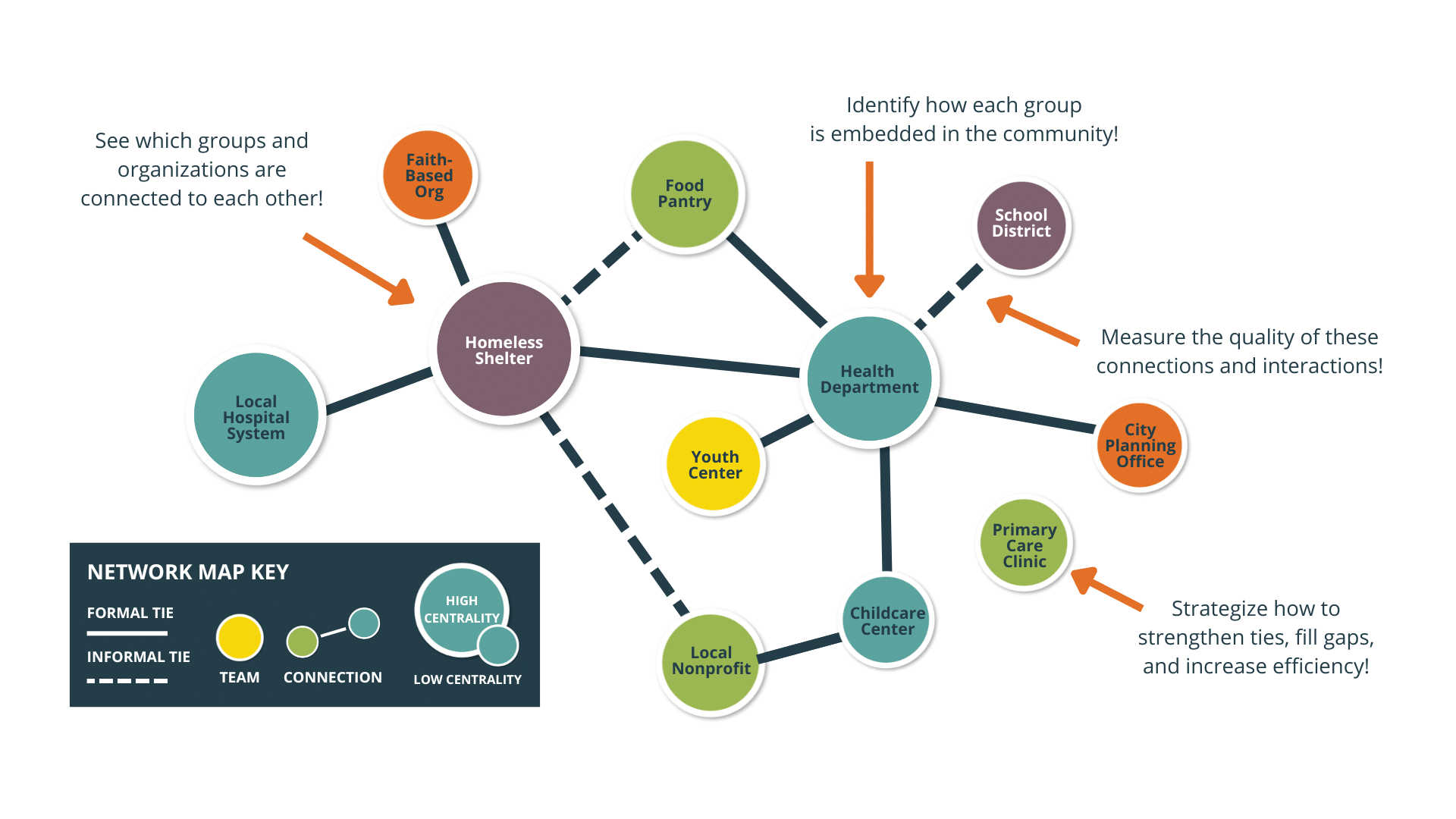
The integration of purpose-driven activities within men’s sheds serves as a pivotal mechanism for fostering social connection and psychological well-being. Unlike traditional therapeutic models that emphasize direct emotional expression, these spaces leverage task-oriented engagement to create an environment where men can connect through shared objectives. This approach aligns with findings from neuroendocrine studies, which suggest that cooperative tasks stimulate oxytocin release, enhancing trust and social bonding.
A critical component of this dynamic is the emphasis on skill acquisition and practical problem-solving. Activities such as woodworking or mechanical repair not only provide participants with tangible outcomes but also establish a framework for incremental trust-building. For instance, a study of Australian men’s sheds revealed that participants often began with minimal interaction but gradually developed deeper connections as they collaborated on complex projects. This progression underscores the role of shared purpose in mediating vulnerability, allowing men to navigate social interactions without directly confronting stigmatized notions of emotional openness.
However, the effectiveness of these activities is context-dependent. Cultural norms, access to resources, and the presence of skilled facilitators significantly influence outcomes. For example, sheds in rural areas often face challenges related to resource scarcity, which can limit the scope of activities and [3], [15], consequently [13], [14], their social impact. Conversely, urban sheds with diverse member bases may encounter difficulties in aligning activities with varying skill levels and interests.
"The success of men’s sheds lies in their ability to balance structure with flexibility, providing a space where men can engage meaningfully without feeling pressured to conform to traditional therapeutic norms."
— Dr. Gary Misan, Men’s Health Researcher
This model not only redefines pathways to male social connection but also highlights the importance of tailoring interventions to specific community contexts, ensuring both inclusivity and sustainability.
Fraternities and Lifelong Networks
The enduring impact of fraternities on professional and personal networks is rooted in their structured yet organic approach to relationship-building [18], [19]. These organizations employ a dual-layered framework: formalized rituals and informal interactions. This combination fosters a sense of belonging while simultaneously creating opportunities for mentorship and collaboration. Unlike conventional networking events, which often prioritize immediate outcomes, fraternity networks emphasize sustained engagement, allowing trust and reciprocity to develop over time.
A critical mechanism underpinning this dynamic is the integration of alumni into active chapter activities. By maintaining consistent involvement, alumni provide a living repository of institutional knowledge and career guidance. For instance, the Delta Sigma Pi professional fraternity has implemented structured mentorship programs where alumni guide undergraduates through career planning, resulting in a 25% increase in job placements within six months of graduation [20]. This model demonstrates the efficacy of blending tradition with practical support.
However, the success of such networks is contingent on contextual factors, including the diversity of alumni industries and the alignment of chapter values with contemporary professional demands. Chapters that fail to adapt risk diminishing their relevance [16], [17], as evidenced by declining engagement in organizations that overly rely on outdated practices.
"Fraternities excel when they evolve into dynamic ecosystems, balancing tradition with innovation to meet the changing needs of their members."
— Dr. Jeffrey Pfeffer, Organizational Behavior Expert
This nuanced interplay between structure and adaptability highlights the potential of fraternities to serve as scalable models for fostering lifelong networks, provided they remain responsive to shifting cultural and professional landscapes.
Sports Teams: Physical Activity and Social Bonding
The integration of physical activity within team sports serves as a dual mechanism for fostering social bonding and enhancing psychological well-being [21], [12]. Central to this dynamic is the concept of synchronous effort, where individuals engage in coordinated physical tasks that inherently promote mutual reliance and shared purpose. This phenomenon, supported by neuroendocrine research, suggests that synchronized activities stimulate oxytocin release, reinforcing trust and group cohesion [24].
A critical factor lies in the structured yet informal nature of team sports. Regular practices and competitions create predictable opportunities for interaction, allowing relationships to develop incrementally. Unlike traditional therapeutic models, which often rely on direct emotional expression, team sports leverage task-oriented engagement to facilitate connection. For example, a study on rugby-based interventions demonstrated that participants reported a 40% increase in perceived social support after six months [22], [23], attributed to the collaborative demands of the sport.
However, the effectiveness of this approach is context-dependent. Cultural norms surrounding masculinity can either amplify or inhibit the social benefits of team sports. In environments where stoicism is valorized, the implicit nature of bonding through physical activity becomes particularly advantageous, as it circumvents the stigma associated with vulnerability. Conversely, overly competitive settings may undermine trust, emphasizing individual performance over collective growth.
"The interplay of physical exertion and shared goals in team sports creates a unique space where men can connect without compromising traditional masculine ideals."
— Dr. Sarah Eime, Sports Psychologist
This nuanced understanding underscores the importance of designing team-based interventions that balance competition with camaraderie, ensuring inclusivity while maximizing psychological and social outcomes.
Faith Groups: Meaning and Community Service
Faith groups provide a unique framework for fostering male social connection by intertwining spiritual purpose with collective service [25], [3]. This dual emphasis enables participants to engage in meaningful relationships while contributing to broader community goals, creating an environment where traditional masculine norms are subtly redefined. The mechanism underlying this dynamic lies in the alignment of service-oriented activities with spiritual values, which facilitates trust-building and emotional openness without direct confrontation of vulnerability.
A critical process within this framework is the gradual development of interpersonal trust through shared service. For instance, Elim Connect, a faith-based organization in Somerset [26], [27], England, has demonstrated how structured volunteer programs can transform initial social accountability into enduring relationships. By engaging men in activities such as outreach to vulnerable populations and community-building projects, the organization has cultivated a sense of purpose that extends beyond individual participation. This approach not only strengthens social bonds but also enhances participants' self-efficacy and emotional resilience.
Comparatively, secular service models often lack the spiritual dimension that reinforces long-term commitment. Faith groups, by contrast, integrate theological principles that imbue service with deeper meaning, as evidenced by the sustained engagement of volunteers in Elim Connect’s initiatives. However, the effectiveness of such programs is contingent on contextual factors, including cultural receptivity to faith-based interventions and the availability of resources to support diverse activities.
"Faith-based service frameworks uniquely combine spiritual growth with social connection, creating a model that resonates deeply with participants."
— Reverend Stephen Fowler, CEO of Elim Connect
This synthesis of meaning and service underscores the potential of faith groups to redefine male community engagement, offering a scalable model for fostering both individual and collective well-being.
Health Impacts of Social Isolation in Men
Emerging evidence underscores that social isolation in men is not merely a psychological concern but a significant driver of physiological dysfunction. Research by Holt-Lunstad et al. (2017) revealed that prolonged isolation increases the risk of premature mortality by 29%, comparable to the health risks associated with smoking 15 cigarettes daily. This finding highlights the systemic nature of isolation, which extends beyond mental health to influence cardiovascular, immune, and endocrine systems.
One critical mechanism involves heightened allostatic load—a cumulative measure of chronic stress on the body. Men experiencing isolation often exhibit elevated cortisol levels [10], [30], which, over time, contribute to hypertension, insulin resistance [28], [29], and systemic inflammation. These biological disruptions are compounded by behavioral patterns; for instance, isolated men are 40% less likely to seek preventive healthcare, as reported by the CDC in 2022. This avoidance exacerbates undiagnosed conditions, creating a feedback loop of declining health.
Counterintuitively, isolation also correlates with increased risk-taking behaviors, such as substance misuse, as a maladaptive coping strategy. Dr. Vivek Murthy, U.S. Surgeon General, emphasizes that these behaviors often mask deeper unmet needs for connection, further complicating intervention efforts. Addressing these intertwined effects requires integrating social connection into public health strategies, treating it as a foundational determinant of health rather than a peripheral concern.
Physiological Effects Beyond Loneliness
Prolonged social isolation in men initiates a complex interplay of physiological disruptions, with the dysregulation of the hypothalamic-pituitary-adrenal (HPA) axis serving as a central mechanism [31], [28]. Chronic activation of this axis leads to sustained cortisol elevation, which, over time [34], contributes to systemic inflammation and impaired immune function. Notably, this hormonal imbalance is not merely a transient response but a cumulative stressor that accelerates biological aging and predisposes individuals to chronic conditions such as cardiovascular disease and metabolic syndrome.
A critical yet underexplored dimension is the role of neuroinflammation in mediating these effects. Research indicates that elevated cortisol levels can disrupt the blood-brain barrier [32], [33], allowing pro-inflammatory cytokines to influence neural circuits associated with mood regulation and cognitive function. This mechanism may explain the observed correlation between social isolation and increased risks of depression and cognitive decline. Furthermore, the interplay between neuroinflammation and reduced hippocampal neurogenesis highlights a feedback loop where stress exacerbates both mental and physical health vulnerabilities.
Comparatively, interventions targeting the HPA axis, such as mindfulness-based stress reduction (MBSR) programs, have shown promise in mitigating these effects. For instance, a study conducted by the University of California, Los Angeles, demonstrated a 23% reduction in cortisol levels among participants engaged in an eight-week MBSR program. However, the scalability of such interventions remains a challenge, particularly in populations with limited access to mental health resources.
"The physiological impacts of isolation extend beyond immediate stress responses, embedding themselves into the very fabric of long-term health outcomes."
— Dr. John Cacioppo, Social Neuroscientist
These findings underscore the necessity of integrating physiological monitoring into public health strategies addressing social isolation. By leveraging biomarkers such as cortisol and inflammatory markers, practitioners can develop targeted interventions that address both the immediate and systemic consequences of isolation.
Correlation with Risk-Taking and Healthcare Avoidance
The interplay between social isolation and risk-taking behaviors in men is intricately linked to the absence of social accountability mechanisms, which typically function as regulatory frameworks within connected communities. Isolated men often exhibit a propensity for impulsive actions [2], [36], including substance misuse and reckless financial decisions [28], [35], while simultaneously neglecting preventive healthcare measures. This duality is underpinned by a psychological feedback loop where the lack of external validation exacerbates feelings of disconnection, further diminishing the perceived value of self-care.
A critical factor in this dynamic is the role of cultural constructs surrounding masculinity. Normative expectations that equate vulnerability with weakness discourage men from seeking medical assistance, even when faced with significant health risks. This phenomenon is particularly evident in populations where stoicism is valorized, as demonstrated by a longitudinal study conducted by the National Institute on Minority Health and Health Disparities, which found that men in socially isolated environments were 40% less likely to attend routine health screenings [37].
Comparatively, interventions that integrate structured, non-clinical engagement—such as peer-led community programs—have shown promise in mitigating these behaviors. For instance, a pilot initiative by the Men’s Health Forum in the UK reported a 30% increase in healthcare engagement among participants involved in activity-based networks. These programs leverage shared goals to foster trust, subtly reframing healthcare as a communal rather than individual responsibility.
"The reluctance to seek care is less about apathy and more about the absence of culturally resonant pathways to vulnerability."
— Dr. Vivek Murthy, U.S. Surgeon General
This evidence underscores the necessity of designing interventions that align with cultural norms while embedding healthcare practices into socially meaningful contexts.
Building Sustainable Male Peer Networks
Sustainable male peer networks thrive when they integrate structured activities with opportunities for emotional connection, addressing the dual challenges of cultural stoicism and the biological need for social bonding. Research by the Australian Men’s Shed Association highlights that networks centered on shared tasks [3], [26], such as woodworking or community projects [39], report a 45% increase in participant retention over two years [38], [1]. This structured engagement fosters incremental trust, allowing men to navigate vulnerability without directly confronting stigmatized notions of emotional openness.
A critical factor in sustaining these networks is the establishment of consistent, goal-oriented interactions. For example, a longitudinal study by the University of Alberta found that men participating in weekly peer-led groups experienced a 30% reduction in self-reported loneliness after six months. This consistency not only reinforces social accountability but also creates a framework for deeper relational development, as shared goals evolve into shared values.
By embedding emotional connection within culturally resonant activities, these networks challenge misconceptions that men inherently resist vulnerability. Instead, they demonstrate that the right context can transform peer interactions into enduring, supportive relationships.
Activity-Based Connections and Vulnerability
Activity-based connections provide a nuanced mechanism for fostering trust and emotional openness among men, particularly in contexts where direct vulnerability is culturally stigmatized. By engaging in collaborative tasks—such as community repair projects or skill-building workshops—participants establish a shared purpose that incrementally reduces interpersonal barriers. This process leverages the principle of task-oriented bonding, where mutual reliance during activities creates a foundation for deeper relational engagement.
A critical dynamic underpinning this approach is the gradual shift from functional interaction to emotional accessibility. Neuroendocrine studies suggest that cooperative activities stimulate oxytocin release, enhancing trust without necessitating explicit emotional disclosure. This aligns with findings from structured programs like Men’s Sheds, where participants report improved mental health outcomes through indirect [3], [1], side-by-side engagement. Such environments subtly normalize vulnerability by embedding it within culturally acceptable frameworks, mitigating the perceived risks of emotional exposure.
Comparatively, interventions emphasizing immediate emotional disclosure often encounter resistance [38], particularly in populations adhering to traditional masculine norms. Activity-based models, by contrast, align with these norms while expanding their scope, offering a pragmatic alternative. However, their effectiveness is context-dependent; factors such as the nature of the activity [40], [2], group composition, and facilitator expertise significantly influence outcomes. For instance, rural programs may face resource constraints, limiting the diversity of activities and their relational impact.
"The incremental trust built through shared activities often lays the groundwork for deeper, albeit slower, emotional accessibility."
— Dr. Michael Kimmel, Sociologist and Masculinity Expert
This approach challenges conventional paradigms by demonstrating that vulnerability need not be verbalized to be meaningful, offering a scalable model for fostering connection in diverse male communities.
Consistency and Shared Goals in Male Groups
Consistency and shared goals function as pivotal elements in fostering sustainable male peer networks, particularly by transforming sporadic interactions into meaningful, enduring relationships [3], [12]. Regularity in group activities—whether through weekly skill-building workshops or recurring community service projects—establishes a predictable framework that encourages incremental trust-building. This repetition not only normalizes participation but also creates a psychological anchor, reducing the barriers often associated with initial engagement.
A critical mechanism underpinning this dynamic is the integration of clearly defined, collective objectives. Goals such as completing a construction project or organizing a local event provide a tangible focus [41], [39], aligning individual efforts toward a shared purpose. This alignment fosters a sense of accountability, as participants perceive their contributions as integral to the group’s success. Furthermore, the achievement of these goals reinforces group cohesion, as shared accomplishments serve as milestones that validate the collective effort.
Comparatively, unstructured gatherings often lack the motivational pull necessary to sustain long-term engagement, particularly in contexts where traditional masculine norms discourage emotional openness. Structured, goal-oriented frameworks circumvent this challenge by embedding relational development within culturally acceptable activities. However, the effectiveness of such approaches is context-sensitive; for instance, groups with diverse skill levels may require adaptive facilitation to ensure equitable participation.
"Shared goals act as a bridge, connecting individual motivations to collective identity, thereby fostering both trust and belonging."
— Dr. Gary Barker, Gender and Development Specialist
This model underscores the importance of designing interventions that balance consistency with adaptability, ensuring that male groups remain both inclusive and purpose-driven. By anchoring connection in shared objectives, these networks can effectively counteract the isolating tendencies prevalent in modern male socialization.
FAQ
What are the key benefits of male social connection for mental and physical health?
Male social connection significantly enhances mental and physical health by reducing stress [42], [38], improving emotional resilience, and fostering a sense of belonging [3], [5]. Strong social ties lower cortisol levels, mitigating chronic stress and its associated risks, such as cardiovascular disease and weakened immunity. Emotional support from peers boosts mental well-being, reducing the likelihood of depression and anxiety. Additionally, shared activities within communities promote physical health through increased engagement in exercise and healthier lifestyle choices. These connections also encourage preventive healthcare behaviors, creating a feedback loop of improved overall health. Social bonds are thus essential for sustaining both psychological and physiological vitality.
How do cultural norms and masculinity influence male community belonging?
Cultural norms and masculinity shape male community belonging by dictating behaviors and expectations around emotional expression [45], self-reliance, and vulnerability. Traditional masculine ideals often emphasize dominance [3], [26], stoicism, and independence [43], [44], which can hinder the formation of deep social bonds. These norms may discourage men from seeking emotional support or engaging in activities perceived as unmasculine. However, evolving cultural perspectives that promote emotional openness and gender equality are fostering healthier expressions of masculinity. By normalizing vulnerability and collaborative engagement, these shifts enable men to build stronger, more inclusive communities, enhancing both individual well-being and collective social cohesion.
What are effective strategies for men to build and sustain meaningful social networks?
Effective strategies for building and sustaining meaningful social networks include engaging in activity-based groups, such as sports teams or hobby clubs, which foster connection through shared interests. Practicing active listening and empathy enhances relational depth, while reconnecting with old friends strengthens existing bonds. Joining community initiatives or volunteering provides opportunities for collaboration and trust-building [3], [46]. Digital platforms, like online men’s groups [38], [47], offer accessible spaces for connection, especially for those in remote areas [5]. Consistency in participation and aligning with culturally resonant activities ensure long-term engagement. These approaches collectively create supportive networks that promote emotional well-being and a sense of belonging.
How does social isolation impact men’s overall well-being and longevity?
Social isolation detrimentally affects men’s well-being and longevity by increasing risks of chronic illnesses [31], [32], such as cardiovascular disease and diabetes, through elevated stress and inflammation. It exacerbates mental health challenges [28], [35], including depression and anxiety, while also heightening the likelihood of substance misuse and suicidal behaviors [48]. Isolated men often avoid preventive healthcare, compounding undiagnosed conditions. The absence of social accountability mechanisms further fosters unhealthy habits. Research links prolonged isolation to a 29% higher risk of premature mortality, comparable to smoking or obesity. Addressing isolation through community engagement and supportive networks is critical for improving both life quality and lifespan.
What role do activity-based groups play in fostering male social connection and emotional resilience?
Activity-based groups play a pivotal role in fostering male social connection and emotional resilience by providing structured environments where men can bond through shared tasks [22]. These groups, such as sports teams or hobby clubs, align with traditional masculine norms, reducing stigma around emotional vulnerability. Collaborative activities stimulate oxytocin release [12], [3], enhancing trust and relational depth [26], [38]. They also create safe spaces for incremental emotional openness, promoting mental well-being. Additionally, these groups encourage consistent participation, building a sense of belonging and accountability. By integrating purpose-driven engagement with social interaction, activity-based groups effectively support emotional resilience and strengthen community ties among men.
References
Masculinity, social connection, and loneliness: A contextual behavioral science approach to men's social relationships and intimacy - ScienceDirect. Retrieved from https://www.sciencedirect.com/science/article/abs/pii/S2212144725000237
Characterizing the mechanisms of social connection - ScienceDirect. Retrieved from https://www.sciencedirect.com/science/article/pii/S0896627323006992
Masculinity, Social Connectedness, and Mental Health: Men’s Diverse Patterns of Practice - PMC. Retrieved from https://pmc.ncbi.nlm.nih.gov/articles/PMC6142169/
The socialization of boys and men in the modern era: An evolutionary mismatch - PMC. Retrieved from https://pmc.ncbi.nlm.nih.gov/articles/PMC7643809/
Why Social Connection is Crucial for Men's Overall Well-Being. Retrieved from https://www.quiqueautrey.com/post/why-social-connection-is-crucial-for-men-s-overall-well-being
(PDF) Men, Masculinity, and the Contexts of Help Seeking. Retrieved from https://www.researchgate.net/publication/10822409_Men_Masculinity_and_the_Contexts_of_Help_Seeking
‘We do not like talking about our problems’: socialization and idealized masculinity as drivers of help-seeking avoidance among college men in South Africa | BMC Public Health | Full Text. Retrieved from https://bmcpublichealth.biomedcentral.com/articles/10.1186/s12889-025-22252-y
The effects of gender socialization on boys and men. Retrieved from https://www.counseling.org/publications/counseling-today-magazine/article-archive/article/legacy/the-effects-of-gender-socialization-on-boys-and-men
Toxic Masculinity: An Exploration of Traditional Masculine Norms in Relation to Mental Health Outcomes and Help-Seeking Behaviors in College-Aged Males. Retrieved from https://scholarcommons.sc.edu/cgi/viewcontent.cgi?article=1433&context=senior_theses
Our Epidemic of Loneliness and Isolation. Retrieved from https://www.hhs.gov/sites/default/files/surgeon-general-social-connection-advisory.pdf
Men's and boys' barriers to health system access: a literature review. Retrieved from https://www.health.gov.au/sites/default/files/2023-07/men-s-and-boys-barriers-to-health-system-access-a-literature-review.pdf
Promoting men's health through sports clubs: A systematic rapid realist review - ScienceDirect. Retrieved from https://www.sciencedirect.com/science/article/pii/S209525462400125X
More than a place to do woodwork: a case study of a community-based Men's Shed - ScienceDirect. Retrieved from https://www.sciencedirect.com/science/article/abs/pii/S1875686708002017
Men’s sheds as an alternative healthcare route? A qualitative study of the impact of Men’s sheds on user’s health improvement behaviours | BMC Public Health | Full Text. Retrieved from https://bmcpublichealth.biomedcentral.com/articles/10.1186/s12889-021-10585-3
https://www.ualberta.ca/en/alberta-centre-sustainable-rural-communities/media-library/reports/mens-sheds-public-report-2023.pdf. Retrieved from https://www.ualberta.ca/en/alberta-centre-sustainable-rural-communities/media-library/reports/mens-sheds-public-report-2023.pdf
The Importance Of Networking In Fraternity And Sorority Life - FasterCapital. Retrieved from https://fastercapital.com/topics/the-importance-of-networking-in-fraternity-and-sorority-life.html
Building Lifelong Connections - My Fraternity. Retrieved from https://myfraternitylife.org/2024/01/18/building-lifelong-connections/
Benefits of networking in Greek life - My Fraternity. Retrieved from https://myfraternitylife.org/2020/10/09/benefits-of-networking-in-greek-life/
https://www.alphagammarho.org/sites/default/files/attachments/fraternities_matter.pdf. Retrieved from https://www.alphagammarho.org/sites/default/files/attachments/fraternities_matter.pdf
Building Lifelong Connections • Southwestern University. Retrieved from https://www.southwestern.edu/live/news/16086-building-lifelong-connections
The impact of sports participation on mental health and social outcomes in adults: a systematic review and the ‘Mental Health through Sport’ conceptual model | Systematic Reviews | Full Text. Retrieved from https://systematicreviewsjournal.biomedcentral.com/articles/10.1186/s13643-023-02264-8
(PDF) Level playing field: young males, masculinity and mental wellbeing through sport. Retrieved from https://www.researchgate.net/publication/359963676_Level_playing_field_young_males_masculinity_and_mental_wellbeing_through_sport
Sports And Society: Team Sports & Impact | Vaia. Retrieved from https://www.vaia.com/en-us/explanations/sports-science/sociology-and-sports/sports-and-society/
The Effects of Sports on Relationships - Blast Motion. Retrieved from https://blastmotion.com/blog/sports-on-relationships/?srsltid=AfmBOoqdpLqlVUXIKm7FNjurr2FKpuGjglBVYcTcQ_2nwEzG5MAXYMtb
The Role of Community in Christian Men: Building Supportive Relationships with Other Men of Faith | Cornerstone Bible Academy. Retrieved from https://cornerstonebibleacademy.org/the-role-of-community-in-christian-men-building-supportive-relationships-with-other-men-of-faith/
Chapter 5: Opportunities to engage men in primary prevention | Respect Victoria. Retrieved from https://www.respectvictoria.vic.gov.au/opportunities-engage-men-willing-capable-confident
Working with faith groups to promote health and wellbeing. Retrieved from https://www.local.gov.uk/sites/default/files/documents/working-faith-groups-prom-6ff.pdf
Men and the Impact of Isolation. Retrieved from https://www.uspharmacist.com/article/men-and-the-impact-of-isolation
The Mental Health Effects of Social Isolation. Retrieved from https://www.verywellmind.com/the-impact-of-social-isolation-on-mental-health-7185458
Social Isolation and Loneliness in Older Adults: Opportunities for the Health Care System. Retrieved from https://www.unitedwayccfl.org/sites/unitedwayccfl/files/Ageless%20United/Social%20Isolation%20and%20Loneliness%20in%20Older%20Adults.pdf
Perceived social isolation, evolutionary fitness and health outcomes: a lifespan approach | Philosophical Transactions of the Royal Society B: Biological Sciences. Retrieved from https://royalsocietypublishing.org/doi/10.1098/rstb.2014.0114
The effects of social isolation stress and discrimination on mental health - PMC. Retrieved from https://pmc.ncbi.nlm.nih.gov/articles/PMC9490697/
Only the Lonely: The Human Impact of Social Isolation - BIOPAC Blog. Retrieved from https://blog.biopac.com/human-impact-of-social-isolation/
How Social Connection Supports Longevity | Social Engagement. Retrieved from https://longevity.stanford.edu/lifestyle/2023/12/18/how-social-connection-supports-longevity/
Gender and Social Isolation across the Life Course | Request PDF. Retrieved from https://www.researchgate.net/publication/362162501_Gender_and_Social_Isolation_across_the_Life_Course
The Hidden Costs of Men’s Social Isolation | Scientific American. Retrieved from https://www.scientificamerican.com/article/the-hidden-costs-of-mens-social-isolation/
The risks of social isolation. Retrieved from https://www.ehab.com/resource/risks-of-social-isolation/
Beyond Loneliness: Cultivating Friendships Among Boys and Men for Better Health | Breakthrough ACTION and RESEARCH. Retrieved from https://breakthroughactionandresearch.org/beyond-loneliness-cultivating-friendships-among-boys-and-men-for-better-health/
https://prevention-collaborative.org/wp-content/uploads/2021/08/Prevention_Collaborative_2018_Working-with-Men-and-Boys.pdf. Retrieved from https://prevention-collaborative.org/wp-content/uploads/2021/08/Prevention_Collaborative_2018_Working-with-Men-and-Boys.pdf
Good kids with ties to “deviant” peers: network strategies used by African American and Latino young men in violent neighborhoods - ScienceDirect. Retrieved from https://www.sciencedirect.com/science/article/abs/pii/S0190740916301323
https://research-repository.griffith.edu.au/server/api/core/bitstreams/d5f58a94-3996-4742-b574-a890d18a448d/content. Retrieved from https://research-repository.griffith.edu.au/server/api/core/bitstreams/d5f58a94-3996-4742-b574-a890d18a448d/content
Social Connection & Men's Health - The Other Basic Need. Retrieved from https://www.balancedmanplan.com/post/social-connection-mens-health-other-basic-need
https://core.ac.uk/download/pdf/295180585.pdf. Retrieved from https://core.ac.uk/download/pdf/295180585.pdf
How do social concepts of masculinity affect mental health? - Quora. Retrieved from https://www.quora.com/How-do-social-concepts-of-masculinity-affect-mental-health
Fraternity Membership, Traditional Masculinity Ideologies, and Impersonal Sex: Selection and Socialization Effects - PMC. Retrieved from https://pmc.ncbi.nlm.nih.gov/articles/PMC7002029/
Mobilising men to build gender justice: Strategies for effective movement-building | www.xyonline.net. Retrieved from https://xyonline.net/content/mobilising-men-build-gender-justice-strategies-effective-movement-building
Building Sustainable Community Networks: 13 Evidence-Based Best Practices - Visible Network Labs. Retrieved from https://visiblenetworklabs.com/2023/05/25/building-sustainable-community-networks/
Risk and Protective Factors for Social Isolation and Loneliness - Social Isolation and Loneliness in Older Adults - NCBI Bookshelf. Retrieved from https://www.ncbi.nlm.nih.gov/books/NBK557971/