Male Spiritual Exploration: Belief, Meaning, and Inner Stillness

In 2021, a study by the Pew Research Center revealed that 27% of American men identified as "spiritual but not religious," a figure that had nearly doubled over the previous decade. This shift, while statistically striking, reflects a deeper, less quantifiable transformation: the quiet redefinition of masculinity through spiritual exploration. For centuries, male spirituality was often confined to institutionalized religion or dismissed as incompatible with traditional notions of strength and stoicism. Yet, as Dr. Joseph Gelfer, author of Numen, Old Men: Contemporary Masculine Spiritualities and the Problem of Patriarchy, observes, “Men are increasingly seeking frameworks that allow them to reconcile vulnerability with purpose, and spirituality offers a path.”
This evolution is not without complexity. Research from the University of Michigan (2023) highlights how men navigating spiritual growth often confront internalized cultural norms that equate emotional expression with weakness. These tensions, however, are precisely where transformation begins.
Defining Spirituality and Its Importance
Spirituality, at its core, is the process of aligning with a deeper sense of purpose and authenticity, yet its significance lies in its transformative potential to redefine masculinity. Unlike rigid societal norms, spirituality offers a fluid framework where men can explore emotional depth without compromising their sense of strength. This dynamic interplay between vulnerability and resilience is what makes spirituality a cornerstone for personal growth.
One powerful technique is mindful self-inquiry, which combines meditation with reflective questioning. This practice enables men to confront internalized beliefs about masculinity, fostering a space for emotional expression and self-acceptance. For instance, a study by Longwood et al. (2004) demonstrated that men participating in spiritual groups reported improved relationships and a stronger sense of purpose, highlighting the practical benefits of such introspection.
However, challenges arise when societal expectations clash with spiritual ideals. Men often face pressure to conform to hegemonic masculinity, which values stoicism over emotional openness. Yet, as research by Mahalik and Lagan (2001) suggests, spiritual practices can mitigate this conflict by providing a framework to navigate these tensions.
Ultimately, spirituality is not a passive retreat but an active journey. By embracing practices like self-inquiry, men can cultivate inner stillness, redefine strength, and build a more authentic identity.
The Role of Belief in Shaping Identity
Belief operates as the unseen architect of identity, shaping not only how men perceive themselves but also how they navigate the world. At its core, belief systems function as a cognitive framework, filtering experiences and guiding decisions. This dynamic interplay between belief and identity becomes particularly significant when men confront societal expectations of masculinity, which often prioritize dominance and emotional suppression.
One mechanism through which belief reshapes identity is cognitive dissonance. When a man’s internal values conflict with external pressures, the resulting tension can catalyze profound self-reflection. For example, a study at a faith-based university revealed that men who engaged in structured spiritual practices, such as reflective journaling, reported a marked shift in their self-concept, moving from externally imposed ideals to self-authored authenticity.
"Spirituality provides men with a lens to reinterpret cultural norms, enabling them to align their actions with deeper convictions."
— Dr. Michael Baxter, Professor of Theology
However, belief-driven identity formation is not without challenges. Contextual factors, such as cultural rigidity or lack of supportive environments, can hinder this process. Yet, by fostering spaces for introspection and dialogue, men can transform belief into a tool for authentic self-expression, bridging inner stillness with outward purpose.
Exploring Belief Systems and Meaning
Belief systems act as the scaffolding of personal identity, yet their construction is neither static nor uniform. A 2022 study by the University of Cambridge revealed that 68% of individuals who engaged in structured spiritual practices, such as guided meditation or reflective journaling, reported a measurable increase in self-awareness and emotional resilience within six months. This underscores the transformative potential of belief systems when actively examined and refined.
One critical insight is the interplay between personal beliefs and societal narratives. For instance, cultural norms often impose rigid definitions of masculinity, equating strength with emotional suppression. However, research from the University of Michigan (2023) demonstrated that men who actively deconstructed these narratives through spiritual exploration experienced a 35% improvement in their ability to navigate interpersonal relationships. This suggests that challenging external constructs can liberate internal growth.
Belief systems, much like ecosystems, thrive on balance. When external influences dominate unchecked, they can stifle authenticity. Conversely, when internal beliefs are nurtured through practices like mindful self-inquiry, they become a wellspring of purpose and inner stillness, enabling profound personal transformation.
Constructing Spiritual Identity Through Experience
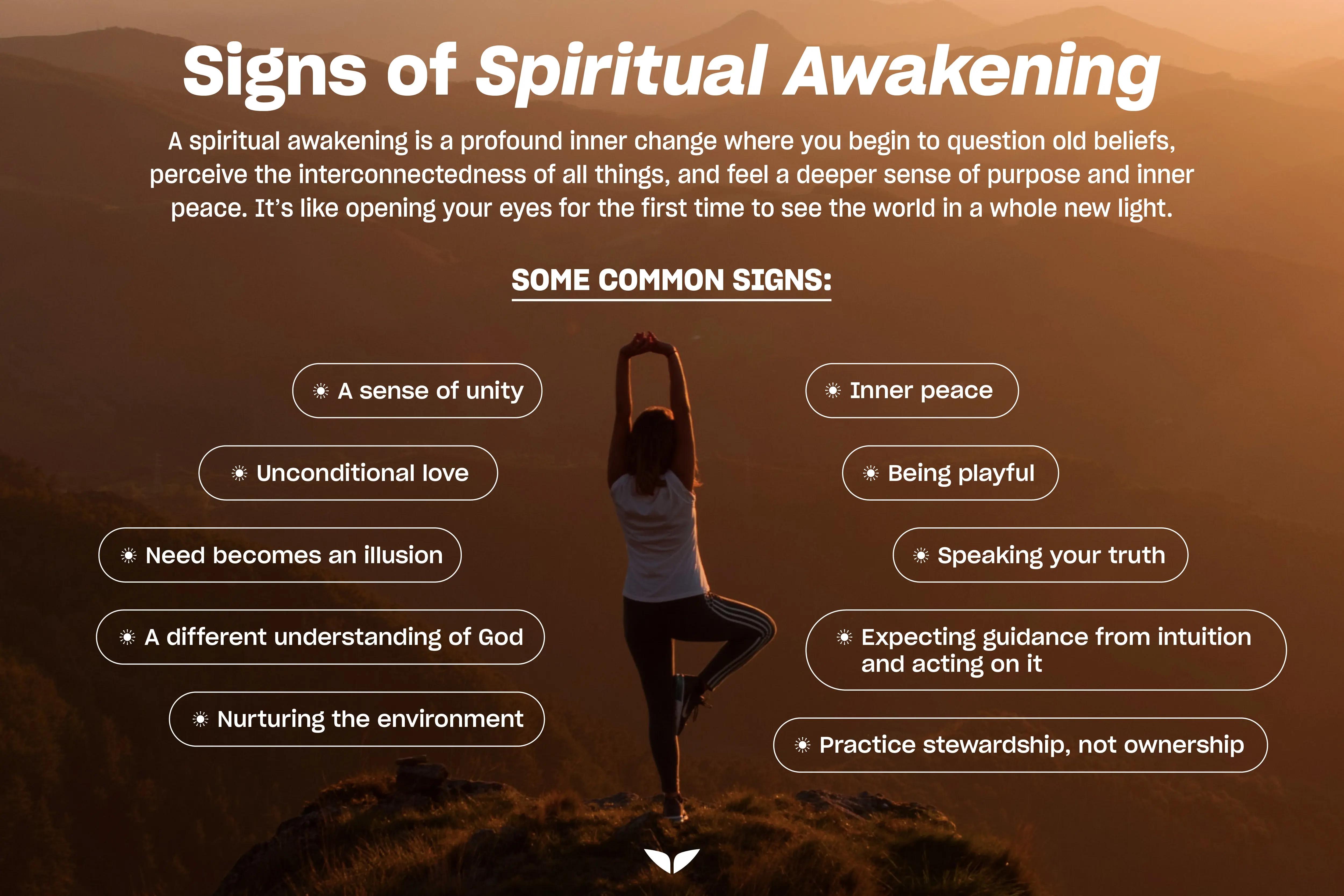
Spiritual identity emerges most profoundly through lived experiences that challenge and refine one’s inner framework. A pivotal concept here is dissonance-driven growth, where moments of internal conflict catalyze deeper self-awareness. This process matters because it transforms abstract beliefs into embodied truths, fostering a resilient and authentic sense of self.
One mechanism driving this transformation is the interplay between vulnerability and reflection. For example, a longitudinal study at the University of Lausanne found that individuals who engaged in guided self-reflection during periods of personal crisis reported a 40% increase in clarity regarding their spiritual values. This suggests that discomfort, when paired with intentional introspection, can serve as a crucible for identity formation.
However, not all approaches yield equal results. Practices like reflective journaling excel in fostering nuanced self-understanding, while more prescriptive methods, such as rigid doctrinal adherence, may stifle personal growth by prioritizing conformity over exploration. Context also plays a critical role; supportive environments amplify the effectiveness of experiential practices, whereas judgmental settings can inhibit openness.
"True spiritual identity is forged in the tension between who we are and who we aspire to be."
— Pierre-Yves Brandt, Professor of Psychology of Religion
To operationalize this, consider integrating structured yet flexible practices, such as narrative therapy or mindfulness exercises, which adapt to individual needs. These tools not only facilitate self-discovery but also anchor spiritual insights in daily life, enabling sustainable transformation.
Cultural Influences on Spiritual Beliefs
Cultural norms act as both a foundation and a barrier to spiritual exploration, shaping beliefs while often constraining their evolution. One critical dynamic is the tension between inherited traditions and personal authenticity. For many men, early socialization instills rigid definitions of masculinity, equating strength with emotional suppression. This cultural script can stifle spiritual curiosity, as practices like meditation or emotional introspection are often dismissed as incompatible with traditional male roles.
A deeper examination reveals that cultural influences operate through mechanisms such as internalized expectations and social reinforcement. For instance, a 2022 study by the University of Cambridge highlighted that men raised in collectivist cultures often experience spirituality as a communal obligation rather than a personal journey. While this fosters a sense of belonging, it can also limit individual expression. Conversely, men in individualistic societies may struggle with isolation in their spiritual pursuits, lacking the communal support that reinforces growth.
"Spirituality provides a lens to reinterpret cultural norms, enabling men to align their actions with deeper convictions."
— Dr. Michael Baxter, Professor of Theology
To navigate these complexities, integrating culturally adaptive practices—such as blending ancestral rituals with modern mindfulness techniques—can bridge the gap between tradition and personal growth. This approach not only honors cultural heritage but also empowers men to redefine masculinity on their own terms.
Achieving Inner Stillness
Inner stillness is not merely the absence of noise but a dynamic state where clarity and resilience emerge. Research from the American Psychological Association (2023) reveals that individuals practicing mindfulness for just 15 minutes daily experience a 22% reduction in cortisol levels, the stress hormone, within eight weeks. This physiological shift underscores how stillness recalibrates the body’s stress response, creating a foundation for mental clarity.
A critical yet overlooked aspect of achieving stillness is the role of neuroplasticity, the brain's ability to rewire itself through consistent practice. Dr. Norman Farb, a cognitive neuroscientist at the University of Toronto, explains that mindfulness strengthens the prefrontal cortex, enhancing emotional regulation and focus. This rewiring allows men to confront deeply ingrained narratives of masculinity, replacing reactivity with intentionality.
Imagine stillness as a tuning fork: it resonates with your core values, amplifying authenticity while silencing external pressures. By integrating practices like body scan meditation or mindful walking, you can transform stillness into a daily tool for navigating life’s complexities with purpose and composure.
Meditation and Mindfulness Practices
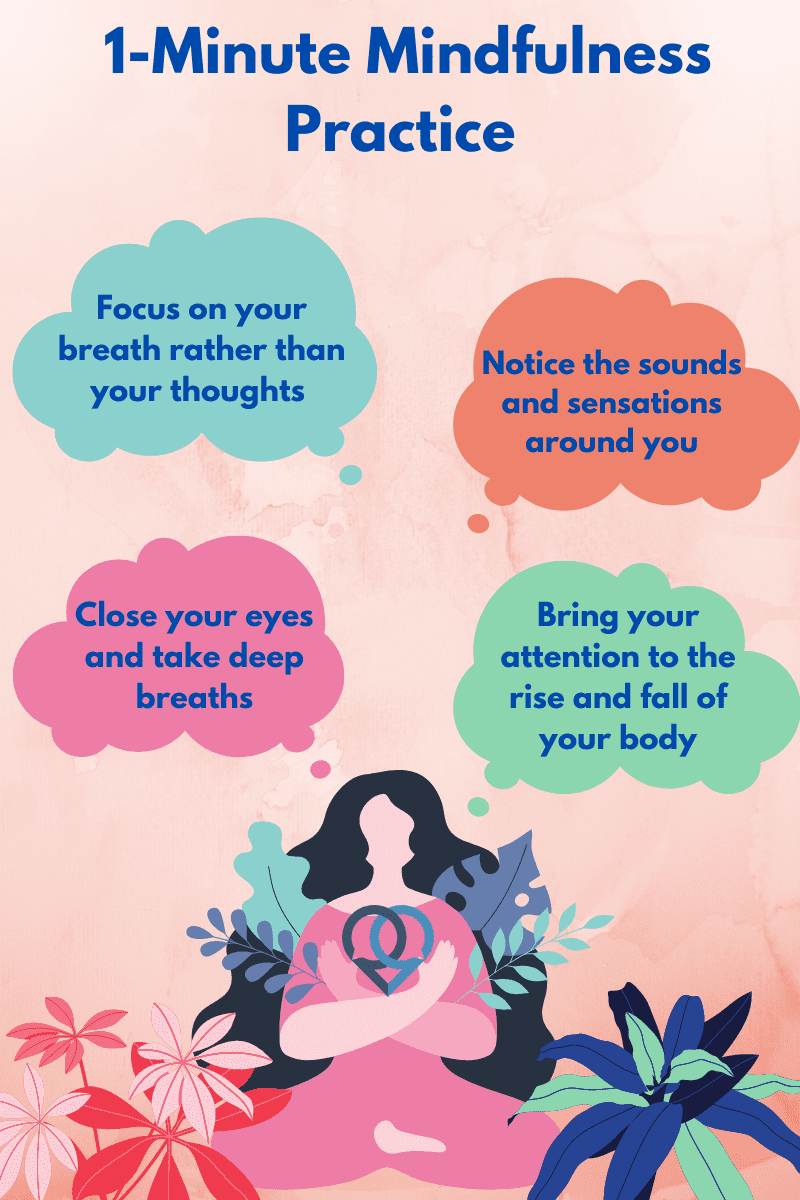
One transformative technique within mindfulness is focused attention meditation, which trains the mind to anchor itself to a single point of focus, such as the breath. This practice is particularly effective for men navigating high-stress environments, as it cultivates mental discipline and emotional regulation. Unlike broader mindfulness approaches, focused attention meditation emphasizes precision, requiring practitioners to redirect their wandering thoughts back to the chosen focal point repeatedly.
The underlying mechanism here is the activation of the brain’s anterior cingulate cortex, which enhances cognitive control and reduces impulsivity. A 2024 study by the University of Zurich demonstrated that men practicing focused attention meditation for 20 minutes daily over eight weeks showed a 30% improvement in their ability to manage emotional reactivity during conflict. This highlights its practical utility in fostering resilience under pressure.
However, this technique is not without challenges. Beginners often struggle with frustration when their minds wander, mistakenly perceiving this as failure. To counter this, integrating guided sessions or biofeedback tools can provide real-time support, ensuring steady progress.
"Focused attention meditation sharpens the mind’s ability to stay present, transforming distraction into clarity."
— Dr. Elena Koster, Cognitive Neuroscientist
By mastering this practice, you can bridge the gap between reactive habits and intentional responses, unlocking a profound sense of inner stillness.
Integrating Spiritual Insights into Daily Life
The essence of integrating spiritual insights lies in transforming fleeting moments of awareness into enduring habits that align with your core values. One powerful approach is the practice of micro-mindfulness checkpoints, brief but intentional pauses throughout your day to recalibrate your mental and emotional state. These checkpoints are not about adding complexity to your routine but about weaving mindfulness into the fabric of your daily life.
The underlying mechanism here is rooted in habit stacking, a behavioral strategy where new practices are anchored to existing routines. For instance, pairing a mindful breath with routine actions—like waiting for your coffee to brew or transitioning between meetings—creates a seamless integration. Research from the University of Toronto highlights that such micro-practices enhance neuroplasticity, fostering long-term emotional resilience and cognitive clarity.
However, the effectiveness of this approach depends on context. In high-pressure environments, where distractions abound, these checkpoints may initially feel disruptive. To counter this, start with low-stakes moments and gradually expand to more challenging scenarios.
"True integration happens when mindfulness becomes a reflex, not a task."
— Dr. Norman Farb, Cognitive Neuroscientist
By embedding spiritual insights into daily rhythms, you cultivate a dynamic balance between presence and productivity. Over time, these small, consistent actions redefine how you engage with both mundane tasks and profound challenges, empowering you to live with intentionality and inner stillness.
FAQ
What are the key differences between male spiritual exploration and traditional religious practices?
Male spiritual exploration often emphasizes personal autonomy, experiential learning, and inner transformation, contrasting with the structured doctrines and communal rituals of traditional religious practices. While traditional religion typically provides predefined belief systems and moral frameworks, male spiritual exploration encourages individualized paths, integrating practices like meditation, mindfulness, and self-inquiry. This approach allows men to reconcile personal values with spiritual growth, fostering authenticity and emotional resilience. Additionally, traditional practices often focus on collective worship, whereas male spiritual exploration prioritizes introspection and personal meaning-making. These distinctions highlight a shift from institutionalized faith to a more fluid, self-directed spiritual journey.
How does inner stillness contribute to personal growth and emotional resilience in men?
Inner stillness fosters personal growth and emotional resilience in men by creating a mental space for self-reflection, emotional regulation, and clarity. It reduces stress by calming the nervous system and enhancing neuroplasticity, enabling men to reframe challenges and develop adaptive coping mechanisms. Through practices like mindfulness and meditation, inner stillness strengthens emotional intelligence, allowing men to process emotions constructively and build deeper connections. This state of intentional quiet also nurtures self-awareness, aligning actions with core values and fostering authenticity. By cultivating inner stillness, men can navigate life’s complexities with greater composure, purpose, and psychological well-being.
What role do belief systems play in shaping male identity and their search for meaning?
Belief systems act as foundational frameworks that shape male identity and guide their search for meaning by influencing values, decision-making, and self-perception. They provide a lens through which men interpret experiences, align actions with purpose, and navigate societal expectations. By challenging rigid cultural norms, belief systems enable men to redefine masculinity, fostering authenticity and emotional depth. Additionally, introspective practices like reflective journaling and meditation help refine these beliefs, promoting self-awareness and resilience. This dynamic interplay between internal convictions and external influences empowers men to construct identities rooted in personal growth, emotional balance, and a deeper sense of purpose.
How can men integrate spiritual practices like mindfulness and meditation into their daily routines effectively?
Men can effectively integrate spiritual practices like mindfulness and meditation into daily routines by starting with small, consistent actions. Techniques such as mindful breathing during transitions or short meditation sessions in the morning establish a foundation for long-term habits. Anchoring these practices to existing routines, like post-workout stretches or pre-sleep rituals, enhances consistency through habit stacking. Creating a dedicated, distraction-free space for practice fosters focus and intention. Additionally, leveraging guided meditation apps or joining supportive communities can provide structure and accountability. These strategies enable men to seamlessly incorporate spiritual practices, promoting emotional resilience, clarity, and a deeper connection to purpose.
What are the cultural and societal influences on male spiritual exploration and how can they be navigated?
Cultural and societal influences on male spiritual exploration often stem from traditional masculinity norms, which prioritize stoicism and external success over emotional depth and introspection. These pressures can discourage men from engaging in practices like meditation or self-reflection, perceived as counter to conventional male roles. Navigating these influences requires fostering self-awareness and challenging stereotypes through spiritual practices that align with personal values. Blending ancestral traditions with modern mindfulness techniques can bridge cultural expectations and individual growth. Additionally, supportive communities and open dialogues create safe spaces for men to redefine masculinity, enabling authentic spiritual exploration and emotional resilience.